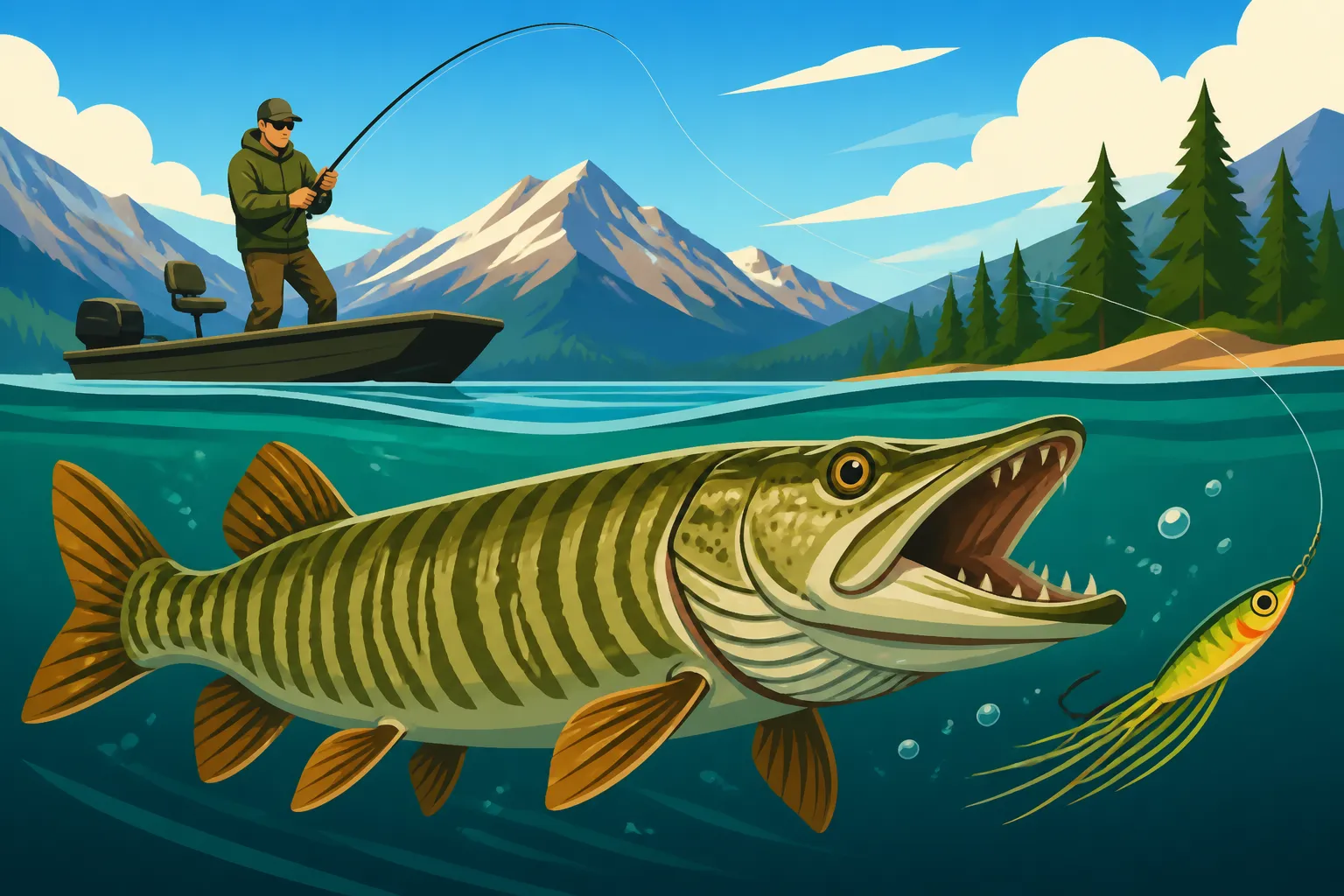
Cascade Reservoir’s Tiger Muskie Fishery
Fishing for tiger muskie at Cascade Reservoir isn't for the faint of heart, but it offers a shot at one of Idaho's most elusive and exciting trophy fish. Many anglers find themselves overwhelmed by the sheer size of the reservoir and the notoriously finicky nature of these hybrid predators. This comprehensive guide will peel back the layers on Cascade's unique tiger muskie fishery, detailing everything from their habits and the best times to fish, to the essential gear and techniques you'll need to successfully hook—and respectfully release—one of these toothy giants.
Understanding Cascade Reservoir's Unique Fishery
Cascade Reservoir, nestled in the scenic west-central mountains of Idaho, is a vast body of water known for its diverse fishing opportunities. While it's popular for perch, bass, and trout, it holds a secret weapon for those seeking a true challenge: the tiger muskie. These striped torpedoes are not native to Idaho, but they've carved out a thrilling niche in this reservoir.
What Makes Tiger Muskie So Special?
Tiger muskie (or muskellunge) are a fascinating freshwater hybrid, a cross between a muskellunge and a northern pike. This genetic blend gives them the best—or perhaps most challenging—traits of both. They inherit the muskie's large size potential and elusiveness, combined with the pike's aggressive feeding habits and distinctive striped pattern. Anglers often describe them as "the fish of 10,000 casts" because of their reputation for being incredibly hard to hook. They're apex predators, lying in wait near structure or cruising open water, ready to ambush unsuspecting prey with explosive speed.
What draws so many dedicated anglers to pursue them? It's the thrill of the hunt, the sudden, violent strike, and the sheer power of their fight. Landing a tiger muskie is a badge of honor, a testament to patience, skill, and sometimes, a little bit of luck. Their powerful runs and head shakes can test even the most seasoned angler and the stoutest of tackle. They truly are a top-tier trophy fish, offering an experience unlike any other in Idaho.
The History and Management of Tiger Muskie at Cascade
The presence of tiger muskie in Cascade Reservoir isn't accidental; it's a carefully managed program by the Idaho Department of Fish and Game. These fish were initially introduced in the early 2000s, primarily to address an overabundance of northern pikeminnow, an invasive species that was negatively impacting native and sport fish populations. Tiger muskie are sterile, meaning they cannot reproduce, which allows fisheries managers to control their numbers effectively through stocking. This sterility is a crucial factor in their management, as it prevents them from becoming an invasive species themselves.
Today, Idaho Fish and Game continues to stock tiger muskie into Cascade, recognizing their role as a valuable sport fish and a biological control agent. The management strategy focuses on creating a trophy fishery, with regulations designed to protect larger fish and ensure a healthy population for years to come. By regularly monitoring the population dynamics and growth rates, biologists can adjust stocking levels and regulations to maintain this unique and exciting fishery. Understanding these efforts helps anglers appreciate the careful balance maintained in Cascade's waters.
Prime Times and Seasons for Tiger Muskie
Timing is everything when it comes to tiger muskie, perhaps even more so than with other fish species. Their activity levels can fluctuate wildly based on water temperature, light conditions, and time of year. Knowing when to hit the water can significantly increase your chances of an encounter with one of these formidable predators. If you want to dive deeper into the general timing, check out "Idaho Fishing Season Dates and Limits" for an overview of the year.
Best Seasons for Action
- Spring (Post Ice-Off to Early Summer): This is arguably one of the best times to target tiger muskie. As the ice recedes and water temperatures begin to climb into the 40s and 50s Fahrenheit, muskie become more active. They've spent the winter in a more lethargic state and are now looking to feed. The period right after ice-out, especially when water temperatures are still cool, can see muskie cruising shallower flats and weed edges. After they spawn (which occurs in early spring, though the Cascade tigers are sterile, their biological clocks still follow natural patterns), they enter a period of aggressive feeding to regain energy. Focus on areas where warming water congregates baitfish.
- Summer (Late June to August): Summer fishing for tiger muskie can be excellent but often requires adjusting your tactics. As surface water temperatures rise, muskie tend to move to deeper, cooler water. They'll relate to submerged structures like humps, points, and old river channels, or seek out the deeper edges of weed beds. Early morning and late evening become prime times, as the low light conditions encourage them to move into shallower feeding areas. Overcast days can also provide good daytime action, as the reduced light penetration makes them more comfortable in brighter conditions.
- Fall (September to November): This is another peak season for tiger muskie, often considered the "fall bite" by dedicated anglers. As water temperatures drop, muskie go on a feeding frenzy, packing on weight before the long winter. They become incredibly aggressive and are often found in predictable areas, chasing baitfish in shallower bays and along rock walls. They'll also actively hunt in deeper areas. Large baits are particularly effective during this time, as muskie are looking for substantial meals. This period continues until ice formation.
Daily Patterns and Weather Influence
Tiger muskie are often most active during periods of low light. This means dawn and dusk are consistently productive times, especially during the warmer summer months. Overcast or rainy days can also extend their feeding windows throughout the day, as the reduced sunlight mimics low-light conditions. Clear, bright, sunny days, particularly in summer, often push them into deeper, shadier haunts or make them more lethargic, requiring a more precise presentation.
Water temperature is a critical factor. Generally, muskie become more active as water temperatures rise from the low 40s into the 60s Fahrenheit. However, extremely hot water can make them sluggish, pushing them deeper. Conversely, sudden cold fronts can shut down their bite completely for a day or two. Keeping an eye on weather forecasts and water temperature readings is crucial for planning your attack. They tend to be more active before a storm rolls in, sensing the change in barometric pressure, which can trigger a feeding spree.
Essential Gear and Tackle for Tiger Muskie
Chasing tiger muskie isn't like targeting trout or perch; it requires specialized, heavy-duty gear that can withstand the power and sharp teeth of these formidable fish. Trying to land a muskie on inadequate tackle is a recipe for heartbreak and potentially harmful to the fish.
Rods, Reels, and Line
When it comes to tiger muskie, "heavy-duty" is the operative phrase.
- Rods: You'll want a heavy or extra-heavy action baitcasting rod, typically 7 to 9 feet long. The length helps with casting large, heavy lures and provides leverage when fighting a strong fish. A fast or moderate-fast tip allows for strong hooksets while maintaining enough backbone to control powerful runs. Brands like St. Croix, G. Loomis, and Shimano offer excellent muskie-specific rods that can handle the abuse.
- Reels: A high-quality baitcasting reel with a robust drag system and a strong gear ratio is essential. Look for reels designed for heavy saltwater use or dedicated muskie reels. These reels need to hold a significant amount of heavy line and endure the strain of repeated casting and battling large fish. Popular choices include Abu Garcia Revo Toro Beast, Shimano Tranx, or Daiwa Tatula.
- Line: Spool up with 65 to 100-pound test braided line. Braided line offers superior strength, sensitivity, and no stretch, which is crucial for getting solid hooksets with large hooks. The heavy test is necessary not just for breaking strength, but also for abrasion resistance against sharp teeth and rough structure.
- Leaders: This is non-negotiable. Muskie teeth are razor-sharp and will easily cut through monofilament or fluorocarbon mainlines. You need a bite-proof leader. Options include:
- Steel Leaders: Often made from multi-strand wire, these are highly bite-resistant and come in various strengths (e.g., 80-150 lb test). They can be heavy but provide excellent protection.
- Heavy Fluorocarbon Leaders: While still susceptible to cutting, very heavy fluorocarbon (100-150 lb test) can be used, especially in clear water where visibility is a concern. The stiffness helps prevent cut-offs, but inspect them frequently for nicks.
- Titanium Leaders: A newer option, titanium leaders are strong, kink-resistant, and lighter than steel.
The choice of leader often comes down to personal preference and conditions, but never skimp on leader quality.
Top Baits and Lures That Get Results
Tiger muskie are ambush predators, and their lures need to reflect that. They crave large, flashy, or erratic presentations that mimic their natural prey like kokanee, perch, or pikeminnow. To find out more about general lures, read "Best Bait and Lures for Idaho Fishing."
- Bucktail Spinners: These are classic muskie lures for a reason. Their flashing blades and pulsing deer hair skirts create an irresistible commotion in the water. Large sizes (8-12 inches) are common, and colors often vary based on water clarity and light conditions.
- Crankbaits: Large, deep-diving crankbaits (6-12 inches or more) are excellent for trolling or casting in deeper water. They mimic large baitfish and can cover a lot of water. Jointed versions offer a more erratic swimming action.
- Jerkbaits and Glide Baits: These lures are designed to be worked with a specific retrieve, mimicking a wounded or fleeing baitfish. They require angler input to create their enticing, erratic action. Slow, methodical retrieves with pauses can be deadly.
- Soft Plastics: Large swimbaits or soft plastic jerkbaits rigged on heavy jig heads can be effective, especially when muskie are holding deeper or in thick cover. Their natural swimming action can be very appealing.
- Topwater Lures: During low-light conditions, especially in shallower areas, topwater lures like walk-the-dog baits, prop baits, or even large poppers can elicit explosive strikes that are unforgettable.
Choosing the right lure also depends on the season and where the fish are holding. In spring, bucktails and medium crankbaits often work well in shallower areas. In summer, deeper diving crankbaits, large soft plastics, or trolled presentations come into play. Fall is prime time for big bucktails, jerkbaits, and crankbaits.
Here's a quick reference table for common tiger muskie lures:
| Lure Type | Best Use Case | Retrieve Style | Pros | Cons |
|---|---|---|---|---|
| Bucktail Spinner | All seasons, covering water, shallow to mid-depths | Fast, steady retrieve | High flash/vibration, proven fish catcher | Can be tiring to retrieve due to resistance |
| Deep-Diving Crankbait | Trolling, deep casting, covering structure | Steady retrieve, varying speed | Effective at depth, good for covering large areas | Can snag easily in heavy cover, less "action" |
| Jerkbait/Glide Bait | Targeting specific structure, erratic action | Twitch-pause retrieve, angler-controlled | Highly imitative, can trigger finicky fish | Requires skill to work effectively |
| Large Soft Plastic | Deeper water, vertical jigging, slower presentation | Slow retrieve, jigging, swim-and-pause | Versatile, natural look/feel, good for picky fish | Less durable, can be costly |
| Topwater Lure | Low light, shallow water, exciting surface strikes | Walk-the-dog, pop-and-pause | Unforgettable strikes, covers shallow flats efficiently | Limited to specific conditions |
Remember, presentation is key. Many muskie strikes happen right at the boat, so always perform a "figure-eight" with your lure alongside the boat before lifting it out of the water. This can trigger a follow to strike.
Effective Techniques for Targeting Tiger Muskie
Successfully hooking a tiger muskie often comes down to a combination of understanding their behavior, selecting the right gear, and employing the most effective techniques for the conditions at hand. This isn't a game of subtlety; it's about aggression and persistence.
Trolling Strategies on Cascade
Trolling is one of the most popular and effective methods for covering large expanses of Cascade Reservoir and locating active tiger muskie, especially when they are spread out or holding deeper.
- Depth Control: Muskie often relate to specific depths. Use your electronics to identify submerged humps, drop-offs, weed lines, and old river channels where baitfish might congregate. Adjust your lure's diving depth using different sized crankbaits, lead core line, or downriggers. Generally, aim to present your lure slightly above or at the same depth as the suspected muskie or baitfish.
- Speed Variations: Experiment with trolling speeds. Sometimes a slow, steady pace is best, mimicking an easy meal, while other times a faster, erratic presentation triggers a chase. Speeds typically range from 2 to 4 miles per hour, but subtle variations can be key. Many anglers will do S-turns with their boat to vary the speed of their lures on the inside and outside turns.
- Using Planer Boards: Planer boards allow you to spread multiple lines away from the boat, covering a wider swath of water and presenting lures in undisturbed areas. This can be particularly effective in shallower water or when muskie are boat-shy.
- Targeting Structure: Don't just troll in open water. Focus on trolling along contour lines, over submerged timber, rock piles, and points that extend into the main lake. These are natural ambush points for muskie. "Idaho Trolling Techniques Guide" can provide even more insights into this method.
Casting and Retrieve Techniques
Casting allows for a more targeted approach, letting you pinpoint specific cover or structure that cannot be effectively trolled.
- Fan Casting: When approaching a promising area (like a weed bed, rocky point, or downed timber), make several casts in a fan-like pattern to thoroughly cover the area. Start shallow and work your way deeper, or vice-versa.
- The Figure-Eight: This technique is absolutely crucial for muskie fishing. Many muskie will follow a lure right up to the boat without striking. Instead of immediately lifting your lure out of the water, quickly plunge your rod tip into the water and draw a large figure-eight pattern with your lure next to the boat. This erratic, wounded action often triggers a strike from a following fish. Be ready!
- Varying Retrieve: Don't just reel in steadily. Experiment with pauses, jerks, and changes in retrieve speed. The goal is to make your lure look like an easy or injured meal, triggering that predatory instinct. For jerkbaits and glide baits, the angler is the action, creating the erratic movements.
Locating Muskie Hotspots
Finding where the muskie are hiding is half the battle.
- Weed Lines and Beds: Healthy weed beds, especially those with access to deeper water, are prime muskie habitat. They provide cover for ambush and hold baitfish. Look for the edges of these beds.
- Submerged Timber and Rock Piles: These structures offer excellent ambush points and protection. Muskie will often hold tight to them, waiting for prey to pass by.
- Points and Drop-Offs: Points that extend into the lake and abrupt depth changes (drop-offs) are travel corridors and feeding zones for muskie. They can quickly move from deep to shallow water to feed.
- Using Electronics: A good fish finder (sonar) is invaluable. Use it to identify baitfish schools, thermoclines (especially in summer), and submerged structure. Side imaging and down imaging can help you pinpoint specific pieces of cover that might hold muskie. Learning "How to Use a Fish Finder on an Idaho Reservoir" can significantly improve your success. Look for larger arcs or marks near structure that could indicate a muskie.
Remember, muskie are often solitary predators, so don't expect to catch multiple fish in the exact same spot. Once you land one, move on to a similar piece of structure.
Conservation and Responsible Angling Practices
Tiger muskie are a prized game fish, and their population in Cascade Reservoir is carefully managed. Given their sterile nature and the effort put into stocking them, responsible angling practices are paramount to ensuring the continued health and trophy potential of this fishery.
Catch and Release Best Practices
Catch and release isn't just a suggestion for tiger muskie; it's practically a requirement. These fish are slow-growing and vital to the ecosystem balance and trophy fishery status of Cascade. To ensure their survival after release, follow these guidelines:
- Minimize Fight Time: Use heavy tackle (as discussed above) to subdue the fish quickly, reducing stress and exhaustion.
- Use Proper Tools: Have a large, rubberized landing net (knotless mesh is best to protect fins and slime coat), long-nose pliers, and jaw spreaders (if necessary) readily available. Never use a gaff.
- Keep the Fish in the Water: Whenever possible, unhook the fish while it's still in the net and in the water. If you must bring it aboard for a quick photo, keep it out of the water for the absolute minimum time possible (ideally under 10-15 seconds).
- Support the Fish Properly: If you lift the fish, support its entire body horizontally with two hands—one under the belly, one grasping the base of the tail. Never hold a muskie vertically by the gill plate or jaw, as this can damage its internal organs and spine.
- Revive Gently: Before releasing, hold the fish gently in the water, supporting its belly, and allow water to flow over its gills until it regains its strength and can swim away under its own power. This might take a few minutes. If you're unsure about how to revive a fish, consult resources from Idaho Fish and Game.
- Barbless Hooks: Consider using barbless hooks or pinching down the barbs on your trebles. This makes unhooking much quicker and causes less damage to the fish.
Practicing these methods ensures that the muskie you catch today can grow larger and provide a thrill for another angler tomorrow. It's a key part of maintaining Cascade's reputation as a trophy muskie destination. Also, be aware of "Idaho Rules on Releasing Caught Fish Back into a Different Lake," as transporting live fish is generally prohibited.
Understanding Regulations Specific to Cascade
Idaho Fish and Game sets specific regulations for tiger muskie in Cascade Reservoir. These regulations are designed to protect the fishery and ensure its sustainability.
- Size Limits: There is typically a minimum size limit for tiger muskie in Cascade, often quite generous, such as 40 inches. This allows fish to grow to trophy size before being legally harvestable. Always check the current Idaho Fishing Regulations Explained for the most up-to-date information, as these can change.
- Bag Limits: Bag limits are usually very restrictive, often one fish per day. The intent is to encourage catch and release and to spread the opportunity among more anglers.
- Special Permits: While a general Idaho fishing license is required, there typically aren't additional special permits specifically for tiger muskie beyond what's needed for other game fish. However, always double-check the latest regulations.
- Checking the Proclamation: The Idaho Fish and Game Fishing Seasons and Rules brochure (available online or at license vendors) is your authoritative source for all regulations. It's crucial to review this document before each fishing season, as rules can be updated annually. Ignoring regulations can result in hefty fines and loss of fishing privileges. Understanding "Idaho Catch Limits and Bag Limits Explained" is vital for any angler.
By adhering strictly to these regulations and adopting responsible catch-and-release practices, anglers contribute directly to the health and future of Cascade Reservoir's exciting tiger muskie fishery.
Planning Your Cascade Muskie Adventure
A successful tiger muskie trip to Cascade Reservoir involves more than just bringing the right gear; it requires careful planning for access, safety, and sometimes, expert guidance.
Boat Ramps and Access Points
Cascade Reservoir is large, spanning over 28,000 acres, so knowing where to launch your boat is key. The reservoir offers numerous public access points and boat ramps around its perimeter.
- West Side: Areas like Tamarack Falls, Crown Point, and French Creek provide good access to the western arm of the reservoir. Tamarack Falls is a popular spot with amenities, offering access to deeper waters and structures that can hold muskie. French Creek and Crown Point offer various launching facilities, some with docks and restroom facilities.
- East Side: Access points like Sugarloaf and Van Wyck Park (near the town of Cascade) provide convenient launches. Van Wyck Park, in particular, is close to services and can be a good base camp. The east side often has shallower bays and weed beds that can be productive, especially in spring and fall.
- North End: Further north, areas near Donnelly and McCall offer additional access, though these might put you further from some of the prime muskie haunts depending on their current patterns.
Always check current water levels before heading out, as low water conditions can render some ramps unusable, particularly late in the season. Many of these ramps are well-maintained by the Idaho Department of Parks and Recreation or the U.S. Forest Service. Consider your target areas on the reservoir when choosing your launch point.
When to Consider a Guide
For a fish as challenging and elusive as the tiger muskie, hiring a professional fishing guide can be an invaluable investment, especially for first-time visitors or those new to muskie fishing.
- Learning Curve: Muskie fishing has a steep learning curve. A guide can accelerate your understanding of effective techniques, prime locations, and presentation nuances specific to Cascade Reservoir. They know the water intimately and can put you on fish much faster than if you were to try and figure it out on your own.
- Specialized Gear: Muskie gear is expensive and specialized. A guide will provide all the necessary rods, reels, lines, and an extensive array of proven lures, saving you from making a significant initial investment.
- Safety and Navigation: Cascade Reservoir can get rough, and navigating its vast waters, especially in changing weather, requires experience. Guides are skilled boat handlers and know the hazards.
- Responsible Handling: A good guide will also be an expert in muskie handling and catch-and-release best practices, ensuring the fish's health and survival.
- Finding a Guide: When searching for an experienced muskie guide for Cascade, you can often find reputable operators through online platforms specializing in fishing charters. For instance, FishingBooker is a great resource where you can search for guides operating in the Cascade area and read reviews from other anglers. You might find guides specifically advertising for "Idaho Steelhead Fishing Guides" or general "Idaho Lake Fishing Charters" who also specialize in muskie. Remember, guides often book up well in advance, particularly during peak seasons, so plan your trip and reserve your guide early. Don't forget to factor in the "Idaho Fishing Guide Cost Guide" when budgeting. Platforms like FishingBooker make comparing costs and services straightforward.
While a guided trip might seem like an extra expense, the knowledge gained, the increased chances of success, and the sheer enjoyment of having an expert lead the way often make it well worth the investment, especially when targeting a trophy like the Cascade tiger muskie. You can often find detailed trip information and book directly through sites like FishingBooker, which streamlines the process.
Disclaimer
The information provided in this guide is for general informational purposes only and is not intended to be legal advice or a substitute for official regulations. Fishing rules and regulations, including bag limits, size limits, and open seasons, are subject to change without notice by the Idaho Department of Fish and Game. Always consult the most current Idaho Fishing Seasons and Rules brochure or visit the Idaho Fish and Game website before heading out on any fishing trip. Adherence to all local, state, and federal laws is the sole responsibility of the angler.