Fishing C.J. Strike Reservoir for Bass and Crappie
One of the biggest joys, but also one of the biggest challenges, in Idaho fishing is knowing where to go to target specific species. You might hear whispers of a great bass lake or a crappie hotspot, but pinpointing the exact location and the right tactics can feel like trying to find a needle in a haystack. This guide is dedicated to C.J. Strike Reservoir, a phenomenal, sprawling body of water that consistently delivers incredible opportunities for both tenacious bass and delicious crappie, helping you navigate its unique waters like a seasoned local.
Understanding C.J. Strike Reservoir: A Unique Fishing Destination
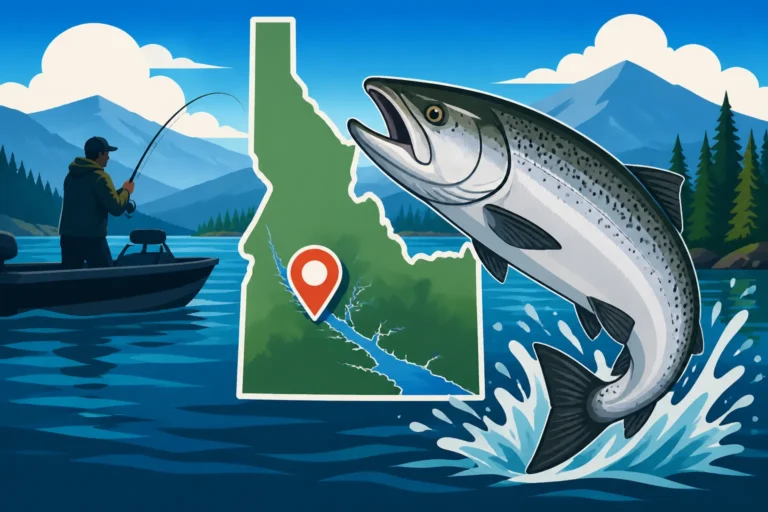
C.J. Strike Reservoir isn't just another lake; it's a dynamic, expansive impoundment formed by the confluence of the Snake and Bruneau Rivers in southwestern Idaho. It straddles the borders of Elmore and Owyhee counties, offering diverse habitats that appeal to a wide array of fish species, especially our beloved bass and crappie. The reservoir's vastness, with its deep channels, submerged structure, rocky banks, and numerous coves, can be intimidating at first glance, but understanding its character is the first step to unlocking its fishing potential.
Location and General Characteristics
Situated southeast of Boise, C.J. Strike Reservoir is easily accessible for many Idaho anglers, making it a popular choice for day trips and weekend excursions. The reservoir itself is known for its relatively stable water levels compared to some other fluctuating impoundments, though seasonal drawdowns for irrigation can still occur, altering some access points and fish patterns. Its unique geology, carved by ancient lava flows and riverine action, means you'll find everything from sheer basalt cliffs to gently sloping, gravelly banks. The water can range from clear near the dam to more turbid in the river arms, especially after significant rainfall or snowmelt. This varied environment means that fish aren't always in the same type of cover or structure, requiring adaptable strategies from anglers.
Beyond the fishing, the area surrounding C.J. Strike offers a classic high desert experience, with sagebrush-covered hills and abundant wildlife. It’s a place where you can truly escape the hustle and bustle, focusing solely on the rhythm of the cast and the pull of a fish. You'll find several campgrounds and boat ramps managed by Idaho Power and the Bureau of Land Management, providing convenient access for both boaters and those who prefer to fish from shore. For planning your trip, you might even consider consulting resources like FishingBooker to find local insight on access points or even connect with guides who specialize in these waters, giving you a head start.
Why It's a Bass and Crappie Haven
C.J. Strike's intricate network of submerged rock piles, brush, deep drop-offs, and shallow coves creates an ideal ecosystem for both smallmouth and largemouth bass, as well as prolific crappie populations. The reservoir's nutrient-rich waters support a strong forage base, including various minnow species, crayfish, and insects, which means the fish here are generally well-fed and robust. For bass, the extensive rocky habitat, especially in the main lake and the Snake River arm, is a dream come true for smallmouth, while the shallower, brushier coves and backwaters of the Bruneau arm often hold impressive largemouth.
Crappie, on the other hand, thrive in the numerous protected coves, around submerged timber, and along the extensive reed beds that line certain sections of the reservoir. The structure here provides them with ample ambush points for feeding on smaller baitfish and insects, and the sheer volume of suitable habitat allows their populations to flourish. The reservoir is regularly monitored by Idaho Fish and Game, ensuring healthy populations through good management practices. This means that with the right approach, anglers can consistently find success, making C.J. Strike one of the premier destinations for these two popular species in the state.
Targeting Bass in C.J. Strike: Smallmouth and Largemouth Strategies
C.J. Strike Reservoir offers a fantastic dual threat for bass anglers, with both smallmouth and largemouth bass thriving in its varied environments. Understanding the distinct preferences and behaviors of each species is crucial for consistent success. While they might inhabit some of the same general areas, their preferred structures, depths, and feeding habits often differ, necessitating different tackle and techniques.
Hunting for Smallmouth Bass
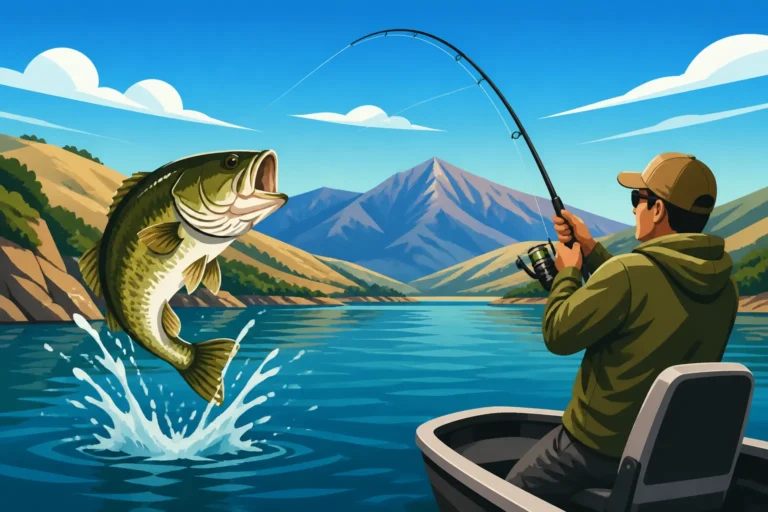
Smallmouth bass are the undisputed kings of the rocky, open water expanses in C.J. Strike. You'll find them congregating around rocky points, submerged rock piles, basalt bluffs, and along the main river channel ledges, particularly in the lower Snake River arm and the main lake body. These fish are aggressive feeders and are often found relating to structure where current is present or where baitfish are schooling. Early mornings and late evenings are prime times, especially during warmer months, but smallmouth can be caught throughout the day if you locate their preferred haunts. Look for areas with a mix of rocks and gravel, particularly those with a quick transition into deeper water, as these offer both feeding grounds and sanctuary.
When it comes to lures, smallmouth in C.J. Strike are suckers for anything that mimics a crayfish or a baitfish. Deep-diving crankbaits in natural patterns like crawdad or shad can be incredibly effective when retrieved along rocky ledges or across points. Soft plastic baits like tubes, grubs, and creature baits rigged on a jig head are also deadly when bounced along the bottom. Spinnerbaits and chatterbaits can work well for covering water quickly, especially around submerged brush or rocky shelves. Don't overlook topwater lures like poppers and walk-the-dog baits during low light conditions or when fish are actively busting bait on the surface; the explosive strikes are unforgettable. For an even more immersive experience, you could explore booking a local guide through platforms like FishingBooker, who can show you the nuances of navigating these smallmouth strongholds.
Finding Largemouth Bass
While smallmouth dominate the rocky main lake, largemouth bass in C.J. Strike prefer the quieter, shallower, and often more vegetated backwaters and coves, especially within the Bruneau River arm and the more protected bays of the main reservoir. These areas offer dense cover in the form of submerged brush, standing timber, weed lines, and reed beds, which provide excellent ambush points for these stealthy predators. Largemouth are typically less migratory than smallmouth, often sticking close to their chosen cover, making precise casting and presentation key. Focus on areas where you see lily pads, cattails, or other aquatic vegetation, as these are classic largemouth territories.
For largemouth, Texas-rigged or Carolina-rigged soft plastics like worms, lizards, and creature baits are incredibly effective for probing heavy cover without snagging. Jigs dressed with soft plastic trailers, pitched into openings in the brush or along weed edges, can also entice big bites. When the largemouth are active, try throwing weedless topwater frogs or soft plastic toads over matted vegetation; the blow-ups are heart-stopping. Spinnerbaits and bladed jigs can be excellent for working parallel to submerged weed lines or through scattered brush. Remember, patience is often a virtue when targeting largemouth in their dense cover; sometimes a subtle twitch or a prolonged pause is all it takes to trigger a strike.
Best Baits and Lures for Bass
Choosing the right bait can make or break your C.J. Strike bass outing. For smallmouth bass, the top contenders typically include:
- Deep-diving Crankbaits: Brands like Strike King or Rapala, in crawfish or shad patterns, are fantastic for covering water and bumping off rocks.
- Tube Jigs: Imitating crayfish, these are superb for dragging and hopping along the bottom, especially in green pumpkin or brown.
- Grubs/Swimbaits: Small paddle-tail swimbaits on a jig head can imitate baitfish, retrieved steadily or with a retrieve-pause action.
- Jerkbaits: Suspended jerkbaits, especially in shad patterns, are excellent when twitched and paused, mimicking a wounded baitfish.
For largemouth bass, your tackle box should contain:
- Plastic Worms/Creature Baits: Texas-rigged (with a bullet weight and EWG hook) in dark colors like junebug, black and blue, or green pumpkin for heavy cover.
- Jigs: Flipping and pitching jigs (1/4 to 1/2 oz) with weed guards, paired with a craw-style trailer, are perfect for dense cover.
- Topwater Frogs/Toads: Weedless options like the Spro Bronzeye Frog or Zoom Horny Toad for fishing over vegetation.
- Spinnerbaits/Bladed Jigs: Chartreuse and white or black and blue patterns, fished through sparse cover or along weed lines.
It's always a good idea to bring a variety, as fish preferences can change based on weather, water conditions, and time of day. Having a selection of colors and sizes will ensure you're prepared for whatever C.J. Strike throws your way. Make sure to check the specific Idaho Fishing Regulations Explained before you head out, as limits and specific rules can apply to different species and water bodies.
Cracking the Code for Crappie at C.J. Strike
Crappie fishing at C.J. Strike Reservoir is a wildly popular activity, and for good reason—the reservoir holds abundant populations of both black and white crappie, often growing to impressive sizes. These panfish are known for their delicious fillets and their schooling behavior, meaning when you find one, you're likely to find many more. However, cracking the code to consistent crappie success requires understanding their movements and preferred habitats throughout the year.
Where to Find Crappie in Different Seasons
Crappie at C.J. Strike are highly seasonal in their movements, largely driven by water temperature and spawning cycles.
- Spring (Pre-spawn & Spawn): This is often considered the prime time for crappie, typically from April to early June, when water temperatures climb into the 50s and 60s Fahrenheit. Crappie move into shallower water (2-10 feet) to spawn. Look for them in protected coves, especially those with submerged brush, deadfall timber, weed beds, or reed lines. The Bruneau arm and many of the smaller, shallower bays of the main reservoir are excellent starting points. They will often be concentrated around any type of woody structure.
- Summer: As water temperatures rise in summer, crappie generally retreat to deeper, cooler water. They'll often suspend over submerged brush piles, deep timber, or along channel edges at depths of 15-30 feet, sometimes even deeper. During early mornings and late evenings, they might venture into slightly shallower areas to feed. Finding these deep schools often requires a good fish finder. Focus on the main lake body and the deeper sections of the river arms.
- Fall: As water cools in the autumn, crappie become more active and start feeding aggressively to fatten up for winter. They'll often move back into mid-range depths (8-20 feet) and relate to structure like submerged humps, points, and timber. They may also be found chasing schools of baitfish in open water. This can be another fantastic time to fish, with less fishing pressure than spring.
- Winter (Ice Fishing): C.J. Strike does freeze over sufficiently in certain areas during colder winters, offering ice fishing opportunities for crappie. When ice fishing, crappie will typically hold in deeper water (20-40 feet), often relating to the edges of old river channels or deep points. They can be found suspended at various depths, so vertical jigging at different levels is key. This is a quiet and rewarding way to pursue them, especially on the main body of the reservoir. For more about specific seasonal fishing opportunities, you might want to delve into our comprehensive guide on the Idaho Fishing Season Calendar.
Effective Crappie Techniques and Tackle
Crappie are generally not as aggressive as bass, requiring more finesse in your approach. The key is often small baits, slow presentations, and finding the fish.
- Jigging: This is perhaps the most popular and effective method. Use small jigs (1/32 to 1/8 oz) tipped with a small soft plastic grub, tube, or a minnow imitation. Colors like chartreuse, white, black, and natural shad are often productive. Vertical jigging directly over submerged structure or suspended schools is deadly. For active fish, a slow retrieve with subtle twitches can work. For deeper fish, sometimes a tiny jigging spoon can get down faster and still entice bites.
- Bobber Fishing: For shallow crappie, especially during the spring spawn, a small slip bobber rig is incredibly effective. Suspend a small jig or a live minnow a few feet under the bobber. This allows you to present the bait at a precise depth and keep it in the strike zone longer. Adjust your depth until you find where the fish are holding.
- Trolling: When crappie are scattered or suspended in open water, slow trolling with multiple rods can be very productive. Use small crankbaits or jigs with spinner blades, slowly moving through known crappie haunts. Spider rigging (multiple rods fanned out from the boat) is a common technique for covering broad areas and quickly locating schools.
- Live Bait: Live minnows are a classic crappie bait and often outperform artificials, especially for finicky fish. Hook them through the lip or back and present them under a bobber or on a small jig head. Many anglers swear by a live minnow when artificials aren't cutting it. Consider trying a local bait shop around Mountain Home or Grand View for fresh minnows before hitting the water.
Understanding Crappie Behavior
To consistently catch crappie at C.J. Strike, it pays to understand their typical behavior patterns. Crappie are visual feeders, so water clarity plays a significant role. In clearer water, they might be more skittish and require lighter lines (4-6 lb test fluorocarbon or monofilament) and more natural bait colors. In stained or turbid water, brighter colors and baits with more vibration or scent can be more effective.
Crappie are also highly sensitive to light. They prefer shady areas, which is why you'll often find them tucked into dense cover, under docks (if available), or on the shady side of points and bluffs. This preference also makes dawn and dusk prime feeding times. On bright, sunny days, they tend to drop deeper or hug structure tightly. They are also schooling fish, which is a massive advantage once you locate a school. If you catch one crappie, mark the spot on your GPS and thoroughly work the area, as there are almost certainly more. A good fish finder is an invaluable tool for locating these schools, especially when they are suspended in open water or holding deep.
| Feature / Species | Smallmouth Bass | Largemouth Bass | Crappie |
|---|---|---|---|
| Preferred Habitat | Rocky points, ledges, deep channels, main lake | Shallow coves, weed beds, submerged timber, brushy backwaters | Submerged brush, timber, weed lines, protected coves |
| Common Depths | 10-30 ft (often shallower in low light) | 2-15 ft (depending on cover density) | Seasonal: 2-10 ft (spring), 15-40 ft (summer/winter) |
| Key Baits/Lures | Crankbaits, tubes, grubs, jerkbaits, topwater | Plastic worms, jigs, topwater frogs, spinnerbaits | Small jigs (plastics/hair), live minnows, tiny crankbaits |
| Fighting Style | Hard fighting, acrobatic, jumpers | Powerful initial runs, dives into cover | Light tackle thrill, often subtle bites |
| Best Seasons | Late Spring, Summer, Early Fall | Spring, Summer, Fall | Spring (spawn), Fall, Winter (ice fishing) |
Seasonal Approaches to Fishing C.J. Strike
The ever-changing seasons in Idaho bring unique challenges and opportunities to C.J. Strike Reservoir. Understanding how fish behavior shifts with water temperature, forage availability, and spawning instincts is paramount to consistently putting fish in the boat or on the bank. There's truly something for every angler throughout the year, whether you're chasing the spring spawn or venturing out onto the hard water.
Springtime Action
Spring is often heralded as one of the most exciting times to fish C.J. Strike. As ice retreats and water temperatures begin to climb from the 40s into the 60s Fahrenheit, the entire ecosystem awakens. Both bass and crappie begin to move out of their deep wintering haunts and migrate towards shallower, warmer waters for their pre-spawn and spawning rituals. For crappie, this means heading into those protected coves and shallow flats with submerged brush or reed beds, typically found in the Bruneau arm or the many small bays along the main reservoir. They'll be feeding heavily, staging before the spawn.
Bass, particularly smallmouth, will also start venturing onto shallower rocky points and ledges to feed before moving onto spawning beds. Largemouth will similarly seek out brushy, shallower cover. During the actual spawn, which can occur from late April through June depending on water temperatures, fish can be found in very shallow water, often visible on beds. While tempting, remember that disturbing spawning fish can negatively impact future populations. Post-spawn, fish might be a bit lethargic but will quickly resume feeding to recover. This is when a strong understanding of Spring Fishing in Idaho can really pay off.
Summer Heat and Deep Water
When the Idaho summer truly kicks in, and air temperatures soar, C.J. Strike's waters warm considerably. This shift pushes many fish, especially crappie and larger bass, into deeper, cooler water. The key to summer success often lies in locating thermoclines and concentrating your efforts on deeper structure. For smallmouth bass, this means fishing deeper rocky points, humps, and ledges along the main river channels, sometimes 20-40 feet deep. Largemouth might be found in deep submerged timber or the cooler parts of deeper coves, often relating to shade lines.
Crappie in summer will typically suspend over deep water or cling to the deepest available brush piles and timber. A good fish finder is essential for locating these schools. Techniques like vertical jigging, drop-shotting, and slow trolling with deep-diving crankbaits become highly effective. Early morning and late evening bites can still be found in shallower water as fish briefly move up to feed, but during the bright, hot midday hours, focus on the depths. Don't forget that on hot days, fish can become lethargic, so a slower, more deliberate presentation is often required. Hydration is key for anglers, too! For more tips on adapting to the warmer months, consult our guide on Summer Fishing in Idaho.
Fall Feeding Frenzy
Autumn brings cooler temperatures, often less wind, and a fantastic feeding frenzy at C.J. Strike. As water temperatures begin to drop, fish sense the approaching winter and begin to feed aggressively, packing on reserves. This is a prime time for both bass and crappie, as they become more active and less finicky. Smallmouth bass will be found gorging on baitfish and crayfish along main lake points, ledges, and transition areas between deep and shallow water. Largemouth will still relate to cover but might be more willing to chase baits in open areas of c.j. strike.
Crappie fishing in the fall can be exceptional. They often move into mid-range depths, chasing schools of baitfish. Look for them around submerged humps, channel swings, and still-standing timber. Trolling jigs or small crankbaits can be very effective for covering water and finding these active schools. The colors of the surrounding landscape mirror the vibrant fishing, making for a truly memorable experience. This active period is discussed further in our article on Fall Fishing in Idaho.
Winter Opportunities (Ice Fishing)
While not as famous as some other Idaho lakes for ice fishing, C.J. Strike can offer good winter opportunities, particularly for crappie and yellow perch, when safe ice forms. This usually occurs from late December through February, though conditions vary year to year, especially on the main body of the reservoir which often has current from the Snake River. Always prioritize safety and check local ice conditions before venturing out.
When ice fishing for crappie, target deeper basin areas, old river channels, and submerged timber. Crappie will often suspend at various depths, so jigging small tungsten jigs tipped with wax worms, mealworms, or small plastics at different levels is crucial. A flasher or sonar unit is invaluable for identifying fish and their preferred depth. Bass fishing through the ice can also be productive, though it typically requires targeting deep structure with slower presentations. The quiet solitude of ice fishing, combined with the chance for a slab crappie, makes it a unique way to experience C.J. Strike. For those interested, our article on How to Ice Fish Idaho Lakes provides great advice.
Essential Gear and Local Tips for C.J. Strike
Fishing C.J. Strike Reservoir effectively means being prepared with the right gear and having a few local insights up your sleeve. Given the reservoir's diverse habitats and target species, a versatile approach to tackle is often best. Beyond the rods and reels, understanding access and local etiquette can significantly enhance your experience.
Recommended Rods, Reels, and Line
For bass fishing at C.J. Strike, versatility is key.
- Bass Rods: You'll want a medium-heavy power, fast-action spinning or casting rod (6'6" to 7'3") for jigging soft plastics, throwing spinnerbaits, and working Texas/Carolina rigs. A slightly heavier casting rod (7' to 7'6") is ideal for flipping jigs into heavier cover or throwing larger crankbaits. For topwater and lighter jerkbaits, a medium power, fast action rod (6'6" to 7') works well. Having two or three setups with different lures tied on can save precious fishing time.
- Bass Reels: Pair your casting rods with baitcasting reels in a medium gear ratio (6.1:1 to 7.1:1) for versatility. Spinning reels in the 2500-3000 size are perfect for lighter presentations and smallmouth.
- Bass Line: For most bass applications, 10-15 lb fluorocarbon or monofilament is suitable. Fluorocarbon offers excellent sensitivity and low visibility, while monofilament has more stretch and float for topwater. For heavy cover largemouth fishing, 30-50 lb braided line with a fluorocarbon leader is often preferred for its strength and abrasion resistance.
For crappie fishing, finesse is the name of the game:
- Crappie Rods: Light or ultra-light power, fast-action spinning rods (6 to 7 feet) are ideal for feeling those subtle crappie bites. Longer rods (8-10 feet) can be useful for spider rigging from a boat or for extending your reach from shore.
- Crappie Reels: Small spinning reels (1000-2000 size) are perfect for crappie, balancing well with light rods.
- Crappie Line: 4-6 lb test monofilament or fluorocarbon is standard. The lighter line allows for better bait presentation and sensitivity. Some anglers use braided line with a fluorocarbon leader for added sensitivity and strength, especially when fishing around submerged timber.
Don't forget a good pair of pliers or forceps for hook removal, a net, and a scale/measuring tape if you plan to keep fish or are interested in your catch's size.
Boating Access and Shoreline Fishing
C.J. Strike Reservoir offers excellent access for both boaters and shore anglers. Several well-maintained boat ramps are available, including those at Cottonwood Park, C.J. Strike Dam, and the Bruneau Dunes State Park area. These ramps provide easy entry for everything from large bass boats to smaller jon boats and kayaks. When launching, always be mindful of other anglers and respect ramp etiquette. For specific amenities and current conditions at these ramps, checking the Idaho Power recreation website is a good idea.
Shoreline fishing opportunities are abundant as well. Cottonwood Park, for example, offers easy access to the reservoir's edge with designated fishing areas. Many of the rocky points and coves accessible by vehicle or a short walk also provide productive bank fishing, particularly for smallmouth bass and crappie during the spring spawn. Just be prepared for uneven terrain and respect private property boundaries. A good pair of hiking shoes can get you to some less-pressured spots. Remember to always pack out whatever you pack in, helping to keep C.J. Strike clean and beautiful for everyone.
Navigating Regulations and Conservation
Fishing C.J. Strike, like any Idaho water, requires adherence to the rules set forth by the Idaho Department of Fish and Game. Always ensure you have a current Idaho Fishing License Guide before casting a line. Specific rules regarding bag limits, possession limits, and size restrictions can vary for bass and crappie, and sometimes even by specific sections of the reservoir, so it's critical to review the most current Idaho Catch Limits and Bag Limits Explained before you go. You can find the Idaho Fishing Regulation Brochure and Proclamation online or at most license vendors.
Conservation is also a huge part of being a responsible angler. While C.J. Strike generally has robust populations, practicing catch and release for larger breeding fish, especially bass, helps maintain a healthy fishery for the future. If you plan to keep fish, only keep what you'll consume and adhere strictly to legal limits. Proper handling of fish you intend to release is also important; minimize their time out of water and use wet hands to protect their slime coat. By respecting the resource, we ensure that C.J. Strike continues to be a premier destination for bass and crappie fishing for generations to come.
Disclaimer
Please remember that fishing conditions, regulations, and fish behavior can change rapidly. Always consult the latest Idaho Department of Fish and Game regulations before your trip and prioritize safety on the water. This guide is for informational purposes only and does not guarantee fishing success.