Idaho Fishing Spots You Can Only Reach by Hiking
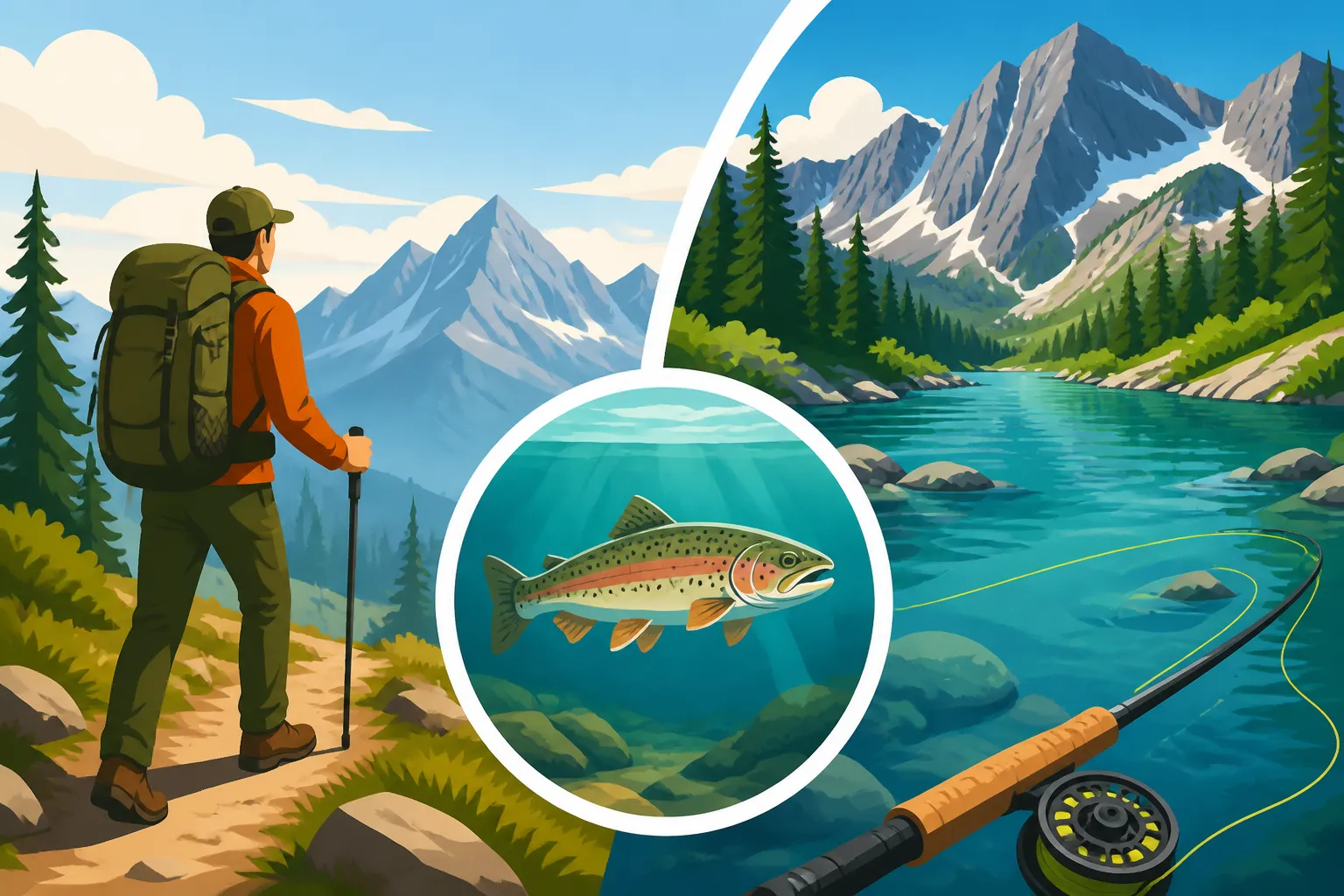
There’s a unique kind of quiet that settles over you when you know the only way to reach a fishing spot is by putting one foot in front of the other, mile after mile. If you've ever felt that itch for true solitude, for water that hasn't seen a hundred lines cast into it this week, and for wild fish that fight with unmatched vigor, then you know the frustration of crowded access points. This guide is for those of us ready to trade vehicle noise for birdsong and pavement for pine needles, seeking out the incredible Idaho fishing spots only accessible by a good, old-fashioned hike.
The Allure of Untouched Waters: Why Hike into Idaho's Wilderness for Fishing
Let's be honest, sometimes it feels like every great fishing spot is practically overflowing with people. You pull up to a beautiful river, only to find three other cars already there, or you arrive at a lake and see boats dotting the surface like sprinkles on a donut. It’s enough to make any angler yearning for peace and quiet want to throw their hands up. But in Idaho, if you’re willing to lace up your boots and carry your gear, a whole other world of pristine waters opens up, offering an experience that transcends mere fishing.
Escaping the Crowds and Finding Solitude
The most immediate and obvious benefit of hiking into a fishing spot is the sheer escape. Those easy-access locations, while convenient, bear the brunt of angler pressure. Fish become warier, banks get trampled, and the feeling of wilderness can sometimes feel diluted. When you venture onto a trail, leaving the car behind, you leave the crowds behind too. Imagine casting your line into a glassy alpine lake, the only sounds being the gentle lapping of water, the whisper of wind through the trees, and the occasional splash of a rising trout. That's the promise of hike-in fishing. It's not just about catching fish; it's about connecting with nature on a deeper level, finding that rare sense of peace that only true solitude can provide. It's a journey into yourself as much as it is into the mountains.
Targeting Wild and Native Species in Pristine Habitats
Beyond the tranquility, hike-in waters often hold a treasure trove of wild and native fish species that thrive in these untouched environments. Many of Idaho’s high mountain lakes and remote stream sections are home to robust populations of cutthroat trout, including the beautiful Westslope Cutthroat Trout and Yellowstone Cutthroat Trout, or even genetically pure rainbow trout. These fish often haven't seen a lure or fly in weeks, or even months, making them less educated and more aggressive when they do. The fight they put up is often more spirited, a testament to their wild origins and healthy habitat. These remote ecosystems, often protected within wilderness areas like the Sawtooth Wilderness or the Frank Church River of No Return Wilderness, are crucial for maintaining the genetic integrity and health of Idaho's native fish populations. You'll also find that because these areas are less pressured, the overall ecosystem feels healthier and more vibrant, a true snapshot of what Idaho's wild country is meant to be.
The Full Wilderness Experience: More Than Just Fishing
Let's be clear: hike-in fishing isn't just a means to an end; it's an immersive experience in itself. The journey becomes as much a part of the adventure as the fishing. You'll witness breathtaking vistas, encounter wildlife, and feel a deep sense of accomplishment with every mile covered. This kind of trip requires more than just a rod and reel; it demands careful planning, self-reliance, and a willingness to embrace the elements. It’s an opportunity to truly unplug from the demands of modern life and reconnect with the natural world. The crisp mountain air, the scent of pine, the stunning panoramic views from a high pass – these elements combine to create memories that last long after the last fish is caught and released. It’s a chance to challenge yourself, physically and mentally, and to earn that unforgettable fishing experience.
Gearing Up for the Trail and the Fish: Essential Preparations
Heading into the backcountry, even for a day trip, is a different beast than a roadside stop. Your gear choices, physical readiness, and navigational skills become paramount. You’re not just packing for fishing; you’re packing for survival, comfort, and efficiency. It’s about striking a balance between being prepared for anything and keeping your pack light enough to enjoy the hike. Overpacking is a common mistake, and underpacking can lead to uncomfortable or even dangerous situations.
Gear Essentials for Hike-In Fishing
When you're hoofing it for miles, every ounce in your pack counts. You’ll need to think strategically about what fishing gear you bring. A lightweight, packable rod and reel combo is a must. Many anglers opt for multi-piece travel rods that break down easily and fit inside a backpack. Fly fishing gear is often favored in these environments due to its lighter weight and versatility for trout in clear mountain waters. Consider a fly rod in the 3-5 weight range, which is perfect for most high mountain trout. Spin anglers should look for ultralight spinning gear. Beyond the rod, a small tackle box or fly box with a carefully curated selection of proven lures and flies is essential. Think versatile patterns: small spinners and spoons like Panther Martins or Mepps for spin gear, and attractor patterns, dry flies, nymphs, and small streamers for fly anglers.
But fishing gear is only part of the equation. This is where your backpacking chops come in. You'll need appropriate hiking boots, layered clothing (think quick-drying synthetics, even in summer, as mountain weather can change rapidly), a reliable water filter or purification tablets, high-energy snacks, a first-aid kit, a headlamp, and sun protection. For those looking to plan such a trip, resources like What Gear to Pack for a Sawtooth Backcountry Fishing Trip can offer even more in-depth guidance on gear specifics. And remember, don't forget the bear spray if you're venturing into known bear country, especially in northern Idaho. You can find specialized gear at local Idaho shops or even plan your trip using platforms like FishingBooker, which sometimes lists guides specializing in backcountry experiences who can advise on local conditions and gear.
Fitness and Preparation for the Demands of the Trail
Hiking into Idaho’s remote fishing spots often means significant elevation gain and miles on uneven terrain. This isn't a stroll in the park; it's a legitimate workout. Before embarking on a multi-mile hike, especially with a weighted pack, it's wise to assess your physical fitness. Start with shorter, less strenuous hikes and gradually increase your distance and elevation. Cardiovascular fitness and strong legs are your best friends on the trail. If you're planning an overnight trip, the weight of camping gear, food, and water will add considerable strain. It's a good idea to do a "shakedown hike" with your full pack to test your gear and your body before committing to a longer, more remote adventure. Proper stretching and hydration before, during, and after your hike will also go a long way in preventing injuries and ensuring you enjoy the experience.
Navigation and Safety in Unfamiliar Territory
Idaho's wilderness areas are vast and can be disorienting, especially if you're not accustomed to backcountry travel. Relying solely on your phone for navigation is a gamble – batteries die, and cell service is nonexistent in many remote areas. Always carry a physical map and a compass, and know how to use them. A GPS device or a downloaded offline map on your phone (like Gaia GPS or AllTrails) can be invaluable, but they should supplement, not replace, traditional navigation skills. Before you head out, always inform someone reliable about your itinerary: where you're going, your planned route, and when you expect to return. Stick to your plan and check in when you're back. Weather in the mountains can change rapidly, turning a sunny day into a dangerous storm in a matter of hours. Be prepared for rain, hail, sudden temperature drops, and even unexpected snow, even in summer. Understanding Idaho Fishing Regulations Explained and carrying your Idaho Fishing License Guide are also critical for legality and safety, as rules can be highly specific to certain waters and species, especially in protected areas.
Navigating Idaho's Hike-In Fishing Paradises: Where to Go
Idaho is a treasure trove of backcountry fishing opportunities, thanks to its vast wilderness areas and numerous mountain ranges. From the jagged peaks of the Sawtooths to the rolling, forested mountains of the Selkirks, there's a hike-in fishing experience waiting for every level of adventurer. The trick is knowing where to begin and understanding the general characteristics of these diverse regions.
Sawtooth Wilderness High Mountain Lakes
The Sawtooth Wilderness, located in central Idaho, is perhaps the most iconic destination for hike-in fishing. Its granite peaks cradle hundreds of pristine alpine lakes, many of which are stocked with various trout species or hold self-sustaining populations of native cutthroat. Lakes like Alice Lake, Toxaway Lake, or Fishhook Creek Lake are popular but still require significant effort to reach, rewarding anglers with stunning scenery and eager fish. For a truly unique experience, consider exploring some of the smaller, unnamed tarns higher up – these often hold smaller but incredibly feisty brook trout or cutthroat that rarely see a hook. The fishing season for these high mountain lakes typically runs from late spring (after ice-out, usually June or July) through early fall, before the snow returns. For more in-depth information, you might check out Best High Mountain Lakes in Idaho for Fishing. You can spend days exploring different lakes, each offering a distinct challenge and reward.
Frank Church River of No Return Wilderness and Tributaries
For those seeking an even deeper immersion into wilderness, the Frank Church River of No Return Wilderness is the largest contiguous wilderness area in the lower 48 states. While known for its epic river floats on the Salmon and Middle Fork, numerous smaller tributaries and high mountain lakes within its vast expanse can be accessed via challenging, multi-day hikes. These areas are truly remote, requiring expert navigation and self-sufficiency. You won't find many established trails once you're deep inside, which is part of the appeal for the intrepid angler. Targeting native species like the Idaho Cutthroat Trout Fishing Guide in these remote streams offers a truly wild experience. This is where you might find waters that have literally seen only a handful of anglers in a given year. If you're looking for Idaho's true solitude, this is it; it's practically Idaho's Most Remote Fishing Water. Planning for these trips often involves extensive research into topographical maps and satellite imagery to identify potential access points and drainages.
Northern Idaho's Selkirk and Cabinet Mountains
Venturing north, the Selkirk and Cabinet mountain ranges, particularly those areas within the Idaho Panhandle National Forests, also offer fantastic hike-in fishing. While perhaps not as starkly alpine as the Sawtooths, these ranges boast numerous smaller lakes and streams tucked away in dense forests and high valleys. Lakes like Roman Nose Lakes near Priest Lake or other hidden gems in the Selkirk Crest often require a solid day hike or an overnight trip. These waters might hold rainbow trout, brook trout, or even the elusive native bull trout (which are strictly catch-and-release and protected, so be sure to understand bull trout identification). The scenery here is equally stunning, with lush forests, clear mountain springs, and often fewer people than the more famous southern wilderness areas. Again, knowing your specific target species and adhering to Idaho Fishing Regulations Explained is paramount in these diverse ecosystems.
Mastering the Backcountry Cast: Techniques and Ethics for Remote Fishing
When you've put in the effort to reach these secluded waters, you want to make the most of your time. Fishing in remote, often high-altitude environments, presents its own set of challenges and opportunities. The fish here are often wilder, less pressured, and sometimes more eager, but the conditions can be finicky. Moreover, fishing in such pristine environments demands a heightened sense of responsibility.
Lightweight Gear and Lure Selection for Mountain Trout
For fly anglers, a good selection of high-floating dry flies like Parachute Adams, Royal Wulffs, and Elk Hair Caddis are often effective, especially during insect hatches. When fish aren't rising, small nymph patterns (Pheasant Tail, Hare's Ear) or small streamers can be very productive. For spin anglers, tiny inline spinners (sizes 00-1) and small spoons (1/16 to 1/8 ounce) in silver, gold, or brass are consistent producers. Ultra-light jigs tipped with a small piece of worm or power bait can also work wonders. The key is to keep your tackle box compact and versatile. Remember, you're packing this in, so choose wisely. For more on what works, exploring resources like Best Bait and Lures for Idaho Fishing can give you a solid starting point, or even local bait shops often have regional favorites that are worth picking up before your trek. A good resource for planning is also to check out some specific techniques in How to Fish a High Mountain Lake in the Sawtooths.
Embracing the Catch and Release Ethos
Given the often fragile ecosystems of hike-in waters, especially those with native or self-sustaining fish populations, a strong commitment to catch and release is vital. Many high mountain lakes are managed specifically for wild trout, and their populations depend on minimal harvest. Use barbless hooks (or pinch down the barbs on your existing hooks) to minimize harm to the fish. Handle fish gently, keeping them in the water as much as possible. A quick photo, if desired, then a swift and careful release. These are often cold-water fish, and they stress easily when exposed to warm air. The goal is to leave the fishery as healthy, if not healthier, than you found it, ensuring these incredible opportunities remain for future generations.
Reading Mountain Water and Adapting to Conditions
Mountain lakes and streams often feature crystal clear water, which means fish can be easily spooked. Stealth is key. Approach the water slowly, keeping a low profile. Look for structure like submerged logs, rocky outcrops, or drop-offs where fish might be holding. In lakes, focus on inlets and outlets, as these areas often concentrate food and oxygen. For streams, standard river reading techniques apply: target pools, riffles, and seams. High mountain weather can change rapidly; bright sun can give way to clouds and rain, affecting fish behavior. Be prepared to adapt your presentation and fly/lure choice accordingly. Sometimes a simple change in depth or retrieval speed can make all the difference. Consulting with local guides, which you can sometimes find through platforms like FishingBooker, can also provide invaluable insights into specific water conditions and fish behavior in certain remote areas. They might not hike in with you, but they can offer vital local knowledge.
Respecting the Wilderness: Leave No Trace Principles
The privilege of accessing these incredible, untouched fishing spots comes with a profound responsibility. Adhering to Leave No Trace principles isn't just a suggestion; it's a non-negotiable code of conduct for anyone venturing into Idaho's wilderness. Our actions, however small, have an impact, and maintaining the pristine nature of these areas for everyone means minimizing our footprint.
Pack It In, Pack It Out: Leaving No Trace Behind
This is the golden rule of backcountry travel: everything you bring into the wilderness must leave with you. This includes all trash, food scraps, and even biodegradable items like orange peels or apple cores, which can take years to decompose in cold alpine environments and disturb wildlife. It also means properly disposing of human waste by digging catholes at least 6-8 inches deep and 200 feet from water, trails, and campsites. Consider packing a small trash bag specifically for your waste and anything you might find left behind by others. Our collective commitment to this principle is what keeps these Idaho's Most Remote Fishing Water truly remote and clean.
Minimizing Impact on Fish and Habitat
Beyond the fish you target, be mindful of the surrounding habitat. Stay on designated trails where possible, and if you're bushwhacking, try to minimize your impact on vegetation. When fishing, avoid trampling stream banks or lake edges, which can lead to erosion and habitat degradation. Use appropriate gear that minimizes impact, like lighter lines and tackle to avoid leaving broken gear behind. As mentioned, practicing ethical catch-and-release methods with barbless hooks is paramount. This consideration for the fish and their environment is part of what makes these wild places so special and why we seek them out. It ensures that native species, including some Native Fish Species Found Only in Idaho, continue to thrive.
Campsite Selection, Fire Safety, and Wildlife Etiquette
If your hike-in adventure involves an overnight stay, responsible camping is crucial. Choose established campsites if available, or if in a dispersed camping area, select durable surfaces like rock, bare dirt, or dry grasses. Camp at least 200 feet from water sources to prevent contamination. When it comes to fires, always check local fire restrictions. In many wilderness areas, fires are prohibited or restricted to specific conditions or established fire rings. If you do have a fire, keep it small, use only dead and downed wood, and ensure it's completely out and cold to the touch before leaving. Respect wildlife by observing from a distance, never feeding animals, and storing food securely in bear-resistant containers or hung from a tree to prevent attracting critters. This mindful approach ensures that your presence enhances, rather than detracts from, the wilderness experience for both humans and wildlife alike.
Disclaimer
The information provided in this guide is for general informational purposes only and does not constitute professional advice. Always check the latest Idaho Fish and Game regulations, weather forecasts, and trail conditions before embarking on any fishing trip, especially into remote backcountry areas. Wilderness travel carries inherent risks, and proper preparation, including safety gear and navigation skills, is essential.