Fishing Lake Pend Oreille for Rainbow Trout
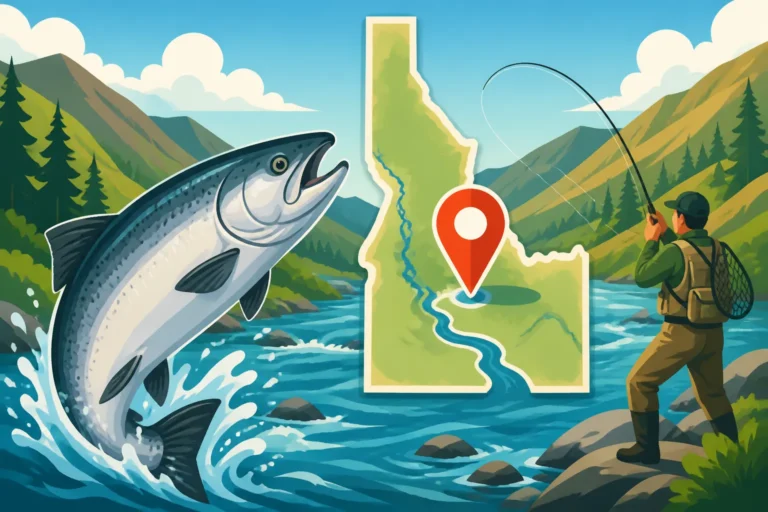
Lake Pend Oreille is a magnificent, sprawling body of water, and its sheer size can feel incredibly overwhelming, especially when you're dreaming of landing one of its legendary trophy rainbow trout. Many anglers arrive, get intimidated by the vastness, the sheer depths, and the seemingly endless expanses, often leaving without ever truly scratching the surface of its incredible potential. This comprehensive guide is designed to cut through that confusion, giving you the insider knowledge and practical strategies you need to successfully target and catch the monster rainbows that call Lake Pend Oreille home.
Lake Pend Oreille's Trophy Rainbows: A Storied Legacy
Idaho is known for its stunning landscapes and incredible fishing opportunities, but few places rival Lake Pend Oreille when it comes to the sheer size and legendary status of its rainbow trout. These aren't just any rainbows; we're talking about a special kind of fish that has drawn anglers from all over the world. The pursuit of a record-breaking rainbow here is more than just fishing; it's a pilgrimage for many.
The Kamloops Strain
The story of Lake Pend Oreille's monster rainbows largely begins with the Kamloops strain. Originally native to British Columbia, these specific rainbow trout were introduced to Lake Pend Oreille decades ago, and they absolutely thrived in its unique environment. What sets the Kamloops apart is their genetic predisposition for incredible growth and their hard-fighting nature. When you hook into one of these, you're not just reeling in a fish; you're engaging in a powerful tug-of-war against a truly magnificent aquatic athlete. Their silver flanks and explosive runs are the stuff of legend, creating memories that last a lifetime for those lucky enough to encounter them. If you're serious about pursuing these giants, understanding their unique characteristics is your first step. For more details on this remarkable species, check out our comprehensive guide on the Idaho Rainbow Trout Fishing Guide.
Why Pend Oreille Produces Monsters
So, what makes Lake Pend Oreille the perfect incubator for such colossal trout? It's a combination of unique factors that create an almost unparalleled growth environment. First, the lake itself is enormous, covering over 43,000 acres and plunging to depths exceeding 1,100 feet. This vast, deep, and perpetually cold water is rich in oxygen, providing ideal conditions for trout that prefer cooler temperatures. Second, and perhaps most critically, is the abundant forage base. Lake Pend Oreille is home to a thriving population of kokanee salmon, which serve as the primary food source for these predatory rainbows. These "landlocked sockeye" provide a protein-rich diet that allows the Kamloops rainbows to pack on incredible size and weight, consistently growing into the 20-pound range, with some truly massive specimens occasionally topping 30 pounds.
Beyond the natural bounty, the Idaho Department of Fish and Game has played a crucial role in managing this world-class fishery. Through careful stocking programs and diligent habitat conservation efforts, they work tirelessly to ensure the health and vibrancy of both the kokanee and rainbow trout populations. This dedicated management helps maintain the delicate balance required for such an exceptional trophy fishery. The deep, nutrient-rich water combined with a robust food supply and strategic management is precisely why Lake Pend Oreille holds its legendary status as one of the best places on Earth to catch truly enormous rainbow trout. If you've ever wondered Why Lake Pend Oreille Grows Such Large Rainbow Trout, now you know the secrets.
Understanding Lake Pend Oreille's Unique Ecosystem
To consistently catch trophy rainbow trout on Lake Pend Oreille, you have to think like one. That means understanding their environment, what they eat, and where they hide. It's a vast puzzle, but with a few key pieces of information, you can start to put it together and increase your chances of success dramatically.
Forage Base: Kokanee and Beyond
The king of the Lake Pend Oreille food chain for trophy rainbows is undoubtedly the kokanee salmon. These silvery baitfish typically range from 8 to 14 inches, and they are like candy to a hungry rainbow. The trout key in on kokanee relentlessly, and their movements and feeding patterns are almost entirely dictated by where these schooling fish are found. In the spring and fall, kokanee often move into shallower waters or closer to the surface, bringing the big rainbows with them. In the heat of summer, both kokanee and their predators retreat to the cooler, deeper parts of the lake. Successful anglers pay close attention to kokanee activity, often by using fish finders to locate bait balls.
While kokanee are the main course, it's worth remembering that rainbows are opportunistic feeders. They'll also snack on other available forage. You might find them targeting smaller fish like yellow perch, sculpins, or even juvenile whitefish, especially in areas where these species are abundant. This broader diet can sometimes mean a different approach with lures or bait might entice a strike when the kokanee bite is slow. Understanding these secondary food sources can give you an edge, allowing you to present something a little different that the big fish haven't seen.
Water Depths and Structure
Lake Pend Oreille's immense depth is both its most defining characteristic and its biggest challenge for anglers. With areas plummeting over a thousand feet, it's easy to feel lost. However, trophy rainbows don't just swim aimlessly in the abyss; they relate to specific depths and underwater structures, often driven by temperature and the location of their food. During much of the year, particularly in summer, you'll find them in the deep, cold water, often congregating around the thermocline – the layer where warm surface water meets cold deep water – which also concentrates kokanee.
Understanding the underwater topography is crucial. Look for submerged islands, sudden drop-offs, underwater humps, and prominent points that extend into the lake. These features create current breaks, upwellings, and ambush points where baitfish gather, and consequently, where large rainbows lie in wait. Using a detailed chartplotter and a good fish finder is absolutely essential for identifying these key structures and the depths where fish are holding. For a general overview of similar environments, our guide to the Best Lakes for Fishing in Idaho can provide more context on how fish relate to diverse lake structures.
Prime Seasons for Targeting Trophy Rainbows
Timing is everything when it comes to Lake Pend Oreille's giant rainbows. While you can catch them year-round, certain seasons offer distinct advantages and require different strategies. Knowing when and where to focus your efforts will drastically improve your odds of connecting with a true trophy.
Spring: Post-Spawn Opportunity
As winter's grip loosens and the ice melts (typically late March through May), the spring fishing window opens up. This is a fantastic time to target actively feeding rainbows that are recovering from their spawning efforts. The water temperatures are rising, signaling the kokanee to become more active, and the rainbows follow suit, often moving into shallower bays and near river mouths to feed aggressively. You might find them in the top 50 feet of the water column, making them more accessible than during the deep summer months.
During this period, covering water with fast trolling can be highly effective. The trout are hungry and willing to chase larger baits, so don't be shy with your lure selection. This is also a time when you might find a big fish cruising closer to accessible shorelines, though the main lake still offers the best chance at a truly colossal rainbow. Pay attention to warming water trends and follow the reports, as the "ice-out" period can be exceptionally productive.
Summer: Deep Water Pursuits
The heat of summer (June through August) presents both challenges and incredible rewards for the dedicated angler. As the surface waters warm, the trophy rainbows, along with their kokanee prey, retreat to the cooler, oxygen-rich depths of the lake. This means you'll need to adjust your tactics significantly, primarily focusing on deep-water trolling with downriggers. Finding the thermocline, which might be anywhere from 50 to 150 feet down, becomes paramount, as this is often where the kokanee are concentrated, and the big rainbows are lurking.
Early mornings and late evenings are often the most productive times during summer. The low light conditions encourage baitfish to rise slightly, and the rainbows will follow for a feeding opportunity. During midday, the bite can slow, requiring even deeper presentations. Patience and persistence are key, as is a good understanding of your electronics to mark fish and bait schools. Despite the challenge, a summer trophy rainbow from Pend Oreille is a testament to an angler's skill and dedication.
Fall: The Peak Season
If there's a "prime time" for Lake Pend Oreille's trophy rainbow trout, it's arguably the fall (September through November). As the days shorten and water temperatures begin to cool, the entire lake ecosystem awakens with a renewed vigor. Kokanee salmon start their spawning migrations, often congregating in massive schools, which in turn triggers a feeding frenzy among the big rainbows. These fish are bulking up for the leaner winter months, making them incredibly aggressive and eager to strike.
Fall fishing on Lake Pend Oreille can be absolutely electrifying. It's not uncommon to witness explosive surface strikes from massive rainbows chasing kokanee. Trolling remains the most effective technique, but fish can often be found at shallower depths than in summer, making them more accessible and offering heart-stopping battles. This is the season when Lake Pend Oreille truly lives up to its reputation for growing record-size fish, as highlighted in our article Lake Pend Oreille's Grounds for Trophy Rainbow Trout. Anglers who commit to the fall season are often rewarded with the fish of a lifetime.
Winter: Ice Fishing Potential
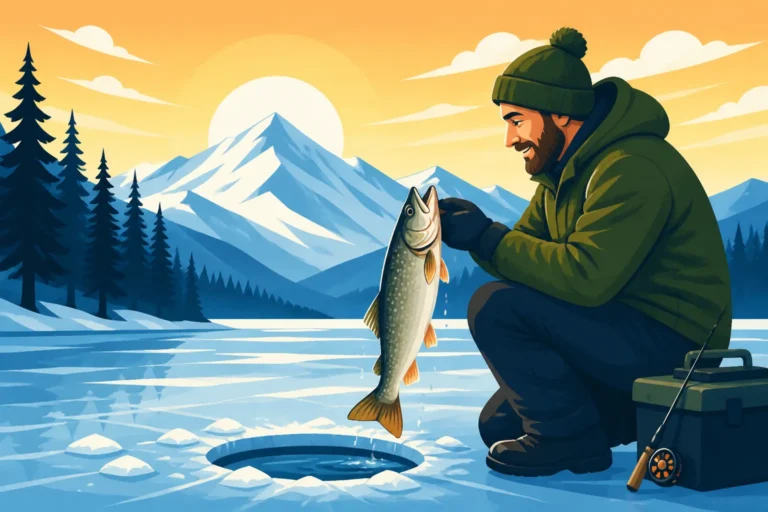
Winter on Lake Pend Oreille is a time of quiet beauty, but also presents the most limited opportunities for trophy rainbow trout. Due to its immense size and depth, the main body of Lake Pend Oreille rarely freezes over adequately or safely for ice fishing. Only sheltered bays or shallower, less exposed sections of the lake might develop safe ice cover. Anglers considering ice fishing must exercise extreme caution and verify ice thickness rigorously before venturing out.
For those who do find safe ice, the focus often shifts from trophy rainbows to other species like yellow perch or smaller trout that inhabit these shallower areas. While a trophy rainbow could theoretically be caught through the ice, it's an exceptionally rare occurrence in these conditions. Winter fishing on the main lake usually involves open-water trolling during mild spells, but this is highly weather-dependent and often uncomfortable. Most dedicated trophy hunters focus on other seasons for their best chance at a giant.
Effective Techniques for Lake Pend Oreille Rainbow Trout
Catching a truly massive rainbow trout on Lake Pend Oreille isn't usually a matter of luck; it's a testament to understanding sophisticated techniques and executing them flawlessly. The sheer size of the lake and the depth at which these fish often reside demand specialized approaches.
Trolling: The Go-To Method
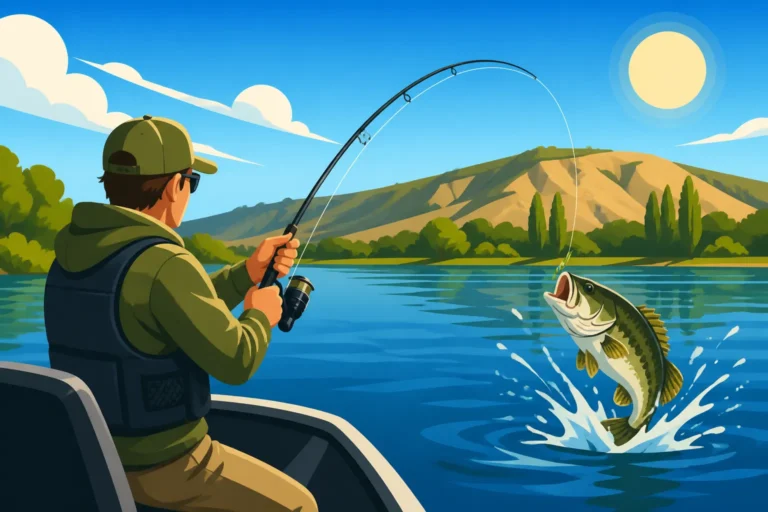
Without a doubt, trolling is the most consistent and effective technique for covering the vast expanses of Lake Pend Oreille and locating active trophy rainbows. It allows you to present your lures at precise depths and speeds, mimicking the movement of baitfish and enticing strikes from predatory trout. The goal is to cover as much water as possible, varying your speeds from 2.5 to 4.5 miles per hour, and incorporating S-turns or gentle curves to change the action of your lures. These subtle changes can often trigger a strike from a hesitant fish.
Your trolling setup is critical. Planer boards are excellent for spreading out multiple lines, covering a wider swath and keeping your lures away from the boat's disturbance. For precise depth control, especially in deeper water, downriggers are indispensable. They allow you to send your lures down to exact depths where you've marked fish or bait. You can also experiment with lead core line to achieve specific depths without the bulk of a downrigger. Consistency in your presentation – maintaining the right speed and depth – is often the difference between a slow day and a successful one. For more in-depth guidance on this, our Idaho Trolling Techniques Guide provides excellent detail.
Jigging and Downrigging Strategies
While trolling is king, vertical jigging can be a highly effective tactic when you've pinpointed schools of fish or concentrations of kokanee over specific structures. Once you've marked fish on your electronics, positioning your boat directly over them and presenting heavy spoons, lead jigs, or even live bait (where permitted and effective) can elicit strikes. This requires excellent boat control to maintain your position, especially in windy conditions. The rhythmic up-and-down motion of jigging can be irresistible to a trout looking for an easy meal.
Downriggers, as mentioned, are paramount for reaching the depths where trophy rainbows feed. However, their use extends beyond just depth control. Many anglers employ 'stacking' techniques, where multiple lines are run off a single downrigger ball using release clips at different intervals. This allows for diverse presentations at varying depths from one unit. Advanced anglers often use their fish finders to locate kokanee schools and then drop their downrigger baits precisely into or just above these bait balls. This precise targeting often makes the difference between a slow day and a truly epic one.
Shore and Bank Fishing Prospects
Let's be realistic: landing a 20-pound-plus trophy rainbow from the shore of Lake Pend Oreille is an extremely rare feat. The largest fish spend most of their lives in the deep, open waters, far from the bank. However, that's not to say shore fishing is entirely without prospects, especially for smaller, but still respectable, trout. During the spring and fall, when water temperatures are cooler, rainbows might move closer to river mouths or accessible points where they feed on insects or smaller baitfish.
For shore anglers, casting large spoons, heavy spinners, or bait (such as PowerBait or worms where regulations allow) can yield results. Look for points, inlets, or areas with sudden drop-offs close to shore. While you're less likely to catch a true monster, you can still enjoy a beautiful day on the water and potentially land a nice-sized fish. It's about managing expectations and appreciating the opportunity. If you're keen on finding accessible fishing spots, our guide to Best Fishing Spots in North Idaho might offer some ideas for general access.
Gear Up for Big Rainbows
Tackling the legendary rainbows of Lake Pend Oreille requires more than just enthusiasm; it demands the right tools. These are powerful fish in a challenging environment, and your gear needs to be up to the task. Skimping on tackle can lead to heartbreak when that fish of a lifetime finally bites.
Rods, Reels, and Line
For trophy rainbow trout on Lake Pend Oreille, you need gear that can handle intense battles and heavy loads. Medium-heavy to heavy action trolling rods, typically 8 to 10 feet in length, are ideal. The longer length helps absorb powerful runs and provides leverage when fighting a large fish. Look for rods with a forgiving tip but plenty of backbone. Paired with these rods should be high-quality conventional reels or large spinning reels that boast a smooth, reliable drag system. A screaming drag is a common sound when a Pend Oreille rainbow decides to peel line, and a consistent, non-sticking drag is paramount to preventing break-offs.
For your mainline, braided line is a popular choice due to its incredible strength-to-diameter ratio and lack of stretch, which provides excellent sensitivity. A 30-50 pound test braid is common. However, always use a fluorocarbon or monofilament leader (10-20 pound test) for invisibility in the clear water and for abrasion resistance against sharp fins or debris. The leader length can vary, but 6 to 10 feet is a good starting point. Ensure your reel has ample line capacity; these fish can make incredibly long runs, especially in the vastness of Lake Pend Oreille. Don't forget to periodically check your line for nicks and abrasions, especially after a tough fight.
Lures and Baits of Choice
When it comes to enticing these magnificent predators, presentation is everything. The most effective lures for Lake Pend Oreille's trophy rainbows are often those that mimic their primary food source: kokanee salmon. Large spoons, such as the Wahoo, Triple Teazer, or Gibbs Delta, in silver, blue, green, or chartreuse patterns that imitate a wounded kokanee, are perennial favorites. The flash and erratic wobble of a well-trolled spoon are irresistible. Plugs like Kwikfish, Flatfish, or Mag Lips, in similar colors, can also be highly effective, especially those with a strong swimming action that pushes water. For a wider selection, consider exploring our guide on Best Lures for Idaho Trout Fishing.
Beyond artificial lures, bait can also be a game-changer. Fresh or brined herring and anchovies, trolled behind dodgers or flashers, create an enticing scent trail and a natural presentation that can seal the deal for a reluctant trophy fish. Rigging these baits properly to achieve a natural roll or darting action is crucial. Always check current regulations regarding bait use, as rules can change. Having a variety of lures and baits on hand allows you to adapt to the fish's preferences on any given day.
Electronics and Safety Essentials
On a lake as massive and deep as Lake Pend Oreille, fishing without reliable electronics is akin to navigating a maze blindfolded. A high-quality fish finder/chartplotter combination is non-negotiable. This essential tool allows you to:
- Identify bait schools (kokanee) – the primary indicator of where trout will be.
- Mark individual large fish, often appearing as distinct arches or lines.
- Locate critical underwater structure such as humps, drop-offs, and submerged islands.
- Navigate safely and efficiently, especially when marking waypoints of productive fishing areas.
A robust GPS is also vital for navigation, especially if weather conditions deteriorate or fog rolls in. Consider referencing How to Use a Fish Finder on an Idaho Reservoir for techniques applicable to large lakes.
Beyond fishing electronics, safety on Lake Pend Oreille is paramount. The lake can become rough very quickly, with large waves forming on short notice, particularly during windy conditions. Always ensure you have:
- Personal Flotation Devices (PFDs): One for every person on board, readily accessible.
- Marine Radio: For communication with other vessels or emergency services. Cell service can be spotty.
- First-Aid Kit: Well-stocked for minor injuries.
- Signaling Devices: Whistle, air horn, and a distress flag.
- Throwable Flotation Device: A cushion or ring buoy.
- Adequate Fuel: Always top off your tank before heading out; distances can be deceiving.
- Weather Awareness: Check forecasts frequently and be prepared to head in if conditions worsen.
Navigating Lake Pend Oreille: Spots and Access
Lake Pend Oreille's immense size can be daunting, but with a bit of local knowledge and preparation, you can effectively navigate its waters and find those elusive trophy rainbows. Knowing where to launch your boat and which areas historically hold fish will save you a lot of time and effort.
Key Areas for Rainbow Activity
While trophy rainbows can be found throughout the main lake, certain areas are renowned for consistent activity. The "Trestle" area, particularly near Sandpoint, is a popular spot where the long railway bridge crosses the lake. This structure creates current breaks and often congregates baitfish, attracting predators. Other productive zones include the deep waters around Bottle Bay, the areas surrounding Hope and Clark Fork, and the main lake basin where the Clark Fork River enters the lake. These areas offer a combination of deep water, ample kokanee, and sometimes unique current dynamics.
The mouths of the Clark Fork River and the Pack River, especially during spring and fall, can be hot spots as trout move in and out, or as kokanee stages for their spawning runs. Look for signs of baitfish, changes in water temperature (thermal breaks), or current lines that might concentrate food sources. These are the subtle clues that experienced anglers constantly scan for.
Public Access and Boat Ramps
Accessing Lake Pend Oreille for boating and fishing is relatively straightforward, with several excellent public boat ramps around the lake. In Sandpoint, the Sandpoint City Beach offers a well-maintained ramp with ample parking, providing easy access to the western arm of the lake and the Trestle area. On the eastern side, near the town of Hope, you'll find the Hope Peninsula Boat Launch, which provides access to the deeper sections of the lake and the mouth of the Clark Fork River. The Garfield Bay Boat Launch, south of Sagle, offers another great option, especially for accessing the southern portions of the lake.
Most of these facilities offer good parking and restrooms, though they can get busy during peak summer weekends. Before you launch, ensure you have a valid Idaho Fishing License Guide for everyone fishing and are familiar with the specific Idaho Fishing Regulations Explained for Lake Pend Oreille, as some rules, particularly regarding catch and release, can vary.
Consider a Fishing Guide
For those new to the immense waters of Lake Pend Oreille, or for anyone serious about maximizing their chances of hooking into a trophy rainbow, hiring a local fishing guide is an invaluable investment. These professionals possess an intimate, real-time understanding of the lake's conditions, fish movements, and the most productive spots. They spend countless hours on the water, tracking kokanee schools and knowing precisely where the big rainbows are likely to be lurking.
A good guide doesn't just put you on fish; they provide specialized equipment tuned for these powerful trout, offer expert instruction on advanced techniques, and ensure a safe and efficient day on the water. They know the nuances, like the specific Idaho Catch Limits and Bag Limits Explained for Pend Oreille and how to properly handle and release a trophy fish to ensure its survival. Platforms like FishingBooker are excellent resources for finding experienced and reputable guides who specialize in trophy rainbow trout fishing on Lake Pend Oreille, allowing you to compare options and book with confidence. With a guide, you're not just fishing; you're learning from the best, dramatically increasing your chances of that once-in-a-lifetime catch, and making your trip to this incredible fishery much more enjoyable and productive. Many guides offer all-inclusive packages, so all you need to bring is your enthusiasm and a valid fishing license.
Lake Pend Oreille Rainbow Trout Fishing Overview
| Season | Primary Technique | Target Depth (Approx.) | Key Lures/Baits | Notes |
|---|---|---|---|---|
| Spring | Trolling, Casting | 0-50 feet | Large Spoons, Plugs | Fish post-spawn, aggressive, often shallower near river mouths. |
| Summer | Trolling (Downriggers) | 50-150+ feet | Spoons, Plugs, Herring | Deep and cool water, follow kokanee, early/late bite best. |
| Fall | Trolling, Casting | 0-80 feet | Large Spoons, Plugs, Herring | Peak season for trophy fish, active feeding, potential for surface bites. |
| Winter | (Limited Open Water Trolling) | 50-150+ feet (Deep) | Spoons, Plugs, Jigging (Limited) | Main lake rarely safe for ice fishing; focus on milder days for trolling. |
Disclaimer
Fishing conditions and regulations in Idaho can change. Always check the latest Idaho Fish and Game regulations and local conditions before heading out on the water. This guide is for informational purposes only and does not supersede official regulations.