Best Time of Year to Fish the Lower Clearwater River
Figuring out the absolute best time to fish the Lower Clearwater River can feel like trying to hit a moving target. Conditions change with the seasons, fish runs come and go, and what works one week might be totally different the next, leaving many anglers feeling frustrated and unsure of when to plan their precious trips. This comprehensive guide is designed to cut through that confusion, giving you the insider scoop on peak seasons, target species, and crucial factors, so you can confidently plan your next unforgettable Idaho fishing adventure on the legendary Clearwater.
The Undisputed Reign of Steelhead: Fall and Winter Runs
For many anglers, the Lower Clearwater River is synonymous with one thing: steelhead. These incredible anadromous rainbow trout make epic journeys from the ocean, returning to Idaho's rivers, and the Clearwater offers some of the most consistent and exciting fishing opportunities for them. Understanding their run timing is key to planning your trip.
Prime Fall Steelhead Action (October-December)
When those crisp autumn mornings arrive and the leaves start to turn, you can almost hear the buzz building along the Lower Clearwater. This is when the first significant push of B-run steelhead begin to arrive in earnest, making their way up from the Columbia and Snake Rivers. The water temperatures are cooling down, which invigorates the fish and often makes them more aggressive. Early fall, typically from October through November, sees a strong migration of these powerful fish. Anglers often find success from the confluence with the Snake River all the way up through Lewiston, Orofino, and beyond.
During this period, techniques like drift fishing with bait (roe, cured shrimp), artificial worms, or soft beads are incredibly effective. Many also find success with bobber and jig setups, especially when fish are holding in specific seams or holes. The river levels are usually quite favorable, making access good for both boat and bank anglers. It’s crucial to keep a close eye on the Idaho Fishing Regulations Explained, as specific rules for gear, barbless hooks, and retention limits are strictly enforced to protect wild steelhead while allowing for a harvest of hatchery fish. This is the time when the river truly comes alive, and you'll see passionate anglers out in full force, sometimes lining the banks in popular spots.
Winter Steelhead Persistence (January-March)
As winter settles in, the Lower Clearwater transforms into a colder, quieter, but no less rewarding fishery for the dedicated steelhead angler. While the initial frenetic pace of the fall run might slow down, a good number of steelhead remain in the river, holding in deeper pools and slower runs as they await warmer temperatures for spawning. This can be a challenging but highly rewarding time to fish, often characterized by fewer crowds and truly magnificent, hard-fighting fish. The key to winter success often lies in patience and adapting your techniques to the colder water.
Fish tend to be more lethargic, so slowing down your presentation is paramount. Lighter leaders, smaller baits, and subtle drifts often coax a bite. Side-drifting from a boat, often with bait or small plugs, can be deadly effective. Bank anglers might focus on deep holes and utilize indicators or heavier jigs to get their offering right into the strike zone. You'll need to bundle up, for sure, with insulated waders and layers to combat the cold, but the reward of landing a chrome-bright winter steelhead in solitude is unmatched. Checking the Idaho Fishing Season Dates and Limits is always a must, as some sections or specific species limits can shift throughout the winter months, especially if there are concerns about fish returns.
Spring Steelhead Resurgence and Chinook Salmon Prospects
Just when you think the steelhead action might be winding down, spring brings a fresh surge of opportunity on the Lower Clearwater. This season also ushers in the potential for another highly sought-after species: the powerful Chinook salmon.
Spring Steelhead Migration (March-May)
As winter's icy grip begins to loosen and longer days bring a hint of warmth, the Clearwater experiences a renewed pulse of steelhead. These are often a mix of fresh-run fish coming in and "kelts" – fish that have overwintered and are now actively moving towards their spawning grounds further upstream. The increasing river flows from snowmelt can make fishing a bit more dynamic, sometimes challenging visibility but also bringing new fish into various holding lies. For those who love the classic feel of a steelhead fight, the spring run offers excellent opportunities, often on lighter gear as fish can be more active in the warming water.
Techniques from fall and winter still apply, but with the possibility of higher, slightly off-color water, bigger profiles and brighter colors can sometimes be advantageous. Drift fishing with larger baits or jigs, and even swinging flies for the fly-fishing enthusiast, can be productive. Knowing How to Fish for Steelhead in the Clearwater River specifically for spring conditions, adapting to changing water levels and clarity, is vital. Remember that adherence to catch-and-release practices for wild steelhead becomes even more critical during this time, so familiarizing yourself with Idaho Steelhead Bag Limits is a must. The weather can be unpredictable, ranging from sunny and warm to blustery and snowy, so packing layers is always a good idea.
Chasing Spring/Summer Chinook (Late May-July)
While steelhead dominate much of the year, the Lower Clearwater also offers a brief but intense window for spring/summer Chinook salmon. These impressive fish typically arrive in late May and continue through July, depending on the specific run forecasts and state regulations. Targeting Chinook requires a different approach than steelhead, often involving heavier tackle and specific presentation methods tailored to their migratory behavior.
Anglers often troll plugs, spinners, or bait (like herring or anchovies) from boats in the larger, deeper sections of the river. Back-trolling with Kwikfish, Brads Killerfish, or similar plugs is also a very popular and effective method, especially in the larger pools and runs. This fishery is highly regulated and dependent on strong ocean returns, so it’s absolutely critical to consult the most current Idaho Fishing Regulations Explained and specific Chinook salmon season proclamations before heading out. You'll almost certainly need an Idaho Salmon and Steelhead Permit in addition to your general Idaho Fishing License Guide. If you’re looking to target these magnificent fish, checking the local fishing reports and the Idaho Fish and Game website for real-time updates on run timing and open seasons is non-negotiable.
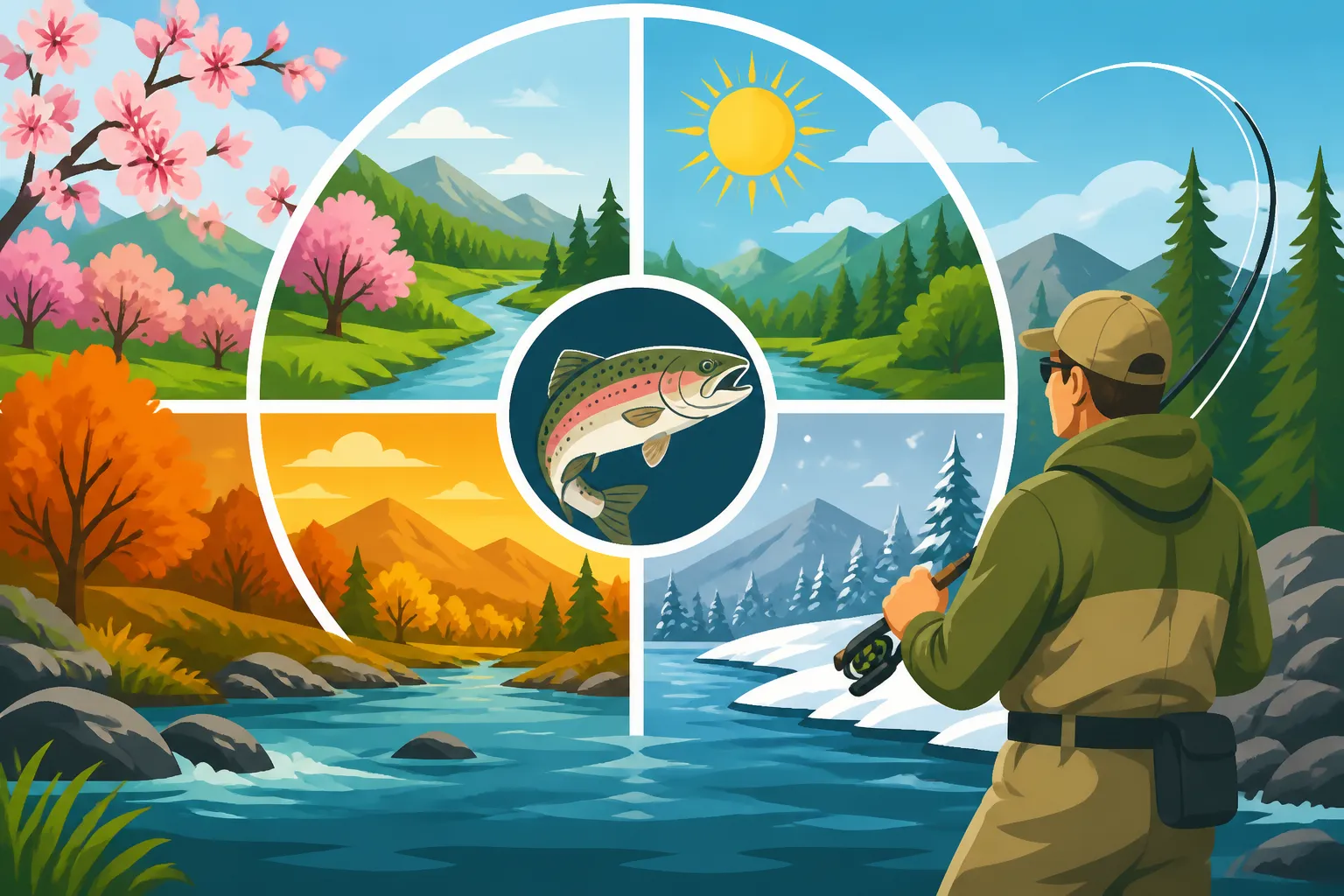
| Season | Primary Target Species | Key Characteristics | Common Techniques | Permits/Regulations (check current) |
|---|---|---|---|---|
| Fall | Steelhead (B-run) | Cooling water, strong migration, active fish | Drift fishing, bobber & jig | General license + Steelhead Permit, barbless hooks |
| Winter | Steelhead (overwintering) | Cold water, slower bite, fewer crowds, challenging | Side-drifting, deep jigging, patience | General license + Steelhead Permit, barbless hooks |
| Spring | Steelhead (returning/kelts) | Warming water, increasing flows, renewed activity | Drift fishing, swinging flies, jigs | General license + Steelhead Permit, barbless hooks |
| Late Spring/Summer | Chinook Salmon | Specific, highly regulated run | Trolling, back-trolling plugs/bait | General license + Steelhead & Salmon Permit |
| Summer | Smallmouth Bass, Trout | Warmer water, less pressure, diverse fishing | Spinners, crankbaits, jigs, dry flies | General license |
Summer's Hidden Gems and Planning Your Ultimate Trip
While steelhead and Chinook rightfully get most of the attention, the Lower Clearwater River still offers plenty of opportunities during the warmer summer months, often for different species and with fewer anglers. This can be a fantastic time for a more relaxed trip or to introduce new anglers to the sport.
Smallmouth Bass and Trout Opportunities (June-September)
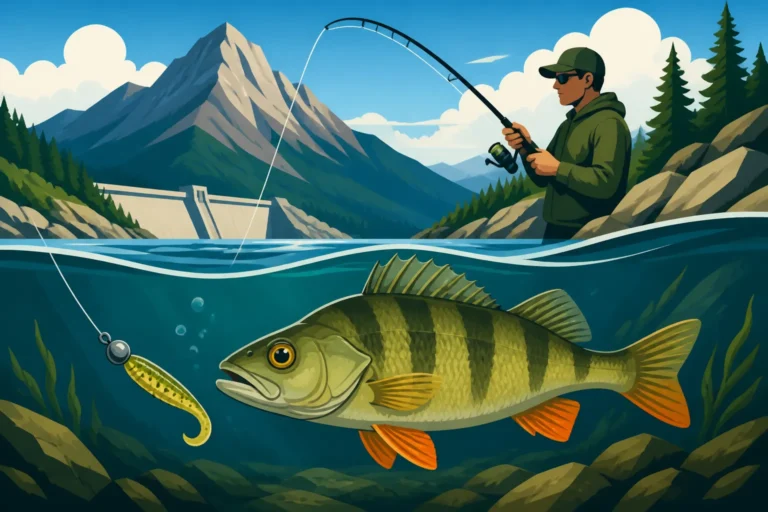
Once the spring steelhead and Chinook runs have tapered off, and river temperatures continue to rise, the Lower Clearwater shifts into a fantastic warm-water fishery, particularly for smallmouth bass. These aggressive fighters thrive in the Clearwater's rocky bottom and current, offering fast-paced action on light tackle. You can find them in eddies, current breaks, and around submerged structures. Throwing small crankbaits, spinnerbaits, tube jigs, or soft plastic baits can lead to some incredible days, often with multiple hookups. This is a great time to enjoy the river without the intense focus and competition of the salmonid seasons.
Alongside the smallmouth, you'll still find resident rainbow trout and some cutthroat trout, especially in the cooler tributary mouths or deeper pools. While not typically the primary target in the lower river during summer, they can be a welcome bonus. Fly anglers might find success with terrestrials or attractor patterns along shaded banks or during early morning and late evening hours. This relaxed period is perfect for family outings, kayak fishing, or simply enjoying the beautiful scenery that defines Fishing the Clearwater River for Steelhead. It's a different kind of fishing, but equally rewarding in its own right.
Navigating Regulations and Hiring a Guide
With all the different species, seasons, and special regulations, it's easy to feel overwhelmed. Idaho's fishing rules are designed to protect the resource and ensure sustainable fishing, but they can be complex. Always, always check the latest Idaho Fishing Regulations Explained and the specific brochures put out by Idaho Fish and Game before you hit the water. These are updated annually and sometimes have emergency closures or changes that can affect your trip. Paying attention to details like "barbless hooks required" or specific length limits is not just good practice, it's the law, and infractions can carry hefty penalties.
If you're feeling a bit daunted, or simply want to maximize your chances of success and learn the nuances of the Lower Clearwater, consider booking a guided trip. Reputable guides spend hundreds of days on the water each year and possess an intimate knowledge of the river, fish behavior, and current conditions. They can provide all the necessary gear, bait, and most importantly, invaluable expertise. Websites like FishingBooker are excellent resources for finding experienced guides for steelhead, Chinook, or even bass trips on the Clearwater. Many guides specialize in Fall Steelhead Fishing Techniques on the Clearwater and Salmon Rivers, ensuring you're using the right approach for the season. A good guide will also ensure you understand and adhere to all local regulations, making your trip stress-free and productive. They are truly an investment in a memorable and successful fishing experience.
Ultimately, the "best" time to fish the Lower Clearwater River depends on what you want to catch and what kind of experience you're seeking. For the quintessential Idaho steelhead experience, the fall and spring runs are hard to beat. For a shot at a trophy Chinook, a specific permit and diligent research for the late spring/early summer window is essential. And for a more relaxed, warm-water adventure, summer offers fantastic smallmouth bass action. No matter when you choose to go, the Clearwater is a truly special place, offering incredible opportunities year-round. Don't forget to check out the Idaho Fishing Guides and Charters Directory if you're looking for local expertise!
Disclaimer
Please remember that fishing conditions, regulations, and fish run timings are subject to change. Always consult the most current Idaho Fish and Game regulations and local advisories before planning your trip to ensure compliance and safety. This guide is for informational purposes only and does not substitute for official regulatory documents.