Idaho Rules on Using Live Bait
Navigating the intricate world of Idaho fishing regulations can feel like trying to untangle a particularly stubborn fishing knot, especially when it comes to something as fundamental as using live bait. Many anglers, whether seasoned locals or excited visitors, often find themselves scratching their heads, wondering if that trusty container of worms or that bucket of minnows is even allowed. It’s a common frustration, driven by the desire to fish legally and effectively without inadvertently breaking a rule. This comprehensive guide will illuminate Idaho's rules on using live bait, helping you understand not just what the rules are, but why they exist, so your next fishing adventure is as compliant as it is successful.
The Complex World of Live Bait Regulations in Idaho
For many of us, the image of fishing starts with a bobber and a squirming worm. It’s a classic, effective, and often incredibly fun way to catch fish. However, in a state as ecologically diverse and sensitive as Idaho, live bait isn't a "one size fits all" proposition. The rules are in place for very good reasons, even if they sometimes feel confusing.
Why Live Bait Rules Exist: Understanding the "Why"
Idaho's stringent live bait regulations aren't designed to make fishing more difficult; they're vital for protecting the state's precious aquatic ecosystems and native fish populations. Think of it like this: every river, lake, and stream is a unique, delicate balance, and introducing anything foreign can throw that balance into chaos.
One of the primary concerns is the prevention of invasive species. Imagine you're fishing a lovely smallmouth bass spot on the Snake River and you decide to use baitfish you caught from a pond near your house. Unbeknownst to you, that pond might harbor something like New Zealand mudsnails, quagga mussels, or even microscopic disease pathogens like the ones that cause whirling disease in trout. If those invasive species or diseases are introduced into a new water body, they can devastate native fish populations, alter habitat, and drastically impact the health of the fishery for decades. Native fish, especially iconic species like the wild Westslope Cutthroat Trout and the federally protected Bull Trout, are particularly vulnerable to these threats. The state of Idaho invests significant resources into protecting these populations, and bait restrictions are a key tool in that effort.
Furthermore, these regulations often aim to preserve the genetic integrity of native fish. Introducing a different species, even if it's not considered "invasive" in the strictest sense, can lead to hybridization or competition that dilutes the native gene pool. For instance, some high-mountain lakes are managed as pure strain native trout fisheries, and the introduction of non-native bait species or even other trout strains through live bait use could compromise those efforts. Understanding these ecological stakes helps explain why the Idaho Department of Fish and Game (IDFG) takes these rules so seriously, and why anglers should too.
General Statewide Rules for Live Bait
So, what's the general lay of the land for live bait in Idaho? Good news: in many waters across the state, your classic natural baits are allowed. This typically includes earthworms, nightcrawlers, crickets, grasshoppers, and even dead bait like cured salmon eggs or PowerBait. These are considered "natural baits" but generally don't pose the same invasive species threat as live baitfish, assuming they are locally sourced and not transported between distant waterways.
However, a crucial statewide restriction is that you cannot use game fish, or parts of game fish, as bait unless they were legally harvested from the same body of water you are currently fishing and are dead. This means you can't, for example, catch a small trout from one lake, kill it, and then use it as bait in another lake to catch something bigger. This rule prevents anglers from "stocking" waterways with potential invasives or illegally caught fish. Beyond that, many bodies of water have length limits or species-specific restrictions on what can be used as bait, especially concerning baitfish. The distinction between "live bait" (meaning live invertebrates or legally acquired baitfish) and "dead bait" (cured eggs, cut bait, commercial dough baits) is a vital one that often determines legality in specific waters.
Specific Restrictions and Prohibited Practices
While general rules provide a baseline, Idaho's specific regulations on live bait can vary wildly depending on the particular river, lake, or reservoir you're targeting. This is where many anglers get tripped up, because what's perfectly fine on one stretch of river might be a serious violation just a few miles downstream.
Waters Where Live Bait is Strictly Prohibited
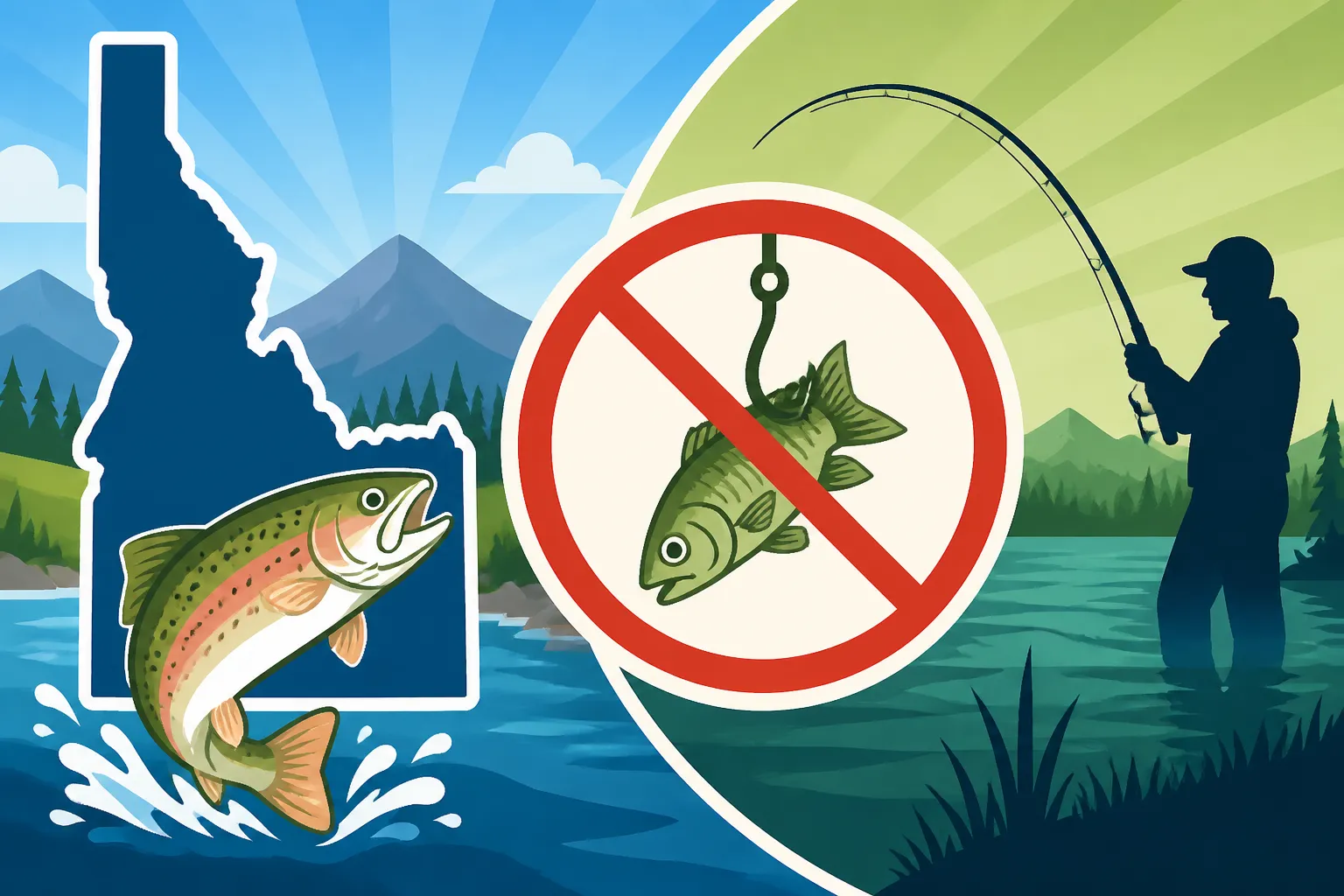
There are numerous specific waters in Idaho where using any live bait is absolutely off-limits. These "artificial flies and lures only" or "bait restricted" areas are usually designated to protect highly sensitive ecosystems, native fish populations, or to preserve a specific type of angling experience, often centered around fly fishing.
For example, sections of world-renowned fly-fishing destinations like Silver Creek in central Idaho, or certain stretches of the Henry's Fork of the Snake River in eastern Idaho, are strictly artificial lures and flies only. The rationale here is often multifaceted: to reduce accidental hooking mortality on sensitive wild trout populations, to prevent the introduction of disease or invasive species, and to maintain a challenging, traditional fly-fishing environment. Many high-mountain lakes, particularly those managed for native Cutthroat Trout or those requiring a hike-in, also fall under these strict "no bait" rules. Even waters with special regulations that permit "artificial lures with bait allowed" often implicitly mean dead, non-fish bait like worms, PowerBait, or corn, not live baitfish. It's crucial to understand these distinctions. For instance, while worms might be fine in some "artificial lures with bait allowed" sections, live minnows would be a definite no-go. The best approach is to always assume live bait is not allowed in these designated areas unless explicitly stated otherwise in the regulations.
The Nuance of Live Baitfish Regulations
This is arguably the trickiest part of Idaho's live bait rules. Using live fish as bait is heavily restricted and often outright prohibited in many areas. The core principle guiding these rules is the prevention of disease and the spread of invasive or undesirable fish species.
Statewide, it is illegal to transport live fish from one water body to another, with very few exceptions for licensed aquaculture facilities. This means if you catch a small dace or shiner in the Snake River, you absolutely cannot take it to Lake Coeur d'Alene and use it as live bait, even if you think it's a "native" baitfish. The risk of transferring diseases, parasites, or even introducing a species into an ecosystem where it doesn't belong is too high.
Furthermore, there are explicit prohibitions on certain species being used as live bait anywhere in the state, such as goldfish and common carp, due to their invasive potential. When live baitfish are allowed in specific waters (which is rare), they typically must be legally acquired from a licensed bait dealer within Idaho. These dealers are regulated to ensure their baitfish are disease-free and of approved species. It's not uncommon for anglers to try to catch their own baitfish from a local stream or pond, but using these "wild-caught" baitfish from an unverified source and then transporting them, even a short distance, can lead to severe penalties. The Idaho Department of Fish and Game is very clear on this: if you're even considering using live baitfish, you must consult the current regulations for the specific water body you plan to fish and be certain of the baitfish's legal source and species. These rules are in place because unintended introductions of fish have had catastrophic impacts on fisheries in the past, and Idaho is determined to avoid such ecological disasters.
Understanding Bait Definitions and Artificial Lure Restrictions
To navigate these rules successfully, it's vital to understand the precise definitions used in the Idaho fishing regulations. What does "live bait" actually mean? What about "dead bait"? And how do these differ from "artificial lures" or "artificial flies"?
- Live Bait: This generally refers to living organisms, excluding legally defined game fish, used to attract and catch other fish. This includes common items like worms (earthworms, nightcrawlers), crickets, grasshoppers, and sometimes legally sourced, disease-free baitfish (though these are heavily restricted).
- Dead Bait: This category covers non-living natural materials or commercial preparations. Examples include cured salmon roe, cut fish (from legally harvested, dead, non-game fish or approved commercial sources), shrimp, corn, cheese, and manufactured products like PowerBait, Berkley Gulp, or various scent-enhanced soft plastics. These are often allowed in "artificial lures with bait allowed" waters.
- Artificial Lures: These are man-made devices designed to attract fish without natural bait. This includes spinners, spoons, crankbaits, jigs, and soft plastic baits that are not scent-enhanced (though many modern soft plastics are scented, blurring the line). The key here is that they don't involve live or natural dead organisms as their primary attractant.
- Artificial Flies: These are lures constructed from feathers, fur, tinsel, or other materials tied onto a single hook, specifically designed to imitate aquatic insects or small baitfish. "Fly-fishing only" waters typically restrict anglers to these and often single, barbless hooks.
The phrase "artificial lures with bait allowed" is a common source of confusion. In these waters, you can use artificial lures, and you can also tip them with certain baits. However, this usually means dead bait, such as worms, PowerBait, or a piece of shrimp, not live baitfish. It’s always best to err on the side of caution and assume that live baitfish are prohibited unless explicitly permitted for your specific fishing location. Knowing these distinctions is paramount to staying within the bounds of Idaho's Idaho Fishing Regulations Explained.
Practical Advice for Anglers Navigating Live Bait Rules
Given the nuances, it's easy to feel overwhelmed. But with a few smart habits, you can confidently use live bait where permitted and avoid any unfortunate run-ins with the law.
Always Check the Latest Idaho Fishing Regulation Brochure
This is, without a doubt, the single most critical piece of advice for any angler in Idaho. The rules are not static; they can change annually, and specific regulations often supersede general statewide ones. What was allowed last year, or even last month, might have changed.
The Idaho Fish and Game (IDFG) publishes a comprehensive fishing regulation brochure every year, typically available in print and digitally. You can pick up a physical copy at almost any sporting goods store, like Sportsman's Warehouse or Cabela's, or find it at local license vendors. More conveniently, it’s always available for download as a PDF directly from the official IDFG website. I always recommend downloading it to your phone or tablet so you have it handy on the water, even if you're out of cell service. This brochure will detail all statewide rules, followed by region-specific regulations, and then specific rules for individual rivers, lakes, and reservoirs. Always check the section for your particular fishing destination, as its rules will always override any general statewide regulations. This is the official word, and familiarizing yourself with it is part of being a responsible angler. You can also find valuable information on Where to Find Idaho's Current Fishing Rules Brochure.
Sourcing and Transporting Live Bait Legally
When live bait is permitted, how you acquire and transport it is just as important as where you use it.
For common invertebrate baits like earthworms, nightcrawlers, crickets, and mealworms, the rules are generally more relaxed. You can usually purchase these from local bait shops, gas stations, or even order them in bulk through online retailers like Amazon. These are typically considered safe, as long as they are not exotic species or harboring obvious diseases. The key here is not to introduce foreign soil or water from the bait container into Idaho's waterways. Always dispose of unused bait and packaging in the trash, not directly into the water.
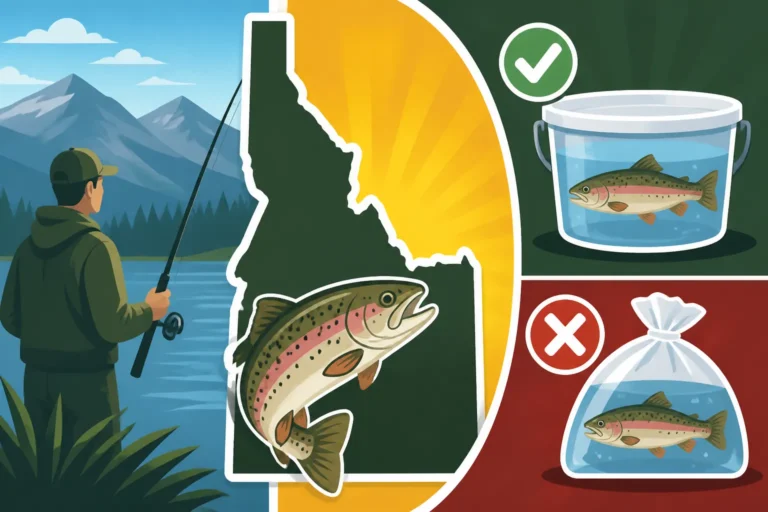
When it comes to live fish as bait, the rules become much stricter. As mentioned, it's generally illegal to transport live fish from one water body to another. If live baitfish are allowed in a particular location, they almost invariably must be purchased from an Idaho-licensed bait dealer. These dealers are subject to inspections and protocols to ensure the baitfish are disease-free and of approved species. Never bring baitfish into Idaho from another state, or move them between water bodies within Idaho, unless you are absolutely certain it's legal and from a verified, disease-free source. If you have unused live baitfish, they must be disposed of properly – meaning dead, and not released into any waterway other than the one from which they were originally legally acquired. This strict adherence helps prevent the spread of harmful pathogens and invasive species that could devastate Idaho's fisheries.
When in Doubt, Go Artificial
If you're heading to a new fishing spot in Idaho, or if you've read the regulations and still feel a little fuzzy on the live bait rules, the safest and smartest move is to default to artificial lures or legal dead bait. This approach completely eliminates the risk of violating live bait regulations and ensures you're fishing legally.
Modern artificial lures are incredibly effective for a wide variety of Idaho's fish species, from aggressive Smallmouth Bass in the Snake River to wily Rainbow Trout in the Boise River. Spinners, spoons, soft plastics (scented or unscented), and various plugs can entice bites just as well, if not better, than live bait in many scenarios. Plus, they often allow for more active fishing techniques. If you still want the scent attraction without the "live" aspect, commercially prepared dead baits like PowerBait, scent-infused soft plastics, or even cured roe are often permissible where artificial lures with bait are allowed. These provide a strong attractant without the same ecological risks associated with transporting live organisms. Familiarize yourself with a range of Best Bait and Lures for Idaho Fishing that fall into the artificial or dead bait categories, and you'll always have a reliable option in your tackle box, regardless of how complex the live bait rules might be for a given stretch of water.
Common Misconceptions and Hypothetical Scenarios
Even with a firm grasp of the regulations, certain scenarios or long-held beliefs can still cause confusion. Let's tackle a few common ones to provide even more clarity.
"But I'm Just Using Worms from My Garden!"
This is a classic. Many anglers think, "What could be more natural and harmless than a worm from my own backyard compost pile?" While it's true that common earthworms and nightcrawlers (like Lumbricus terrestris) are widely allowed as bait in Idaho, the "garden worm" scenario isn't entirely without risk, and it touches on the spirit of the regulations.
The concern, however minor with a common earthworm, lies in the potential introduction of non-native soil organisms, plant seeds, or even microscopic pathogens from your garden soil into a pristine aquatic environment. While IDFG generally doesn't prohibit the use of common garden worms in most waters where bait is allowed, the broader principle is to avoid introducing anything that isn't naturally part of that ecosystem. For example, if you're fishing a very remote, high-mountain lake that is only accessible by foot and has a delicate ecosystem, even garden worms, while technically allowed, carry a very slight risk of introducing something foreign. The rules about worms are typically less strict than for baitfish because worms are less likely to spread invasive aquatic species or diseases that directly impact fish. Still, the best practice is to always dispose of unused bait on land, far from the water's edge, or in the trash, to minimize any unintended ecological footprint.
Fishing Private Property with Live Bait
Another common question revolves around private land. "If I'm on my own land, or land I have permission to fish, do Idaho's live bait rules still apply?" The answer, in almost all cases, is a resounding yes. Idaho fishing regulations generally apply to all public waters within the state, regardless of whether you are accessing them from private or public land.
If a river, stream, or lake flows through or borders private property, it is still considered a public waterway for fishing purposes, and all state regulations, including those for live bait, apply. The landowner might control access to the water, but they don't control the fishing rules within it. The only exception might be a completely self-contained pond or lake on private property with absolutely no inlet or outlet connected to other public waters. Even then, it's always prudent to check with IDFG or consult the regulations, as some state laws might still apply to the species within the pond, especially if it was stocked by the state at any point. To avoid any doubt, it's best to operate under the assumption that all Idaho fishing regulations are in effect, even when you're on private property. For more on this, check out Do You Need a License to Fish on Private Property in Idaho?.
The "Accidental Catch" and Live Bait
What happens if you're legitimately using legal live bait (say, worms) for Smallmouth Bass in a river where such bait is permitted, but you accidentally hook a protected species like a Bull Trout? This scenario highlights the importance of species identification and proper handling.
Idaho's regulations often have specific rules for protected species. Bull Trout, for instance, are federally protected and must be immediately released unharmed, often with specific handling requirements (like not removing them from the water). Even if your bait was legal, catching a protected fish still requires you to follow those specific release protocols. This is where knowing your target species, and the species present in the water you're fishing, becomes paramount. If you're fishing a water body known to harbor protected species, it's wise to review those species' specific rules and perhaps adjust your tackle or technique to minimize harm. For instance, using single, barbless hooks (even if not explicitly required for your target species) can greatly reduce injury to an accidentally caught protected fish. This careful approach is particularly relevant in waters where Bull Trout are present; understanding How to Avoid Accidentally Catching Bull Trout is a skill every angler should cultivate. In Idaho, being a responsible angler means not just following the rules for your intended catch, but also being prepared for the unexpected.
Here's a quick reference guide to common live bait rules in Idaho:
| Bait Type | General Statewide Allowance | Common Restrictions/Prohibitions | Best Practice Advice |
|---|---|---|---|
| Earthworms/Nightcrawlers | Generally Allowed | Prohibited in "Artificial Lures/Flies Only" waters | Dispose of unused bait/soil away from water. Check specific water regs. |
| Crickets/Grasshoppers | Generally Allowed | Prohibited in "Artificial Lures/Flies Only" waters | Ensure local sourcing. Dispose of unused bait on land. |
| Live Baitfish (Minnows) | Highly Restricted | Illegal to transport between waters. Prohibited in most waters. Must be IDFG licensed dealer sourced if allowed. | Rarely allowed. Always check specific water body regulations. Avoid using wild-caught baitfish. |
| Leeches | Generally Allowed | Prohibited in "Artificial Lures/Flies Only" waters | Often available commercially. Same disposal rules as worms. |
| Legally Harvested Fish | Allowed if dead and from same water | Cannot be transported from another water body. Must be dead. | Use only game fish legally harvested from the water you are currently fishing. Dead only. |
| Goldfish/Carp | Strictly Prohibited | Illegal for use as bait anywhere in Idaho. | Never use these species as bait. They are highly invasive. |
Disclaimer
The information provided in this guide is for general informational purposes only and is not intended as legal advice. Fishing regulations in Idaho are complex and subject to change. Always consult the official Idaho Department of Fish and Game Fishing Regulations Brochure for the most current and specific rules pertaining to your chosen fishing location and species before heading out. Failure to comply with regulations can result in fines and penalties.