How to Ice Fish Idaho Lakes
The biting cold of winter often makes us Idaho anglers feel like we're stuck in a state of seasonal depression, watching our rods collect dust in the garage. But what if I told you that winter isn't a sentence to put your fishing passion on hold? This comprehensive guide is here to bust open that misconception and show you exactly how to transform those frigid days into some of the most memorable and productive fishing adventures you'll have all year by embracing the thrilling world of ice fishing on Idaho's beautiful frozen lakes.
The Allure of Ice Fishing in Idaho: Why Brave the Cold?
Let's be honest, the thought of standing on a frozen lake with a hole drilled in the ice might sound a little… extreme to some. But for us intrepid Idaho anglers, it's a cherished winter tradition that offers a completely different kind of fishing experience than chasing trout in a river or bass on a warm summer lake. There's a quiet solitude, a unique challenge, and a surprising abundance of fish waiting beneath that icy blanket.
A Unique Winter Experience
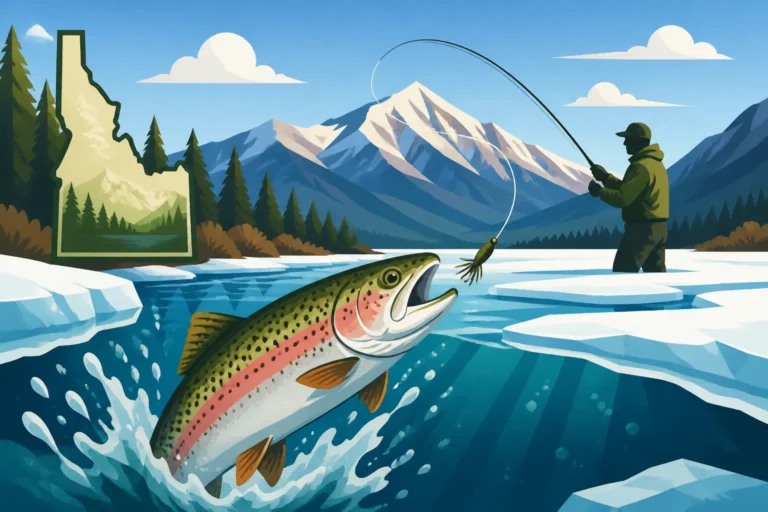
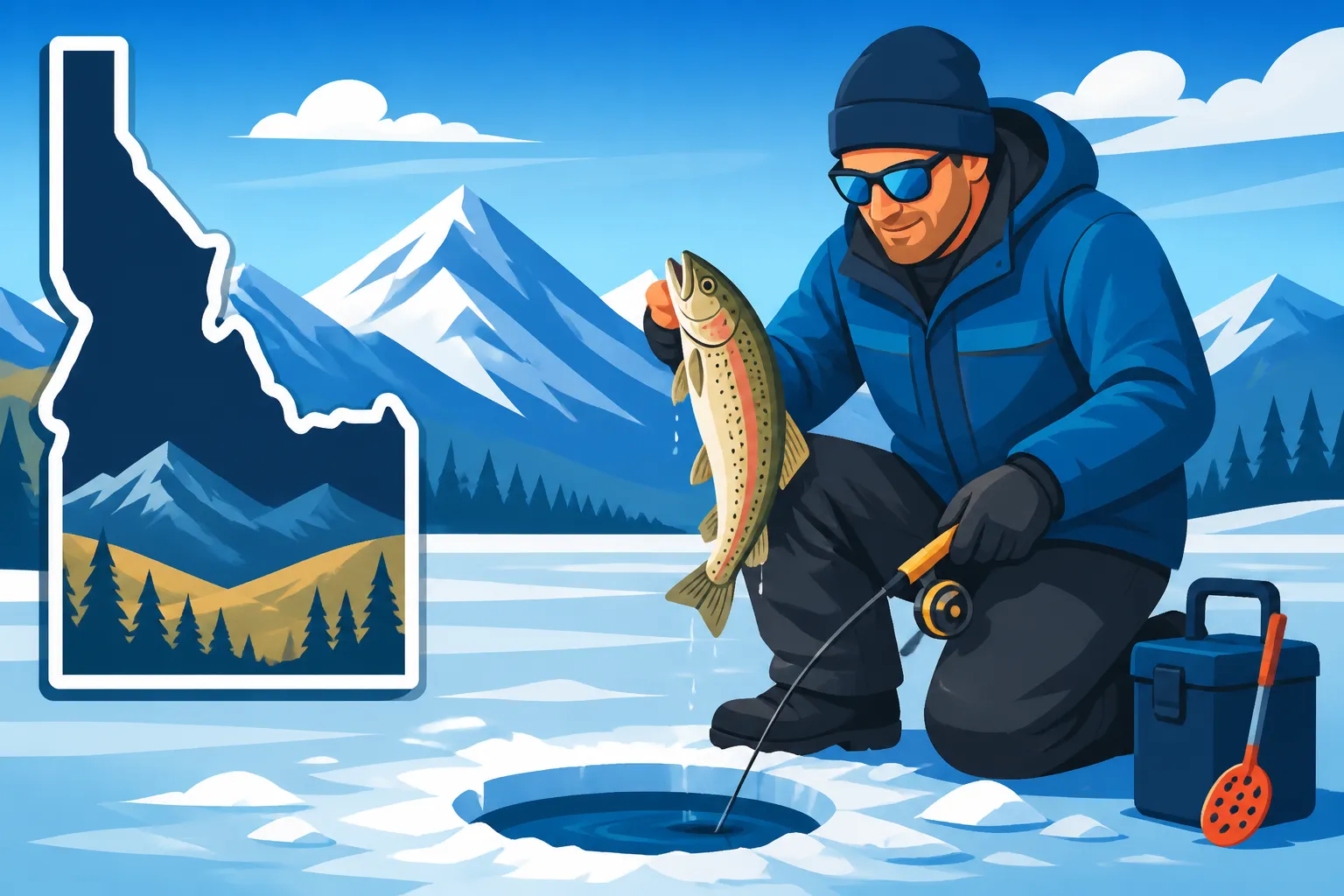
Ice fishing isn't just about catching fish; it's about connecting with Idaho's wild, winter landscape in a way few others do. Imagine the crisp, clean air, the silence broken only by the crunch of snow underfoot or the whir of an auger, and the stunning views of snow-covered peaks reflecting on vast, white expanses. It’s an escape from the hustle and bustle, a chance to slow down and truly immerse yourself in nature. You might be out on the ice of Lake Cascade, watching deer graze along the shoreline, or tucked away on a small, high-mountain lake in the Sawtooths, feeling miles away from civilization. It’s an adventure, a mental reset, and a chance to experience the Idaho outdoors in its purest, most pristine form.
Beyond the scenery, there's a camaraderie among ice anglers that's special. You'll often see groups huddled together, sharing stories, tips, and even a warm beverage. It’s a social event for many, with portable shelters creating temporary villages on the ice. Kids absolutely love it too! The novelty of drilling a hole, peering into the icy depths, and feeling that tug on the line through a short rod is pure magic for them. It creates lasting memories and introduces them to a different facet of the fishing world, proving that the fun doesn't stop when the temperatures drop.
Beyond the Catch: Target Species and Winter Habits
While the experience itself is a huge draw, let's not forget the fishing! Idaho's frozen lakes and reservoirs are teeming with hungry fish, and many species become surprisingly active under the ice. Common targets include tasty yellow perch, feisty rainbow trout, robust kokanee, and even impressive lake trout (Mackinaw). Some larger reservoirs might even yield crappie or bass. What makes winter fishing so fascinating is understanding how fish behavior shifts with the cold. Their metabolism slows, but they still need to eat. Often, they congregate in specific areas, like deeper channels or near structure, making them more predictable once you locate them.
For instance, perch on Lake Cascade or American Falls Reservoir will often school up in large numbers, making for fast and furious action once you find the sweet spot. You could spend all day pulling them up one after another, filling a bucket with delicious fillets. On the other hand, chasing a trophy lake trout on Priest Lake requires a different strategy, often involving deeper water and larger baits, testing your patience but offering an incredible reward. Understanding these winter habits – like how to find Kokanee on a fish finder or where Lake Trout hold in Priest Lake in summer – is key to success and makes the challenge even more rewarding. It's a deep dive into ichthyology that summer fishing sometimes glosses over.
Essential Gear for Idaho Ice Fishing: Don't Get Caught Unprepared
Diving into ice fishing requires a specific set of tools, not just for catching fish, but critically, for staying safe and comfortable in freezing conditions. Think of it less as a "nice-to-have" and more as a "must-have" situation. Going out on the ice ill-equipped is a recipe for a miserable (and potentially dangerous) experience.
Safety Gear is Non-Negotiable
First and foremost, safety gear should be at the top of your list. The ice can be unpredictable, and conditions can change rapidly. A pair of ice cleats (often called "YakTraks" or similar brands) that strap onto your boots are crucial for traction on slippery ice, preventing nasty falls. Nobody wants a twisted ankle when you're miles from the access point. Next, a set of ice picks is a lifesaver. These small, spiked handles are worn around your neck and are your emergency grab points if you ever break through the ice, allowing you to pull yourself out. They're inexpensive and absolutely vital.
A throw rope or buoyant cushion is also a smart addition, especially if you're fishing with others. It allows you to assist someone from a safe distance without putting yourself at risk. For visibility, especially on busy lakes or during low light conditions, consider wearing bright clothing or adding reflective tape to your gear. And of course, never forget a first-aid kit stocked for cold weather ailments like minor cuts, blisters, and definitely some hand warmers. You can find great options for these essential safety items on Amazon, often bundled for convenience.
The Core Ice Fishing Kit
Once you've got safety covered, it's time for the actual fishing equipment. The cornerstone of any ice angler's kit is an ice auger. These come in manual, cordless electric, or gas-powered versions. For a beginner or casual angler hitting smaller lakes, a reliable hand auger like those from Eskimo or Mora is perfectly sufficient. If you plan to drill many holes or tackle thicker ice, an electric auger (like a StrikeMaster Lithium 40v) or a gas model will save your arms and dramatically speed up the process. A slush scoop is another simple but indispensable tool for clearing ice chips and slush out of your hole.
For rods and reels, think shorter and lighter than your typical open-water setup. Ice fishing rods are typically 24-36 inches long, offering better control and sensitivity for detecting subtle bites. Pair these with small spinning reels spooled with light monofilament or fluorocarbon line (2-6 lb test for panfish, slightly heavier for trout or lake trout). You'll also need a variety of ice fishing jigs (small weighted lures designed to be jigged vertically) and spoons for different depths and species. Don't forget live bait like wax worms, mealworms, or small minnows – they can often make the difference between a slow day and a successful one. A small tackle box to keep everything organized, and a comfortable, insulated bucket (which doubles as a seat!) or a dedicated ice fishing chair will make your time on the ice much more enjoyable. Remember, a good, insulated cooler or bucket is also essential for transporting your catch home in proper condition.
Finding the Right Ice Fishing Spot in Idaho
So you've got your gear, you're bundled up, and you're ready to hit the ice. But where do you go? And how do you know if the ice is safe? These are critical questions, and understanding them can make or break your ice fishing adventure. Idaho offers a fantastic variety of ice fishing opportunities, from large reservoirs to secluded mountain lakes.
Understanding Ice Conditions and Safety
Before you even think about stepping onto a frozen lake, you absolutely need to assess the ice conditions. This is not a step to be rushed or guessed at. "Ice thickness and what it means" is paramount. The general rule of thumb is a minimum of 4 inches of clear, solid ice for safe foot travel. For snowmobiles or ATVs, you're looking at 5-7 inches, and for a car or small truck, 8-12 inches. Always use an ice chisel or auger to check ice thickness as you go, especially when venturing onto a new spot or after a sudden change in temperature. Remember that ice can vary in thickness even on the same body of water, due to currents, springs, or changes in depth.
Visually inspect the ice. Clear blue ice is generally stronger than cloudy or white "snow ice." Avoid areas with cracks, pressure ridges, or open water, even if it seems thin. Pay attention to local reports from Idaho Fish and Game or reputable bait shops. They often have the most current information on ice conditions. If you're unsure, or if conditions seem marginal, it's always best to err on the side of caution and stay off the ice. No fish is worth risking your life for. Knowing How Thick Ice Needs to Be Before You Ice Fish is a matter of life and death, so take it seriously.
Popular Ice Fishing Destinations
Idaho boasts a fantastic array of lakes and reservoirs that freeze up nicely, offering diverse fishing experiences. For those in the Treasure Valley and surrounding areas, Lake Cascade near McCall is a perennial favorite, renowned for its incredible yellow perch fishery. You can literally catch hundreds of perch here on a good day, along with trophy-sized rainbow trout and even the elusive tiger muskie. Another excellent option is Lucky Peak Reservoir near Boise, often yielding kokanee and trout. Further east, American Falls Reservoir offers fantastic perch and trout action, while Magic Reservoir is a great spot for perch and rainbow trout.
In North Idaho, Priest Lake is famous for its massive lake trout (Mackinaw), though they require specialized techniques and deeper water. Lake Coeur d'Alene can also offer ice fishing opportunities for kokanee and northern pike in its shallower bays during colder winters, though it doesn't freeze reliably every year. For a more remote experience, many high-mountain lakes in the Sawtooths and other ranges can offer incredible ice fishing for cutthroat and rainbow trout, but these often require snowmobile or snowshoe access. Always check the current Idaho Fishing Regulations Explained for specific water body rules, as limits and special restrictions can vary greatly.
Master the Techniques: How to Catch Fish Through the Ice
Ice fishing might seem simple – drill a hole, drop a line. But there's a subtle art and science to consistently catching fish through the ice. It's about understanding presentation, fish behavior, and adapting to conditions. It’s a game of patience and finesse, often rewarded with surprising action.
Jigging and Deadsticking
These are the two most fundamental techniques in ice fishing. Jigging involves actively working a small lure (a jig or spoon) up and down in the water column to attract fish. You'll typically use a short, sensitive ice rod, giving the lure erratic movements, pauses, and twitches. The idea is to imitate a struggling baitfish or insect, triggering a strike. For panfish like perch and crappie, quick, small jigs often work best, while for trout or kokanee, a slightly larger, more aggressive jigging motion might be required. Pay close attention to how the fish are reacting on your fish finder (if you have one); sometimes a subtle lift is all it takes, other times a sharp drop and pause.
Deadsticking, on the other hand, is a more passive approach. This involves setting up a second rod (where allowed by Idaho Fishing Rules on the Number of Rods Per Angler) with a bait (like a minnow or worm) suspended motionless or with very minimal movement. This often entices fish that are wary of aggressive jigging, or those that prefer a stationary meal. Many anglers will jig with one rod to attract attention and then rely on a deadstick with natural bait to seal the deal. Combining both techniques is often the most effective strategy, covering more bases and appealing to different moods of the fish.
Targeting Specific Species with Precision
Success in ice fishing often comes down to tailoring your approach to the specific species you're after. If you're targeting yellow perch, which are often the easiest and most abundant, small tungsten jigs tipped with a wax worm or mealworm are deadly. They often school up, so once you find them, the action can be non-stop. For rainbow trout, often found in shallower to mid-depths, small spoons (like a Northland Forage Minnow or a Swedish Pimple) jigged aggressively can work wonders, as can deadsticked PowerBait or worms.
Kokanee, those landlocked sockeye salmon, are known for being a bit more finicky. They typically suspend in the water column and prefer small, flashy jigs or spoons often tipped with corn. Using a fish finder to locate their depth is almost essential. You can find specialized kokanee jigs and tackle on Amazon that are designed to mimic their preferred food sources. For the mighty lake trout, found in deeper waters like Priest Lake, you'll need heavier jigs or large spoons, often tipped with a piece of cut bait or a large minnow. Patience is key for these giants, but the reward is immense. Each species has its nuances, and a little research into their winter habits will pay off handsomely.
Safety First: Staying Safe on Idaho's Frozen Lakes
I cannot stress this enough: safety is paramount when ice fishing. The beauty of Idaho's frozen landscapes can be deceptive, and even seasoned anglers can find themselves in trouble if they become complacent. Being prepared and vigilant is not just good practice; it's essential for survival.
Hypothermia and Cold Weather Preparedness
One of the biggest risks, besides falling through the ice, is hypothermia and other cold-weather injuries. Idaho winters can be brutal, with temperatures plummeting below zero, especially with wind chill. Dressing in layers is crucial. Start with a moisture-wicking base layer (synthetics or wool, never cotton), add insulating middle layers (fleece or down), and top it off with a waterproof and windproof outer shell. A good quality, insulated jacket and bibs or snow pants are key. You can find excellent options for winter fishing attire on Amazon, including specialized flotation suits that offer both warmth and buoyancy in an emergency.
Don't forget proper headwear (a warm hat or balaclava, as you lose a lot of heat through your head), insulated, waterproof gloves or mittens, and insulated, waterproof boots with thick wool socks. Bring extra clothing layers, especially socks, in a dry bag. A portable heater for your ice shelter, a thermos of hot coffee or soup, and high-energy snacks will help keep your core temperature up. Staying hydrated is also vital, even in cold weather. Symptoms of hypothermia include shivering, confusion, slurred speech, and loss of coordination. If you or a fishing partner show these signs, seek warmth immediately and, if necessary, medical attention.
Planning for the Unexpected
Even with all the right gear and knowledge, things can go wrong. That's why having a plan and communicating it is so important. Always tell someone where you are going and when you expect to return. Provide details like the specific lake, the access point you're using, and who you're with. If you're venturing into remote areas, consider carrying a satellite communication device like a Garmin inReach or a SPOT device for emergency contact. Cell service can be spotty or non-existent on many Idaho lakes.
Pack a fully charged cell phone (keep it in an inside pocket close to your body to preserve battery life), and a portable power bank. A headlamp or flashlight is essential, even if you plan to be off the ice before dark, as conditions can change or you might lose track of time. Carry a map and compass or a GPS device, especially on large, featureless lakes, as whiteouts or fog can make it easy to get disoriented. Always travel with a partner, and make sure everyone in your group knows basic first aid and emergency procedures. Being prepared for the worst allows you to enjoy the best of Idaho's ice fishing with peace of mind.
Regulations and Best Practices for Idaho Ice Anglers
Just like any other type of fishing, ice fishing in Idaho comes with its own set of rules and a code of ethics. Adhering to these regulations and best practices ensures a safe, enjoyable experience for everyone and helps protect Idaho's precious fisheries for future generations.
Licensing and Permits
Before you even think about drilling your first hole, you need to make sure your paperwork is in order. Every angler 14 years of age and older needs a valid Idaho Fishing License Guide to fish Idaho waters, including through the ice. This applies to both residents and nonresidents. You can purchase these online through the Idaho Fish and Game website, at most sporting goods stores like Cabela's or Sportsman's Warehouse, or at various license vendors across the state. Whether you need an Idaho Resident Annual Fishing License or an Idaho Nonresident Annual Fishing License depends on your residency status. For shorter trips, an Idaho One-Day Fishing License might be a more economical option.
In addition to your general fishing license, some species, particularly those managed under special programs, might require additional permits or tags. For instance, while steelhead and salmon fishing seasons are typically over or severely restricted by the time lakes freeze, it’s always wise to double-check if any special permits like the Idaho Salmon and Steelhead Permit apply to specific waters or target species you might encounter. Always check the current Idaho Fishing Regulations Explained brochure or the Idaho Fish and Game website for any special rules or restrictions pertaining to the specific water body you plan to ice fish, especially regarding catch limits and size restrictions.
Respecting the Ice and Fellow Anglers
Part of being a responsible ice angler is not just following the letter of the law but also respecting the environment and other people enjoying the outdoors. When it comes to the environment, pack out everything you pack in. This means all trash, broken line, bait containers, and any other refuse. Leave the ice cleaner than you found it. This simple act helps preserve the natural beauty of Idaho's lakes and prevents harm to wildlife. Be mindful of human waste as well; pack it out or dispose of it properly and discreetly.
For fellow anglers, common courtesy goes a long way. Don't crowd other anglers, especially if they've found a productive spot. Maintain a reasonable distance (at least 50 feet, but more is better if space allows) to avoid tangling lines and disturbing their fishing. If you're using a noisy gas auger, be considerate of those around you. When driving on the ice, adhere to posted speed limits, avoid reckless driving, and be aware of pedestrians and other vehicles. Respecting private property when accessing lakes is also crucial; always use designated public access points. By following these simple guidelines, we can ensure that Idaho's ice fishing season remains an enjoyable and harmonious experience for everyone who ventures out onto the frozen water.
What to Do with Your Catch
Once you've successfully brought fish through the ice, it's important to handle them properly. If you plan to keep your catch, understand and adhere strictly to the Idaho Catch Limits and Bag Limits Explained for each species on that specific water. Keeping more than the legal limit, or fish outside of legal size windows, can result in hefty fines and loss of fishing privileges. Know how to properly identify different species, especially if there are similar-looking fish with different limits (e.g., Idaho Rainbow Trout vs Steelhead, What's the Difference in a river context, though less likely on ice).
For fish you intend to release, handle them gently and quickly. Minimize their time out of the water, especially in freezing temperatures, as cold air can quickly damage their gills and eyes. Use forceps or pliers to remove hooks carefully. If a fish is deeply hooked, it may be better to cut the line and leave the hook in, rather than cause further trauma. A small fishing mat or even a piece of cardboard can help protect fish from direct contact with the freezing ice if you need to photograph them quickly. Proper catch-and-release techniques are vital for maintaining healthy fish populations, ensuring there are plenty of fish for future generations of Idaho ice anglers.
Ice Fishing Species & Habits in Idaho
Understanding the fish you're targeting is half the battle won, especially when it comes to ice fishing. Their behavior changes dramatically in the cold, and knowing what they're looking for and where they'll be can make your day on the ice far more productive. Idaho's diverse waters offer up a range of species eager to bite a jig or bait.
The Ever-Popular Perch
Oh, the yellow perch! They are often the bread and butter of Idaho ice fishing, especially on waters like Lake Cascade, American Falls Reservoir, and even some smaller ponds. Perch are schooling fish, which means if you find one, you're likely to find many more. They tend to stick to the bottom or just above it, often relating to structure like weed lines, drop-offs, or sunken timber. During winter, their metabolism slows, but they're still voracious eaters.
They respond incredibly well to small jigs, particularly tungsten jigs in bright colors like chartreuse, orange, or pink, tipped with a wax worm, mealworm, or even a small piece of perch eye (if you've already caught one). A sensitive ice rod is key to detecting their often subtle bites. Many anglers use a Vexilar or Marcum fish finder to pinpoint schools of perch. Once you mark them, drop your jig to their depth, give it a few quick jigs, and then pause. Often, the bite comes on the pause. The excitement of pulling up one perch after another is incredibly addictive, making them a fantastic target for beginners and seasoned anglers alike.
Trout and Kokanee: The Finer Side of Ice Fishing
While perch offer volume, trout and kokanee often provide a more delicate, rewarding challenge. Rainbow trout are widely stocked in many Idaho lakes and reservoirs, and they remain active under the ice. You'll find them in varying depths, from shallow bays to deeper suspended zones, often cruising. They respond well to flashy spoons, jigging Rapalas, or deadsticked PowerBait or worms suspended off the bottom. On lakes like Payette Lake or Horsethief Reservoir, rainbow trout can offer fantastic action. Knowing Idaho Trout Limits by Water is crucial as these can vary significantly.
Kokanee, the smaller, landlocked cousins of sockeye salmon, are known for their delicious meat and finicky nature. They are typically found suspended in the water column, often in deep open water on lakes like Lake Coeur d'Alene or Arrowrock Reservoir. A fish finder is almost essential for locating these schools. They prefer very small, flashy jigs or spoons, often tipped with a kernel or two of shoepeg corn (scented with Kokanee attractant for extra appeal). The bite can be very subtle, often just a slight pressure or a quiver on your rod tip, so pay close attention. Catching a good batch of kokanee through the ice is a special treat, and they make for some of the best eating fish Idaho has to offer.
| Species | Typical Depths (Feet) | Preferred Baits/Lures | Key Behavior | Common Locations |
|---|---|---|---|---|
| Yellow Perch | 10-40 (often near bottom/structure) | Small tungsten jigs, wax worms, mealworms, minnows | Schooling, bottom-oriented | Lake Cascade, American Falls Res., Magic Res. |
| Rainbow Trout | 5-50 (varies, can be suspended or near bottom) | Spoons, jigging Rapalas, PowerBait, worms | Cruising, opportunistic feeders | Horsethief Res., Payette Lake, many stocked ponds |
| Kokanee Salmon | 20-80 (suspended in open water) | Small flashy jigs, spoons, corn (scented) | Schooling, sensitive to presentation | Lake Coeur d'Alene, Arrowrock Res., Lucky Peak Res. |
| Lake Trout (Mackinaw) | 40-100+ (deep, often near structure/drop-offs) | Large jigs, heavy spoons, cut bait, large minnows | Solitary, apex predators | Priest Lake, Payette Lake (deeper parts) |
| Crappie | 10-30 (often near structure like brush piles) | Small jigs, minnows, plastics | Schooling, structure-oriented | C.J. Strike Res., Lake Lowell |
Maximizing Your Ice Fishing Success: Tips and Tricks
Now that we've covered the basics of gear, safety, and species, let's talk about some of the finer points that can elevate your ice fishing game from simply "out there" to "on the fish." These are the little things that veteran ice anglers know, the subtle tactics that can turn a slow day into a memorable one.
Hole Hopping and Scouting
One of the biggest mistakes a new ice angler can make is setting up in one spot and staying there all day, even if the fish aren't biting. Ice fishing is often a game of mobility. Hole hopping means drilling several holes in a pattern, perhaps along a weed line, over a drop-off, or across a flat, and then moving between them every 15-20 minutes if you're not getting bites. Fish move, and so should you! A good portable ice auger, especially an electric one, makes this tactic much easier. Don't be afraid to cover ground.
Scouting before you even drill a hole is also critical. Look for areas where fish might congregate. This includes points, humps, weed beds (if visible), old creek channels, or sharp drop-offs. If you have a topographical map of the lake (many fishing apps offer this), study it beforehand. Pay attention to what other successful anglers are doing – are they clustered in a certain area? What depths are they fishing? Don't be afraid to ask for advice; most ice anglers are a friendly bunch. And if you have a portable fish finder, use it constantly. Before you even drop a line, use your transducer to scan the water column and bottom structure to see if fish are present. If you don't see any activity, move to the next hole.
Fine-Tuning Your Presentation
Fish under the ice can be incredibly finicky. What works one day, or even one hour, might not work the next. That's why fine-tuning your presentation is so important. Start with a general approach, but be ready to experiment. Try different jig colors: if bright colors aren't working, switch to more natural tones like brown or black. Vary your jigging cadence: sometimes a subtle twitch is best, other times an aggressive lift-and-drop. Experiment with the length of your pauses. Often, fish will hit on the pause, so pay attention.
The amount of bait you use can also make a difference. Sometimes a single wax worm is enough; other times, a small minnow is the ticket. Don't be afraid to switch between jigs, spoons, or even small plastic baits. Pay attention to how the fish appear on your fish finder. Are they rising to your bait but not hitting? Try to make your jigging motion slower or more subtle. Are they ignoring your jig entirely? Maybe a deadstick with live bait is what they're after. Small details, like adding a small bead or a tiny spinner blade above your jig, can also make a huge difference in attracting reluctant biters. Learning How to Use a Fish Finder on an Idaho Reservoir will give you a massive advantage in fine-tuning your presentation in real-time.
The Importance of Warmth and Comfort
While not directly a fishing technique, staying warm and comfortable is absolutely paramount to ice fishing success. If you're cold, miserable, and shivering, you won't concentrate, you won't be patient, and you won't enjoy yourself. This directly impacts your ability to detect subtle bites and stay on the fish. Invest in quality cold-weather gear, as discussed earlier. A portable ice shelter, whether a pop-up hub style or a more robust flip-over shack, can be a game-changer. These shelters, especially when paired with a small propane heater, create a surprisingly warm and comfortable environment, allowing you to fish for hours without battling the elements.
Don't underestimate the mental game. Being comfortable allows you to fish longer, pay more attention to your rod tip, and be more willing to experiment with techniques. Bring comfortable seating, plenty of hot drinks, and substantial snacks. The better you feel, the more focused you'll be, and the more fish you're likely to catch. Think of your comfort as an integral part of your fishing strategy, because it absolutely is.
Disclaimer
Please remember that fishing regulations, ice conditions, and safety recommendations can change. Always check the current Idaho Fish and Game regulations and local conditions before heading out onto the ice. Ice fishing carries inherent risks, and personal safety is your responsibility.