Best Bait for Idaho Sturgeon Fishing
Alright, fellow anglers, let's talk about one of Idaho's most legendary fish: the white sturgeon. If you've ever spent hours on the mighty Snake River, patiently waiting for that tell-tale tug, you know the frustration when your bait just isn't cutting it. It's not just about tossing a line in; it's about presenting the right offering to these ancient, discerning giants. This guide is dedicated to demystifying the art and science of choosing and deploying the best bait for Idaho's incredible sturgeon, helping you stack the odds in your favor for that unforgettable catch-and-release experience.
Understanding Idaho's White Sturgeon and Their Diet
Before we even think about what to stick on a hook, it's crucial to understand the creature we're targeting. White sturgeon are North America's largest freshwater fish, and they've been cruising Idaho's rivers, particularly the Snake River, for millions of years. These aren't your typical trout; they're bottom-feeders with an incredible sense of smell and barbels that help them detect food in murky water. Their diet and behavior directly influence what bait will be most effective.
Natural Forage in Idaho Rivers
Sturgeon are opportunistic predators and scavengers. In the wild, their diet primarily consists of what they can find on the riverbed. This includes a variety of smaller fish like sculpins, squawfish (northern pikeminnow), and minnows, as well as crayfish, insect larvae, worms, and even mussels. They're not chasing fast-moving prey; instead, they slowly cruise the bottom, using those sensitive barbels to root out food. This tells us a lot: whatever bait we choose needs to mimic something they'd naturally encounter and be able to easily locate by scent.
It's a common misconception that sturgeon will eat anything. While they are scavengers, they prefer fresh, natural offerings over processed, artificial ones. Think about it: a sturgeon that's lived for decades has learned what's good and what's not. They're tuned into the subtle scents and textures of their native food sources. Using baits that are completely foreign to their diet often leads to disappointment, as they simply won't register it as a viable food item.
Sturgeon Biology and Sensory Abilities
These prehistoric fish possess an extraordinary sense of smell and touch, far beyond what most other fish species have. Their four barbels, located near their mouths, are packed with chemoreceptors, allowing them to "taste" and "smell" the riverbed for food. They can detect incredibly minute particles of food dissolved in the water, which is why scent is such a massive factor in successful sturgeon fishing. Vision plays a much smaller role, especially in the often turbid waters of the Snake River.
This highly developed sensory system means that a strong, natural scent trail is paramount. When you deploy your bait, you're not just offering a meal; you're creating an olfactory beacon in the water, signaling to any nearby sturgeon that there's a tasty morsel waiting. The more natural and potent that scent is, the higher your chances of attracting a curious sturgeon to investigate your offering.
Top Baits for Snake River Sturgeon
When it comes to actually putting something on your hook, there are a few tried-and-true favorites that consistently produce results for Idaho sturgeon anglers. Forget fancy lures; sturgeon fishing is all about natural, scent-rich baits.
Cut Bait: Salmon, Smelt, and Other Oily Fish
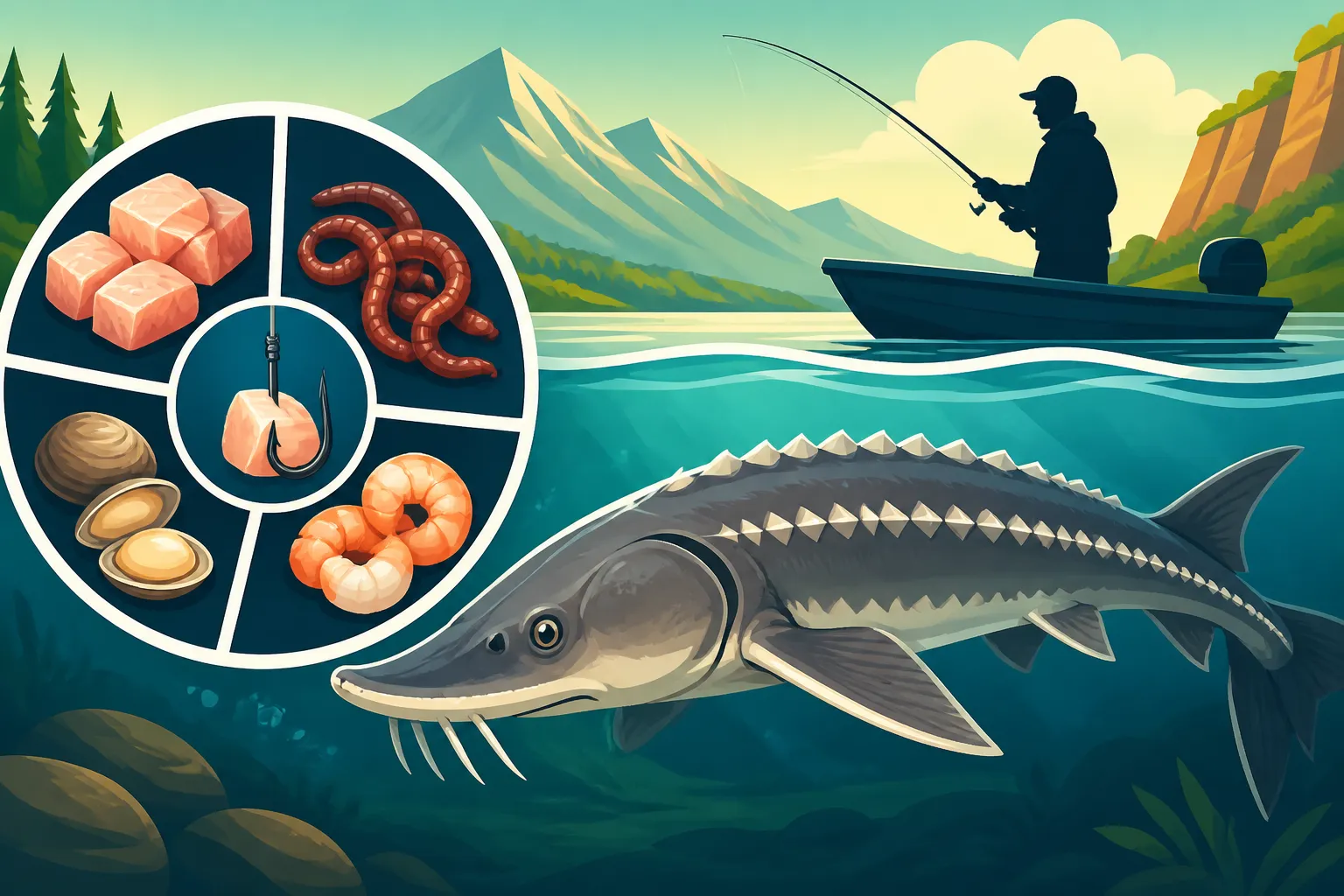
Hands down, cut bait made from oily fish is the reigning champion for sturgeon. The oilier the fish, the better, as those natural oils create a potent, long-lasting scent trail that sturgeon can't resist.
Salmon Fillets and Scraps
Chinook salmon, often referred to as King salmon, and even sockeye or coho salmon scraps are gold for sturgeon. The rich, oily flesh and strong scent are irresistible. You can use belly meat, chunks of fillet, or even the carcass after you've filleted a salmon for human consumption. Many anglers will cube salmon pieces, about 1-2 inches in size, ensuring they're large enough to withstand current and smaller fish, but small enough for a sturgeon to mouth. For a supercharged offering, some folks will let salmon pieces "cure" for a day or two in their own blood or a brine solution, intensifying the scent. This is a go-to bait for many seasoned guides fishing the Snake River, and for good reason—it works. You can often find frozen salmon scraps at local markets or online through retailers like Amazon, making it accessible even if you haven't recently caught a salmon yourself.
Smelt and Herring
Smelt and herring are another excellent option, readily available frozen at many bait shops or even larger grocery stores. These small, oily fish are perfect for sturgeon bait. You can use whole smelt for smaller sturgeon, or cut them into chunks to create more scent and expose the flesh. Some anglers will butterfly a smelt, opening it up to maximize its scent dispersal. The silvery flash of a smelt combined with its powerful scent makes it a highly effective choice. They're also relatively inexpensive compared to prime salmon fillets, making them a budget-friendly option for a day out on the water. When looking for these, ensure they're ocean-caught and not treated with chemicals that might deter fish.
Worms and Roe: Sometimes, but Not Always
While worms and roe are fantastic baits for many other species, they are generally less effective for large white sturgeon in Idaho.
Large Worms: Nightcrawlers
Giant nightcrawlers can attract smaller sturgeon, especially those under a couple of feet. If you're targeting juvenile sturgeon or just want to see what bites, a gob of nightcrawlers can work. However, their scent trail isn't as robust as oily fish, and they're easily picked apart by smaller nuisance fish like northern pikeminnow or suckers before a sturgeon has a chance to find them. For serious sturgeon fishing, stick to cut bait. This isn't to say a sturgeon won't ever eat a worm, but it's like offering a hamburger to someone who prefers a prime steak—they might eat it if nothing else is around, but it's not their first choice.
Roe Sacks and Single Eggs
Salmon or steelhead roe, while potent for salmonids, also don't typically top the list for large sturgeon. The eggs are often too small to present effectively for larger sturgeon and are very susceptible to being stripped off the hook by smaller fish. However, some anglers will use a small sack of roe as an attractant within a larger bait offering, or as a "sweetener" to a piece of cut bait. Alone, it's rarely the prime choice for a dedicated sturgeon angler on the Snake River.
Prepared Baits and Scented Options
While natural cut bait is king, some prepared and scented options can act as a secondary attractant or even a primary bait in a pinch.
Commercial Sturgeon Baits
You'll find various commercial sturgeon baits on the market, often in paste or nugget form, infused with potent scents like anise, garlic, or fish oils. Brands like Pro-Cure or Pautzke's make specific sturgeon formulas. These can be effective, especially if you're not able to get fresh cut bait. They're designed to be tough and stay on the hook, releasing a consistent scent. Some anglers will even "supercharge" their cut bait by injecting it with or rolling it in these commercial scents. It's a way to add an extra layer of attraction, particularly if the water is murky or the sturgeon are being finicky. These products are readily available at sporting goods stores or online platforms like Amazon.
Scent Enhancers
Adding a strong scent enhancer to your cut bait can significantly increase its effectiveness. Liquid scents or gels in flavors like herring, anise, shrimp, or even plain concentrated fish oil can be applied directly to your bait. The goal is to create an even stronger, more prolonged scent plume in the water. Remember, sturgeon are largely smell-driven, so anything that boosts that olfactory appeal is a good thing. However, be mindful not to overdo it; sometimes too much artificial scent can be a deterrent if it's not naturally appealing to the fish. The best approach is to experiment with different combinations to see what the fish respond to on a given day.
Here's a quick comparison of common sturgeon baits:
| Bait Type | Key Advantages | Key Disadvantages | Best Use |
|---|---|---|---|
| Salmon Fillets | Extremely oily, strong natural scent, durable | Can be expensive, requires cutting | Primary bait for large sturgeon |
| Smelt/Herring | Oily, strong scent, good price, durable (whole) | Smaller fish might pick at cut pieces | Primary bait, good alternative to salmon |
| Nightcrawlers | Easily accessible, appealing to smaller sturgeon | Less effective for large sturgeon, easily stolen | Secondary bait, targeting smaller fish |
| Roe Sacks | Natural attractant | Too small for large sturgeon, easily stripped | Attractant, not primary bait |
| Commercial Baits | Convenient, long-lasting scent, durable | Can be less natural, scent might not always appeal | Supplemental, when natural bait is scarce |
| Scent Enhancers | Boosts natural bait, customizes scent | Can be overused, some scents less effective | Added to primary bait for extra attraction |
Rigging Your Bait for Success
Choosing the right bait is only half the battle; how you present it is equally, if not more, important. For sturgeon fishing in Idaho, especially on the powerful Snake River, a robust and simple rig is essential. This isn't the time for finesse tactics; you need something that holds bottom, delivers scent, and can handle a monster fish.
The Carolina Rig: The Gold Standard
For sturgeon, the Carolina Rig is king. It's simple, effective, and allows your bait to be presented naturally on the river bottom while maintaining a strong connection to your main line.
Components of the Rig
A typical Carolina Rig for sturgeon consists of your main line, a heavy lead sinker (often 8-16 ounces or more, depending on current), a bead to protect your knot, a heavy-duty swivel, and a leader with your hook. The main line should be braided, typically 80-150 lb test, for strength and sensitivity. The sinker should be a pyramid or flat-sided style to prevent it from rolling in the current. A large, durable bead (plastic or glass) protects the knot where your main line attaches to the swivel from the constant banging of the heavy sinker. The swivel prevents line twist, and the leader provides a buffer and a connection to your hook.
When assembling this rig, think strength and durability. Every component needs to withstand not just the force of a powerful sturgeon, but also the abrasive nature of the river bottom. Many anglers find their heavy-duty rigging components, including swivels and beads, readily available through online retailers like Amazon, ensuring they have access to a wide selection of sizes and strengths. For a deeper dive into the setup, check out our guide on How to Rig a Line for Snake River Sturgeon.
Importance of Leader Length and Strength
Your leader is critical. It should be made of a strong monofilament or fluorocarbon, typically 100-200 lb test, and about 18-36 inches long. The heavy line serves two purposes: resisting abrasion from the sturgeon's rough mouth and the river bottom, and providing some shock absorption during the fight. A shorter leader keeps your bait closer to the sinker, ideal in strong currents or when sturgeon are holding tight to structure. A longer leader allows your bait to drift more naturally with the current, creating a larger scent trail and covering more ground. Experiment with length based on the current and how the fish are biting. Remember, the stronger the leader, the better your chances against a truly massive fish.
Hook Selection: Barbless and Strong
Idaho fishing regulations specifically require barbless hooks for sturgeon. This isn't just a suggestion; it's a critical rule designed to protect these long-lived fish. Beyond being barbless, your hooks need to be incredibly strong and the right size.
Circle Hooks vs. J-Hooks
Circle hooks are highly recommended, if not mandated by local regulations in some areas for sturgeon. They are designed to hook fish in the corner of the mouth, greatly reducing gut hooking and increasing the chances of a healthy release. When a sturgeon takes the bait, you don't set the hook with a violent jerk; instead, you let the fish swim away with the bait, and as the line tightens, the circle hook rotates and finds its purchase in the jaw. This is a far safer method for a fish that is entirely catch-and-release, as per Idaho Catch-and-Release Sturgeon Rules Explained. J-hooks, while traditional, have a higher risk of deep hooking, which can be fatal for sturgeon.
Size and Strength Considerations
For white sturgeon, you'll want large, heavy-gauge hooks, typically ranging from 7/0 to 12/0. The exact size will depend on the size of your bait and the average size of the sturgeon in the area. A smaller hook might get swallowed easily, increasing the risk of gut hooking even with a circle design, while a hook that's too large might deter smaller sturgeon from taking the bait. Regardless of size, choose hooks made from strong, carbon steel to prevent them from straightening out under the immense pressure of a fighting sturgeon. Our guide on What Size Tackle to Use for Idaho Sturgeon provides more detail on matching your gear to these powerful fish.
Bait Presentation and Techniques
You've got the best bait and a solid rig. Now, how do you get it in front of a sturgeon effectively? It's not just about casting; it's about strategy, scent, and patience.
Maximizing Scent Dispersal
As we've discussed, scent is everything for sturgeon. Your presentation should aim to maximize the dispersal of that irresistible aroma.
Freshness and Replenishment
Always use the freshest bait possible. Stale bait loses its potency rapidly. If your bait has been in the water for an hour or two without a bite, or if you've brought in the line to check, it's often a good idea to replace it with fresh bait. Even if it looks intact, the scent might have washed out. Some anglers will slightly "mash" or cut their bait before casting to release more oils and scent immediately. Think of it like a perfume — the initial burst is strong, but it needs to be reapplied. Regularly checking and rebaiting ensures you're always putting out the strongest possible scent signal.
Using Bait Cages and "Chum"
While direct chumming (tossing loose bait into the water) is generally frowned upon or illegal in many areas for sturgeon, some anglers use discreet methods to create a localized scent field. A small mesh bait cage or "chum bag" attached near your sinker can slowly release bait particles and oils, drawing sturgeon in. You can fill these with smaller, cut-up pieces of your primary bait, or even cheaper, oily fish like mackerel or sardine pieces. The idea is to create a scent trail that leads directly to your main, hooked bait. Just be sure to check local Idaho Fishing Regulations Explained before using any chumming method, as rules can vary.
Location, Location, Location
Even the best bait won't work if it's not where the fish are. Sturgeon tend to hold in specific types of water.
Deep Holes and Channels
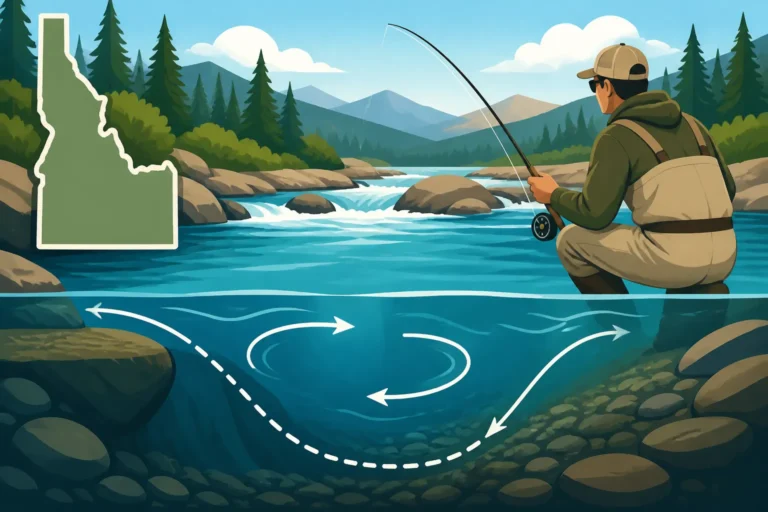
Sturgeon love deep holes and depressions in the riverbed, especially those with slower current, where they can rest and ambush food. Look for these areas using a depth finder or by observing the river's flow. They'll often congregate at the mouths of tributaries, behind large boulders, or in the scour holes created by current. These are prime feeding zones where natural food items tend to accumulate. Our guide on Where to Fish for Sturgeon on the Snake River can give you more specific ideas on key locations.
Current Seams and Eddies
Current seams, where fast water meets slow water, are excellent spots. Sturgeon will often sit on the edge of the slower water, waiting for food to wash out of the faster current. Eddies, especially those that collect debris, can also be productive. These areas funnel natural food sources, making them ideal ambush points for a sturgeon. Positioning your boat or casting from shore to place your bait right on the edge of these seams or in a collection point within an eddy can make a huge difference.
The Virtue of Patience
Sturgeon fishing is not for the impatient. These fish are slow-moving, methodical feeders, and they often take their time.
Waiting for the Bite
Unlike a frantic trout bite or a powerful bass strike, a sturgeon bite can be subtle. It might start as a gentle tap, then a slow, heavy pull, or even just the sudden feeling of dead weight. Resist the urge to yank the rod at the first sign of activity. With circle hooks, you typically let the fish "take" the bait and begin to swim off, allowing the hook to set itself as the line comes tight. It takes discipline, but patience pays off. Sometimes, a sturgeon might just mouth the bait for a while, testing it, before committing. Give them time.
Managing Expectations and Enjoying the Process
Remember that sturgeon fishing is almost universally catch-and-release in Idaho. The thrill is in the battle and the magnificent sight of these giants, not in taking them home. Embrace the process—the quiet waiting, the anticipation, and the incredible fight. Releasing these fish properly is paramount to their survival, so make sure you're familiar with regulations like Idaho Rule Against Removing Sturgeon from the Water and how to safely release them, as outlined in How to Release a Sturgeon Safely in Idaho. The average fight time can be substantial, as explored in How Long It Takes to Land a Sturgeon in Idaho, so be prepared for a workout.
Seasonal Considerations for Sturgeon Bait
The behavior and diet of sturgeon, and therefore the effectiveness of certain baits, can shift throughout the year based on water conditions and temperatures. Adapting your bait strategy to the season is a smart move.
Water Temperature and Sturgeon Activity
Sturgeon are cold-blooded, so their metabolism and activity levels are directly tied to water temperature.
Warmer Water (Summer)
In the warmer months (late spring through early fall), sturgeon are generally more active. Their metabolism is higher, and they're likely feeding more aggressively. This is often when strong, oily baits like salmon and smelt are at their peak effectiveness. The warmer water helps to disperse the scent more quickly and broadly. During these times, you might find sturgeon in a wider variety of habitats, including shallower flats adjacent to deeper channels, as they actively forage. Their increased metabolism means they need more food, making them potentially more willing to strike.
Colder Water (Winter)
As water temperatures drop in late fall and winter, sturgeon become less active. Their metabolism slows down, and they're less likely to expend energy chasing down a faint scent. In these conditions, a more concentrated, potent scent that lingers longer might be beneficial. This is where commercial scents or super-oily cut baits become even more important. You might also find sturgeon concentrated in deeper, slower pools where they can conserve energy. The bite can be much more subtle, requiring even greater patience and sensitivity to detect.
River Conditions and Runoff
Idaho's rivers, especially the Snake River, are dynamic environments, constantly changing with snowmelt, rainfall, and dam operations. These changes directly impact sturgeon fishing.
High Water and Turbidity (Spring Runoff)
During spring runoff, rivers swell, and the water becomes heavily turbid or muddy. While this can make fishing challenging, sturgeon are incredibly well-adapted to low visibility. In these conditions, an extremely potent, highly visible (if using a visual component, though scent is key) bait is crucial. The strong currents also mean your bait's scent will disperse rapidly. You'll need heavier sinkers to hold bottom, and you should focus on areas where sturgeon can find refuge from the strong current, such as behind large structures or in deep, slackwater eddies. This is when the oily "stink baits" truly shine, as their powerful aroma cuts through the murky water.
Low Water and Clear Conditions (Late Summer/Fall)
In late summer and fall, rivers often run lower and clearer. While the visibility improves for you, it also improves for the sturgeon. In clearer water, some anglers might find that slightly less "offensive" scents work better, or that presenting a smaller, more natural-looking piece of cut bait can be effective. Sturgeon might be a bit more wary in very clear, shallow water. However, the basic principle of strong scent still applies. Low water can also concentrate fish into smaller areas, making them easier to locate, but also potentially more pressured. This is often a fantastic time for Snake River Fishing for Smallmouth Bass and Sturgeon as both species can be quite active.
Bait Storage and Handling Tips
You've invested in quality bait; now you need to keep it in top condition. Proper storage and handling are not just about freshness; they're about safety and maximizing your bait's effectiveness on the water.
Keeping Bait Fresh and Potent
The fresher your bait, the better the scent trail, and the higher your chances of success.
On the Trip: Coolers and Ice
When you head out, your bait needs to stay cold. A dedicated cooler filled with ice or ice packs is essential. Keep your cut bait in a sealed container or heavy-duty Ziploc bags within the cooler to prevent cross-contamination and to keep its potent scent from tainting your other food or gear. Ideally, your bait should be kept just above freezing. If it thaws and refreezes multiple times, its texture and scent quality will degrade. When buying larger quantities of bait, consider portioning it out into smaller bags before freezing, so you only thaw what you need for a single trip.
Long-Term Storage: Freezing
For long-term storage, freezing is the way to go. Vacuum sealing can help maintain freshness and prevent freezer burn, which can dry out your bait and reduce its scent. If you don't have a vacuum sealer, wrap your bait tightly in plastic wrap and then in aluminum foil before placing it in a freezer bag. Label everything with the date. Most oily fish baits will retain good quality for 3-6 months in a freezer. Beyond that, while still usable, their potency might diminish. When you need bait, pull it from the freezer and allow it to slowly thaw in the refrigerator the day before your trip. Avoid microwaving or rapid thawing, as this can damage the bait's texture and scent.
Safe and Hygienic Handling
Handling fish bait, especially oily cut bait, requires some basic hygiene to protect yourself and prevent unwanted odors.
Gloves and Tools
Always handle bait with gloves. Not only does this keep the fishy smell off your hands, but it also protects you from any potential bacteria or parasites. Nitrile gloves are excellent for this purpose. Use a dedicated bait knife and cutting board (or a disposable cutting surface like cardboard) for preparing your bait. Don't use your personal knife that you'll later use for lunch. These tools should be cleaned thoroughly after each use. A good pair of bait scissors, easily found on Amazon, can also be incredibly useful for cutting smaller, precise bait chunks.
Preventing Contamination
Keep your bait separate from your food and drinks. Use distinct coolers if possible, or at least separate compartments. After handling bait, wash your hands thoroughly, even after removing gloves. Dispose of any bait scraps or unused bait responsibly – never toss them into the river or leave them on shore, as this can introduce invasive species or attract unwanted wildlife. By following these simple guidelines, you ensure that your bait remains at its peak effectiveness, your fishing gear stays clean, and you maintain a safe and enjoyable fishing environment for everyone.
Disclaimer
Fishing regulations, including those pertaining to bait, can change. Always consult the latest Idaho Fish and Game regulations brochure or website before heading out to fish. The information provided here is for general guidance and educational purposes only.