Idaho Lake Trout (Mackinaw) Fishing
There's nothing quite like the thrill of chasing a true giant beneath the surface of Idaho's pristine, icy lakes. Many anglers dream of landing a trophy lake trout, often affectionately called "Mackinaw," but these deep-dwelling predators can be elusive and demand specialized techniques. If you've ever felt the frustration of sonar showing fish at incredible depths while your standard gear just isn't cutting it, you're in the right place. This comprehensive guide will equip you with the knowledge, gear, and techniques you need to confidently target and successfully catch Idaho's magnificent Mackinaw.
Understanding Idaho's Lake Trout: The Mackinaw Mystery
Idaho's lake trout fishery is truly special, drawing anglers who crave the challenge and the potential for a monster catch. These aren't your typical stocked rainbows; Mackinaw are an entirely different breed of fish, built for the cold, dark depths. Getting to know them is the first step in unlocking their secrets.
What is a Mackinaw Anyway?
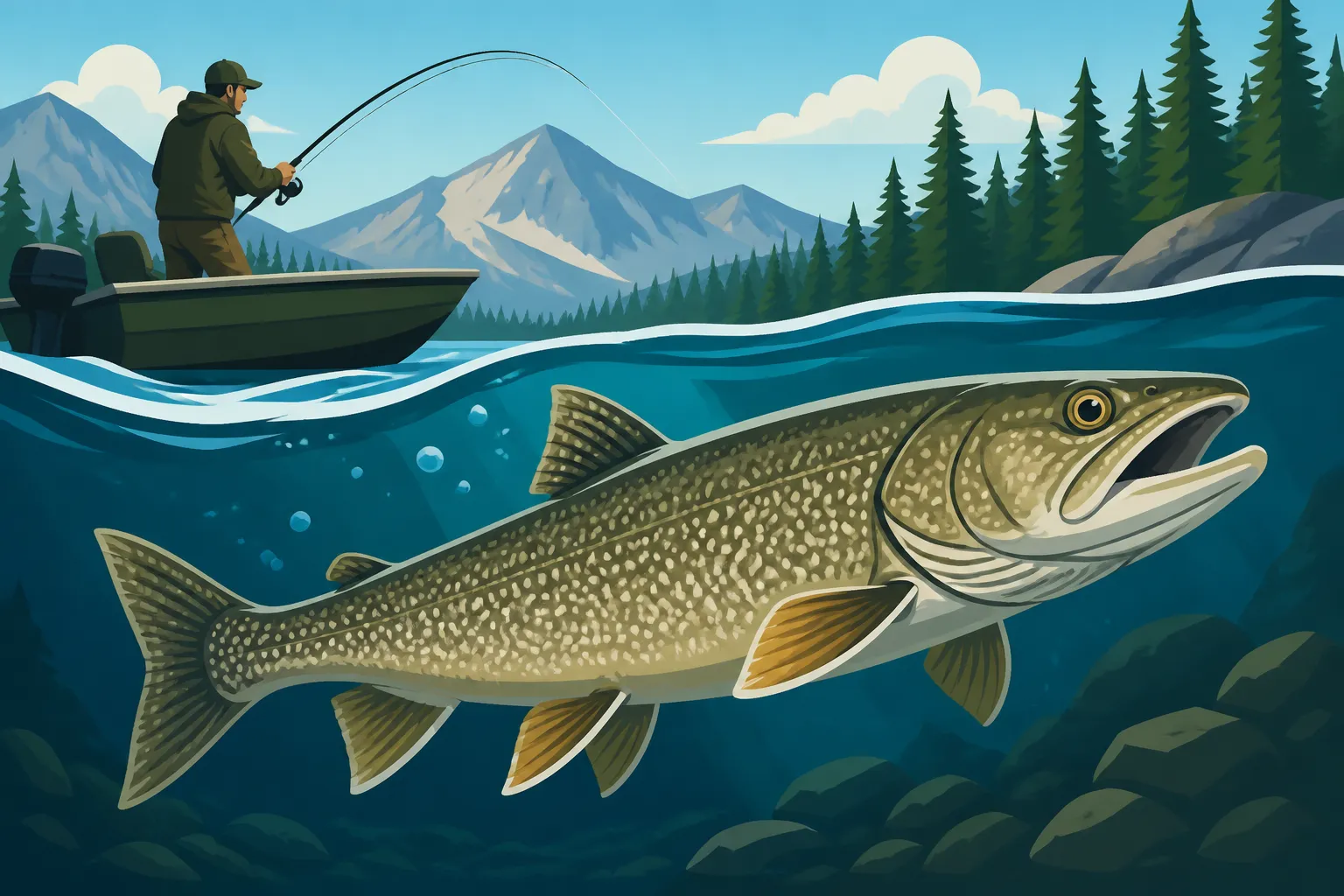
When we talk about "Mackinaw" in Idaho, we're almost always referring to the lake trout (Salvelinus namaycush). This common name, Mackinaw, is widely used, particularly in the western United States, and it perfectly encapsulates the awe these fish inspire. These char are easily recognizable by their cream-colored spots on a dark green to grayish body, a deeply forked tail, and a large mouth filled with formidable teeth. Unlike many other trout species, lake trout can live for a very long time and grow to truly enormous sizes, making them a prized catch for trophy hunters.
While they are a native species to many parts of North America, including the Great Lakes and northern Canada, they were introduced to many Idaho waters. Their predatory nature means they sit at the top of the aquatic food chain in the lakes they inhabit, often feeding on smaller fish like kokanee and whitefish. This role in the ecosystem is incredibly important but also requires careful management, as their presence can significantly influence other fish populations. Understanding this ecological role helps us appreciate the challenge and responsibility of targeting these powerful fish. If you've ever wondered What Mackinaw Means When Talking About Lake Trout, it's really just another name for this incredible species.
Where Lake Trout Thrive in Idaho
Lake trout aren't just found anywhere; they have very specific habitat requirements. They absolutely love deep, cold, clear, and highly oxygenated waters. This means you'll typically find them in Idaho's larger, deeper lakes that maintain frigid temperatures throughout the year, especially at their lower depths. They are particularly abundant and grow to impressive sizes in North Idaho's giant glacial lakes and some of the deep, high-mountain lakes in the central part of the state.
Think about places like Priest Lake, Lake Pend Oreille, and even some high-mountain gems like Payette Lake, Alturas Lake, and Stanley Lake. These bodies of water offer the ideal conditions for Mackinaw to thrive, with ample deep-water habitat and a robust food supply. During the warmer months, you'll find them retreating to the coldest parts of the lake, often near the thermocline or even deeper, where temperatures remain consistently low. In spring and fall, they might venture into slightly shallower waters, particularly around spawning grounds or where baitfish congregate. Knowing these preferences is key to narrowing down your search.
How Big Do Idaho's Lake Trout Get?
This is the question that sets many anglers' hearts racing! Idaho's lake trout have a reputation for reaching truly monstrous dimensions. We're talking about fish that can weigh dozens of pounds and stretch well over three feet in length. While every lake is different, and specific figures can fluctuate, the potential for a true trophy fish in Idaho is very real. Anglers often dream of breaking state records, which is a testament to the size these fish can achieve here.
Their growth is influenced by several factors, including the abundance of their preferred prey (like kokanee or cisco), the overall health and size of the lake, and the age of the individual fish. Mackinaw are slow-growing, long-lived fish, meaning that the largest specimens have often been patrolling the depths for decades. Catching one of these titans is not just a test of skill and patience, but also a moment of connection with a truly ancient resident of Idaho's waters. It takes dedication, but the reward of a massive Mackinaw is unlike anything else. You might be surprised to learn How Big Idaho's Lake Trout Can Grow and it truly fuels the obsession for many local anglers.
Essential Gear for Chasing Idaho Mackinaw
Tackling Idaho's lake trout isn't like casting for panfish off the dock. These fish demand specialized gear designed to reach incredible depths, handle powerful strikes, and withstand the long, hard fight of a true deep-water giant. Investing in the right equipment isn't just a suggestion; it's practically a requirement for consistent success.
Rods, Reels, and Line for Deep Water
When you're targeting Mackinaw, forget your ultralight trout setup. You need serious backbone. Think heavy-duty trolling rods, typically 7 to 9 feet in length, with a medium-heavy to heavy action. These rods need to be stout enough to handle heavy weights, often in conjunction with downriggers, and absorb the powerful head shakes of a large fish in deep water. A good rod will have a sensitive tip to detect subtle bites, but plenty of power in the butt section to lift and control a heavy fish.
For reels, a robust baitcasting or level-wind reel with a high line capacity is essential. You'll be dropping lines hundreds of feet down, so you need a reel that can hold a lot of line and has a smooth, reliable drag system. A quality drag is paramount; a big Mackinaw will make blistering runs, and a sticky drag will lead to broken lines and lost fish. As for line, many serious Mackinaw anglers opt for braided line as their main line. Braid offers superior sensitivity (crucial for feeling bites at depth), minimal stretch, and incredible strength for its diameter. Pair that with a 20-50 pound test fluorocarbon leader, about 6 to 10 feet long, for its invisibility and abrasion resistance. A good quality leader material, readily available on Amazon, is critical for those clear Idaho waters.
Downriggers and Sonar: Your Underwater Eyes
If you're serious about lake trout, downriggers are not optional; they are your bread and butter. These devices allow you to precisely present your lure at specific depths, which is absolutely critical when Mackinaw are holding in a tight band far below the surface. Whether you choose manual or electric downriggers, they consist of a heavy cannonball weight, a strong cable, and a release clip. The clip holds your fishing line until a fish strikes, at which point your line is released, and you fight the fish directly. Learning to properly set your depths and manage multiple lines with downriggers is a skill that comes with practice, but it’s a game-changer for deep-water fishing.
Equally important is a high-quality sonar or fish finder. This is your window into the underwater world. A good fish finder will show you depth contours, bottom structure, baitfish schools, and most importantly, the Mackinaw themselves. Look for units with clear, high-resolution screens and features like side imaging or down imaging, which can give you an even better picture of what's beneath and around your boat. Learning to interpret your sonar screen — distinguishing bait balls from larger fish, identifying humps and drop-offs where Mackinaw might ambush prey — is a crucial part of the puzzle. Without a reliable fish finder, you're essentially fishing blind in a vast lake.
Baits and Lures That Tempt the Deep Dwellers
Lake trout are opportunistic predators, and they respond well to a variety of baits and lures, particularly those that imitate their natural prey. When it comes to lures, size often matters. Big fish like big meals. Large spoons, often 4 to 6 inches long, in chrome, silver, or glow-in-the-dark patterns, are perennial favorites. Plugs and crankbaits that mimic kokanee or cisco are also highly effective, especially when trolled at specific depths. Swimbaits and large tube jigs can be deadly when jigging vertically over structure.
For natural bait, cut bait—often pieces of cisco, kokanee, or whitefish, if legal in your chosen water—can be incredibly effective, fished on a bait rig behind a dodger or flasher. The scent and natural appearance can entice even the most wary Mackinaw. Color choice can be important: bright, reflective colors often work well in clear water or on sunny days, while glow-in-the-dark or chartreuse options can be fantastic in low light conditions or at extreme depths where natural light doesn't penetrate. Experimentation is key, but having a selection of these tried-and-true options will give you a solid starting point. For more ideas, check out our guide on Best Bait and Lures for Idaho Fishing. Many specialized lures can be found on platforms like Amazon, offering a wide array of options for different conditions and preferences.
Proven Techniques for Idaho Lake Trout Fishing
Once you have the right gear, understanding how to use it effectively is the next big step. Lake trout are creatures of habit in many ways, but they can also be incredibly fickle. Mastering a few key techniques and knowing when to deploy them will drastically increase your chances of success.
Trolling for Deep-Water Giants
Trolling is arguably the most popular and effective method for targeting lake trout in Idaho's vast lakes. It allows you to cover large expanses of water and present your lures at specific depths for extended periods. The basic idea is to drag your lures behind a moving boat, using downriggers to keep them at the desired depth. However, there's more to it than just dropping a line and driving in a straight line.
Effective trolling involves varying your speed and direction. Instead of a straight line, try S-curves or zig-zags. These changes in direction cause your lures to speed up and slow down, creating an erratic action that can trigger strikes from following fish. Pay close attention to your boat speed; different lures have optimal speeds at which they perform best. A slight increase or decrease in speed can make all the difference. Monitoring your sonar closely is vital here. If you mark fish at a certain depth, adjust your downriggers to match that depth precisely. Keeping your lures in the strike zone is paramount. Learn more about effective strategies in our Idaho Trolling Techniques Guide. When working with multiple lines, make sure they are spread out and at slightly different depths to cover more of the water column efficiently.
Jigging the Depths: Vertical Presentation
While trolling is excellent for covering water, sometimes you'll find Mackinaw concentrated in specific areas, like over a deep hump, a submerged island, or a sharp drop-off. In these situations, vertical jigging can be incredibly effective. This technique involves positioning your boat directly over the fish or structure and dropping a heavy jig or spoon straight down to them.
The key to successful jigging is in the presentation. It's not just about dropping and reeling. You need to impart action to your lure. This can involve sharp lifts and drops, subtle shakes, or a slow, sweeping motion. Often, the strike will come on the fall, so pay close attention to any sudden slack in your line or a subtle "tick." Lake trout, especially large ones, can be surprisingly gentle biters in deep water. High-quality braided line, which has minimal stretch, is a huge advantage for feeling these subtle takes. A good fish finder will be your best friend, allowing you to see your lure on the screen and watch how the fish react to it. Sometimes, just changing the retrieve pattern or adding a piece of cut bait to your jig can make all the difference.
Understanding Seasonal Movements
Lake trout behavior changes significantly with the seasons, largely driven by water temperature and spawning cycles. Knowing these patterns will help you determine where to find them and what techniques to use.
- Spring: As the ice melts and the water begins to warm slightly, Mackinaw can often be found shallower than during the peak of summer, sometimes as shallow as 30-60 feet. They might be cruising shorelines or structures in search of baitfish. Trolling spoons and plugs can be very effective during this period.
- Summer: This is when Mackinaw truly retreat to the depths. They'll follow the coldest, most oxygenated water, typically congregating below the thermocline, often 80 to 200+ feet deep. Trolling with downriggers becomes absolutely essential. Look for them over deep points, submerged islands, or steep drop-offs. Knowing How Deep Lake Trout Hold in Priest Lake in Summer can save you a lot of time and effort.
- Fall: As lake temperatures cool, especially after turnover, Mackinaw often become more active and can move into shallower waters, particularly as they prepare for their spawning rituals, which usually occur in late fall. This can be an excellent time for aggressive trolling or even casting large spoons near rocky reefs.
- Winter: For dedicated anglers, ice fishing for Mackinaw is a thrilling experience. They'll still be deep, but jigging large spoons or tube jigs through the ice can be incredibly productive. Just make sure the ice is safe!
Each season presents unique opportunities and challenges. By understanding these movements, you can tailor your approach for maximum success. For a broader look at fishing throughout the year, consult our Best Time of Year to Fish in Idaho guide.
Navigating Idaho's Top Lake Trout Waters
Idaho is blessed with several magnificent lakes that hold impressive populations of Mackinaw, offering diverse experiences for anglers. Each water body has its own unique characteristics, requiring a slightly different approach, but the potential for a memorable catch is constant.
Priest Lake: The Trophy Mackinaw Haven
When serious lake trout anglers in Idaho talk about trophy Mackinaw, Priest Lake almost always comes up first. Nestled in the Panhandle, this deep, clear, glacial lake is renowned for producing exceptionally large lake trout, some of which push the limits of what these fish can achieve. The lake's vastness, combined with its profound depths and abundant forage (like kokanee and whitefish), creates the perfect environment for Mackinaw to grow to truly epic proportions. It's an absolutely stunning place to fish, surrounded by mountains and pristine forests.
Fishing Priest Lake for Mackinaw typically involves aggressive deep-water trolling with large spoons, plugs, or even cut bait behind flashers and dodgers. Anglers often target depths well over 100 feet, sometimes even 200 feet or more, particularly during the summer months. Key areas to focus on include the steep drop-offs along the eastern and western shores, as well as the numerous submerged humps and rock piles scattered throughout the lake. Many experienced anglers find success by focusing on structure transitions, where deep water meets shallower shelves. Don't be afraid to experiment with your lure choice and trolling speed. For a deep dive into this incredible fishery, explore Fishing Priest Lake for Trophy Lake Trout and learn about Priest Lake's Trophy Lake Trout Fishing Grounds.
Lake Pend Oreille: Home of Giants (and Mackinaw Too!)
Lake Pend Oreille, Idaho's largest and deepest lake, is world-famous for its record-breaking Kamloops rainbow trout. However, it also holds a significant population of lake trout. While the focus here often leans towards those giant rainbows and kokanee, Mackinaw are an important part of the ecosystem, often predating on the abundant kokanee population. This adds another exciting dimension for anglers willing to plumb its immense depths.
Targeting Mackinaw on Lake Pend Oreille can be challenging due to its sheer size and depth, but the rewards can be substantial. Like Priest Lake, deep trolling is the primary method. Look for Mackinaw in similar deep-water structures: offshore humps, deep points, and major drop-offs, often relating to baitfish schools. The fishery here is carefully managed to balance the various species, including the introduced Chinook salmon which also feed on kokanee. Understanding these dynamics is part of the experience. While it's best known for its rainbows, don't overlook its potential for a sizable Mackinaw. For more on the lake's diverse fisheries, check out Lake Pend Oreille's Grounds for Trophy Rainbow Trout.
Other Notable Lake Trout Fisheries
Beyond the two giants of North Idaho, several other lakes offer fantastic Mackinaw fishing experiences, particularly in the central Idaho region. These waters, often nestled within national forests and surrounded by breathtaking scenery, provide a different kind of challenge and reward.
- Payette Lake (McCall): This beautiful lake, right near the popular town of McCall, holds a healthy population of lake trout. While generally not as large as those in Priest or Pend Oreille, Payette Lake Mackinaw offer consistent action and can still grow to respectable sizes. Fishing here is often a mix of deep trolling and jigging, especially around the lake's numerous bays, points, and its deep basin. It's a very accessible fishery with ample amenities nearby.
- Alturas Lake & Stanley Lake (Sawtooths): For those willing to venture into the stunning Sawtooth National Recreation Area, Alturas and Stanley Lakes offer picturesque settings and good opportunities for lake trout. These high-mountain lakes are usually crystal clear and incredibly deep. Fishing here feels more like a wilderness adventure. While the Mackinaw might not reach the same colossal sizes as their northern cousins, they are beautiful fish in an unforgettable setting. Expect to employ deep jigging and slow trolling with smaller presentations here.
- Lucky Peak Reservoir (Boise Area): While not traditionally known for giant Mackinaw, Lucky Peak, just outside Boise, does have a population of lake trout. These fish are generally smaller but offer a good opportunity for local anglers to target Mackinaw without a long drive to North Idaho. Trolling with downriggers near the dam or over the deepest sections of the reservoir is your best bet.
Each of these lakes offers its own charm and challenges. Always check local regulations before heading out, as rules can vary significantly from one body of water to another. Many of these lakes are featured in our guide on Best High Mountain Lakes in Idaho for Fishing.
Conservation and Responsible Mackinaw Angling
As with any powerful predator at the top of the food chain, responsible angling practices are paramount when fishing for Idaho's lake trout. These are long-lived fish, and their populations, while healthy in many areas, are sensitive to overfishing and improper handling. Being a good steward of the resource ensures these magnificent fish will be available for future generations to enjoy.
Idaho Regulations and Limits
The first and most important step in responsible Mackinaw fishing is to thoroughly understand and adhere to Idaho's fishing regulations. These rules are put in place by the Idaho Department of Fish and Game to manage fish populations and ensure sustainable fishing. Regulations can vary significantly not only by species but also by the specific water body and even the time of year. For instance, Priest Lake might have different rules than Lake Pend Oreille or a smaller high-mountain lake.
Always consult the most current Idaho Fishing Seasons and Rules brochure, available online or at license vendors. Pay close attention to:
- Daily Bag Limits: The maximum number of fish of a particular species you can keep in a single day.
- Possession Limits: The maximum number of fish you can have in your possession, including those at home.
- Size Restrictions: Minimum or maximum lengths for kept fish.
- Season Dates: While many large lakes are open year-round for Mackinaw, some smaller or high-mountain lakes might have specific seasons.
- Special Regulations: These can include gear restrictions (e.g., barbless hooks only), bait restrictions, or even mandatory harvest for certain species in specific areas.
Ignorance of the rules is not an excuse. Always double-check before you cast your line. Our Idaho Fishing Regulations Explained and Idaho Catch Limits and Bag Limits Explained guides can provide a solid foundation for understanding these critical rules.
Catch and Release Best Practices
Lake trout, especially the larger, older specimens, are particularly vulnerable to mortality if not handled correctly during catch and release. Because they are slow-growing and long-lived, losing even a few large breeding fish can have a disproportionate impact on the population. Therefore, practicing proper catch and release is vital for conservation.
Here are some best practices:
- Minimize Fight Time: Use appropriate tackle that can subdue the fish relatively quickly, reducing exhaustion.
- Handle With Care: Keep the fish in the water as much as possible. If you must lift it for a photo, support its full body weight horizontally, especially around the belly. Avoid squeezing the fish or touching its gills.
- Use Proper Tools: Have long-nosed pliers or a dehooking tool readily available to quickly remove hooks.
- Barbless Hooks: Consider using barbless hooks or crimping down the barbs on your lures. This makes hook removal much easier and less damaging.
- Revive Gently: If the fish seems stressed, hold it gently in the water, facing into the current (if applicable), until it regains strength and can swim away on its own.
- Deep Water Release: For fish caught from very deep water (e.g., over 50-60 feet), they may suffer from barotrauma (swim bladder expansion). If this is the case, consider using a descending device or "fish fizzing" tool to safely return them to depth. However, consult local regulations regarding the use of such tools and whether deeply-caught fish are required to be kept or released.
The goal is always for the released fish to have the best possible chance of survival and to continue its life in the lake.
Understanding the Ecosystem Role
Lake trout are apex predators in the Idaho lakes where they reside. This means they play a crucial role in maintaining the balance of the aquatic ecosystem. They primarily feed on smaller schooling fish like kokanee salmon, cisco, and various whitefish species. By controlling these populations, they influence the health and dynamics of the entire food web.
However, their introduction to some lakes where they were not historically present has sometimes led to complex interactions with native species. The Idaho Department of Fish and Game actively monitors these relationships and adjusts regulations as needed to ensure a healthy balance. As anglers, understanding this ecological context adds another layer of appreciation to our pursuit of Mackinaw. We're not just catching a fish; we're interacting with a vital component of a complex natural system. By following regulations, practicing ethical angling, and releasing fish carefully, we contribute to the long-term health and vibrancy of Idaho's incredible lake trout fisheries.
Disclaimer
This article is for general informational purposes only and does not constitute professional advice. Laws, prices and regulations vary by location and change over time. Consult a qualified professional for guidance on your specific situation.