How to Fish for Trophy Lake Trout at Priest Lake
The pursuit of a truly colossal lake trout in Idaho's vast waters can feel like an impossible dream for many anglers. It's easy to get frustrated, spending hours on the water without a single bite from those legendary, deep-dwelling monsters. This comprehensive guide is here to demystify the art and science of how to fish for trophy lake trout at Priest Lake, giving you the real-world strategies and insights you need to land that fish of a lifetime.
Understanding Priest Lake's Unique Lake Trout Fishery
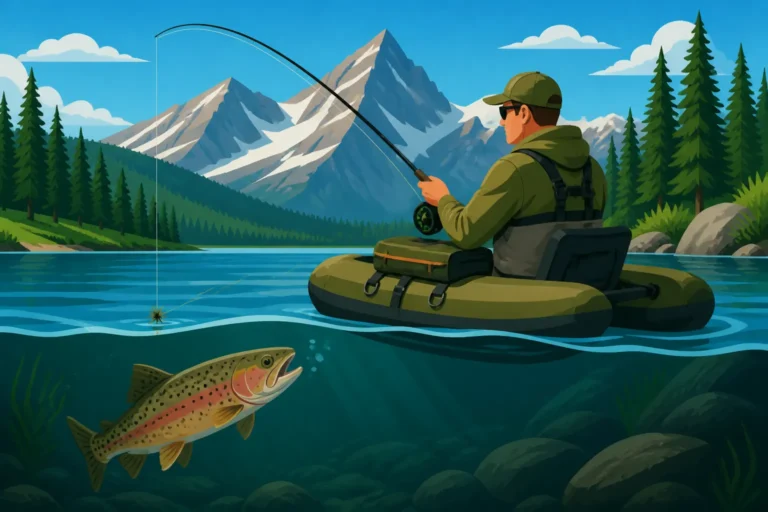
Priest Lake, nestled in the Selkirk Mountains of Idaho's panhandle, isn't just another pretty face; it's a deep, cold, oligotrophic lake that provides the perfect habitat for growing massive lake trout, often called Mackinaw. These fish are apex predators in the lake's ecosystem, and their size and elusive nature make them a thrilling target for serious anglers. But to consistently catch them, you first need to understand the unique environment they call home.
The Lure of Trophy Mackinaw
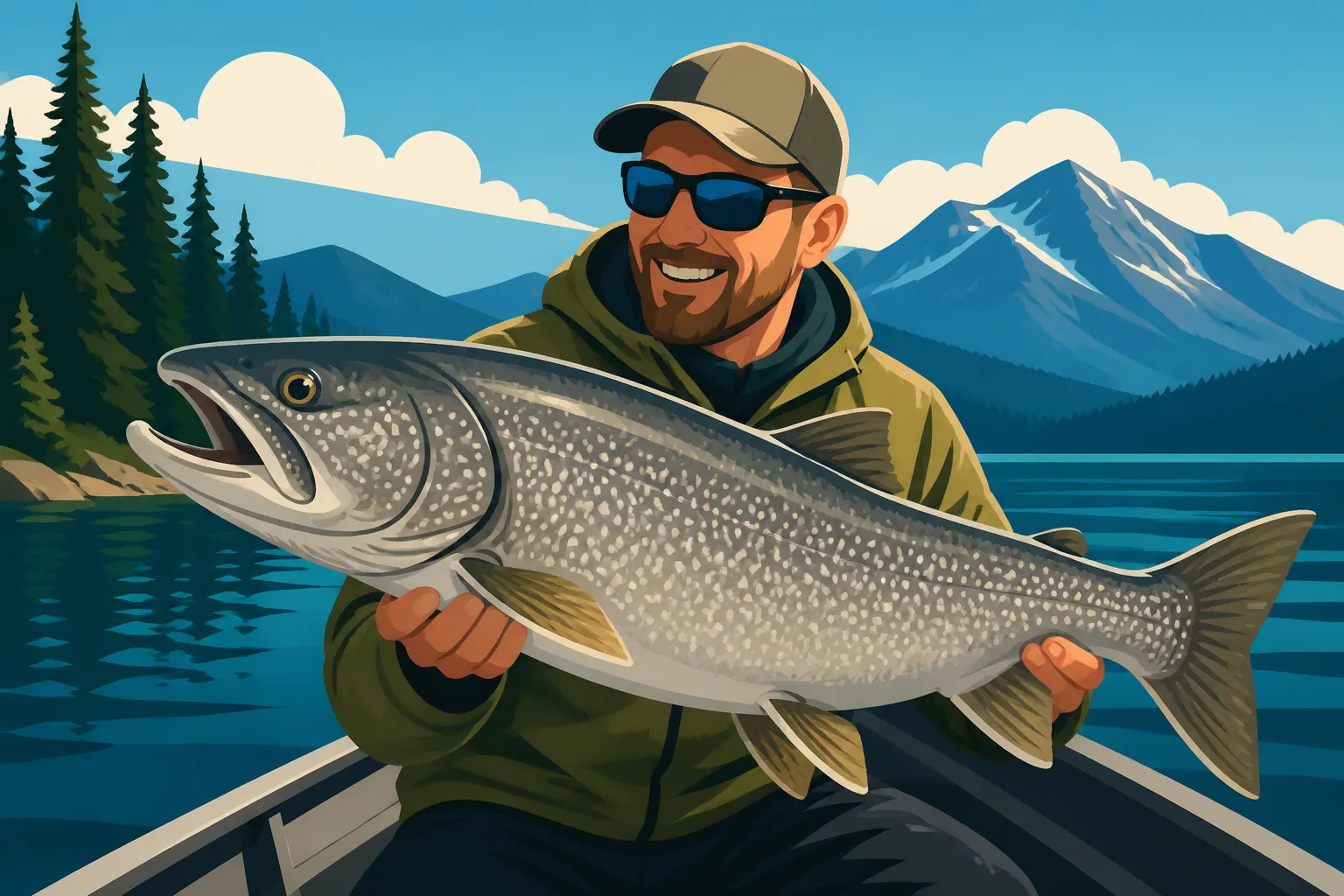
There's something almost mythical about landing a truly gigantic lake trout. We're talking about fish that can easily exceed 20 pounds, sometimes even pushing past the 40-pound mark. These are not your average pan-sized trout; they are seasoned hunters with years of experience avoiding anglers. Their sheer power and size make them an incredible adversary on the end of a line, offering a fight you won't soon forget. Anglers often dream of breaking the state record, which was set right here on Priest Lake! For more on these giants, take a look at our guide on How Big Lake Trout Hold in Priest Lake in Summer. Many anglers travel from far and wide just for the chance to hook into one of these magnificent creatures, making Priest Lake a bucket-list destination for Mackinaw enthusiasts. The deep, clear, cold waters of Priest Lake, combined with an abundant forage base of kokanee and other baitfish, allow these lake trout to grow to truly impressive proportions, often living for decades in the depths.
Lake Characteristics and How They Affect Trout
Priest Lake is undeniably huge, stretching over 19 miles long and reaching depths of more than 300 feet in some areas. This enormous body of water has distinct characteristics that dictate where lake trout will live and feed. The lake is generally very clear, meaning light penetrates deep, and the fish rely heavily on changes in depth, structure, and water temperature. During the warmer months, a distinct thermocline forms, and the lake trout will typically hold just above, within, or just below this layer where the water is coldest and oxygen levels are optimal. They are cold-water fish, preferring temperatures in the low 40s to low 50s Fahrenheit, which means they'll often be found in the deeper sections of the lake during summer. In spring and fall, as the surface water cools, they may venture into shallower zones, particularly around structures, following their prey. Understanding these thermal layers and how they shift throughout the year is absolutely critical to locating the fish.
Seasonality and Trout Behavior
The behavior of trophy lake trout at Priest Lake changes dramatically with the seasons. In spring, after the ice has melted, these fish can be more active in shallower water, particularly around spawning areas for kokanee or other baitfish. As summer progresses, the lake trout retreat to the cool, deep sanctuaries, often holding near underwater humps, points, and sudden drop-offs where they can ambush prey. Fall is a prime time as the water cools, triggering a pre-spawn feeding frenzy for the lake trout themselves, and they may become more accessible in shallower areas again. Winter, with its thick ice cover, opens up a whole new realm of ice fishing opportunities, where anglers can target them through the frozen surface. Each season demands a different approach, different gear, and a keen understanding of where these fish will be. Our detailed guide on Best Time of Year to Fish in Idaho offers broader insights, but for Priest Lake, knowing these seasonal nuances is paramount.
Essential Gear for Priest Lake Lake Trout
You wouldn't try to fell a redwood with a pocketknife, and you shouldn't try to catch a 20-pound Mackinaw with ultralight trout gear. These fish are formidable, and your equipment needs to be up to the task. Investing in the right tools is half the battle when targeting trophy lake trout at Priest Lake.
Rods, Reels, and Line Selection
For trolling, which is arguably the most effective method for covering water and finding these giants, you'll want heavy-action rods, typically 7 to 9 feet long, designed for downrigging or planer boards. These rods need enough backbone to handle heavy weights, large lures, and, most importantly, the powerful runs of a big lake trout. Matched with these rods should be high-capacity baitcasting reels capable of holding 200-300 yards of line. For line, many serious Mackinaw anglers opt for braided line in the 30-50 pound test range for its sensitivity and zero stretch, allowing them to feel even the most subtle bites at depth. A 15-30 pound fluorocarbon leader is often used for stealth and abrasion resistance, especially when fishing around rocky structures. If you prefer monofilament, a 20-25 pound test is a good starting point for its shock absorption. You can find excellent options for these setups on platforms like Amazon, often with helpful reviews from other trophy anglers.
For jigging, a slightly shorter, sensitive but powerful rod (6'6" to 7'6") with a fast action tip is ideal, paired with a high-quality spinning or baitcasting reel. Again, braided line with a fluorocarbon leader is the standard for sensitivity to detect those deep bites. When fishing for these large, powerful fish, don't skimp on quality; a broken line or failed reel can mean the difference between a new personal best and a heartbreaking story of "the one that got away." For a more general overview of what to use, check out our Idaho Fishing Gear Guide by Season.
The Importance of Electronics (Fish Finders, GPS)
In a lake as vast and deep as Priest Lake, electronics are not just a luxury; they are an absolute necessity. A high-quality fish finder (sonar) with GPS capabilities is your most crucial piece of equipment after your rod and reel. Your fish finder will help you identify depths, locate underwater structures like humps, ledges, and channels, and, most importantly, mark schools of baitfish and individual large fish. Look for units with strong transducer power and excellent screen resolution to get clear readings in deep water.
The GPS function is vital for marking waypoints where you've found fish or structures, allowing you to return to productive spots consistently. It's also invaluable for marking your trolling passes, helping you stay on course over specific contours. Features like side-imaging or down-imaging can provide even more detailed views of the underwater world, helping you pinpoint cover where a trophy Mackinaw might be lurking. While these units can be a significant investment, the insights they provide are unparalleled. Many popular brands are available through retailers like Amazon, offering a range of features for every budget. Learning How to Use a Fish Finder on an Idaho Reservoir will greatly enhance your success, even though Priest Lake is a natural lake.
Lures and Bait: What Gets Their Attention
Trophy lake trout are opportunistic predators, but they often key in on specific prey. The primary forage for these large Mackinaw in Priest Lake includes kokanee, sculpins, and other smaller fish. Therefore, your lures should mimic these natural food sources. Large spoons are incredibly effective, especially those with flashy finishes that imitate injured baitfish. Brands like Luhr Jensen, Sutton, and Daredevle offer excellent options in sizes ranging from 4 to 6 inches, in silver, gold, chartreuse, and various patterned designs.
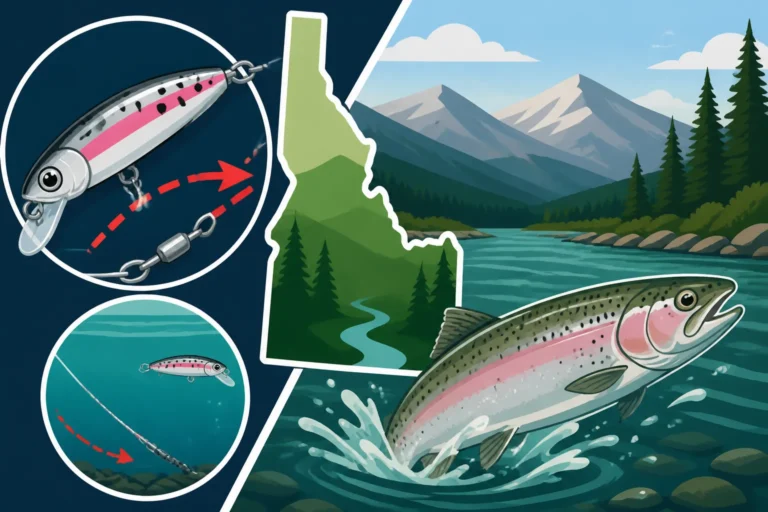
Plugs and stickbaits, particularly those with a strong wobbling action, are also top producers. Think Rapalas, Flatfish, and Kwikfish in natural baitfish patterns or bright, attracting colors. These can be trolled at various depths to cover the water column. For jigging, heavy tube jigs (3/4 oz to 2 oz) in white, pearl, or glow-in-the-dark are excellent, often tipped with a piece of cut bait like sucker meat or a chunk of kokanee for added scent. Scent can be a huge attractor for lake trout, so don't be shy about adding a scent gel or spray to your lures. Don't forget, these fish are often found at significant depths, so choose lures that can reach them, whether through weight, diving lips, or by being paired with downriggers.
Proven Techniques for Targeting Trophy Lake Trout
Catching a trophy lake trout isn't usually about luck; it's about employing proven strategies that allow you to systematically cover water, present your lure effectively, and understand the subtle cues of these deep-water giants.
Trolling Strategies: The Most Common Approach
Trolling is by far the most popular and effective method for covering the expansive waters of Priest Lake and intercepting large, cruising lake trout. The goal is to present your lure at the correct depth and speed where the fish are actively feeding. This almost always involves the use of downriggers or heavy lead-core line.
Downriggers allow you to precisely control the depth of your lure, dropping it to within a few feet of the bottom or suspending it in the water column where baitfish schools are concentrated. A typical setup involves attaching your main fishing line to a release clip on the downrigger cable, which is then lowered to the desired depth with a heavy cannonball weight. When a fish strikes, the line pops free from the clip, and you're fighting the fish directly on your rod. Experiment with different depths, usually focusing on contours, drop-offs, and underwater humps. Trolling speeds typically range from 1.5 to 3 miles per hour, but subtle variations can be key. For successful trolling on Priest Lake, especially for trophy fish, make sure you're well-versed in Idaho Trolling Techniques Guide. Pay close attention to your fish finder for signs of bait or fish as you troll, and don't be afraid to make turns and S-curves; these changes in speed and lure action can often trigger a strike.
Jigging for Deep-Water Giants
While trolling is excellent for covering water, jigging becomes incredibly effective once you've located a concentration of fish on your electronics, particularly when they're holding tight to structure or in a specific depth range. This technique involves dropping a heavy jig directly down to the fish and imparting an enticing action.
Heavy tube jigs, blade baits, and vertical jigs are popular choices. The technique typically involves lowering your jig to the target depth, then sharply lifting your rod tip 2-3 feet and letting the jig flutter back down on a semi-slack line. Many bites occur on the fall, so feeling for that subtle thunk or added weight is crucial. Work your jig rhythmically, varying the intensity and height of your lifts until you find what the fish prefer on that given day. Sometimes a short, aggressive jig is best; other times, a more subtle, slow presentation will tempt a reluctant Mackinaw. Use your fish finder to watch your jig descend and see how fish react to it. If you mark fish, try to position your boat directly over them or slightly ahead of their travel path. This method is often preferred during the colder months, including ice fishing, but can also be deadly when lake trout are schooled up in summer.
Understanding Depth and Structure
Lake trout are highly associated with structure and specific depths. They are rarely found cruising in open, featureless water unless actively chasing bait. Instead, they will relate to underwater points, ledges, humps, sunken islands, and channels. These features provide ambush points, shade, and often hold concentrations of their prey.
Your GPS and fish finder are your best friends in identifying and navigating these structures. Look for areas where the bottom contour changes dramatically, or where you see distinct shelves or drop-offs. Mackinaw will often hold on the "edges" of these structures. For instance, if there's a submerged point, they might be on the windward side where bait is pushed, or just off the tip where they can ambush fish moving around it. Pay attention to not just the depth, but the type of bottom – rocky areas often hold more baitfish and offer better cover. Knowing Priest Lake's Trophy Lake Trout Fishing Grounds means understanding these structures in detail. Don't just fish at a structure; try to understand how the fish are using it, whether they are on top, suspended off the sides, or tucked into crevices.
Navigating the Seasons for Priest Lake Lake Trout Success
As mentioned earlier, Priest Lake's lake trout fishery is heavily influenced by the changing seasons. What works in spring won't necessarily work in summer, and vice-versa. Adapting your strategy to the time of year is paramount for consistent success.
Spring: Post-Spawn Aggression and Shallower Depths
As the ice recedes, typically in April and May, Priest Lake's lake trout begin to move into shallower waters, particularly where tributaries bring in warmer water or where kokanee are starting to spawn. They are often recovering from the rigors of winter and their fall spawn, leading to aggressive feeding behavior.
During this period, you might find trophy Mackinaw in depths of 30 to 80 feet, much shallower than their summer haunts. Trolling spoons, plugs, and even large Rapalas in bright colors can be very effective. Focus on areas near creek mouths, rocky points, and gradually sloping shelves. The fish are often more active and willing to chase a lure, making for some exciting battles. Look for water temperatures in the 40s and low 50s. This is also a good time to check Boat Launches Worth Knowing on Priest Lake as early spring access can sometimes be limited depending on snowmelt and road conditions.
Summer: Deep Water and Thermocline Tactics
Summer is when Priest Lake's true depth and cold-water sanctuary come into play. As surface temperatures rise, the lake trout retreat to the deepest, coolest parts of the lake. This usually means depths of 80 to over 200 feet. Locating the thermocline (the layer where the water temperature changes rapidly) is critical, as fish will often congregate just above, within, or just below it, seeking optimal oxygen and temperature. Our post on How Deep Lake Trout Hold in Priest Lake in Summer can offer even more insights into this specific challenge.
Trolling with downriggers is the dominant strategy in summer. Use your electronics to find baitfish schools and target the lake trout around them. Large spoons, diving plugs, and even dodger/flasher combinations with a trailing hoochie or minnow imitation are very effective. Maintain slow, consistent trolling speeds. Pay close attention to subtle changes in boat speed and direction, as these can impart a different action to your lure and trigger strikes. Jigging can also be very productive if you mark fish on deep structures, especially early and late in the day.
Fall: Pre-Spawn Blitz and Shallowing Up Again
As autumn arrives and water temperatures begin to drop, Priest Lake's lake trout experience a resurgence of activity, often moving back into shallower water for a pre-spawn feeding frenzy. This is arguably one of the best times of year to target trophy Mackinaw, as they are actively bulking up before their own spawning period, which typically occurs in late fall or early winter.
You'll find them again in depths ranging from 40 to 100 feet, often around rocky reefs, points, and humps where they will eventually spawn. Trolling remains effective, but jigging can also be incredibly potent, especially when fish are concentrated. Large spoons, plugs, and heavy jigs (often tipped with real bait) are good choices. Look for schools of kokanee as the lake trout will be actively pursuing them. This can be a less crowded time to fish, and the vibrant fall colors around Priest Lake make for a truly beautiful fishing experience. Consider booking a guide during this peak time; our guide on Best Season to Book a Priest Lake Fishing Charter highlights why fall is often preferred.
Winter: Ice Fishing for Mackinaw
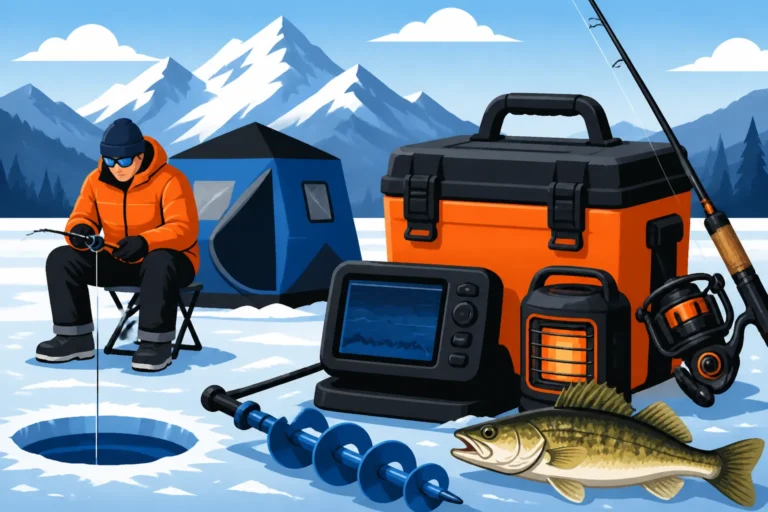
When Priest Lake freezes over, usually from late December through March, a whole new world of angling opens up for trophy lake trout: ice fishing. This requires specialized gear and safety precautions, but it can be incredibly rewarding. Large Mackinaw can be caught through the ice, often in similar deep-water haunts they occupy in summer. For specific advice on this chilly pursuit, our article How to Fish for Lake Trout at Priest Lake in Winter is an invaluable resource.
Anglers use heavy ice fishing rods, powerful reels, and braided line. Large tube jigs, blade baits, and Swedish Pimples, often tipped with a generous chunk of cut bait (like sucker or herring), are commonly used. A portable fish finder (flasher or LCD unit) is absolutely essential for locating fish under the ice and seeing how they react to your presentation. Drill multiple holes over known structures – deep humps, drop-offs, and channel edges. While ice fishing, you're presenting your lure vertically, much like jigging from a boat, but with the added challenge and reward of battling a big fish in sub-zero temperatures. Always prioritize safety on the ice; never venture out alone and always check ice thickness.
Best Practices for Success and Conservation
Catching trophy lake trout at Priest Lake is a thrill, but it also comes with a responsibility to the fishery and the environment. Practicing good angling etiquette and conservation methods ensures that these magnificent fish continue to thrive for future generations.
Locating Priest Lake's Trophy Lake Trout Fishing Grounds
While Priest Lake is huge, specific areas consistently produce trophy lake trout due to their unique features. The southern end of the lake, with its deeper basins and numerous underwater structures like the "Narrows" area and the deep water off Cavanaugh Bay, is often highly productive. The areas around Bartoo Island and the entrance to Upper Priest Lake also hold significant fish, especially during seasonal transitions. Look for sudden depth changes, submerged islands, and deep rock piles.
However, don't overlook the northern stretches, particularly where river inflows create current or where significant drop-offs occur. A good topographical map of Priest Lake is invaluable for identifying these potential hotspots before you even launch your boat. Cross-referencing these maps with real-time sonar data is how the most successful anglers consistently find the fish. Also, keep an eye on local fishing reports, as guides and experienced anglers often share general areas where fish are being found, albeit sometimes in veiled terms.
Safe Handling and Release of Large Lake Trout
Many trophy lake trout anglers practice catch and release, especially for the largest fish, to protect the breeding stock and ensure the future of the fishery. Releasing these powerful fish safely requires specific techniques. First, use tackle that is heavy enough to land the fish without an excessively long fight, which can exhaust the trout to the point of no return. Avoid dragging the fish onto rocky shores or rough boat floors; instead, use a large, rubberized landing net to bring the fish aboard.
Minimize air exposure. If you want a photo, prepare your camera beforehand and keep the fish in the water as much as possible, only lifting it briefly for a quick shot. Support the fish horizontally with both hands, one under the head and one under the tail, never vertically by the jaw or gills, as this can cause internal damage. Remove hooks carefully with long-nosed pliers or a dehooking tool. If the fish is deeply hooked, cut the line as close to the hook as possible rather than trying to rip it out. Allow the fish to recover at the side of the boat, supporting it until it swims off strongly on its own. These practices are crucial for the long-term health of Priest Lake's trophy Mackinaw population, as outlined in the broader Idaho Lake Trout Fishing Guide.
Respecting Regulations and the Lake Ecosystem
Fishing in Idaho comes with a set of rules designed to protect the state's valuable fish populations, and Priest Lake is no exception. Before heading out, make sure you have the correct Idaho Fishing License Guide and that you've familiarized yourself with the specific regulations for Priest Lake, especially regarding lake trout. These can include bag limits, size restrictions, and specific gear restrictions, and they can change from year to year. Always consult the current Idaho Fishing Regulations Explained brochure published by the Idaho Department of Fish and Game.
Beyond just regulations, good stewardship means respecting the entire lake ecosystem. Pack out everything you pack in, including all trash, broken lines, and old lures. Avoid disturbing sensitive shoreline habitats. Be mindful of other recreational users on the lake, giving ample space to other anglers, boaters, and swimmers. By adhering to regulations and practicing responsible angling, we all contribute to keeping Priest Lake a world-class destination for trophy lake trout.
| Season | Typical Depth Range (feet) | Primary Techniques | Key Lures/Bait | Notes |
|---|---|---|---|---|
| Spring | 30 – 80 | Trolling, Jigging | Large Spoons (e.g., Luhr Jensen), Plugs, Rapalas | Post-spawn aggression, follow kokanee |
| Summer | 80 – 200+ (Thermocline) | Downrigger Trolling | Spoons, Diving Plugs, Hoochies, Cut Bait | Deepest water, focus on structure/bait schools |
| Fall | 40 – 100 | Trolling, Jigging | Large Spoons, Plugs, Heavy Jigs, Cut Bait | Pre-spawn feeding frenzy, high activity |
| Winter | 80 – 200+ (under ice) | Ice Jigging, Deadstick | Tube Jigs, Blade Baits, Swedish Pimples, Cut Bait | Requires specialized ice fishing gear |
Disclaimer
Fishing conditions and regulations in Idaho are subject to change. Always consult the latest Idaho Department of Fish and Game regulations and local advisories before planning any fishing trip to ensure you have the most up-to-date and accurate information.