How to Fish for Smallmouth Bass on the Snake River
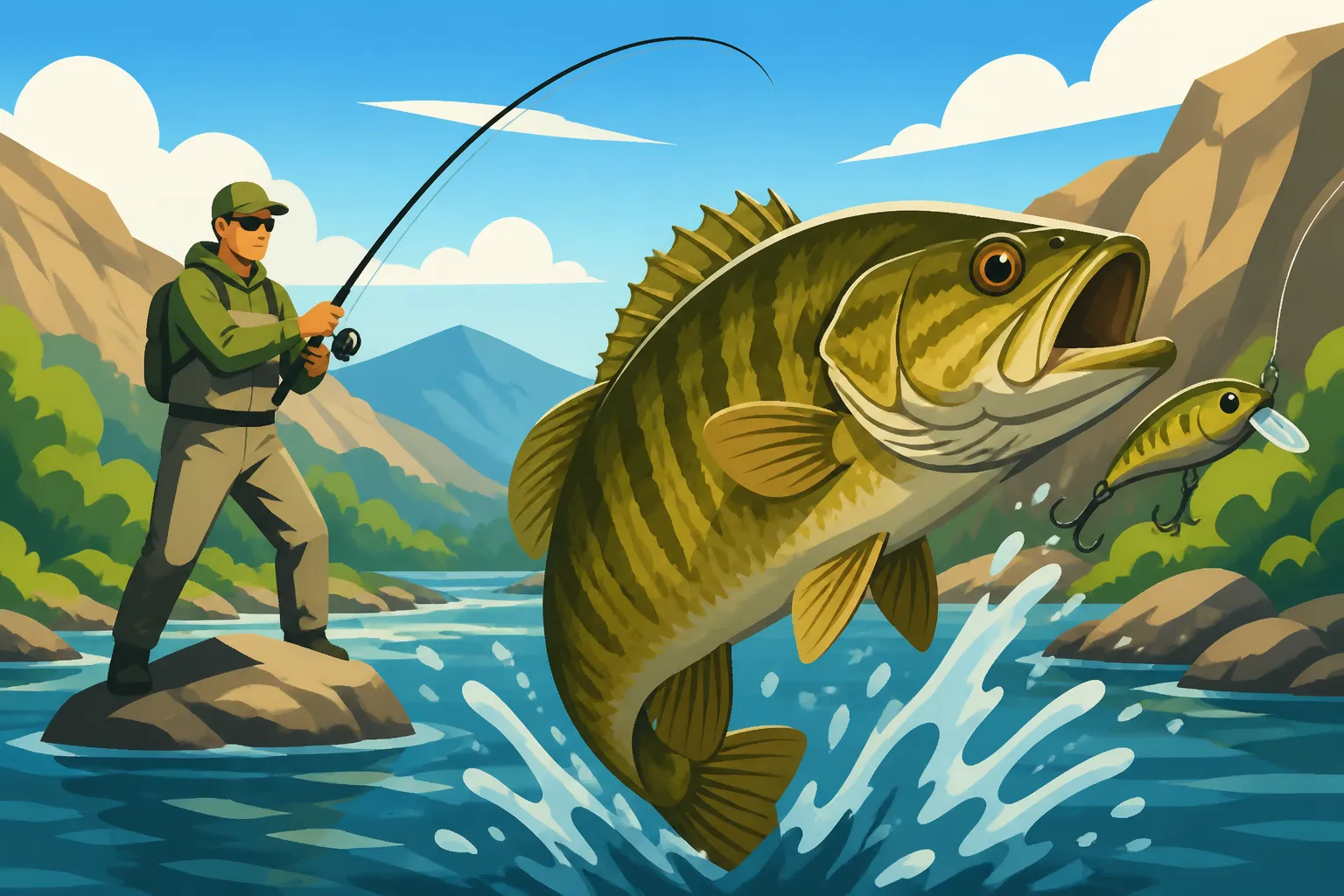
Navigating Idaho's vast Snake River, with its ever-changing currents and diverse fishing opportunities, can feel like a puzzle when you're specifically targeting smallmouth bass. Many anglers, myself included, have spent frustrating hours casting into seemingly perfect water, only to come up empty-handed because they didn't quite understand how these feisty fish relate to this unique river system. This guide is designed to cut through that confusion, offering you proven strategies, gear recommendations, and location insights to help you consistently hook into hard-fighting smallmouth bass on the iconic Snake River.
Understanding the Snake River's Smallmouth Bass Habitat
The Snake River isn't just one type of water; it's a dynamic system ranging from swift, rocky stretches to slower, more fertile sections. Smallmouth bass thrive in this diversity, but understanding where they prefer to hang out is the first step to successful fishing. These fish are masters of ambush, always looking for current breaks and structure that offer protection and a clear shot at passing prey.
Key Structures and Cover
Smallmouth bass are incredibly structure-oriented. On the Snake River, this means you need to be looking for specific features that break the current or provide hiding spots. Rocky ledges, for instance, are absolute magnets. These natural contours create eddies and slack water directly adjacent to the main current, making them prime feeding stations. Think about how a swift river flows past a large boulder; the calmer water on the downstream side is often where a smallmouth will sit, expending minimal energy while waiting for food to wash by.
Beyond natural rock formations, man-made structures are also smallmouth goldmines. Riprap, the chunky rock used to armor shorelines, is an often-overlooked hotspot. The nooks and crannies within the riprap offer excellent cover from predators and strong currents, and they're usually teeming with crayfish – a primary food source for smallmouth. Bridge pilings and other submerged structures, like old foundations or fallen trees (known as submerged timber), also create prime ambush points. In some of the slower, wider sections of the Snake, particularly those with less turbulent flows, you might even find smallmouth relating to weed lines or patches of aquatic vegetation, especially if baitfish are using them for cover. Focusing your efforts on these types of structures is far more productive than simply casting into open water.
Water Conditions and Current
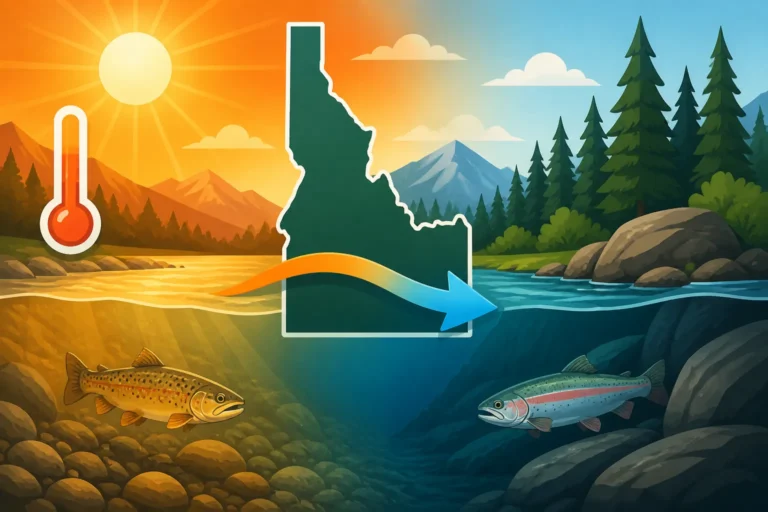
The Snake River's water conditions play a huge role in where smallmouth bass position themselves and how actively they feed. Water temperature is critical; smallmouth are cool-water fish, preferring temperatures generally between 55 and 75 degrees Fahrenheit. In the spring, as the water warms, they'll become more active and move into shallower, sun-warmed areas. Conversely, in the heat of summer, they might retreat to deeper pools or seek out cooler springs feeding into the main river channel.
Water clarity and flow are equally important. During high water events, like spring runoff, the river can become muddy and swift. In these conditions, smallmouth will often move out of the main current into slack water, back eddies, or flooded shoreline cover where the current is less intense and the water might be a bit clearer. They're still feeding, but they're not going to fight the main flow. When the water is low and clear, fish might be more spooky and prone to holding tighter to cover. Learning to read these water conditions is a crucial skill for any Idaho angler, helping you anticipate where the fish will be hiding. For a broader understanding of different river dynamics, you might find our guide on Reading Water on Idaho's Rivers incredibly helpful.
Forage and Diet
To consistently catch smallmouth bass, you need to think like one – and that means knowing what they eat. On the Snake River, their diet is incredibly varied, but a few key food sources stand out. Crayfish are arguably the number one prey item for smallmouth in many river systems, and the Snake is no exception. These crustaceans hide under rocks and in crevices, making rocky areas and riprap prime hunting grounds. Mimicking a scurrying crayfish with your lure presentation is often a winning strategy.
Beyond crayfish, various baitfish are on the menu. Minnows, sculpins, and even juvenile suckers provide a substantial protein source. In sections with ample baitfish populations, smallmouth will actively hunt schools, often pushing them against structure or into shallow water. During certain times of the year, especially in spring and early summer, insects can also be a significant food source. Stoneflies, caddisflies, and mayflies, particularly their larval and nymph stages, are consumed when abundant. Terrestrial insects that fall into the water, like grasshoppers, can also be opportunistic meals. Understanding these dietary preferences will guide your lure selection and presentation, helping you choose baits that closely imitate what the bass are naturally feeding on. If you're looking for more general information on the species, consider checking out our Idaho Smallmouth Bass Fishing guide.
Essential Gear for Snake River Smallmouth
Having the right tools for the job can make all the difference, especially when you're battling feisty smallmouth in a river with strong currents and plenty of snags. You don't need a boatload of expensive equipment, but investing in a few key items will significantly boost your success rate and overall enjoyment.
Rods, Reels, and Line
When it comes to rods, versatility is key for Snake River smallmouth. A good starting point is a medium-light to medium-power spinning rod, typically 6'6" to 7' in length. This setup offers enough backbone to fight strong fish in current while still being sensitive enough to detect subtle bites with lighter lures like soft plastic jigs. For those who prefer baitcasting, a medium to medium-heavy power rod, around 6'6" to 7'3", excels at throwing heavier lures like crankbaits and spinnerbaits, offering greater accuracy and power. Many anglers find quality rods and reels available on platforms like Amazon, offering a wide selection to match any budget and fishing style.
Matching your reel to your rod is important. For spinning setups, a 2500 or 3000 series reel is a popular choice, providing a good balance of line capacity and smooth drag. Baitcasting reels should be a reliable model with a smooth retrieve and a good braking system to prevent backlashes, especially when casting into the wind. Line choice is also crucial. Many anglers opt for 8-12 lb fluorocarbon line as a main line or leader because of its low visibility and abrasion resistance, which is excellent for fishing around rocks. Alternatively, a 10-20 lb braided line with a 6-10 lb fluorocarbon leader offers superior casting distance and sensitivity, especially when fishing deeper water or in heavy current. Choosing the right setup ultimately depends on your preferred techniques and the specific sections of the Snake River you plan to fish.
Lure Selection for Different Scenarios
The Snake River's diverse habitats demand a diverse tackle box. You'll want a selection of lures that can mimic different forage types and perform effectively in various water conditions and depths. For example, crankbaits are fantastic for covering water and targeting specific depths. Shallow-diving models (like those that run 3-6 feet) are great for rocky flats and current seams, while medium-diving crankbaits (6-12 feet) can reach those deeper ledges. Colors that imitate crayfish (browns, oranges, greens) or baitfish (silver, shad patterns) are consistently effective.
Soft plastics are perhaps the most versatile category. Tube jigs, grubs, and creature baits rigged on leadhead jigs are deadly for bouncing along the bottom, mimicking crayfish or small baitfish. Swimbait-style soft plastics can be incredibly effective when smallmouth are feeding on larger baitfish. Always have a variety of jig head weights (1/8 oz to 3/8 oz) to adapt to current strength and depth. Spinnerbaits, with their flashing blades and vibrating skirts, are excellent for covering water quickly, especially in stained or slightly murky conditions. Topwater baits, such as poppers, walking baits, or prop baits, provide exhilarating surface strikes, especially during low-light conditions in warmer months. For a deeper dive into specific lure types and their applications, make sure to check out our comprehensive guide on the Best Lures for River Smallmouth Bass.
Other Must-Have Accessories
Beyond your rod, reel, and lures, a few essential accessories can make your Snake River smallmouth fishing trip more comfortable and productive. First and foremost, a good pair of polarized sunglasses is non-negotiable. They cut glare, allowing you to see submerged structure, rocks, and even cruising fish that would otherwise be invisible. This visual advantage can dramatically improve your ability to identify prime holding spots. Many anglers find great deals on polarized sunglasses and other fishing essentials through online retailers like Amazon.
You'll also want a quality pair of needle-nose pliers or a multi-tool for unhooking fish, cutting line, and bending hooks. Smallmouth bass have surprisingly tough mouths, and trying to remove a hook with your bare hands can be a painful experience for both you and the fish. A landing net with a rubberized mesh is highly recommended, especially for larger fish and those caught from shore or a float tube; it minimizes damage to the fish and helps prevent lost catches at the boat. Finally, a durable tackle box or bag to keep your lures organized, a fishing license (which you can learn more about in our Idaho Fishing License Guide), and appropriate layered clothing for Idaho's often unpredictable weather are crucial for a successful outing.
Effective Techniques for Catching Smallmouth Bass
Once you have your gear ready, it's time to talk tactics. Smallmouth bass fishing on the Snake River isn't just about casting and reeling; it's about understanding how the fish behave in different situations and presenting your lure in a way that triggers a strike.
Reading the River and Locating Fish
Learning to "read the water" is perhaps the most important skill for river smallmouth fishing. It means looking beyond the surface and identifying the subtle clues that indicate where fish might be holding. Smallmouth are ambush predators that prefer current breaks. Look for seams where faster water meets slower water, typically downstream of large rocks, submerged logs, or points of land. These current seams are like conveyor belts for food, and smallmouth will often sit just out of the main flow, waiting for an easy meal.
Eddy lines, which are swirling pockets of calm water behind obstacles, are another prime target. These spots provide refuge from the current and often collect forage. Deeper pools with current breaks are also excellent, especially during the brighter parts of the day or in warmer water temperatures. Don't overlook stretches of riprap along the banks; the irregular rock structure creates countless small current breaks and hiding spots. Pay attention to changes in bottom composition too – a transition from sand to rock, or from smooth bottom to rubble, can be a magnet for smallmouth. For a deep dive into mastering this essential skill on any of Idaho's rivers, you absolutely must check out our guide on Reading Water on Idaho's Rivers.
Presenting Lures: Spin Fishing vs. Baitcasting
The way you present your lure is often more critical than the lure itself. With spin fishing setups, which are generally easier for beginners and excel with lighter baits, you can execute a variety of retrieves. When fishing soft plastic jigs, a slow, deliberate "drag and hop" along the bottom is incredibly effective, mimicking a crayfish. For crankbaits, a steady retrieve with occasional twitches or pauses can imitate a struggling baitfish. The key is to experiment with retrieve speeds and actions until you find what the fish are reacting to on a given day.
Baitcasting setups, with their greater line control and power, are fantastic for throwing heavier lures and making precise casts to specific structure. When fishing spinnerbaits, a "slow roll" retrieve, keeping the bait just above the bottom, is often deadly. For topwater baits, learning the "walk-the-dog" retrieve (a rhythmic side-to-side motion) or popping action can entice explosive strikes. Regardless of your chosen setup, remember that smallmouth are curious and aggressive; sometimes an erratic, stop-and-go retrieve will trigger a strike when a steady one won't. Always work the edges of cover, casting past it and bringing your lure through the strike zone.
Fly Fishing for Smallmouth on the Snake
While many anglers target smallmouth with conventional gear, fly fishing offers a unique and incredibly rewarding experience on the Snake River. Fly anglers often find success wading or floating through sections of the river that are difficult to access by boat, presenting flies with finesse to wary fish. The general approach involves targeting the same structures and current breaks that spin fishermen look for.
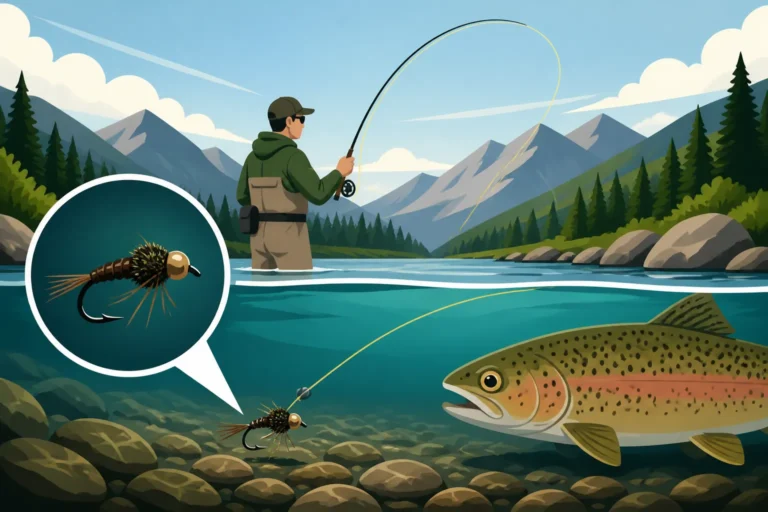
For flies, streamers that imitate baitfish (such as Clouser Minnows, Woolly Buggers, or Lefty's Deceivers in olive, black, or white) are highly effective when stripped aggressively through current seams or near structure. Don't be afraid to add some weight or a sinking line to get your flies down to where the fish are holding, especially in deeper pockets. During warmer months, topwater poppers or Gurglers can create thrilling surface strikes, mimicking frogs or large terrestrial insects. These are best fished in calmer water during low-light conditions. Learning to cast accurately and present your fly naturally in the current is essential, allowing your offering to drift convincingly into a smallmouth's strike zone. For those who also enjoy targeting other large Snake River residents, you might be interested in How to Fish for Sturgeon on the Snake River, though the techniques are quite different!
Best Times and Conditions for Snake River Smallmouth
Timing is everything in fishing, and understanding the seasonal and daily patterns of smallmouth bass on the Snake River can drastically improve your chances of success. Smallmouth behavior is heavily influenced by water temperature, light conditions, and the time of year.
Seasonal Strategies
The fishing for smallmouth bass on the Snake River can be excellent throughout the warmer months, but each season presents unique opportunities and challenges.
- Spring (April – June): As water temperatures rise into the 50s and 60s, smallmouth become increasingly active, moving out of their deeper wintering holes into shallower, warmer water. This is the pre-spawn period, and fish are hungry and aggressive. They'll readily hit a variety of lures, including crankbaits, spinnerbaits, and tube jigs. The spawn usually occurs when water temperatures are consistently in the low to mid-60s. During the spawn, fish are focused on reproduction and can be territorial. After they've spawned, they'll often move back to deeper, but still accessible, areas to recover before resuming active feeding. If you're looking for more general spring fishing tips for Idaho, our Spring Fishing in Idaho guide offers valuable insights.
- Summer (July – August): Summer means consistently warm water, often in the high 60s to low 70s. Smallmouth are at their most active and aggressive during this time. They'll often feed heavily in low-light conditions (early morning and late evening) and retreat to deeper, cooler water or dense cover during the bright midday sun. Topwater baits can be incredibly exciting during the summer mornings and evenings. Jigs, crankbaits, and soft plastics fished around deeper rock piles, current seams, and submerged timber will produce throughout the day. For more on summertime angling, be sure to consult our Summer Fishing in Idaho guide.
- Fall (September – October): As temperatures begin to drop, smallmouth enter a "fall feeding frenzy." They know winter is coming and need to bulk up. This can be one of the best times to catch large, aggressive fish. They'll often move into shallower areas during the day to feed on baitfish and crayfish preparing for winter. Crankbaits, spinnerbaits, and swimbaits that imitate larger forage are highly effective during this period. As water temperatures continue to fall into the 40s, they'll gradually move back to deeper, more stable wintering grounds.
Daily Patterns and Weather Influence
Beyond seasonal shifts, daily patterns and weather conditions significantly impact smallmouth activity. Generally, the best times to fish for smallmouth bass are during low-light periods: dawn, dusk, and on heavily overcast or rainy days. During these times, smallmouth are more likely to move into shallower water to feed, as the reduced light makes them less vulnerable to predators and gives them an advantage over their prey.
On bright, sunny days, especially in summer, smallmouth often retreat to deeper, shadier areas or hold tight to heavy cover like submerged timber or rocky overhangs. You'll need to present your lures right on their nose and often fish slower to entice a strike. Wind can also be your friend; a moderate chop on the water's surface breaks up light penetration, making fish feel more secure, and can also concentrate baitfish. Strong winds, however, can make casting difficult and fishing uncomfortable. Always keep an eye on the forecast and adjust your strategy accordingly.
Navigating Regulations and Conservation
Before you even make your first cast, it's absolutely vital to be familiar with Idaho's fishing regulations for the Snake River, especially concerning smallmouth bass. While smallmouth are generally abundant and have generous limits in many sections of the Snake, specific stretches or certain times of year might have unique restrictions. These regulations are in place to ensure the health and sustainability of the fishery for future generations.
Always check the current Idaho Fishing Regulations and Seasons brochure, published annually by the Idaho Department of Fish and Game. You can usually find these online or at any license vendor. Pay close attention to daily bag limits, possession limits, and any size restrictions that might be in effect for smallmouth bass in the particular section of the Snake River you're planning to fish. It’s also important to practice responsible angling: minimize time fish are out of the water, handle them gently, and use appropriate tackle to reduce stress. Understanding and respecting these rules is not just about avoiding a fine; it's about being a good steward of Idaho's incredible natural resources. Our comprehensive Idaho Fishing Regulations Explained guide can provide all the details you need.
| Lure Type | Best Water Conditions | Optimal Depth Range | Retrieve Style | Notes |
|---|---|---|---|---|
| Crankbaits | Clear to stained, moderate current | 3-15 feet | Steady retrieve, occasional pause/twitch | Match color to forage, dive depth to structure |
| Soft Plastic Jigs | Clear to stained, various currents | Bottom to mid-water | Drag, hop, twitch, dead stick | Mimics crayfish/baitfish, very versatile |
| Spinnerbaits | Stained to murky, moderate current | 2-10 feet | Steady retrieve, slow roll, rip & fall | Good for covering water, vibration in low viz |
| Topwater Lures | Calm, clear to light chop, low light | Surface | Walk-the-dog, pop, chug, pause | Exciting strikes, best in warmer water |
| Swim Baits | Clear to stained, moderate current | 2-15 feet | Steady retrieve, slow roll, drop & reel | Mimics larger baitfish, often draws bigger fish |
Disclaimer
The information provided in this guide is for general informational purposes only and is subject to change. Fishing regulations, seasons, and conditions can vary widely and are updated regularly by the Idaho Department of Fish and Game. Always consult the most current Idaho fishing regulations before heading out on the water. Fishing inherently carries risks; please exercise caution and good judgment when recreating outdoors.