How Water Temperature Affects Idaho Trout Fishing
Have you ever spent a beautiful day out on an Idaho river or lake, only to have the trout completely ignore your offerings, leaving you scratching your head? It’s a frustrating experience many of us have faced, and often, the reason isn't your skill or your fly pattern, but something far more fundamental: the water temperature. Understanding how water temperature affects Idaho trout fishing is a game-changer, revealing where fish are, how active they are, and what they're willing to bite. This guide will break down this crucial factor, helping you unlock more successful fishing adventures.
Why Water Temperature is a Game-Changer for Trout
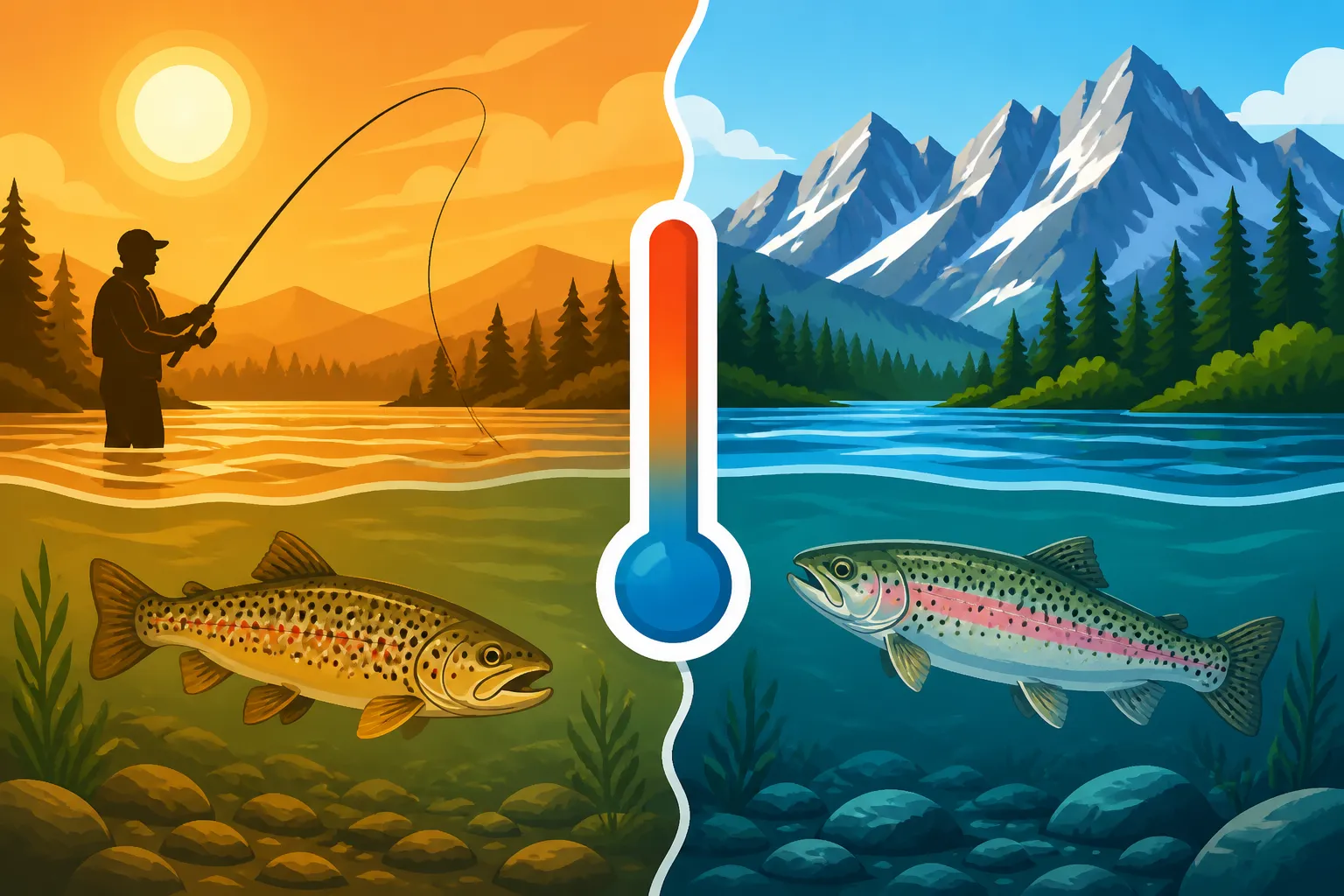
Trout are cold-blooded creatures, meaning their body temperature, and consequently their metabolism and activity levels, are directly tied to the water temperature around them. This isn't just a minor preference; it's a fundamental biological imperative that dictates their very survival. If the water is too cold, they become sluggish and inactive. If it's too warm, they get stressed, stop feeding, and can even die. Ignoring this critical factor is like trying to catch a bear in the summer when it's hibernating – you're just not going to have much luck.
Think about it from their perspective. When the water is just right, they feel comfortable, their digestive system works efficiently, and they have the energy to chase prey. But outside that comfort zone, every action becomes a struggle. This biological reality means that as anglers, we need to think like a fish, using water temperature as our primary guide to finding and enticing these elusive beauties. It's often the first piece of information I seek out before even wetting a line, especially on unfamiliar waters.
Trout's Biological Sweet Spot: The Ideal Range
Different species of trout, while sharing a general preference for cool, oxygen-rich water, do have slightly varied "sweet spots." Generally speaking, most trout species in Idaho, like Rainbows, Cutthroats, and Browns, thrive in water temperatures ranging from about 45°F to 65°F. This is their prime feeding zone, where their metabolism is humming, they're actively digesting, and they feel safe enough to hunt for insects and smaller fish.
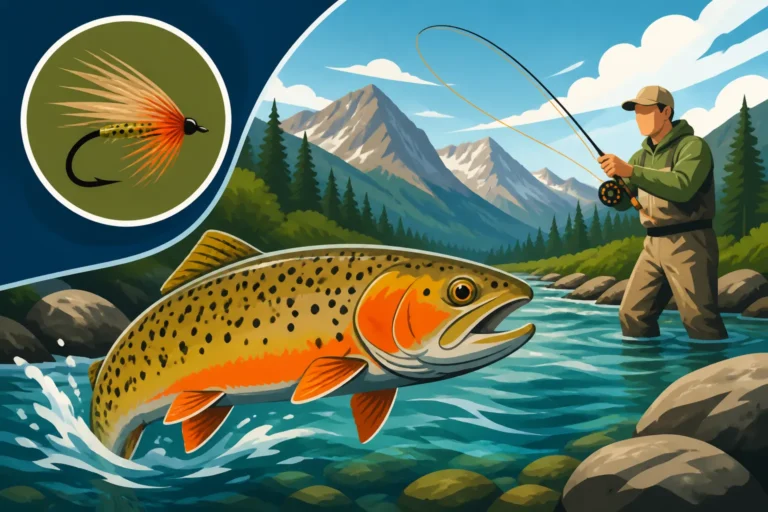
Within this range, you'll notice variations. For instance, Cutthroat trout, often found in higher elevation streams and rivers, might prefer the cooler end of that spectrum, closer to 45-55°F. Rainbow trout and Brown trout tend to be a bit more tolerant, comfortable up to the low 60s. When water temperatures are within these optimal bands, trout are typically more aggressive, more likely to chase a lure or rise to a dry fly, and generally easier to locate. This is when you'll experience those fantastic days on the water.
How Cold Water Slows Things Down
When water temperatures drop below the optimal range, typically below 40-45°F, trout metabolism slows significantly. They become lethargic, conserving energy rather than expending it on active feeding. Imagine trying to run a marathon in freezing temperatures—your body just isn't built for peak performance. The same goes for trout. Their digestion slows, their movements become sluggish, and their appetite diminishes.
In these colder conditions, trout will often move to deeper pools or areas with slightly warmer, more stable temperatures, such as spring-fed sections or slow eddies. They won't chase fast-moving lures or flies. Instead, they're looking for an easy meal, something presented slowly and directly to them. This is when nymphing close to the bottom, or drifting an egg pattern, can be incredibly effective, as you're catering to their reduced energy levels and opportunistic feeding habits. It's a test of patience, but it can pay off handsomely if you adapt.
The Dangers of Overly Warm Water
Conversely, excessively warm water, generally above 65-68°F, poses a severe threat to trout. As water heats up, its capacity to hold dissolved oxygen decreases drastically. Trout, needing that oxygen to breathe, become incredibly stressed. Their metabolism speeds up in an unhealthy way, they become disoriented, and they stop feeding entirely. Imagine trying to exercise in a stifling hot, airless room—it's unbearable and eventually, dangerous.
When water temperatures climb into this danger zone, trout will seek any available refuge: cool, deep pools, shaded areas under cut banks, or the mouths of cold tributaries. Catching a trout in these conditions is not only difficult but also incredibly harmful to the fish. Even if released, the stress of the fight combined with low oxygen levels can be fatal. Many ethical anglers in Idaho will simply stop fishing for trout when water temperatures reach these critical levels to protect the fish. This is particularly important for species like the native Cutthroat trout which are especially sensitive to warm water.
Reading the Water: Practical Tips for Anglers
Understanding the science behind water temperature is one thing, but applying that knowledge on the river or lake is another. It requires a bit of detective work and the right tools. You can't just guess; you need to measure and observe. Learning to read the water temperatures effectively will give you a significant edge, transforming frustrating days into productive ones by knowing when and where to focus your efforts.
Even if you're targeting other species, say Smallmouth Bass, knowing the general water temperature can help you understand the entire ecosystem you're fishing. Trout are often considered an indicator species for water quality and temperature, so their behavior tells a larger story about the health of the water body.
Using a Thermometer: Your Essential Tool
The most accurate way to gauge water temperature is, unsurprisingly, with a thermometer. This is not an optional piece of gear; it’s an essential item for any serious trout angler. You can find simple, affordable stream thermometers at most fly shops or online, even on Amazon, that clip onto your vest or pack. Some more advanced fish finders for boats also have built-in water temperature sensors, which are invaluable on larger lakes and reservoirs.
When taking a reading, don't just dip it in the surface. Hold the thermometer submerged for a minute or two in the area you intend to fish—the current, a deep pool, or where you expect fish to hold. Take readings in different areas of the water body throughout the day, as temperatures can fluctuate. Even a few degrees can make a world of difference to a trout's comfort level and appetite. For example, if the main river is 68°F, but a small feeder creek brings in 55°F water, that confluence becomes a prime target.
Observing the Environment: Natural Indicators
While a thermometer is king, you can also learn to interpret natural signs that indicate water temperature trends. These observations can guide your thermometer readings and help you make quick decisions on the water. For instance, during the spring runoff, when Idaho's rivers are swollen and cold, look for warmer, slower eddies or backwaters where trout might seek refuge.
In summer, bright sun beating down on shallow, exposed areas signals rising temperatures, so you'd focus on deeper runs, shaded banks, or areas with more current. The presence or absence of insect hatches can also be a clue; many aquatic insects have specific temperature windows for emergence, so a strong hatch often indicates favorable trout conditions. Algae blooms, while not always precise, generally suggest warmer, slower-moving water, which isn't ideal for trout. This is where learning about "Idaho Fishing Season Dates and Limits" can really help you plan your trips around natural cycles.
Adjusting Tactics for Different Temperatures
Your fishing tactics must evolve with the water temperature. It's truly a dynamic game.
Table: Trout Activity Levels by Water Temperature
| Water Temperature Range | Trout Activity Level | Recommended Tactics |
|---|---|---|
| Below 40°F (4°C) | Very Low, Lethargic | Deep, slow presentations; egg patterns, heavy nymphs, small worms. |
| 40-45°F (4-7°C) | Low, but Opportunistic | Slow-drifting nymphs, small streamers near bottom, targeting deep pools. |
| 45-55°F (7-13°C) | Moderate to High | Active feeding, good for nymphs, streamers, some dry flies; wider range of locations. |
| 55-65°F (13-18°C) | High, Peak Activity | Excellent for dry flies, nymphs, streamers; fish will chase; wider distribution. |
| 65-68°F (18-20°C) | Stressed, Seeking Refuge | Avoid fishing; if necessary, short fights, quick releases, target coldest spots. |
| Above 68°F (20°C) | Extreme Stress, Dangerous | Cease trout fishing entirely to protect fish populations. |
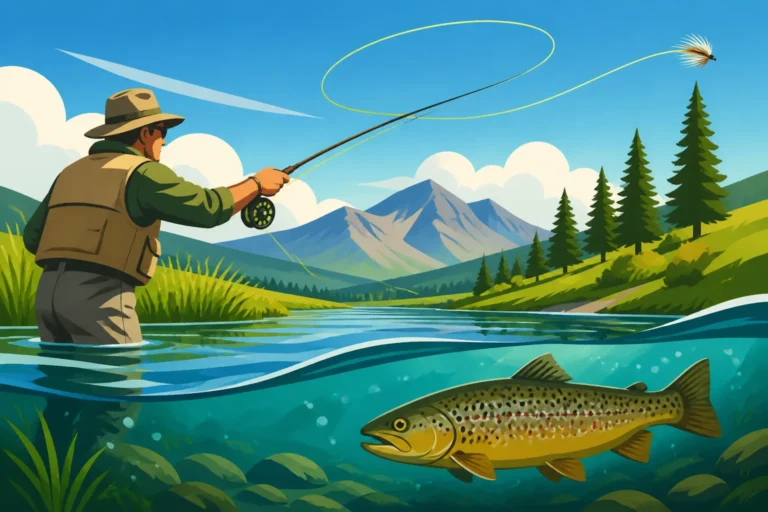
When the water is cold, remember the "slow and low" mantra. Trout aren't going to expend much energy. Think heavy nymphs on the bottom, slow retrieves with small streamers, or even bait like worms if allowed. Focus on deep pools and slow currents. If the water is in that ideal 45-65°F range, trout are actively feeding. This is when you can experiment with a wider variety of techniques, from dry fly fishing during hatches to stripping streamers or drifting indicator rigs. They'll be more willing to move for your offering.
In warm water (65°F+), if you absolutely must fish, keep fights short and release fish quickly and gently, without removing them from the water. Focus on highly oxygenated areas or very cold springs. But truly, the best tactic in warm water is to put away the trout gear and consider targeting other species, like bass or pike, which thrive in warmer conditions. This is often the time when you might revisit your "Idaho Fishing Gear Guide by Season" and swap out your trout specific setup for something better suited for warmer water species.
Seasonal Temperature Shifts and Their Impact
Idaho's diverse geography and distinct seasons mean water temperatures are constantly in flux. What works in April certainly won't work in August. Understanding these seasonal changes is key to anticipating trout behavior and finding success throughout the year. It's like knowing the rhythm of the land and applying it to your fishing strategy.
From the roaring spring runoff to the quiet, icy grip of winter, each season presents unique challenges and opportunities for the Idaho angler. Being prepared for these shifts means more than just changing your clothing; it means changing your entire approach to the water. This is also why checking "When Idaho's General Trout Season Opens" is crucial, as some waters have specific opening and closing dates tied to temperature-sensitive spawning periods.
Spring: Warming Waters and Increased Activity
Spring in Idaho is a season of transition, marked by melting snow and rising water levels. Initially, as snowmelt feeds rivers and streams, the water can be quite cold, often in the 30s and 40s. During this early spring period, trout will remain relatively inactive, holding in deeper, slower water. As the days lengthen and the sun gains strength, water temperatures gradually begin to rise.
Once temperatures consistently hit the 45-55°F range, you'll notice a significant increase in trout activity. This is when insects like March Browns, Skwalas, and Caddis begin to hatch, bringing trout to the surface. It's also a time of increased metabolic activity, meaning trout are more aggressive in chasing streamers and nymphs. The key here is patience during the cold spells and being ready to hit the water hard once that warming trend kicks in. Focus on sun-exposed banks and areas where the current isn't too strong, as these spots will warm faster.
Summer: Seeking Cooler Refuges
Summer in Idaho brings longer, hotter days, and with them, rising water temperatures. While early summer might still offer excellent fishing with temperatures in the prime 55-65°F range, mid-to-late summer can see many lower elevation rivers and streams push past that critical 65-68°F mark. This is when trout begin to seek cooler water.
During these warmer periods, focus your efforts on higher elevation streams, spring-fed creeks, or the deeper sections of larger rivers and lakes. Shaded areas, particularly during the hottest parts of the day, become prime holding spots. Fishing during the cooler morning and evening hours is often more productive and less stressful for the fish. If you're on a larger body of water, knowing "What Depth Kokanee Hold at in Summer on Idaho Lakes" could give you clues about where other cold-water species might be seeking refuge. Carrying your thermometer is absolutely vital during summer outings to ensure you're not inadvertently harming the fish by fishing in dangerously warm water.
Fall: The Pre-Winter Feeding Frenzy
Ah, fall. For many Idaho trout anglers, this is the golden season. As summer's heat fades and air temperatures cool, river and lake water temperatures begin to drop back into that optimal 45-55°F range. This often triggers a robust feeding frenzy as trout pack on calories in preparation for the lean winter months. They become incredibly active and aggressive, making them a joy to catch.
You'll often find trout more broadly distributed throughout the water column during fall, willing to rise for late-season hatches, chase large streamers, or aggressively take nymphs. This is also when many species begin their spawning rituals, so be mindful of redds (spawning beds) and avoid disturbing them. Fall also brings the anadromous runs of Steelhead and Chinook Salmon to Idaho's rivers, adding another exciting dimension to the fishing scene. Understanding "Fall Fishing Spots in Idaho" becomes crucial during this period.
Winter: Slow and Deep
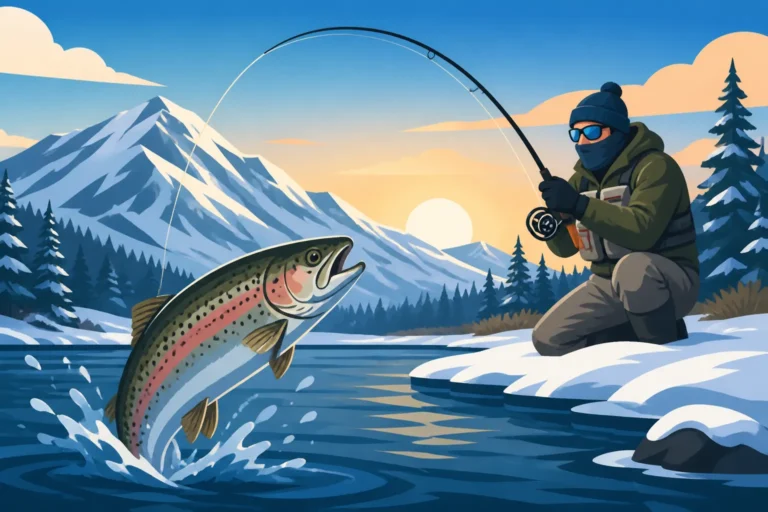
When winter truly sets in and Idaho's rivers and lakes cool dramatically, sometimes even freezing over, trout activity slows to a crawl. Water temperatures can hover in the low 30s and 40s, significantly reducing their metabolism. Trout will retreat to the deepest, most stable pools, areas with less current, or places where geothermal activity or springs might offer slightly warmer water.
During winter, presentations must be slow, subtle, and right on the fish's nose. Small nymphs, egg patterns, and tiny streamers fished meticulously near the bottom are often the most effective. Ice fishing becomes a popular option on many Idaho lakes, where anglers can target trout through the ice. Even then, the principle holds: fish deep and present slowly. While the action might be slower, winter fishing offers a unique solitude and the chance to catch some truly robust, healthy trout that have survived the season. Just remember to bundle up—you can find warm gear options on Amazon!
Disclaimer
This article is for general informational purposes only and does not constitute professional advice. Laws, prices and regulations vary by location and change over time. Consult a qualified professional for guidance on your specific situation.