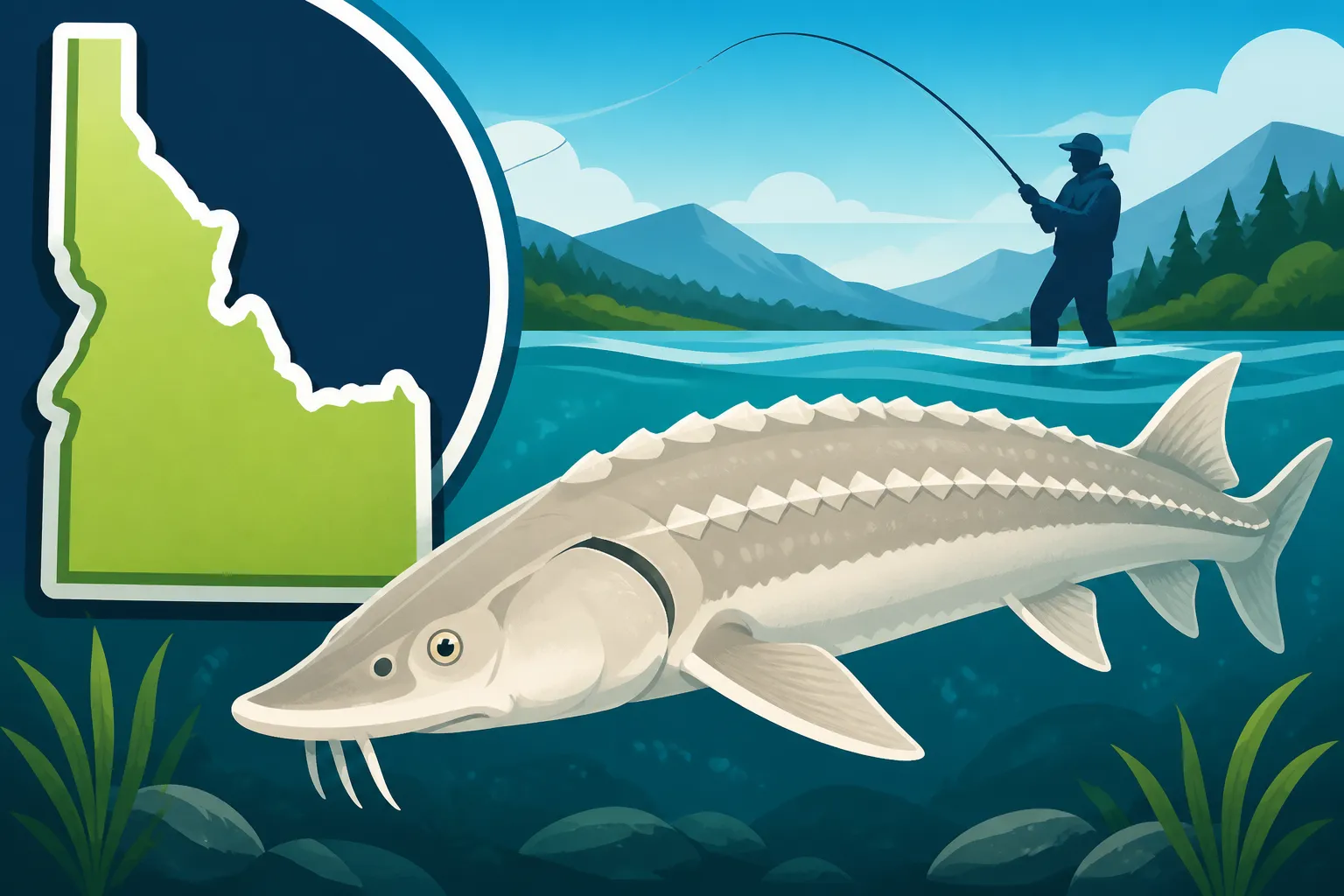
Idaho White Sturgeon Facts
One of the most awe-inspiring experiences an angler can have in Idaho is coming face-to-face with a white sturgeon. These aren't your average fish; they're living dinosaurs, majestic and incredibly powerful, often leading to a mixture of excitement and a little bit of intimidation for those new to targeting them. But understanding these ancient creatures is key to appreciating them and ensuring their continued survival in our waters. This guide aims to pull back the curtain on Idaho's white sturgeon, sharing fascinating facts about their lives, their habitat, and the crucial role we play in their conservation.
The Mighty White Sturgeon of Idaho: An Introduction
When you think of Idaho's fish, trout or steelhead might be the first to pop into your mind, but nestled deep in the Snake River are true giants: the white sturgeon. These incredible fish are the largest freshwater fish in North America and represent a living link to prehistoric times. They've been swimming these waters for millions of years, largely unchanged, a testament to their incredible resilience and adaptability. Yet, despite their ancient lineage, they face modern challenges that require our careful attention and respect.
These aren't just big fish; they're magnificent creatures with a unique appearance, boasting bony plates called scutes instead of scales, and four barbels near their shovel-like snout, which they use to forage along the river bottom. Imagine pulling a fish out of the water that looks like it swam straight out of the Jurassic period! Their sheer size alone is enough to drop an angler's jaw, with some specimens stretching longer than a small car. It's truly an experience that etches itself into your memory, making the effort to learn about them and fish for them responsibly incredibly worthwhile.
A Glimpse into the Ancient World
The white sturgeon's story in Idaho is one of enduring survival. These fish are often referred to as "living fossils" because their physical form has remained remarkably consistent over an incredible span of evolutionary history. They were here before the dinosaurs went extinct, navigated ice ages, and have witnessed countless geological and environmental shifts. This ancient lineage gives them a unique aura, making every encounter with one feel like a brush with deep history. They move slowly, deliberately, reflecting the immense time they've had to master their environment.
Unlike many faster-growing, shorter-lived species, white sturgeon embody patience and longevity. Their slow growth and long lifespan mean that each individual fish has witnessed decades, sometimes even a century or more, of Idaho's history unfold from the depths of its rivers. This makes them a vital part of our ecosystem, not just as a recreational fishing target, but as a biological record-keeper, holding genetic information passed down through countless generations. Respecting these creatures means understanding their long journey and ensuring they continue to thrive for future generations of anglers and nature enthusiasts.
Why Idaho's Sturgeon Population Matters
The presence of a healthy white sturgeon population is a strong indicator of a robust aquatic ecosystem. These fish are at the top of their food chain, acting as a crucial barometer for the overall health of the Snake River. Their well-being reflects the quality of water, the availability of food sources, and the connectivity of their habitats. A thriving sturgeon population signifies a river that supports a diverse array of life, from the smallest invertebrates to the largest predators.
For Idaho, the white sturgeon also represents a unique natural heritage and a significant draw for anglers worldwide. The opportunity to hook into a fish that can easily outweigh a grown human, in the wild and scenic backdrop of the Snake River, is an adventure unlike any other. This draws tourism, supports local economies, and fosters a deep appreciation for conservation efforts. Protecting these gentle giants isn't just about saving a species; it's about preserving a vital piece of Idaho's natural identity and the rich biodiversity of its most iconic river. You can learn more about specific regulations in our guide, Idaho Sturgeon Fishing Rules.
Where Idaho's White Sturgeon Call Home
Idaho's white sturgeon population primarily resides within the mighty Snake River, particularly in the deep, slow-moving sections and large pools of its canyons. This isn't a fish you'll find in every creek or small lake; they require significant waterways with specific characteristics to support their massive size and unique life cycle. Understanding their preferred habitats is essential, not only for finding them but also for appreciating the delicate balance that allows these giants to thrive in our rivers.
The Snake River, with its fluctuating depths, powerful currents, and rich invertebrate life, provides the perfect environment for white sturgeon. While they are present in various stretches, certain areas are more renowned for their concentration of these ancient fish. Anglers often focus on specific canyon sections where the river has carved out ideal conditions, creating those deep, current-protected pools they favor. These deep pockets offer refuge, feeding grounds, and important spawning areas, making them critical for the species' survival.
The Snake River: A Sturgeon Stronghold
The Snake River, particularly its middle and lower reaches, serves as the primary habitat for Idaho's white sturgeon. From the stretch below Hells Canyon Dam down through the impressive Hells Canyon, and even sections further upstream towards CJ Strike Reservoir, these areas offer the deep pools and rocky bottoms that sturgeon favor. They often prefer areas with a combination of gravel beds for spawning and nearby deep holes for resting and feeding. These massive fish don't roam aimlessly; they tend to establish territories within these prime habitats.
When you're out on the Snake River, either in a boat or even bank fishing in accessible spots, pay attention to the contours of the riverbed. Look for those dark, deep sections on your sonar, or observe where the current slows down after a rapid. These are often the "sweet spots" where sturgeon might be holding. The river's varied flow, from strong currents to quieter eddies, dictates where these fish conserve energy and where they find their food, making certain areas hotbeds for sturgeon activity. Our article, Fishing the Snake River for Smallmouth Bass and Sturgeon, has more details.
Specific Hotspots and Their Characteristics
Within the Snake River, certain areas have become famous for their white sturgeon populations. Hells Canyon, a colossal gorge on the Idaho-Oregon border, is arguably the most legendary, boasting some of the largest sturgeon and a truly wild, remote fishing experience. The sheer depth and ruggedness of the canyon provide ideal conditions for these giants to grow to immense sizes. Further upstream, areas like the stretch below C.J. Strike Dam and around Swan Falls Dam also hold significant numbers of sturgeon, offering more accessible fishing opportunities for many anglers.
Each of these hotspots has its own subtle characteristics that appeal to sturgeon. For instance, the fast-moving, turbulent water below dams can provide abundant oxygen and dislodge food, while the subsequent deep pools offer calm resting areas. Rocky ledges and gravel bars are crucial for their spawning rituals. Understanding these nuances helps anglers not only locate sturgeon but also develop a deeper appreciation for the complex riverine ecosystem these magnificent creatures depend on. Knowing the Best Section of the Snake River for Big Sturgeon can be a real game-changer.
Biology and Life Cycle: The Ancient Giants
The white sturgeon's life cycle is as fascinating as their ancient appearance. Unlike many fish that reproduce frequently and grow quickly, sturgeon are slow to mature, live for a very long time, and have specific spawning requirements. This unique biological profile makes them particularly vulnerable to environmental changes and emphasizes the importance of understanding their needs to ensure their population remains healthy and sustainable in Idaho's waters.
These fish can grow to astounding sizes, making them one of the true titans of freshwater. But that growth takes time—a lot of time. A sturgeon that's over ten feet long and weighs several hundred pounds isn't just a few years old; it's likely been swimming in the Snake River for many decades, possibly even a century or more. Their long lifespan means they've seen multiple generations of humans pass through their waters, truly making them living historical markers of the river.
Diet and Growth Rates
White sturgeon are primarily bottom feeders, relying on their highly sensitive barbels to detect food along the riverbed. Their diet consists mainly of invertebrates, such as crayfish, freshwater mussels, and insect larvae, as well as smaller fish species that inhabit the river bottom. They're opportunistic feeders, and their powerful, protrusible mouths act like a vacuum, sucking up anything edible they find. This foraging strategy makes them excellent indicators of the benthic (bottom) health of the river.
Their growth rate is notoriously slow compared to many other game fish. A sturgeon might only gain a few pounds a year, especially once they reach larger sizes. This slow, steady growth contributes to their incredible longevity. Imagine catching a fish that started its life when your great-grandparents were kids! This biological fact makes their conservation even more critical; it takes a very long time for a sturgeon population to recover from significant declines, as each individual represents many years of growth and development. How Big Do White Sturgeon Get in the Snake River gives more perspective on their impressive size.
Longevity and Spawning Habits
One of the most remarkable facts about white sturgeon is their incredible lifespan. It's not uncommon for these fish to live for 50 to 80 years, and some individuals have been documented living for over 100 years! This extraordinary longevity is rare in the fish world and contributes to their status as truly ancient beings. However, this long life also comes with a trade-off: sturgeon are slow to reach sexual maturity. Females typically don't begin spawning until they are 15 to 20 years old, and they don't spawn every year, often only every 3 to 5 years.
When it comes to spawning, white sturgeon have specific requirements. They migrate to areas with swift currents and clean, rocky or gravelly substrates, usually in the spring or early summer when water temperatures are just right. The eggs are adhesive and stick to the river bottom, where they are fertilized. The slow maturity rate and infrequent spawning cycles make sturgeon populations highly susceptible to disruptions to their habitat or overfishing, underscoring the vital role of strict conservation measures. You can learn more about their age in How Old Is a Snake River White Sturgeon.
Conservation and Catch-and-Release Rules
The magnificent white sturgeon in Idaho waters are a prime example of a conservation success story, though their journey is far from over. Once heavily impacted by overfishing and habitat alteration, particularly the construction of dams that blocked migratory routes and altered river flows, their numbers dwindled dramatically. Thanks to dedicated efforts by Idaho Fish and Game and passionate anglers, stringent regulations have been put in place to help these populations rebound.
Today, fishing for white sturgeon in Idaho is strictly catch-and-release, a testament to the commitment to protecting these long-lived, slow-to-reproduce fish. This isn't just a suggestion; it's a critical rule enforced to ensure that every sturgeon caught has the best possible chance of survival and can continue its ancient journey in the Snake River. Understanding and adhering to these rules isn't just about avoiding a fine; it's about being a responsible steward of Idaho's natural treasures.
Why Catch and Release is Essential
The catch-and-release mandate for white sturgeon in Idaho is not arbitrary; it's founded on sound scientific principles regarding the species' biology. As we discussed, sturgeon grow slowly, mature late, and spawn infrequently. If even a small percentage of mature fish were removed from the population, it would have a disproportionately large and long-lasting negative impact on their ability to reproduce and sustain their numbers. Catch and release ensures that these valuable breeders remain in the water to contribute to future generations.
Furthermore, white sturgeon populations are still considered sensitive in many areas. While significant progress has been made, they are not out of the woods. Continuing catch-and-release practices minimizes stress on the population, allowing it to grow stronger and more resilient. It's a proactive measure that prioritizes the long-term health of the species over short-term gratification, aligning with the ethos of true conservationists who understand that some experiences are priceless and should be preserved. This is deeply explained in Why Snake River Sturgeon Fishing Is Catch and Release Only.
Proper Handling Techniques
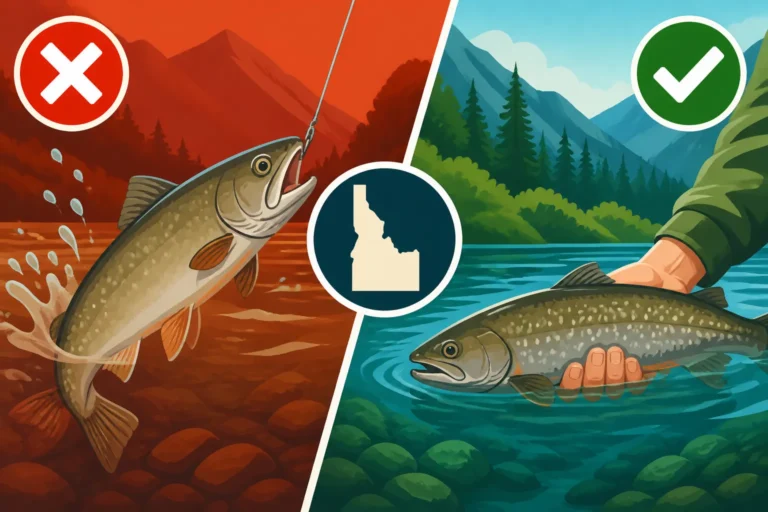
Because all white sturgeon fishing in Idaho is catch-and-release, proper handling is paramount to ensuring the fish's survival after it's released. This means minimizing the time the fish is out of the water, supporting its body correctly, and using appropriate gear. One of the most critical rules is that it is illegal to remove a sturgeon from the water in Idaho. This rule exists because these massive fish, especially the larger ones, can suffer severe internal organ damage and even suffocation if their bodies are not fully supported by water. Lifting them by the head or tail can injure their spine and internal organs.
When you bring a sturgeon alongside your boat or to the bank, keep it in the water. Use heavy-duty, rubberized nets designed for large fish, or cradle it gently by hand, always supporting its entire body. If you need to take a photo, do so quickly with the fish partially submerged. Cutting the line if the hook is too deep, or using a dehooking tool, is always preferred over unnecessarily stressing the fish. When you're looking for specialized gear like robust landing nets or long-handled dehookers, checking reputable outdoor retailers or even online platforms like Amazon can give you a good idea of what's available and suitable for these giants. Our guide How to Release a Sturgeon Safely in Idaho offers detailed steps.
The Barbless Hook Requirement
Another non-negotiable rule for white sturgeon fishing in Idaho is the use of barbless hooks. This regulation is directly linked to the catch-and-release mandate and is designed to minimize harm to the fish. Barbless hooks penetrate less deeply and can be removed much more easily and quickly from a fish's mouth or jaw without causing excessive tearing or injury. This rapid and clean release is crucial for a sturgeon's post-release survival.
Imagine trying to remove a barbed hook from a powerful, thrashing fish, especially one with a bony mouth structure like a sturgeon. The barb would inevitably cause more damage, prolong the unhooking process, and increase stress and injury to the fish. Converting your hooks to barbless is simple: just crimp down the barb with a pair of pliers. This small, easy step makes a huge difference in the welfare of these magnificent fish. Always double-check your tackle before heading out, as using barbed hooks can lead to serious penalties. For specialized barbless hooks or tools to modify your existing hooks, sites like Amazon can be a convenient resource. More on this topic can be found in Why Barbless Hooks Are Required for Idaho Sturgeon.
Identifying and Interacting with Idaho's Sturgeon
Understanding white sturgeon goes beyond just knowing where they live and how to fish for them responsibly; it also involves being able to identify them correctly and knowing how to interact with them safely and respectfully once you've made a catch. While Idaho primarily hosts white sturgeon, being confident in their identification prevents misidentification and ensures all regulations are followed.
These are not aggressive fish, but their sheer size and power demand respect. When you're battling a large sturgeon, it's an intense experience, but remember that the fish's well-being is always the top priority. Knowing how to handle the fight, bring them to the boat, and release them properly is as much a part of the sturgeon fishing experience as the initial hook-set.
Key Identification Features
Idaho's sturgeon are almost exclusively white sturgeon (Acipenser transmontanus). They are easily distinguishable by several key features:
- Coloration: Typically greyish-brown to olive on the back and sides, fading to a lighter, often white, belly.
- Scutes: Rows of bony plates (scutes) run along their body. They have a dorsal row (on the back), two lateral rows (on the sides), and two ventral rows (on the belly). The scutes are typically prominent and well-defined, especially in younger fish.
- Snout and Barbels: They possess a conical, somewhat shovel-shaped snout. Critically, they have four barbels located closer to the tip of their snout than to their eyes, with the inner barbels being closer to each other than to the outer barbels. These barbels are sensory organs used to detect food.
- Tail: The tail fin is heterocercal, meaning the upper lobe is longer than the lower lobe, resembling a shark's tail.
Understanding these features ensures you can confidently identify the species and appreciate its unique anatomy. Comparing them to pictures in a detailed fish identification guide, which you can often find readily on Amazon, is a great way to familiarize yourself before your trip.
Fighting and Landing Sturgeon Responsibly
Hooking a white sturgeon is often described as hooking into a submerged log that suddenly decides to take off. These fish are incredibly strong, and fighting them can be an intense, prolonged battle. The key to a successful and responsible fight is using appropriate heavy tackle that can handle the strain and bring the fish in efficiently, minimizing stress. A lengthy, drawn-out fight can exhaust a sturgeon, making it more vulnerable after release. For specific gear recommendations, you might consult our article on What Size Tackle to Use for Idaho Sturgeon.
Once hooked, resist the urge to horse the fish in too quickly. Let the rod and reel do the work, using steady pressure. If you're fishing from a boat, follow the fish to keep the line tight and prevent it from wrapping around obstacles. When the sturgeon is alongside, guide it into calm, shallow water if possible, or alongside your boat, making sure to keep its head in the water. The goal is to get it close enough for a quick, safe unhooking and release, without ever lifting it from the water. Many guides use specialized cradles or large, soft nets that allow the fish to remain fully submerged during the unhooking process.
Engaging with Sturgeon: Safe Interactions
Interacting with a sturgeon, even a docile one, requires caution due to their size and strength. Always remember their powerful tail can deliver a significant blow if the fish thrashes unexpectedly. When handling, always be gentle and support the entire length of their body. Never grab them by the gills or eyes, and avoid touching their eyes directly. Their skin, while tough, can be delicate, so try to minimize excessive handling.
If you plan on photographing your catch, do it quickly and with the fish partially submerged in the water. Get down to the fish's level. A quick photo, then a gentle release, is the best approach. The experience of catching and releasing a magnificent white sturgeon in Idaho is truly unforgettable, and by following these guidelines, you contribute directly to the health and future of this incredible species. It's about respecting the fish, the river, and the generations of sturgeon to come.
Sturgeon Facts at a Glance
To summarize some of the incredible facts about Idaho's white sturgeon, here's a quick reference table. These points highlight just how unique and important these fish are to our ecosystem and fishing culture.
| Feature | Description | Significance |
|---|---|---|
| Species | White Sturgeon (Acipenser transmontanus) | Largest freshwater fish in North America; native to Idaho. |
| Habitat | Primarily deep, slow-moving pools of the Snake River (e.g., Hells Canyon, C.J. Strike). | Requires specific river conditions for survival and reproduction. |
| Lifespan | Can live 50-100+ years. | Extremely long-lived, making them vulnerable to population declines. |
| Sexual Maturity | Females 15-20 years old; males 8-12 years old. | Slow to reproduce, emphasizing the importance of mature fish in the population. |
| Spawning Cycle | Females spawn every 3-5 years. | Infrequent spawning makes population recovery challenging. |
| Diet | Bottom feeders: crayfish, mussels, insect larvae, small fish. | Indicators of benthic health and river ecosystem balance. |
| Conservation | Strict Catch-and-Release; Barbless Hooks Required; Illegal to remove from water. | Essential for population recovery and long-term sustainability. |
| Size | Can exceed 10 feet in length and weigh over 500 pounds in the Snake River. | Provides an unparalleled fishing experience. |
This table really highlights why the conservation measures are so strict. Their slow growth, late maturity, and infrequent spawning mean that every single fish is precious, and every responsible action we take as anglers helps ensure their future.
Disclaimer
This article is for general informational purposes only and does not constitute professional advice. Laws, prices and regulations vary by location and change over time. Consult a qualified professional for guidance on your specific situation.