Best High Mountain Lakes in Idaho for Fishing
Finding solitude and truly wild fish in today's crowded world can feel like an impossible task, especially when every popular fishing spot seems overrun. It's frustrating to drive hours only to find yourself shoulder-to-shoulder with other anglers. But don't despair! Idaho offers a breathtaking escape into its high country, a vast wilderness dotted with pristine alpine lakes holding some of the most beautiful, feisty trout you'll ever encounter. This comprehensive guide is your ticket to unlocking the magic of Idaho's best high mountain lakes for fishing, covering everything from finding them to the gear you'll need and the techniques that will put fish in your net.
The Untamed Allure of Idaho's High Mountain Lakes
There's something uniquely captivating about fishing a high mountain lake in Idaho. It's not just about the fish; it's about the entire experience—the crisp mountain air, the panoramic views that stretch for miles, the profound silence broken only by the whisper of the wind or the splash of a rising trout. This isn't your roadside pond; this is an adventure, a pilgrimage to some of the state's most remote and beautiful places.
Why These Lakes Call to the Adventurous Angler
For many of us, the draw is the untouched nature of these waters. Unlike heavily stocked or easily accessible lakes, high mountain lakes often harbor wild, self-sustaining populations of trout that have adapted to their harsh, high-altitude environments. They're often smaller, more colorful, and incredibly strong for their size, providing a rewarding fight. The journey itself is a huge part of the appeal. Reaching these lakes often requires significant hiking, sometimes over rugged terrain and through dense wilderness. It's a test of endurance, a chance to disconnect from the digital world, and an opportunity to truly immerse yourself in nature. You earn every cast, every bite, and every magnificent vista. This feeling of accomplishment, combined with the sheer natural beauty, is what makes these destinations so unforgettable.
The Challenges and Unforgettable Rewards
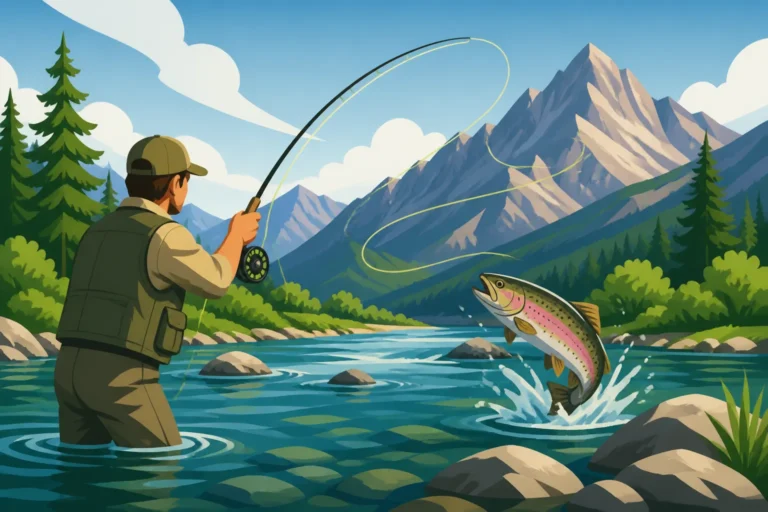
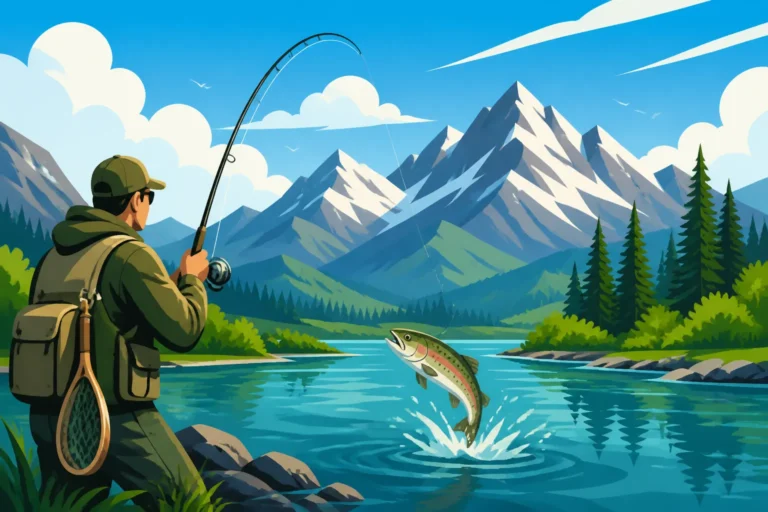
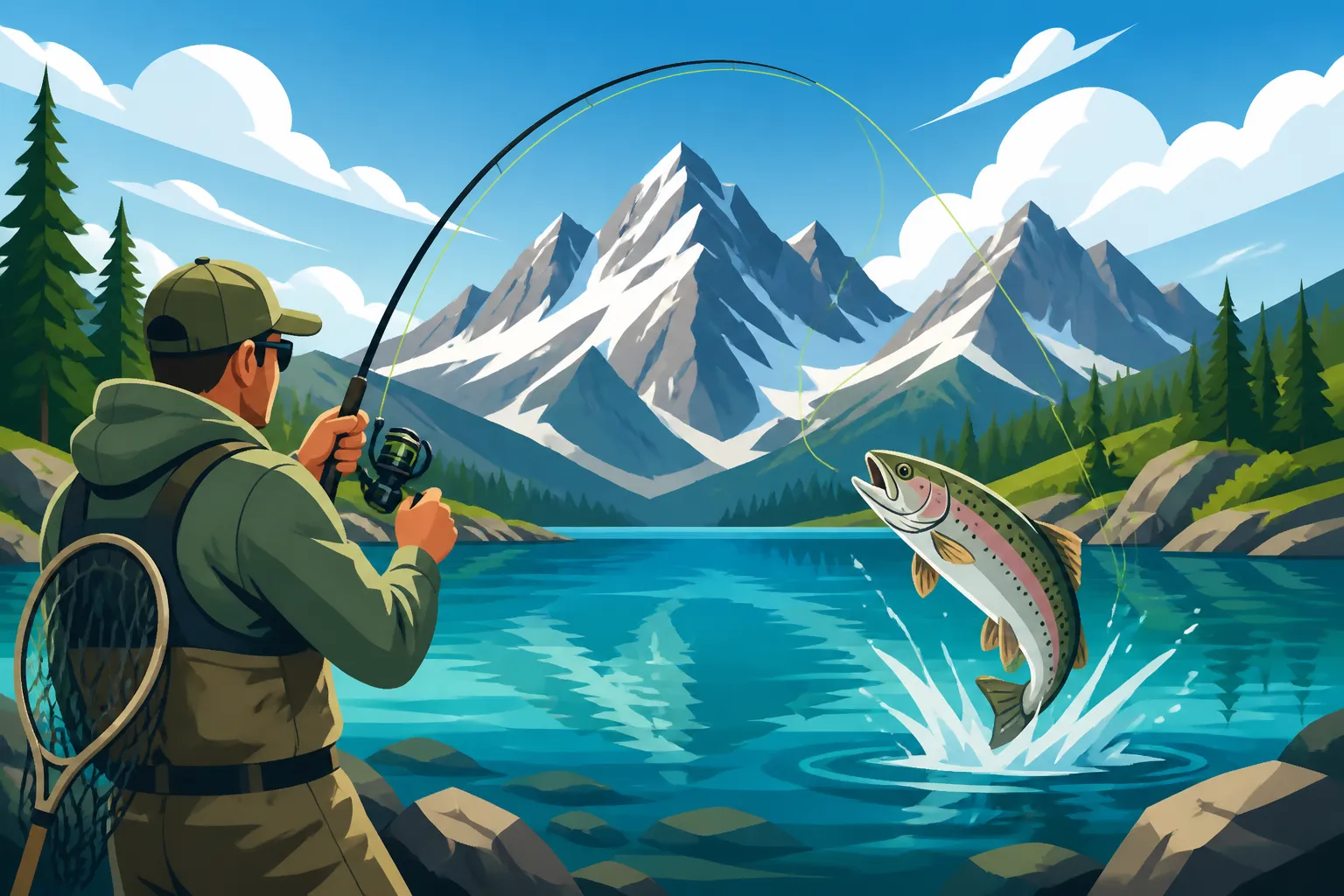
Let's be real: getting to these lakes isn't always easy. You'll face steep trails, rapidly changing weather conditions, and the need to carry all your gear on your back. There are mosquitos, bears, and the occasional navigational puzzle when the trail fades. It requires careful planning, physical stamina, and a good dose of resilience. However, the rewards far outweigh these challenges. Imagine casting your line into a perfectly still, emerald-green lake, surrounded by towering granite peaks, knowing that you might be the only human for miles. Picture the vibrant flash of a native cutthroat trout breaking the surface for your dry fly, or the solid tug of a brook trout on your spinning rod. These are the moments that stick with you, the stories you'll tell for years. The fish often aren't huge, but their wild beauty and the pristine setting make them feel like trophies. And the feeling of accomplishment after a challenging hike, followed by successful fishing in a remote paradise, is truly unparalleled.
What Makes a High Mountain Lake Prime for Fishing?
Not all high mountain lakes are created equal when it comes to fishing. Some are barren, glacially scoured basins with little life, while others teem with vibrant trout populations. Understanding what factors contribute to a great high mountain lake fishery is key to choosing your next adventure.
Identifying Productive High-Altitude Habitats
Productive high mountain lakes typically share several characteristics. First, they need a viable food source for fish. This can include aquatic insects, small crustaceans, and even terrestrial insects that fall into the water. Lakes with inlets and outlets that provide a constant flow of fresh, oxygenated water often create more dynamic ecosystems. The depth and structure of the lake also play a role; lakes with varying depths, submerged rocks, logs, or even small patches of aquatic vegetation offer more hiding spots and foraging opportunities for trout. You'll often find that lakes with a steady, if small, stream flowing into them, especially those fed by snowmelt or springs, tend to be more fertile. These streams can also act as spawning grounds, supporting natural reproduction. Look for signs of insect life around the water's edge – dragonflies, caddisflies, and mayflies are all good indicators of a healthy ecosystem that can support trout.
Common Fish Species and Their Adaptations
The fish species you'll encounter in Idaho's high mountain lakes are typically cold-water specialists, hardy enough to survive harsh winters and thrive in relatively nutrient-poor environments. The most common species include various strains of cutthroat trout, brook trout, and sometimes rainbow trout or golden trout.
- Cutthroat Trout: Idaho is home to several native cutthroat subspecies, including the Westslope Cutthroat Trout and the Yellowstone Cutthroat Trout. These fish are renowned for their vibrant colors, often sporting crimson slashes under their jaws (hence the name). They are opportunistic feeders and incredibly responsive to dry flies, making them a favorite among fly anglers. Cutthroats in high mountain lakes are often smaller than their river-dwelling cousins but display remarkable fighting spirit. Understanding the unique characteristics of these trout is part of the joy, as detailed in our guide on the Idaho Cutthroat Trout Fishing Guide.
- Brook Trout: While not native to Idaho, brook trout have been widely stocked in many high mountain lakes and have established robust, self-sustaining populations. They are easily identified by their worm-like markings (vermiculations) on a dark olive background, and striking red, orange, or yellow spots with blue halos. Brook trout are often prolific breeders and can sometimes overpopulate smaller lakes, leading to smaller average size, but they are eager biters and a blast to catch, especially for younger anglers. They're often found in very cold, clear water, and their aggressive nature makes them a consistent target.
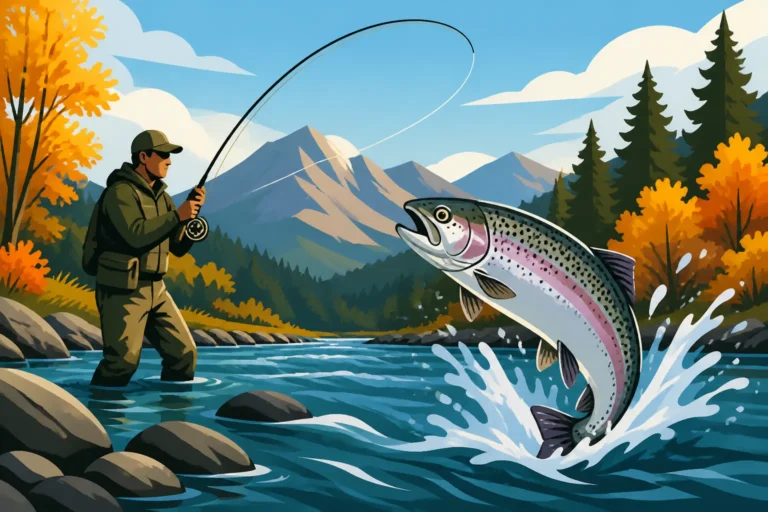
- Rainbow Trout: In some high mountain lakes, you'll find rainbow trout, either naturally reproducing or occasionally stocked by Idaho Fish and Game. These are powerful fighters, famous for their aerial acrobatics when hooked. They tend to grow larger than cutthroats or brook trout in similar environments if food is abundant. Their iridescent band along the side and speckled bodies are unmistakable.
- Golden Trout: A true high-altitude gem, golden trout are less common but highly sought after. Native to California's Sierra Nevada, they have been introduced into a select few remote Idaho lakes. Their stunning golden-yellow flanks, red lateral line, and parr marks are absolutely breathtaking. Catching a golden trout in its natural, rugged habitat is often considered a pinnacle achievement for many alpine anglers. They are typically found in the most remote, highest elevation lakes, requiring significant effort to reach.
These trout have adapted to short growing seasons, cold water, and limited food availability. They often have slower growth rates but develop intense colors and robust health in their pristine environments.
| Fish Species | Native/Introduced | Common Size (High Lakes) | Fighting Style | Preferred Baits/Lures | Best Seasons |
|---|---|---|---|---|---|
| Westslope Cutthroat | Native | 6-14 inches | Energetic, surface-oriented | Dry flies, small spinners | Summer, Early Fall |
| Yellowstone Cutthroat | Native | 8-16 inches | Strong, often deeper | Nymphs, streamers, spoons | Summer, Early Fall |
| Brook Trout | Introduced | 5-12 inches | Aggressive, eager biter | Worms, small spinners, flies | Summer, Fall, Ice Out |
| Rainbow Trout | Introduced | 8-18 inches | Acrobatic, powerful | Lures, flies, powerbait | Summer |
| Golden Trout | Introduced | 6-12 inches | Delicate, beautiful | Small dry flies, tiny nymphs | Summer |
Essential Gear for High Mountain Lake Anglers
Embarking on a high mountain lake fishing trip means blending backpacking expertise with angling savvy. Every item in your pack needs to justify its weight and serve multiple purposes if possible. This isn't a trip where you can overpack; being lightweight and efficient is the name of the game.
Lightweight Backpacking Essentials
Your foundational gear should prioritize lightweight durability and comfort for miles on the trail. A good quality backpacking pack, sized appropriately for a 1-3 night trip (typically 40-60 liters), is crucial. Look for one with good hip support and adjustable straps to distribute weight effectively. A reliable, lightweight tent or shelter, a warm sleeping bag rated for alpine temperatures (even in summer, nights can drop below freezing at elevation), and an insulating sleeping pad are non-negotiable for comfortable overnight stays. Don't forget a small, efficient backpacking stove and fuel for hot meals and coffee, a water filter or purification tablets to treat lake or stream water, and a headlamp for navigating in the dark.
Layered clothing is paramount in the mountains, where weather can shift dramatically from warm sun to sudden rain or even snow. Think moisture-wicking base layers, insulating mid-layers (fleece or puffy jacket), and a waterproof/windproof outer shell. Sturdy, broken-in hiking boots with good ankle support are a must, along with extra socks to prevent blisters. Always pack a first-aid kit, map and compass (or a reliable GPS device with downloaded offline maps), and a multi-tool. Even if you're only going for a day trip, these safety items are essential. For those looking to delve deeper into gear for various seasons, our guide on Idaho Fishing Gear Guide by Season offers additional insights.
Compact Fishing Tackle
When it comes to fishing gear, think minimalist and versatile. For fly fishing, a lightweight 3- or 4-weight rod, typically 7.5 to 8.5 feet long, is ideal. A matching reel with floating line and a tapered leader (3x-5x) will cover most high mountain scenarios. Pack a small selection of essential flies: some dry flies like Parachute Adams, Elk Hair Caddis, or small Stimulators for surface action; nymphs such as Prince Nymphs, Hare's Ear, or Pheasant Tails; and a few small streamers like Woolly Buggers. A compact, collapsible landing net with a rubber bag is excellent for safely handling fish for release.
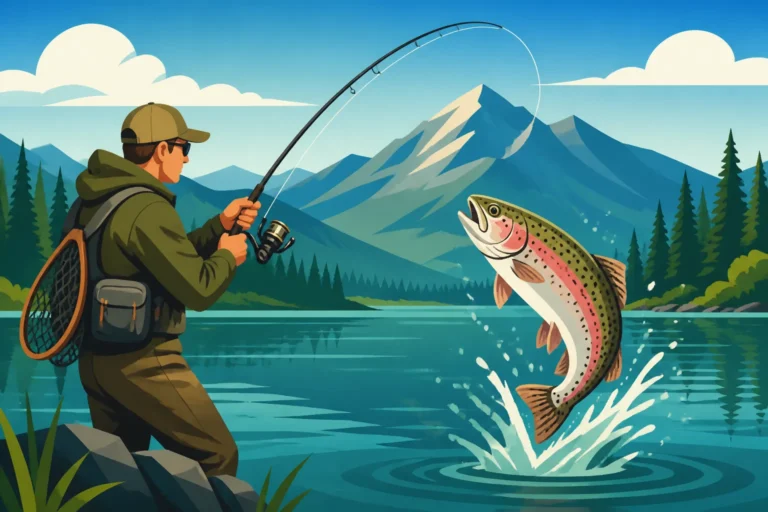
Spinning anglers will appreciate an ultralight spinning rod, typically 5 to 6 feet long, paired with a small 500-1000 size spinning reel spooled with 4-6 lb test monofilament or fluorocarbon line. A small tackle box with an assortment of ultralight spoons (e.g., Kastmasters, Little Cleos), small spinners (e.g., Panther Martins, Mepps), and maybe some small jigs or powerbait will be highly effective. Don't forget extra leader material, small split shot, and a handful of small hooks. Remember, these fish often see very little pressure, so subtle presentations with natural-looking baits or lures often work best. For more detailed recommendations on what to tie on, check out Best Bait and Lures for Idaho Fishing.
Safety and Navigation Essentials
Beyond the basics, certain safety items are non-negotiable for high mountain excursions. A satellite communication device (like a Garmin InReach or Spot device) is strongly recommended for emergency communication, as cell service is nonexistent in much of Idaho's wilderness. Bear spray and knowledge of how to use it are crucial in bear country, which includes most high mountain areas. Always inform someone of your itinerary and expected return time. Pack extra food and water beyond what you think you'll need, just in case delays occur. A small repair kit for your tent or other gear can be a trip-saver. A reliable compass and a printed topographic map of the area are indispensable, even if you rely primarily on GPS. Batteries die, and electronics can fail. Knowing how to navigate with traditional tools is a critical wilderness skill that could literally save your life.
Top High Mountain Lakes and Regions to Explore
Idaho's vast wilderness areas boast an incredible array of high mountain lakes. While it's impossible to list every single gem, some regions are particularly renowned for their stunning scenery and exceptional fishing opportunities. These areas represent some of the most rewarding, albeit challenging, destinations.
Sawtooth Wilderness: A Crown Jewel
The Sawtooth Wilderness, located in central Idaho, is arguably the state's most iconic alpine playground. Its jagged granite peaks, glacial valleys, and hundreds of pristine lakes make it a backpacker's and angler's paradise. The access points are generally well-maintained, but the trails quickly climb into serious backcountry.
- Alice Lake: One of the most popular and breathtaking destinations in the Sawtooths, Alice Lake is part of the popular Alice-Toxaway Loop. The hike to Alice Lake is moderately strenuous, offering stunning views and excellent fishing for cutthroat trout and brook trout. The lake itself is nestled beneath towering peaks, providing ample opportunities for both shore and float tube fishing. The deep, clear waters hide some surprisingly large fish that are eager to hit well-presented flies or small lures. It’s a classic Sawtooth experience, offering incredible photographic opportunities along with the fishing.
- Toxaway Lake: Further along the Alice-Toxaway Loop, Toxaway Lake is another spectacular destination. It's a larger lake, often holding good populations of cutthroat and brook trout. The size of the lake offers diverse fishing environments, from shallow coves to deeper drop-offs. Being slightly further than Alice Lake, it often feels a bit less crowded, though still a popular spot. The views from the shore, especially at sunrise or sunset, are simply unparalleled. Anglers often find success targeting inlets and outlets, or fishing near rocky structures.
- Baron Lakes: For those seeking a truly remote and challenging adventure, the Baron Lakes offer a multi-day backpacking trip into the heart of the Sawtooths. These lakes are known for holding robust populations of cutthroat and rainbow trout, some reaching impressive sizes due to the limited fishing pressure. The strenuous hike is rewarded with solitude and stunning, raw alpine beauty. Access is often from the Grandjean trailhead or by taking a boat shuttle across Redfish Lake and hiking up from there. This area truly embodies wilderness angling, where planning and self-sufficiency are paramount. The journey through the Fishing the Sawtooth Valley to reach these spots is an adventure in itself.
Frank Church-River of No Return Wilderness: Unparalleled Isolation
The Frank Church-River of No Return Wilderness is the largest contiguous wilderness area in the Lower 48, spanning over 2.3 million acres. Its sheer vastness means that its high mountain lakes are among the most remote and least-fished in the state. Access often requires bushwhacking, horsepacking, or even flying into remote airstrips.
- Chamberlain Lakes: Located deep within the wilderness, the Chamberlain Lakes offer an incredibly isolated fishing experience. These lakes are typically accessed via a fly-in to a remote airstrip, followed by a hike. They are known for their strong populations of cutthroat and sometimes rainbow trout, which thrive in these untouched waters. Fishing here is a true test of self-reliance and wilderness skills. The pristine environment and lack of human pressure mean the fish are often less wary, providing exciting action for those who make the journey.
- Big Creek Lakes: Another collection of remote lakes in the Frank Church, Big Creek Lakes are accessed via lengthy backpacking trips or by utilizing horsepack services. These lakes can be home to native cutthroat trout, and the challenge of reaching them ensures a truly wild and unpressured fishing experience. The surrounding landscape is rugged and unforgiving, but the rewards of untouched fishing and profound solitude are immense. This is wilderness fishing at its finest, offering a stark contrast to more accessible waters.
Selkirk Mountains: Northern Giants
In Idaho's panhandle, the Selkirk Mountains rise dramatically, offering a different flavor of high mountain lake fishing. These mountains are often wetter and more heavily forested than their central Idaho counterparts, but their alpine lakes are no less spectacular.
- Harrison Lake: Tucked away in the northern Selkirks, Harrison Lake is a stunning alpine tarn known for its crystal-clear waters and challenging hike. It's a popular destination for serious day hikers and backpackers alike. The lake holds strong populations of brook trout, which thrive in its cold, clean depths. Anglers often find success with small spinners or fly-fishing setups. The views from the lake, looking out over the surrounding peaks, are simply breathtaking.
- Roman Nose Lake: Another beautiful lake in the Selkirks, Roman Nose Lake offers a more moderate hike than some other alpine destinations, making it a good option for those looking for a slightly less strenuous adventure. It’s typically stocked with rainbow trout, offering good action for a variety of angling methods. The forested surroundings and picturesque setting make it a fantastic family-friendly high mountain lake option, provided you're prepared for the hike.
White Cloud Mountains: Serenity and Abundance
East of the Sawtooths, the White Cloud Mountains offer a slightly gentler, yet equally stunning, alpine experience. These mountains feature rolling alpine meadows, larch forests, and numerous sparkling lakes, often with vibrant cutthroat populations.
- Boulder Chain Lakes: This incredible chain of lakes (including Quiet, Lonesome, Hourglass, and other smaller tarns) is a favorite among backpackers and anglers. The hike to the Boulder Chain Lakes is long but relatively gradual, leading to a series of connected lakes teeming with Westslope Cutthroat Trout. The fishing here can be truly exceptional, with fish readily taking dry flies on warm summer evenings. The scenery is diverse, moving from dense forest to open alpine basins, and the multitude of lakes means you can spend days exploring and fishing new water without seeing the same spot twice. It's an ideal destination for a multi-day backpacking and fishing trip, offering a sense of remoteness without the extreme ruggedness of some other wilderness areas.
Techniques for Success in High Mountain Lakes
Fishing these pristine, often unpressured waters calls for specific approaches. While trout here can sometimes be less wary than their river counterparts, adapting your techniques to the unique conditions of alpine lakes will significantly increase your success.
Fly Fishing Strategies for Alpine Trout
Fly fishing in high mountain lakes is an incredibly rewarding experience, offering a blend of technical casting and natural presentation. The key is often matching the hatch, even if the "hatch" is simply terrestrial insects blown onto the water.
- Dry Fly Action: Many high mountain lakes offer fantastic dry fly fishing, especially during calm periods or when an insect hatch is underway. Look for trout rising to the surface, creating subtle sips or more aggressive splashes. Small dry flies like Parachute Adams, Royal Wulff, or Elk Hair Caddis in sizes 14-18 are often effective. Pay attention to what's flying around or landing on the water. If you see ants or beetles, try a black ant pattern or a beetle imitation. The clarity of the water means presenting your fly with a delicate touch is crucial. Long, light leaders (5X or 6X) help with stealth. Cast to rising fish or work your dry fly along seams, rock edges, or near inlets where food concentrates.
- Nymphing and Streamer Tactics: When fish aren't rising, they're often feeding subsurface. Nymphing can be incredibly effective, especially in deeper sections or near drop-offs. Common patterns like Prince Nymphs, Pheasant Tails, or Hare's Ears in sizes 14-18, fished under an indicator or with a slow retrieve, can entice strikes. Small streamers, such as Woolly Buggers (black, olive, or brown), fished with a slow strip-and-pause retrieve, can imitate baitfish or larger insects and often provoke aggressive takes, particularly from larger trout. Try targeting points, submerged structure, or the edges of weed beds where fish might ambush prey.
- Reading the Water: Understanding where fish hold is critical. Inlets and outlets are always prime locations, as they bring in food and oxygen. Rocky shorelines and submerged boulder fields provide cover and feeding lanes. Drop-offs and weed beds (if present) are excellent places for trout to ambush prey. On sunny days, fish might retreat to deeper, cooler water or seek shade under overhanging banks or large rocks. Overcast days can bring them closer to the surface. Observe the lake carefully for any signs of feeding activity or fish movement before making your first cast. This knowledge is an integral part of becoming a seasoned angler, as highlighted in our broader Idaho Fishing Techniques Guide.
Spin Fishing for Consistent Action
Spin fishing offers a different kind of thrill and can be particularly effective when covering a lot of water or when conditions aren't ideal for fly fishing. It's often the go-to for beginners or those seeking consistent action.
- Lure Selection and Presentation: Ultralight spoons and spinners are your best friends in high mountain lakes. Small Kastmasters, Little Cleos, Panther Martins, or Mepps spinners in silver, gold, or copper finishes (sizes 0-2) are highly productive. Cast them out and retrieve with a steady, moderate pace, allowing the lure's action to do the work. Vary your retrieve speed and depth until you find what triggers a bite. Sometimes a faster, erratic retrieve mimics an escaping baitfish, while a slower, deeper retrieve appeals to less active fish. Small crankbaits can also be effective, especially those that mimic minnows.
- Bait Fishing Options: While artificial lures are often preferred for their minimal impact and ability to cover water, natural baits can be incredibly effective, especially for brook trout. Worms (nightcrawlers or red wigglers), powerbait, or salmon eggs, fished under a bobber or on the bottom with a minimal weight, can be irresistible. Be mindful of local regulations, as some special regulation waters might prohibit bait or only allow certain types. When bait fishing, keep your setup light and your hooks small (size 10-14) for the best presentation.
- Targeting Key Structures: Just like with fly fishing, understanding where fish congregate is vital. Cast your lures or bait towards rocky points, submerged ledges, drop-offs, or where feeder streams enter the lake. Don't neglect the deepest parts of the lake, especially during the warmest parts of the day, as fish will seek cooler temperatures. Fan casting, where you cast to different spots around an area before moving, helps you cover more water and locate active fish.
Planning Your High Mountain Lake Fishing Adventure
A successful and enjoyable high mountain lake trip requires meticulous planning. From understanding regulations to physical preparation, every detail contributes to a safe and memorable experience.
Permits, Regulations, and Leave No Trace
Before you even hit the trail, you need to be aware of the necessary permits and regulations. Most high mountain lakes in Idaho fall within designated wilderness areas, which means specific rules apply.
- Wilderness Permits: Many wilderness areas, including the Sawtooth Wilderness, require a free self-issued wilderness permit at the trailhead. These permits help land managers monitor visitor use and are crucial for safety in case of an emergency. Always fill one out, even for day trips.
- Fishing Licenses & Special Rules: Of course, you'll need a valid Idaho Fishing License Guide. Beyond that, always consult the most current Idaho Fish and Game fishing regulations pamphlet for the specific region you plan to visit. High mountain lakes often have special regulations regarding bag limits, tackle restrictions (e.g., fly-fishing only, catch-and-release), and even bait restrictions. For instance, some waters might be designated for native cutthroat recovery and have strict catch-and-release rules. Being informed about Idaho Fishing Regulations Explained is your responsibility.
- Leave No Trace Principles: These fragile alpine ecosystems demand the utmost respect. Adhere strictly to the seven Leave No Trace principles:
- Plan Ahead and Prepare (Know regulations, weather, potential hazards).
- Travel and Camp on Durable Surfaces (Stay on trails, camp in established sites).
- Dispose of Waste Properly (Pack it in, pack it out—including ALL trash, even organic waste).
- Leave What You Find (Don't remove natural objects or disturb cultural sites).
- Minimize Campfire Impacts (Use existing fire rings, keep fires small, extinguish completely).
- Respect Wildlife (Observe from a distance, never feed animals).
- Be Considerate of Other Visitors (Respect solitude, keep noise down).
Following these principles ensures that these beautiful places remain pristine for generations to come.
Best Time to Go and Physical Preparation
Timing your trip and preparing your body are crucial for maximizing your enjoyment and safety.
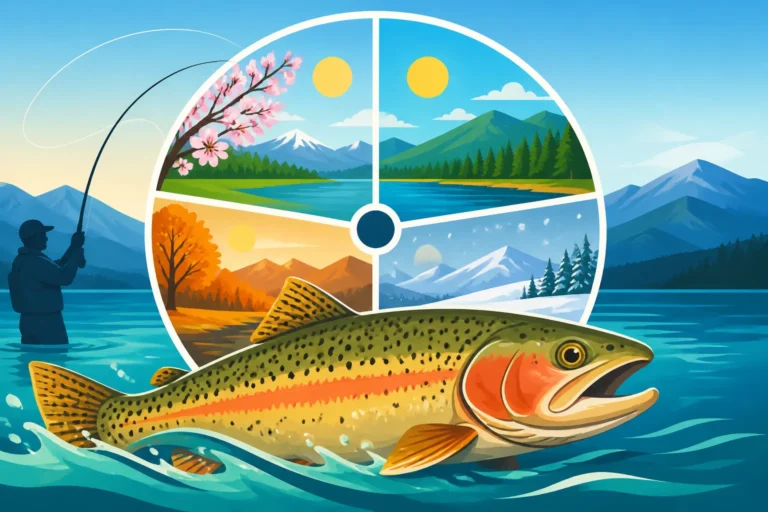
- Seasonal Considerations: The prime season for high mountain lake fishing in Idaho typically runs from late June through September, sometimes into early October depending on snowpack and elevation. Early season (late June/early July) means melting snow, potentially high water, and chilly nights, but also eager fish after a long winter. Mid-summer (July/August) offers the most stable weather and warmest temperatures, but also more bugs and potentially more people on popular trails. Fall (September/early October) brings crisp air, fewer bugs, vibrant larch colors, and often very active fish as they feed heavily before winter, but be prepared for rapidly changing weather, including early snow. Our guide on the Best Time of Year to Fish in Idaho offers a broader perspective on seasonal fishing.
- Physical Conditioning: High mountain lake trips are physically demanding. You'll be gaining significant elevation, often with a heavy pack, and covering miles over uneven terrain. Start a fitness regimen well in advance: hiking with a weighted pack, cardiovascular exercises, and strength training will all contribute to a more enjoyable and safer trip. Don't underestimate the altitude; if you're coming from sea level, plan to acclimate for a day or two before tackling the highest elevations. Hydration is also key; drink plenty of water before, during, and after your hike. It's often helpful to test out your gear, particularly your boots and pack, on shorter local hikes before committing to a multi-day wilderness adventure.
Navigating the Backcountry
Once you're on the trail, effective navigation is paramount, especially in remote wilderness where trails can be faint or disappear altogether.
- Maps and GPS: Always carry a detailed topographical map and a compass, and know how to use them. While GPS devices and smartphone apps (like Gaia GPS or AllTrails with downloaded offline maps) are incredibly useful, they can fail due to battery drain, damage, or satellite signal loss. Knowing how to read contour lines, identify landmarks, and orient yourself with a compass is a critical skill for wilderness travel.
- Trail Markers and Cairns: In many wilderness areas, trails are minimally marked. Look for subtle cues like blazes on trees, rock cairns (stacks of rocks), or worn pathways. If you lose the trail, retrace your steps to your last known point rather than pushing forward blindly. The Idaho Department of Fish and Game and the Forest Service often have excellent online resources and maps to help you plan your route. Before you head out, checking recent trail reports online can give you invaluable, up-to-date information on conditions, downed trees, snow patches, and water crossings.
Conservation and Responsible Angling in Fragile Ecosystems
The beauty and productivity of Idaho's high mountain lakes are a direct result of their pristine nature. As anglers, we have a profound responsibility to protect these delicate ecosystems for future generations. Our actions in the backcountry directly impact the health of these waters and their fish populations.
Practicing Catch and Release Effectively
While some high mountain lakes may allow for keeping a limited number of fish, many anglers choose to practice catch and release, especially for native species or in areas with lower fish populations.
- Minimize Stress: The goal is to release the fish unharmed so it can survive and reproduce. Handle fish as little as possible. If you need to pick up a fish, wet your hands first to protect its slime coat, which is vital for disease resistance. Avoid touching gills or eyes.
- Quick Release: Use a pair of forceps or pliers to quickly remove the hook. Barbless hooks greatly facilitate this process and reduce tissue damage. If the hook is deeply swallowed, it’s often best to cut the line as close to the hook as possible rather than trying to wrench it out, which can cause fatal internal damage.
- Revive Gently: If a fish is lethargic after a fight, hold it gently in the water, facing upstream, allowing water to flow over its gills until it regains its strength and swims away on its own. Never throw a fish back into the water.
- Consider Keeping a Few: In some high mountain lakes, particularly those with overabundant brook trout, keeping a few for a fresh meal can actually be beneficial for the ecosystem by reducing competition and allowing remaining fish to grow larger. Always check the specific regulations for the lake you are fishing to understand any harvest recommendations. This balanced approach ensures both enjoyment and sustainability.
Respecting Wildlife and Their Habitat
Sharing the wilderness means being a good neighbor to all its inhabitants. Idaho's high country is home to a diverse array of wildlife, including deer, elk, moose, mountain goats, bighorn sheep, and various predators like bears, cougars, and wolves.
- Observe from a Distance: Never approach or feed wildlife. Keep a respectful distance, especially from mothers with young. Use binoculars or a telephoto lens if you want a closer look. Feeding animals, intentionally or unintentionally, can habituate them to humans, leading to dangerous encounters for both people and wildlife.
- Secure Food and Attractants: In bear country, proper food storage is critical. Use bear canisters, hang food from a bear pole or tree (at least 10-12 feet off the ground and 4 feet from the trunk), or use bear-resistant bags. This includes all scented items like toothpaste, deodorant, and even chapstick. Never store food in your tent. Proper food storage protects both you and the bears.
- Mind Your Campsite: Choose established campsites whenever possible. Avoid trampling vegetation, and keep your cooking and sleeping areas separate. Pack out all trash, including food scraps. Even small items can attract wildlife and alter their natural foraging behaviors. Your presence should be as fleeting and unnoticeable as possible.
Common Challenges and How to Overcome Them
Even the most well-planned high mountain lake trip can throw a curveball. Being prepared for common challenges and knowing how to respond can turn potential setbacks into minor inconveniences.
Dealing with Unpredictable Mountain Weather
Mountain weather is famously fickle. A sunny morning can quickly turn into an afternoon thunderstorm, hail, or even snow, even in summer.
- Layer Up, Always: As mentioned earlier, dressing in layers is your best defense. Start with moisture-wicking synthetics or wool, add an insulating fleece or down jacket, and top it with a waterproof and windproof shell. This allows you to adapt to changing temperatures and precipitation. Even if the forecast looks clear, pack rain gear.
- Monitor Forecasts and Cloud Patterns: Check the weather forecast before you leave, but also learn to read the sky. Building cumulus clouds in the morning can be a sign of afternoon thunderstorms. If you see dark, ominous clouds forming, especially in the afternoon, seek shelter or consider heading back to a lower, safer elevation. Lightning is a serious threat in the high country. If a storm rolls in, get off exposed ridges and away from tall trees.
- Emergency Shelter: Always carry an emergency shelter, such as a lightweight tarp or bivvy sack, even for day trips. This can be a lifesaver if you get caught in an unexpected storm or have to spend an unplanned night out.
Battling Bugs and Navigating Tough Terrain
Mosquitoes, flies, and rough trails are often part and parcel of the high mountain experience.
- Insect Repellent and Protection: Mosquitoes and biting flies can be relentless, especially near water and in shaded areas during certain times of the year. Pack a strong insect repellent with DEET or picaridin. Long sleeves and pants, even in warm weather, offer a physical barrier. A head net can be a sanity-saver, especially during peak bug seasons (often July and early August). Consider treating your clothing with permethrin before your trip for added protection.
- Sturdy Footwear and Trekking Poles: Rugged terrain, loose scree, steep ascents, and stream crossings are common. Investing in high-quality, broken-in hiking boots with good ankle support is crucial for preventing injuries. Trekking poles provide stability, reduce strain on your knees, and help with balance, especially on descents or when crossing streams. They are invaluable tools for navigating the challenging landscape.
- Patience and Persistence: Sometimes, the fish just aren't biting, or the trail is harder than expected. High mountain fishing often requires patience. Be persistent, try different techniques, flies, or lures, and enjoy the process. The solitude and beauty alone are often enough of a reward, even if the fish aren't cooperating. This is where researching options like FishingBooker for alternative, less demanding experiences on nearby waters can be helpful for future trips, especially if the high-altitude challenge proves too much this time around.
Overcoming Isolation and Handling Emergencies
The profound solitude of the wilderness is a major draw, but it also means you are largely on your own if something goes wrong.
- Solo vs. Group Travel: While solo trips can be incredibly fulfilling, traveling with a partner or group adds a significant layer of safety. If you do go solo, ensure you are highly experienced, confident in your wilderness skills, and have a detailed itinerary shared with someone reliable.
- First Aid Training: A wilderness first aid course (WFA) or even basic first aid knowledge is invaluable. You need to be able to assess injuries, treat wounds, and stabilize a situation until help can arrive or you can self-evacuate. Your first-aid kit should be comprehensive, including blister treatment, pain relievers, bandages, antiseptic wipes, and any personal medications.
- Emergency Communication Plan: As discussed, a satellite communication device is essential for true emergencies. It allows you to call for help even without cell service. Ensure it's fully charged and you know how to use it. Having a clear emergency plan, including designated meeting points if separated from your group, is crucial. Remember, help can be hours, or even days, away in remote wilderness. So, being self-reliant and prepared to handle extended delays is paramount. If you're looking for guidance for broader Idaho fishing adventures, checking out resources like FishingBooker for potential guided trips or educational content on wilderness safety can be a good starting point. While they might not directly offer high-alpine guides for all regions, the general safety advice is applicable.
Conclusion
Embarking on a fishing adventure to Idaho's high mountain lakes is more than just a trip; it's an immersive experience that blends the thrill of the catch with the profound beauty and challenge of the wilderness. These pristine waters, cradled by towering peaks and ancient forests, offer a chance to disconnect, recharge, and connect with nature on a deep level. From the jagged Sawtooths to the vast Frank Church-River of No Return Wilderness, each region presents its own unique allure and rewarding fishing opportunities. Remember to prioritize preparation, respect the fragile ecosystems you visit, and embrace the unexpected. The wild, vibrant trout waiting in these alpine gems, combined with the unparalleled solitude and breathtaking scenery, will undoubtedly create memories that last a lifetime. So, pack your bags, lace up your boots, and set your sights on Idaho's majestic high country.
Disclaimer
Please note that fishing regulations, wilderness permit requirements, and trail conditions can change. Always consult the latest Idaho Fish and Game regulations and local Forest Service resources before planning your trip. Safety in the backcountry is your responsibility; be prepared, inform others of your plans, and exercise caution.