How Often Idaho Fishing Rules Change
It can feel like a full-time job just keeping up with all the twists and turns of fishing regulations, can't it? One year you’re dialed into a specific lake's limits, and the next, everything seems to have shifted. This constant evolution is a reality for anglers in the Gem State, and understanding how often Idaho fishing rules change – and more importantly, why – is key to a successful and legal day on the water. This guide is here to shed some light on the subject, breaking down the often-confusing landscape of Idaho's fishing regulations.
Understanding Idaho's Dynamic Fishing Regulations
If you've been casting lines in Idaho for any length of time, you've probably experienced the mild whiplash of a rule change. It’s a common frustration, and you’re certainly not alone in feeling like it can be a moving target. The truth is, Idaho's fishing rules aren't static; they're a living, breathing document that adapts to the needs of the fish populations, the environment, and the angling public. While the overarching framework might remain consistent, the specifics can and do shift, sometimes annually, and sometimes even within a season. It’s all part of the complex dance of managing a world-class fishery.
The constant evolution isn't arbitrary, though it might feel that way when you're trying to remember if you can keep two or six trout from your favorite stream this year. Every change, big or small, stems from a commitment to conservation and providing sustainable fishing opportunities for everyone. From protecting fragile native populations like the Westslope Cutthroat Trout in northern rivers to ensuring healthy returns of iconic species like steelhead and Chinook salmon on the Clearwater and Salmon Rivers, the Idaho Department of Fish and Game (IDFG) is always at work.
The Idaho Fish and Game Commission's Role
At the heart of Idaho's fisheries management is the Idaho Fish and Game Commission. This group of seven volunteer citizens, appointed by the Governor, represents different regions of the state, bringing local perspectives to the table. Their job is monumental: to set policies and approve regulations that guide the IDFG's work. They hold public meetings throughout the year, gathering input, reviewing scientific data, and making tough decisions that balance angler opportunity with the long-term health of Idaho's fish.
Think about the sheer variety of Idaho's waters – from the massive Lake Pend Oreille with its trophy rainbow trout to the technical spring creeks like Silver Creek, or the vast network of rivers like the Snake and Salmon. Each of these unique ecosystems has its own challenges and needs, and the Commission, advised by IDFG biologists, tries to craft rules that address these specific circumstances. For instance, a change in bag limits for kokanee salmon on Lake Coeur d'Alene might be driven by population surveys, while restrictions on gear in a specific stretch of the Henry's Fork could be aimed at protecting spawning trout during a critical period. It’s a very localized and hands-on approach.
Annual Proclamations vs. Emergency Rules
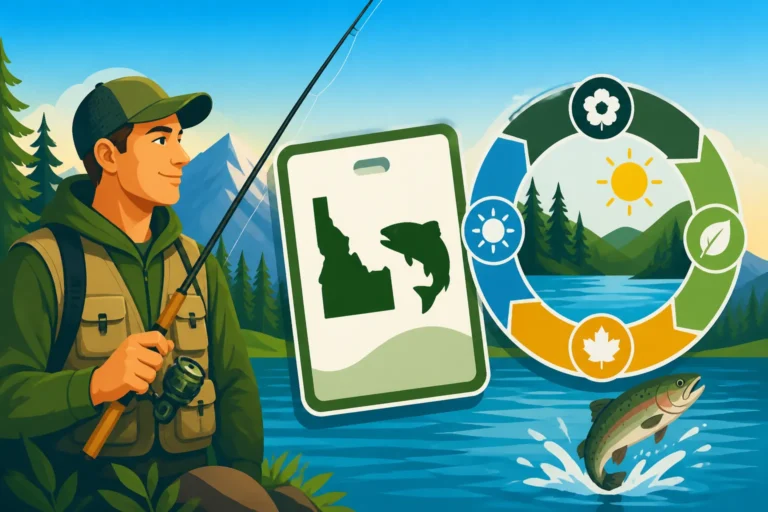
The primary way most anglers encounter rule changes is through the annual fishing proclamation. This comprehensive booklet, which many folks just call "the regs book," is published each spring, typically around March or April, and outlines all the statewide general fishing rules, as well as specific regulations for individual waters. It covers everything from Idaho Fishing Season Dates and Limits to Idaho Catch Limits and Bag Limits Explained and even details on Idaho Statewide General Fishing Rules. These rules are generally in effect from January 1st through December 31st of the following year, giving anglers a full season to plan.
However, sometimes nature throws a curveball, or fish populations behave in unexpected ways. This is where emergency rule changes come into play. These are immediate adjustments to regulations made outside the annual proclamation cycle. They might be triggered by critically low water levels due to drought, a sudden disease outbreak in a hatchery, or an unforeseen change in migratory fish returns, like a lower-than-expected run of Chinook salmon. For example, if the Steelhead run on the Clearwater River isn't materializing as projected, IDFG might issue an emergency rule to reduce daily limits or even close a section of the river to fishing to protect the remaining fish. These emergency changes are often announced through press releases, social media, and email alerts, which is why it's so vital to stay connected with IDFG resources.
What Triggers Changes in Idaho Fishing Rules?
It’s easy to feel like the rules are shifting just to make our lives more complicated, but in reality, every change is a response to specific conditions or scientific findings. Understanding these triggers can help demystify the process and even help you anticipate potential changes in the future, giving you a bit of an edge in planning your fishing adventures. The dynamic nature of fish populations and their habitats means that what worked last year might not be the best approach this year.
For instance, the incredible efforts to restore salmon and steelhead runs in Idaho mean that these populations are under constant scrutiny. Biologists are diligently monitoring numbers, and even small fluctuations can lead to adjustments in seasons or bag limits. It's a testament to the dedication to these iconic fish.
Conservation and Fisheries Management Needs
The most common and critical driver behind rule changes is conservation and fisheries management. IDFG biologists are constantly in the field, collecting data on fish populations, habitat health, and angler effort. They conduct annual fish counts, sample water quality, track spawning success, and monitor disease. If their data reveals that a particular species is struggling in a certain waterbody – perhaps due to overfishing, habitat degradation, or environmental factors – the Commission will often implement more restrictive regulations to help that population recover.
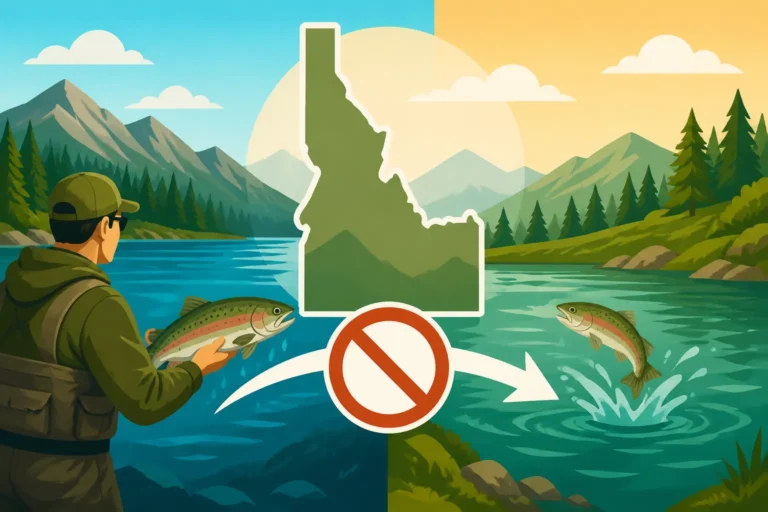
Conversely, if a fish population is thriving, IDFG might relax certain rules to provide more angling opportunities. For example, some reservoirs might see increased stocking of rainbow trout, leading to more generous bag limits to encourage harvest and maintain a healthy balance. These decisions are rooted in science, aiming to ensure that Idaho’s fisheries remain vibrant for generations to come. This is especially true for managing species like the white sturgeon on the Snake River, which is strictly catch-and-release, reflecting their protected status and slow growth rates.
Public Input and Angler Feedback
While scientific data forms the backbone of regulatory decisions, public input plays a significant role. Idaho Fish and Game actively solicits feedback from anglers, hunters, and other stakeholders. Before finalizing the annual fishing proclamation, they often hold public meetings across the state, gather comments online, and distribute surveys. This allows anglers to voice their concerns, suggest changes, or provide insights from their own experiences on the water.
Imagine you're an avid angler on the Boise River, and you've noticed a decline in a particular species over the last few seasons. You can attend a public meeting or submit a written comment detailing your observations. This local, on-the-ground knowledge can be incredibly valuable to IDFG, helping them identify trends or issues that might not be immediately apparent from scientific surveys alone. It's a democratic process designed to ensure that the regulations not only protect the resource but also reflect the desires and experiences of those who cherish Idaho's outdoors. Your voice truly matters in shaping Idaho Fishing Regulations Explained.
Environmental Factors and Unexpected Events
Mother Nature, as we all know, can be unpredictable. Environmental factors and unforeseen events often necessitate rapid changes to fishing rules. Droughts, for instance, can lead to dangerously low water levels and high water temperatures in rivers and streams, stressing fish and making them more vulnerable. In such cases, IDFG might implement emergency closures or hoot owl restrictions (fishing only allowed during cooler morning hours) to protect fish from unnecessary stress. Wildfires can also impact water quality and fish habitat, requiring temporary closures to allow for recovery.
Unexpected events like disease outbreaks are another trigger. If a highly contagious fish disease is detected in a specific body of water, emergency rules might be put in place to restrict fishing, boat access, or the transportation of fish to prevent its spread. On the flip side, exceptionally strong returns of anadromous fish like steelhead or Chinook salmon might lead to expanded seasons or increased bag limits, allowing anglers to take advantage of the abundance. These situations highlight why flexibility in regulations is not just convenient but absolutely essential for responsible fisheries management.
Staying Up-to-Date with Idaho's Fishing Regulations
Given how often rules can change, the biggest challenge for anglers is often simply knowing the most current regulations before heading out. It’s not just about avoiding a ticket; it's about being a responsible steward of Idaho's natural resources. Fortunately, IDFG provides several excellent resources to keep you informed. It's truly easier than ever to get the latest information, even when you're on the go.
Don't let the thought of changing rules deter you from enjoying Idaho's incredible fishing. With a little proactive effort, you can stay informed and focused on what really matters: enjoying your time on the water.
Essential Resources for Anglers
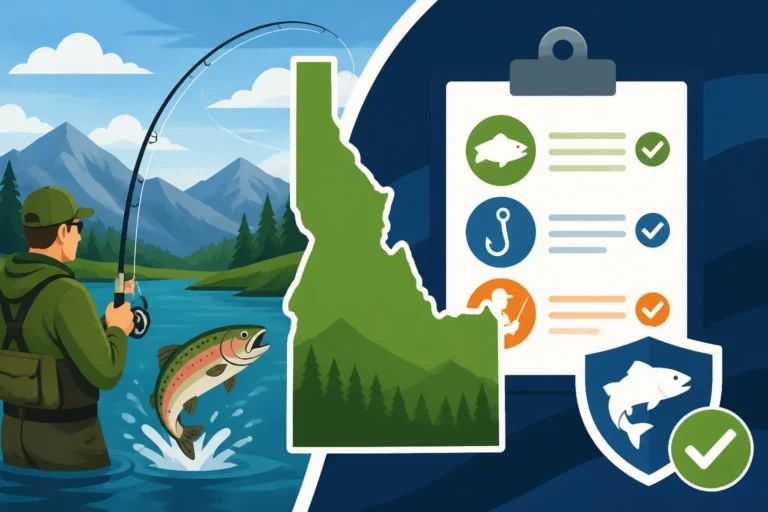
The most authoritative source for Idaho fishing regulations is the Idaho Department of Fish and Game (IDFG) itself. Their website is a treasure trove of information. You can always find the most current fishing proclamation there, usually available as a downloadable PDF. Beyond the full proclamation, they often post news releases specifically highlighting new or changed regulations, especially emergency rules. These are usually easy to find in their "News" or "Fisheries" sections.
Many local sporting goods stores, like Sportsman's Warehouse or Cabela's, also carry physical copies of the annual "Idaho Fishing Regulation Brochure and Proclamation" as soon as it's released, which is a great place to pick up your new copy when you're grabbing some bait or lures. Even places like Ace Hardware or local gas stations in smaller towns often have them. It's also a smart move to sign up for IDFG's email and text alert systems. These services will send direct notifications about emergency closures, season changes, and other critical updates right to your phone or inbox. This can be a lifesaver when rules change mid-season, especially for species like steelhead or salmon where seasons can be fluid. For those looking for supplemental information or perhaps even a local guide book to accompany the official regulations, check out options on Amazon.
Reading and Interpreting the Regulation Booklet
Let's be honest, those regulation booklets can look intimidating with all their tiny print and legal jargon. But don't despair! Breaking them down makes them much more manageable. Start by understanding the "Statewide General Rules" section, as these apply almost everywhere unless otherwise noted. Then, and this is crucial, move to the "Regional Regulations" and "Special Regulation Waters" sections. Always remember: specific regulations for a particular waterbody always override the general statewide rules.
So, if the statewide limit for trout is six, but the section for the South Fork of the Snake River says "two trout, only one over 16 inches," you follow the South Fork rule. Pay close attention to dates, daily bag limits, possession limits, and any gear restrictions (e.g., barbless hooks only, no bait). These details can vary wildly from one lake or river to another, and even between different sections of the same river. It's why anglers often consult the specific rules for Idaho Special Regulation Waters before heading out. It also helps to familiarize yourself with terms like Idaho Fishing License Age Requirements and Idaho Resident Fishing License Guide before you even think about fishing.
The Importance of a Catch Record Card
For specific species, particularly steelhead and salmon, Idaho requires anglers to possess a Catch Record Card in addition to their regular fishing license. This card is not just a formality; it's a vital tool for fisheries managers. When you catch and keep a salmon or steelhead, you're required to validate and punch your card immediately. This data provides real-time information to IDFG about angler harvest, helping them make informed decisions about seasons and limits, sometimes even triggering those emergency rule changes we talked about earlier.
Accurately filling out and returning your Idaho Catch Record Card Requirements at the end of the season, or when your card is full, helps ensure the accuracy of these crucial population assessments. It's one of the simplest, yet most impactful, ways you, as an angler, can contribute directly to the management and conservation of these incredible fish populations. Without this data, IDFG would have a much harder time understanding the true impact of fishing pressure.
Idaho Fishing Rules: Common Change Triggers and Frequency
To summarize, here's a quick overview of why and how often Idaho's fishing rules tend to change.
| Reason for Change | How Often it Occurs | Impact on Anglers | Key IDFG Action |
|---|---|---|---|
| Conservation Needs | Annually / As needed (ongoing) | Adjustments to bag limits, seasons, or gear restrictions. | Fish surveys, population assessments, habitat monitoring. |
| Public Input | Annually (prior to proclamation) | Refinements to rules based on angler experience/suggestions. | Public meetings, online surveys, comment periods. |
| Environmental Factors | Seasonally / As needed (urgent) | Emergency closures, hoot owl restrictions, area limitations. | Water level monitoring, temperature checks, habitat surveys. |
| Fish Population Dynamics | Annually / Mid-season (adaptive) | Adjustments to salmon/steelhead limits, stocking changes. | Fish counts, creel surveys, harvest reports. |
| Policy Updates | Infrequently (multi-year cycles) | Broader changes to management goals or statewide approaches. | Commission votes, legislative review. |
Ultimately, staying informed means a more enjoyable and responsible fishing experience. So, before your next trip to the river or lake, take a few minutes to check the latest regulations. Your efforts contribute to the longevity of Idaho's amazing fisheries for everyone to enjoy. If you're planning a big adventure, like a Idaho Steelhead Fishing Guide trip, always check with your guide for the very latest regulations, as they are often the most up-to-date.
Disclaimer
The information provided in this guide is for general informational purposes only and does not constitute legal advice. Fishing regulations are subject to change, and while we strive for accuracy, it is ultimately the angler's responsibility to consult the most current Idaho Fish and Game regulations before engaging in any fishing activities. Always refer to the official Idaho Department of Fish and Game website or their printed regulation booklet for the most up-to-date and complete information.