Is Ice Fishing Safe on Payette Lake in January?
The idea of ice fishing on a beautiful, vast lake like Payette in the dead of winter can be incredibly appealing, but let's be honest, that thought often comes with a chilling whisper of concern: Is the ice really safe in January? It’s a completely valid question, and one every responsible angler should ask, especially when dealing with a large, complex body of water like Payette Lake. This guide will dive deep into the factors that determine ice safety on Payette Lake in January, providing you with the knowledge and practical steps to make informed decisions and enjoy your winter fishing adventure responsibly.
Understanding Ice Safety Basics: The Hard Truth About Thickness
When it comes to ice fishing, the most fundamental rule is about ice thickness. It's the primary indicator of whether the ice can support your weight, your gear, and potentially other people. However, it’s not as simple as a single number across an entire lake. Ice is dynamic, always changing, and its strength can vary wildly even within a few feet.
The Minimum Ice Thickness Guidelines
There are generally accepted guidelines for minimum ice thickness for various activities. These aren't just arbitrary numbers; they're based on extensive safety data and cold, hard physics. Ignoring them is a recipe for disaster, and unfortunately, every winter, we hear stories of tragic accidents that could have been prevented. It’s important to remember these are minimums for clear, solid ice. Slushy ice, ice with air pockets, or ice that has thawed and refrozen (often called "rotten ice") is significantly weaker.
Here's a general table outlining common recommendations:
| Activity | Minimum Clear, Solid Ice Thickness | Notes |
|---|---|---|
| Single person (walking/fishing) | 4 inches | Always check as you go. |
| Small group (walking/fishing) | 4-6 inches | Spread out, don't huddle. |
| Snowmobile or ATV | 5-7 inches | Carry safety gear, know your route, avoid pressure ridges. |
| Small car/light truck | 8-12 inches | High risk, not recommended unless absolutely necessary and verified by local experts. |
| Medium truck | 12-15 inches | Extreme risk, rarely safe. |
Factors Affecting Ice Strength and Formation
Several factors beyond just air temperature play a huge role in how safe Payette Lake's ice truly is. It's never just one thing; it's a combination. For instance, a week of sub-zero temperatures might seem perfect, but if there was heavy snow right before, that snow acts as insulation, slowing ice growth.
- Water Currents and Inlets/Outlets: Payette Lake, like many large bodies of water, has areas with currents, especially near its inlets (like the Payette River's North Fork) and its outlet. These currents can severely inhibit ice formation or erode existing ice from underneath, creating dangerously thin spots that are completely invisible from above. Areas around bridges, culverts, or even submerged obstacles can also have unpredictable currents.
- Springs and Seeps: Hidden springs on the lake bed, which might be warmer, can create pockets of thinner ice. You won't see these from the surface, which is why local knowledge or a good fish finder that also maps contours can be invaluable.
- Snow Cover: As mentioned, a blanket of snow on top of the ice insulates it from cold air, slowing further freezing. It also makes it impossible to visually assess the ice thickness and quality. Heavy snow can also weigh down the ice, causing slush layers to form between the snow and the main ice sheet, which can lead to overflow and treacherous conditions.
- Fluctuating Temperatures: Idaho winters, while typically cold, can have periods of warmer weather, even in January. A few days above freezing, followed by a refreeze, can weaken the ice structure, making it "rotten" or honeycomb-like. This ice might look thick but has lost its structural integrity.
- Pressure Ridges and Cracks: As the massive sheet of ice expands and contracts with temperature changes, it can create pressure ridges where sections buckle and overlap. These areas are inherently unstable and dangerous. Major cracks can also be present, indicating stress on the ice.
Specifics for Payette Lake in January: What to Expect
Payette Lake, located near McCall, Idaho, is a large and deep glacial lake. Its sheer size (over 5,000 acres and depths exceeding 300 feet in some areas) means that ice formation is rarely uniform across the entire body of water. What's safe in a shallow cove might be deadly in the middle of the main lake.
Typical January Conditions in McCall
January is generally the coldest month in McCall, making it prime ice fishing season for many Idaho waters. Average high temperatures often hover in the low 20s Fahrenheit (-6 to -4°C), with lows frequently dipping into the single digits or even below zero. These consistently cold temperatures are ideal for building strong, clear ice. However, "average" doesn't mean "constant." Weather fronts can bring brief warm spells or heavy snowfall, drastically altering ice conditions.
Historically, Payette Lake can develop significant ice cover by mid-January, especially in its shallower bays and closer to shore. However, the expansive, deeper central sections of the lake often take longer to fully freeze over and can remain treacherous for longer, or never fully solidify to a safe thickness for vehicle traffic. It’s imperative not to assume the entire lake is safe just because a popular spot is.
Areas That Freeze First and Last on Payette Lake
Knowing which parts of Payette Lake freeze up first can guide your early-season (and safest) ice fishing adventures.
- Early Freeze Zones: Generally, the shallower coves and protected bays around the lake tend to freeze first. Think areas like the south end near the town of McCall, or sheltered pockets along the eastern and western shores. These areas have less exposure to wind, shallower depths that cool faster, and fewer strong currents. Local anglers often start in these spots, but even here, constant vigilance is required. The closer you are to the shore, the more likely you are to find adequate ice, but don't assume.
- Late Freeze Zones: The vast, deep central basin of Payette Lake, and areas near its main inlets and outlets, are typically the last to freeze and often the most unpredictable. The sheer volume of water in the deeper sections holds heat longer, and currents can constantly disrupt ice formation. These are the areas where you're most likely to encounter thinner ice, open water, or highly unstable conditions, even after prolonged cold snaps. Exercise extreme caution in these zones, or better yet, avoid them entirely until extremely late in the season, if at all.
Essential Gear and Preparedness for Payette Lake Ice Fishing
Being prepared for ice fishing on Payette Lake in January goes far beyond just having your fishing tackle ready. It’s about having the right safety gear and a mindset geared towards self-reliance and caution.
Crucial Safety Gear
You wouldn't go hiking in the backcountry without proper navigation and emergency supplies, and ice fishing is no different. The right gear can literally be the difference between a close call and a catastrophic event.
- Ice Picks: These are small, handheld spikes connected by a cord that hangs around your neck. If you break through the ice, you can use them to get a grip on the ice edge and pull yourself out. They are simple, inexpensive, and an absolute non-negotiable piece of safety gear. You can find many reliable options for ice picks on Amazon.
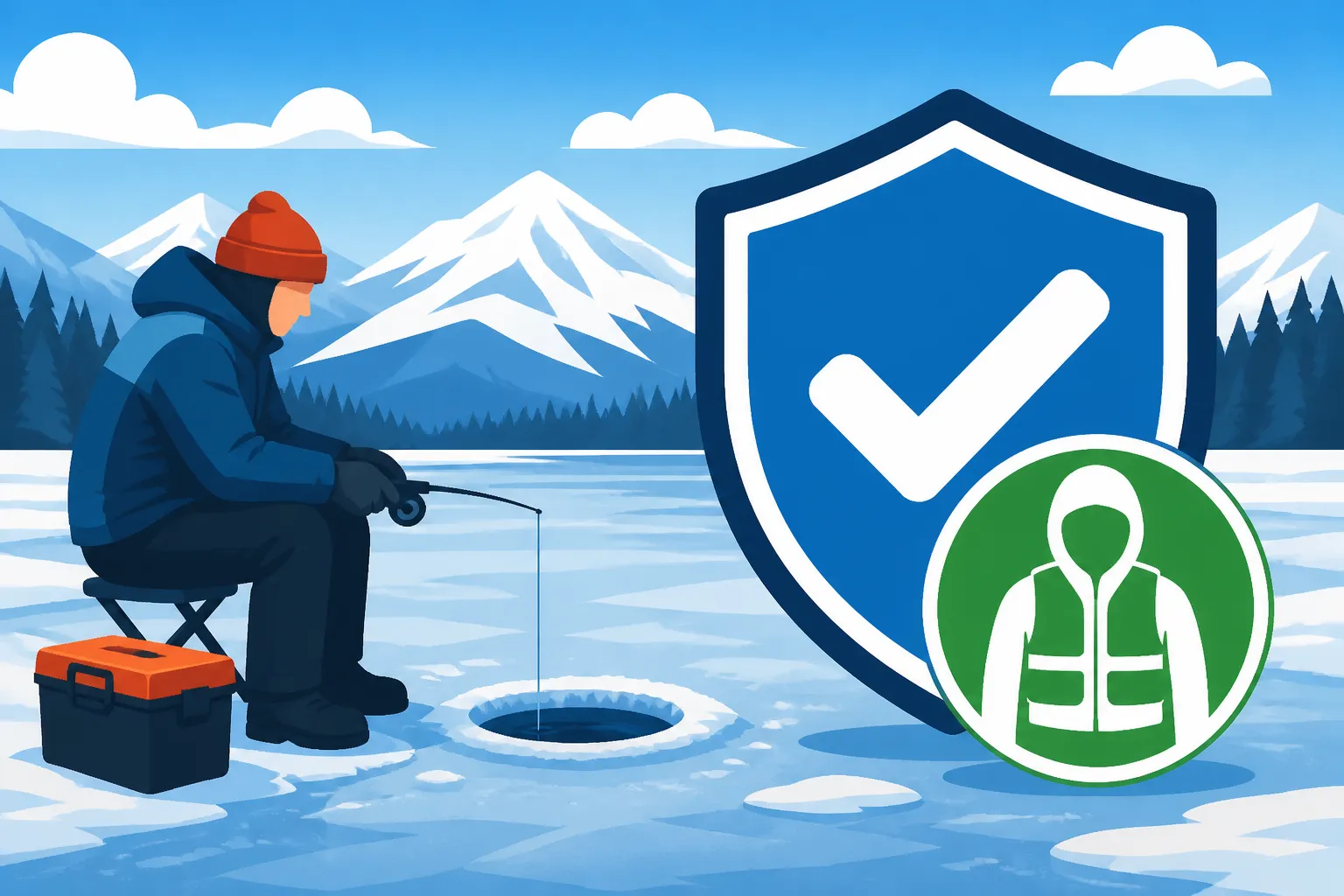
- Flotation Suit or PFD (Personal Flotation Device): An ice fishing flotation suit is designed specifically for cold water immersion. It provides buoyancy to keep you afloat and insulation to slow hypothermia. If a full suit isn't in your budget, always wear a life jacket or PFD over your winter clothing. Remember, once wet, heavy winter clothes can drag you down.
- Spud Bar or Ice Chisel: This heavy steel bar with a chisel point is essential for testing ice thickness as you walk. You strike the ice in front of you; if it goes through easily on one strike, turn back. It's your first line of defense against thin ice.
- Rope Bag with Throw Rope: A floating rope, ideally 50-75 feet long, stored in a throw bag, is vital for rescuing others (or being rescued). Learn how to use it before you're in an emergency.
- First-Aid Kit and Emergency Shelter: A comprehensive first-aid kit, a heat source (like a portable propane heater in a well-ventilated shelter), and a basic emergency shelter (like a pop-up ice shanty) are crucial for dealing with injuries or exposure to the elements.
- Navigation and Communication: A fully charged cell phone (stored in a waterproof bag), a GPS device, or a compass and map are essential, especially on large lakes where whiteouts can occur. A whistle can also be helpful for signaling.
- Headlamp/Flashlight: Days are short in January. Always have a reliable light source, even if you plan to be off the ice before dark.
- Warm, Layered Clothing: Dress in layers with moisture-wicking base layers, insulating mid-layers, and a waterproof/windproof outer shell. Bring extra gloves, hats, and socks. Hypothermia is a serious risk.
Equipment for Assessing Ice Conditions
You can't just guess about ice safety; you need to actively check.
- Ice Augers: A good ice auger is not just for fishing; it's your primary tool for consistently checking ice thickness. Drill test holes frequently as you venture onto the ice, especially in new areas. Don't rely on holes drilled by others, as conditions can change rapidly. You can browse various types of ice augers, from manual to electric, on Amazon.
- Fish Finder (with GPS & Mapping): While primarily for finding fish, many modern fish finders, like those from Humminbird or Garmin, include GPS and mapping capabilities. These can help you identify deeper areas, drop-offs, and even potentially warmer springs if they create distinct thermal differences. Knowing the lake's contours can also hint at where currents might be stronger.
Navigating Risks and Staying Smart on the Ice
Ice fishing is incredibly rewarding, offering a peaceful solitude rarely found in other angling pursuits. But it demands respect for the environment and an unwavering commitment to safety.
Best Practices for Ice Fishing Safely
Beyond the gear, adopting safe habits is paramount. It’s about making smart choices before you even step onto the ice, and continuously throughout your trip.
- Never Go Alone: Always fish with a buddy. If an accident occurs, having someone there to help, or to go for help, is critical.
- Check Conditions Regularly: Before heading out, check local ice conditions reports. Contact the Idaho Fish and Game office in McCall, local bait and tackle shops like McCall Sports & Tackle, or even local guiding services. These sources often have the most up-to-date and accurate information.
- Test as You Go: Use your spud bar to test the ice in front of you. Drill holes with your auger every 20-30 feet, especially if you're venturing into unfamiliar territory. The mantra is: When in doubt, don't go out.
- Avoid Suspicious Areas: Stay away from obvious cracks, pressure ridges, areas of slush, and dark spots (which can indicate thin ice). If the ice color changes significantly, be cautious. Clear or blue ice is generally the strongest, while white or opaque ice contains air and is weaker. Gray or black ice is usually a sign of extremely thin or melting ice.
- Spread Out: If fishing in a group, don't huddle together. Distribute your weight across the ice, especially if you’re fishing in an area where the ice is only at the minimum safe thickness.
- Tell Someone Your Plans: Inform a friend or family member of your exact fishing location and your expected return time. This is critical for search and rescue efforts if you don't return as planned.
- Have a Plan for Falling Through: Discuss with your fishing partners what to do if someone falls in. Practice using your ice picks and throw rope. Knowing the plan beforehand reduces panic in a real emergency.
What to Do If You or Someone Else Breaks Through
Even with all precautions, accidents can happen. Knowing how to react in the critical moments after someone falls through the ice can save a life.
- Remain Calm and Call for Help: If you fall in, resist the urge to panic. Yell for help immediately. Turn towards the direction you came from, as that ice was strong enough to hold you previously.
- Use Ice Picks: Drive your ice picks into the solid ice, one hand at a time, and kick your feet vigorously to propel yourself up and out of the water. Roll away from the hole to distribute your weight on thicker ice.
- Remove Wet Clothes and Get Warm: Once out, remove wet clothing as quickly as possible and get into dry layers. Seek immediate shelter and warmth to prevent hypothermia. A spare set of warm, dry clothes kept in a waterproof bag is a smart idea.
- Rescuing Others: If a companion falls through, do not rush directly to the hole. Stay low, spread your weight, and extend a rescue device (like a throw rope, a long branch, or even an ice auger) to the victim. Once they grab on, pull them slowly and steadily out of the water. Again, a PFD on you is crucial.
Ice fishing on Payette Lake in January can be an incredibly rewarding experience, offering serene winter landscapes and the thrill of catching fish like Idaho Lake Trout (Mackinaw) Fishing or even Idaho Yellow Perch Fishing through the ice. However, its safety is never guaranteed. It requires constant vigilance, proper gear, and a deep respect for the unpredictable nature of ice. By understanding the dynamics of ice formation, paying attention to local conditions, and always prioritizing safety, you can enjoy the beauty and bounty of Payette Lake's winter fishery. For more detailed information on specific techniques, you might also find our guide on How to Ice Fish Idaho Lakes helpful, or learn about Best Ice Fishing Gear for Cold-Weather Lakes. Always remember that while you might be eager for Ice Fishing on Payette Lake, understanding How Thick Ice Needs to Be Before You Ice Fish is paramount to a successful and safe trip. Always consult official Idaho Fishing Regulations Explained for any specific rules pertaining to ice fishing or particular waters.
Disclaimer
The information provided in this guide is for general informational and educational purposes only and is not a substitute for professional advice or on-site assessment. Ice conditions can change rapidly and unpredictably. Always exercise extreme caution, assess conditions yourself, and consult local authorities and experts before venturing onto any frozen body of water. Fishing and outdoor activities carry inherent risks, and personal safety is the responsibility of each individual.