How to Fish Idaho Rivers During Spring Runoff
Ah, spring in Idaho! It's a beautiful time, isn't it? The snow melts, the trees bud, and our beloved rivers swell with fresh runoff. But for many anglers, that swelling means one thing: frustratingly high, murky water that makes fishing feel impossible. You stand on the bank, watching that chocolate milk flow, wondering if you should just pack it in until summer. Trust me, I’ve been there. But here’s the good news: you absolutely can catch fish in Idaho rivers during spring runoff. It just requires a shift in strategy, a bit of patience, and a willingness to adapt. This guide is all about giving you those tools so you can turn a challenging season into a successful one.
Understanding Idaho's Spring Runoff Phenomenon
Before we can even think about casting a line, it's crucial to understand what's actually happening in the water during runoff. It's more than just "high water"; there are complex changes that impact fish behavior and your chances of success.
What Causes Runoff and When It Happens
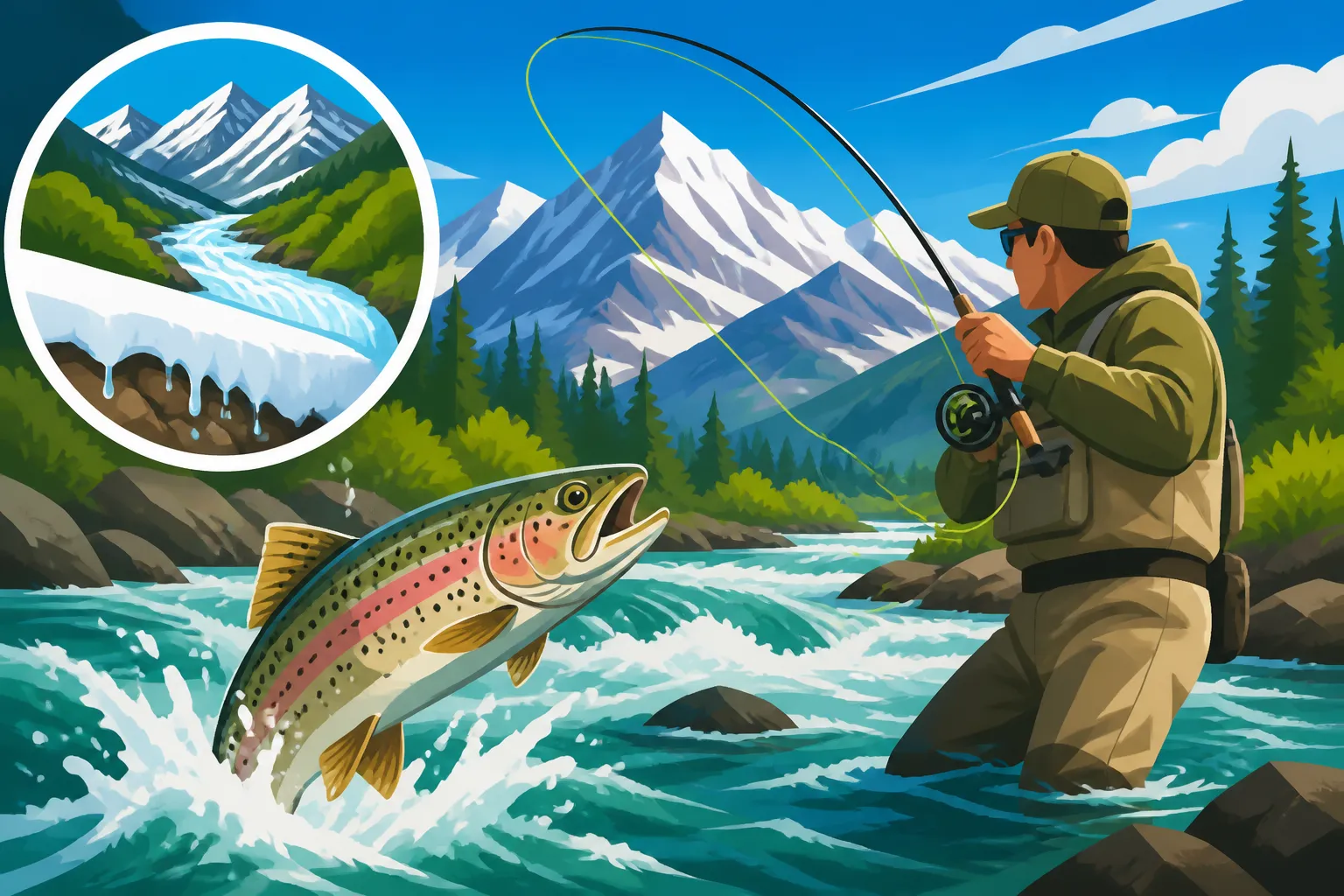
Idaho's spring runoff is primarily driven by melting snowpack from our incredible mountain ranges. As temperatures warm in April, May, and sometimes even into early June, that stored winter moisture starts its journey down the mountainsides, feeding countless tributaries and eventually our major river systems. The timing and intensity of runoff are highly dependent on several factors: the amount of snow accumulated over winter, how quickly spring temperatures rise, and the elevation of the snowmelt. For instance, lower elevation rivers might see an earlier, shorter spike, while high mountain rivers like those feeding the Middle Fork of the Salmon River can stay swollen and cold well into June or even July. Rivers like the South Fork of the Snake River, fed by the Yellowstone ecosystem, often have prolonged, significant runoff events. You can keep an eye on river flow rates from resources like the USGS to anticipate when and where the worst of it will hit.
It’s not just a gradual increase either. Often, a sudden warm spell or a few days of heavy rain can trigger a rapid surge, turning a fishable river into a raging torrent overnight. This variability is what makes spring fishing both challenging and, in a strange way, exciting. You're constantly playing detective, trying to predict the river's mood.
How Runoff Impacts River Conditions
When those rivers swell, several critical changes occur that directly affect the fish and, by extension, your fishing strategy. First and foremost, the water level and flow increase dramatically. This means faster currents, which fish avoid by seeking out slower, less strenuous holding lies. Think of it like walking against a strong wind all day – you'd quickly get exhausted. Fish feel the same way.
Secondly, the water often becomes incredibly turbid, carrying sediment, debris, and sometimes even entire trees downstream. This "chocolate milk" color significantly reduces visibility for both fish and anglers. While it might seem like a disadvantage, it also provides cover for fish, making them less wary of predators – and your line. This also means your lures and bait need to be more visible or provide a stronger scent signature.
Finally, and often overlooked, is water temperature. Melted snow is cold, sometimes very cold. This can drop the overall river temperature, which can slow down the metabolism of cold-blooded fish like trout, making them less active and less willing to chase food aggressively. However, warming trends can actually bring fish into more active feeding periods, especially if the water isn't too clouded or fast. Understanding how water temperature affects Idaho trout fishing is a game-changer.
Essential Gear and Tackle for Runoff Fishing
Fishing during runoff isn't the time for your lightest fly rod or delicate presentations. This is when you need to bring out the heavy hitters and ensure your gear can withstand the power of a raging river.
Rods, Reels, and Line Choices
When you're facing high, fast, and often dirty water, you'll want to beef up your setup. For spin fishing, consider a medium-heavy to heavy action rod, around 7 to 8 feet in length. This extra power helps you cast heavier weights and fight strong fish in current. Pair it with a sturdy spinning reel capable of holding at least 150-200 yards of 10-15 lb test monofilament or fluorocarbon line. Braided line, with its lack of stretch and thin diameter, can be incredibly effective for feeling subtle bites in fast water and cutting through the current better. However, a fluorocarbon leader is essential for stealth. You can find excellent options for all these components on Amazon, often bundled for convenience.
Fly anglers, too, need to adjust. Your delicate 3 or 4-weight trout rod will likely sit this one out. Opt for a 6, 7, or even 8-weight fly rod. This extra backbone allows you to cast heavy nymph rigs, large streamers, and manage significant amounts of sinking line. A stout reel with a reliable drag system and plenty of backing is non-negotiable. Floating lines are still useful for certain techniques, but a sink-tip or even a full sinking line will be invaluable for getting your flies down to where the fish are holding close to the bottom. For more general advice, check out an Idaho Fishing Gear Guide by Season, but specifically for runoff, think robust.
Selecting the Right Lures and Bait
With reduced visibility, your offerings need to make a statement. Scent and vibration become paramount. For bait fishermen, traditional options like worms (nightcrawlers) are always reliable, but consider adding scent enhancers. PowerBait or similar dough baits, often used for stocked trout, can also work well, especially if drifted into slower pockets. Cut bait, particularly for larger species like sturgeon on the Snake River, is another potent option.
For spin fishing, think larger, brighter, and more vibration-heavy lures.
- Spinners: Classic in-line spinners like Mepps or Blue Fox in sizes #3 to #5 with brightly colored blades (chartreuse, orange, hot pink) create flash and vibration.
- Spoons: Larger casting spoons, again in bright colors or with hammered finishes, flutter enticingly as they sink or are retrieved.
- Plugs/Crankbaits: Diving crankbaits that can get down to depth and offer a strong wobbling action are fantastic for imitating baitfish. Look for models in bright or contrasting colors. Some anglers even add scent to these for an extra edge.
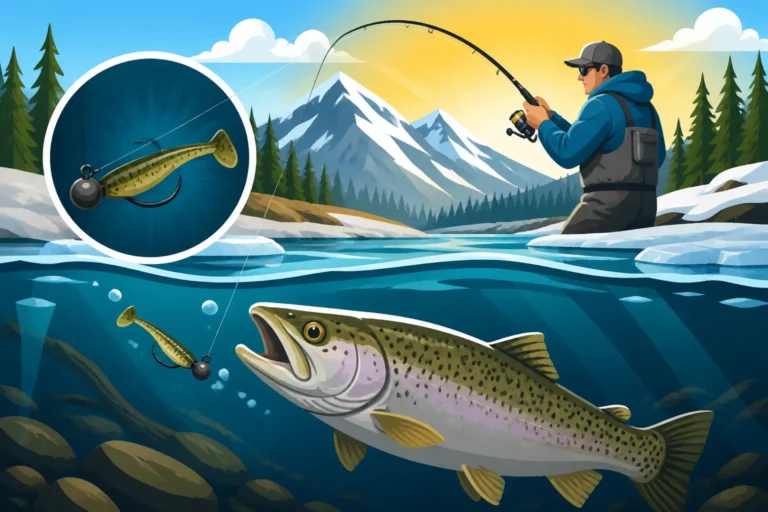
- Soft Plastics: Heavily scented soft plastics, rigged on a jig head and drifted along the bottom, can be deadly. Think Gulp! worms or similar products that release a strong scent trail.
Fly anglers will also need to upsize their game. Forget tiny dry flies. This is the realm of heavy nymphs and large streamers.
- Nymphs: Stonefly imitations (Pat's Rubber Legs, San Juan Worms, Prince Nymphs) in larger sizes (#6-10) are excellent. Consider adding split shot or using tungsten-beaded flies to get them down quickly.
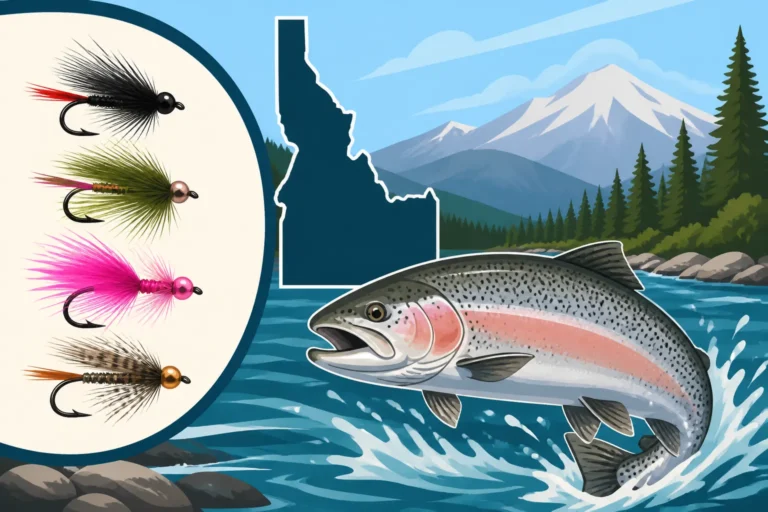
- Streamers: Woolly Buggers, Sculpzillas, and articulated streamers in black, olive, white, or even bright pink/orange can imitate disoriented baitfish or leeches struggling in the current. Bigger patterns create more commotion and are easier for fish to see in murky water.
- Egg Patterns: Particularly effective for targeting steelhead or salmon, or trout feeding on their eggs, brightly colored egg patterns can be a go-to.
Safety Gear and Wading Considerations
This is where realism comes in. Runoff can be incredibly dangerous. Fast, cold water combined with slippery, unstable riverbeds is a recipe for disaster if you’re not careful. Safety should be your absolute top priority.
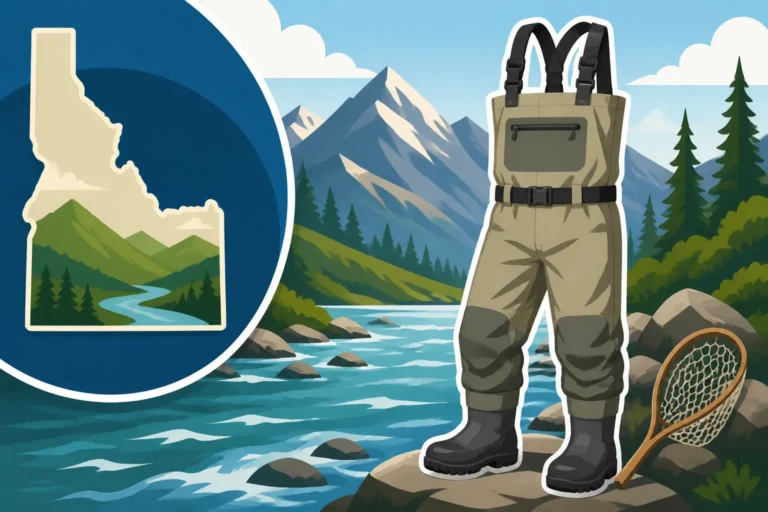
- Wading Staff: This is non-negotiable for wading in strong currents. It provides a third point of contact and helps you feel the bottom, preventing falls. I wouldn't step into a fast-flowing river without one.
- Wading Belt: Always wear your wading belt tightened. If you fall and your waders fill with water, a wading belt can prevent them from filling completely, giving you a chance to recover.
- Cleated Wading Boots: Felt soles are often outlawed in Idaho, and for good reason—they can spread invasive species. Rubber soles with good traction, especially those with carbide studs or cleats, are essential for navigating slippery rocks. Many reputable brands offer excellent cleated boots, easily found on Amazon.
- PFD (Personal Flotation Device): If you're wading in deep or particularly strong currents, especially if you're alone or unfamiliar with the water, wearing a lightweight, inflatable PFD is a smart choice. Accidents can happen in an instant.
- Buddy System: Whenever possible, fish with a buddy. If something goes wrong, they can help, or at least call for help.
When wading, adopt the "shuffle" method – never pick up both feet at once. Test each step before committing your weight. Avoid crossing strong currents that are above your knees. Seriously, no fish is worth risking your life.
Strategic Techniques for Challenging Runoff Waters
Since the river itself changes so much during runoff, your approach to fishing it needs a complete overhaul. Forget everything you know about low-water tactics; this is a different game entirely. This is where understanding Idaho Fishing Techniques Guide really comes into play.
Targeting Prime Holding Lies
Fish, like us, are lazy when they can be. They won't fight the main current all day if they don't have to. During runoff, they seek refuge in "softer" water, areas where they can expend minimal energy while still having access to food.
- Eddies and Backcurrents: These are prime spots. Look for areas where the main current creates a swirling pocket of slower water behind a large rock, a log jam, or a bend in the river. Fish will stack up in the seam where the fast water meets the slow, waiting for food to be swept in.
- Current Seams: Where two currents of different speeds meet, you'll find a current seam. These are conveyor belts for food, and fish will position themselves just out of the strongest current, darting into the faster flow to grab a meal.
- Slack Water Behind Obstructions: Large boulders, downed trees, and bridge pilings create calm pockets directly downstream. Fish will hide here, shielded from the relentless push of the main flow.
- Confluence Points: Where a smaller, clearer tributary enters a larger, muddy river, you often find a noticeable line where the two waters mix. Fish will hold in the clearer, slower water, ambushing anything washed out of the main channel.
- Shallow Inside Bends: While the outside bend of a river often has the deepest, fastest water, the inside bend can be shallower and slower. This provides a refuge, especially for smaller fish.
- Bank-side Cover: Overhanging vegetation, undercut banks, and submerged roots offer excellent cover and protection from the current. Fish will often hug these areas tightly.
When you're trying to figure out Reading Water on Idaho's Rivers during runoff, your goal is always to find these calmer, protected zones.
Effective Presentation Methods
Getting your bait or lure into these holding lies and keeping it there long enough for a fish to see it is the next challenge.
- Bottom Bouncing/Heavy Nymphing: This is arguably the most effective technique for both spin and fly anglers. The goal is to get your weight and offering directly on the bottom or just above it, where fish are hunkering down. For spin anglers, use heavy sinkers (pencil weights, slinkies) attached a foot or two above your bait/lure. Cast slightly upstream and let your offering bounce and tumble naturally downstream. For fly anglers, think multi-nymph rigs with heavy tungsten beads, often combined with split shot and a strike indicator. The idea is to dead-drift your flies right along the riverbed. This technique is especially good for Idaho Fishing Techniques for Muddy Spring Water.
- Swinging Streamers/Spinners: When fish are aggressive, or when you’re targeting species like steelhead or salmon, swinging a large streamer or spinner across current can be deadly. Cast across and slightly downstream, allowing the current to sweep your offering in an arc. As it swings, it presents a broad profile to waiting fish. Retrieve slowly, adding twitches to simulate a wounded baitfish.
- Scent-Enhanced Drifts: Given the low visibility, scent becomes a huge attractant. Whether you're using real bait (worms, roe) or artificial lures, consider adding a strong scent attractant. Commercial scents are available from brands like Pro-Cure or Mike's, often found at your local sporting goods store or on Amazon. Apply generously to your lures, soft plastics, or even directly to your bait.
- Controlled Slack Line: With fast currents, managing your line is crucial. Too much slack and you won't feel a bite; too little and your bait will drag unnaturally. Try to keep just enough slack to allow a natural drift, but maintain enough tension to detect strikes. This often means moving with your line as it drifts downstream, or "mending" your fly line to control its path.
Reading the Water for Fishable Seams and Pockets
This is a skill that takes practice, but it's essential for success during runoff. Instead of looking for jumping fish (which you likely won't see), you're looking for subtle cues in the current.
- Color Changes: As mentioned, tributary confluences create distinct color lines. Fish will often hold on the cleaner side, looking into the murkier water for food.
- Current Breaks: Look for boils, swirls, or calmer sections on the surface of the water. These indicate underwater structure like large rocks, logs, or depth changes that create current breaks.
- Debris Lines: Foamy lines or floating debris that collects along the banks or behind obstructions indicates areas of slower current. Fish will often be holding just beneath or within these lines, as they also trap food.
- Depth Changes: While hard to see in muddy water, sharp drop-offs or shelves often create excellent holding water. If you know the river well, you can target these areas. If not, use heavy indicator rigs or bottom-bouncing techniques to explore the depth.
- Entry and Exit Points of Runs: Even in fast water, there are often slightly slower "head-of-the-run" and "tail-out" sections where fish can rest before moving into or out of faster water.
Remember, fish are still there, they're just tucked away, conserving energy. Your job is to find those refuges and present your offering directly to them.
Specific River Strategies During Runoff
Idaho is blessed with countless rivers, and each one reacts a bit differently to spring runoff. Knowing some common strategies for specific rivers can give you a significant edge.
Fishing the South Fork of the Snake River During Runoff
The South Fork of the Snake River is a legendary fishery, especially for cutthroat trout, but its runoff can be intense. Fed by high-elevation snowmelt, it often peaks in late May or early June. When the river is high and off-color, the key is to fish the banks and slower side channels relentlessly. This is not the time for mid-river drifts. The fish will be pushed tight to the banks, seeking refuge from the main current. Look for large eddies, undercut banks, and any significant structure that creates a current break.
Heavy nymph rigs with large stonefly patterns like Pat's Rubber Legs or similarly weighted patterns, often with an attractor nymph like a San Juan Worm, are standard fare for fly anglers. Spinners and spoons worked slowly along the banks can also be effective. Focus on getting your offering deep, right where the fish are holding. This is also a good time to consider drifting larger streamers. While the main river might be a torrent, some of its smaller braids and side channels might clear up quicker or offer more manageable flows. Keep an eye on the smaller feeder creeks too; sometimes, they'll be fishable when the main stem is not.
Strategies for the Clearwater and Salmon Rivers
These rivers are legendary for their anadromous runs, particularly steelhead and Chinook salmon. While prime steelhead season often extends into early spring, heavy runoff can certainly complicate things, especially for spring Chinook. When the Clearwater River or the Salmon River are experiencing significant runoff, fishing becomes an exercise in targeting specific, accessible holding water.
For steelhead and Chinook, they are still migrating, but will hold in areas of reduced current. This means focusing on the "soft" water near the banks, behind large points of land, or in deep pools with slower current. Anglers often use powerful setups and heavy lead to get their offerings down. Back-trolling plugs or drift fishing with heavily weighted bait (like roe bags or worms) are popular choices for boat anglers. From the bank, try casting heavy spinners or spoons into eddies and allowing them to swing through the slower water. The turbidity actually provides a degree of cover, so don't be afraid to use brighter, more visible baits or lures. You might also find these species holding in the mouths of clearer tributaries as they await better main stem conditions. Remember to check Idaho Steelhead Bag Limits and specific regulations for these rivers, as they can have unique rules, especially for different seasons or hatchery vs. wild fish.
Navigating Smaller Freestone Streams
Smaller freestone streams that aren't fed by massive snowpacks can sometimes clear up quicker than large rivers. However, they can also be overwhelmed quickly by local runoff or spring rains. During the initial surge, these streams might be unfishable. But once the peak passes and the water begins to drop and clear, they can offer excellent fishing.
The key here is patience and timing. When the water starts to drop, focus on the deeper pools, plunge pools below waterfalls, and any larger rocks or logs that provide significant current breaks. Fish will often be very active as the water recedes and becomes more hospitable. Smaller spinners, nymphs, and even dry-dropper rigs can become effective once the clarity improves. If the water is still a bit off-color, a San Juan Worm or a flashy attractor nymph can still produce. Always exercise caution, as smaller streams can have unpredictable flows and slippery banks.
When to Consider Alternative Waters (Lakes and Reservoirs)
Sometimes, no matter how much you want to fish a river, the runoff makes it unsafe or simply unproductive. When rivers are raging torrents of chocolate milk, it's smart to have a backup plan. Luckily, Idaho has an incredible abundance of lakes and reservoirs that often offer fantastic fishing during spring runoff.
Reservoir Fishing as a Runoff Alternative
Many of Idaho's reservoirs are fed by rivers, but their large size and slower currents mean they often clear up faster or aren't as affected by turbidity as the rivers themselves. They also tend to warm up quicker. This makes them prime alternatives.
- Lake Coeur d'Alene: Famous for its kokanee and Chinook salmon, this lake can be fantastic in spring. Trolling for Kokanee on Lake Coeur d'Alene can be very productive as the fish start to move into shallower water before spawning. Early spring can also be good for cutthroat trout, which will be cruising the shallower bays.
- Cascade Reservoir: Known for its yellow perch and tiger muskie, Cascade can offer exciting action when rivers are blown out. Perch fishing can be excellent right after ice-out and into spring, often in shallower areas. Tiger muskie also become more active as water temperatures rise.
- Lucky Peak Reservoir near Boise: This is a great local option. While the main inflow from the Boise River might be silty, the vastness of the reservoir often provides clearer water. Bass, perch, and trout can be targeted.
- C.J. Strike Reservoir: A very popular spot for bass, crappie, and even sturgeon. Its diverse fishery means there's almost always something biting, even when river conditions are tough.
For these larger bodies of water, boat access can be key, allowing you to get away from the immediate inflow and find cleaner, more productive water. Shore fishing can still be good, especially in protected bays or near rocky points.
High Mountain Lakes: When They Become Accessible and Their Advantages
While many high mountain lakes might still be frozen or snowed in during the peak of river runoff, some lower-elevation ones, especially those with good road access, can become viable options later in the spring. As the snow melts around their edges and the ice begins to recede, these lakes can offer incredible fishing for hungry trout.
The advantage of high mountain lakes is their pristine, clear water. There's no major runoff to contend with once the ice is off. Fish in these lakes are often aggressive after a long winter under the ice. You can target them with simple techniques: casting small spinners or spoons, or fly fishing with nymphs and small streamers along the ice edges or drop-offs. Always check road conditions and ice-out reports before heading to these higher-elevation gems. Once they are open, they represent some of the Best High Mountain Lakes in Idaho for Fishing.
Ultimately, whether you stick to the rivers or seek out alternative waters, spring fishing in Idaho is all about adaptability. The fish are there; you just have to know where to find them and how to entice them in challenging conditions. Don't let the high water intimidate you!
Disclaimer
Fishing regulations in Idaho can change frequently. Always consult the latest Idaho Fishing Regulation Brochure and Proclamation from the Idaho Department of Fish and Game before heading out. This guide provides general advice and should not replace official regulations. Stay safe, and enjoy your time on Idaho's beautiful waters.