How to Fish from a Kayak on a Reservoir
There's nothing quite like the freedom of fishing from a kayak, but for many anglers, the idea of tackling a vast Idaho reservoir from such a small craft can feel daunting. You might be wondering about stability in choppy water, how to manage your gear, or even how to effectively fish for different species without a roaring motor. This guide is here to demystify kayak fishing on Idaho's beautiful reservoirs, equipping you with the knowledge to safely and successfully navigate these waters and experience fishing in a whole new, intimate way.
The Unique Appeal of Kayak Fishing Idaho's Reservoirs
Kayak fishing isn't just a trend; it's a movement driven by a desire for peace, accessibility, and a deeper connection to the water. In Idaho, with our countless stunning reservoirs, a kayak can truly open up new horizons that traditional boaters or shore anglers might miss. It’s an incredibly rewarding way to experience the state's diverse fisheries.
Unlocking Hidden Waters and Stealthy Approaches
One of the biggest frustrations for anglers with larger boats is accessing those tantalizing, hard-to-reach spots. Idaho's reservoirs, whether it's the sprawling Fishing Lucky Peak Reservoir Near Boise or the more remote waters of Deadwood Reservoir, are often riddled with countless coves, shallow flats, submerged timber, and rocky shorelines that are simply inaccessible to bigger craft. This is where your kayak becomes an invaluable tool. You can quietly paddle into these secluded nooks and crannies, getting right into where the fish are hiding, undisturbed by prop wash or engine noise.
The stealth factor of a kayak is a huge game-changer. Fish, especially wary trout or bass in clear reservoir waters, are incredibly sensitive to vibrations and shadows. A kayak glides through the water almost silently, its low profile casting minimal shadow. This allows you to approach your target species with far less disturbance than a motorboat. Imagine slipping along a weed line on Fishing Lake Lowell Near Nampa, casting precisely to structure without spooking a single fish – that's the kayak advantage in action. It transforms the angling experience into a more natural, almost hunting-like endeavor, and can lead to some incredible catches that might otherwise elude you.
The Joy of Simplicity and Connection to Nature
Beyond the tactical advantages, there’s a pure, unadulterated joy in the simplicity of kayak fishing. There are fewer moving parts to worry about, no fuel costs (unless you add a trolling motor!), and a much more direct, visceral connection to the water and the surrounding landscape. On a still morning, paddling across the glassy surface of a reservoir as the sun rises, you'll hear the sounds of nature—the call of an osprey, the splash of a rising fish—that are often drowned out by boat engines. It’s a profound sense of peace and immersion that’s hard to replicate.
While it's true that paddling can be a workout, especially against a headwind, that physical effort only adds to the sense of accomplishment when you finally hook into a big fish. It fosters a different kind of appreciation for the environment and the challenge of the sport. You learn to read the water more intimately, to anticipate wind shifts, and to rely on your own strength and skill. It makes every successful cast, every landed fish, feel even more earned. For many, this deeper connection to the outdoors is precisely why they choose to fish from a kayak, embracing a minimalist approach that brings maximum reward.
Essential Kayak and Gear Setup for Reservoir Success
Before you even think about casting a line, getting your kayak and accompanying gear sorted is crucial for a safe and effective fishing trip on Idaho’s reservoirs. The right setup can make all the difference between a frustrating paddle and a fantastic fishing adventure.
Choosing Your Vessel: Stability, Propulsion, and Storage
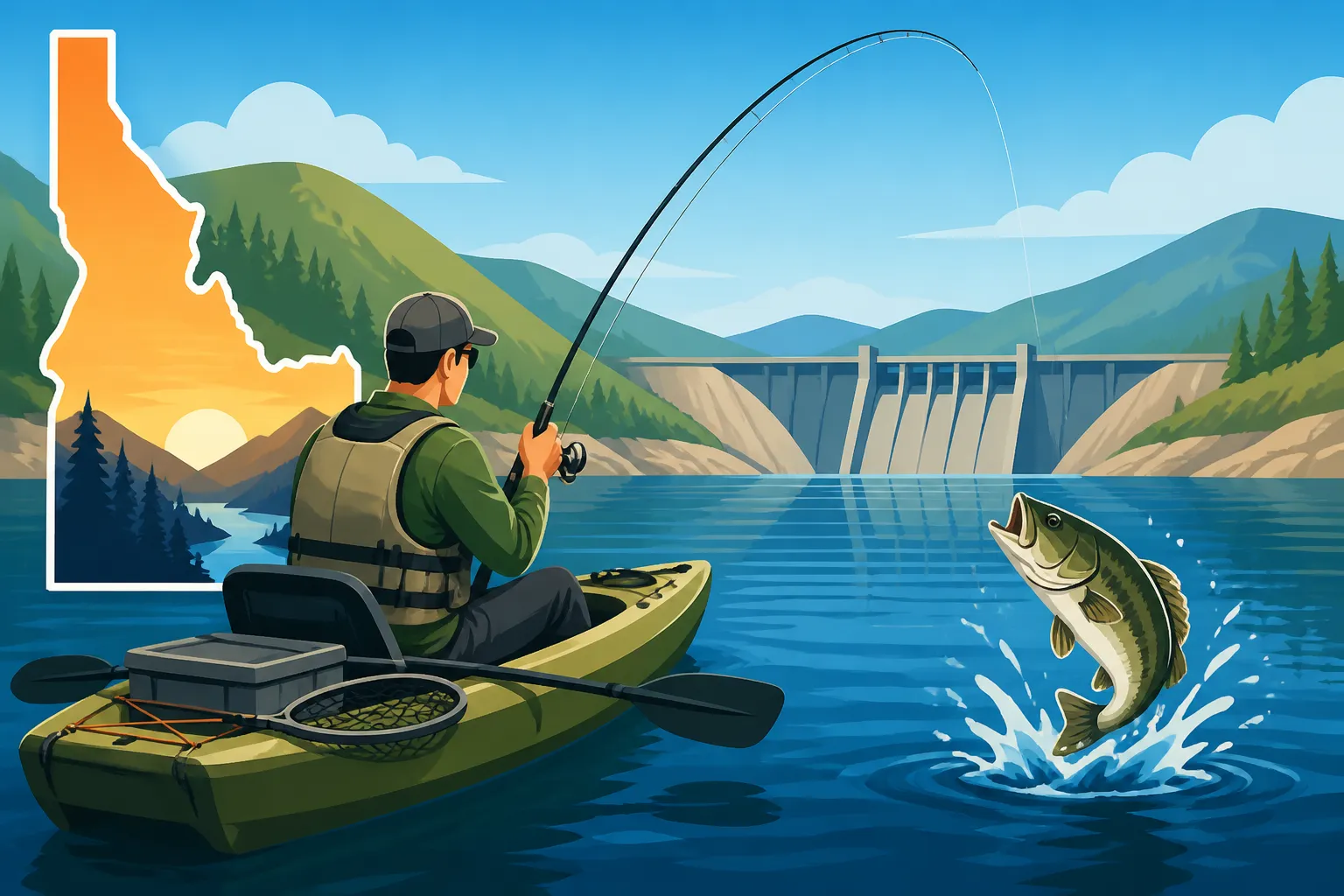
When it comes to picking a kayak for reservoir fishing, stability is often the number one concern, and for good reason. Idaho’s reservoirs can get choppy, especially when the wind picks up, and you need to feel secure while casting, reeling, and re-rigging. Fishing kayaks are generally wider than recreational kayaks, offering a more stable platform. While a wider kayak might be a bit slower to paddle, that extra stability can be invaluable for standing to sight fish or simply reducing fatigue from constantly balancing.
Next, consider propulsion: paddle versus pedal-driven kayaks. Paddle kayaks are traditional, often lighter, and can be more budget-friendly. They require constant paddle strokes to move, which means you'll sometimes be juggling a paddle and a rod. Pedal-driven kayaks, on the other hand, allow for hands-free propulsion, using your legs to move fins or a prop. This is a huge advantage for trolling, fighting a fish, or simply holding position against the wind while you cast. For covering larger distances on reservoirs like Lake Pend Oreille or American Falls Reservoir, a pedal drive can save a lot of energy. Most fishing kayaks also feature integrated rod holders, gear tracks for mounting accessories, and various hatches and bungees for securing your tackle and catch. You can find a huge variety of purpose-built fishing kayaks and accessories on platforms like Amazon, allowing you to compare features and read reviews before committing to your perfect vessel.
Safety First: Mandatory and Recommended Equipment
Safety should always be paramount, especially on expansive and sometimes unforgiving reservoir waters. A Coast Guard-approved Personal Flotation Device (PFD) is not just recommended, it's mandatory in many places, and should be worn at all times while on the water. Make sure it's comfortable enough to wear for hours of fishing. Additionally, a whistle is a simple but effective signaling device that should be attached to your PFD.
An anchor system is absolutely crucial for kayak fishing on reservoirs. Without one, the slightest breeze will push you off your desired fishing spot, turning precision casting into a constant battle against the elements. A small grapple anchor or a drag chain with enough rope is usually sufficient. Remember to deploy and retrieve your anchor carefully to maintain balance. For navigation and communication, always have a fully charged cell phone in a waterproof case, and ideally, a handheld GPS or a physical map of the reservoir. An emergency kit with basic first aid supplies, a spare paddle, and a bailing sponge for any unexpected water in the hull are also wise additions. Being prepared means you can focus on fishing, not worrying.
Optimized Fishing Tackle for Kayak Anglers
Kayak fishing demands a slightly different approach to tackle management. Space is at a premium, and everything needs to be secure. Shorter rods, typically 6 to 7 feet, are much easier to manage in the confined space of a kayak cockpit, reducing the risk of snagging on your paddle or other gear. Keep your rod tips low when paddling to avoid entanglement with overhead branches or other lines.
For tackle storage, think compact and organized. Waterproof tackle boxes that fit neatly into hatches or behind your seat are ideal. Many kayak anglers utilize a crate system, often placed in the stern, which can hold multiple rod holders, a tackle box, and other essentials. This keeps everything within easy reach but securely contained. Always use leashes or lanyards to attach valuable items like rods, pliers, and even your paddle to your kayak; losing a rod to a sudden flip or a missed grab is a heartbreaking experience. When it comes to electronics, a small, kayak-specific fish finder can be a game-changer, helping you locate structure, depth changes, and schools of baitfish. These compact units are invaluable for understanding the underwater topography of a reservoir. You can find some great portable options on Amazon that are perfectly suited for kayak mounting, making your trips much more productive.
Strategic Kayak Fishing Techniques for Idaho Reservoirs
Once you've got your gear dialed in, it's time to talk strategy. Kayak fishing isn't just about getting to the fish; it's about how you move, how you present your bait, and how you adapt to the conditions unique to reservoir environments. Mastering these techniques will elevate your success on Idaho’s waters.
Mastering Movement and Stealth Positioning
Paddling efficiently and quietly is fundamental to kayak fishing. Your strokes should be smooth and controlled, creating minimal splash or disturbance. If you’re constantly thrashing the water, you’ll likely alert any nearby fish to your presence. When approaching a promising spot, slow down and let your momentum carry you, making a final, gentle stroke or two to position yourself perfectly.
Drift fishing can be incredibly effective on larger Idaho reservoirs. This involves using the natural current or wind to slowly move across a large area, allowing you to present your bait or lure to a wider range of potential holding spots. To control your drift speed, a drift sock or a small drag anchor deployed off the side or stern can be invaluable. This prevents you from blowing too quickly past productive water. For more precise fishing, especially when targeting specific structure like a submerged rock pile or a brush heap, a small anchor is key. Deploy it gently to avoid startling fish, and you can hold your position exactly where you want to cast, ensuring repeated, accurate presentations.
Top Techniques for Idaho Reservoir Species
The beauty of Idaho's reservoirs is their diverse fisheries. From bass to trout to panfish, a kayak allows you to target a wide array of species. Understanding the best techniques for each will fill your cooler (or your catch-and-release photo album!).
- Bass (Smallmouth & Largemouth): Kayaks truly shine when chasing bass. You can get right up against those shallow, brushy shorelines, flooded timber, and rocky points where bass love to ambush prey. For smallmouth bass, especially in rivers or reservoirs like Fishing C.J. Strike Reservoir for Bass and Crappie or the Snake River sections, focus on jigs, soft plastics rigged weedless, and small crankbaits. Cast to visible structure or work drop-offs. For largemouth, in lakes like Fishing Lake Lowell Near Nampa or other weedier impoundments, target lily pads, submerged vegetation, and docks with frogs, worms, or spinnerbaits. Your low profile in the kayak allows for incredibly accurate, quiet casts that are hard to achieve from a larger boat. Check out our Idaho Bass Fishing Guide for more species-specific tips.
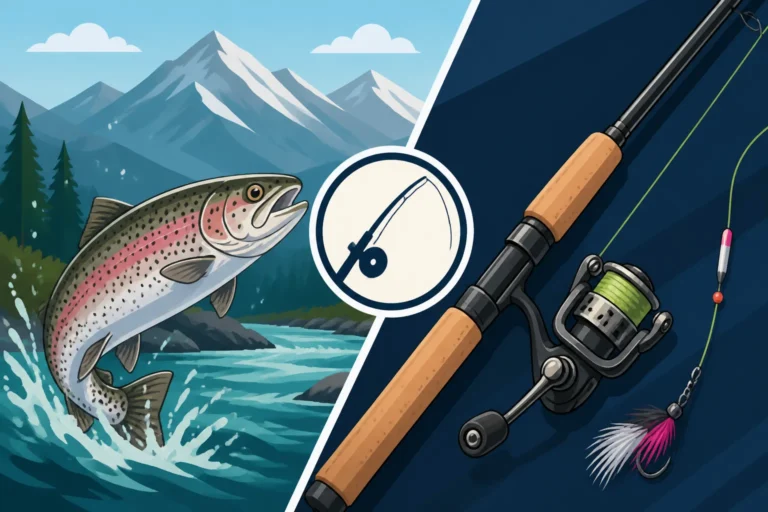
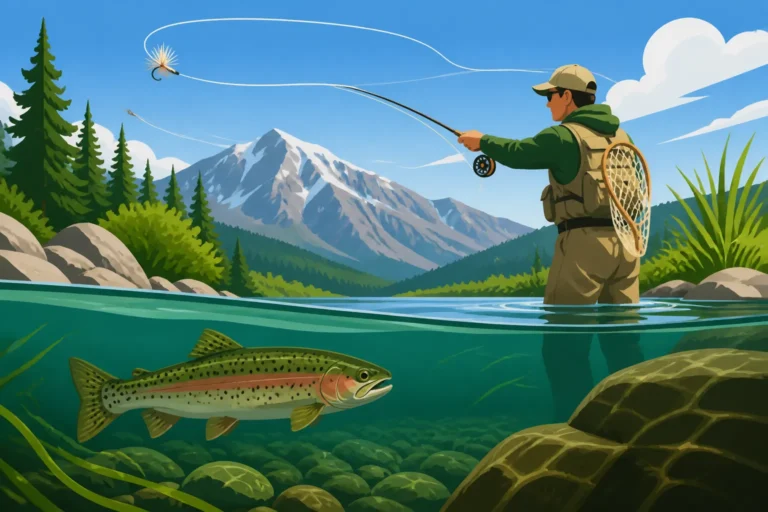
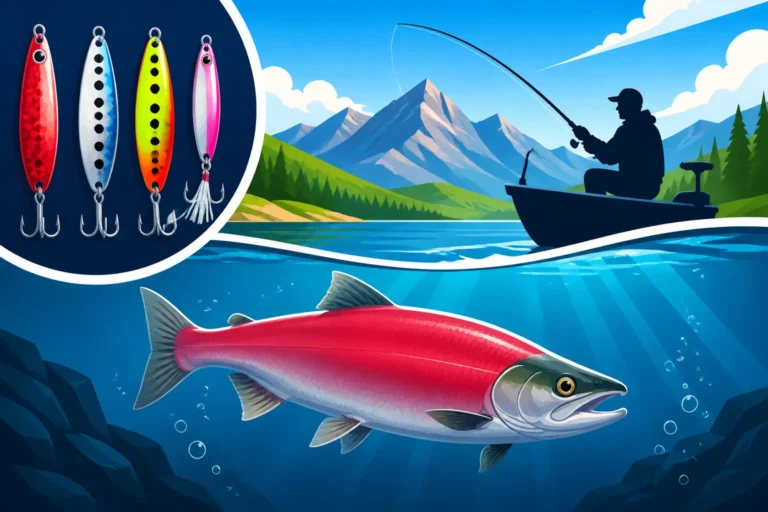
- Trout (Rainbow, Cutthroat): While larger boats often troll for trout in deep reservoir basins, kayak anglers can find success by targeting trout closer to shore, especially during cooler mornings or evenings. Cast small spoons, spinners, or even fly-fish to rising fish near inlets, outlets, or areas with submerged springs. If you have a small, electric trolling motor on your kayak, slow trolling with small Rapalas or wedding rings can be productive. Always remember to consult Idaho Trout Limits by Water for your specific fishing location, as regulations can vary.
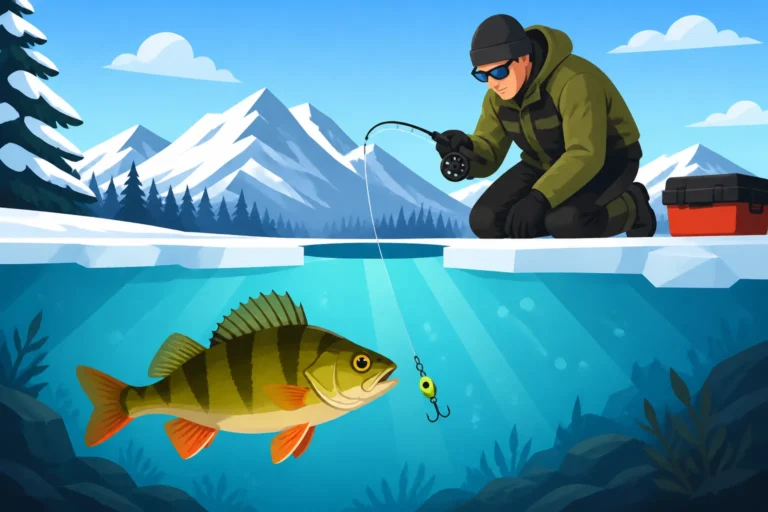
- Panfish (Perch, Crappie): For a relaxed and often highly productive day, panfish like yellow perch and crappie are fantastic kayak targets. These species often school up around brush piles, submerged trees, or dock structures. Vertical jigging with small jigs tipped with bait or tiny soft plastics directly below your kayak is incredibly effective. Kayaks allow you to position yourself directly over these fish schools without spooking them. You can learn more about finding these tasty fish in our guides on Idaho Yellow Perch Fishing and Idaho Crappie Fishing.
Consider using compact, kayak-friendly rod holders that keep your extra rods secure and out of the way, many of which are available on Amazon. This keeps your cockpit clear for casting and managing your catch.
Dealing with Wind and Changing Conditions
Wind is arguably the biggest nemesis of kayak anglers on open reservoirs. What might start as a gentle breeze can quickly whip up into whitecaps, making paddling difficult and fishing nearly impossible. The best strategy is often to fish sheltered coves and bays on windy days. If you're on open water and the wind picks up, consider deploying your drift anchor or a small drag chain to slow your movement and maintain some control. Paddling into the wind at the beginning of your trip allows you to drift back with less effort later.
Always keep a close eye on the weather forecast and be prepared for sudden changes. Reservoirs, particularly those in mountain valleys, can experience unpredictable microclimates, and thunderstorms can roll in surprisingly fast. Having a rain jacket, extra layers, and a plan to get off the water quickly is essential. Never push your luck in deteriorating conditions; your safety is always more important than catching another fish.
Planning Your Next Kayak Reservoir Adventure
A successful kayak fishing trip to an Idaho reservoir starts long before you even launch. Good planning will ensure you pick the right spot, have the necessary information, and execute a safe and enjoyable outing.
Researching and Preparing Your Target Water
Before heading out, thoroughly research the specific Idaho reservoir you plan to fish. Start by checking the latest Idaho Fishing Regulations Explained, as rules can change seasonally and vary by water body. This includes bag limits, species-specific rules, and any special restrictions. Identify public access points, boat ramps, or designated kayak launches. Pay attention to parking availability and any fees. Some reservoirs might have steep banks or limited access, making kayak launching more challenging.
Utilize online maps (like satellite imagery) or physical topographic maps to identify potential fishing hot spots. Look for changes in depth (drop-offs, ledges), submerged humps, creek channels, rock piles, or areas with visible vegetation. Learning How to Use a Fish Finder on an Idaho Reservoir will greatly enhance your ability to scout these underwater features once you're on the water. Also, check for local fishing reports or fish stocking reports, which can give you an idea of what species are active and where.
Loading, Transport, and Launch Site Etiquette
Transporting your kayak safely is a key part of the planning process. If you’re fishing solo, consider a kayak cart to help you get your boat from your vehicle to the water. Learning proper lifting techniques will save your back. Many car roof rack systems are available specifically for kayaks, making transport straightforward. Always ensure your kayak is securely strapped down to prevent accidents on the highway.
At the launch site, be mindful of other users. If you're using a boat ramp, launch quickly and move your vehicle and trailer out of the way so others can use the ramp. If you're launching from a beach or shore, choose a spot with a gentle slope and clear of obstructions that could damage your kayak. Avoid dragging your kayak over sharp rocks or pavement. A quick check of your gear one last time before launching, ensuring everything is secure and accessible, can prevent a frustrating start to your day.
When and Where to Go: Idaho Reservoir Hotspots for Kayaks
Idaho is blessed with an abundance of reservoirs, many of which offer fantastic kayak fishing opportunities. Choosing the right one often depends on your target species and desired experience.
- For Trout and Bass: Fishing Lucky Peak Reservoir Near Boise is an excellent choice for its accessibility and consistent fishing for rainbow trout and smallmouth bass. Its numerous coves and varied shoreline provide ample kayak-friendly water.
- For Bass and Crappie: Fishing C.J. Strike Reservoir for Bass and Crappie is renowned for its excellent bass fishery, with many shallow flats and rocky structures perfect for kayak anglers. You can navigate into areas that larger boats can't easily reach, giving you an edge.
- For Panfish and Beginners: Fishing Lake Lowell Near Nampa is a great, often calmer option for beginners or those targeting panfish like perch and crappie. Its relatively shallow nature and abundant vegetation make it a productive and accessible spot.
- For more remote experiences: Reservoirs like Anderson Ranch, Cascade, or Palisades offer stunning scenery and excellent fishing, though they might require a bit more travel. Remember, before casting a single line, you'll need to know How to Buy an Idaho Fishing License and have it with you.
No matter which Idaho reservoir you choose for your kayak fishing adventure, the experience of silently gliding across the water, reaching untouched spots, and connecting with nature is truly unparalleled.
Disclaimer
This article is for general informational purposes only and does not constitute professional advice. Laws, prices and regulations vary by location and change over time. Consult a qualified professional for guidance on your specific situation.