When Idaho’s Steelhead Season Runs Through the Winter
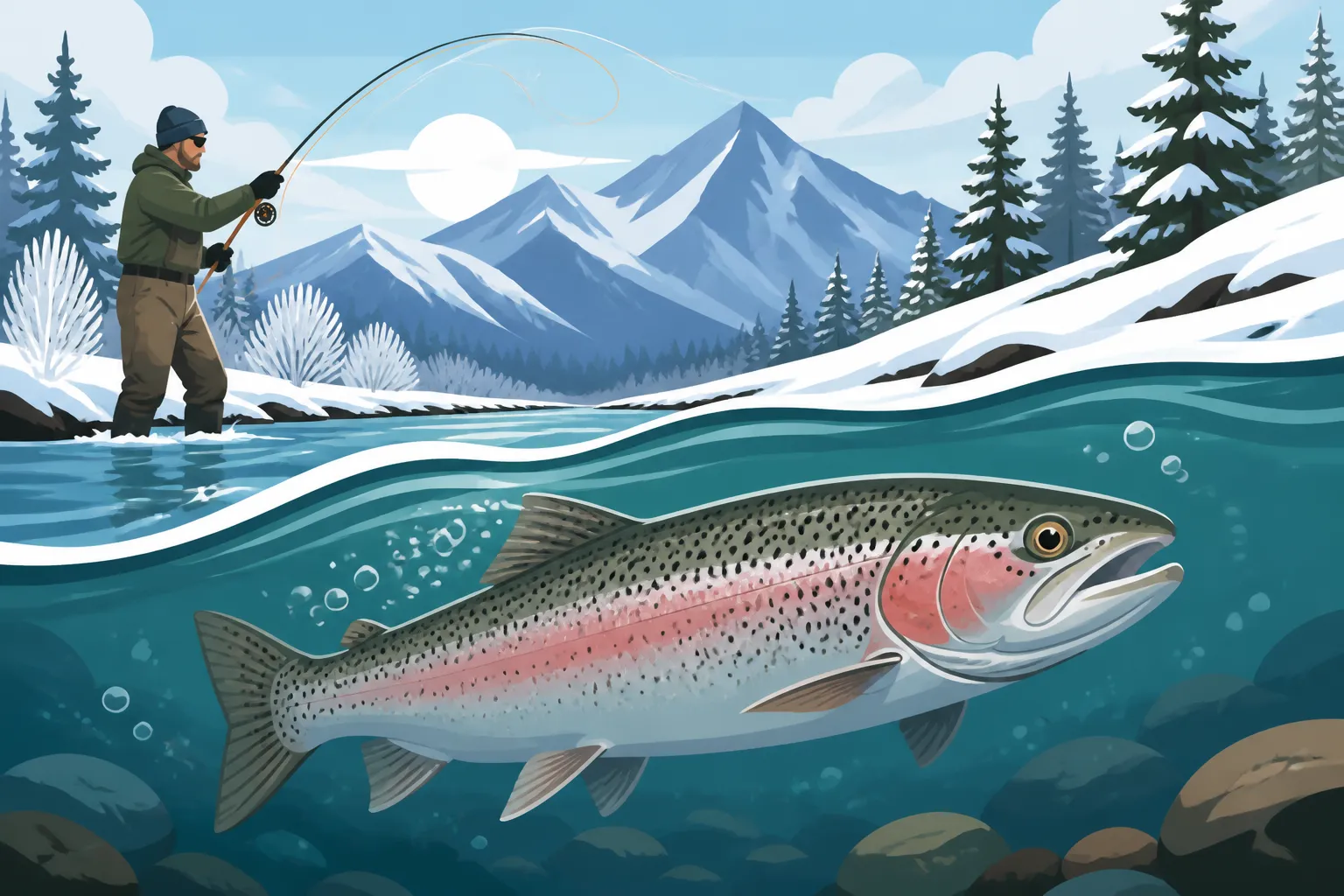
Oh, the crisp bite of a winter morning, steam rising off the river, and the thought of chasing chrome-bright steelhead. Many folks mistakenly believe that fishing in Idaho grinds to a halt once the snow flies, but that's simply not true, especially when it comes to the legendary steelhead. If you've been wondering if you can actually keep your fishing passion alive through the colder months for these incredible fish, you're in the right place. This guide is all about when and where Idaho's steelhead season keeps running right through the winter, giving you a chance to experience some truly epic cold-weather angling.
Understanding Idaho's Winter Steelhead Seasons
Idaho's steelhead fishery is a really special thing, drawing anglers from all over for its world-class opportunities. But unlike some other fish, steelhead, being anadromous rainbow trout that migrate from the ocean, have complex seasons that are highly regulated. When winter rolls around, the seasons don't necessarily end; they often transition, offering different opportunities depending on where you are and what type of steelhead you're targeting. It’s a common frustration trying to decipher the Idaho Fish and Game rules when it feels like everything is closing down, but for steelhead, winter can be prime time.
General Season Dates and Winter Overlap
Idaho's steelhead seasons are typically divided into Fall and Spring runs, but the reality is that the fishing often bridges these categories, with significant overlap right through the heart of winter. The fall steelhead run usually kicks off in September and October, bringing the first wave of fish into the rivers. However, these fish continue to migrate and stage in the rivers throughout November, December, January, and even into February. Think of it less as a hard stop and more of a continuous flow. The fish that enter the river in the fall are still there in the winter, and often, more fish are making their way in.
The "winter" part of the season is effectively the continuation of the fall run, sometimes blending into what's considered the early "spring" run, which truly picks up in March and April. This means you can absolutely find open waters and active fish during the coldest months. For instance, parts of the Clearwater River system see strong numbers of B-run steelhead (the bigger, ocean-going variety) throughout the winter. The exact start and end dates can shift slightly each year based on run forecasts and river conditions, so it's always crucial to check the latest regulations. You might find some excellent insights by looking into our comprehensive guide on Idaho Fishing Season Dates and Limits.
Special Winter Regulations and River Sections
It's not just about when the season runs, but where it runs and how you can fish. Idaho Fish and Game often implements specific regulations for different river sections during the winter months, and these can be quite granular. For example, certain sections of the Clearwater River, Snake River, and Salmon River might have different bag limits, possession limits, or even gear restrictions (like barbless hooks only, which are common for steelhead) depending on the time of year and the specific stretch of water. It can feel like you need a law degree to understand it all, but these rules are in place to protect the fishery.
Winter often brings challenges like colder water and slower fish, which can influence how IDFG manages the fishery. Some tributaries or upper river sections might close earlier or have more restrictive rules to protect spawning fish or sensitive populations. The main stem rivers, however, often remain open through much of the winter, providing consistent opportunities. Always, always check the current Idaho Fishing Regulations Explained booklet or the IDFG website before heading out. A quick glance can save you a lot of headache and potentially a hefty fine.
Hatchery vs. Wild Steelhead Considerations
One of the biggest distinctions you need to grasp for winter steelhead fishing in Idaho is the difference between hatchery and wild steelhead. This isn't just a biological fact; it's a critical regulatory one. Generally, anglers are permitted to keep hatchery steelhead, while wild steelhead must be released unharmed. This is easily identified by the absence of an adipose fin clip on wild fish. Hatchery fish, on the other hand, will have their adipose fin (the small, fleshy fin on their back near the tail) clipped off before they are released.
During the winter, many anglers are specifically targeting these returning hatchery fish, which contribute to the sport fishery. The conservation of wild steelhead is paramount, and regulations reflect this by requiring their immediate release. This often means that even if a river section is open for steelhead, you might be practicing catch-and-release for any wild fish you encounter. Understanding Idaho Steelhead Identification Guide is absolutely crucial before you hit the water, especially in winter when every fish counts. It's a key part of being a responsible angler and ensuring these incredible runs continue for generations.
Navigating Winter Steelhead Opportunities by River
When it comes to winter steelhead, Idaho isn't a one-size-fits-all state. Different rivers, even within the same system, offer varied experiences and have distinct seasons. The geographic spread and unique characteristics of each waterway play a massive role in when and how you can successfully chase steelhead in the colder months. Let's dive into some of the prime winter steelhead destinations.
Clearwater River Winter Fishing
Ah, the Clearwater River. This river is arguably Idaho's most famous for steelhead, and for good reason. It receives a significant run of both A-run and B-run steelhead, with the larger B-run fish making it a true trophy destination. The Clearwater offers some of the most consistent winter steelhead fishing in the state, often staying open and productive deep into the colder months. From late fall through the core winter months of December, January, and February, anglers flock to its waters, particularly around Orofino, Lewiston, and downstream towards its confluence with the Snake River.
During winter, the Clearwater's larger volume and often slightly warmer temperatures (compared to smaller, higher elevation rivers) keep it from freezing solid in most fishable sections, making it a reliable choice. Jet boat fishing is very popular here, allowing guides and anglers to cover vast stretches of water. Drift fishing with bait, jigs, or artificials is also incredibly effective, as is side-drifting. The B-run steelhead here are notoriously powerful fighters, making the cold hands and chilly mornings worth every minute. Our guide on How to Fish for Steelhead in the Clearwater River has more specific techniques you might find useful.
Salmon River Winter Fishing
The Salmon River, often called "The River of No Return," is another legendary steelhead destination that offers significant winter opportunities. While its lower sections tend to see the earliest and strongest runs in the fall, steelhead continue to migrate upstream throughout the winter, meaning that different stretches become productive at different times. Sections near Riggins, White Bird, and eventually farther upstream towards Stanley, can hold fish through the winter, although the further upstream you go, the more susceptible the river is to freezing conditions.
Winter fishing on the Salmon River can be more challenging due to ice and harsh weather, especially in the canyon sections. However, the reward can be immense, with fewer crowds and truly wild Idaho scenery. Many anglers here rely on drift boats or bank fishing, swinging flies, drifting bobber and jigs, or running plugs. The "Main Salmon" and "Little Salmon" often offer distinct winter periods. Again, local knowledge and current conditions are paramount. Access can be tricky with snow and ice, so a 4×4 vehicle is often a wise choice. Exploring Best Rivers for Fishing in Idaho might give you further ideas for your winter adventures.
Snake River Winter Fishing
While the Snake River is more widely known for its smallmouth bass and sturgeon fishing, certain sections, particularly the lower Snake River below Hells Canyon Dam and around its confluence with the Clearwater, also offer winter steelhead opportunities. These fish are part of the same runs heading up the Clearwater and Salmon systems. The lower Snake maintains a more moderate temperature, making it accessible even in colder conditions.
Anglers targeting steelhead on the Snake might find success around the mouth of the Clearwater or in the deeper pools and runs. Techniques here often mirror those used on the Clearwater, with jet boats being a common sight. However, as you move further upstream on the Snake, the primary focus shifts to other species, and consistent steelhead numbers become less likely in winter. It's crucial to consult the Idaho Fish and Game regulations for the exact sections of the Snake that are open for steelhead, as these can vary significantly.
Here's a quick overview of some prime Idaho winter steelhead rivers:
| River System | Primary Target Species | Typical Winter Open Season | Common Access Methods | Special Winter Considerations |
|---|---|---|---|---|
| Clearwater River | B-Run Steelhead | Nov – Mar (often later) | Jet Boat, Bank | Excellent consistency, larger fish, potential for ice in side channels |
| Salmon River | A-Run & B-Run Steelhead | Nov – Feb (variable upriver) | Drift Boat, Bank | Can be prone to ice, road closures in upper sections, requires determination |
| Snake River | A-Run & B-Run Steelhead | Nov – Jan (lower sections) | Jet Boat, Bank | Fewer dedicated steelhead stretches, focus on confluence areas |
Factors Influencing Winter Steelhead Season Success
Fishing for steelhead in winter isn't for the faint of heart, or those unwilling to adapt. Mother Nature calls the shots out here in Idaho, and understanding how different environmental factors influence the fish and your chances of success is absolutely key. It's not just about showing up; it's about being prepared for what the conditions throw at you.
Ice and Snow Impact on Access and Fishing
Let's be real: winter means cold, and cold often means ice and snow. This isn't just an inconvenience; it can be a major factor affecting both your ability to reach the water and the fish's behavior. Heavy snowfall can close roads, especially to remote river access points on the Salmon River or its tributaries. Boat ramps can become iced over and unusable, or completely buried in snow. Even if you can get to the water, slush ice can form on the river surface, making it nearly impossible to fish effectively with certain techniques, especially fly fishing or back-trolling plugs.
The presence of ice also affects water flow and can push fish into deeper, more stable holding lies. When rivers start to freeze along the edges, it significantly reduces accessible bank fishing spots. Anglers need to be extra cautious around icy banks, as a slip could be dangerous. Before any winter trip, always check road conditions, ramp statuses, and local weather forecasts. Sometimes, simply waiting for a brief warming trend to clear out some of the ice can make all the difference. Always prioritize safety over getting that extra cast in.
Water Temperature Dynamics
Water temperature is arguably the most critical factor influencing steelhead activity in the winter. As water temperatures drop, fish metabolism slows down. They become less active, move less, and are often less aggressive in chasing down baits or lures. Steelhead will seek out areas of more stable water temperature, often deeper pools, slower runs, or sections with warmer inflows from springs. Knowing this can help you pinpoint where fish are most likely to be holding.
Ideal winter steelhead water temperatures are typically in the mid-30s to low-40s Fahrenheit. Below 35°F, fish can become very sluggish. Above 42°F, they might show increased activity. Anglers often find success by fishing slowly and presenting baits or lures directly to the fish in their holding lies. Long drifts, small adjustments, and persistent effort are key. A good thermometer can be your best friend in winter, helping you understand the conditions and adapt your approach.
Steelhead Migration Patterns in Winter
Steelhead are constantly on the move, even in winter. While the major fall migration peaks earlier, fish continue to trickle into the systems throughout the colder months. Some fish might pause their upstream journey in deeper pools for extended periods, conserving energy. Others might be making their push through colder sections. Understanding these nuanced migration patterns, often informed by guides and local reports, can give you a significant advantage.
The runs are not homogenous. You might have waves of smaller A-run fish coming in early winter, followed by the larger B-run fish later on the Clearwater. Snowmelt or rain events in late winter can sometimes trigger fresh pushes of fish, even if the air temperatures remain cold. These fresh fish tend to be more aggressive. Tracking fish counts at dams (like those on the Snake River) can provide valuable insights into how many fish are in the system and when they are moving. This knowledge, combined with an understanding of Idaho Fishing Regulations for the Clearwater River Explained, puts you in a much better position to find success.
Gear and Techniques for Winter Steelhead
Okay, so you know the seasons run and where to go. Now, how do you actually catch these elusive winter warriors, and what do you need to endure the cold? Winter steelhead fishing demands specialized gear and a methodical approach. It’s a game of patience, precision, and preparation.
Cold Weather Gear Essentials
First things first: you absolutely need to stay warm and dry. Hypothermia is no joke, and a miserable angler doesn't catch fish. Start with good base layers – wool or synthetic are far superior to cotton, which loses its insulating properties when wet. Layer up with fleece or down mid-layers. Your outer shell needs to be completely waterproof and windproof. Brands like Patagonia, Simms, and Columbia make excellent fishing-specific outerwear, but even good quality outdoor gear from Amazon can suffice.
Don't forget your extremities! A good wool or synthetic beanie, a neck gaiter, and waterproof gloves are non-negotiable. Many anglers prefer fingerless gloves for dexterity, with an overmitt that can be pulled back when needed. Chemical hand warmers are a lifesaver, tucked into gloves or pockets. Warm, waterproof boots (like felt-soled wading boots with thick neoprene socks for wading, or insulated rubber boots for bank fishing) are crucial. A thermos of hot coffee or soup is also a non-negotiable for morale and warmth. Remember, your Idaho Fishing Gear Guide by Season needs to be heavily biased towards winter conditions.
Effective Winter Lures and Baits
Winter steelhead often respond to presentations that are slow, deliberate, and right in their face. Their metabolism is lower, so they're less likely to chase. Here are some proven options:
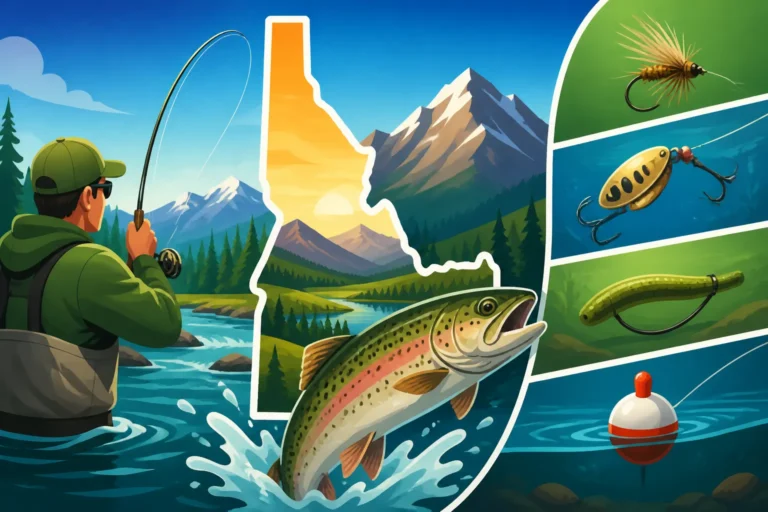
- Jigs under a bobber: This is a deadly combination. Small marabou jigs (1/8 to 1/4 ounce) in bright colors like pink, chartreuse, or orange, suspended under a float, allow you to present bait slowly at the fish's depth. Adding a small piece of cured roe or a plastic worm to the jig can increase its appeal.
- Cured Roe (Eggs): Natural bait is often irresistible. Cured salmon or steelhead roe, presented on a small hook with just enough weight to bounce along the bottom, can be incredibly effective. Ensure your egg loops are secure!
- Drift Fishing Rigs: Using lead or slinky weights, drift fishing allows your bait (roe, yarnie, or small worm) to tumble naturally along the riverbed where steelhead are holding. This requires a good feel for the bottom and constant mending of your line.
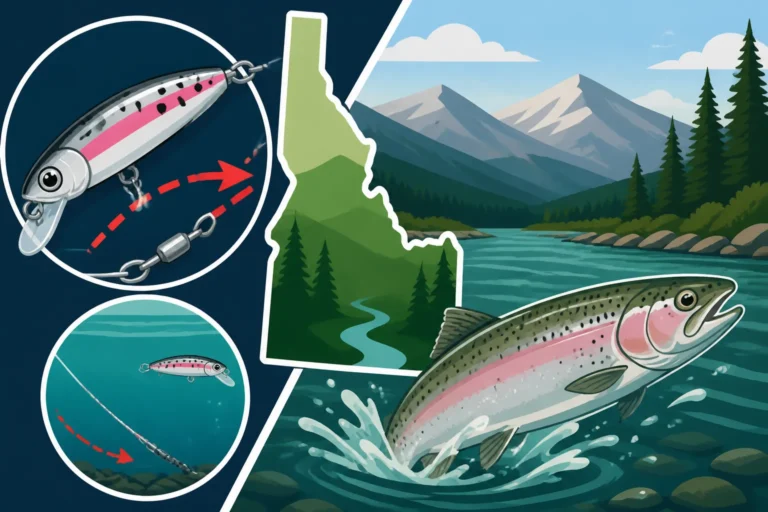
- Plugs and Wiggle Warts: Back-trolling or casting plugs like Kwikfish, FlatFish, or Mag Lip can trigger aggressive strikes, especially when fish are slightly more active. Again, bright colors often excel in winter.
- Flies: For fly anglers, nymphing with heavily weighted stoneflies, Copper Johns, or egg patterns under an indicator is productive. Swinging larger intruder or spey flies can also draw powerful takes, especially from aggressive chrome-bright fish.
You can often find a wide variety of these lures and baits on Amazon or at local tackle shops like Sportsman's Warehouse or Cabela's. Learning Best Bait and Lures for Idaho Fishing is a continuous journey, and winter adds its own unique flavor to the mix.
Safety on Icy and Cold Waters
Winter fishing demands an elevated level of safety awareness. Beyond staying warm, there are other critical considerations.
- Wading Safety: Wading in cold water can be treacherous. Icy rocks are incredibly slippery. Always use a wading staff for stability, and wade slowly and deliberately. Never wade alone, and always tell someone where you're going and when you expect to return.
- Boat Safety: For those in jet boats or drift boats, ice is a serious hazard. Running into ice chunks or hidden submerged ice can cause significant damage or even capsize a boat. Always operate at safe speeds and be aware of changing river conditions. Ensure your boat is properly maintained for cold weather operation.
- Emergency Preparedness: Carry a dry bag with spare warm clothes, a first-aid kit, a fully charged cell phone (though service can be spotty in remote areas), and emergency food/water. A satellite messenger device can be a lifesaver in areas without cell service.
- Ice Fishing vs. River Fishing: While some lakes offer ice fishing, winter steelhead fishing is almost exclusively done on open rivers. Do not attempt to walk on river ice unless it's explicitly designated as safe for ice fishing and you are following all proper ice safety protocols. River ice is notoriously unstable due to currents.
Responsible angling means not just knowing the rules and techniques, but also respecting the conditions and staying safe. No fish is worth risking your life over.
Disclaimer
Please note that fishing regulations in Idaho can change frequently. Always consult the latest Idaho Fish and Game rules and regulations before heading out to fish. This guide provides general information and should not be considered a substitute for official sources.