Idaho Rainbow Trout Fishing Guide
Idaho is a land of incredible natural beauty, and for many anglers, the thought of landing a vibrant, hard-fighting rainbow trout is the very definition of a perfect day outdoors. But if you’ve ever found yourself staring at a map of Idaho, wondering where to even begin, or feeling overwhelmed by the sheer variety of waters and techniques, you’re not alone. The Gem State's diverse landscape means a rainbow trout fishing trip can be anything from a peaceful afternoon at a stocked pond to a challenging fly-fishing expedition on a world-class river. This comprehensive guide is designed to cut through the confusion, offering a realistic look at how to successfully pursue rainbow trout across Idaho's stunning rivers, lakes, and streams, no matter your skill level.
Understanding Idaho's Rainbow Trout: A Fisher's Favorite
Rainbow trout are truly a cornerstone of Idaho's angling scene, captivating countless enthusiasts with their beauty, strength, and willingness to bite. They're often the first species many of us learn to target, and for good reason – they’re abundant, widely distributed, and offer an exciting fight whether you’re casting a spinner or meticulously presenting a tiny fly.
What Makes Idaho Rainbows So Special?
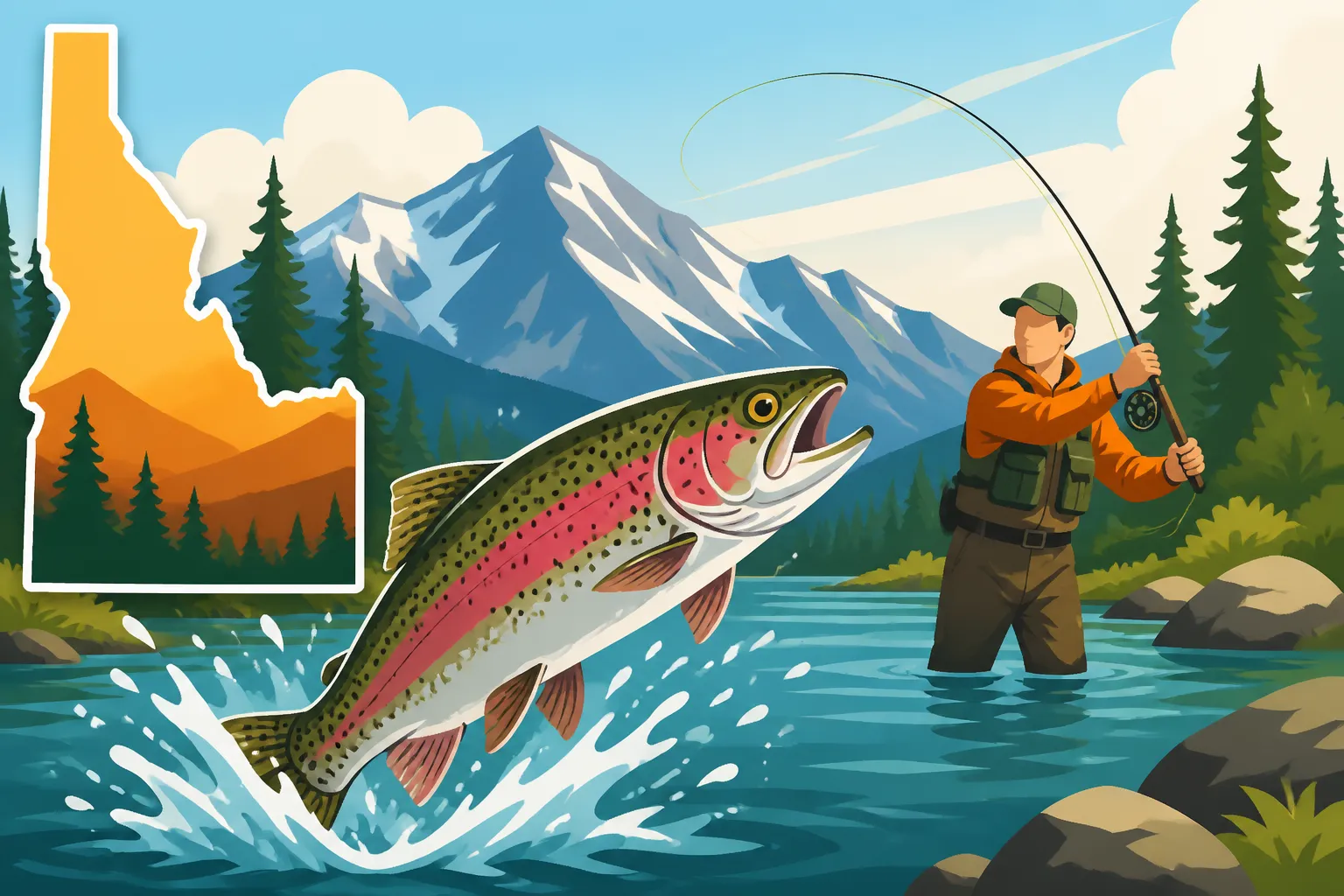
From the moment you set the hook, an Idaho rainbow trout will impress you with its acrobatic leaps and powerful runs. These fish are known for their spirited fight, making every catch a memorable experience. Their iridescent silver bodies, adorned with a distinctive reddish-pink stripe along their sides, are a sight to behold, reflecting the diverse and often pristine environments they inhabit. You'll find rainbows thriving in nearly every corner of the state, from cold, clear mountain streams to vast, deep reservoirs, adapting to a wide range of conditions. This adaptability means they're not only plentiful but also incredibly resilient, forming the backbone of many healthy ecosystems.
What’s truly fascinating is the variety within the species itself. While many of the rainbow trout you'll encounter are from stocking programs, ensuring accessible fishing for everyone, Idaho is also home to incredible wild populations. Some of these, particularly in the northern reaches, are descendants of the famed Kamloops strain, known for growing to immense sizes in lakes like Lake Pend Oreille. Others are robust, native populations that have evolved over centuries in specific river systems, showcasing unique traits and demanding respect. Whether it's a freshly stocked planter for a child's first fish or a wary, wild trophy on a dry fly, Idaho's rainbows offer a spectrum of challenges and rewards.
Hatchery vs. Wild Rainbows and the Rules
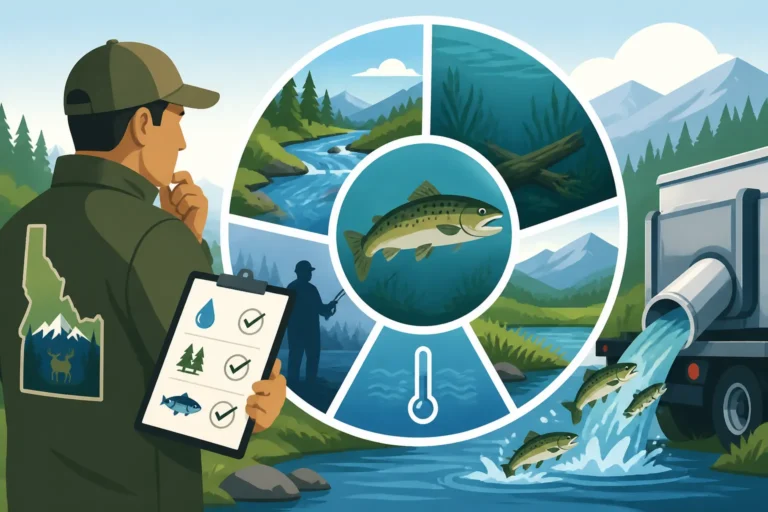
When you're out on the water in Idaho, it's pretty common to encounter both hatchery-reared and wild rainbow trout. Hatchery rainbows are often stocked by Idaho Fish and Game in lakes, ponds, and slower-moving river sections to enhance fishing opportunities, especially in areas with high angler pressure or where natural reproduction is limited. These fish are typically easier to catch and are a fantastic resource for beginners or families just looking to have a fun day and bring home some dinner. They often have somewhat worn fins from their time in hatchery raceways, making them somewhat distinguishable.
Wild rainbows, on the other hand, are fish that have spawned and lived their entire lives in natural conditions. They tend to be more wary, often hold in different types of water, and present a greater challenge for anglers. These fish are crucial to the ecological health of Idaho's waters, and as such, they are often subject to stricter regulations. For instance, in many blue-ribbon trout streams, wild rainbows are designated for catch-and-release only, or there might be specific size limits to protect spawning populations. It's vital to know the difference and always consult the current Idaho fishing regulations brochure for the specific water body you're fishing. Distinguishing between them is key to responsible angling, especially when regulations differ dramatically. You might find it interesting to learn about Idaho Rainbow Trout vs Steelhead, What's the Difference, as sometimes even seasoned anglers can get them confused, especially in waters where both might be present.
Prime Rainbow Trout Waters Across the Gem State
Idaho is practically a paradise for rainbow trout anglers, offering an incredible variety of waters, each with its own charm and challenges. From roaring wild rivers to expansive, deep lakes and even tranquil urban ponds, there's a rainbow trout experience waiting for everyone.
Iconic Rivers for Wild Rainbows
When you picture world-class trout fishing, Idaho's legendary rivers often come to mind, and many of them are synonymous with magnificent wild rainbow trout. These are the places where anglers flock for challenging, rewarding experiences, often with a fly rod in hand.
Take, for instance, the Henry's Fork of the Snake River in Eastern Idaho. This river is not just iconic; it's practically a pilgrimage site for fly anglers. Known for its challenging, selective trout and prolific insect hatches, the Henry's Fork holds some of the smartest, most beautiful wild rainbows you'll ever encounter. Fishing here often demands precise casts, delicate presentations, and a keen understanding of entomology. You might spend an hour perfecting a drift over a single rising fish, only to be rewarded with a spectacular take. It’s an experience that tests your skill and patience but delivers immense satisfaction. If you're looking to dive deep into this specific experience, you'll definitely want to check out Fishing Henry's Fork for Fly Anglers.
Further south, the South Fork of the Snake River is another gem, renowned for its healthy population of both rainbow and cutthroat trout. This river offers a more accessible float-fishing experience, but don't let that fool you; the fish are still wild and feisty. Drifting through its scenic canyons and wide-open valleys, you can throw large dries, streamers, or nymph rigs, often finding aggressive takes from robust rainbows. The sheer numbers of fish, combined with the stunning scenery, make it a bucket-list destination. Closer to home for many, the Boise River—flowing right through the state's capital—provides an incredible urban fishery. While it sees its fair share of stocked fish, healthy populations of wild rainbows also thrive in its cooler sections, offering fantastic walk-wading opportunities for those looking for a quick escape after work or a weekend outing without venturing too far. These rivers represent the pinnacle of wild trout fishing in Idaho, providing a diverse array of experiences from technical fly-fishing to more generalized angling.
Lakes and Reservoirs for Trophy-Size Rainbows
If your dream involves hooking into a truly massive rainbow trout, then Idaho’s vast lakes and reservoirs are where you need to set your sights. These expansive waters offer the ideal conditions for rainbows to grow to impressive sizes, often reaching double-digit weights, making them a worthy target for any dedicated angler.
The undisputed champion in this category is Lake Pend Oreille in North Idaho. This colossal, deep lake is famous worldwide for its trophy Kamloops rainbow trout. These aren't your average stream rainbows; these are powerful, ocean-run fish trapped in an inland sea, known for growing to astounding dimensions. Anglers here often target them by trolling with downriggers, using specialized gear and techniques to reach the depths where these giants lurk. The pursuit of a Lake Pend Oreille Kamloops is a lifelong quest for many, a true testament to patience and skill, often taking years to land a truly significant fish. The sheer power of these fish once hooked is something you have to experience to believe. If you're serious about this challenge, exploring Fishing Lake Pend Oreille for Rainbow Trout will give you a detailed roadmap to success.
Beyond Lake Pend Oreille, other large reservoirs like Ririe Reservoir near Idaho Falls and Magic Reservoir in the central part of the state also offer excellent opportunities for large rainbows. While not reaching the mythical sizes of the Kamloops, these waters consistently produce rainbows in the 2-5 pound range, with occasional larger surprises. Fishing methods on these reservoirs can vary from still fishing with bait from shore or a boat, to trolling spoons and spinners, or even casting jigs. The deep, nutrient-rich waters provide an abundant food source, allowing these rainbows to pack on the pounds. These large bodies of water demand different strategies than river fishing, often requiring boats, depth finders, and an understanding of how fish relate to structure and temperature at various depths.
Family-Friendly Stocked Ponds and Urban Fisheries
Not every fishing trip has to be an epic backcountry adventure or a technical fly-fishing challenge. Sometimes, you just want to get a bend in the rod, especially when you have kids or new anglers in tow. That’s where Idaho’s fantastic network of stocked ponds and urban fisheries truly shines, making rainbow trout accessible to everyone.
The Idaho Department of Fish and Game does an incredible job of regularly stocking hundreds of ponds, lakes, and even sections of urban rivers with rainbow trout. These waters are often conveniently located near towns and cities, providing easy access without long drives. Think places like the Boise Ponds within the city limits, Settlers Park Pond in Meridian, or countless small community ponds scattered throughout the state, from Post Falls to Pocatello. These locations are designed for high success rates, perfect for teaching a child how to cast, bait a hook, and experience the thrill of a catch. The fish are typically eager to bite, making for a fun and engaging outing for the whole family.
These family-friendly spots often have amenities like paved parking, picnic areas, and accessible fishing docks or shorelines, ensuring a comfortable experience for all ages and abilities. You don't need fancy gear here; a simple spinning rod, some PowerBait or worms, and a bobber will often do the trick. The joy of watching a child reel in their first rainbow, their face lit up with excitement, is truly priceless. It’s an invaluable resource for fostering a love of the outdoors and fishing in the next generation. If you're planning a trip with the entire crew, our guide to Family-Friendly Fishing Spots in Idaho is an excellent resource to find these perfect, easy-to-access locations. These spots are not just about catching fish; they’re about creating cherished memories and building connections with nature, making them just as important as the state's most famous trophy waters.
| Water Type | Key Characteristics | Target Rainbow Size | Primary Techniques | Recommended Gear Level | Best For |
|---|---|---|---|---|---|
| Wild Rivers | Cold, clear, current, complex structure | Medium (10-20 inches) | Fly fishing (nymphs, dries, streamers) | Advanced/Specialized | Experienced anglers, solitude, technical challenge |
| Trophy Lakes | Very deep, cold, vast, large forage base | Large (5-20+ pounds) | Trolling (downriggers, deep lures) | Medium-Heavy/Specialized | Trophy hunters, boat anglers, patience |
| Stocked Ponds/Urban | Shallow, easily accessible, often warmer | Small-Medium (8-16 inches) | Bait (PowerBait, worms), small lures | Beginner/Light | Families, beginners, quick trips, high success rates |
| General Reservoirs | Moderate to large, varied depth, some structure | Medium-Large (1-5 pounds) | Trolling, bait, jigs, spin casting | Medium | All skill levels, boat or shore fishing |
| Mountain Streams | Small, clear, fast-flowing, abundant food | Small (6-14 inches) | Light spin (spinners), small dry flies | Ultralight/Fly (small rod) | Hike-in adventurers, solitude, native species |
Essential Gear for Idaho Rainbow Trout
Having the right gear makes all the difference, whether you're chasing trophy Kamloops or helping a youngster land their first stocked rainbow. You don't need to break the bank, but understanding what tools are best suited for different situations will significantly increase your success and enjoyment on Idaho's waters.
Rods, Reels, and Line for Every Scenario
When it comes to rainbow trout fishing in Idaho, your rod, reel, and line setup is your primary connection to the fish, and choosing wisely depends heavily on where and how you plan to fish. For general-purpose trout fishing in smaller rivers, ponds, or even for casting light lures on reservoirs, a light to medium-light spinning rod, typically 5'6" to 7' long, is a fantastic all-around choice. Pair this with a small spinning reel, size 1000 to 2500, spooled with 4-8 pound monofilament or fluorocarbon line. Monofilament is a great budget-friendly option with good stretch, while fluorocarbon offers less stretch, better sensitivity, and is nearly invisible underwater – a real plus for wary trout. For even more sensitivity and casting distance with light lures, many anglers opt for a thin braid main line with a fluorocarbon leader.
If you're stepping into the world of fly fishing, a 3-weight to 6-weight fly rod is ideal for rainbow trout in Idaho. A 4-weight or 5-weight is often considered the sweet spot for versatility, handling everything from delicate dry fly presentations on Henry's Fork to nymphing in larger rivers. The reel's primary function in fly fishing is line storage, but a good drag system is crucial for fighting larger fish. Floating fly line is standard, matched to your rod weight, and you'll typically use a tapered leader (often 7.5 to 9 feet) ending in a fine tippet (4x to 6x, depending on fly size and water clarity) for stealth. For targeting those big trophy rainbows in deep lakes, especially when trolling, a more robust setup is necessary. Think medium-heavy casting or spinning rods, often 7-9 feet, paired with baitcasting or large spinning reels spooled with heavier braided line (15-30 lb test) for strength and sensitivity, often with a fluorocarbon leader for abrasion resistance and stealth. No matter your chosen method, having the right Best Rod Setup for Trout Fishing can dramatically improve your chances of success and enjoyment on the water.
The Best Baits and Lures for Rainbows
Rainbow trout in Idaho, whether wild or stocked, can be enticed by a wide array of baits and lures, making it fun to experiment and find what they're hitting on any given day. For anglers seeking an almost guaranteed bite, especially in stocked ponds and accessible river sections, PowerBait remains a consistent winner. It comes in various colors, shapes, and scents, designed to mimic hatchery food, and can be fished effectively off the bottom with a small weight and a short leader. Nightcrawlers or worms are also universal favorites; their natural movement and scent are irresistible to hungry trout, and they work well both still-fished or drifted through currents. Even corn, yes, plain old canned corn, can be surprisingly effective, especially in highly pressured waters where trout have become accustomed to seeing it.
When it comes to lures, the options are plentiful and exciting. Small spinners like Rooster Tails, Mepps, and Panther Martins are incredibly effective, mimicking fleeing baitfish or insects. Their vibrating blades and bright colors can trigger aggressive strikes in rivers and lakes alike. Small spoons, such as Kastmasters, Daredevles, or Little Cleos, are excellent for casting long distances and have a wobbling action that trout find hard to resist. They're especially good in larger waters where you need to cover more ground. For more aggressive fish or in waters with a larger forage base, small crankbaits that dive to various depths can be deadly. Brands like Rapala or Berkley offer excellent options in trout-friendly sizes and patterns. When building out your tackle box, you’ll find an incredible selection of these baits and lures, often at competitive prices, on platforms like Amazon. It's a great spot to stock up on a variety of colors and sizes to match different water conditions and trout preferences. For a deeper dive into what works best, make sure to read our guide on Best Lures for Idaho Trout Fishing.
Fly Selection: Matching the Hatch and Beyond
Fly fishing for rainbow trout in Idaho is an art form, a dance between angler and nature, where your fly selection is paramount. It’s about more than just throwing a pretty bug; it’s about understanding the trout's diet, the local insect life, and then presenting a convincing imitation.
During specific times of the year, particularly in spring and summer, rivers and even some lakes experience "hatches" – mass emergences of aquatic insects like mayflies, caddisflies, and stoneflies. When trout are actively feeding on the surface, you'll want to use dry flies that accurately mimic these emerging adults. Classic patterns like the Parachute Adams, Elk Hair Caddis, or stimulators are staples in any Idaho fly box. The thrill of watching a rainbow rise to sip your perfectly presented dry fly is unmatched. You'll often need to carry a range of sizes and colors to truly "match the hatch" that the fish are keying in on.
However, trout spend most of their lives feeding subsurface, meaning nymphs are often your most productive flies. Patterns like the Prince Nymph, Pheasant Tail, Hare's Ear, and various stonefly imitations (Pat's Rubber Legs, Girdle Bug) are essential. These flies imitate the larval and pupal stages of aquatic insects and are fished near the bottom, often under an indicator, to mimic a natural drift. For aggressive trout, or when targeting larger fish in deeper or faster water, streamers can be incredibly effective. Woolly Buggers (in olive, black, or brown), Sculpzillas, and various articulated streamers imitate baitfish or larger aquatic creatures. Stripping these flies through likely holding water can trigger violent, predatory strikes. Don't forget terrestrial patterns like grasshoppers, ants, and beetles during late summer and early fall, as trout will gorge on anything that accidentally falls into the water. Building a diverse fly box for Idaho can be a continuous journey, and sourcing specialized patterns or materials for tying your own can often be done conveniently through online retailers like Amazon, ensuring you're always ready for whatever the river throws at you.
Mastering Rainbow Trout Techniques
Catching rainbow trout consistently in Idaho isn't just about having the right gear; it's about employing effective techniques tailored to the specific water and conditions you're facing. Whether you prefer the simplicity of a spinning rod or the finesse of a fly rod, understanding how to present your offering is key to success.
Spinning Techniques: Cast, Retrieve, and Catch
Spinning gear offers incredible versatility for rainbow trout fishing, making it a popular choice for anglers of all skill levels across Idaho's diverse waters. One of the most common and effective methods is still fishing with bait, especially in lakes, ponds, and slower river sections. Here, you'll cast out a worm, PowerBait, or corn on a hook, typically weighted with a small split shot or an egg sinker, and let it sit on the bottom or suspend it under a bobber. The key is patience; allow the trout to find your bait and often mouthing it a few times before taking it fully. Watching that bobber disappear or feeling a subtle tap on your line is always a thrill.
For covering more water and enticing active fish, casting and retrieving lures is highly effective. Small spinners (like Rooster Tails or Panther Martins) and spoons (Kastmasters) are fantastic. Cast them out, let them sink to the desired depth, and then reel them in with a steady retrieve, varying the speed until you find what the fish prefer. Sometimes a slight twitch or pause can trigger a strike. In larger lakes and reservoirs, trolling from a boat is a prime technique for targeting suspended rainbows, especially the bigger ones. Using small spoons, wedding rings, or even small crankbaits behind a dodger or flasher can attract distant fish. Pay attention to your depth and speed, as these factors are crucial for successful trolling. Additionally, drift fishing with bait (like a worm or roe) or a small jig, allowing it to tumble naturally downstream with the current, can be incredibly effective in rivers, mimicking what a wild trout expects to see.
Fly Fishing: Reading Water and Presenting Flies
Fly fishing for Idaho rainbow trout is a deeply rewarding experience, demanding a different kind of engagement with the water. The core of success lies in two fundamental skills: accurately reading the water and executing natural presentations.
Reading water involves understanding where trout are likely to hold. Look for areas that provide cover, food, and a break from the main current. This includes pools (deeper, slower sections where fish rest and feed), riffles (faster, shallower areas with oxygenated water and abundant insect life), and eddies (swirling pockets of calmer water behind obstacles). The seams where fast and slow water meet are particularly productive. Once you've identified likely holding water, the next step is presentation. For dry fly fishing, this means casting upstream or across-stream, allowing your fly to drift naturally without drag – a phenomenon where your line pulls the fly unnaturally across the surface, immediately alerting savvy trout. Slack-line casts, mends, and reach casts are essential tools here. When trout are feeding on subsurface insects, nymphing techniques come into play. This typically involves using an indicator (a small bobber-like device) to detect subtle strikes, while weighted nymphs drift along the bottom. Techniques like Euro-nymphing or tight-line nymphing offer even more direct contact and sensitivity. For actively feeding or larger, predatory trout, streamer fishing is often the answer. Casting larger, baitfish-imitating flies and stripping them back through the water with erratic movements can trigger aggressive strikes. Whichever method you choose, remember that stealth, observation, and adaptability are your greatest allies. If you're serious about honing these skills, our comprehensive guide on How to Fly Fish in Idaho will be an invaluable resource to help you get started or refine your approach.
Mastering the Art of Catch and Release
For many anglers in Idaho, particularly those targeting wild rainbow trout in fragile ecosystems or larger, older fish that are vital for spawning, catch and release is not just a technique—it's a conservation ethic. Mastering this art ensures that the fish you catch can survive to fight another day, contributing to healthy fish populations for the future.
The first principle of effective catch and release is to land the fish quickly and efficiently. Prolonged fights can exhaust a fish, making it less likely to survive. Use appropriate tackle that allows you to subdue the fish without overly stressing it. Once hooked, try to keep the fish in the water as much as possible. Removing a fish from its aquatic environment, especially for extended periods, can cause significant stress, remove its protective slime layer, and damage its gills. If you must handle the fish for a quick photo, wet your hands first to protect that slime layer, and support the fish horizontally, never vertically by the jaw or tail, which can damage its spine and internal organs.
Hook removal should be swift and gentle. Barbless hooks are highly recommended, as they make removal much easier and cause less damage to the fish's mouth. If the hook is deeply set, it's often better to simply cut the line as close to the hook as possible; studies show that hooks will often dissolve or rust out over time, and the trauma of removal can be worse than leaving the hook in. After hook removal, revive the fish gently. Hold it upright in the water, facing into a gentle current if available, and allow water to flow over its gills until it swims away on its own power. Do not vigorously pump the fish back and forth, as this can force water in the wrong direction over its gills. Understanding these practices is crucial, especially when fishing waters where catch and release is mandated. You might also find clarity in understanding Is an Idaho Fishing License Required for Catch and Release?, which details specific regulations and why this practice is so important for Idaho's fisheries.
Seasonal Strategies for Consistent Success
Idaho's landscape is defined by its seasons, and for rainbow trout anglers, each transition brings unique opportunities and challenges. Adapting your approach to the time of year is crucial for consistent success, allowing you to intercept trout as their behavior and feeding patterns change with water temperatures, hatches, and forage availability.
Spring: Rising Waters and Hungry Fish
Spring in Idaho is a season of awakening, and for rainbow trout, it means rising water temperatures and often, rising waters due to snowmelt runoff. After a long winter of slow metabolism, trout become incredibly active and hungry as water temperatures climb into their optimal feeding range. This is a fantastic time to target them, but it comes with its own set of considerations.
Early spring, immediately after ice-out on lakes or before major runoff on rivers, can offer some of the best fishing of the year. Trout are often cruising the shallower areas of lakes or moving into the slower, more accessible sections of rivers, gorging on available food. In rivers, this is often when the first significant insect hatches occur, like midges and early stoneflies, offering exciting dry fly opportunities on warmer days. As the snowmelt intensifies, many rivers will enter their runoff phase. The water becomes high, fast, and often murky, making fishing challenging. However, even during runoff, there are strategies to employ. Trout will often move to the banks, into slower side channels, or behind large obstructions to escape the main current. Fishing these calmer pockets with heavier nymphs, worms, or brightly colored, vibrating lures can be highly effective. The increased turbidity often makes trout less wary, allowing for more aggressive presentations. It's a time for adaptability and seeking out the clearest, most accessible water you can find. Remember, Spring Fishing in Idaho offers unique thrills, but always be mindful of rapidly changing water levels and conditions.
Summer: Hatches, Deep Waters, and Early Mornings
Summer in Idaho brings longer days, warmer weather, and often, incredible fishing opportunities for rainbow trout, especially if you know where and when to look. This season is characterized by prolific insect hatches on many rivers and the need for trout to seek cooler, more oxygenated water in lakes and larger rivers.
On Idaho's renowned trout streams, summer means diverse hatches of mayflies, caddisflies, and stoneflies throughout the day. This is prime time for dry fly enthusiasts, as trout become incredibly selective, rising to specific insects. Early mornings and late evenings are often the most productive periods, especially during significant hatches or as temperatures begin to drop from the heat of the day. During the hottest parts of the day, trout will often move to deeper, cooler pools or riffles, making nymphing or streamer fishing more effective. In lakes and reservoirs, as surface waters warm up, rainbow trout will generally move to deeper waters where temperatures remain more consistent and comfortable. Trolling with downriggers or weighted lines to present lures or bait at depths of 20-60 feet (or more, depending on the lake) can be incredibly productive for larger, suspended rainbows. Alternatively, targeting springs or creek inlets where cooler water enters the lake can concentrate fish. The key is to understand that the fish are seeking refuge from the heat. Therefore, focusing your efforts on early mornings or late evenings when temperatures are cooler and fish are more actively feeding near the surface or along the shallower edges is often the most successful strategy, particularly in smaller, shallower waters. For more detailed advice, our guide on Summer Fishing in Idaho delves into specific tactics for beating the heat and finding those hungry trout.
Fall: Vibrant Colors and Aggressive Feeding
Fall in Idaho is a truly magical time to be on the water, offering some of the most spectacular rainbow trout fishing of the entire year. As the air crisps and the leaves turn vibrant shades of gold and red, the water temperatures begin to cool, signaling a critical period for trout: the pre-winter feeding frenzy.
During the fall, rainbow trout become incredibly active and aggressive as they instinctively try to pack on calories before the lean months of winter. This can translate into fantastic action for both fly and spin anglers. On rivers, the cooling water often means increased insect activity, including late-season caddis hatches and prolific fall mayfly emergences. Terrestrial insects like grasshoppers and ants, which were abundant in summer, are still present and often wind up in the water, providing easy meals. Fly anglers can find great success with larger dry flies mimicking these terrestrials, or by nymphing with larger patterns. Spin anglers will find that trout are more willing to chase aggressively retrieved spinners and spoons.
Another advantage of fall fishing is the reduced angler pressure. Many fair-weather anglers have packed away their gear, leaving some of Idaho's most beautiful waters relatively uncrowded. This allows for a more peaceful experience, surrounded by breathtaking scenery. The fish are often in prime condition, strong and healthy from a summer of feeding, making for powerful fights. Focus on sections of rivers where spawning salmon and steelhead are present (where legal and ethical to fish), as rainbows will often feed on their eggs. In lakes and reservoirs, rainbows will move from the deep summer haunts to shallower areas, especially during overcast days, actively cruising for food. This makes them more accessible to shore anglers or those trolling at shallower depths. Our Fall Fishing in Idaho guide provides even more insights into maximizing your autumn angling adventures.
Winter: Ice Fishing and Year-Round Opportunities
When winter blankets Idaho in snow and ice, many anglers might think the fishing season is over. But for the dedicated rainbow trout enthusiast, it simply means adapting to new conditions and embracing the unique thrills of ice fishing or seeking out open, year-round waters.
Ice fishing is a popular winter pastime on many of Idaho’s lakes and reservoirs. Waters like Cascade Reservoir, Lake Cascade, and even some smaller community ponds offer fantastic opportunities to jig for rainbow trout through the ice. The key to success often lies in finding the right depth and presenting small jigs tipped with bait (like a wax worm or corn) or small spoons. A portable ice shelter, a dependable ice auger, and warm layers are essential for comfort and safety. Fish tend to be less active in the cold water, so slower, more subtle presentations are often more effective. However, when you find a school, the action can be fast and furious! It’s a completely different angling experience, offering a quiet solitude punctuated by the sudden thrill of a fish on the line. Our detailed guide on How to Ice Fish in Idaho will walk you through everything you need to know for a successful and safe ice fishing adventure.
Beyond the hard water, many of Idaho's larger rivers and tailwater fisheries remain open and fishable throughout the winter. Rivers like the Boise River, sections of the Snake River, and the Clearwater River often maintain enough open water, or only partially freeze, allowing for traditional fly or spin fishing. While insect hatches are less frequent and fish activity might be slower, winter can offer surprisingly good fishing on mild days. Trout will congregate in slower, deeper pools, seeking refuge from fast currents and cold temperatures. Nymphing with small, heavily weighted flies or slowly retrieved lures are often the most productive methods. The beauty of winter fishing, with snow-dusted banks and crisp, clean air, adds a unique dimension to the Idaho angling experience, and the solitude can be truly refreshing.
Idaho Rainbow Trout Regulations and Conservation
Understanding and adhering to Idaho's fishing regulations isn't just a legal requirement; it's a fundamental aspect of responsible angling and crucial for the long-term health of our cherished rainbow trout fisheries. Conservation is a shared responsibility, and every angler plays a part.
Understanding Your Fishing License Requirements
Before you even think about casting a line into Idaho's pristine waters, the very first step is ensuring you have the proper authorization. In Idaho, nearly everyone needs a fishing license, whether you're a resident or a nonresident, and whether you plan to keep your catch or practice strict catch and release. This isn't just about revenue generation; the funds from license sales directly support the Idaho Department of Fish and Game's vital work in fish stocking, habitat restoration, scientific research, and enforcement, all of which benefit the very rainbow trout populations you're hoping to catch.
There are different types of licenses available, from annual licenses for those who fish frequently, to short-term licenses (like one-day or three-day) which are perfect for visitors or residents trying fishing for a weekend. The specific cost will depend on your residency status and the duration of the license. Exemptions are usually very limited, often only for very young children below a certain age or on designated Free Fishing Day. It's incredibly important to secure your license before you start fishing, as penalties for fishing without one can be significant. You can purchase them conveniently online, at local sporting goods stores, or at most Idaho Fish and Game offices. Always carry your license with you while fishing, either physically or digitally, as a conservation officer might ask to see it. For a complete breakdown of what you need, where to get it, and how much it costs, refer to our comprehensive Idaho Fishing License Guide. It's your first and most important step to a legal and enjoyable fishing trip.
Catch Limits, Bag Limits, and Special Regulations
Navigating Idaho's fishing regulations can sometimes feel like solving a puzzle, but it's absolutely essential to understand the specific catch limits, bag limits, and special regulations for the waters you're fishing. These rules are in place to manage fish populations sustainably and vary significantly from one water body to another, even for the same species like rainbow trout.
A catch limit refers to the number of fish you can legally catch in a single day, regardless of whether you keep them or release them. A bag limit, on the other hand, specifies the number of fish you are allowed to possess at any given time, which often includes fish from previous days' fishing trips stored in your cooler or at your camp. For rainbow trout, these limits can range dramatically. For instance, a heavily stocked urban pond might have a generous daily bag limit, encouraging anglers to harvest fish, while a pristine, wild trout stream might have a "catch-and-release only" regulation or a very restrictive one-fish limit with a specific minimum or maximum size. This is particularly true for larger, wild-spawning rainbows whose genetics are valuable to the fishery.
Beyond numerical limits, there are often special regulations that dictate specific gear types (e.g., fly-fishing only, barbless hooks required), bait restrictions (e.g., artificial lures and flies only, no bait allowed), or even seasonal closures for certain areas to protect spawning fish. These regulations are typically detailed in the annual Idaho fishing regulations brochure, which is available online through the Idaho Fish and Game website and at most license vendors. It cannot be stressed enough: always check the current regulations for the specific body of water you intend to fish before you go. Ignoring these rules, even unintentionally, can lead to fines, equipment confiscation, and loss of fishing privileges. To help you understand these critical guidelines, be sure to consult our detailed explanation of Idaho Catch Limits and Bag Limits Explained.
Supporting Rainbow Trout Conservation Efforts
As anglers, we have a profound connection to the natural world, and with that connection comes a responsibility to protect and enhance the very resources we enjoy. Supporting rainbow trout conservation efforts in Idaho is paramount to ensuring vibrant fisheries for generations to come. This goes beyond simply following the rules; it's about actively participating in stewardship.
One of the most direct ways to contribute is through responsible angling practices. This includes practicing proper catch and release techniques, especially for wild or trophy-sized rainbow trout, ensuring their survival. It means educating ourselves on how to identify different strains of trout, such as distinguishing between hatchery and wild fish, and adhering strictly to regulations that protect native populations. Being mindful of your impact on the stream bank, disposing of all trash properly, and avoiding the spread of aquatic invasive species by cleaning your gear are all small but significant actions.
Beyond individual actions, many anglers choose to support conservation organizations dedicated to protecting Idaho's coldwater fisheries. Groups like Trout Unlimited, the Federation of Fly Fishers, and local watershed councils work tirelessly on habitat restoration projects, advocating for protective legislation, and educating the public. These efforts might involve improving spawning grounds, restoring stream banks, mitigating pollution, or ensuring adequate water flows. The funds generated from fishing licenses and federal excise taxes on fishing equipment (through the Sport Fish Restoration Act) also directly fund Idaho Fish and Game's conservation initiatives, from stocking programs that create opportunities to scientific studies that inform management decisions. By being informed, acting responsibly, and considering support for broader conservation initiatives, we all play a vital role in safeguarding the future of Idaho's magnificent rainbow trout.
Beyond the Catch: The Full Idaho Rainbow Trout Experience
While the thrill of hooking a beautiful rainbow trout is undoubtedly a highlight, fishing in Idaho is about so much more than just the fish. It's an immersive experience that connects you to stunning landscapes, offers moments of quiet reflection, and creates lasting memories.
Planning Your Idaho Fishing Adventure
Successfully landing rainbow trout in Idaho is certainly a goal, but truly enjoying the entire experience starts long before you even leave home with thoughtful planning. Idaho offers such a vast array of fishing opportunities that a little pre-trip homework can transform a good trip into an unforgettable one.
Start by scouting locations that align with your fishing goals and skill level. Are you dreaming of a challenging fly-fishing trip on a famous river, a family outing to a stocked pond, or a multi-day backcountry adventure to a high mountain lake? Use online resources, fishing reports, and maps to identify specific access points, public lands, and potential camping spots. Checking the weather forecast is non-negotiable, especially in Idaho where conditions can change rapidly in the mountains. Pack appropriate layers of clothing, rain gear, and sun protection, regardless of the season. Beyond your fishing gear, consider essentials like a first-aid kit, plenty of water, snacks, navigation tools (GPS or a good map and compass), and bear spray if you're venturing into wilderness areas. For those looking for a truly dialed-in experience, especially on complex waters or for specific species, considering a guided trip can be an invaluable investment. A professional Idaho fishing guide provides local expertise, can put you on fish, teach you new techniques, and often supplies all the necessary specialized gear. They can unlock waters and techniques that might take years to master on your own, making for a highly efficient and educational outing. Our extensive Idaho Fishing Guides and Charters Directory is an excellent starting point for finding the perfect guide to match your aspirations.
Enjoying Your Catch (Where Permitted)
For many, a successful fishing trip culminates in enjoying a delicious meal of fresh-caught trout. While catch and release is important, especially for wild populations, there are plenty of opportunities in Idaho to legally harvest rainbow trout, particularly from stocked waters, and bring them home for the table.
Once you've ensured your catch falls within the legal bag limits and any size restrictions for the specific water body, the next step is proper care. To maintain the best flavor, dispatch your fish quickly and humanely, and then get them on ice as soon as possible. A cooler filled with ice is your best friend. Field dressing the fish (removing the entrails) at the water's edge can also help keep the meat fresh, just be sure to dispose of the guts responsibly and away from public areas. When it comes to cooking, rainbow trout are incredibly versatile and delicious. Simple preparations often highlight their delicate flavor best. Pan-frying with a light flour dredge, a squeeze of lemon, and some herbs is a classic. Grilling whole trout stuffed with aromatics like onion and garlic is also fantastic. For a healthier option, baking or steaming can be great. However, it's always wise to check for local consumption advisories. While Idaho's waters are generally clean, some specific lakes or rivers might have advisories regarding mercury or other contaminants, especially for older or larger fish. These advisories are typically listed in the Idaho Fish and Game regulations or on their website. For more ideas on how to prepare your harvest and what makes certain species particularly tasty, explore our guide on Best Fish to Eat from Idaho Waters.
The Solitude and Scenery of Idaho Fishing
Ultimately, fishing for rainbow trout in Idaho offers far more than just the pursuit of a fish. It's an invitation to immerse yourself in the natural world, to find a sense of solitude and peace that is increasingly rare in our busy lives. Idaho's wild places, from the rugged peaks of the Sawtooths to the vast openness of the Snake River Plain, provide a stunning backdrop for every cast.
The act of fishing itself, whether you're methodically nymphing a riffle or patiently waiting for a bobber to dip, encourages a meditative state. It forces you to slow down, observe your surroundings, and become attuned to the subtle rhythms of nature. You might witness a bald eagle soaring overhead, hear the distant call of an osprey, or spot deer grazing peacefully on a far bank. These moments, often enjoyed in quiet contemplation, are what truly define an Idaho fishing trip. The scenery itself is a constant source of wonder. Imagine standing in a crystal-clear mountain stream, surrounded by towering pines and snow-capped peaks, or casting into a vast lake as the sun sets, painting the sky in fiery hues. Each fishing spot offers a unique vista, a new perspective on the Gem State's incredible biodiversity and untamed beauty. These experiences, the fresh air, the quiet focus, and the breathtaking views, are arguably as rewarding as any trophy fish. They nourish the soul, offering a much-needed escape and a powerful connection to the wild heart of Idaho.
Disclaimer
This article is for general informational purposes only and does not constitute professional advice. Laws, prices and regulations vary by location and change over time. Consult a qualified professional for guidance on your specific situation.