Fishing the South Fork of the Snake River
The South Fork of the Snake River, a true jewel in Idaho’s crown, offers some of the most phenomenal trout fishing in the West. But for many anglers, especially those visiting for the first time, its sheer size and diverse sections can feel overwhelming, making it tough to know where to start or how to best approach its legendary waters. This guide aims to demystify this incredible river, breaking down its unique characteristics, ideal access points, and proven techniques so you can confidently plan your next unforgettable fishing adventure.
Why the South Fork of the Snake River is an Angler's Paradise
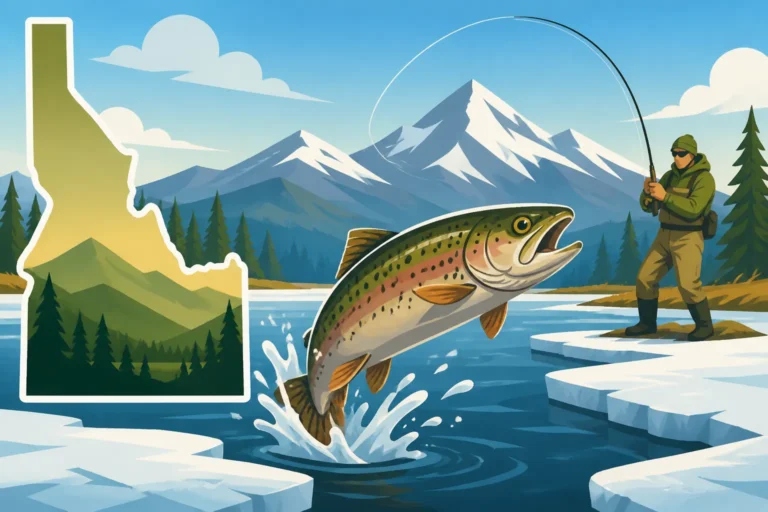
Nestled against the dramatic backdrop of the Teton Range, the South Fork isn't just a river; it's an ecosystem that thrives, supporting a truly incredible fishery. Its pristine, cold waters, fed by snowmelt and the mighty Palisades Dam, create an ideal habitat for a variety of trout, making it a bucket-list destination for fly anglers and spin fishermen alike. The river’s reputation isn’t just hype; it’s a living, breathing testament to conservation and the wild beauty of Idaho.
The Iconic Yellowstone Cutthroat Trout
When people talk about the South Fork, the first fish that usually comes to mind is the Yellowstone Cutthroat Trout. These native beauties are the kings and queens of these waters, known for their vibrant colors, distinctive orange or red slash marks under their jaws (hence "cutthroat"), and their willingness to rise to a well-presented dry fly. They are a protected species in Idaho, so while you’ll have plenty of opportunities to catch them, understanding proper catch and release techniques is absolutely critical for their continued survival and for the health of the fishery.
Catching a Yellowstone Cutthroat on a dry fly is one of those quintessential Western fly-fishing experiences. They're often less wary than some other trout species, making them incredibly fun to target, especially during prolific insect hatches. However, don't mistake their eagerness for carelessness; presenting a fly naturally in the South Fork's complex currents requires skill and precision. Their resilience and the river's abundant food sources allow these fish to grow to impressive sizes, offering a thrilling fight that can leave your arms aching in the best possible way.
Diversity of Fish Species Beyond Cutthroats
While the Yellowstone Cutthroat steals the spotlight, the South Fork is far from a one-fish show. Anglers can also find robust populations of hard-fighting Rainbow Trout and surprisingly large Brown Trout throughout its 60-mile stretch. This diversity adds an exciting layer to your fishing experience, as you never quite know what might grab your fly or lure.
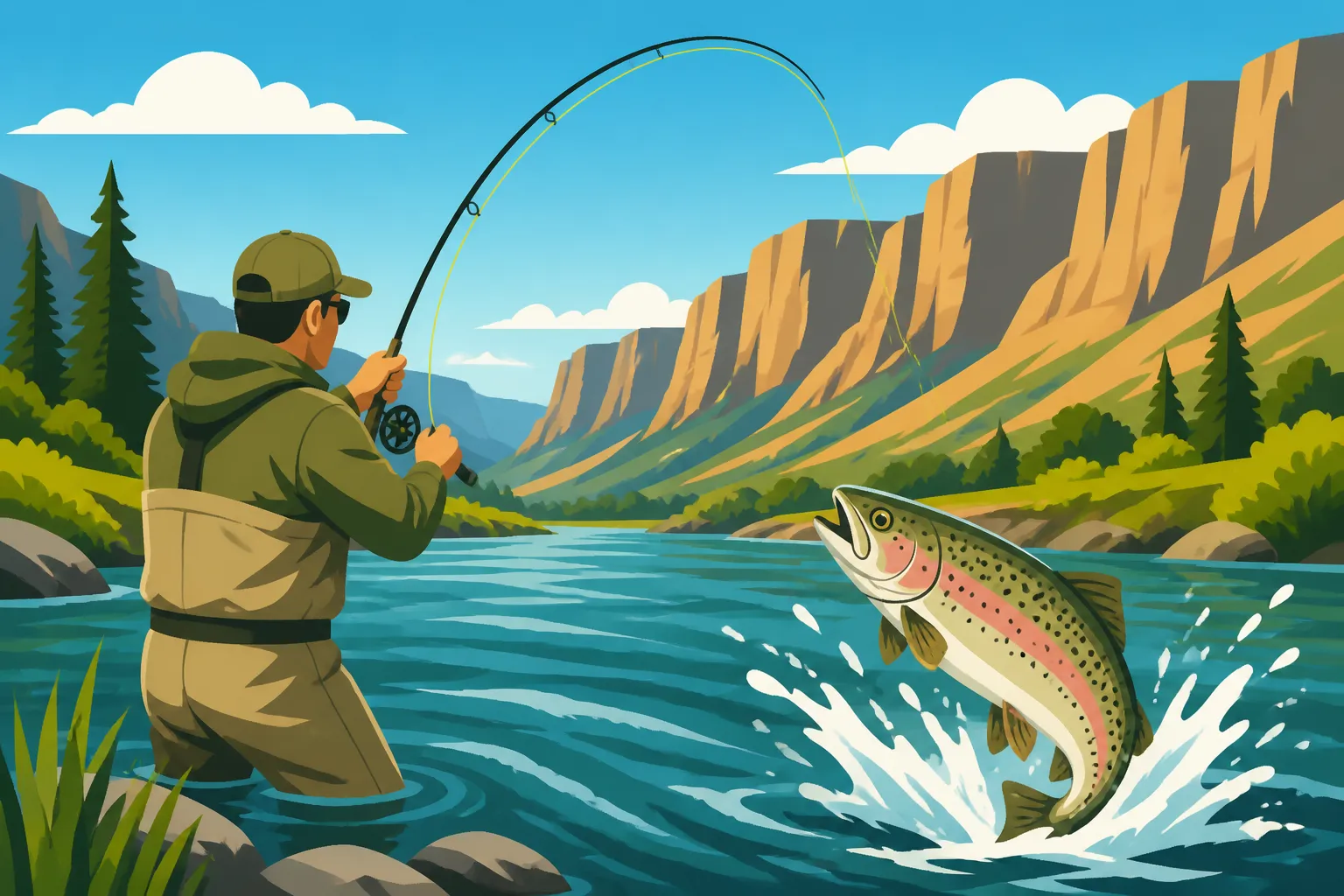
Rainbow Trout, often characterized by their iridescent band along their sides, are famous for their acrobatic jumps and powerful runs once hooked. They share much of the same habitat as the cutthroats, and sometimes you'll find them holding in similar lies. Brown Trout, on the other hand, tend to be a bit more elusive, often preferring deeper, darker holes and undercut banks. These predatory fish can grow to truly enormous sizes in the South Fork, making them a highly sought-after trophy, especially for those who enjoy throwing large streamers. Catching a big brown from the South Fork often feels like hitting the jackpot after a day of careful strategy.
Navigating the South Fork: Sections and Access Points
The South Fork of the Snake River stretches for approximately 60 miles from Palisades Dam down to the confluence with the Henry's Fork near Lorenzo. This lengthy journey means the river changes character quite a bit, offering different challenges and opportunities depending on where you decide to drop in. Understanding these distinct sections is key to planning a successful trip, whether you're looking for a peaceful wade or a classic drift boat experience.
Upper Section: Palisades Dam to Conant Valley
This uppermost stretch, roughly from the Palisades Dam downstream to the Conant Valley access point, is where the South Fork truly begins its wild journey. Here, the river is often more braided and complex, featuring numerous channels, islands, and swift currents. The water here is cold and oxygen-rich, making it prime habitat, but the technical nature of the water can be demanding for anglers, particularly those in drift boats, requiring precise oar control and quick decision-making.
Access in this section can be a bit trickier compared to downstream. While there are a few public access points like Palisades Creek, Burns Creek, and the relatively new South Fork Boat Ramp below the dam, much of the riverfront here is private. This means float fishing from a drift boat or raft is often the most effective way to cover water and reach prime holding lies. Wade fishing opportunities exist, but they are often limited to specific points or during lower flows, and you always need to be mindful of private property boundaries and the powerful current. If you're planning on a DIY float, be sure to study maps and understand your put-in and take-out options.
Middle Section: Conant Valley to Byington Bar
As the South Fork flows downstream from Conant Valley, through the beautiful Swan Valley and onward towards Byington Bar, it starts to mature and often becomes a bit more predictable in its structure. This middle section is arguably the most popular and classic stretch of the South Fork, known for its consistent flows, numerous riffles, deep pools, and wide, sweeping bends. The scenery here is nothing short of spectacular, with lush cottonwood forests lining the banks and the majestic mountains always in view.
This section boasts excellent public access points that make it very float-friendly. Popular put-in and take-out spots include Conant, the Swan Valley boat ramp (sometimes referred to as the "Wagon Wheel" access), and Irwin. These well-maintained ramps facilitate smooth transitions for drift boaters and rafters, who often spend a full day floating between points. Wade fishing is also more accessible in this stretch, particularly around bridge crossings, campground areas, or at lower flows when gravel bars become more exposed. However, even when wading, the river’s significant width and depth in many areas still favor covering water from a boat, allowing you to access prime runs and avoid crowded areas more easily.
Lower Section: Byington Bar to Lorenzo Bridge
The final major stretch of the South Fork runs from Byington Bar down to the Lorenzo Bridge, where it eventually meets the Henry's Fork. As the river progresses through this section, it typically widens further, and the gradient often lessens, resulting in slightly slower, more meandering flows. The landscape also begins to transition from the more mountainous, forested upper and middle sections to a flatter, more agricultural setting, though plenty of beautiful riparian habitat remains.
Access in the lower section includes points like Byington Bar, Spring Hollow, and the ultimate take-out at Lorenzo Bridge. While still offering fantastic fishing, this part of the river can sometimes experience slightly warmer water temperatures in the peak of summer, and its character might appeal to anglers looking for a slightly different experience. Wade fishing can be quite productive in specific areas, especially during lower flows that expose more gravel bars and riffles, but a boat remains the most efficient way to fish the vast majority of this water. The lower river still holds plenty of trophy-sized trout, particularly large brown trout that thrive in the deeper, slower sections, making it a great target for those casting bigger streamers or indicator nymphing.
| Section of River | General Characteristics | Primary Access Points | Best Fishing Method | Key Species |
|---|---|---|---|---|
| Upper (Palisades Dam to Conant) | Braided, complex channels, swift currents, technical | Palisades Creek, Burns Creek, South Fork Boat Ramp | Drift Boat/Raft (some wade) | Yellowstone Cutthroat, Rainbow Trout |
| Middle (Conant to Byington Bar) | Riffles, deep pools, wide bends, classic structure | Conant, Swan Valley Boat Ramp, Irwin | Drift Boat/Raft (good wade access) | Yellowstone Cutthroat, Rainbow Trout, Brown Trout |
| Lower (Byington Bar to Lorenzo Bridge) | Wider, slower, more meandering, agricultural transition | Byington Bar, Spring Hollow, Lorenzo Bridge | Drift Boat/Raft (good wade access) | Brown Trout, Rainbow Trout, Yellowstone Cutthroat |
Essential Fishing Techniques for the South Fork
Fishing the South Fork of the Snake River requires a versatile approach, as conditions and hatches can change rapidly. While some anglers prefer to stick to one method, success often comes from being adaptable and knowing when to switch tactics. From delicate dry fly presentations to deep-diving nymphs and aggressive streamers, understanding the nuances of each technique will undoubtedly increase your chances of hooking into Idaho's legendary trout.
Mastering the Dry Fly
For many, the allure of the South Fork lies in its incredible dry fly fishing. When the conditions are right and the insects are hatching, the river can come alive with trout eagerly rising to the surface, creating an unforgettable experience. This isn't just about throwing any dry fly; it's about matching the hatch and presenting your imitation with precision and minimal drag, truly embodying the art of fly fishing. The river's healthy insect populations, from tiny mayflies to enormous stoneflies, provide a smorgasbord for hungry trout throughout much of the season.
Key to dry fly success is knowing what's hatching and when. Iconic hatches include the giant Salmonflies and Golden Stones in late spring/early summer, which bring out some of the biggest fish. Later in the summer, Pale Morning Duns (PMDs), Green Drakes, and various caddis patterns become dominant. As fall approaches, terrestrial patterns like hoppers, ants, and beetles can be incredibly effective, especially on breezy days when they get blown into the water. Presenting your fly upstream with a long, light leader and tippet, allowing it to drift naturally without any drag, is paramount. Often, a subtle splash or a quiet gulp is all the indication you'll get before setting the hook, so keen eyesight and quick reflexes are a must.
Nymphing and Streamer Tactics
While dry fly fishing often gets the most glory, nymphing and streamer fishing are incredibly effective and, at times, more consistent techniques on the South Fork. Trout spend the vast majority of their lives feeding subsurface, making nymphs a go-to choice when fish aren't actively rising. Streamers, on the other hand, mimic baitfish or larger aquatic insects, and are a prime method for enticing the river's larger, more predatory trout, particularly the elusive brown trout.
When it comes to nymphing, two primary approaches dominate: indicator nymphing and tight-line nymphing (often called Euro Nymphing). Indicator nymphing involves suspending one or more weighted fly patterns beneath a strike indicator, allowing you to drift your flies at various depths. Popular South Fork nymphs include rubber legs, pheasant tails, hare's ears, and various worm patterns. Tight-line nymphing, done without an indicator, uses a specially weighted leader and often heavier nymphs to maintain direct contact with your flies, allowing you to feel subtle takes. Both techniques require good mend control to ensure a drag-free drift. For streamer fishing, think bigger patterns like woolly buggers, muddler minnows, and various articulated flies in natural or flashy colors. Casting across or slightly upstream and stripping the streamer back with erratic retrieves can often provoke aggressive strikes from territorial trout. Consider checking out the detailed tips in our guide on Idaho Fishing Techniques Guide for more on these methods.
Best Seasons and Conditions for South Fork Success
The South Fork of the Snake River truly offers year-round fishing opportunities, but the experience changes dramatically with the seasons. Each period presents its own unique challenges and rewards, dictated by water levels, temperatures, and the life cycles of the abundant insects and fish. Knowing what to expect during different times of the year is crucial for planning your trip and maximizing your chances of a memorable day on the water.
Spring Fishing: Runoff and Early Hatches
Spring on the South Fork is a dynamic time. The early part of the season, typically April through mid-May, can offer some fantastic pre-runoff fishing. The water levels are often low and clear, making for excellent nymphing and streamer opportunities, especially as the water temperatures begin to tick up slightly. Stoneflies, caddis, and early mayflies can provide sporadic dry fly action, but consistent hatches are still a little ways off. This period can offer solitude before the summer crowds arrive, and the fish are often hungry after a long winter.
However, the defining characteristic of spring is often the spring runoff, typically peaking in late May and early June. This is when the melting snowpack from the surrounding mountains swells the river, causing water levels to rise dramatically and clarity to decrease. Fishing during heavy runoff can be challenging, but not impossible. Anglers often target slower seams, eddies, and side channels where fish can escape the main current. Large, dark-colored streamers and heavily weighted nymphs, often fished close to the banks, can be effective. Once the runoff begins to recede and the water starts to clear, usually in mid-June, the stage is set for the river's most famous event: the massive Salmonfly hatch, ushering in the peak dry fly season. You can find more specific advice on this period in our Spring Fishing in Idaho article.
Summer's Peak: Dry Fly Paradise
Summer on the South Fork, roughly from mid-June through August, is the stuff of legends for dry fly enthusiasts. This is when the river truly comes alive with prolific insect hatches, and trout can be seen rising with abandon. The iconic Salmonfly hatch kicks things off, often in mid-June, followed closely by Golden Stones, Green Drakes, Pale Morning Duns (PMDs), and a variety of caddis species. The sheer volume of insects can be overwhelming, but it offers incredible opportunities to present large dry flies to eager, well-fed trout.
As the summer progresses, the focus often shifts from large stoneflies to smaller mayflies and caddis, and increasingly, to terrestrial insects like grasshoppers, ants, and beetles. These wind-blown snacks become a significant food source for trout, especially on warmer, breezy days. While the fishing can be phenomenal, summer also brings higher recreational use to the river, meaning you might encounter more boats and anglers. Early mornings and late evenings often provide the best fishing windows, as the heat of midday can sometimes slow activity. Being prepared for varying conditions, from bright sunshine to afternoon thunderstorms, is part of the summer experience here. For a detailed calendar of insect activity, consider consulting a local fly shop or a guide.
Fall Fishing: Big Fish and Solitude
Fall on the South Fork, from September through November, offers a dramatically different but equally rewarding fishing experience. As the air cools and the summer crowds dissipate, the river takes on a quieter, more reflective character. The cottonwoods along the banks turn brilliant shades of gold and amber, creating a stunning backdrop for your fishing adventures. This is often the time when anglers seeking solitude and the chance at truly large trout find their stride.
While dry fly opportunities still exist with late-season hatches of baetis (blue-winged olives) and prolific terrestrial activity, fall is truly prime time for streamer fishing and nymphing for big fish. Brown trout, in particular, become more aggressive as they prepare for their spawning season, often smashing large streamers with brutal force. Cooler water temperatures invigorate all trout species, and they feed heavily to pack on weight before winter. The angling pressure lessens significantly after Labor Day, allowing for more peaceful floats and ample opportunities to explore uncrowded runs. The crisp air and vibrant colors make fall on the South Fork an utterly magical time to be on the water. Our article on Fall Fishing in Idaho has more insights into this specific season.
Gear Recommendations and Local Tips
Heading out to fish the South Fork of the Snake River without the right gear is like showing up to a gourmet meal without a fork – you'll miss out on a lot of the good stuff! This isn't just about having a rod and reel; it's about being prepared for the specific demands of this world-class fishery, from the power of its currents to the size of its fish. A little planning in your gear selection can make a huge difference between a frustrating day and an epic one.
Rods, Reels, and Line for South Fork
For all-around fly fishing on the South Fork, a 9-foot, 5-weight or 6-weight fly rod is generally considered the workhorse. A 5-weight is perfect for delicate dry fly presentations and handling most of the river's cutthroat and rainbow trout. However, if you plan to throw larger dry flies (like giant salmonflies), heavier nymph rigs, or medium streamers, a 6-weight will give you more backbone and control. If your primary goal is to target large brown trout with heavy streamers, consider stepping up to a 7-weight rod, which provides the power needed to cast bigger flies and subdue bigger fish.
Pair your rod with a reliable large-arbor fly reel that has a smooth drag system and enough capacity for your fly line plus 100-150 yards of backing. While the trout here aren't typically going to strip all your backing, having a good drag is essential for fighting powerful fish in strong currents. For fly lines, a weight-forward floating line is standard for most dry fly and nymphing applications. If you're focusing on streamers, a sink-tip line or a full intermediate sinking line will help get your flies down to the fish quickly and effectively. Always carry a selection of leaders (9-12 feet, 3X-5X taper) and tippet material (3X-6X) to match your flies and the clarity of the water.
Waders, Boats, and Essential Accessories
Given the cold temperatures of the South Fork's water, especially for those who plan to wade, a good pair of breathable chest waders and sturdy wading boots are absolutely essential. When selecting wading boots, it's important to note that felt soles are often restricted or discouraged in Idaho due to concerns about spreading invasive species; rubber soles with good traction are generally preferred and more environmentally responsible. Many local fly shops will have current recommendations. If you're floating, a drift boat or raft is the most effective way to cover water and access prime lies, but be sure you or your guide are experienced in navigating the South Fork's currents.
Beyond the big items, a few essential accessories can make your trip much smoother. A large net with a rubber basket is crucial for safely landing and releasing fish, especially the delicate cutthroat trout. Don't forget a well-stocked fly box with a variety of patterns for different hatches and techniques, extra leader and tippet, strike indicators, split shot, and forceps or hemostats for hook removal. Sun protection is vital year-round, so pack a wide-brimmed hat, sunglasses, and sunscreen. A small backpack or chest pack to carry these items, along with water and snacks, will keep you comfortable and prepared for a full day on the water.
Hiring a Guide for an Unforgettable Experience
For many, fishing the South Fork of the Snake River is a pilgrimage. It's a place where dreams of big trout rising to a dry fly come true. But let's be honest, a river of this magnitude can be intimidating, especially if it's your first time or you're looking to maximize your limited time on the water. This is precisely where the invaluable expertise of a local guide comes into play, transforming a potentially confusing outing into an optimized and unforgettable adventure.
Why a Local Guide Makes All the Difference
Navigating the South Fork isn't just about knowing where the fish might be; it's about understanding current conditions, water levels, specific hatches, and the subtle nuances of each run, riffle, and pool. A local guide spends countless days on these waters, accumulating knowledge that simply can't be replicated with a map and a few online forum posts. They know which flies are working today, where the fish are holding given the specific flow, and how to approach those tricky, selective trout. They also possess invaluable local knowledge about public access points, potential hazards, and how to safely navigate the river's sometimes swift currents.
Beyond just finding fish, a good guide acts as a teacher, a boatman, and a local historian all rolled into one. For beginners, they offer casting instruction, knot tying lessons, and invaluable tips on reading the water. For experienced anglers, they can refine techniques, introduce new strategies, and often put you on fish you might have otherwise missed. They often have access to private launches or specific river sections, giving you an edge. Many anglers, myself included, have found some of their most productive days on the South Fork came from spending time with an experienced local. A platform like FishingBooker can be an excellent resource for connecting with reputable South Fork guides, allowing you to browse different options and read reviews from fellow anglers. When you're looking for South Fork of the Snake River Fishing Guides, remember that their expertise is an investment in your success and enjoyment.
What to Expect from a Guided Trip
When you book a guided fishing trip on the South Fork, you're not just paying for a ride; you're investing in a curated experience designed to maximize your time on the water. Most full-day trips will start bright and early, often meeting at a designated boat ramp or a local fly shop in towns like Swan Valley or Driggs. Your guide will typically provide a comfortable drift boat or raft, all the necessary flies, leaders, tippets, and often high-quality rods and reels if you don't have your own or prefer to use theirs.
Expect to spend a full day floating downstream, with your guide expertly maneuvering the boat while pointing out prime fishing spots and giving you constant instruction on casting, mending, and presentation. They'll help you change flies, untangle lines, and celebrate every fish you land. Most full-day trips also include a delicious streamside lunch, often prepared by the guide, adding another layer of enjoyment to the day. Safety is paramount, and your guide will be well-versed in river safety protocols. By the end of the day, you'll not only have potentially caught some incredible fish but also gained a deeper understanding of the river, its ecosystem, and valuable fishing skills that you can carry forward. It's a truly immersive way to experience one of Idaho's best rivers.
Disclaimer
Please be aware that fishing regulations, seasons, and access points can change. Always consult the latest Idaho Fish and Game regulations brochure before heading out on your fishing trip. Ensure you have the proper licenses and stamps. Your safety is your responsibility; always be mindful of river conditions and weather.