Idaho Yellow Perch Fishing
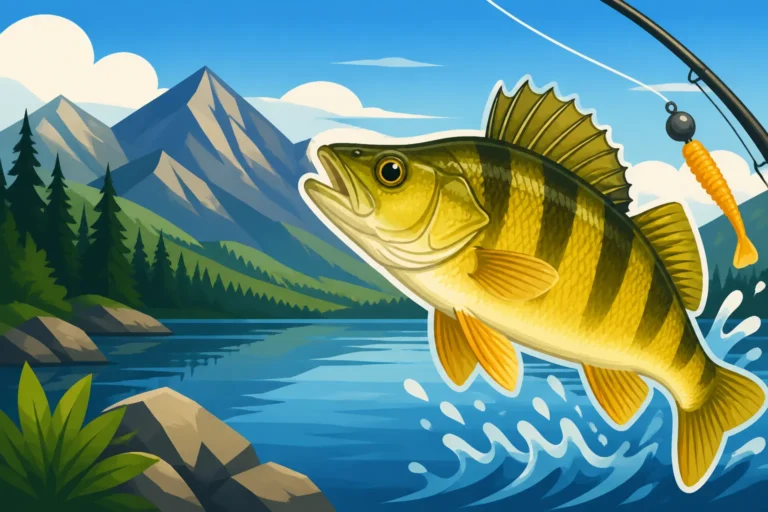
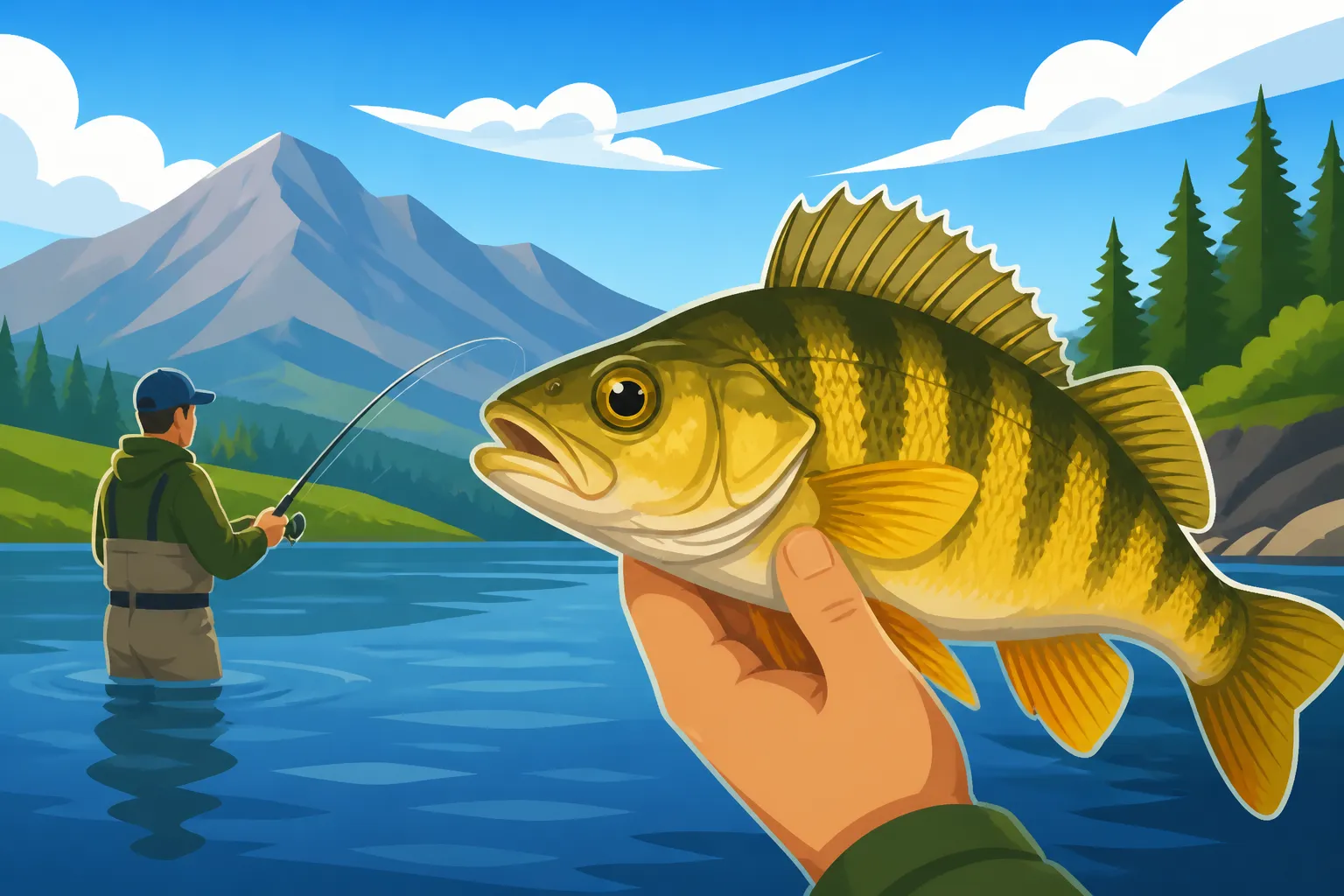
While Idaho might be famous for its massive trophy trout, powerful steelhead, or monstrous sturgeon, there's a smaller, often unsung hero swimming in many of our lakes and reservoirs: the yellow perch. Many anglers, myself included, have spent countless hours chasing bigger fish only to rediscover the simple, undeniable joy and delicious reward that comes from a successful perch trip. If you've ever felt overwhelmed by the complex regulations for other species or just want a reliable, fun day on the water with a high chance of success (and a tasty dinner), then this guide is for you. We're going to dive deep into everything you need to know about targeting Idaho's plentiful yellow perch, from where they hide to what makes them bite.
Where to Find Idaho's Yellow Perch Hotspots
Yellow perch are incredibly adaptable, but they certainly have their favorite hangouts across Idaho. Knowing these prime locations can turn a hit-or-miss fishing trip into a full-on perch party. They tend to prefer lakes and reservoirs with abundant weeds, submerged timber, or other structure where they can hide from predators and ambush smaller prey.
North Idaho Perch Paradises
When you think of North Idaho, perhaps Lake Coeur d'Alene or Priest Lake come to mind for their trophy fish. But these same waters, along with many smaller ones, are absolute goldmines for yellow perch. The perch here can grow to impressive sizes, offering a good fight on light tackle.
Lake Coeur d'Alene is renowned for its incredible perch fishery. The bays and shallower areas, especially those with plenty of weeds, are classic spots. Places like Rockford Bay, Wolf Lodge Bay, or even along the Spokane River arm can be fantastic. During the warmer months, look for them around docks and submerged brush. In winter, when the lake freezes over, it transforms into an ice fishing haven where perch are a primary target. Don't be surprised to find schools holding in 15-30 feet of water, especially near structure or drop-offs. Fishing Lake Coeur d'Alene for Kokanee and Chinook touches on this lake, but the perch story is a whole different chapter of excitement.
Other notable North Idaho lakes include Lake Pend Oreille and Priest Lake, though they're often sought for other species. However, their shallower bays and weed lines can hold impressive numbers of perch. These lakes, especially their numerous smaller, interconnected bodies of water and sloughs, provide ideal habitat. Think of the back bays where the water warms up faster in the spring, concentrating baitfish and, subsequently, the perch.
Central and Southern Idaho Perch Havens
Moving south, the perch action continues strong. Central and Southern Idaho boast numerous reservoirs that consistently produce great yellow perch fishing, particularly during the hardwater season. These bodies of water are often easier to access for many Idaho residents.
Cascade Reservoir is arguably the undisputed king of perch fishing in Central Idaho, especially for ice fishing. This massive reservoir near McCall offers incredible opportunities, with perch often caught in large numbers. Locals know that finding the right flats or humps with submerged vegetation can lead to non-stop action. The perch here can be quite large, offering a real thrill. The reservoir's vastness means you can always find a new spot to explore. Beyond Cascade, Magic Reservoir and American Falls Reservoir also offer excellent perch fishing, particularly during the late fall and winter months. These reservoirs have expansive flats and gradual slopes where perch congregate, often in deep schools. When the ice forms, these become popular destinations for anglers seeking delicious fillets. For more on these types of fisheries, check out Best Reservoirs for Fishing in Idaho.
Understanding Yellow Perch Behavior and Habitat
To consistently catch yellow perch, it helps to think like one. These fish have distinct preferences for habitat and feeding patterns that change with the seasons and even the time of day. They are schooling fish, which means if you find one, you've likely found many.
Seasonal Movements and Feeding Habits
Yellow perch are active throughout the year, but their location and behavior shift significantly with water temperature. This is crucial for planning your trips.
- Spring: As ice recedes and water temperatures rise into the 40s and 50s Fahrenheit, perch move into shallower waters, often less than 15 feet deep, to spawn. They'll be found around weeds, brush, and other structure. They feed aggressively after spawning to regain energy. This is a great time to target them with small jigs and minnows in bays and along shorelines. They’re often quite hungry!
- Summer: During the heat of summer, perch tend to move to deeper, cooler waters, often suspending over structure or near drop-offs where they can find relief from the sun and ambush baitfish. They might be found anywhere from 20 to 40 feet deep, though they'll still venture into shallower, shaded areas early and late in the day. Look for transitions, like where a flat drops into a channel, or where a weed bed ends.
- Fall: As water temperatures cool, perch become more active and start schooling up in preparation for winter. They'll move back into shallower to mid-depth ranges, often focusing on areas with remaining weed growth or hard structure like rock piles. This can be one of the best times for consistent action, as they aggressively feed to build up fat reserves.
- Winter (Ice Fishing): Yellow perch are a prime target for ice anglers. They typically gather in large schools over flats, humps, or near drop-offs in depths ranging from 15 to 40 feet. Their schooling behavior makes them a fantastic target for repeated catches once a school is located. They often respond well to subtle jigging presentations. This season is so popular that guides offer specific trips; for those interested, How to Ice Fish Idaho Lakes offers excellent insights.
Preferred Habitat and Structure
Yellow perch are structure-oriented fish. They love places where they can hide, find food, and feel secure. This means focusing your efforts on specific types of underwater terrain.
Weed beds are arguably the most important habitat for yellow perch. They provide cover from predators, a rich foraging ground for insects and small baitfish, and oxygenated water. Look for the edges of weed lines or pockets within dense weeds. Submerged timber, brush piles, and fallen trees also offer excellent cover and ambush points. These areas typically hold schools of perch throughout the year. If you can locate a submerged Christmas tree or brush pile in a reservoir, you've often found a perch magnet.
Rock piles, gravel bars, and transitions in bottom composition (e.g., where mud meets sand) are also prime locations. Perch will often school up around these features, using them as reference points or feeding stations. On large, featureless flats, even a slight depression or rise in the bottom contour can concentrate fish. Utilizing a good fish finder is incredibly helpful for locating these subtle changes in depth and structure, especially in larger reservoirs like Cascade.
Essential Gear and Tackle for Perch Fishing
One of the great things about yellow perch fishing is that it doesn't require overly specialized or expensive gear. In fact, many anglers already own what they need. The key is to size down your tackle to match these feisty but smaller fish.
Rods, Reels, and Line Choices
Light tackle is the name of the game for yellow perch. It makes the fight more enjoyable and allows for more sensitive presentations.
- Rods: A light to ultralight spinning rod, typically 5 to 6.5 feet long, is perfect. Look for a rod with a fast or moderate-fast action, which means the tip bends easily but the backbone is still stiff enough to set a hook. This sensitivity allows you to feel the often subtle bites of perch. For ice fishing, a 24- to 30-inch ultralight or light action ice rod with a sensitive tip is ideal. These shorter rods are much easier to handle in an ice shelter or while kneeling over a hole. You can find excellent, affordable options for these on Amazon, often bundled with reels.
- Reels: Pair your ultralight rod with a small spinning reel (500 to 1000 size). These reels are lightweight and balance well with the rod, making it comfortable for all-day fishing. A smooth drag system is more important than sheer cranking power for perch, as it allows the fish to take line without breaking off if it makes a sudden run.
- Line: Stick to light lines to maximize sensitivity and minimize visibility. 4 to 6-pound test monofilament or fluorocarbon is generally sufficient. Monofilament offers a bit of stretch, which can be forgiving, while fluorocarbon is nearly invisible underwater and has less stretch, providing better feel. Some anglers prefer a super-light braided line (6-10 pound test) with a 2-4 foot fluorocarbon leader for maximum sensitivity, especially in deeper water. This combination offers strength, sensitivity, and invisibility where it counts.
Baits and Lures That Yellow Perch Can't Resist
Yellow perch are opportunistic feeders, meaning they'll hit a wide variety of offerings. Having a selection of baits and lures can significantly increase your success rate.
- Live Bait: This is often the most effective choice, especially when fish are finicky. Small minnows (shiners, fatheads, or crappie minnows) are king. Hook them lightly through the lips or just behind the dorsal fin. Worms (nightcrawlers cut into pieces, or small red wigglers) are also excellent, particularly for still fishing. Small leeches can also be very productive. The natural movement and scent of live bait are hard to beat.
- Jigs: Small jigs are incredibly versatile. 1/16 to 1/8 ounce jigs are popular, often tipped with a piece of worm, a minnow head, or a small soft plastic grub. Tungsten jigs have become increasingly popular for ice fishing due to their small size and heavy weight, allowing them to sink quickly and present a smaller profile. Colors like chartreuse, white, orange, and black are consistent producers. You can find a vast selection of these tiny, effective jigs on Amazon, making it easy to stock up.
- Spoons: Small, flashy spoons (1/8 to 1/4 ounce) like Swedish Pimples, Kastmasters, or small Doctor Spoons are excellent for jigging, particularly through the ice or when casting from shore. The flash and flutter imitate struggling baitfish. Tip them with a small piece of minnow or a mealworm for added attraction.
- Spinners and Small Crankbaits: For casting in open water, small inline spinners (like Mepps or Rooster Tails) or tiny crankbaits can be very effective, especially when retrieving them slowly near weed lines or submerged structure. Their flash and vibration often trigger aggressive strikes.
- Scented Baits: PowerBait's Gulp! Minnows or Gulp! Worms are fantastic artificial alternatives that combine realistic action with potent scent. They can be particularly effective when live bait is hard to come by or when you want something durable that stays on the hook.
| Bait/Lure Type | Best Use Case | Key Advantages | Common Colors/Tips |
|---|---|---|---|
| Live Minnows | All seasons, especially cold water & finicky fish | Natural movement, scent, highly effective | Hook through lips or dorsal, use small sizes |
| Worms (Cut/Wigglers) | Still fishing, jigging, all seasons | Easy to find, versatile, good scent trail | Small pieces, red wigglers often best |
| Small Jigs | Jigging (ice or open water), tipping with bait | Versatile, small profile, good for light bites | Chartreuse, white, orange, black; tip with minnow/worm |
| Small Spoons | Jigging (ice or open water), attracting attention | Flash, vibration, mimic injured baitfish | Silver, gold, neon colors; tip with minnow piece |
| Inline Spinners | Casting & retrieving in open water | Flash, vibration, covers water | Silver, gold, copper blades; dressed with bucktail/grub |
| Soft Plastics | Tipped on jigs, subtle presentation | Realistic action, scent (if Gulp!), durable | Grub tails, tiny swimbaits; natural or bright colors |
Effective Techniques for Catching Idaho Yellow Perch
Catching yellow perch isn't usually complicated, but a few tried-and-true techniques will dramatically increase your success, whether you're fishing from shore, a boat, or through the ice. The key is often patience and a willingness to move if you're not finding fish.
Still Fishing and Bottom Rigs
This is a classic and highly effective method, especially for beginners and families, because it's simple and relatively passive. It involves presenting bait near the bottom where perch often feed.
To set up a basic still fishing rig, you'll want a light bobber (or a slip bobber for deeper water), a small split shot or two to get your bait down, and a small hook (size 6-10). Thread a piece of worm, a minnow, or a small leech onto the hook. Cast it out near weed lines, docks, or drop-offs, and let it sit. Watch your bobber closely – perch bites can range from a gentle dip to a full-on disappearance. If you’re fishing without a bobber, perhaps off the bottom with a sliding sinker rig (Carolina rig style), keep your rod tip pointed at the line and feel for subtle taps. This technique works wonders from shore, a dock, or anchored in a boat. It's especially effective when Idaho Fishing Rules for Kids and Families are in play, as it's easy for youngsters to learn.
For deeper water, a simple drop-shot rig can also be incredibly effective. Tie a hook directly to your main line, leaving a tag end. To this tag end, tie a small weight. This allows your bait to suspend at a specific depth above the bottom, keeping it visible to perch without getting lost in weeds or muck. Using a sensitive rod, you can feel even the lightest takes.
Jigging for Active Perch
Jigging is a more active technique that excels at attracting perch and determining if a school is present. It’s particularly deadly when ice fishing but also highly effective from a boat.
For open water, cast a small jig (tipped with bait or a soft plastic) near structure. Let it sink to the bottom, then lift your rod tip a foot or two, letting the jig fall back on a semi-slack line. The bite often occurs as the jig flutters down. Experiment with the retrieve speed and jigging motion. Sometimes a subtle quiver is all it takes; other times, a more aggressive snap can trigger a bite. When you feel a bite, set the hook with a quick wrist snap. This is also a fantastic method for covering water from a boat, as you can drift or slowly motor over prime areas, dropping your jig to different depths.
Ice fishing jigging follows similar principles, but with shorter rods and smaller jigs. Drop your jig to the bottom, then reel up a foot or two. Lift the rod tip a few inches and let it fall, creating a subtle action. You can also bounce the jig off the bottom to stir up sediment, attracting curious perch. The bites can be extremely light when ice fishing, sometimes feeling like just a slight pressure or weight on the line. Small tungsten jigs excel here, often tipped with a maggot (wax worm or mealworm) or a small piece of minnow. The best strategy is to drill a series of holes and move between them until you locate a school. Once you find fish, you can often stay put and catch them one after another.
Trolling for Perch on Larger Lakes
While often associated with larger game fish, slow trolling can be a surprisingly effective way to locate and catch yellow perch on bigger lakes and reservoirs, especially in summer.
Use a small boat or even a kayak, employing a very slow trolling speed (less than 1 mph). Deploy small inline spinners, tiny crankbaits, or even a small spoon with a worm trailer. Focus on trolling along weed lines, over submerged humps, or near drop-offs. The goal isn't to cover vast expanses of water quickly but to slowly drag your offerings through prime perch habitat, allowing them time to see and strike. Pay attention to your fish finder; if you see schools of baitfish or arches that indicate perch, focus your trolling efforts in that area. Consider using a small planer board to spread your lines out and cover a wider path, or simply fish directly behind the boat. This method is particularly useful when fish are spread out or you're trying to find where they're congregating on a given day. For a broader look at this technique, consider exploring Idaho Trolling Techniques Guide.
Cooking and Enjoying Your Idaho Yellow Perch Catch
The best part about catching yellow perch isn't just the fight; it's the fantastic meal they provide. Perch have firm, white, flaky, and delicious meat that’s sought after by gourmands and casual diners alike. If you're wondering how to handle your catch for the best eating experience, you've come to the right place.
Cleaning Your Catch: Filleting Perch
Cleaning perch is a straightforward process, and with a little practice, you can fillet them quickly and efficiently. You'll need a sharp fillet knife, a cleaning board, and a bowl of cold water for your fillets.
First, lay the perch on its side. Make a cut behind the pectoral fin, down to the backbone. Don't cut through the backbone. Then, turn your knife blade flat and run it along the backbone towards the tail, separating the fillet from the rib cage. Once you reach the tail, don't cut through the skin. Flip the fillet over so the skin side is down. Now, hold the tail end of the fillet firmly and slide your knife between the skin and the meat, wiggling it slightly as you go, to remove the skin. Repeat on the other side. Some people prefer to remove the scales first, but with a sharp knife and good technique, it's not always necessary for filleting. Rinse your fillets in cold water to remove any blood or scales, and then they're ready for cooking or freezing. For a broader appreciation of fish flavor, you might enjoy Best Tasting Fish Caught in Idaho.
Simple and Delicious Perch Recipes
Yellow perch are incredibly versatile in the kitchen. Their mild flavor takes well to a variety of preparations. Here are a couple of my favorite, no-fuss ways to enjoy them.
Classic Pan-Fried Perch
This is the quintessential way to prepare perch, and for good reason—it’s simple, quick, and highlights the fish's natural flavor.
Ingredients:
- 1 pound perch fillets
- 1/2 cup all-purpose flour
- 1/2 cup cornmeal or breadcrumbs (optional, but adds crunch)
- 1 teaspoon salt
- 1/2 teaspoon black pepper
- 1/2 teaspoon garlic powder (optional)
- Vegetable oil or butter for frying
Instructions:
- Pat the perch fillets dry with paper towels. This helps the coating stick and ensures a crispier result.
- In a shallow dish, combine the flour, cornmeal (if using), salt, pepper, and garlic powder. Mix well.
- Dredge each fillet in the flour mixture, ensuring it's evenly coated. Shake off any excess.
- Heat about 1/2 inch of oil or a good amount of butter in a large skillet over medium-high heat. You want it hot enough to sizzle when a drop of water hits it, but not smoking.
- Carefully place the coated fillets into the hot oil. Don't overcrowd the pan; cook in batches if necessary.
- Fry for 2-4 minutes per side, depending on thickness, until golden brown and flaky. The fish should flake easily with a fork.
- Remove the fillets from the pan and place them on a plate lined with paper towels to drain any excess oil.
- Serve immediately with lemon wedges, tartar sauce, and your favorite side dishes like coleslaw or fries. Absolutely delicious!
Baked Perch with Herbs and Lemon
If you prefer a lighter, healthier option, baking perch is a fantastic choice that still delivers on flavor.
Ingredients:
- 1 pound perch fillets
- 2 tablespoons olive oil
- 1 tablespoon fresh lemon juice
- 1 teaspoon dried dill or 2 tablespoons fresh chopped dill
- 1/2 teaspoon garlic powder
- Salt and freshly ground black pepper to taste
- Lemon wedges for serving
Instructions:
- Preheat your oven to 400°F (200°C). Lightly grease a baking dish or line it with parchment paper.
- Pat the perch fillets dry. Arrange them in a single layer in the prepared baking dish.
- In a small bowl, whisk together the olive oil, lemon juice, dill, garlic powder, salt, and pepper.
- Pour the mixture evenly over the perch fillets.
- Bake for 10-15 minutes, or until the fish is opaque and flakes easily with a fork. Cooking time will vary depending on the thickness of your fillets.
- Serve hot with fresh lemon wedges. This method is wonderfully light and lets the delicate flavor of the perch shine through.
Conservation and Responsible Perch Fishing in Idaho
As with any fishery, responsible angling practices are crucial for maintaining healthy yellow perch populations in Idaho. We want to ensure that future generations can enjoy the same fantastic fishing opportunities we do today.
Understanding Idaho's Regulations and Limits
Before you even cast a line, it's absolutely essential to be familiar with the current Idaho fishing regulations. These rules are put in place by Idaho Fish and Game to manage fish populations and ensure sustainability.
- Fishing License: Every angler aged 14 and older needs an Idaho Fishing License Guide. This is non-negotiable. Check the Idaho Fish and Game website or visit a license vendor for current requirements and to purchase yours. Children under 14 typically don't need a license, but it's always wise to confirm age requirements.
- Daily Bag Limits: Yellow perch often have generous daily bag limits, but these can vary by water body. For example, some general rules might allow a certain number of perch, but specific lakes might have different regulations to manage their unique ecosystems. Always check the current Idaho Catch Limits and Bag Limits Explained for the specific water you are fishing. It’s not just about the numbers you can keep, but also about the possession limit, which is the maximum number of fish you can have on your person or in your vehicle at any given time.
- Season Dates: While many Idaho waters are open year-round for perch, some specific bodies of water or sections might have seasonal closures or restrictions. Always double-check the current Idaho Fishing Season Dates and Limits to ensure you're fishing legally.
- Special Regulations: Be aware that some waters might have special regulations regarding bait, tackle, or methods. For example, some areas might be artificial lures only, or have specific restrictions on live bait. These details are always outlined in the Idaho Fishing Regulation brochure, which you can usually pick up at sporting goods stores or find online. Understanding these rules is critical, and you can delve deeper into Idaho Fishing Regulations Explained for a comprehensive overview.
Practicing Catch and Release for Healthier Populations
While perch are excellent eating, there might be times when you want to practice catch and release, especially if you're targeting larger specimens for photography or simply want to contribute to the health of the fishery.
When practicing catch and release, always handle fish gently. Minimize their time out of the water, use wet hands to protect their slime coat, and consider using barbless hooks, which make hook removal easier and less damaging. If a fish is deeply hooked, it’s often best to cut the line as close to the hook as possible rather than trying to rip the hook out, which can cause internal damage. Releasing fish properly helps ensure their survival and contributes to a thriving population for everyone to enjoy.
Preventing the Spread of Aquatic Invasive Species
Idaho's pristine waters are a treasure, and protecting them from aquatic invasive species (AIS) is a shared responsibility for all anglers. AIS can devastate native fish populations, alter habitats, and clog waterways.
The mantra is simple: Clean, Drain, Dry.
- Clean: Inspect all your fishing gear, including your boat, trailer, waders, and tackle, for any mud, plants, or debris. Remove anything you find.
- Drain: Drain all water from your boat, live wells, bilge, and bait buckets before leaving the access area.
- Dry: Allow all your equipment to thoroughly dry before using it in another body of water. If you can’t dry it, consider rinsing with high-pressure hot water. Never transport live fish from one water body to another, and always dispose of unused bait responsibly, never dumping it into the water. By following these simple steps, we can all do our part to keep Idaho's fisheries healthy and vibrant for years to come.
Disclaimer
This article is for general informational purposes only and does not constitute professional advice. Laws, prices and regulations vary by location and change over time. Consult a qualified professional for guidance on your specific situation.