How to Plan an Idaho Fishing Trip Around the Season
One of the biggest frustrations for any angler dreaming of a trip to Idaho is trying to figure out when to go. Idaho's vast landscapes, from desert plains to towering mountains, mean that "fishing season" isn't a simple, single answer. This guide will walk you through how to strategically plan your Idaho fishing adventure, aligning your target species and preferred techniques with the state's ever-changing seasonal rhythms, so you can make the most of every cast.
Understanding Idaho's Seasons: More Than Just Four Quadrants
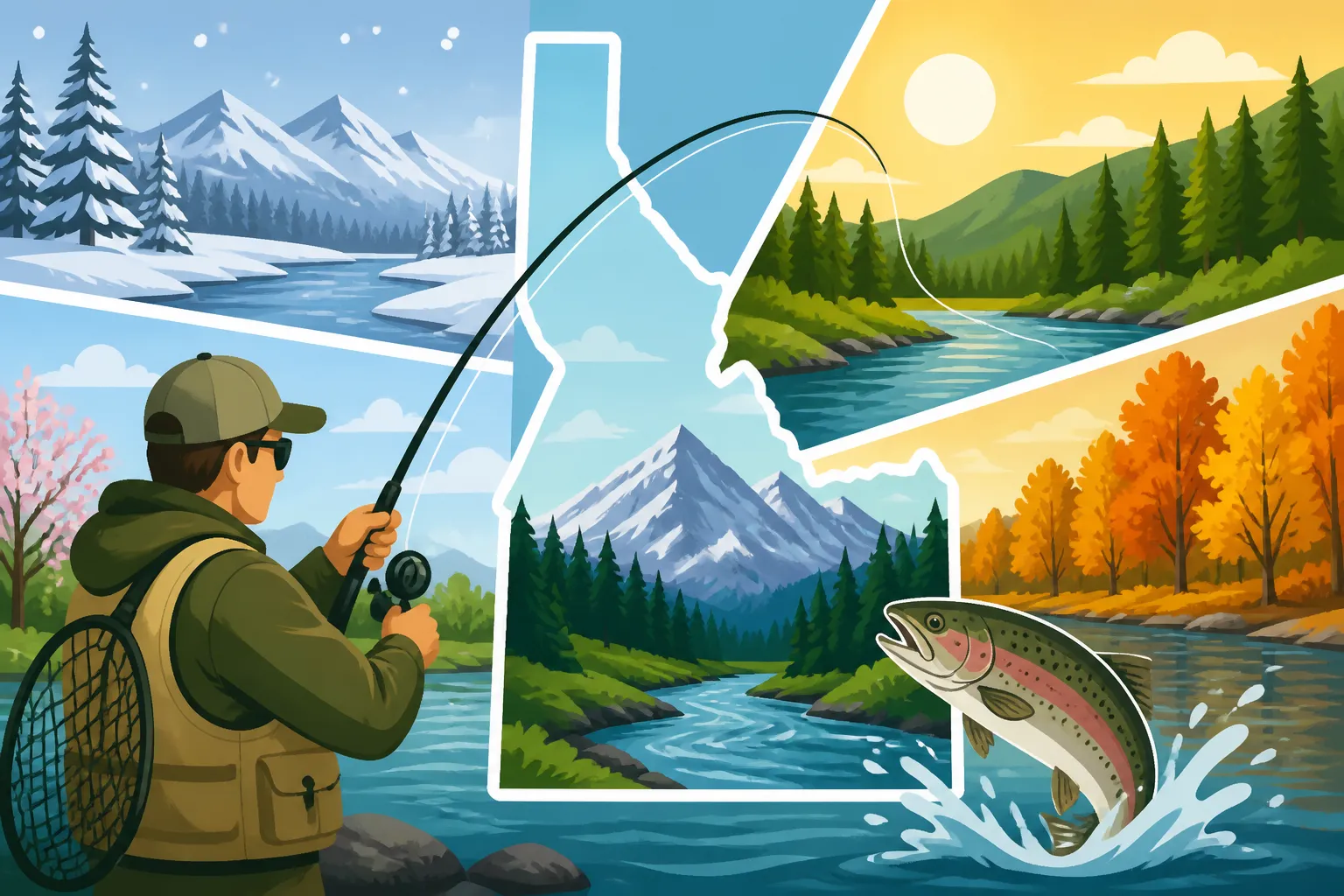
Idaho's fishing calendar is a complex tapestry, far more nuanced than simply breaking it down into spring, summer, fall, and winter. Each season brings unique opportunities, challenges, and, frankly, utterly different fishing experiences. Ignoring these distinct characteristics is like showing up to ski in July – you're just not going to have a good time. The key is understanding the subtle shifts in water levels, temperatures, and fish behavior that define these periods.
Spring's Awakening: Runoff, Rising Waters, and Hungry Fish
Ah, spring! The snowmelt begins, and with it, the rivers swell. This period, typically from April through early June, can be a real mixed bag. On one hand, you have the promise of warming temperatures, budding trees, and fish waking up from their winter lethargy, eager to feed. On the other, you have the notorious "runoff," where many larger rivers become a muddy, raging torrent, making fishing nearly impossible in certain stretches. It’s a time of renewed life, but also significant flux.
Many anglers feel a sense of urgency in spring, wanting to get out there as soon as the ice thaws. This is when patience and local knowledge truly pay off. While mainstem rivers might be unfishable due to high, turbid water, smaller tributaries, spring creeks, and some lakes can offer fantastic early-season action. Trout, for example, will often be found in slower eddies or near riverbanks, avoiding the main current and looking for easy meals. The water is still cold, but their metabolism is picking up. For lakes, the "ice-out" period is often phenomenal, as fish that have been confined all winter spread out and feed aggressively. Knowing Fishing Idaho Right After Ice-Out can give you a real edge.
Don't let the thought of muddy rivers completely deter you from spring fishing. It's often about picking the right waters or even waiting for specific windows. Sometimes, a short window between the early melt and the full-blown runoff can provide incredible fishing. It's a game of timing and flexibility. If you're targeting resident trout in smaller, stable creeks, spring can be absolutely glorious, with prolific insect hatches bringing fish to the surface. Just be prepared for potential high water and have a backup plan.
Summer's Bounty: Long Days, Warm Waters, and High-Country Escapes
Summer, from roughly June through August, is when Idaho truly shines for its diverse fishing opportunities. The weather is generally stable, the days are long, and access to virtually every corner of the state is open. This is prime time for family trips, backcountry adventures, and exploring the high mountain lakes that were locked under snow just weeks before. However, it also brings challenges, especially with increasing water temperatures on lower elevation rivers and lakes.
For many, summer means hitting the larger rivers for trout, bass, or even the migratory sockeye salmon returning to places like Redfish Lake. Fly fishing on world-renowned waters like the Henry's Fork or the South Fork of the Snake River becomes a bucket-list experience. But as temperatures climb, especially in July and August, lower-elevation trout streams can become too warm, stressing the fish. How Hot Weather Changes Where Idaho Trout Hold is critical knowledge for responsible angling during this time. Often, this means fishing early in the morning or late in the evening when water temperatures are cooler, or simply heading to higher elevations where the water remains brisk.
Lakes and reservoirs truly come alive in summer. You can find everything from cruising rainbow trout to hard-fighting smallmouth bass, crappie, and perch. Trolling for kokanee salmon on Lake Coeur d'Alene or Lake Pend Oreille is a popular summer pastime, as is targeting trophy lake trout in the deeper parts of Priest Lake. This is also the season for overnight backpacking trips to pristine high mountain lakes, where eager cutthroat trout are often less selective. Summer offers the widest range of options, but also requires anglers to be mindful of water conditions and potential crowds, particularly on popular waters.
Fall's Golden Opportunity: Spawning Runs and Aggressive Bites
As the leaves begin to turn and the crisp autumn air returns, typically from September through November, Idaho's fishing transforms once again. This is a favorite season for many seasoned anglers, and for good reason. The crowds thin out, the scenery is breathtaking, and many fish species become incredibly active, preparing for their spawning rituals or fattening up for winter. It's a truly special time to be on the water.
Fall Fishing's Peak: Migratory Fish and Cooler Temps
Fall is synonymous with steelhead and salmon fishing in Idaho. The famed anadromous runs enter the Salmon River, the Clearwater River, and the Snake River, drawing anglers from all over the world. These powerful fish offer an incredible fight and a unique challenge. This is when knowing Fall Steelhead Fishing Techniques on the Clearwater and Salmon Rivers really comes into its own. The excitement of hooking into a chrome-bright steelhead as autumn colors blaze around you is an experience unlike any other. However, these fisheries often require specialized gear, techniques, and a healthy dose of patience.
Beyond the migratory runs, fall also provides phenomenal opportunities for resident trout. As water temperatures cool down, trout become more active throughout the day, often feeding voraciously to build up reserves for winter. They can be found in more predictable lies, and the hatches can be strong, leading to incredible dry fly fishing days. Lake fishing remains strong too, as many species move shallower and become more accessible before the deep freeze sets in. It’s a time of transition, offering some of the year's best fishing across multiple species.
Winter's Unique Challenges and Rewards
Winter fishing, generally from December through March, might not be for everyone, but for those who embrace the cold, Idaho offers some truly remarkable, and often solitary, experiences. This is the season for ice fishing, for hardy steelheaders, and for quiet solitude on crisp, clear rivers. The landscape is often transformed into a serene wonderland, and the fish, though perhaps less numerous, can be surprisingly active.
Ice fishing is undeniably Idaho's winter fishing superpower. Many lakes and reservoirs across the state freeze over, opening up a whole new world of angling opportunities. Species like perch, crappie, rainbow trout, and even kokanee can be caught through the ice. Places like Cascade Reservoir for tiger muskie or Lake Cascade for giant perch become hotspots. It requires specialized gear—ice augers, shelters, tip-ups, and warm clothing—but the camaraderie and the thrill of pulling a big fish from beneath the ice are addictive. Knowing How to Stay Warm Ice Fishing in North Idaho is paramount, as comfort is key to enjoyment.
Even without ice, open water winter fishing can be rewarding. On milder days, some rivers and streams remain ice-free, offering opportunities for trout, especially in tailwater fisheries below dams where water temperatures are more consistent. Steelhead runs often extend into the winter months, offering a chance to brave the elements for a powerful catch. The key to successful winter fishing is preparation: dress in layers, bring warm drinks, and always prioritize safety on and around ice or cold water.
Matching Your Fishing Goals to the Calendar
Once you understand Idaho's seasonal cadence, the next step is to align it with your personal fishing aspirations. Are you chasing trophy fish, seeking family fun, or looking for solitude? Your goals will dictate the best time to visit.
Targeting Specific Species: When Are They Most Active?
Different fish species have different prime times in Idaho. If you have a particular target in mind, timing your trip correctly is absolutely essential.
- Steelhead: Primarily a fall and winter fishery. The fall run typically begins in September and can extend well into spring, with peak times varying by river system. The Clearwater and Salmon rivers are famous for these powerful anadromous rainbow trout.
- Chinook Salmon: Idaho's anadromous Chinook salmon runs are very specific, usually occurring in late spring and summer (May to August) in rivers like the Salmon and Clearwater. There are also landlocked Chinook in lakes like Lake Coeur d'Alene, which are actively pursued by trollers in summer and fall.
- Kokanee Salmon: These landlocked sockeye are often targeted by trollers in deep lakes like Coeur d'Alene, Pend Oreille, and Arrowrock Reservoir, with summer being a very productive time, though they can be caught year-round. Their vibrant spawning colors in the fall offer a unique, if sometimes challenging, experience.
- Trout (Rainbow, Cutthroat, Brown, Brook): Trout are available almost year-round. Spring and fall are often considered prime for river trout as water temperatures are ideal and hatches are plentiful. Summer means seeking cooler waters in high country or fishing during cooler parts of the day. Winter can be great for ice fishing stocked lakes or tailwater fisheries.
- Sturgeon: The Snake River's impressive white sturgeon are a catch-and-release fishery. They can be caught year-round, but spring, summer, and fall are generally the most comfortable and productive times, especially when the water warms up.
- Bass (Smallmouth & Largemouth): Bass fishing really heats up in the warmer months. Late spring through early fall (May to October) is prime, with particular emphasis on the spawn in late spring/early summer. The Snake River is phenomenal for smallmouth bass.
- Perch & Crappie: These panfish are fantastic for beginners and families and are often caught in reservoirs and lakes. Late spring, summer, and early fall are productive, but they are also mainstays of the ice fishing scene in winter.
Knowing Best Time of Year to Target Each Major Idaho Game Fish will greatly enhance your chances of success.
Gear Up for the Season: What to Pack and Prepare
Your gear list will change dramatically depending on the season you choose for your Idaho adventure. You simply can't bring the same setup for a summer fly fishing trip on Silver Creek as you would for ice fishing Payette Lake in January. Being adequately prepared means comfort, safety, and ultimately, more successful fishing.
- Spring: Expect changeable weather. Layers are crucial. Waterproof outer shells are a must, as are waders if you plan on wading. For high water, heavier line and weights might be needed to get your bait or lure down. A reliable pair of polarized sunglasses is always a good idea. For those seeking specific items, checking trusted outdoor retailers like Amazon can help you find everything from breathable waders to specialized runoff-appropriate lures.
- Summer: Lighter clothing, good sun protection (hats, sunscreen, long-sleeved shirts), and plenty of hydration are key. If you're heading to high country, remember that evenings can still be chilly, so a warm layer is wise. Consider light, fast rods for nimble trout, or heavier setups for lake trolling. A good cooler for your catch is essential.
- Fall: Again, layering is paramount, especially for early mornings and late evenings. Insulated waders or chest waders will keep you comfortable on colder rivers. Warm hats, gloves, and waterproof boots are non-negotiables. For steelhead, specific rods, reels, and lines are typically employed. You might find great deals on seasonal gear, including specialized tackle or cold-weather apparel, by browsing Amazon's fishing sections.
- Winter: This is where preparation really matters. Extreme cold weather gear, insulated boots, thick waders, thermal layers, and perhaps even a portable shelter for ice fishing are necessary. Ice augers, flasher units, and specialized short ice fishing rods will be on your list. Hand and foot warmers can be lifesavers. Don't forget a thermos with hot beverages! For those looking to stock up on winter fishing essentials, Amazon provides a vast selection, from pop-up ice shanties to specialized jigs.
A comprehensive Idaho Fishing Gear Guide by Season can offer even more specific recommendations.
Navigating Regulations and Access: Seasonal Changes You Need to Know
Idaho's fishing regulations are not static; they change by waterbody and often by season. It’s not enough to simply have an Idaho Fishing License Guide; you need to understand the nuances of the "Idaho Fishing Regulations Explained." What's open in summer might be closed in fall, or have different bag limits, size restrictions, or even tackle requirements.
For instance, many steelhead and salmon fisheries have specific seasons, catch limits, and mandatory harvest reports (like a catch record card). Some waters might be catch-and-release only for certain species or during particular times of the year. During spring runoff, some smaller creeks might be temporarily closed to protect spawning fish, while others might open up. Access points can also change with the seasons; a road that's open all summer might be gated and snowed in by winter.
Always, always consult the latest Idaho fishing regulations brochure, often called the "proclamation," before you head out. These are available online through the Idaho Department of Fish and Game (IDFG) and at license vendors. Ignorance of the rules is never an excuse, and violations can lead to hefty fines and loss of fishing privileges. Pay close attention to Idaho Fishing Season Dates and Limits for your chosen waters and species.
Crafting Your Seasonal Idaho Fishing Itinerary
Idaho is a big state, and fishing conditions can vary wildly from one region to another, even within the same season. Understanding these regional differences is crucial for effective trip planning.
North Idaho: Panhandle Pleasures Through the Year
The Panhandle region, encompassing areas around Coeur d'Alene, Sandpoint, and Priest Lake, offers fantastic fishing year-round, thanks to its numerous large lakes and productive rivers.
- Spring: While some rivers experience runoff, the large lakes like Lake Coeur d'Alene and Lake Pend Oreille can offer excellent fishing for trout, kokanee, and even Chinook salmon after ice-out. Smaller, stable rivers like the St. Joe can be good for cutthroat trout.
- Summer: This is prime time for cruising the big lakes. Trolling for kokanee and Chinook on Lake Coeur d'Alene, or targeting trophy lake trout on Priest Lake, are popular pursuits. River fishing on the St. Joe and Kootenai can be excellent for native cutthroat and rainbow trout.
- Fall: Steelhead runs begin on the Clearwater River, drawing a significant number of anglers. Lake fishing remains strong, with kokanee often shallower before they spawn. The fall colors add an extra layer of beauty to any trip.
- Winter: North Idaho is an ice fishing mecca. Priest Lake, Lake Coeur d'Alene (in colder years), and numerous smaller lakes offer opportunities for perch, rainbow trout, and even kokanee through the ice. Steelhead fishing on the Clearwater continues for the truly dedicated. Knowing North Idaho Ice Fishing Spots will be a huge advantage.
Central Idaho: High Mountain Lakes and Iconic Rivers
Central Idaho is the heart of the state's wilderness and home to some of its most iconic rivers and pristine high mountain lakes, including the famed Sawtooths and the Middle Fork of the Salmon River.
- Spring: This region is often the last to shed its winter coat. Early spring means fishing the lower reaches of rivers or focusing on still-frozen lakes for ice fishing. As the snow melts, expect significant runoff on major rivers, making them challenging to fish.
- Summer: The glory season for Central Idaho. All the high mountain lakes become accessible, offering incredible wilderness cutthroat fishing. The main stem of the Salmon River and the Middle Fork of the Salmon River offer outstanding float trip fishing for trout and, later in the season, Chinook salmon. The Henry's Fork, a world-class fly fishing destination, is in its prime, but can also be very busy.
- Fall: The Salmon River becomes a hotspot for steelhead, offering some of the most remote and wild steelhead fishing experiences. Trout fishing in the Henry's Fork and other tributaries can be exceptional as fish feed heavily. The cooler weather makes for very comfortable fishing, and the crowds thin considerably.
- Winter: Very limited open water fishing due to widespread freezing. Some tailwater sections might remain fishable, but this is largely a season for ice fishing on accessible reservoirs, or embracing other winter sports.
Southern Idaho: Reservoirs, Basins, and Desert Gems
Southern Idaho, encompassing areas around Boise, Twin Falls, and Pocatello, offers a diverse mix of large reservoirs, the mighty Snake River, and unique desert fisheries.
- Spring: The Snake River and its tributaries, as well as many reservoirs, begin to warm up, activating bass, perch, and trout. This can be a great time for pre-runoff trout fishing in areas like the Boise River.
- Summer: Prime time for bass fishing on the Snake River and its reservoirs like C.J. Strike, Lake Lowell, and Lucky Peak. Warmwater species thrive. High desert streams and smaller ponds also offer good action for trout and panfish, often stocked regularly. Why Boise Anglers Fish Lucky Peak Reservoir After Work is a perfect example of how local spots become go-to options.
- Fall: As temperatures drop, bass fishing can remain strong, and trout fishing in the Snake River system and reservoirs picks up significantly. Migratory runs of whitefish or even some early steelhead can occur in far western sections of the Snake.
- Winter: Ice fishing on reservoirs like Cascade Reservoir (for monster tiger muskie and perch) and Magic Reservoir is a major draw. Open water fishing on sections of the Snake River and tailwater fisheries can provide opportunities for trout and sturgeon on milder days.
Table: Seasonal Fishing Opportunities and General Gear Needs in Idaho
| Season | Typical Months | Key Fish Species | Common Fishing Types | General Gear Considerations |
|---|---|---|---|---|
| Spring | Apr – Jun | Trout, Bass, Perch, Salmon (early run) | River fishing (lower flows), Lake trolling, Ice-out fishing, Fly Fishing | Layers, waterproofs, waders, polarized sunglasses, heavier line/weights for runoff, boat or bank setups. |
| Summer | Jul – Aug | Trout, Bass, Kokanee, Sturgeon, Chinook | High mountain lakes, Lake trolling/jigging, River floating/wading, Fly Fishing, Shore fishing | Light clothing, sun protection, hydration, light-to-medium rods, specific lake/river tackle, backpacking gear. |
| Fall | Sep – Nov | Steelhead, Trout, Bass, Kokanee, Sturgeon | Steelhead angling, Trout fly fishing, Lake trolling, River bait/lure fishing | Warm layers, insulated waders, waterproof boots, specialized steelhead gear, medium-heavy rods, warm beverages. |
| Winter | Dec – Mar | Perch, Trout, Crappie, Steelhead | Ice fishing, Open water river fishing (tailwaters) | Extreme cold weather gear, insulated boots, ice auger, flasher, ice rods, portable shelter, hand warmers. |
Planning an Idaho fishing trip around the season truly makes all the difference. It allows you to anticipate conditions, prepare appropriately, and maximize your chances of success and enjoyment, no matter what kind of angler you are. Embrace the diversity, stay flexible, and you’re sure to have an unforgettable adventure in the Gem State.
Disclaimer
This article is for general informational purposes only and does not constitute professional advice. Laws, prices and regulations vary by location and change over time. Consult a qualified professional for guidance on your specific situation.