Are Idaho Grayling Rare?
Many anglers planning a trip to Idaho often wonder about the state's diverse fish populations, but few species spark as much intrigue and hushed curiosity as the Arctic Grayling. It's a valid question to ask if these stunning fish are truly rare in Idaho, especially given their unique appearance and reputation for thriving in pristine waters. This comprehensive guide will dive deep into the world of Idaho's grayling, explaining their current status, why they're so elusive, and how conservation efforts are working to protect these beautiful, cold-water residents.
Understanding the Arctic Grayling in Idaho
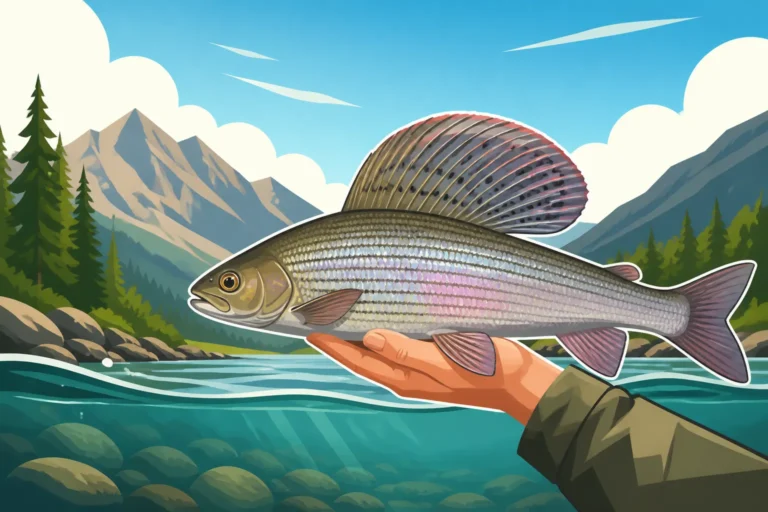
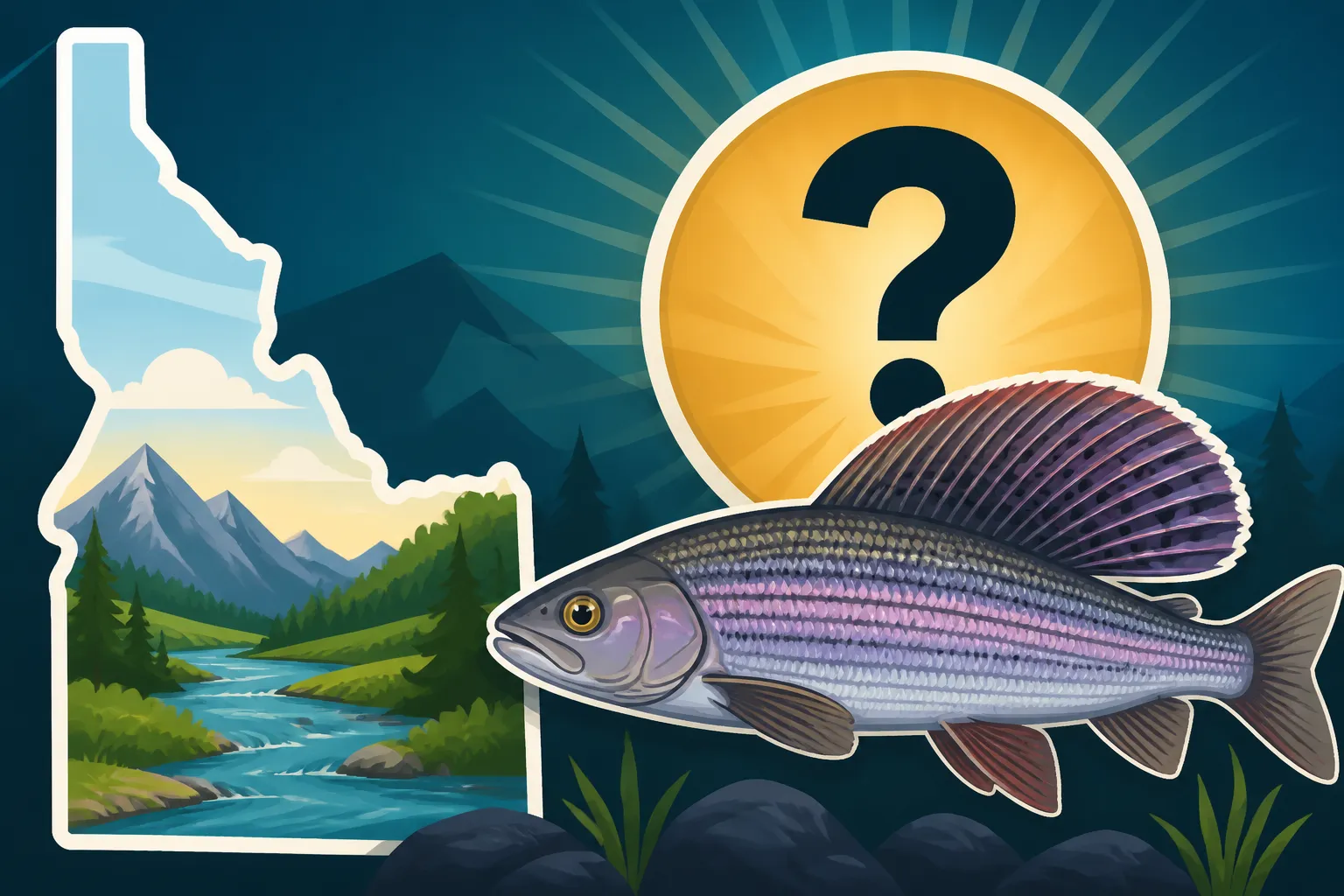
The Arctic Grayling, with its sail-like dorsal fin and iridescent, jewel-toned scales, is truly a sight to behold. For many anglers, catching one is a bucket-list item, not just for the challenge but for the sheer beauty of the fish itself. But beyond their striking looks, grayling are fascinating creatures with specific needs that have made them particularly vulnerable in many parts of their historical range.
A Glimpse into Grayling Biology and Habitat
Grayling are members of the salmon family, known for their large, distinctive dorsal fin, which can be brightly colored and patterned, resembling a sail or a flag. Their bodies often gleam with hues of purple, blue, and gold, making them one of the most aesthetically pleasing fish you can encounter. They're primarily insectivorous, feeding on aquatic and terrestrial insects, and thrive in incredibly cold, clear, well-oxygenated waters. Think of pristine mountain lakes and the headwaters of remote streams – that's prime grayling territory.
These fish are highly sensitive to changes in water quality and temperature. Unlike some more adaptable trout species, grayling need consistent conditions to reproduce and flourish. They typically spawn in shallow, gravelly stream bottoms, often in tributaries that feed larger lakes or rivers. This dependence on specific spawning habitats, combined with their need for pristine water, makes them excellent indicators of environmental health. Where grayling thrive, you know the ecosystem is doing pretty well.
Historical Distribution vs. Current Strongholds
Historically, Arctic Grayling were more widespread across parts of Idaho, particularly in the upper reaches of some major river systems. They were considered a native species to certain drainages, especially those in the central and eastern portions of the state. However, like many native fish, their populations have faced significant pressure over the last century due to a variety of human-induced and environmental factors.
Today, while they are still present, their distribution is far more fragmented and limited. You won't find them in every stream or lake where other trout might thrive. Instead, Idaho's grayling populations are largely concentrated in high mountain lakes, many of which are stocked by Idaho Fish and Game to maintain a fishery. There are also a few isolated, self-sustaining populations in very remote, pristine headwater streams, particularly in wilderness areas like the Frank Church River of No Return. These wild populations are especially precious and carefully managed.
Why Arctic Grayling Are Considered Rare in Idaho
So, to answer the initial question directly: yes, Arctic Grayling are indeed considered rare in Idaho, especially their truly wild, native populations. While stocked grayling provide a unique angling opportunity in certain lakes, encountering a truly wild, stream-dwelling grayling in its native habitat is a special and increasingly uncommon event. There are several key reasons why these fish have become so elusive.
Habitat Fragmentation and Loss
One of the most significant threats to grayling populations has been the degradation and fragmentation of their preferred habitats. Extensive logging practices in the past led to increased siltation in streams, burying the gravel beds essential for spawning. Mining operations also introduced pollutants that grayling simply cannot tolerate. The construction of dams and diversions for irrigation or power generation has further broken up continuous river systems, preventing grayling from migrating between crucial spawning and rearing grounds.
Imagine a grayling needing to move upstream to spawn, only to find its path blocked by a culvert or an impassable dam. Or picture its nursery stream becoming choked with sediment after a major logging event. These changes disrupt their life cycle, isolate small populations, and reduce their genetic diversity, making them even more vulnerable to other pressures. While efforts are now made to mitigate these impacts, the historical damage has had lasting effects on Idaho Grayling, A Rare Native Fish.
Competition from Introduced Species
Another major challenge for native grayling has been the introduction of non-native fish species. For decades, many Idaho waters were stocked with various species of trout, such as Rainbow Trout, Brown Trout, and Brook Trout, to enhance angling opportunities. While these introduced species provide excellent fishing, they often outcompete grayling for food resources and prime spawning areas.
Consider a scenario where a grayling and a brook trout are vying for the same insect hatch or a preferred gravel bed for laying eggs. The introduced species, often more aggressive or adaptable, can gain the upper hand, pushing grayling out of their historical niches. In some cases, larger introduced predatory fish can also prey on juvenile grayling. This ecological competition is a subtle yet powerful force that has steadily eroded grayling numbers across the state. Learning more about different species can be found in our Idaho Fish Species Guide.
Sensitivity to Environmental Changes
As mentioned earlier, grayling are highly sensitive creatures. They are often called "canaries in the coal mine" for aquatic ecosystems because their health directly reflects the health of their environment. They require very specific, cold water temperatures and high oxygen levels. Even slight increases in water temperature due to climate change or localized human activity can stress grayling populations, making them less likely to reproduce successfully or even survive.
Furthermore, they are extremely intolerant of silt, pollution, and anything that degrades water quality. Runoff from agricultural areas, urban development, or even poorly managed trails can introduce sediment and contaminants into their sensitive habitats. This inherent vulnerability to environmental shifts means that as human impact on the landscape grows, the number of places where grayling can naturally thrive diminishes, reinforcing their rare status.
Where to Find Idaho's Elusive Grayling (If You're Lucky!)
Despite their rarity, the pursuit of grayling remains a cherished goal for many Idaho anglers. It's not just about the catch; it's about the adventure, the wild places they inhabit, and the deep satisfaction of connecting with such a unique creature. If you're hoping to encounter one of these magnificent fish, you'll need to be prepared for an adventure.
The High Mountain Lake Quest
For most anglers seeking grayling in Idaho, the journey will lead to the state's incredible high mountain lakes. Many of these remote, alpine jewels, particularly in the Sawtooth Mountains, the White Cloud Mountains, and within the vast Idaho Wilderness areas like the Frank Church, are regularly stocked with grayling by Idaho Fish and Game. Accessing these lakes often involves significant hiking, sometimes over rugged terrain, and can require overnight backpacking trips.
The reward, however, is often worth the effort. Imagine casting a small dry fly onto a glassy, sapphire-blue lake surrounded by towering granite peaks, and seeing that distinctive dorsal fin rise gracefully to your offering. These lakes provide a chance to experience truly pristine environments and, with a bit of effort, encounter the grayling. Always check the latest Idaho Fishing Regulations Explained and Idaho Fish Stocking Reports Explained to identify which lakes are stocked and what specific rules apply. For a deeper dive into these remote havens, check out our guide on the Best High Mountain Lakes in Idaho for Fishing.
Protecting Their Future: Conservation Efforts
Idaho Fish and Game, along with various conservation groups, are actively involved in efforts to protect and restore grayling populations. Stocking programs in high mountain lakes are a prime example, ensuring that anglers can still experience these beautiful fish. But beyond stocking, there are ongoing projects focused on habitat restoration, such as improving stream connectivity, stabilizing stream banks, and reducing sediment runoff in critical grayling waters.
Anglers also play a vital role in grayling conservation. Practicing responsible catch-and-release is paramount, especially for any wild grayling encountered. Using barbless hooks, minimizing handling time, and keeping the fish in the water as much as possible are crucial steps to ensure their survival after release. Adhering strictly to all fishing regulations and securing the necessary Idaho Fishing License Guide and any specific Idaho Fishing Permits and Stamps Explained helps fund these essential conservation initiatives. Every small action contributes to the long-term health of these rare and cherished fish.
Fishing for Grayling: A Rewarding, Respectful Pursuit
If you're planning to target grayling in Idaho, be prepared for a truly rewarding experience. It's often less about filling a creel and more about the connection to the wild, the beauty of the fish, and the challenge of fishing pristine, remote waters.
Gear and Techniques for Grayling
Grayling, like many cold-water species, can be quite particular. Generally, light tackle is the way to go. For fly anglers, a light-action rod (e.g., 2-4 weight) with a delicate leader is ideal. Grayling have small mouths, so small dry flies (like Adams, Parachute Adams, caddis patterns, or mosquito imitations) in sizes 14-20 are often effective, especially during a hatch. Nymphs (like Hare's Ear, Pheasant Tail) can also be very productive when fished subsurface. For more general advice on casting your line in Idaho, explore our How to Fly Fish in Idaho guide.
If you prefer spin fishing, ultra-light spinning gear with small inline spinners or tiny spoons can work well. Small, soft plastic lures that mimic aquatic insects are also good options. The key is a delicate presentation, as grayling can be spooked easily by heavy lines or clunky lures. Many specialty fly shops and even larger online retailers like Amazon offer a fantastic selection of appropriate flies, ultra-light rods, and other essential gear for targeting grayling. Check out resources like Best Bait and Lures for Idaho Fishing for more ideas tailored to Idaho's diverse waters.
| Characteristic | Arctic Grayling | Rainbow Trout | Cutthroat Trout | Brook Trout |
|---|---|---|---|---|
| Dorsal Fin | Exceptionally large, sail-like, often colorful | Moderately sized, not exceptionally tall | Moderately sized, often rounded | Moderately sized |
| Coloration | Iridescent purples, blues, golds; black spots | Rainbow stripe, dark spots; varied | Red/orange slash under jaw; dark spots | Dark green/brown back, worm-like markings |
| Habitat Pref. | Very cold, clear, high-oxygen lakes/streams | Wide range of cold/cool waters | Cold, clear mountain streams/lakes | Very cold, clear, small streams/lakes |
| Rarity (Idaho) | Rare (wild); stocked in some alpine lakes | Widespread; abundant (native & stocked) | Native (Westslope/Yellowstone); common | Introduced; common in many high-elevation areas |
| Diet | Primarily insects (aquatic & terrestrial) | Insects, small fish, crustaceans | Insects, small fish, zooplankton | Insects, small fish, zooplankton |
Regulations and Ethical Angling
Because of their rarity and sensitive nature, grayling are often subject to special regulations in Idaho. It is absolutely critical to consult the most current Idaho fishing regulations pamphlet or the Idaho Fish and Game website before you head out. Many grayling fisheries are strictly catch-and-release, or have very restrictive bag limits. Knowing the difference between, say, a grayling and a Idaho Cutthroat Trout Fishing Guide will prevent accidental retention of a protected species.
When you do catch a grayling, handle it with the utmost care. Keep the fish in the water as much as possible, use wet hands to minimize damage to its protective slime coat, and remove the hook quickly and gently. If you need to take a photo, do so rapidly, holding the fish briefly over the water, and then release it to fight another day. These practices ensure that future generations of anglers, and the grayling themselves, can continue to thrive in Idaho's wild places. Respect for the resource is key, and every grayling released healthy contributes to its perseverance.
In conclusion, yes, Idaho grayling are indeed rare, particularly their wild, native populations. Their rarity stems from a combination of specific habitat requirements, historical habitat degradation, and competition from introduced species. However, through dedicated conservation efforts and the responsible practices of anglers, these stunning fish continue to grace some of Idaho's most pristine and remote waters. Seeking out a grayling is an adventure in itself, connecting you to the wild heart of the Gem State and offering a chance to witness one of nature's true masterpieces.
Disclaimer
This article is for general informational purposes only and does not constitute professional advice. Laws, prices and regulations vary by location and change over time. Consult a qualified professional for guidance on your specific situation.