What Idaho Grayling Are and Where to Find Them
Many anglers, even seasoned Idaho veterans, might hear the term "grayling" and wonder if we're talking about some mythical creature. It's true, these beautiful fish aren't as widespread as our beloved trout, but they are absolutely a treasure of Idaho's high-country waters. This guide will peel back the mystery, explaining exactly what Arctic Grayling are, why they're special, and where you might be lucky enough to encounter them in the Gem State.
The Allure of the Arctic Grayling in Idaho
For many, the mention of "grayling" conjures images of far-off, remote Alaskan or Canadian rivers. Yet, Idaho is home to a small, but incredibly precious, population of these stunning fish. They are a relic, a testament to Idaho's wild, untamed corners, and encountering one is often considered a highlight of any high-country angling adventure. They represent a connection to a colder, wilder past, and their very presence in Idaho is a story in itself.
What Makes Grayling So Unique?
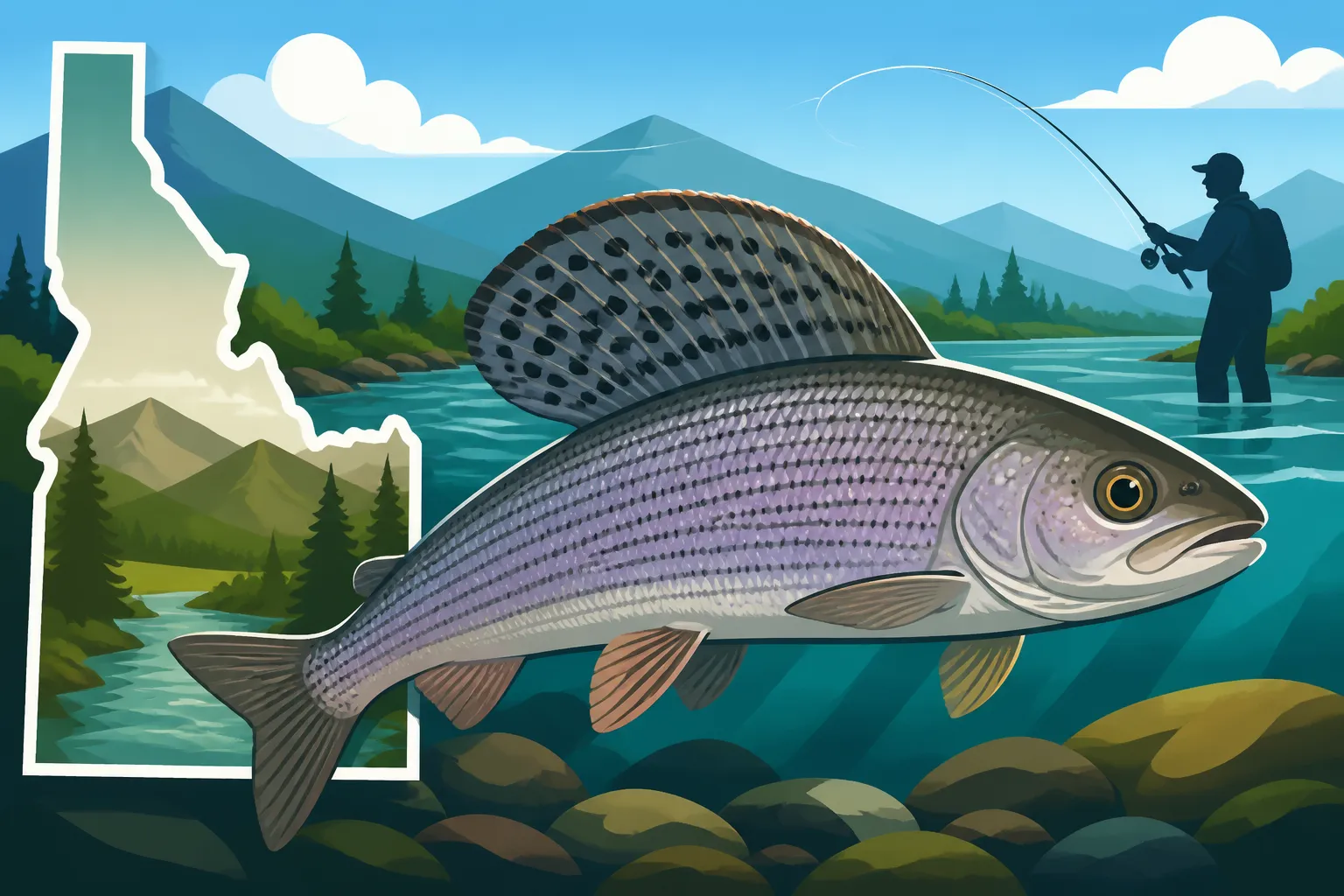
Imagine a fish adorned with colors so vibrant, it looks like it swam straight out of an artist's palette. That's the Arctic Grayling. Their most distinguishing feature is undoubtedly their enormous, sail-like dorsal fin, often edged with iridescent hues of purple, blue, or red, and speckled with rows of emerald spots. It's truly a sight to behold, especially when they unfurl it. Their bodies are typically silver-gray to dark brown, with iridescent spots or dashes, and sometimes a rosy blush along their sides. They have a relatively small, graceful head and mouth, perfectly adapted for sipping insects from the surface or foraging along the bottom.
Beyond their looks, grayling possess a certain elegance in the water. They are often found in clear, cold streams and high-alpine lakes, where their movements are precise and deliberate. Unlike some fish that might aggressively strike a lure, grayling often inspect their food with a discerning eye, making them a delightful challenge for fly anglers. Their unique beauty and somewhat finicky nature make them a true prize for those who appreciate the subtle art of fishing. It's not just about the catch, it's about the experience of connecting with such a rare and beautiful creature in its pristine habitat.
A Glimpse into Grayling Biology and Lifecycle
Arctic Grayling are fascinating creatures with a lifecycle finely tuned to their cold-water environments. Their diet primarily consists of aquatic insects – think caddisflies, mayflies, stoneflies, and midges – as well as terrestrial insects that fall onto the water, small crustaceans, and even tiny fish. They are opportunistic feeders, often rising gracefully to the surface to snatch a fly, making them a favorite target for dry fly enthusiasts. You can spend hours just watching them dimple the surface, patiently waiting for the right moment.
Spawning for grayling typically occurs in spring, soon after the ice recedes, usually in shallow, gravelly riffles of streams that feed into larger lakes or rivers. The females deposit their eggs, which are then fertilized by the males, often in an elaborate display of fin-flaring and courtship. Unlike salmon and steelhead, grayling are repeat spawners, meaning they can reproduce multiple times throughout their lives, if they survive. They are relatively slow-growing fish, and their survival is heavily dependent on stable, cold, and clean water conditions. This makes their presence a key indicator of a healthy, unspoiled ecosystem. When you find grayling, you know you're in a truly special place.
Where to Find Idaho's Elusive Grayling
Idaho’s grayling population is small, and finding them requires both knowledge and a willingness to venture into the state’s more remote, high-altitude regions. These aren't the kind of fish you'll stumble upon in every lowland stream or popular reservoir. They thrive in the solitude of wilderness areas, where human impact is minimal and the water remains pristine. This adds to their mystique and makes a grayling encounter even more memorable.
Historical and Current Strongholds
Historically, Arctic Grayling were more widespread throughout the northern Rockies, but habitat degradation and competition with introduced species severely impacted their numbers. Today, in Idaho, the vast majority of our native grayling populations are found in the high mountain lakes and streams of the Middle Fork Salmon River drainage, particularly within the vast and rugged Frank Church-River of No Return Wilderness. This is truly the heart of grayling country in Idaho. The remote nature of this area, often requiring multi-day backpacking trips, horseback rides, or even float plane access, helps protect these delicate populations.
You won't find specific, publicly advertised "grayling spots" for a good reason – their rarity and fragility necessitate a degree of protection. However, many of the high-elevation lakes and their tributary streams within the Middle Fork drainage, particularly those above 7,000 feet, hold populations. These waters often have very short fishing seasons due to ice cover for much of the year, and access can be challenging. Think pristine alpine lakes fed by snowmelt, with rocky shores and clear, cold inflows. If you're planning a multi-day backcountry trip, research the specific regulations for the drainages you intend to visit, as they can be quite strict to protect these unique fish. It’s definitely not a casual day trip!
The Importance of Conservation Areas
The survival of Idaho's Arctic Grayling is inextricably linked to the protection of these wilderness areas. Many of the waters where grayling reside fall under special management rules, often designated as catch-and-release only, or with very specific limits on gear and bait. These regulations are not put in place to frustrate anglers, but to ensure that these native populations can thrive and reproduce without undue pressure. Learning about Idaho Fishing Regulations Explained before you go is absolutely essential.
Conservation efforts focus on maintaining water quality, protecting spawning habitats, and preventing the introduction of non-native species that could outcompete or prey on grayling. For instance, the presence of certain types of trout can sometimes negatively impact grayling populations, making selective stocking and careful management critical. Anglers play a vital role in these conservation efforts. By adhering strictly to regulations, practicing careful catch and release, and minimizing their impact on the fragile high-country environment, we all contribute to the continued existence of this magnificent fish. Remember, leaving no trace is paramount in these sensitive ecosystems.
Fishing for Idaho Grayling: Techniques and Ethics
Fishing for Arctic Grayling is often described as an experience rather than just a catch. Their preferred habitat and delicate feeding habits lend themselves beautifully to certain angling styles, and the remote locations almost guarantee a memorable adventure. It's a chance to truly connect with nature and test your skills.
Recommended Gear and Tactics
When it comes to grayling, fly fishing is king. Their diet, heavily reliant on insects, makes them ideal targets for fly anglers. A lightweight fly rod (think a 3 or 4-weight, 7-9 feet long) is perfect for presenting small, delicate flies. Leaders and tippets should be fine (5x or 6x) to avoid spooking these often-skittish fish in clear waters. If you're looking for quality gear that won't break the bank, you can often find great options for fly rods, reels, and lines on Amazon.
For flies, focus on patterns that imitate aquatic and terrestrial insects. Small dry flies like Parachute Adams, Royal Wulff, Elk Hair Caddis, and various ant or beetle patterns in sizes 14-18 are often effective, especially during hatches or when fish are actively rising. Don't be afraid to try tiny nymphs like a Zebra Midge or a small Pheasant Tail if fish aren't looking up. Stealth is paramount – approach the water carefully, cast accurately, and observe the water for signs of feeding fish. They're often found in slower pools, eddies, and tailouts where insects collect. Learning How to Fly Fish in Idaho will definitely give you an edge.
While fly fishing is preferred, spin anglers can also find success using ultra-light gear with tiny spinners (size 0 or 1, silver or gold blades) or small spoons. Tiny jigs tipped with a piece of worm or scented bait can also work, but always check local regulations as bait restrictions are common in grayling waters. Remember, these fish have delicate mouths, so light tackle helps prevent damage.
Catch and Release: Protecting a Precious Resource
Given the rarity and fragility of Idaho's grayling populations, catch and release is not just a suggestion – it's often a legal requirement and always the most ethical approach. These fish are slow to grow and reproduce, and every fish released safely back into the water contributes to the health and future of the population. Many of these waters are explicitly designated as Idaho Catch-and-Release-Only Waters List.
To ensure a successful release, minimize handling as much as possible. Use a soft, knotless net if needed, and keep the fish in the water while removing the hook. Barbless hooks are highly recommended, as they make hook removal much easier and reduce harm to the fish. If you must handle the fish for a quick photo, wet your hands thoroughly beforehand to protect their delicate slime coat, and support their body horizontally. Get your photo quickly and gently release the fish, allowing it to recover in the current before swimming away. The goal is for that grayling to go on to spawn and fight another day, continuing the cycle in these precious high-country streams. This mindful approach is part of the deep respect anglers have for Idaho’s unique aquatic inhabitants.
Distinguishing Grayling from Other Idaho Fish
In the clear waters of Idaho's high country, you might encounter various fish species. It's important to be able to tell them apart, especially since grayling often live alongside several trout species. Knowing the key identification features will help you adhere to regulations and appreciate what you've caught.
Key Identification Features
The most obvious feature that sets the Arctic Grayling apart from any other fish in Idaho is that magnificent, oversized dorsal fin. It's significantly larger than that of any trout or salmon, often extending almost halfway down the back, and is usually vibrantly colored. No other common Idaho game fish has a dorsal fin quite like it. Look for those distinctive spots and iridescent edges.
Beyond the dorsal fin, grayling have relatively large scales that are often more visible than those on trout. Their coloration tends to be a bit more muted and silvery than many trout, though they can show iridescent flashes of blue, purple, and green, particularly on their sides and around their gill covers. Some individuals may have a prominent black spot on their side, often referred to as a "thumbprint." Their mouth is relatively small and upturned, indicative of their preference for surface insects. They also have a distinctive, subtle scent, sometimes described as thyme or wild marjoram, which is another unique characteristic. This is one of the subtle beauties of Idaho Fish Species Guide.
Similarities and Differences with Trout
While grayling are often found in trout waters, they are distinctly different. They belong to the Salmonidae family, like trout and salmon, but they are in their own genus, Thymallus. Here’s a quick rundown of how they stack up against their more common cousins:
| Feature | Arctic Grayling | Rainbow Trout | Cutthroat Trout |
|---|---|---|---|
| Dorsal Fin | Very large, sail-like, often colorful, speckled | Smaller, less prominent, usually uniformly spotted | Smaller, less prominent, usually uniformly spotted |
| Coloration | Silver-gray to brown, iridescent patches, often black "thumbprint" | Silvery sides, prominent red/pink stripe, heavy black spots | Gold/bronze sides, scattered black spots, red/orange slash under jaw |
| Mouth | Small, upturned, no teeth on roof of mouth | Larger mouth, teeth on roof of mouth | Larger mouth, teeth on roof of mouth |
| Scales | Relatively large, prominent | Smaller, less prominent | Smaller, less prominent |
| Habitat | Cold, clear high-altitude lakes & streams | Wide variety of cold waters, including rivers, lakes, reservoirs | Native to cold mountain streams and lakes |
| Red Slash | Absent | Absent | Distinctive red/orange slash below lower jaw is present |
You can explore more about Idaho Cutthroat Trout Fishing Guide and Idaho Rainbow Trout Fishing Guide to see more comparisons. The key is that dorsal fin and the absence of the red slash under the jaw that is characteristic of the cutthroat. Observing these features carefully will help you correctly identify your catch and ensure you're following all pertinent regulations. When you encounter a grayling, you'll know it by that unmistakable dorsal fin!
Idaho's Arctic Grayling are a true jewel of the high country, a living testament to the wildness that still defines much of our state. Finding them is not just about the fishing; it's about the adventure, the pristine wilderness, and the profound satisfaction of connecting with such a unique and beautiful native species. Respect their delicate existence, fish ethically, and cherish every moment in their spectacular habitat.
Disclaimer
This article is for general informational purposes only and does not constitute professional advice. Laws, prices and regulations vary by location and change over time. Consult a qualified professional for guidance on your specific situation.