How Big Do Lake Trout Get at Priest Lake
There's nothing quite like the anticipation of a line tightening, knowing a substantial fish is on the other end, especially when you're fishing one of Idaho's premier waters. If you've ever dreamt of battling a true giant from the deep, Priest Lake's legendary lake trout fishery has probably crossed your mind. Anglers often wonder just how big these elusive beauties get in such pristine waters. This guide dives deep into the impressive size potential of Priest Lake's lake trout, detailing what makes them grow so large, what you might realistically expect to catch, and how you can join the ranks of those who've landed a true Idaho lunker.
The Lure of Priest Lake's Lake Trout: Understanding Their Potential
Priest Lake, nestled in the Selkirk Mountains of Idaho's panhandle, is renowned among anglers for many reasons, but perhaps none as captivating as its deep, clear waters holding some truly colossal lake trout. These fish, often called Mackinaw, are the apex predators of the lake, growing to sizes that turn heads and make for unforgettable fishing stories.
Why Priest Lake is Famous for Big Lakers
What makes Priest Lake such a fertile ground for growing monster lake trout? It's a combination of several environmental factors that create an ideal habitat. First, the lake is incredibly deep, with areas plunging to over 300 feet. This provides the cold, oxygen-rich water that lake trout absolutely thrive in, especially during the warmer summer months when shallower waters become too warm for them. Deep water also gives them ample space to roam and seek out prey without much competition from other species that prefer shallower environments.
Secondly, Priest Lake boasts an abundant forage base. Lake trout are primarily piscivorous, meaning they eat other fish. The lake is home to a healthy population of kokanee salmon and various whitefish species, which provide a rich, high-protein diet that fuels rapid growth. When a laker has access to a consistent, high-quality food source in a stable, cold environment, it can pack on pounds quickly and efficiently. Think of it like a perfectly managed buffet for these deep-water hunters. The presence of these abundant prey fish allows the lake trout to spend less energy hunting and more energy growing. This rich ecosystem is truly what sets Priest Lake apart.
General Size Expectations for Priest Lake Trout
So, what can an angler realistically expect to encounter when fishing Priest Lake? While every trip is different, most anglers targeting lake trout will consistently find fish in the 3- to 10-pound range. These are robust, healthy fish that put up a fantastic fight and are a joy to catch. They represent the bread and butter of the Priest Lake laker fishery.
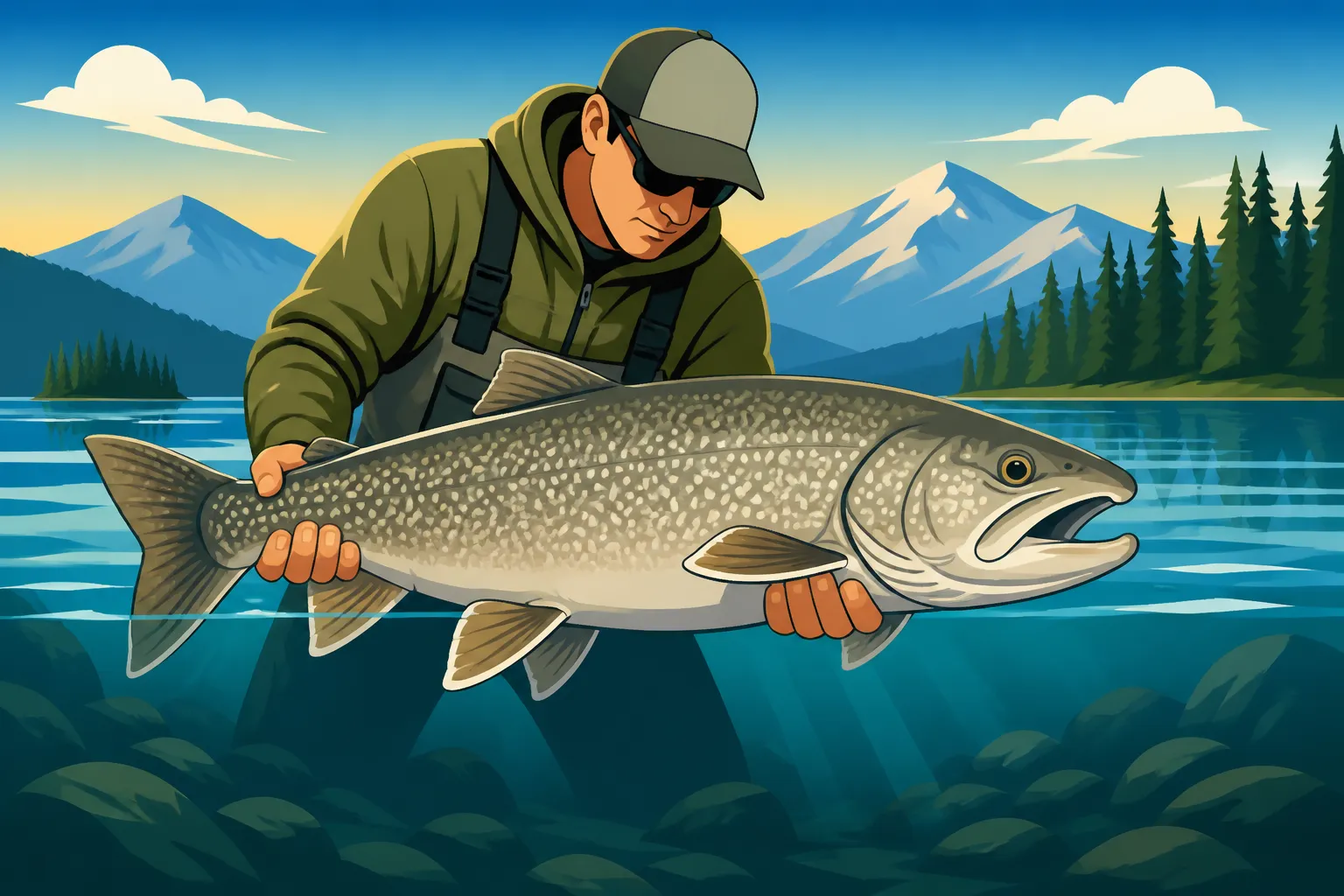
However, the real excitement comes from the fact that Priest Lake regularly produces much larger fish. It's not uncommon for experienced anglers to hook into fish weighing between 15 and 25 pounds. These are substantial fish that require strong tackle, careful handling, and a good dose of luck. They are often older, wiser fish that have evaded capture for years, making their eventual landing even more rewarding. These larger fish are often found deeper, associating with structure or chasing bait balls in the vast underwater landscape. Their sheer power and endurance are something you have to experience to truly appreciate. Knowing that a fish of this caliber could be on your line at any moment is a huge part of the allure of Fishing Priest Lake for Trophy Lake Trout.
Factors Influencing Lake Trout Size
Several factors contribute to the impressive size these lake trout achieve. As mentioned, the deep, cold, oxygenated water and a plentiful food supply are paramount. But it's also about longevity. Lake trout are long-lived fish, capable of surviving for decades. The older they get, the larger they can grow, provided they have a consistent food source and remain healthy.
Genetics also play a role; some strains of lake trout simply have the genetic predisposition to grow larger than others. Couple that with effective fishery management practices by the Idaho Department of Fish and Game, which aims to maintain a healthy and balanced ecosystem, and you have a recipe for success. These management strategies often include careful stocking practices and regulations designed to protect larger fish or allow for sustainable harvest, ensuring that future generations of anglers have the opportunity to chase giants. Understanding these dynamics helps paint a full picture of why Priest Lake is such a special fishery.
Chasing Giants: The Realm of Trophy-Sized Lake Trout
For many anglers, the 10-pound mark is a good fish, but the true goal at Priest Lake is often a fish that pushes into the double digits and beyond. These are the fish that dominate fishing reports and spark envious tales around campfires. Landing one of these giants is not just about luck; it's about skill, persistence, and often, a deep understanding of the lake itself.
What Truly Constitutes a "Trophy" Laker at Priest Lake
Defining a "trophy" can be subjective, but when it comes to Priest Lake lake trout, most seasoned anglers would agree that a fish weighing 20 pounds or more firmly falls into this category. These are truly exceptional fish that have seen many seasons and have grown to an impressive size and age. A 20-pound lake trout from Priest Lake is a formidable opponent, often exhibiting incredible strength and stamina during the fight.
Beyond 20 pounds, you enter the realm of true monsters, with fish sometimes reaching well into the 30-pound range. While less common, these titans are the stuff of legends and represent the absolute pinnacle of the Priest Lake fishery. Imagine the thrill of seeing a fish this size emerge from the deep, its powerful tail kicking as it tries to escape. It's a moment that will be etched into your memory forever. These are the kind of fish that require meticulous attention to detail, from gear selection to fighting technique, to ensure a successful landing and, often, a safe release.
Historical Records and Anecdotal Giants
Priest Lake has a storied history of producing truly massive lake trout. While specific figures can fluctuate and official records are meticulously kept, the lake is well-known for its potential to yield fish that challenge state records. There have been numerous reports over the years of lake trout caught from Priest Lake that weighed in the high 30s and even, on rare occasions, nudged past the 40-pound mark. These are incredibly rare catches, of course, but the fact that the lake can produce them is a testament to its ecological health and unique characteristics.
These anecdotal giants serve as inspiration for countless anglers who visit Priest Lake each year, dreaming of connecting with their own personal best. It's not just about the numbers; it's about the sheer awe of holding such a magnificent creature that has grown to such proportions in these deep, cold waters. The stories of these fish, passed down through generations of anglers, are part of the rich tapestry of Idaho's Record Fish by Species.
Patience and Persistence: The Key to Larger Fish
Catching a truly massive lake trout at Priest Lake isn't an everyday occurrence, even for the most skilled anglers. It demands a significant amount of patience and persistence. You might spend days, or even weeks, targeting these larger fish, employing specialized techniques and carefully studying the lake's contours and baitfish movements, without a single bite. But when that rod finally bends over, and the reel screams, all that waiting fades away.
Trophy lake trout are often solitary, cunning predators that have learned to avoid common angling pressures. They hold in specific deep-water structures, patrol extensive underwater foraging grounds, and can be incredibly selective about what they strike. Success often comes from meticulously mapping underwater terrain, observing baitfish patterns on a fish finder (a crucial tool for How Deep Lake Trout Hold in Priest Lake in Summer), and presenting your offering exactly where and when it counts. It’s a game of strategy as much as it is a game of fishing. Don't be discouraged by slow days; the reward of a true Priest Lake giant is well worth the effort.
Strategies for Targeting Bigger Fish (Beyond Just Their Size)
While luck always plays a part in fishing, especially when targeting trophy-sized fish, there are definite strategies and considerations that can significantly increase your odds of connecting with one of Priest Lake's truly massive lake trout. It's about thinking like a predator and understanding their deep-water habits.
Equipment Considerations for Larger Lake Trout
When you're dealing with fish that can easily top 20 or 30 pounds, your equipment needs to be up to the task. Standard trout gear simply won't cut it. You'll want a heavy-action rod, preferably one designed for deep-water trolling or jigging. Pair that with a stout baitcasting or conventional reel capable of holding a substantial amount of heavy line. Many anglers opt for braided line with a fluorocarbon leader for its strength, sensitivity, and low visibility in the clear waters of Priest Lake. For downrigging, which is a common technique, using a line counter reel can be invaluable for precisely hitting specific depths.
Lures and baits should also be sized appropriately. Larger fish often prefer larger meals. Big spoons, heavy jigs, tube jigs, and substantial soft plastics are popular choices. Some anglers also have success with cut bait or whole dead baitfish fished on special rigs. Ensuring your hooks are strong and sharp is non-negotiable; a trophy fish will exploit any weakness. When considering gear, think about brands that are known for durability and reliability, especially for items like rods and reels. Browsing options on platforms like Amazon can give you a good idea of the range of specialized heavy-duty tackle available for deep-water fishing.
Seasonal Patterns and Depths for Big Fish
Lake trout at Priest Lake follow distinct seasonal patterns, largely dictated by water temperature and the movement of their prey.
- Spring (Ice-Out to Early Summer): Right after ice-out, lake trout can be found in shallower waters (30-60 feet) as the entire water column is cold and comfortable. This is an excellent time for jigging or casting near drop-offs and points. They'll be actively feeding after the long winter, making them more aggressive.
- Summer: As surface waters warm, the lake trout retreat to the deeper, colder parts of the lake. They often hold at depths of 80 to 200+ feet, associating with thermoclines and underwater structure like humps, ledges, and channels. Trolling with downriggers becomes the primary method for reaching these depths effectively. Focus on areas where you mark schools of kokanee or whitefish. Trolling Techniques for Idaho Reservoirs are highly applicable here.
- Fall: As water temperatures begin to cool, lake trout may start to move a bit shallower again, especially as baitfish move closer to the surface. This can be another productive time for trolling or even jigging deeper breaks. They are often bulking up for winter, making them strong feeders.
- Winter (Ice Fishing): Ice fishing on Priest Lake is a unique challenge and can be incredibly rewarding. Lake trout can still be found deep, but jigging large spoons or tube jigs through the ice can be effective. Being prepared for the cold is crucial, and having reliable ice fishing gear, which you can often find on Amazon, is key for comfort and safety. How to Fish for Lake Trout at Priest Lake in Winter is a good resource for this unique season.
Understanding Behavior: What Makes a Laker Grow Large
Trophy lake trout are not just big; they are often wise and highly adapted to their environment. They've survived countless encounters with predators and anglers, developing a keen sense of caution. Their behavior is often characterized by a strong preference for deep, dark sanctuaries where they feel secure. They are opportunistic predators but can be surprisingly selective about their food, especially in clear waters like Priest Lake where they can scrutinize offerings.
Big lake trout are also known for their powerful, sustained runs once hooked. They don't give up easily, using their broad tails and deep bodies to leverage against the line. Understanding this incredible fighting ability means setting your drag properly, using a strong knot (consider learning Best Knot for Steelhead Fishing as it applies well to large powerful fish like lake trout), and being prepared for a prolonged battle. They often conserve energy, striking with explosive power but then settling into a deep, stubborn fight. Recognizing these behavioral traits will not only help you catch them but also appreciate the challenge they present.
Responsible Angling: Preserving Priest Lake's Big Fish Legacy
The opportunity to catch truly massive lake trout at Priest Lake is a privilege, and with that privilege comes the responsibility to ensure the health and sustainability of this incredible fishery for future generations. Responsible angling practices are paramount, especially when targeting large, long-lived fish like Mackinaw.
Catch and Release Practices for Large Lake Trout
If your goal is to land a trophy fish and capture a photo, but then release it to fight another day and potentially grow even larger, proper catch and release techniques are absolutely critical. Large lake trout are particularly vulnerable to stress and injury, especially when brought up from deep water.
Here are some best practices:
- Minimize Fight Time: Use appropriate tackle that can subdue the fish as quickly as possible without over-stressing it.
- Keep it Wet: Avoid removing the fish from the water entirely. If you must for a quick photo, do so briefly, holding it horizontally, supporting its belly, and never by the jaw or gills. Large lake trout are heavy, and their internal organs can be damaged by gravity if not properly supported.
- Barbless Hooks: Consider using barbless hooks or pinching down the barbs on your hooks. This makes removal much easier and reduces tissue damage.
- Dehooking Tools: Have a long-nosed pliers or a dehooking tool readily available to quickly remove hooks.
- Revive Properly: If the fish seems sluggish, hold it gently in the water, facing into the current, until it regains strength and can swim away on its own. This is especially important for deep-water fish that might suffer from barotrauma (the effects of rapid pressure change). Gently moving it back and forth to force water over its gills can help.
- Avoid Deep Hooking: If a fish is deeply hooked, it's often best to cut the line as close to the hook as possible rather than attempting to rip it out, which can cause fatal damage.
Practicing careful catch and release, especially for the biggest fish, contributes directly to the continued health of Priest Lake's trophy lake trout population.
The Importance of Regulations in Protecting Giants
The Idaho Department of Fish and Game implements regulations specifically designed to manage the lake trout population and protect its trophy potential. These regulations might include specific size limits, bag limits, or gear restrictions. These aren't just arbitrary rules; they are based on scientific data about fish populations, growth rates, and reproductive success.
For example, a slot limit might protect fish within a certain size range, allowing them to grow larger and reproduce, while permitting harvest of smaller fish. Knowing and adhering to the current Idaho Fishing Regulations Explained for Priest Lake is not just about avoiding a fine; it's about being a responsible steward of the resource. These rules ensure that the lake can continue to produce the legendary fish that draw anglers from far and wide. Always check the most recent Idaho fishing proclamation before heading out, as regulations can change.
Contributing to the Fishery's Health
Beyond following regulations, there are other ways anglers can contribute to the long-term health of the Priest Lake fishery. Reporting unusual catches, suspected poaching, or environmental concerns to the Idaho Fish and Game can provide valuable data. Participating in angler surveys, if offered, also helps biologists understand fishing pressure and success rates.
Supporting conservation organizations that work to protect Idaho's waterways and fish habitats is another powerful way to contribute. Every action, big or small, from properly disposing of fishing line to educating fellow anglers on best practices, helps preserve the magic of Priest Lake. This holistic approach ensures that the "How Big Do Lake Trout Get at Priest Lake" question continues to yield awe-inspiring answers for generations to come.
| Lake Trout Size Category | Typical Weight Range (Priest Lake) | General Age | Angling Experience Needed | Key Characteristics |
|---|---|---|---|---|
| Average Catch | 3 – 10 pounds | 5 – 15 years | Beginner to Intermediate | Common, active fighters |
| Large/Quality | 10 – 20 pounds | 15 – 25 years | Intermediate to Advanced | Strong pulls, deeper haunts |
| Trophy Class | 20 – 30+ pounds | 25+ years | Expert, Patient | Massive, stubborn, rare |
Disclaimer
This article is for general informational purposes only and does not constitute professional advice. Laws, prices and regulations vary by location and change over time. Consult a qualified professional for guidance on your specific situation.