Where to Find Brook Trout in Idaho
If you're an angler in Idaho, you've likely heard whispers of the vibrant, feisty brook trout. Maybe you've caught a few by accident, or perhaps you're intentionally seeking out these beautiful fish. But often, the biggest challenge isn't catching them; it's figuring out where they actually live! This guide will cut through the guesswork, helping you pinpoint the prime brook trout habitats across Idaho so you can plan your next adventure with confidence.
Understanding Brook Trout in Idaho: A Native or Introduced Species?
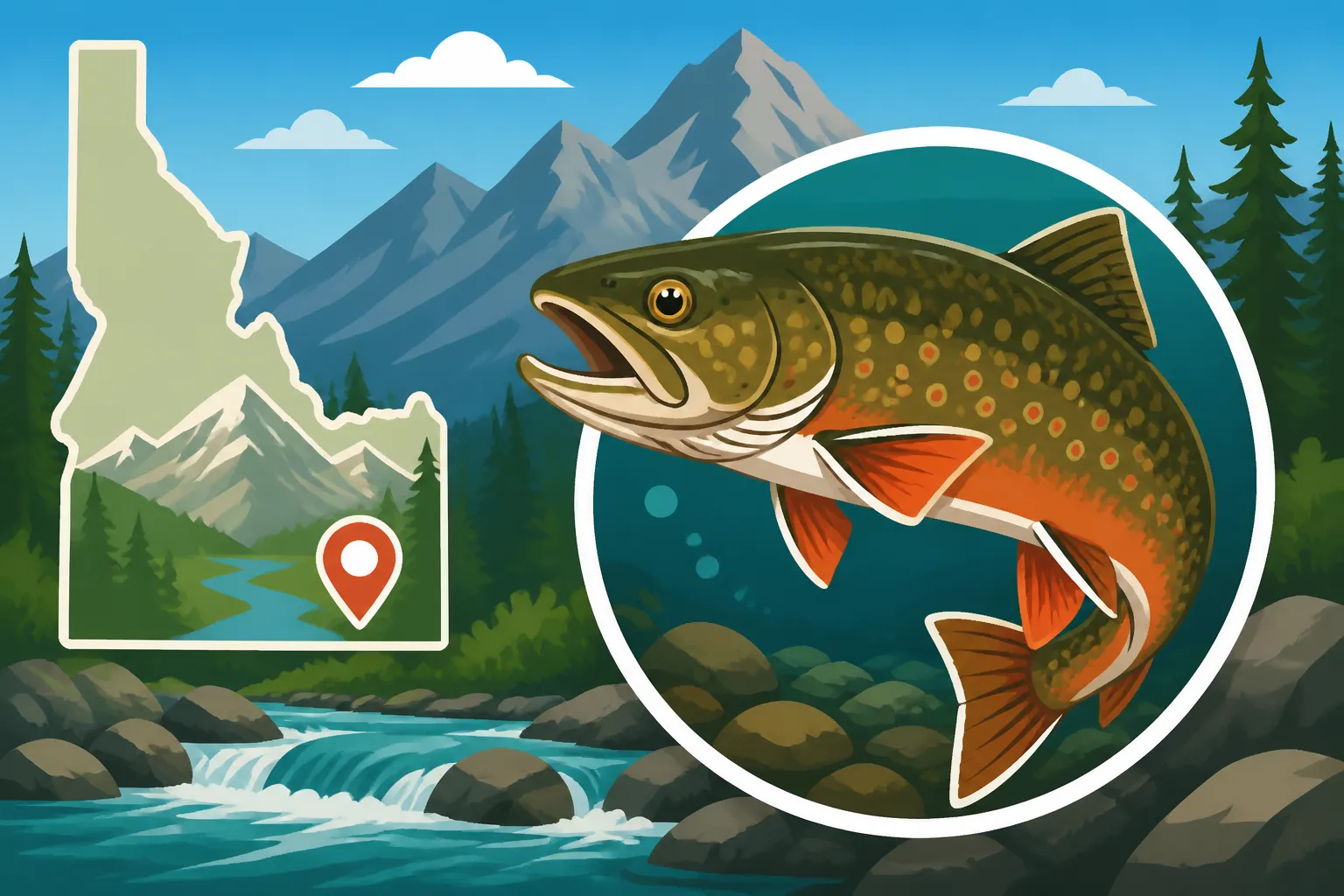
It’s easy to look at the stunning colors of a brook trout—the vermicular patterns on its back, the red spots with blue halos, the white leading edge on its fins—and assume such a gorgeous fish must be native to the Gem State. But the story of brook trout in Idaho is a little more complex, and understanding their history here is key to knowing where to find them.
The Curious Case of Brook Trout's Presence
Despite their widespread presence and seemingly natural fit in many of Idaho's cold, clear waters, brook trout are not native to the state. They are actually indigenous to eastern North America. Their introduction to Idaho, like many other non-native species, happened decades ago, primarily in the late 19th and early 20th centuries. Anglers and fish managers introduced them to supplement sport fisheries, especially in high-mountain lakes and streams where native trout populations might have been sparse or deemed insufficient for fishing demand at the time.
This history is really important because it explains why brook trout are often found in places where they thrive, sometimes to the detriment of native fish. They are incredibly adaptable and prolific spawners, able to outcompete species like the Westslope Cutthroat Trout in Idaho for food and spawning habitat. Because of this, Idaho Fish and Game often manages brook trout populations differently than native species, sometimes even encouraging anglers to keep them in certain areas to reduce their numbers and benefit native populations. So, when you're casting for brookies, remember you're often engaging with a species that has carved out a successful niche far from its original home. You can learn more about their status in Are Brook Trout Native to Idaho?.
Preferred Habitats and Ecological Niche
So, what kind of Idaho water do these colorful interlopers absolutely adore? Brook trout are cold-water specialists, preferring temperatures that rarely exceed 68°F (20°C). This is why you'll almost exclusively find them in the higher elevations of Idaho's mountains, where snowmelt feeds pristine, frigid streams and lakes year-round.
Their ideal habitat is characterized by:
- Cold, Clear Water: Think gin-clear mountain streams, springs, and alpine lakes. The colder, the better for these fish.
- Abundant Cover: Brook trout are ambush predators and prefer to hide. This means you'll find them around submerged logs, fallen trees, undercut banks, rocky ledges, overhanging vegetation, and even beneath beaver dams. These features offer protection from predators and prime ambush points for unsuspecting insects.
- Slower Currents: While they live in streams, they often gravitate towards slower-moving pools, eddies, and the quiet edges of currents rather than the fastest riffles. In lakes, they'll patrol the cooler, shallower margins early and late in the day, or deeper structure during warmer periods.
- Small Waters: Unlike some of Idaho's larger trout species that demand expansive rivers or vast lakes, brook trout often thrive in surprisingly small streams and ponds. Many of these waters are too small or remote for larger, more predatory fish, giving the brook trout a competitive edge. This is why some of the best brook trout fishing requires a bit of a hike into less-traveled areas.
Understanding these preferences will significantly narrow down your search, directing you to the hidden gems where brook trout truly flourish.
Where to Find Brook Trout: Specific Regions and Water Types
Idaho is a vast state with incredible topographical diversity, and while brook trout are widespread, certain regions and specific types of water offer better opportunities than others. It's all about targeting those cold, high-elevation havens.
North Idaho's Mountainous Streams and Lakes
The Panhandle of Idaho, particularly within the vast expanses of the Idaho Panhandle National Forests, Clearwater National Forest, and Nez Perce-Clearwater National Forests, is a prime region for brook trout. This area is characterized by its dense forests, numerous mountain ranges like the Selkirks and Cabinets, and an intricate network of small streams and countless high-mountain lakes.
- Small Tributaries and Headwater Streams: Many of the smaller creeks and feeder streams that flow into larger rivers like the St. Joe, Coeur d'Alene, or Priest Rivers hold robust populations of brook trout in their upper reaches. These are often designated as "headwater" fisheries. Look for maps that show smaller, unnamed blue lines winding through high-elevation terrain; these are often brook trout strongholds. They might be tiny, but they can hold surprisingly large numbers of fish, sometimes right under your feet.
- High-Mountain Lakes: North Idaho is dotted with hundreds of alpine lakes, many of which are stocked with various trout species, but many others have self-sustaining populations of brook trout. These lakes are typically accessed via hiking trails, ranging from easy day hikes to multi-day backpacking trips. Lakes in the Selkirk and Cabinet Mountains, often reachable after a challenging ascent, can offer phenomenal brook trout action. Always check local forest service maps or apps to identify lakes that might be suitable. For more on these incredible spots, check out Best High Mountain Lakes in Idaho for Fishing.
Central Idaho's High-Elevation Gems
Moving south into the heart of the Gem State, Central Idaho boasts some of the most rugged and remote wilderness in the Lower 48, making it a paradise for brook trout. Areas like the Sawtooth National Recreation Area, the Frank Church-River of No Return Wilderness, and the Salmon-Challis National Forest are teeming with waters perfect for these fish.
- Sawtooth and White Cloud Mountains: This iconic region is a mecca for high-mountain fishing. Thousands of cirque lakes and feeder streams tumble down from the granite peaks. While many of these lakes are home to native cutthroat or stocked rainbow trout, a significant number have self-sustaining populations of brook trout. Often, the smaller, less-fished lakes or the feeder streams to those lakes will hold brookies. This is often where you'll find them in relative isolation, due to the sheer effort it takes to reach these spots. For anglers willing to put in the miles, the reward can be solitude and abundant brook trout. Dive deeper into these spots with Fishing High Mountain Lakes in the Sawtooths.
- Wilderness Streams: Within the vast wilderness areas, countless unnamed or minimally named streams flow through ancient forests. These small, cold, often brushy creeks are ideal brook trout habitat. Access can be challenging, often requiring bushwhacking or following game trails, but it’s precisely this remoteness that keeps these fisheries pristine and packed with eager fish. A good topographic map, like those you can find on Amazon, becomes your best friend in these areas.
Eastern Idaho's Diverse Waters
Eastern Idaho, bordering Yellowstone National Park and Wyoming, also offers opportunities for brook trout, especially in the higher elevations of the Caribou-Targhee National Forest and surrounding mountain ranges.
- Tributaries of Larger Rivers: While famous for its Yellowstone Cutthroat Trout, the headwater tributaries of rivers like the Snake River and its feeders in eastern Idaho can hold populations of brook trout. These are often in the less accessible, higher-gradient sections of streams before they broaden and warm up.
- High-Altitude Plateaus: Certain plateaus and smaller mountain ranges in Eastern Idaho, such as those near Island Park or outside of Victor, can have small lakes and spring creeks that support brook trout. These areas often receive significant snowfall, ensuring a cold-water supply throughout the summer. It's worth noting that in some of these waters, brook trout might coexist with or be in direct competition with native cutthroat, and regulations might encourage harvest of brook trout.
Here’s a quick overview of habitat characteristics by region:
| Region | Primary Water Types | Elevation Range (Approx.) | Access Difficulty | Common Co-existing Fish |
|---|---|---|---|---|
| North Idaho | Small streams, alpine lakes | 3,000 – 7,000 ft | Moderate to High | Rainbow, Cutthroat |
| Central Idaho | Headwater streams, cirque lakes | 5,000 – 10,000 ft | High | Cutthroat, Rainbow |
| Eastern Idaho | Upper tributaries, spring creeks | 4,500 – 8,000 ft | Moderate to High | Yellowstone Cutthroat |
Strategies for Locating and Catching Idaho Brook Trout
Finding brook trout isn't just about knowing the general regions; it's about smart planning, having the right gear, and understanding the nuances of their behavior.
Researching and Planning Your Trip
Before you even tie a knot, a little homework can save you a lot of fruitless casting.
- Maps are Your Best Friends: Invest in detailed topographic maps (USGS 7.5-minute quadrangles are excellent) or use mapping apps on your phone or GPS device. Look for those small, blue squiggly lines high in the mountains. These indicate streams, and the higher and smaller they are, the more likely they are to hold brook trout. Satellite imagery can also be invaluable for spotting beaver ponds or small lakes not clearly marked on traditional maps. The US Forest Service also provides excellent maps of their recreational areas, often indicating trails and water bodies.
- Local Knowledge and Reports: While brook trout streams are often kept secret by local anglers, asking at small-town fly shops or sporting goods stores can yield valuable hints. Check online fishing forums for Idaho or read through general Idaho Fishing Regulation Brochure and Proclamation for specific areas. The Idaho Fish and Game website is also a treasure trove of information, including interactive maps and occasional stocking reports. Although brook trout aren't often stocked for traditional put-and-take fisheries, understanding regional fish management plans can give you clues. You can even learn How to Read a Fish Stocking Report to interpret general stocking patterns, which sometimes influence brook trout populations indirectly.
- Consider the Season: Brook trout are active throughout the open water season, but early summer (after snowmelt) and fall (during spawning) can be particularly productive. In spring, as soon as mountain roads and trails are accessible, the brookies will be hungry. Fall offers gorgeous scenery and often aggressive fish, as they prepare for winter and their vibrant spawning colors intensify.
Essential Gear and Techniques
You don't need heavy artillery to catch brook trout; in fact, lighter is often better, especially when hiking into remote areas.
- Ultralight Spinning Gear: A light or ultralight spinning rod (4-6 feet long) paired with a small reel spooled with 2-4 lb test monofilament or fluorocarbon is perfect. Brook trout aren't typically huge, so light line allows for better presentation and more sport. Small spinners (like Panther Martins, Mepps, or Rooster Tails in sizes 0-2) or tiny spoons are incredibly effective. Small pieces of worm, salmon eggs, or even mealworms can also work wonders, especially for less aggressive fish or in colder water. Many of these effective lures and baits can be easily found on Amazon. For a comprehensive look at bait and lures, check out Best Bait and Lures for Idaho Fishing.
- Fly Fishing Gear: A lightweight fly rod (2-4 weight, 6-7.5 feet long) is ideal for these small, often brushy streams and tight casting quarters. Floating line is almost always sufficient. Brook trout are generally not picky when it comes to flies.
- Dry Flies: Small attractor patterns like Adams, Royal Wulff, Elk Hair Caddis (sizes 12-18) are very effective, especially in the summer. Terrestrial patterns like ant, beetle, or hopper imitations can also be deadly, especially when bugs are falling from streamside vegetation.
- Nymphs: Small pheasant tail nymphs, Hare's Ears, or Prince Nymphs (sizes 14-20) fished under a dry fly or small indicator are excellent when fish aren't looking up.
- Streamers: Small woolly buggers (black, olive) can entice larger brook trout, especially in beaver ponds or deeper pools.
- Wading Gear: While not always necessary in tiny creeks you can jump across, a good pair of waterproof hiking boots or lightweight wading boots will keep you comfortable and dry. Waders are often overkill unless you're fishing larger sections of a river or in very cold conditions.
- Backcountry Essentials: If you're heading into true wilderness, remember to pack for safety and comfort. A good backpack (you can find many highly-rated options on Amazon), water filter, first-aid kit, and appropriate layers of clothing are crucial. Get more packing tips with What Gear to Pack for a Sawtooth Backcountry Fishing Trip.
- Techniques: Brook trout are often aggressive and less wary than other trout species, making them a fantastic target for beginners. They'll often hit almost anything that moves. For small streams, simply sneaking up, making a short cast upstream, and letting your lure or fly drift naturally into a pocket or under an undercut bank is often all it takes. For lakes, casting from shore, especially near inlets or outlets, or using a float tube or kayak to access deeper water, can be productive. This general eagerness makes them great for Best Idaho Fishing Techniques for Beginners.
Respecting the Ecosystem
While brook trout are often considered a fun sport fish, it's crucial to remember their non-native status and potential impact on Idaho's native fish populations, particularly cutthroat trout.
- Regulations Vary: Always, always check the current Idaho fishing regulations for the specific water you intend to fish. In some areas, there might be generous bag limits or even an encouragement to harvest brook trout to reduce their numbers and benefit native species. In others, particularly where they coexist with vulnerable native trout, there might be special regulations. Idaho Catch Limits and Bag Limits Explained is a great resource to understand these variations.
- Practice Ethical Angling: Even when keeping brook trout, practice responsible angling. Don't leave trash behind, minimize your impact on stream banks, and be mindful of wildlife. If you're releasing fish (especially if you catch an unexpected native trout), handle them gently with wet hands and release them quickly.
- "Eat Your Brookies": In many brook trout-dominated waters, especially high-mountain lakes and headwater streams, keeping a meal of brook trout is not only allowed but often encouraged. They are delicious pan-fried and can provide a tasty reward for your efforts, while also helping to balance the ecosystem.
Catching brook trout in Idaho is an experience that connects you with some of the most beautiful and wild corners of the state. With a little research, the right gear, and a responsible approach, you'll be well on your way to discovering these charming, feisty fish.
Disclaimer
This article is for general informational purposes only and does not constitute professional advice. Laws, prices and regulations vary by location and change over time. Consult a qualified professional for guidance on your specific situation.