Native Fish Species Found Only in Idaho
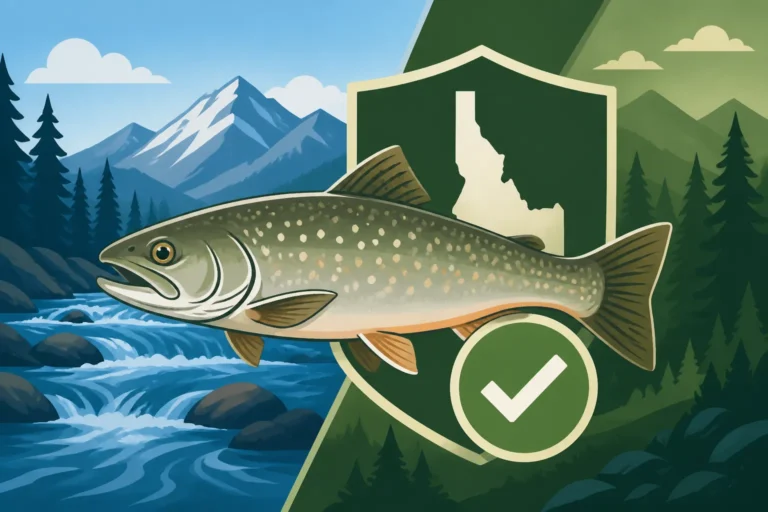
Many anglers are drawn to Idaho for its world-class fishing, dreaming of battling a powerful steelhead or hooking a trophy trout. What many don't realize, however, is that beneath the surface of some of Idaho's most pristine waters swim truly unique fish species that exist nowhere else on Earth. This guide delves into the fascinating world of Idaho's endemic fish, exploring what makes them special, where they live, and how we, as responsible stewards of these aquatic environments, can help protect them for future generations.
The Definition of Idaho-Exclusive Fish Species
When we talk about fish species "found only in Idaho," it's a statement that carries significant ecological weight. It points to a unique evolutionary journey, often shaped by specific geological features and isolated habitats. Understanding this concept is key to appreciating Idaho's irreplaceable aquatic biodiversity.
What "Endemic to Idaho" Truly Means
The term "endemic" in biology means that a species is native to a particular geographical region and found only there. For a fish to be truly endemic to Idaho, it means its entire natural range, both historically and currently, is confined within the state's borders. This isn't just about a strong population in Idaho; it means you won't find it naturally occurring in neighboring states like Washington, Oregon, Montana, or Wyoming. This level of exclusivity is quite rare for fish, especially given how interconnected river systems often are across state lines.
These species typically evolve in isolation, adapting over thousands, sometimes millions, of years to the precise conditions of their specific environment. Think of it like a small island where unique creatures develop without interaction from the mainland. In Idaho's case, these "islands" are often isolated spring systems, unique stretches of rivers, or specific high-mountain lakes that have been cut off from broader watersheds. This geographical isolation is the crucible in which these distinct evolutionary paths unfold, leading to species with genetic and physical traits perfectly suited to their very specific, limited homes. It's a testament to the incredible power of natural selection and the unique hydrological features that define the Gem State.
The Rarity and Vulnerability of Idaho's Unique Aquatic Life
The very factors that lead to endemism – small, isolated populations in highly specialized habitats – also make these species incredibly vulnerable. When a fish's entire world is confined to a few square miles of spring-fed creek, any significant change to that habitat can have devastating consequences. This makes these species ecological canaries in the coal mine, highly sensitive indicators of environmental health. Threats such as habitat degradation, often through human development, agricultural runoff, or changes in water flow patterns, can quickly push these populations to the brink.
Consider the impact of groundwater pumping, for instance. If the spring that feeds an endemic fish's habitat begins to dry up or its temperature or chemical composition changes, there's nowhere else for that fish to go. They don't have the broad distribution of a Westslope Cutthroat Trout in Idaho or a Yellowstone Cutthroat Trout in Idaho which might span hundreds of miles of river systems. The introduction of non-native species can also pose a severe threat, as endemic fish may not have evolved defenses against new predators or competitors for food and space. The limited genetic diversity within these small populations can also make them less resilient to diseases or sudden environmental shifts. Protecting these rare species requires meticulous management and a deep understanding of their specific needs, making them a top priority for organizations like Idaho Fish and Game.
The Shoshone Sculpin: Idaho's Flagship Endemic Fish
While Idaho boasts a rich diversity of native fish, including several unique subspecies of trout, when it comes to a truly species-level endemic fish—a fish found only in Idaho and nowhere else—the Shoshone Sculpin stands out as the most prominent example.
Discovering the Gem of the Snake River Plain
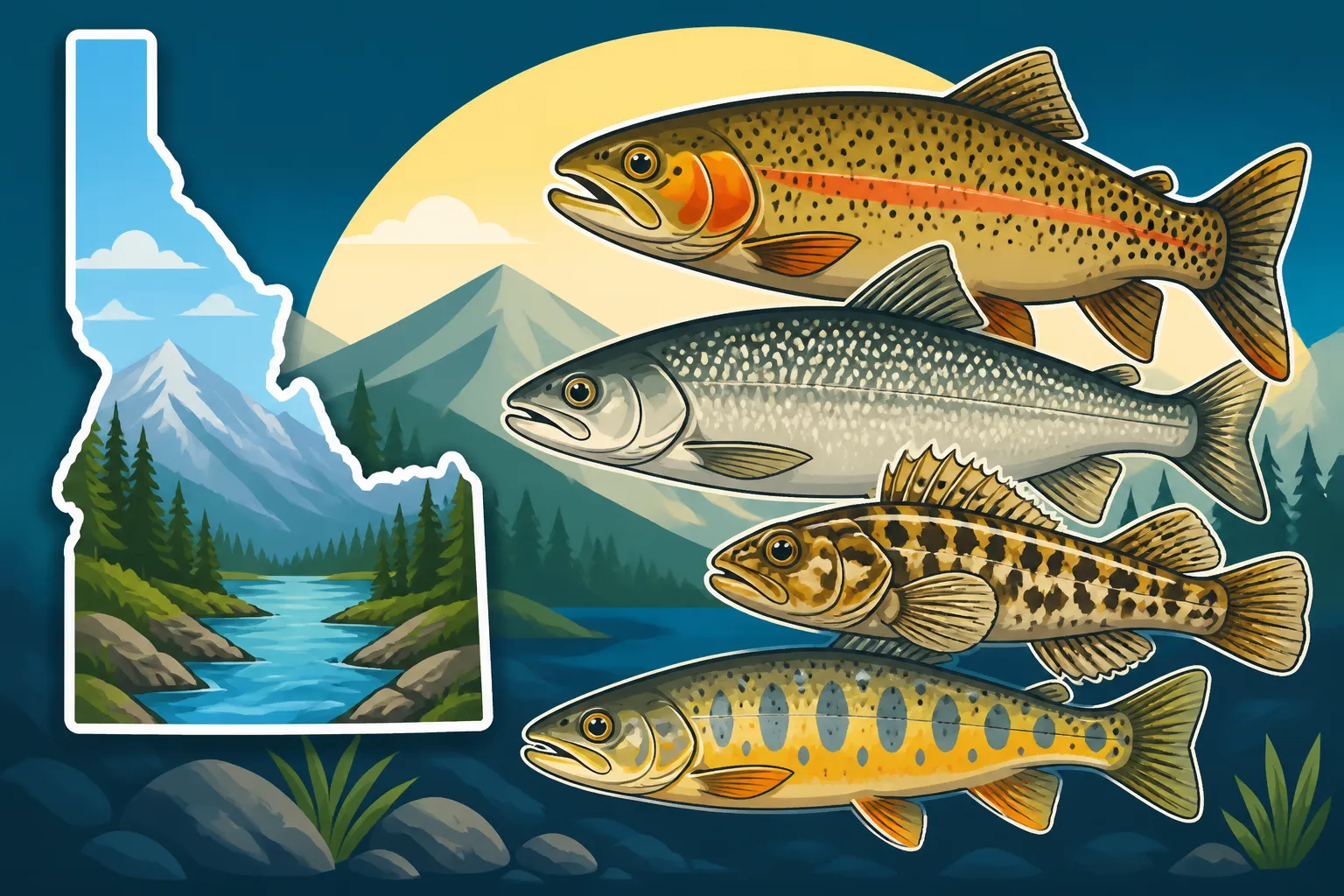
The Shoshone Sculpin, scientifically known as Cottus greenei, is a small, bottom-dwelling fish that, despite its modest size, holds an outsized significance in Idaho's aquatic world. You won't find this little guy on an angler's typical target list, as it's not a game fish, but its presence is a powerful indicator of a healthy, unique ecosystem. It typically grows to only a few inches in length, often camouflaged with mottled brown and gray patterns that allow it to blend seamlessly with the rocky, gravelly bottoms of its preferred habitat. Its large pectoral fins, typical of sculpins, help it cling to the substrate in flowing water.
This remarkable fish calls home the unique, spring-fed waters of the middle Snake River Plain, particularly within the famous Thousand Springs complex near Hagerman. This area, fed by the vast Snake River Plain Aquifer, provides a constant flow of cold, clear water, creating a stable environment ideal for specialized species. The Shoshone Sculpin was first formally described and recognized as its own distinct species in 1933 by Carl Leavitt Hubbs and Earl C. Christensen, drawing attention to the incredible biodiversity hidden within Idaho's spring systems. Its discovery highlighted that even small, unassuming fish can be biological treasures, each playing a vital role in the intricate web of life.
Life in a Micro-Habitat: The Shoshone Sculpin's Unique Niche
The Shoshone Sculpin is a master of its specific environment. These fish are perfectly adapted to the consistent flow, temperature, and high water quality of the Snake River's spring-fed tributaries. They are largely nocturnal, often hiding under rocks and submerged vegetation during the day, emerging at night to feed on aquatic insects, small crustaceans, and other invertebrates. Their diet helps keep insect populations in check, contributing to the overall health of the spring system.
Reproduction for the Shoshone Sculpin is also tied directly to its specialized habitat. Females lay adhesive eggs under rocks or other submerged objects, and the male typically guards the nest until the eggs hatch. This protective behavior is crucial for survival in a relatively confined ecosystem. The Thousand Springs area, a hydrological marvel where vast amounts of water from the aquifer emerge from basalt cliffs, provides the perfect conditions: cool, oxygen-rich waters that remain remarkably stable throughout the year. However, this very specificity makes them incredibly vulnerable. Any diversion of spring flow for agriculture, contamination from nearby human activities, or even subtle changes in water temperature can severely impact their survival. The continued existence of the Shoshone Sculpin depends entirely on the health and purity of these particular spring systems, making them a focal point for aquatic conservation efforts in the region.
Beyond the Sculpin: Understanding Idaho's Broader Native Fish Heritage
While the Shoshone Sculpin represents true endemism at the species level, Idaho is also home to other native fish that, while not exclusively confined to the state as entire species, boast distinct populations or subspecies that are incredibly important and often genetically unique to Idaho's waterways.
Unique Populations of Widespread Native Species
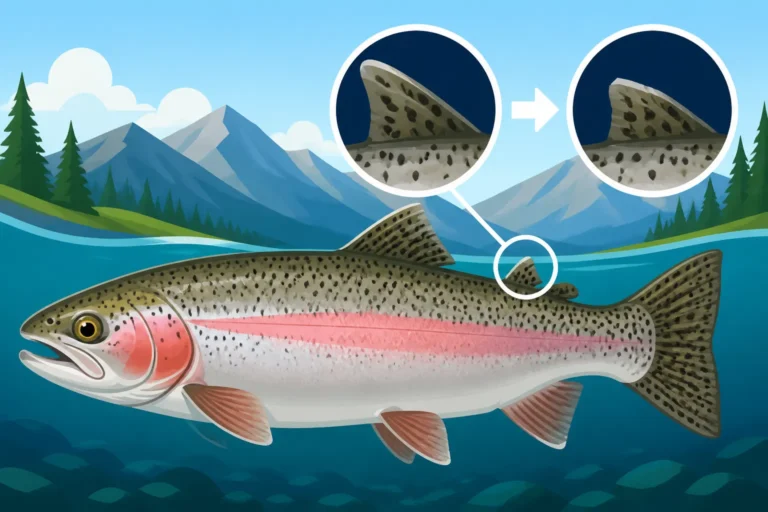
Idaho's vast and varied landscape, from high mountain lakes to extensive river systems, has fostered numerous native fish populations that, over time, have adapted to their specific Idahoan homes. Take, for example, the iconic cutthroat trout. While the species itself spans multiple states, Idaho is a stronghold for both Westslope Cutthroat Trout in Idaho and Yellowstone Cutthroat Trout in Idaho. These distinct subspecies, adapted to Idaho's varied river systems, possess unique genetic markers and behavioral traits. For instance, populations in the wild, un-dammed rivers of central Idaho might exhibit different migratory patterns or feeding preferences compared to those in the smaller, isolated streams of the Panhandle. Anglers often appreciate the challenge of targeting these pure-strain native trout, recognizing that their unique characteristics are a product of generations spent in specific Idaho waters.
Similarly, other native species like the Idaho Mountain Whitefish Fishing thrive in Idaho's cold, clear rivers. While mountain whitefish are found across the western U.S., the health and abundance of Idaho's populations are significant. These fish are often overlooked by anglers focused on trout, but they are a crucial part of the food web, serving as a food source for larger predators and as indicators of river health. The unique blend of geography and hydrology within Idaho has allowed these populations to flourish, often in distinct ways, making them a vital part of the state's natural heritage, even if the species aren't "Idaho-only." Understanding these local distinctions is crucial for effective conservation, as what might work for a Yellowstone cutthroat in Wyoming may not be the best approach for a Westslope cutthroat in an Idaho Panhandle stream.
Conservation Challenges for All Idaho Native Fish
The challenges faced by truly endemic species like the Shoshone Sculpin often mirror the broader struggles of all native fish populations in Idaho. Introduced species, for instance, are a persistent threat. Non-native rainbow trout, bass, or perch, often stocked for recreational fishing or illegally introduced, can outcompete native fish for food and habitat, introduce diseases, or even hybridize with native strains, diluting unique genetic legacies. Anglers can learn more about these issues by researching Native vs Introduced Fish Species in Idaho.
Habitat fragmentation due to dams and culverts can block migratory routes for species like Idaho Chinook Salmon Fishing Guide and steelhead, preventing them from reaching crucial spawning grounds. Pollution, whether from agricultural runoff, industrial discharge, or urban development, can degrade water quality, impacting the delicate balance of aquatic ecosystems. Climate change, with its potential to alter water temperatures and flow regimes, adds another layer of complexity to these conservation efforts. Idaho Fish and Game dedicates considerable resources to monitoring these populations, conducting habitat restoration, and enforcing regulations designed to protect them. This work is continuously evolving, and staying informed by checking resources like Where to Find Idaho's Current Fishing Rules Brochure is a small but important step for any responsible angler. The future of Idaho's native fish, from the tiniest sculpin to the largest trout, depends on a collective understanding and commitment to their long-term survival.
Protecting Idaho's Irreplaceable Aquatic Treasures
As anglers and outdoor enthusiasts, we have a unique opportunity and responsibility to act as stewards for Idaho's incredible aquatic resources. Our actions, both on and off the water, can significantly impact the health and longevity of these native and endemic fish species.
Best Practices for Anglers in Sensitive Habitats
When you’re out on the water, especially in areas known for sensitive native populations, a few mindful practices can make a world of difference. First and foremost, always adhere to catch-and-release practices for any non-target or protected species, handling them gently and returning them to the water as quickly as possible. Even if you're targeting a different fish, you might encounter native species, so understanding Idaho Fishing Regulations Explained and Idaho Catch Limits and Bag Limits Explained is paramount. These rules are in place for a reason, often to protect vulnerable populations.
Beyond regulations, minimizing your disturbance is key. Tread lightly when wading, avoid stirring up excessive sediment, and ensure your gear is clean between different bodies of water to prevent the spread of aquatic invasive species. A simple rinse or thorough drying of waders, boots, and nets can prevent the unintentional transfer of harmful hitchhikers. Using barbless hooks can also reduce harm to fish, particularly if you're practicing catch and release. Remember, the goal is to leave the habitat as undisturbed as possible, preserving the delicate balance that allows these special fish to thrive.
Supporting Research and Conservation
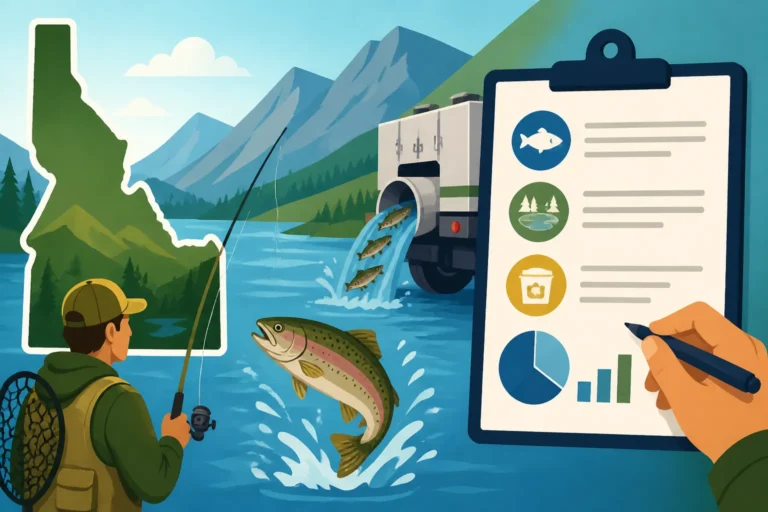
Every time you purchase an Idaho Fishing License Guide, you're directly contributing to the efforts that protect Idaho's fish. A significant portion of license fees goes towards funding research, habitat restoration projects, and enforcement of fishing regulations, all of which benefit native and endemic species. Beyond that, consider getting involved with local conservation organizations that focus specifically on Idaho's waterways. Many groups rely on volunteers for stream cleanups, habitat monitoring, and educational outreach.
Educating yourself and others is another powerful way to contribute. Learning more about Idaho Fish Species Guide and the unique ecological needs of local populations helps foster a deeper appreciation and promotes responsible behavior. There are many excellent field guides and resources available, often found through local bookstores or online retailers like Amazon, that can help you identify different species and understand their habitats. By understanding the threats these species face and actively participating in conservation, we can all play a part in ensuring that Idaho's unique aquatic treasures continue to flourish for generations to come, providing both ecological value and the chance for future anglers to connect with nature.
Disclaimer
This article is for general informational purposes only and does not constitute professional advice. Laws, prices and regulations vary by location and change over time. Consult a qualified professional for guidance on your specific situation.