Idaho Grayling, A Rare Native Fish
For many anglers, the thrill of fishing isn't just about the size of the catch, but the unique experience of encountering a truly special fish. In Idaho, while plenty of amazing trout species abound, there's a particular native fish that captures the imagination with its elusive nature and striking beauty: the Arctic Grayling. This guide will take you on a deep dive into what makes Idaho grayling so rare, where they once thrived, and the crucial efforts being made to ensure their shimmering presence endures in the Gem State's pristine waters.
Understanding the Arctic Grayling
The Arctic Grayling, often described as a jewel of the northern waters, is a distinct and beautiful member of the salmonid family. Unlike their more common trout and salmon cousins, grayling possess a unique charm that sets them apart, making them a prize for any angler fortunate enough to encounter one. Their rarity in Idaho only adds to their mystique, prompting many a curious angler to learn more about these fascinating fish.
Distinctive Features and Identification
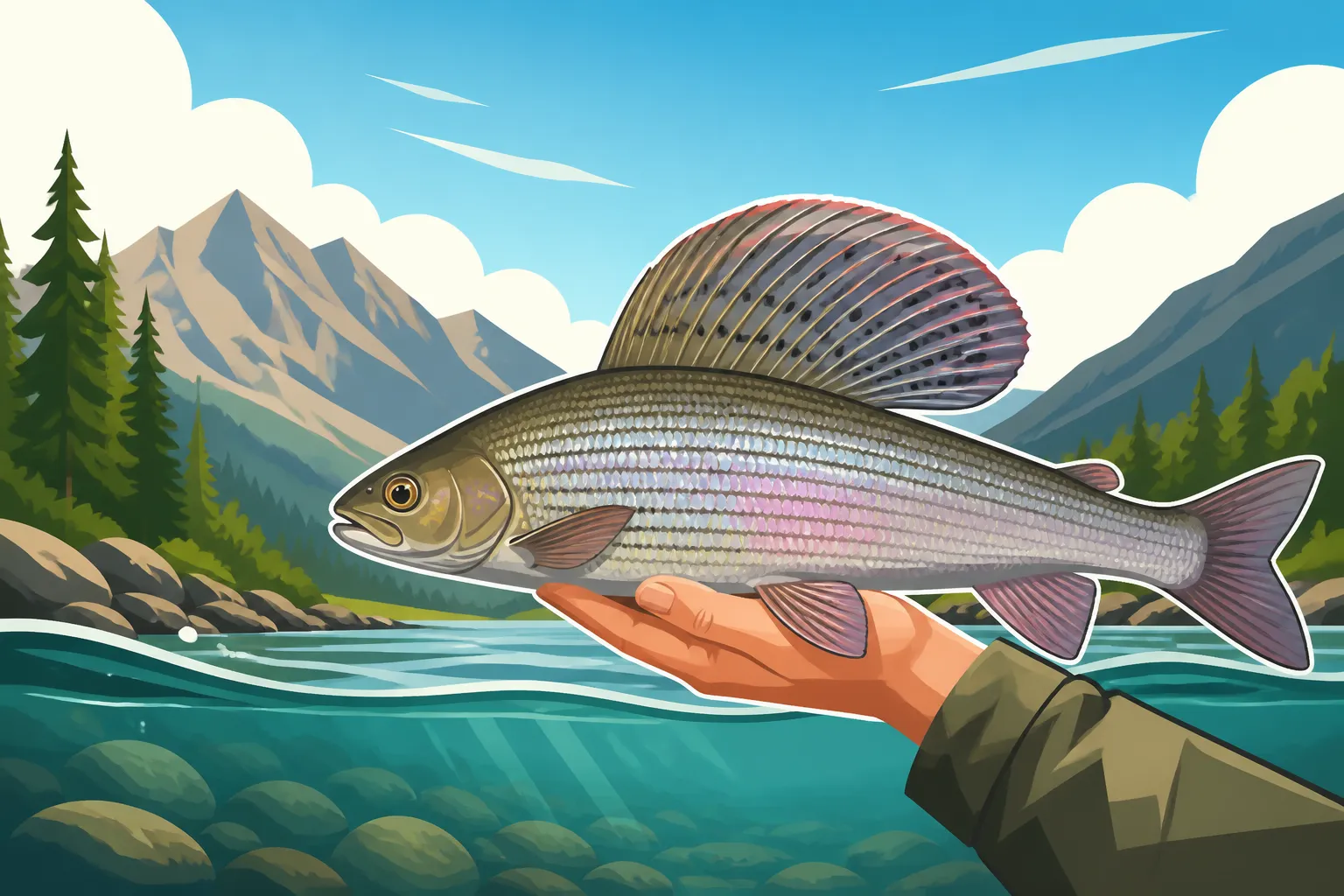
When you see an Arctic Grayling, there's no mistaking it. Their most striking feature is undoubtedly their magnificently large, sail-like dorsal fin, which is often edged with vibrant colors—think hues of red, purple, and blue. This fin is much larger and more prominent than that of a typical trout, extending almost halfway down their back. Their bodies usually sport an iridescent sheen, with scales that range from dark purple to silvery-blue, often adorned with scattered black spots, especially towards the front. Many will also notice a distinctive black spot or two near the pectoral fins.
They typically have a small mouth, adapted for feeding on insects, and their lateral line is quite pronounced. While their coloration can vary slightly depending on their specific habitat and diet, that towering dorsal fin is the definitive characteristic. For anglers accustomed to Idaho Rainbow Trout Fishing Guide or the subtle patterns of a brook trout, the grayling is a whole different creature. Being able to correctly identify a grayling, particularly in waters where their presence is rare and protected, is absolutely vital for responsible angling. You might be surprised how often a casual glance could miss these nuances, but once you've seen that dorsal fin, it's hard to forget.
Life Cycle and Behavior
Arctic Grayling are fascinating in their life cycle and behavior, closely tied to the cold, clear waters they inhabit. They typically spawn in the spring, often just after ice-out, migrating upstream into smaller tributaries or shallow riffle areas over gravel beds. The females lay adhesive eggs, which are then fertilized by the males, with no nest-building behavior like some other salmonids. Growth rates can be slow in their cold environments, but they can live for several years.
These fish are primarily insectivores, feeding on aquatic insects, nymphs, and terrestrial insects that fall onto the water's surface. This makes them particularly exciting for fly anglers, as they are often eager to rise to a well-presented dry fly. Their feeding habits also mean they prefer well-oxygenated, clean water with abundant insect life. During colder months, they tend to move into deeper pools or larger bodies of water, but they are generally active throughout the day. Their delicate nature, combined with their reliance on specific environmental conditions, makes them especially vulnerable to habitat changes, which is a significant factor in their rarity in Idaho. Their behavior often mirrors that of sensitive trout, requiring pristine conditions to thrive.
Where Idaho Grayling Call Home
Idaho's landscape, with its vast wilderness and countless waterways, might seem like a perfect haven for a variety of fish, but the Arctic Grayling has a much more restricted and precarious presence here. Understanding their historical context and current refuges helps paint a clearer picture of their status as a rare native fish.
Historical Ranges vs. Current Strongholds
Historically, Arctic Grayling in Idaho occupied a much broader range, particularly in the headwaters of the Salmon and Snake River systems. They were once found in a number of high-elevation lakes and streams across central Idaho, often coexisting with various cutthroat trout species. These populations were self-sustaining, thriving in the cold, clear, nutrient-rich waters of the high country. Anglers of previous generations might have even encountered them more regularly in certain drainages.
Today, their presence is severely diminished. Idaho's Arctic Grayling are considered "relict" populations, meaning they are isolated remnants of a once more widespread range. Their strongest, and in some cases, only, remaining native strongholds are primarily in a handful of remote, high-alpine lakes and their connecting streams within central Idaho's wilderness areas, particularly within the vast and rugged Frank Church-River of No Return Wilderness. These areas are often difficult to access, requiring significant hiking or even bush planes, which inadvertently provides them some level of protection from human disturbance. Their survival in these specific locations is a testament to the resilience of the species, but also highlights their extreme sensitivity to environmental changes. For more context on the historical distribution of fish in the state, consider reading about Native vs Introduced Fish Species in Idaho.
Specific Water Body Characteristics
The specific water bodies where Idaho grayling persist share common characteristics that are crucial for their survival. They are typically:
- Cold and Clear: Grayling require very cold, clean, and well-oxygenated water. This is why they are often found in high-elevation lakes fed by snowmelt and spring-fed streams. Turbidity or elevated water temperatures are detrimental to their health and reproductive success.
- Gravel-Bottomed Streams: For spawning, grayling depend on small, pristine gravel-bottomed streams or shallow lake shoals with consistent flow, free from siltation. These areas must also be free of barriers that would prevent their spawning migrations.
- Abundant Insect Life: As opportunistic insectivores, the water bodies must support a healthy and diverse population of aquatic insects, from mayflies and caddisflies to stoneflies. The presence of emerging insects is particularly important for their surface feeding.
- Minimal Competition and Predation: While native cutthroat trout are often present, these specific grayling habitats generally have fewer introduced predatory fish species (like non-native brook trout or lake trout) that can outcompete grayling for food or prey on their young. The delicate balance of these ecosystems is key to their survival.
These highly specialized requirements mean that grayling are often indicators of excellent water quality and healthy ecosystems. Any degradation in these characteristics can have an immediate and severe impact on their fragile populations.
The Conservation Challenge
The journey of Idaho's Arctic Grayling populations has been a difficult one, marked by significant declines that have pushed them to the brink of extirpation in many areas. Their current rarity is not accidental, but rather a direct result of historical pressures and ongoing threats that continue to challenge their survival.
Threats to Grayling Populations
Numerous factors have contributed to the severe decline of Idaho's native Arctic Grayling. Understanding these threats is crucial to appreciating the conservation efforts currently underway.
- Habitat Degradation and Loss: This is perhaps the most significant factor. Historical logging practices, mining activities, road construction, and agricultural runoff have all contributed to increased sedimentation, altered stream flows, and degraded water quality in many waterways. Grayling require pristine, cold, clear water and clean gravel for spawning, which is easily compromised by such disturbances. Even subtle changes in water temperature due to climate shifts can impact them.
- Introduction of Non-Native Fish Species: The well-intentioned, but ultimately detrimental, stocking of non-native fish has had a devastating impact. Species like rainbow trout, brook trout, and even some strains of cutthroat trout, which are not native to specific grayling waters, often outcompete grayling for food resources, prey on their young, or even hybridize with them, diluting the native gene pool. This competition is particularly fierce for insects, a primary food source for grayling.
- Barriers to Migration: Dams, culverts, and other man-made structures have fragmented their habitats, preventing grayling from accessing crucial spawning grounds or moving to different areas to find food or thermal refugia. Their life cycle depends on these seasonal movements.
- Overharvest (Historical): While modern regulations are much stricter, in the past, some grayling populations may have been subjected to overfishing due to their eagerness to bite and the ease with which they could be caught in certain areas. This is less of a concern today given their protected status and remote locations, but historical overharvest certainly played a role in initial declines.
These threats, often acting in concert, have left Idaho's grayling populations as fragmented and vulnerable as they are today, often restricted to the most remote and untouched corners of the state.
Conservation Status and Protections
Given their precarious position, Idaho's Arctic Grayling are afforded significant protection. They are recognized by state and federal agencies as a species of concern, indicating their vulnerability and the need for active conservation. While they may not always carry the official "Endangered Species Act" listing, their rarity and isolated populations mean they are managed with extreme caution.
Currently, fishing for native grayling in Idaho is generally prohibited or severely restricted to catch-and-release only in specific waters where they are found. This is reflected in Idaho Fishing Regulations Explained, which often designate these waters with special rules. Anglers who are lucky enough to encounter one in designated waters are expected to practice immediate and careful release, using methods that minimize stress and injury to the fish. This typically involves barbless hooks, quick unhooking while the fish is still in the water, and avoiding excessive handling.
Conservation efforts focus heavily on habitat restoration, removing fish passage barriers, and managing non-native fish populations in key grayling habitats. There are also efforts to reintroduce grayling into historically occupied waters where conditions have improved and threats have been mitigated. These projects are often long-term and require significant resources and dedication, but they offer a glimmer of hope for the future of this magnificent fish in Idaho.
Tips for the Ethical Angler
Encountering an Idaho grayling is a rare privilege, and if you are fortunate enough to be in waters where they might exist (and are legally allowed to be fished on a catch-and-release basis), ethical angling practices are paramount. Respect for these rare fish ensures their continued survival for future generations.
Regulations and Catch-and-Release Practices
Before even thinking about fishing in areas where grayling might be present, it is absolutely non-negotiable to consult the latest Idaho Fishing Regulations Explained brochure. These regulations are updated annually and are the final word on what you can and cannot do. In most cases, if grayling are present, the water will be designated as "catch-and-release only" for them, or perhaps even entirely closed to fishing for their protection.
If you are in a designated catch-and-release grayling water:
- Barbless Hooks are Essential: This is a crucial rule for many sensitive fisheries, and grayling waters are no exception. Barbless hooks minimize tissue damage and allow for quick, easy release. You can often buy barbless hooks directly, or simply pinch down the barb on a regular hook with pliers.
- Minimize Handling: Try to keep the fish in the water as much as possible. If you must handle it for a quick photograph, wet your hands thoroughly first. Never squeeze the fish, and support its body weight horizontally. Avoid touching the gills or eyes.
- Use Proper Release Tools: A pair of hemostats or long-nosed pliers can be incredibly helpful for quickly removing hooks, especially if the fish has swallowed the fly or lure deeper. You can find excellent quality options on Amazon for surprisingly reasonable prices.
- Avoid Over-Fighting the Fish: Land the fish as quickly and efficiently as possible to reduce stress and exhaustion, which can be fatal for released fish.
- Know When to Say When: If a fish is bleeding or severely injured, it's best to snip the line as close to the hook as possible and release it without further struggle, letting the hook rust out.
Remember, the goal is for that fish to swim away strong and healthy, ready to spawn and contribute to its fragile population.
Gear and Technique Considerations
When targeting fish in grayling country, your gear choices and techniques can make a difference, both for your success and the well-being of the fish.
- Light Tackle: Grayling have delicate mouths and are not large fish. Ultra-light spinning gear or a 2-5 weight fly rod is ideal. This allows for sporting fights while minimizing the risk of tearing their mouth or over-stressing them.
- Fly Fishing is Often Preferred: Given their insectivorous diet and tendency to rise to the surface, fly fishing with small dry flies, nymphs, or emergers is a highly effective and often preferred method. Popular patterns include Parachute Adams, Royal Wulff, Elk Hair Caddis, and various midge patterns. You can find detailed descriptions and even starter fly kits on Amazon to get you going. For more on this, check out Fly Fishing Techniques for Idaho Spring Creeks.
- Lure Fishing (if permitted): If spin fishing, very small inline spinners or tiny spoons can be effective. Always ensure they are equipped with barbless hooks.
- Stealth and Approach: Grayling, like many high-country trout, can be easily spooked. A cautious approach, using natural cover, and making precise casts are key. In these remote, clear waters, your shadow falling on the water can be enough to send them scattering.
- Pack Light and Smart: Often, grayling waters are in remote areas. Consider What Gear to Pack for a Sawtooth Backcountry Fishing Trip if you're venturing into the wilderness. A small tackle box, extra leaders, tippet, and a few essential tools are usually sufficient.
By adopting these ethical practices and thoughtful gear choices, you contribute directly to the conservation of Idaho's precious Arctic Grayling. It's about respecting the environment and the rare creatures within it, ensuring these shimmering fish continue to grace Idaho's waters.
Comparing Idaho Grayling to Other Trout Species
Idaho is a paradise for trout anglers, boasting a fantastic array of species. However, the Arctic Grayling, while often grouped with trout due to its salmonid family ties, possesses unique characteristics that set it apart. Understanding these differences helps appreciate its distinct ecological niche and why its conservation is so crucial.
Grayling vs. Cutthroat Trout
Both Arctic Grayling and various subspecies of cutthroat trout (like the Westslope Cutthroat Trout in Idaho and Yellowstone Cutthroat) are native to Idaho and often inhabit similar cold, clear, high-elevation waters. However, they have several key distinctions:
| Feature | Arctic Grayling | Cutthroat Trout |
|---|---|---|
| Dorsal Fin | Very large, sail-like, often colorful | Proportionally smaller, more rounded |
| Mouth | Small, upturned, adapted for surface feeding | Terminal or slightly subterminal, often larger |
| Coloration | Iridescent purples, blues, silvers; black spots | Varies greatly, typically olive-green to bronze; red/orange slash under jaw |
| Spots | Scattered black spots, especially forward; sometimes a few on dorsal fin | More numerous, smaller, often concentrated toward tail |
| Spawning | Spawns in spring over gravel, no redd construction | Spawns in spring over gravel (redd construction) |
| Preferred Food | Primarily aquatic and terrestrial insects | Insects, small fish, crustaceans, leeches |
| Aggressiveness | Generally less aggressive, but eager surface feeders | Can be very aggressive, readily takes various baits/lures |
While both are indicators of healthy ecosystems, grayling are typically more sensitive to habitat degradation and competition. Their reliance on specific insect hatches for feeding, coupled with their unique spawning behavior, makes them a more specialized species. Cutthroat trout, while still needing good water quality, often have a broader diet and can tolerate a slightly wider range of environmental conditions. Their larger mouths also enable them to consume larger prey items, giving them a competitive edge in some environments.
Grayling vs. Rainbow Trout
The comparison between grayling and rainbow trout (and its anadromous form, steelhead) is also important, especially since rainbow trout are widely stocked and prevalent across Idaho.
| Feature | Arctic Grayling | Rainbow Trout |
|---|---|---|
| Dorsal Fin | Very large, prominent, sail-like | Standard size, often with spots |
| Mouth | Small, delicate | Larger, more robust |
| Coloration | Iridescent purples, blues, silvers | Silver body with a distinct red/pink band along the lateral line (in adults) |
| Spots | Scattered black spots, especially forward | Numerous small black spots covering body, dorsal, and tail fins |
| Spawning | Spring, no redd, eggs broadcast over gravel | Spring, builds redds in gravel beds |
| Primary Habitat | Cold, clear high-mountain lakes & streams | Wide variety of coldwater habitats, adaptable |
| Growth Rate | Generally slower | Faster, especially in productive waters |
Rainbow trout are incredibly adaptable and resilient, which is why they have been so successfully introduced into waters worldwide. They can thrive in a wider range of temperatures and food availability compared to grayling. This adaptability, however, often puts pressure on native grayling populations where they coexist. Rainbows can outcompete grayling for food and space, and in some cases, they can even hybridize with native trout species, though not with grayling directly.
The grayling's elegance and specialized nature make it a symbol of true wilderness and pristine conditions. Unlike the ubiquitous rainbow, the grayling's presence in Idaho is a precious and rare gift, demanding a different level of respect and protection from anglers and conservationists alike.
The Future of Idaho Grayling
The story of Idaho's Arctic Grayling is one of decline, but it's not without hope. Dedicated efforts by conservation groups and state agencies are working tirelessly to reverse the trend and ensure that these magnificent fish continue to grace the Gem State's waters for generations to come. It’s a long game, but one worth playing.
Ongoing Restoration and Recovery Efforts
The Idaho Department of Fish and Game, alongside various partners like Trout Unlimited and other environmental organizations, is actively engaged in several strategies aimed at grayling restoration and recovery. These efforts are multifaceted and often involve significant on-the-ground work.
- Habitat Improvement Projects: This is a cornerstone of recovery. Projects might involve stabilizing stream banks, planting riparian vegetation to provide shade and reduce erosion, removing obsolete culverts to restore fish passage, and even selective dredging to remove silt from spawning gravel. Improving water quality and connectivity directly benefits grayling.
- Non-Native Fish Removal: In some critical grayling strongholds, efforts are made to reduce or remove non-native fish species that compete with or prey on grayling. This can be a challenging and controversial undertaking, but it's often essential to give grayling a chance to thrive without overwhelming competition.
- Captive Rearing and Stocking: For some populations, there are programs to collect native grayling eggs, rear them in a hatchery environment, and then reintroduce them into suitable, restored habitats. This helps bolster existing populations or establish new ones in areas where they have been extirpated. However, careful genetic management is crucial to maintain the integrity of the native stock.
- Research and Monitoring: Ongoing scientific research helps biologists understand grayling populations better, including their genetics, migration patterns, and habitat needs. Regular monitoring tracks the success of restoration efforts and identifies new challenges or opportunities. This data-driven approach is vital for adaptive management.
These projects are often long-term investments, requiring patience and sustained funding, but they represent the best hope for the grayling's future in Idaho.
How Anglers Can Help
Even if you're not directly involved in a restoration project, every angler who ventures into Idaho's waters has a role to play in supporting the recovery of grayling and other sensitive native species. Your actions, however small, can make a difference.
- Practice Strict Catch-and-Release: If you're fishing in any designated grayling waters, or even if you accidentally catch one in general waters, practice the most careful catch-and-release methods possible. Use barbless hooks, minimize handling, and ensure the fish swims away strong. Never remove a grayling from the water if you can help it.
- Know and Follow Regulations: Always carry and understand the current Idaho Fishing Regulations Explained before you head out. Special regulations for grayling and other native species are put in place for a reason – to protect them. Ignorance of the law is no excuse, and violations can have serious consequences for both you and the fish.
- Report Sightings (Responsibly): If you believe you've encountered grayling in an unexpected location, consider discreetly reporting it to Idaho Fish and Game. However, be mindful that publicizing sensitive locations can sometimes lead to unintended pressures. Always prioritize the fish's protection.
- Support Conservation Organizations: Consider joining or donating to organizations like Trout Unlimited or other local conservation groups that are actively working on grayling and native fish recovery in Idaho. Your support helps fund vital research, habitat projects, and advocacy efforts. Many organizations even offer merchandise on Amazon, where a portion of proceeds might go to conservation.
- Educate Yourself and Others: Learn about the unique ecology of grayling and other native fish. Share this knowledge respectfully with fellow anglers, promoting a culture of conservation and ethical angling practices. The more people who understand and care about these fish, the better their chances of survival.
- Minimize Your Footprint: When hiking or camping in remote areas, pack out everything you pack in, stay on designated trails, and avoid disturbing stream banks or fragile riparian areas. Every effort to keep Idaho's wilderness pristine benefits the grayling.
By becoming a proactive steward of Idaho's aquatic resources, you can contribute to the enduring legacy of the Arctic Grayling, ensuring that future generations can marvel at the sight of its magnificent sail-like fin in the wild waters of Idaho.
Disclaimer
This article is for general informational purposes only and does not constitute professional advice. Laws, prices and regulations vary by location and change over time. Consult a qualified professional for guidance on your specific situation.