Idaho Fish Species Guide
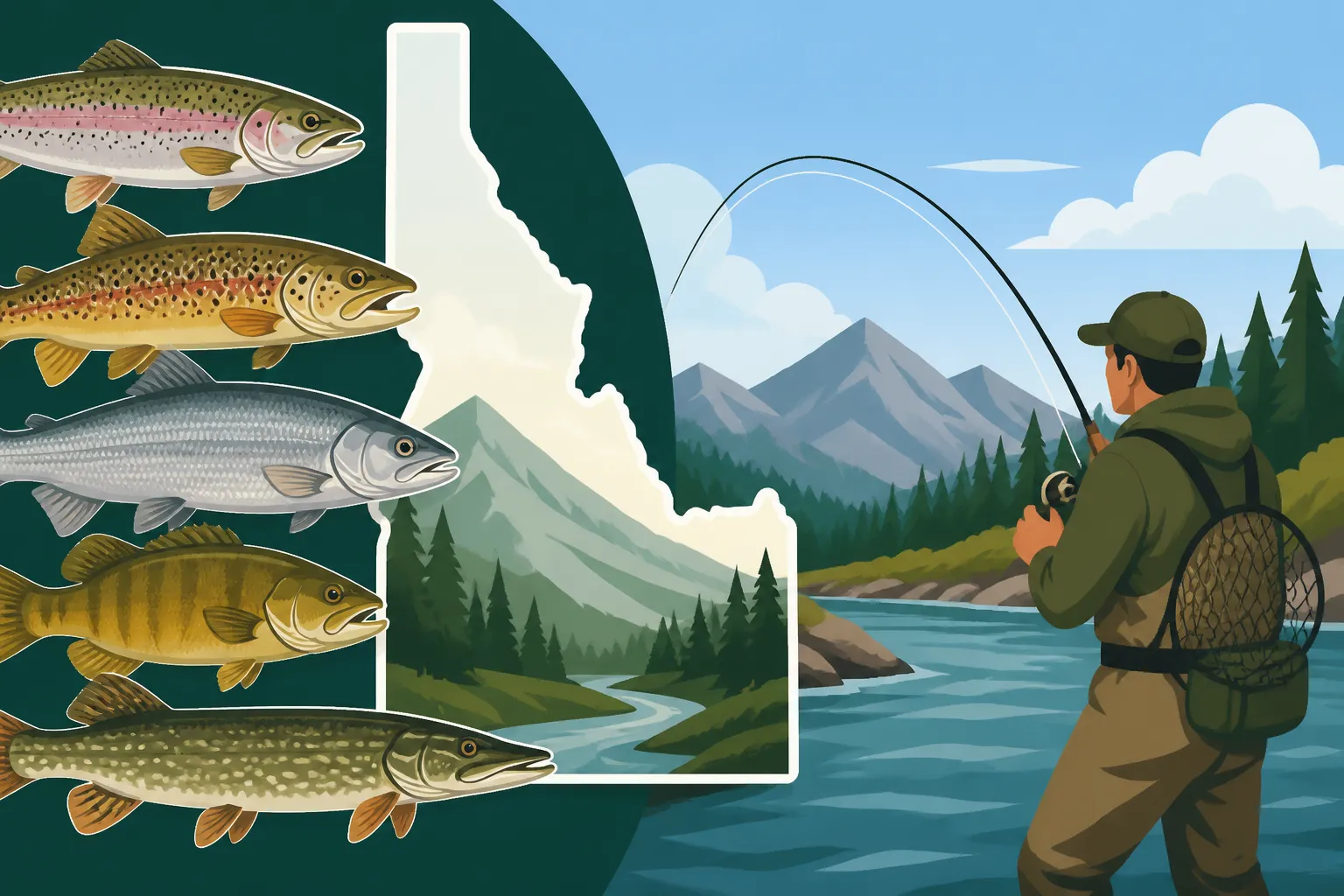
Ever stared at a fishing map, dreaming of what you might catch, only to feel totally lost by the endless possibilities swimming in Idaho's waters? It's a common feeling, whether you're a seasoned angler or just dipping your toes in for the first time. This guide is here to demystify Idaho's incredible diversity of fish, breaking down the major species you'll encounter, how to identify them, and where you might find them, so your next trip is filled with confidence and successful catches.
Idaho's Crown Jewels: Trout and Salmon Species
Idaho is synonymous with pristine waters and incredible trout and salmon fishing. These coldwater species are often the main draw for anglers, from the high mountain lakes to the powerful rivers carving through canyons. Understanding their nuances is key to a rewarding experience.
Rainbow Trout and Their Steelhead Cousins
Rainbow trout are undoubtedly Idaho's most widespread and popular game fish. They thrive in a huge variety of habitats, from small streams to large rivers and expansive lakes. What many anglers don't realize is that Idaho is also home to their anadromous relatives: steelhead. Steelhead are essentially rainbow trout that migrate to the ocean and return to freshwater to spawn, growing much larger and offering an incredibly powerful fight.
You'll find rainbow trout in almost every corner of Idaho. They're often stocked in urban ponds, community lakes, and reservoirs, making them very accessible for beginners and families. In natural river systems like the Henry's Fork, South Fork of the Snake, or the Boise River, wild rainbows are a prize catch, known for their vibrant colors and acrobatic leaps. When targeting rainbows, a variety of techniques can work, from casting spinners and spoons to fly fishing with dry flies, nymphs, or streamers. For those looking to gear up, a quick browse on Amazon will show you countless options for lures and flies.
Steelhead, on the other hand, are a different beast entirely. These incredible fish journey hundreds of miles from the Pacific Ocean, battling their way up the Columbia and Snake River systems into Idaho's Clearwater and Salmon Rivers. They're revered for their fighting prowess and beauty. Fishing for steelhead is often a dedicated pursuit, requiring specialized gear and techniques like drift fishing, bobber dogging, or spey casting. It's truly an iconic Idaho experience, and understanding the seasons and specific regulations, as outlined in our Idaho Steelhead Fishing Guide, is crucial. You'll need specific permits to fish for them, a small investment for such a magnificent quarry.
Cutthroat Trout: Idaho's State Fish
The cutthroat trout holds a special place in Idaho as its official state fish, and for good reason. With their distinctive red or orange slash marks under their lower jaw, they are truly beautiful native fish. Idaho is home to two primary subspecies: the Westslope cutthroat and the Yellowstone cutthroat. Both are highly prized by anglers, especially fly fishermen, for their willingness to rise to a dry fly.
Westslope cutthroat are found predominantly in the northern and central parts of Idaho, often in crystal-clear mountain streams and rivers like the St. Joe or the main Salmon River tributaries. They are typically smaller than rainbows but are exceptionally feisty. Westslope Cutthroat Trout in Idaho are a testament to the state's wild heritage. Their habitat often requires a bit of a hike, taking you into stunning wilderness settings, but the reward of a wild cutthroat on the line is unparalleled.
Yellowstone cutthroat trout are more common in eastern Idaho, particularly in the tributaries of the Snake River and within the Yellowstone ecosystem. These fish can grow larger than their Westslope cousins and are often found in larger river sections as well as high mountain lakes. Both species are excellent indicators of healthy aquatic ecosystems, and their conservation is a top priority. Anglers targeting cutthroat often use light tackle and focus on matching the local insect hatches for fly fishing.
Lake Trout and Kokanee: Deepwater Delights
While rainbows and cutthroat dominate many discussions, Idaho's deeper lakes and reservoirs hold two other incredibly popular coldwater species: lake trout (also known as Mackinaw) and kokanee salmon. These fish offer completely different fishing experiences.
Lake trout are the undisputed heavyweights of Idaho's deep lakes. Found in places like Priest Lake and Lake Pend Oreille, these fish can grow to immense sizes, challenging anglers with their sheer power. They are slow-growing and long-lived, often inhabiting the deepest, coldest parts of the lake. Targeting lake trout usually involves trolling with downriggers and large spoons or dodger-and-haring rigs, or jigging vertically over deep structures. Idaho Lake Trout Fishing Guide delves into these techniques. A good fish finder is almost essential for locating these elusive giants, and a quality one can be found on Amazon, helping you detect their deepwater haunts.
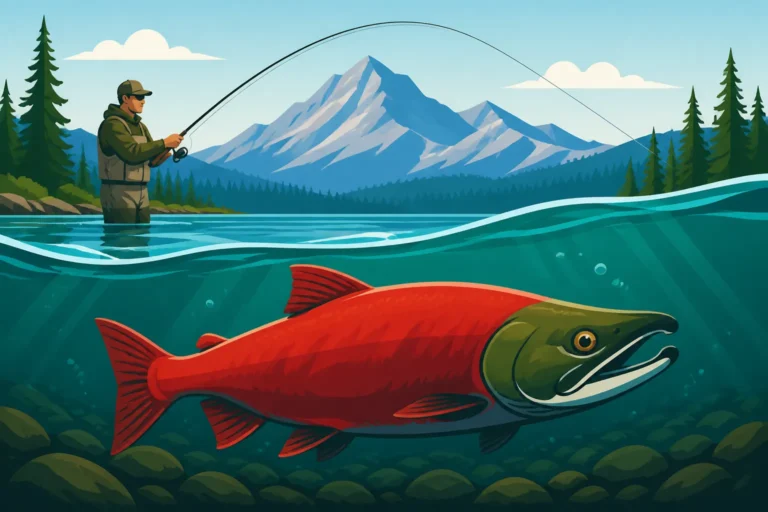
Kokanee salmon, on the other hand, are the landlocked cousins of sockeye salmon. These smaller, schooling fish are incredibly abundant in many Idaho reservoirs and lakes, including Lake Coeur d'Alene, Anderson Ranch Reservoir, and Payette Lake. They are known for their delicious red meat and can provide fast-paced action. Kokanee are typically caught by trolling with small dodgers or flashers paired with tiny hoochies or wedding rings tipped with corn. The delicate bite of a kokanee requires a sensitive rod, and many anglers equip their boats with multiple rods to cover different depths. Understanding Idaho Kokanee Fishing Guide will significantly improve your chances of success.
Warmwater Warriors: Bass and Panfish Species
Beyond the cold, clear waters of Idaho's trout and salmon streams, you'll discover a vibrant world of warmwater fishing in its rivers, reservoirs, and smaller ponds. These species offer fantastic action, especially during the warmer months, and are often more accessible for casual anglers and families.
Smallmouth and Largemouth Bass
Idaho boasts excellent bass fishing for both smallmouth and largemouth varieties. These hard-fighting fish are a blast to catch and offer diverse angling opportunities depending on their preferred habitat.
Smallmouth bass are often found in rocky rivers and large reservoirs with ample structure, like the Snake River, C.J. Strike Reservoir, and sections of the Clearwater River. They prefer cooler, clearer water than largemouths and are known for their aggressive strikes and powerful fights. When you hook into a good smallmouth, be ready for acrobatic jumps and strong runs. Anglers often target them with crankbaits, spinnerbaits, jigs, and soft plastics. The best time for smallmouth action is typically from late spring through early fall. If you're looking for Idaho Bass Fishing Guide, you'll find plenty of tips for both species.
Largemouth bass, while perhaps less numerous than smallmouths in Idaho, offer exciting fishing in their preferred cover-rich environments. You'll find them in warmer, shallower lakes, ponds, and slower sections of rivers, often around lily pads, submerged timber, and thick vegetation. Places like Lake Lowell and various community ponds are prime largemouth territory. They are ambush predators, so presentations that mimic their prey, such as topwater frogs, plastic worms, and senkos, are highly effective. The thrill of a largemouth exploding on a topwater lure near a weed bed is something every angler should experience.
Perch, Crappie, and Bluegill: Panfish Fun
For family-friendly fishing and consistent action, Idaho's panfish species are absolutely unbeatable. Yellow perch, crappie (both black and white), and bluegill are abundant in many of the state's lakes and reservoirs, providing endless entertainment and often a tasty meal.
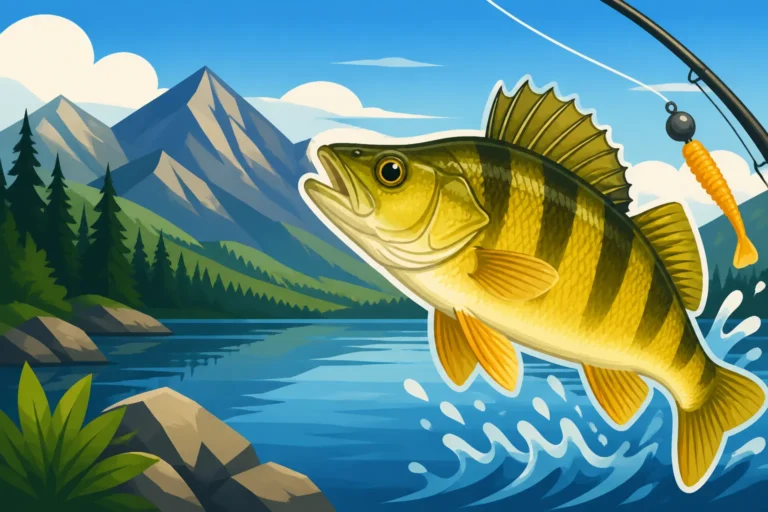
Yellow perch are a favorite among ice anglers, but they offer fantastic year-round fishing. They school up, so once you find one, you're likely to find many more. Cascade Reservoir and American Falls Reservoir are renowned for their perch populations. Perch respond well to small jigs tipped with bait like worms or maggots, or tiny spoons. They're excellent eating and a fantastic target for kids due to their aggressive feeding habits.
Crappie, with their distinctive deep bodies, are another popular panfish. They tend to congregate around submerged brush, timber, and other structures. Both black and white crappie can be found in Idaho, with reservoirs like C.J. Strike and Anderson Ranch offering good opportunities. They are often caught by vertical jigging with small marabou jigs or minnows under a bobber. Spring and fall are prime times to target these schooling fish when they move into shallower water.
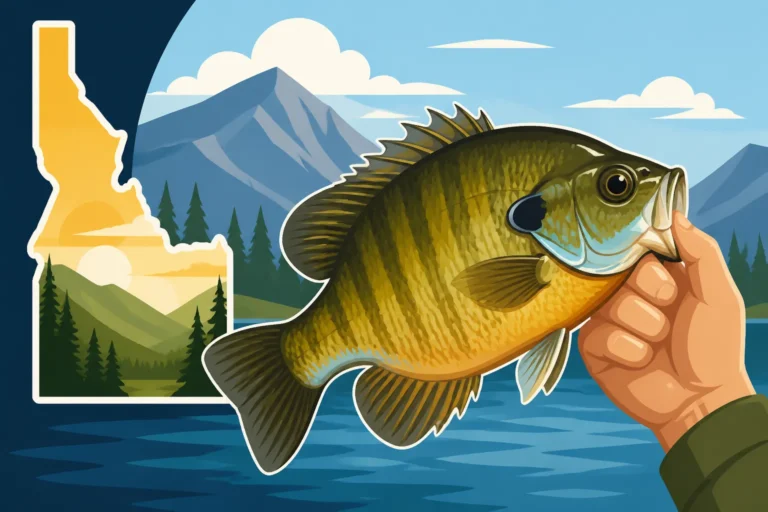
Bluegill, known for their vibrant colors and feisty fight despite their small size, are quintessential beginner fish. Almost any warmwater pond or lake in Idaho that holds bass will also have bluegill. They are incredibly eager to bite, making them perfect for introducing children to fishing. A worm under a bobber is usually all it takes to get them hooked. They're also surprisingly good table fare, especially when fried up fresh.
Unique and Intriguing Idaho Fish Species
Beyond the mainstream trout, salmon, bass, and panfish, Idaho's waters hold some truly unique and captivating fish that offer specialized angling experiences. These species often require specific techniques and a deep understanding of their behavior.
White Sturgeon: River Giants
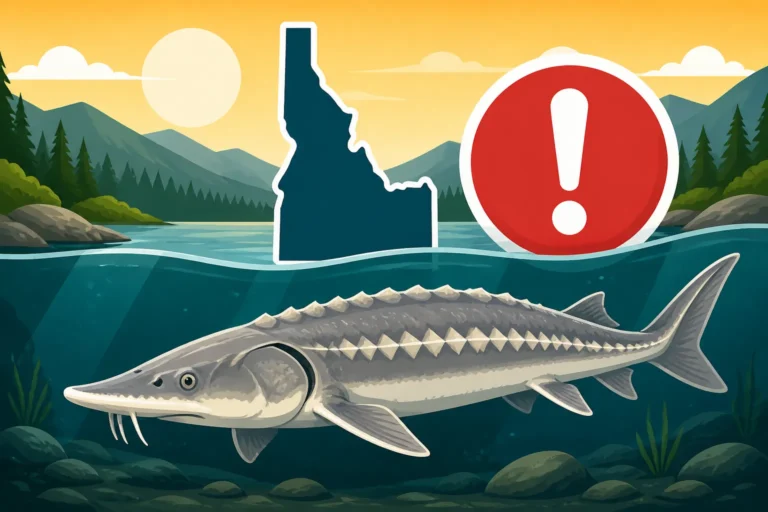
The white sturgeon is one of North America's largest and longest-lived freshwater fish, and Idaho is fortunate to have a healthy population in the Snake River. These prehistoric giants can grow to incredible sizes, with some individuals exceeding 10 feet in length and living for over 100 years. Fishing for sturgeon in Idaho is strictly catch-and-release, reflecting their protected status and slow reproductive rates. It's an experience unlike any other, a true test of strength and patience.
Targeting sturgeon requires heavy tackle—think stout rods, large reels spooled with strong braided line, and robust circle hooks. Popular baits include cut bait like pikeminnow, sucker, or lamprey, fished on the bottom in deep holes and runs. A typical sturgeon fight can last for an hour or more, a true tug-of-war with a living dinosaur. It's an unforgettable adventure, and you'll often see guides using specialized boats to navigate the powerful currents of the Snake. Check out our Idaho Sturgeon Fishing Rules before you head out, as there are strict guidelines to protect these magnificent fish. Remember, leaving the fish in the water at all times is key to their survival.
Tiger Muskie: Elusive Predators
For anglers seeking a true challenge and the chance at a trophy fish, the tiger muskie of Cascade Reservoir is an enticing target. The tiger muskie is a sterile hybrid of a northern pike and a muskellunge, known for its aggressive nature and distinctive striped pattern. These fish are apex predators, growing large and offering explosive strikes.
Fishing for tiger muskie is often called "the fish of 10,000 casts" for a reason—they can be incredibly elusive. Anglers typically target them with large jerkbaits, bucktails, and crankbaits, often casting repeatedly to cover water or trolling expansive areas. Specialized heavy-duty gear is necessary to handle these powerful fish. The thrill of seeing a large tiger muskie follow your lure or strike violently is unparalleled. Cascade Reservoir offers a unique opportunity to chase these challenging predators, and local knowledge from guides or bait shops is invaluable.
Mountain Whitefish: Coldwater Fighters
Often overlooked, the mountain whitefish is a native coldwater species found in many of Idaho's clear, swift rivers, often sharing habitat with trout. While not as flashy as a rainbow trout, whitefish are excellent fighters on light tackle and are surprisingly good eating. They are characterized by their small, downturned mouth and distinct adipose fin, similar to trout and salmon.
You'll encounter mountain whitefish in rivers like the Henry's Fork, South Fork of the Snake, and the Salmon River. They tend to congregate in deeper runs and pools, often holding near the bottom. Fly anglers frequently catch them using nymphing techniques with small weighted flies, while spin fishermen can have success with small jigs, worms, or even tiny spoons. They provide consistent action when trout fishing is slow and can be a welcome addition to the cooler.
Identifying Key Idaho Fish Species
Knowing your fish is more than just academic; it's crucial for following regulations and ensuring a sustainable fishery. Misidentifying a fish can lead to violations, especially with species like wild steelhead or protected bull trout.
Trout and Salmon ID Markers
Distinguishing between Idaho's various trout and salmon species can sometimes be tricky, especially with hybrids and variations in coloration. However, there are some key features to look for.
| Species | Key Identification Features | Typical Size (Inches) |
|---|---|---|
| Rainbow Trout | Pink or red band along the side, small black spots, square tail. | 10-20 |
| Steelhead | Larger, more silvery version of rainbow trout; often ocean-run. | 20-35 |
| Cutthroat Trout | Red/orange slash mark under jaw; fine spots; can vary by subspecies. | 8-18 |
| Lake Trout | Light spots on a dark body; deeply forked tail; large mouth. | 18-40+ |
| Kokanee Salmon | Silvery with few spots; males turn red/green when spawning; small mouth. | 10-15 |
| Chinook Salmon | Dark spots on upper half of tail; black mouth/gums; larger than kokanee. | 15-40 |
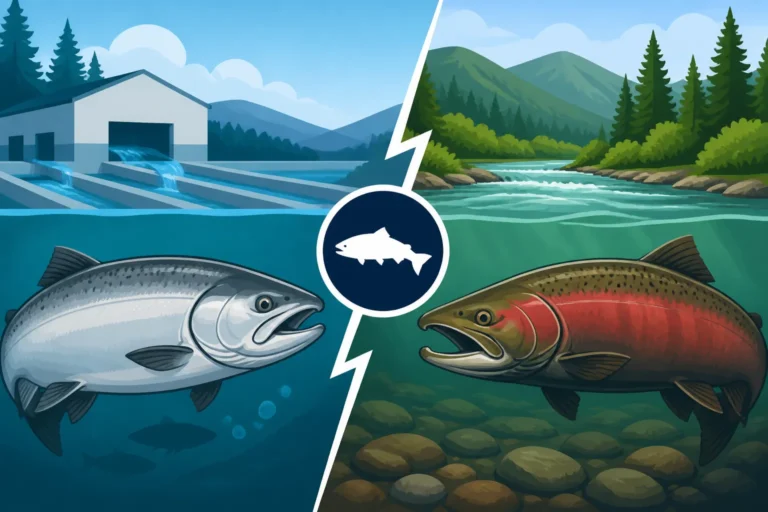
One of the most critical distinctions is between hatchery and wild steelhead. Hatchery steelhead will have a clipped adipose fin (the small, fleshy fin between the dorsal and tail fins). Wild steelhead have an intact adipose fin and must be immediately released unharmed in most Idaho waters. How to Identify a Hatchery Steelhead covers this in detail, and understanding Hatchery vs Wild Steelhead in Idaho is vital for responsible angling. Similarly, learning the difference between Rainbow Trout vs Steelhead, What's the Difference helps clarify their life cycles.
Bass and Panfish Distinctions
Identifying warmwater species is generally more straightforward, but there are still subtle differences, particularly between smallmouth and largemouth bass.
Largemouth bass are easily recognized by the fact that their jaw extends beyond the back of their eye when their mouth is closed. They also have a dark, horizontal stripe along their side. Smallmouth bass, in contrast, have a jaw that doesn't extend past the middle of their eye, and their bodies are typically mottled or barred with vertical stripes, often appearing more bronze or golden.
When it comes to panfish, yellow perch have distinct vertical bars and two dorsal fins, with the first being spiny. Crappie have a deeper, more compressed body; black crappie usually have seven or eight dorsal fin spines and an irregular pattern of spots, while white crappie typically have six dorsal fin spines and a more uniform silvery body with faint vertical bars. Bluegill are typically disk-shaped with an iridescent blue-green sheen and a prominent dark spot on their gill flap.
Recognizing Unique Species
Sturgeon are unmistakable. Their long, cylindrical bodies, five rows of bony plates (scutes), and shovel-like snouts with four barbels (whiskers) near the mouth make them look prehistoric. Tiger muskie are also quite distinct with their elongated bodies, duck-bill shaped snout, and the dark, irregular vertical bars or spots over a lighter background. Mountain whitefish have a more cylindrical body than trout, with larger scales, and a small, underslung mouth.
Where to Find Idaho's Diverse Fish Species
Idaho's landscape is incredibly varied, from desert canyons to alpine peaks, and this diversity creates a wide range of habitats for its fish. Knowing where to go significantly increases your chances of success.
Rivers and Streams: Trout, Steelhead, and Bass Hotbeds
Idaho's river systems are the lifeblood for many of its most iconic fish species. The Clearwater River and Salmon River are legendary for their steelhead and Chinook salmon runs, attracting anglers from around the world. These powerful rivers offer challenges and rewards for those seeking anadromous fish. Techniques here vary from drifting baits and jigs to back-trolling plugs from a jet boat.
For trout, the Henry's Fork of the Snake River is world-renowned for its challenging, technical fly fishing for large rainbow trout. Other incredible trout rivers include the South Fork of the Snake, the St. Joe, and countless smaller tributaries in the Sawtooth and Bitterroot mountains. Fishing the South Fork of the Snake River will give you an idea of the phenomenal dry fly fishing available. Many of these rivers also hold healthy populations of mountain whitefish.
The Snake River, especially in its lower sections and canyons, is a prime location for smallmouth bass and the magnificent white sturgeon. Its rocky banks and varied current provide ideal habitat for these species. Smaller rivers and streams across the state can also offer surprising opportunities for trout and bass, often in less crowded settings. Remember that Idaho Fishing Regulations Explained are often specific to river sections, so always check the current proclamation.
Lakes and Reservoirs: Everything from Panfish to Giants
Idaho's numerous lakes and reservoirs are incredibly versatile fisheries, offering opportunities for almost every species. Lake Coeur d'Alene is famous for its kokanee salmon and trophy Chinook salmon, while Priest Lake is a mecca for massive lake trout. These large bodies of water often require boats, especially for trolling and covering extensive areas. Fishing Lake Coeur d'Alene for Kokanee and Chinook highlights why this North Idaho gem is so popular.
Reservoirs like Cascade, Anderson Ranch, C.J. Strike, and Lucky Peak are multi-species havens. Cascade Reservoir is unique for its tiger muskie fishery, alongside excellent perch and trout. C.J. Strike is known for its bass and crappie, providing warmwater action throughout the summer. American Falls Reservoir is another productive spot, particularly for large perch. These man-made lakes often have varied structures, from old river channels to submerged timber, which hold different species at different times of the year.
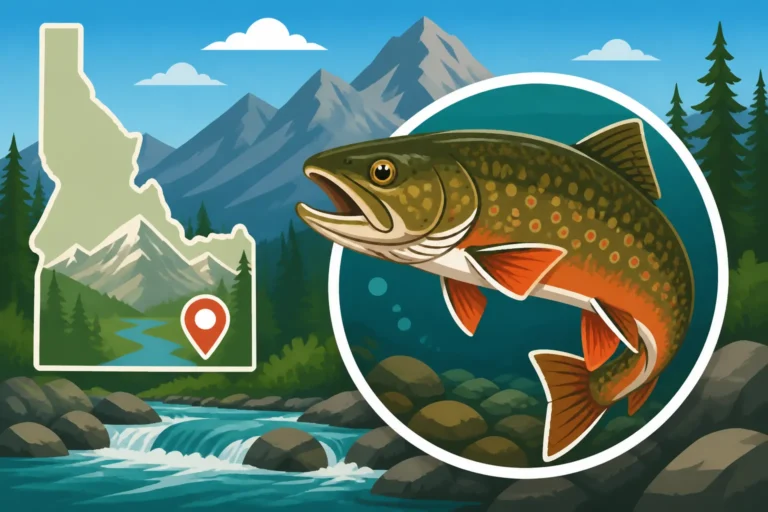
High mountain lakes, often accessed by hiking, offer incredible solitude and pristine fishing for cutthroat, rainbow, and brook trout. The Sawtooth Wilderness, for example, is dotted with hundreds of these clear, cold gems. Best High Mountain Lakes in Idaho for Fishing provides a glimpse into these wild, remote opportunities. These serene locations are perfect for fly fishing or light spin tackle, offering a true backcountry experience. For these trips, having compact, durable gear, easily purchased from Amazon, can make all the difference.
Community Ponds and Urban Waters: Accessible Fishing
Don't overlook the smaller community ponds and urban lakes scattered across Idaho. These waters are often regularly stocked with rainbow trout by Idaho Fish and Game, providing excellent, easy-access fishing, especially for beginners and families. Many also hold populations of largemouth bass, bluegill, and crappie. Cities like Boise, Nampa, and Coeur d'Alene have several such ponds that are perfect for a quick fishing trip after work or school. They're a fantastic way to introduce kids to fishing, with high catch rates and comfortable amenities.
Conservation and the Future of Idaho's Fisheries
Idaho's incredible fishing opportunities are a direct result of ongoing conservation efforts and responsible management by the Idaho Department of Fish and Game. Understanding the importance of these efforts helps ensure these resources remain healthy for future generations.
Managing for Sustainability
Managing a diverse fishery like Idaho's involves balancing the needs of different species, habitats, and angler desires. This includes fish stocking programs for popular species like rainbow trout and kokanee, habitat restoration projects for native species, and strict regulations on harvest limits and gear. For example, Idaho Catch Limits and Bag Limits Explained highlights how these rules protect fish populations from overfishing.
Protecting native species, such as cutthroat trout and white sturgeon, is a cornerstone of Idaho's conservation strategy. This often means catch-and-release rules in certain areas or for specific species. Anglers play a critical role by adhering to these regulations, minimizing their impact on sensitive habitats, and practicing careful fish handling when releasing fish.
The Role of Anglers in Conservation
Every angler contributes to conservation, not just through license fees (which directly fund management programs), but also through responsible practices on the water. This includes:
- Knowing the Regulations: Always check the most current Idaho fishing regulations brochure, which is updated annually. Ignorance is no excuse, and rules can change.
- Practicing Catch and Release Properly: For protected species or when reaching bag limits, knowing how to safely release a fish is paramount. Minimize air exposure, handle fish gently with wet hands, and use barbless hooks where required or when planning to release fish. Why Barbless Hooks Are Required for Idaho Sturgeon provides a good example of this practice.
- Preventing Invasive Species: Clean, Drain, Dry is the mantra for boats and gear to prevent the spread of aquatic invasive species, which can devastate native fish populations and ecosystems.
- Reporting Violations: If you see poaching or other illegal activities, report it to Fish and Game. It helps protect the resource for everyone.
By understanding the species, their habitats, and our role in their conservation, we can all contribute to keeping Idaho's fishing truly legendary for years to come.
Disclaimer
This article is for general informational purposes only and does not constitute professional advice. Laws, prices and regulations vary by location and change over time. Consult a qualified professional for guidance on your specific situation.