Idaho Lake Trout Fishing Guide
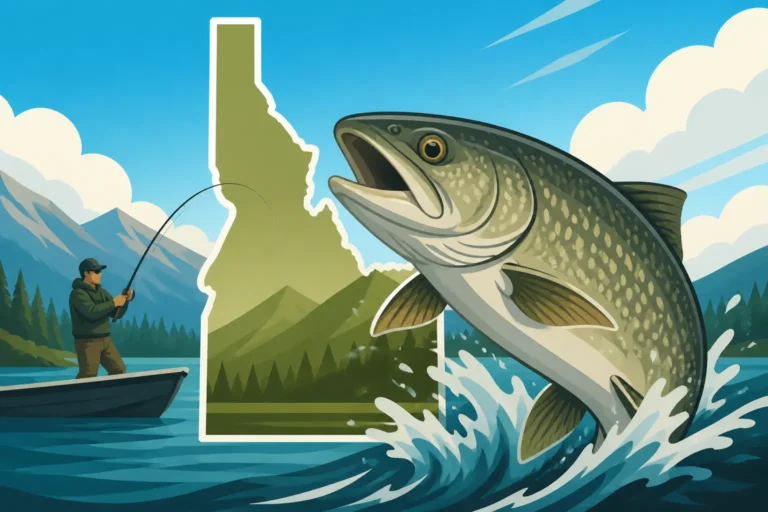
Oh, the elusive lake trout! There's a certain mystique to these deepwater dwellers in Idaho, isn't there? Anglers often grapple with the sheer challenge of finding them in vast, cold lakes, let alone enticing a bite from these often finicky giants. This comprehensive guide is here to unravel the secrets of Idaho lake trout fishing, equipping you with the knowledge and tactics to successfully target these magnificent fish, whether you're after a delicious meal or a true trophy catch.
Understanding Idaho's Lake Trout: The Basics
Let's dive right into what makes Idaho's lake trout so fascinating. These aren't your typical stream-dwelling rainbows; they're creatures of the deep, thriving in cold, oxygen-rich waters and presenting a unique challenge to even the most seasoned angler. Knowing their fundamental characteristics is the first step to figuring out where they are and what they're doing.
What Exactly is an Idaho Lake Trout (Mackinaw)?
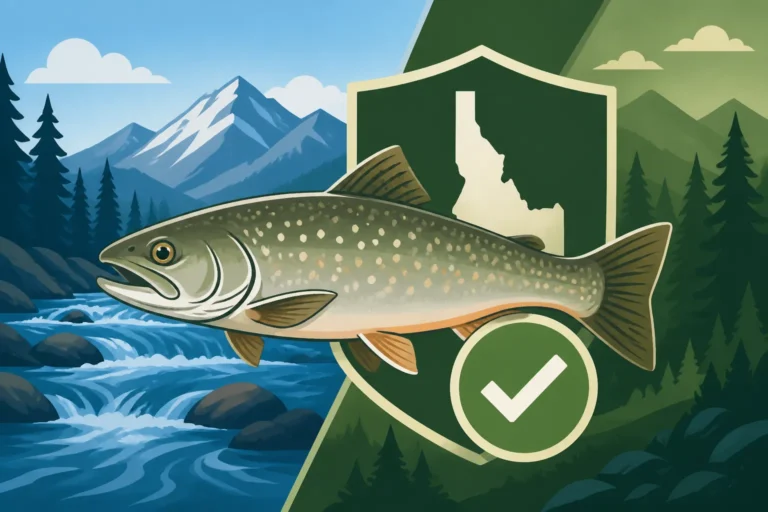
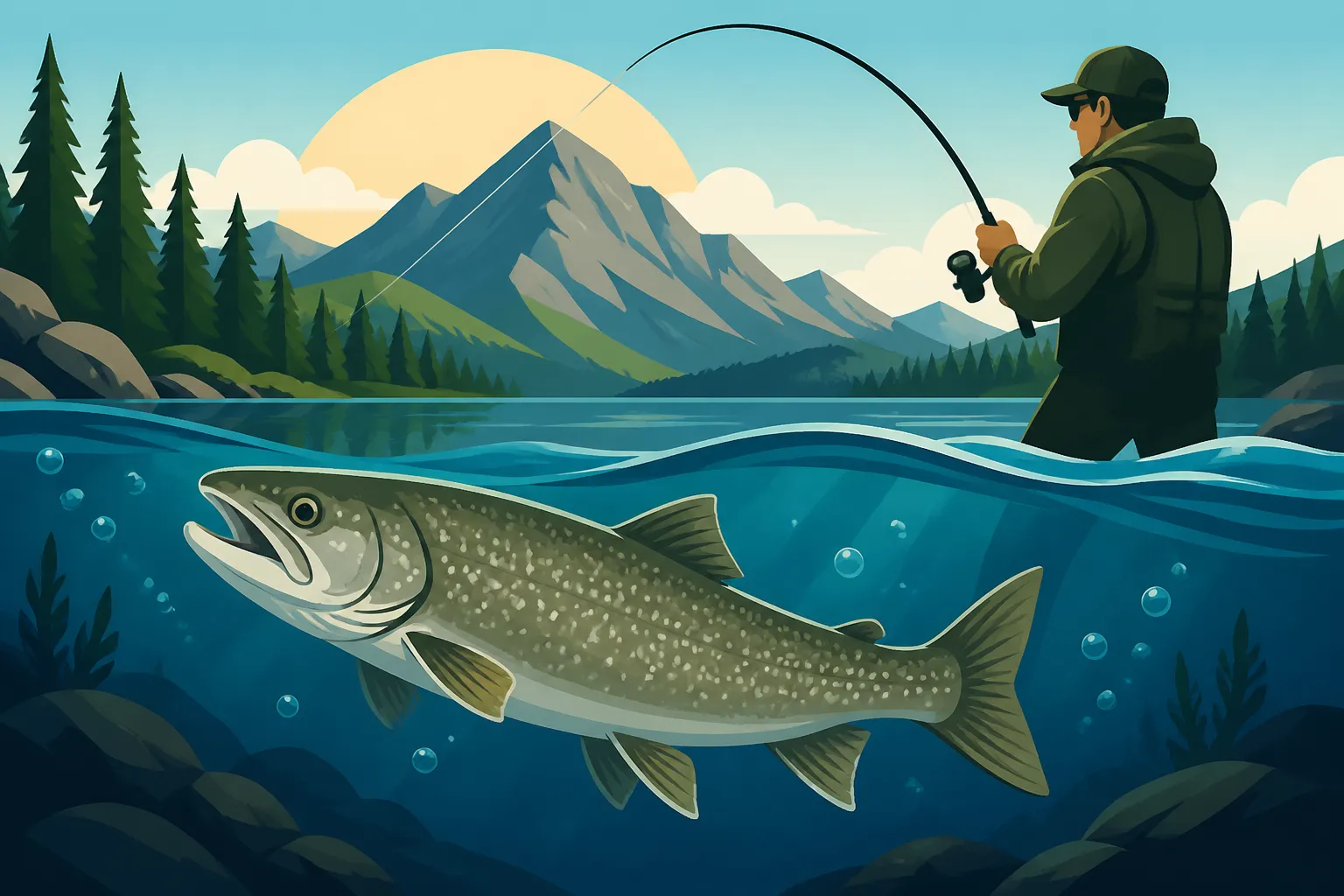
When we talk about lake trout in Idaho, we're almost always referring to Salvelinus namaycush, a native char species. Many folks, especially in the northern parts of the state, affectionately (or sometimes frustratingly!) call them "Mackinaw." It's an old term that stuck, often used interchangeably, and it generally refers to these robust, predatory fish. They're characterized by their elongated bodies, a deeply forked tail, and a coloration that can range from grey to green or even brownish, often mottled with light spots that are larger than the spots on brook trout. Unlike rainbow trout, their spots don't typically extend to their fins.
These fish are built for life in the deep. Their bodies are streamlined, allowing them to cruise through cold water with ease. They can grow to impressive sizes, with some truly enormous specimens pulled from Idaho's deepest lakes. We're talking fish that can weigh dozens of pounds and measure well over 30 inches. Their sheer size and power make them an incredible fight on the end of a line, a true test of an angler's skill and tackle. Understanding What Mackinaw Means When Talking About Lake Trout gives you a better appreciation for the local lingo.
Where Lake Trout Call Home in Idaho
Idaho isn't just about sparkling mountain streams; it boasts some incredible deep, cold-water lakes that are perfect sanctuaries for lake trout. These fish require specific conditions: consistently cold water, ample oxygen, and a good forage base. They're not going to be found in every pond or warm reservoir. Instead, they seek out the truly deep, oligotrophic (nutrient-poor, clear) lakes where temperatures remain frigid even during the height of summer.
North Idaho, in particular, is a stronghold for lake trout. Massive glacial lakes like Priest Lake and Lake Pend Oreille offer the vast expanses and incredible depths that these fish crave. While less common, you might find pockets of them in certain high mountain lakes in central Idaho, but the really notable, consistent fisheries are in the panhandle. These deep lake environments also dictate their behavior, as they'll follow baitfish up and down the water column, always seeking that ideal temperature and food source.
The Lake Trout's Diet and Behavior
Lake trout are opportunistic predators, and their diet shifts throughout their lives and seasons. When they're young, they'll feast on zooplankton and aquatic insects, similar to other trout species. But as they grow, they become formidable piscivores, meaning they primarily eat other fish. In Idaho's major lake trout fisheries, their main forage includes smaller species like kokanee salmon, whitefish, and even smaller trout. This is why you'll often find lake trout in areas where these baitfish congregate.
Their behavior is heavily influenced by water temperature and light levels. During spring and fall, when surface waters are cooler and oxygenated, lake trout might be found shallower, chasing schools of baitfish. However, as summer heats up, they'll retreat to the thermocline – the layer in the lake where the water temperature changes rapidly – or even deeper, sometimes hundreds of feet down, where the water stays cold and comfortable. They are also known for their crepuscular feeding habits, meaning they are most active during dawn and dusk, although deepwater fishing can be productive throughout the day as light penetration is minimal. This deep-water behavior is what makes specialized gear and techniques so crucial for consistent success.
Top Idaho Lakes for Trophy Lake Trout
Idaho's natural beauty isn't just for postcard pictures; it creates prime habitat for some truly spectacular fish, and lake trout are no exception. If you're dreaming of tangling with a monster Mackinaw, these are the destinations you absolutely need to explore. These lakes are legendary for good reason.
Priest Lake: The King of Idaho Lake Trout
Without a doubt, Priest Lake is often considered the undisputed king for Idaho lake trout. Tucked away in the very top of the Idaho panhandle, this magnificent, glacially carved lake offers everything a Mackinaw could want: immense depth (over 300 feet in some spots!), cold, clear water, and a robust population of kokanee salmon and whitefish for them to feast upon. It's a lake that truly tests an angler's patience and skill but can reward it with fish of a lifetime.
Anglers here regularly pull out lake trout in the 10-20 pound range, and every season sees multiple fish pushing 30 pounds or more. The state record lake trout, a truly gargantuan fish, even came from Priest Lake! If you're serious about trophy fishing, Priest Lake should be at the very top of your list. Dedicated anglers spend countless hours trolling the deep abysses and jigging structure, always hoping for that tell-tale thud of a giant Mackinaw taking the bait. Understanding How Big Do Lake Trout Get at Priest Lake really sets the stage for the potential here.
Lake Pend Oreille: Home of Giant Rainbows and Growing Mackinaw
Just south of Priest Lake lies Lake Pend Oreille, another of Idaho's colossal deep-water bodies. While Pend Oreille is perhaps most famous for its world-class trophy rainbow trout (the Kamloops strain can grow truly massive here), it also holds a healthy and growing population of lake trout. These fish also grow to impressive sizes, though perhaps not with the sheer consistency of Priest Lake's monsters.
The Mackinaw in Lake Pend Oreille thrive on the abundant kokanee salmon, which historically have been the primary forage for the giant rainbows. As the ecosystem naturally shifts, the lake trout have found their niche and are becoming a more prominent target for anglers. Fishing Pend Oreille offers a diverse challenge; you might be targeting giant rainbows in the shallows one moment and then dropping baits hundreds of feet down for lake trout the next. It’s a spectacular lake with incredible fishing opportunities.
Other Notable Idaho Waters for Lake Trout
While Priest and Pend Oreille are the superstars, Idaho does have a few other spots where you might encounter lake trout, albeit usually in smaller numbers or sizes. Many of these are high-mountain lakes in the Sawtooth, White Cloud, or Selkirk ranges that were historically stocked with lake trout. Access to these lakes often requires a significant hike or even a floatplane, making the fishing experience a true wilderness adventure.
These high-alpine lakes often don't have the same vast forage base as the large, lower-elevation lakes, so the lake trout found there tend to be smaller but are still a blast to catch in a pristine setting. Places like Lake Coeur d'Alene, while not a primary lake trout destination, occasionally produce them, though they are not the target species for most anglers there. For a broader look at aquatic opportunities, checking out Best Lakes for Fishing in Idaho can offer more context. Always double-check current local regulations before heading out, as rules can vary significantly even between lakes within the same region.
Best Time of Year for Idaho Lake Trout Fishing
Timing is everything when it comes to consistently catching lake trout in Idaho. Their behavior, depth, and feeding patterns change dramatically with the seasons, largely influenced by water temperature and the availability of their primary food sources. Understanding these seasonal shifts is key to maximizing your success.
Spring Strategies: Post-Spawn Feasts
As the ice retreats and spring runoff begins, lake trout in Idaho often become more accessible. This period, usually from late April through June, can be fantastic. After the long, lean winter months and the rigors of their late fall/early winter spawning, these fish are hungry and often willing to chase down a meal. They'll typically be found in shallower waters than during the summer, sometimes in the 30-80 foot range, especially around points, drop-offs, and rocky structures where baitfish might be congregating.
Trolling spoons, plugs, or even bait rigs (where legal) can be highly effective during this time. The water is cool, oxygen levels are uniform, and the lake trout aren't as deep or spread out as they will be later in the year. This makes them a bit more predictable. It's a great time to cover a lot of water with a trolling motor and look for active fish.
Summer Deepwater Tactics
When the Idaho summer truly kicks in, usually from July through early September, lake trout retreat to the deepest, coolest parts of the lakes. This is when they become true "Mackinaw," hugging the bottom or suspending in the thermocline, often at depths of 80 to 200 feet, or even deeper in lakes like Priest. Surface temperatures become too warm, forcing them into their preferred cold-water habitat.
Fishing during summer requires specialized deepwater techniques. Downriggers are almost a necessity for effective trolling, allowing you to present lures at precise depths. Vertical jigging directly over deep structure or schools of baitfish is also incredibly effective. Sonar becomes your best friend, helping you locate the thermocline, baitfish schools, and even individual fish. Patience is key, as bites can be subtle, and fighting a heavy fish from extreme depths takes time and effort. Knowing How Deep Lake Trout Hold in Priest Lake in Summer can save you a lot of guesswork.
Fall Frenzy: Pre-Spawn Aggression
Autumn, from late September through November, brings another fantastic window for lake trout fishing in Idaho. As surface waters begin to cool again, lake trout become increasingly active and aggressive. They're feeding heavily to build up energy reserves for the upcoming spawn, which typically occurs in late fall or early winter. This pre-spawn feeding frenzy can be spectacular.
During this time, lake trout might move shallower once more, similar to spring, but often concentrating around rocky reefs and shoals where they will eventually spawn. Trolling and jigging remain effective, and the fish might be found anywhere from 40 to 150 feet. They're often less finicky than in summer, striking lures with conviction. It's a beautiful time to be on Idaho's lakes, with fewer crowds and vibrant fall colors surrounding you.
Winter Wonders: Ice Fishing for Mackinaw
For the truly dedicated, or those who embrace the chill, winter offers a unique opportunity to ice fish for lake trout in Idaho, particularly in the northern lakes where the ice gets thick enough. This usually runs from late December through February, depending on conditions. Ice fishing provides access to areas that might be difficult to reach by boat in warmer months and offers a serene, almost meditative experience.
When ice fishing for lake trout, you're still targeting those deeper zones. Heavy jigs, spoons, or dead bait presented on the bottom or suspended just off it can be incredibly effective. A good ice fishing sonar (flasher or graph) is indispensable for locating fish and presenting your lure at the right depth. While you might not cover as much water as trolling, the direct, vertical presentation can trigger aggressive strikes from otherwise lethargic fish. Prepare for cold weather, though – warm layers and a good ice shelter are non-negotiable! For more on this frosty pursuit, see How to Ice Fish Idaho Lakes.
Essential Gear for Idaho Lake Trout
To truly tackle Idaho's lake trout, you can't just show up with your ultralight trout setup. These are powerful, deep-dwelling fish that demand specialized gear. Investing in the right equipment will not only increase your chances of success but also make the experience more enjoyable and less prone to gear failure.
Rods, Reels, and Line: Heavy-Duty Heroes
When it comes to rods, think power and backbone. For deepwater trolling or jigging, you'll want a heavy to medium-heavy action rod, typically 7 to 9 feet in length, designed to handle large lures, heavy weights, and powerful fish. A softer tip can help detect subtle bites, but the real power should be in the blank to fight a fish from 100+ feet down. For trolling, specialized downrigger rods often have a parabolic bend to absorb the stress of the downrigger ball and a fighting butt for leverage.
Reels should be robust and have a strong drag system and a good line capacity. For trolling, a level-wind baitcasting reel (often a conventional reel) in a 20-40 size is ideal. Look for models with a line counter, which is invaluable for replicating successful lure depths. For jigging, a high-quality spinning reel in a 4000-6000 size or a stout baitcasting reel offers better sensitivity.
Line choice is critical. Braided line is highly recommended for both trolling and jigging due to its near-zero stretch, which provides excellent sensitivity for detecting bites and a solid hookset, even at extreme depths. A 30-50 pound test braid is common. You'll want to add a fluorocarbon leader (15-30 pound test, 10-20 feet long) to your braid, as fluorocarbon is less visible underwater and more abrasion-resistant than mono, especially when fishing near rocky structure. This setup ensures you can feel the lightest taps and have the muscle to bring up a trophy.
Lures and Bait: Enticing the Deep
Lake trout are predators, and your lure selection should reflect that. For trolling, large spoons are incredibly effective. Think classic designs from brands like Gibbs Delta, Luhr Jensen, or similar. Bright, reflective colors or natural baitfish patterns often work well, especially when tied behind a dodger or flasher to add extra attraction and vibration. Large crankbaits and stickbaits, particularly those designed to dive deep or be trolled with extra weight, can also trigger strikes. Bucktail jigs and soft plastics, in larger sizes (4-8 inches), are great for jigging.
When it comes to bait, where legal, cut bait (like pieces of kokanee or whitefish) or whole dead baitfish (again, check local regulations on bait use carefully) can be irresistible to lake trout. These are often fished on a bait rig with a dodger or simply still-fished on the bottom with a heavy weight. The scent and natural presentation can be the key to triggering bites from less aggressive fish. It's always a good idea to have a variety of lures and colors on hand, as lake trout can be particular about what they'll strike on any given day. If you're looking for a broad selection, Amazon is a great place to browse for these specialized lures. You can find everything from deep-diving plugs to heavy jigs with just a few clicks.
Electronics and Accessories: Your Underwater Eyes
Modern electronics have revolutionized deepwater lake trout fishing. A quality fish finder (sonar) is arguably the most important piece of gear after your rod and reel. Look for a unit with CHIRP sonar, side imaging, or down imaging capabilities. This will allow you to see the bottom contours, identify structure, mark baitfish schools, and even pinpoint individual lake trout lurking in the depths. Being able to interpret your electronics effectively is the difference between blindly fishing and strategically targeting fish.
Other essential accessories include:
- Downriggers: For precise depth control while trolling. Manual or electric, they are crucial for getting lures to those summer depths.
- Heavy lead weights: For jigging (often 1-4 ounces or more) or for bottom-bouncing rigs.
- Line counter reels: As mentioned, vital for accurate depth control while trolling.
- Rod holders: Sturdy ones are a must for trolling multiple lines and keeping your rods secure.
- Net: A large, sturdy landing net with a long handle is essential for handling big lake trout, especially if you plan to release them.
- Pliers/Forceps: For hook removal, protecting both you and the fish.
- Cooler with ice: To keep your catch fresh if you're taking fish home.
Getting familiar with your fish finder before your trip can make a huge difference. There are many tutorials available online, including those found on platforms like Amazon for popular brands, that can help you understand how to use all the advanced features.
Effective Techniques for Catching Idaho Lake Trout
Catching Idaho lake trout consistently requires a methodical approach and a willingness to adapt. These aren't always easy fish to fool, especially when they're hunkered down in the deep. Let's break down the most effective techniques that anglers employ.
Trolling: Covering Water and Finding Fish
Trolling is perhaps the most popular and effective method for lake trout, especially in large, expansive lakes like Priest and Pend Oreille. It allows you to cover vast amounts of water, searching for active fish or schools of baitfish that the lake trout are following. The key to successful trolling for lake trout lies in precise depth control and varying your presentation.
Depth Control: This is where downriggers become indispensable. They allow you to send your lure down to a specific depth, bypassing the warmer surface waters and putting your bait right in the strike zone, whether it's 50 feet or 150 feet down. You'll want to experiment with different depths until you start marking fish on your sonar or get a bite. Sometimes, the fish are suspended just above structure, other times they're hugging the bottom. Lead core line can also be used for depth control, especially for shallower presentations, but downriggers offer more precision.
Lure Presentation: Trolling speed is critical. Often, slower speeds (1.5-2.5 mph) are most effective for lake trout, allowing your lures to have a more natural, enticing action. Running a dodger or flasher ahead of your lure can add attraction by creating vibration and flash. Vary your lures, colors, and depths until you find what the fish are responding to. Don't be afraid to make subtle turns; these changes in speed and lure action can often trigger a strike. For a deeper dive into this, consult Idaho Trolling Techniques Guide.
Jigging: Vertical Presentation for Suspended and Bottom-Hugging Fish
When lake trout are concentrated in specific areas, or when you mark individual fish on your sonar, vertical jigging can be incredibly productive. This technique involves dropping a weighted lure straight down to the fish's depth and working it with a series of lifts and drops. Jigging is especially effective in deep basins, over submerged structures like humps or rock piles, and when ice fishing.
Jigging Strategy: Heavy bucktail jigs, specialized tube jigs, or large metal spoons are common choices. Drop your jig to the desired depth (often on or just above the bottom, or at the depth where you're marking fish), then use a sharp upward snap of the rod tip to lift the lure, letting it flutter back down on a semi-slack line. Most bites occur on the fall. Pay close attention to your line for any twitch or hesitation. Using your fish finder to stay directly over the fish is crucial. Sometimes a slower, more subtle retrieve works, other times a more aggressive jigging motion is needed. Tipping your jig with a piece of cut bait can significantly increase its attractiveness.
Ice Fishing for Lake Trout: A Unique Winter Challenge
Ice fishing for lake trout is a whole different ballgame but can be incredibly rewarding. Once safe ice forms, anglers can access areas not reachable by boat during open water seasons, or simply enjoy the unique serenity of winter angling.
Ice Fishing Gear and Techniques: Heavy-action ice rods, stout reels, and braided line are still the standard. A good ice fishing shelter (shanty) and a portable sonar unit (flasher or graph) are essential for comfort and success. You'll want to drill holes over known deepwater structure, drop-offs, or suspected baitfish locations. Large jigging spoons, bucktail jigs, or dead bait (like whole smelt or herring, again, check local bait rules) are the go-to offerings. Often, lake trout will cruise just off the bottom, so targeting that lower portion of the water column is key. Don't be afraid to move holes if you're not seeing fish on your sonar or getting bites. The patience and resilience required for ice fishing are part of the adventure!
| Season | Typical Depth Range (Feet) | Primary Techniques | Recommended Lures/Bait | Notes |
|---|---|---|---|---|
| Spring | 30 – 80 | Trolling | Large Spoons, Plugs, Cut Bait behind flasher | Post-spawn feeding, more active and accessible. |
| Summer | 80 – 200+ | Trolling, Jigging | Deep-diving Plugs, Heavy Jigs, Large Spoons with downriggers | Retreat to thermocline/deepest areas. Electronics are crucial. |
| Fall | 40 – 150 | Trolling, Jigging | Large Spoons, Plugs, Bucktail Jigs | Pre-spawn aggression, feeding heavily. Variable depths. |
| Winter | 50 – 150+ | Ice Jigging, Still-Fishing | Heavy Jigs, Spoons, Dead Bait (where legal) | Requires ice safety. Portable sonar is key. |
Tips for Success and Ethical Angling
Beyond the gear and techniques, there are always those little insights and ethical considerations that separate a good angler from a great one. Respecting the resource and continuously learning will enhance every trip to Idaho's lake trout waters.
Reading the Lake: Understanding Depths and Structure
One of the most valuable skills for any lake trout angler is the ability to "read" the lake. This isn't just about looking at a map, though good contour maps are essential. It's about understanding how underwater features like humps, points, drop-offs, submerged islands, and deep basins influence where lake trout will hold. These structures provide ambush points, cover, and often correlate with where baitfish will be.
Use your sonar to identify these features and understand the depths. Look for abrupt changes in depth, which create current breaks and attract bait. Pay attention to temperature breaks on your sonar; the thermocline is often a prime holding zone in summer. Even in open water, subtle variations in bottom composition or weed lines (though less common in deep lake trout habitat) can concentrate fish. The more you learn to interpret what your electronics are telling you and how it relates to the physical map of the lake, the more successful you'll be. This is a skill that develops over many hours on the water.
Safe Handling and Release of Lake Trout
Lake trout can live for many years and grow to immense sizes, making proper handling and, when necessary, release incredibly important for the health of the fishery. If you plan to release a fish, minimize its time out of the water. Have your net ready, and ideally, unhook the fish while it's still in the water or quickly in the net.
When handling, support the fish horizontally, especially large ones, to avoid damaging its internal organs. Avoid touching the gills or eyes. If you need a photo, get it quickly and release the fish gently. Deepwater fish, especially those brought up from significant depths, can suffer from barotrauma (swim bladder expansion). If a fish is unable to swim back down, it might need to be "fizzed" (a technique where a needle is used to release air from the swim bladder), but this should only be done by experienced anglers who know the proper procedure. Otherwise, simply try to get it back down as quickly and gently as possible.
Navigating Idaho's Lake Trout Regulations
Idaho's fishing regulations are designed to protect and manage its diverse fisheries, and lake trout are no exception. Regulations can vary significantly by lake and even by specific water body or time of year. Before you ever cast a line, you absolutely must consult the current Idaho Fishing Regulation Brochure. You can often find this online through the Idaho Fish and Game website.
Pay close attention to:
- Bag limits: How many fish you can keep per day and in possession.
- Size limits: Minimum or maximum lengths for retention.
- Season dates: When specific waters are open or closed to fishing for certain species.
- Special regulations: Any unique rules for a particular body of water (e.g., barbless hooks only, specific bait restrictions, no live bait).
- License requirements: Make sure your Idaho Fishing License Guide is current and valid.
Ignorance of the rules is never an excuse. Always read the regulations thoroughly. They are there to ensure healthy fisheries for generations to come.
Beyond the Catch: Lake Trout as a Delicacy
While the thrill of the fight and the challenge of the chase are primary motivators for many lake trout anglers, there's also the reward of bringing home a delicious meal. Lake trout offer a unique culinary experience, and understanding their place in the ecosystem adds another layer to the angling adventure.
Cooking Your Idaho Lake Trout Catch
Lake trout, particularly smaller to medium-sized ones (under 5-10 pounds), are excellent table fare. Larger, older fish can sometimes develop a stronger, oilier flavor or a softer texture. The flesh is typically white or pinkish-orange, firm, and has a rich, distinct flavor.
Preparation Tips:
- Filleting: Lake trout are relatively easy to fillet. Remove the skin for a milder flavor.
- Cooking Methods: They are versatile and can be baked, broiled, smoked, grilled, or pan-fried.
- Flavor Profile: Their natural oils make them fantastic for smoking. If baking or grilling, a simple seasoning of salt, pepper, lemon, and fresh herbs (dill or parsley work wonders) is often all you need. The richness of the fish holds up well to bolder flavors too, like garlic and paprika.
- Nutritional Value: Like other cold-water fish, lake trout are packed with omega-3 fatty acids, making them a healthy choice.
Remember to properly bleed and ice your catch immediately to ensure the best possible flavor and texture.
The Role of Lake Trout in Idaho's Ecosystem
Lake trout play a significant role as apex predators in the deep, cold-water ecosystems they inhabit. By preying on smaller fish species like kokanee salmon, they help to regulate baitfish populations and maintain a delicate balance within the food web. In some lakes, particularly those where they are not native, their introduction has shifted the dynamics, sometimes impacting native species.
For instance, in lakes like Pend Oreille, the interaction between lake trout and kokanee, and subsequently the trophy rainbow trout which also feed on kokanee, is a complex and carefully managed balance. Fisheries biologists continually study these relationships to ensure the long-term health and sustainability of all species within the lake. Understanding these ecological connections helps us appreciate the importance of responsible angling and conservation efforts. Check the Idaho Fish Species Guide for a broader overview of Idaho's aquatic inhabitants.
Conservation Efforts for Idaho's Lake Trout Fisheries
Because of their slow growth and long lifespans, lake trout populations can be vulnerable to overfishing. Idaho Fish and Game actively manages these fisheries through regulations on size, bag limits, and seasons. For example, some lakes might have very liberal limits on smaller lake trout to reduce competition for food, while others might have stricter limits to protect larger, trophy-sized fish.
Anglers also play a crucial role in conservation. Practicing catch-and-release, especially for the largest breeding fish, helps ensure the health of the population. Adhering to all regulations, reporting any observed violations, and supporting conservation initiatives are vital. By understanding and respecting the unique biology of these magnificent fish and the environments they call home, we can help ensure that Idaho's lake trout fisheries remain healthy and productive for future generations to enjoy. Every time you head out, you're not just fishing; you're participating in a rich tradition and contributing to the future of this amazing resource.
Disclaimer
This article is for general informational purposes only and does not constitute professional advice. Laws, prices and regulations vary by location and change over time. Consult a qualified professional for guidance on your specific situation.