Hatchery vs Wild Steelhead in Idaho
For anglers heading out to Idaho's legendary rivers, one of the most critical distinctions you'll need to make on the water is between a hatchery steelhead and a wild steelhead. It's not just a trivial detail; it's a difference that carries significant legal weight and plays a vital role in the conservation of these magnificent fish. This guide will walk you through exactly how to tell them apart and why this knowledge is indispensable for responsible fishing in Idaho.
The Fundamental Difference: Why It Matters
Steelhead, those incredible anadromous rainbow trout that migrate from the ocean to spawn in freshwater rivers, are a cherished resource in Idaho. But not all steelhead are created equal, at least not in the eyes of the law and conservationists. Understanding the distinction between hatchery-raised and wild-born steelhead is paramount for every angler, not just for compliance but for the long-term health of the fishery.
The Legal Ramifications for Anglers
Let's face it, nobody wants to be on the wrong side of a game warden. In Idaho, the regulations surrounding steelhead fishing are quite specific, and they often hinge entirely on whether the fish you've caught is a hatchery or a wild specimen. Generally speaking, wild steelhead are a protected species and must be released unharmed, often immediately, and sometimes without even removing them from the water. Hatchery steelhead, on the other hand, are typically the ones you're allowed to keep, albeit within strict Idaho Catch Limits and Bag Limits Explained. Ignoring this distinction can lead to hefty fines, loss of fishing privileges, and a significant damper on your fishing trip.
Imagine you're out on the Clearwater River, the sun is setting, and you hook into a powerful steelhead. The fight is exhilarating, your heart is pounding, and you finally bring it to hand. In that moment of excitement, you need to quickly and accurately identify your catch. Is it a wild fish that needs to go back immediately, or a hatchery fish that you can consider keeping for dinner? The pressure is real, and having a clear understanding beforehand can save you a lot of stress and potential trouble. It’s not about being a fish expert; it’s about knowing the key identifier that Idaho Fish and Game uses.
Conservation Efforts and Population Health
Beyond the legal aspect, the hatchery vs. wild distinction is at the heart of Idaho's steelhead conservation strategy. Wild steelhead populations face numerous challenges, including habitat loss, hydropower dams, and historical overfishing. Hatchery programs exist to supplement these populations, providing fishing opportunities while striving to protect the genetic integrity of native wild runs. By requiring the release of wild steelhead, Idaho aims to ensure that these native fish can successfully spawn and contribute to future generations.
This management approach is a delicate balance. Hatchery fish are often sterile or have reduced reproductive success, meaning they don't contribute to the natural breeding cycle in the same way wild fish do. By targeting hatchery fish for harvest, anglers help reduce potential competition for resources with wild fish and minimize the impact on fragile wild populations. It's a fundamental tenet of sustainable fishing in Idaho, ensuring that future generations can also enjoy the thrill of chasing steelhead. This is why knowing How to Tell a Hatchery Steelhead from a Wild One in Idaho is so critical for the angling community.
Identifying Hatchery Steelhead
So, how do you actually tell the difference when that chrome bright beauty is thrashing at the end of your line? There are a few key identifiers, but one stands head and shoulders above the rest as the most reliable indicator in Idaho.
The Adipose Fin Clip: Your Primary Clue
The absolute number one way to identify a hatchery steelhead in Idaho is by checking for a clipped adipose fin. The adipose fin is a small, fleshy fin located on the back of the fish, between the dorsal fin (the main fin on its back) and the tail fin. Hatchery-raised steelhead are often marked by having this fin surgically removed (clipped) before they are released into the wild. This practice, known as an adipose fin clip, is standardized and serves as a universally recognized signal.
When you land a steelhead, the first thing you should do is gently cradle it and locate that small adipose fin. If it's missing entirely, leaving a smooth scar or nothing but skin where it should be, then you've got yourself a hatchery fish. If the fin is present and intact, however small, then it's a wild steelhead. This is a non-negotiable identifier. Sometimes, the clip might not be perfectly clean, or there might be some regrowth, but a fully intact adipose fin almost always indicates a wild fish. Many anglers even carry a small, clear ruler from a site like Amazon to help measure and ensure they aren't mistaken. Getting this right is vital for following Idaho Steelhead Bag Limits.
Other Visual Cues and Characteristics
While the adipose fin clip is the definitive marker, hatchery and wild steelhead can sometimes exhibit other subtle differences. These are not foolproof identifiers, but they can offer supporting evidence once you've checked the fin.
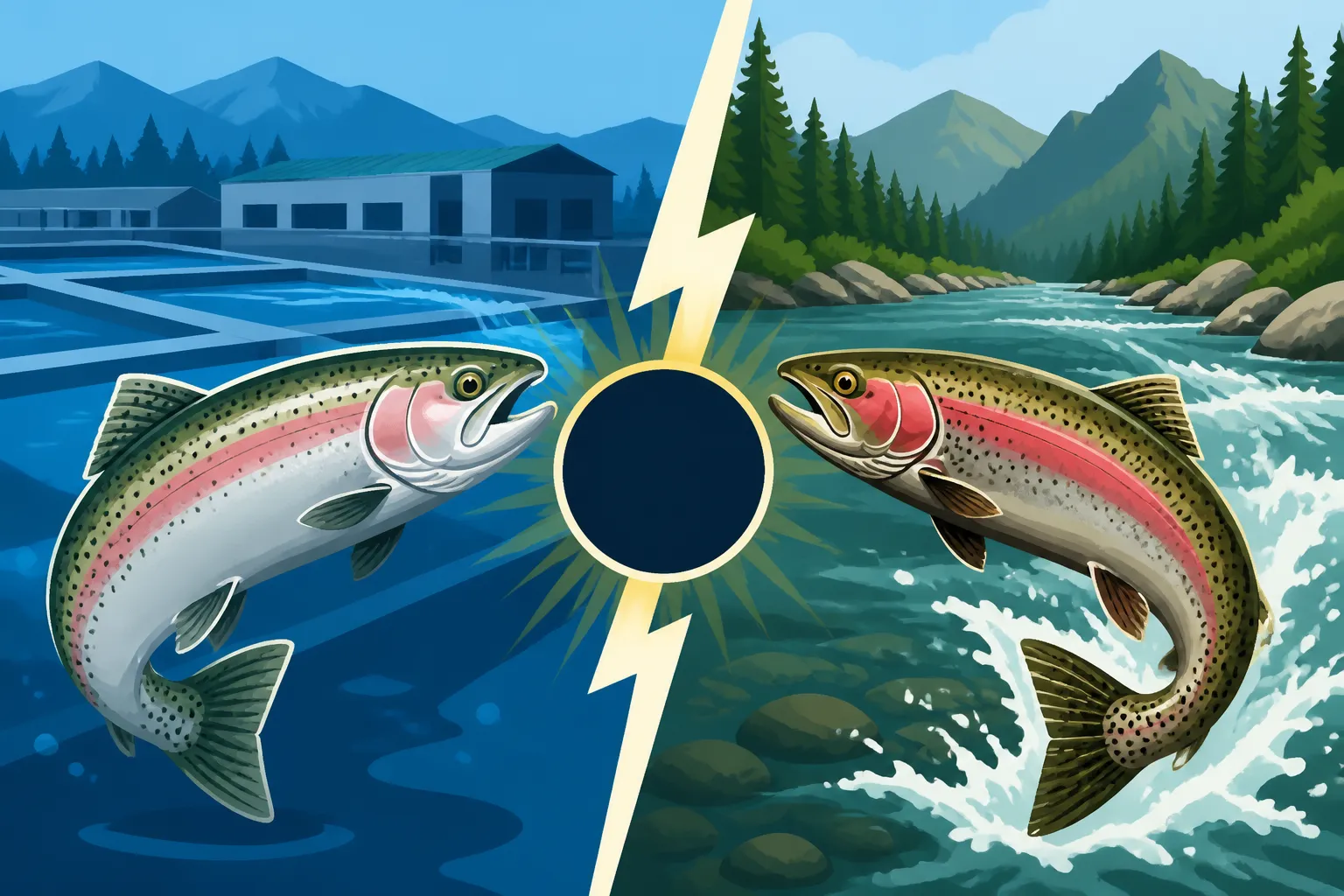
- Fin Condition: Hatchery fish, having spent time in crowded concrete raceways, might have fins that are more worn, stubby, or tattered compared to the typically pristine, sharply pointed fins of wild fish. Their dorsal, pectoral, and caudal fins might show signs of abrasion or less perfect shape due to the hatchery environment. Wild fish, on the other hand, often have perfect, unblemished fins.
- Body Shape and Coloration: This is much less reliable and highly variable, but some experienced anglers note subtle differences. Wild steelhead often exhibit a more streamlined, athletic build, reflecting their arduous journey and natural development. Their coloration might also appear more vibrant or natural, blending perfectly with their environment. Hatchery fish, while still beautiful, might sometimes appear slightly "softer" in their body contours or have a more uniform, less variegated coloration. However, these are highly subjective and can be influenced by water conditions, diet, and individual fish genetics, so always, always default to checking the adipose fin first. You might notice these differences more clearly if you're comparing a picture of a known wild fish with one of your hatchery catches, but on the river, the clip is your best friend.
Identifying Wild Steelhead
Just as important as knowing what a hatchery fish looks like is recognizing its wild counterpart. This knowledge is crucial because, in most cases, catching a wild steelhead means an immediate, gentle release.
The Unclipped Adipose Fin: A Clear Indicator
As we covered, the presence of an intact adipose fin is the primary and most reliable indicator of a wild steelhead in Idaho. If that small, fleshy fin is there, unclipped, then you have caught a wild fish. It doesn't matter how big or small the fish is, or how bright its chrome scales might shine; if the adipose fin is present, it's wild.
This single identifier simplifies things greatly for anglers. You don't need to be a marine biologist to make the distinction. Just locate the adipose fin. Many states and provinces use this system because it's so clear-cut and easy for the public to understand and implement. When fishing in areas like the Salmon River, where both wild and hatchery steelhead are present, quickly confirming the presence or absence of this fin is paramount. Anglers dedicated to ethical fishing might even practice this identification technique on images or videos before hitting the water.
Natural Markings and Body Shape
Similar to hatchery fish, wild steelhead can sometimes possess additional visual cues, though again, these are secondary to the adipose fin.
- Pristine Fins: Wild steelhead typically have perfectly formed, sharp, and undamaged fins. They haven't been rubbing against concrete walls or other fish in crowded tanks. Their fins are often longer, more pointed, and in perfect condition, reflecting their natural growth in rivers and oceans.
- Vibrant Coloration and Distinct Spots: While steelhead vary in color based on how long they've been in freshwater, wild fish often display a more nuanced and vibrant array of colors, from iridescent blues and greens on their backs to silvery flanks and white bellies. Their spotting patterns can also appear more natural and distinct. The spots on a wild steelhead tend to be well-defined and often extend down to the lateral line and sometimes even onto the fins. However, as noted before, these characteristics are variable. A fish that has been in freshwater for a while might darken considerably, making its spots less obvious, or it might have scars from encounters in the wild.
In essence, while the overall "wild" appearance—perfect fins, robust build, and natural coloration—can be a strong hint, it's the adipose fin that seals the deal. When you're fishing in a prime spot like the Clearwater River, and you pull in a beautiful, unclipped fish, the immediate action is to release it carefully, ensuring it can continue its journey upstream. This respect for wild fish is a cornerstone of Idaho Fishing Regulations Explained.
Why Hatcheries Are Essential for Idaho Steelhead
It might seem counterintuitive to release wild fish while harvesting hatchery fish. Why bother with hatcheries at all if we're so focused on wild populations? The truth is, hatcheries play an incredibly important, though sometimes controversial, role in Idaho's complex steelhead management.
Supplementing Populations and Providing Fishing Opportunities
One of the primary reasons for hatchery programs is to supplement steelhead populations, particularly in rivers where natural reproduction might be struggling due to various environmental factors. Dams, habitat degradation, and historical impacts have all taken their toll on wild runs. Hatcheries can produce large numbers of fish, giving populations a boost and, critically, providing abundant fishing opportunities for anglers. Without hatchery fish, the sheer number of available steelhead for harvest would be drastically lower, leading to far more restrictive seasons and limits, or even closures in some areas.
Consider the economic impact and the cultural significance of steelhead fishing in Idaho. Thousands of anglers travel to Idaho each year, pouring money into local economies through gear purchases (like those specialized steelhead jigs you might find on Amazon), guide services, lodging, and more. Hatchery programs ensure that there are enough fish in the system to sustain this cherished tradition and industry. They act as a buffer, allowing anglers to enjoy their sport without unduly pressuring the more vulnerable wild stocks. This is a key part of the larger Idaho Steelhead Fishing Guide.
Mitigating Impacts and Managing Fisheries
Hatcheries also serve as a tool to mitigate the impacts of human development, such as hydroelectric dams, which can block fish passage and alter river environments. While dam removal is often the long-term goal for wild fish recovery, hatcheries offer a way to maintain fish numbers in the interim. They are part of a comprehensive management strategy that aims to balance conservation with recreational and economic interests.
Furthermore, these programs allow fisheries managers to experiment with different genetic strains and release strategies, learning what works best to support a healthy ecosystem. They are constantly refined, with ongoing research into minimizing the potential negative genetic interactions between hatchery and wild fish. It’s a complex scientific endeavor, but the ultimate goal is always to support sustainable fisheries. The ability to distinguish between hatchery and wild fish allows Idaho Fish and Game to set specific regulations, like those for Idaho Salmon and Steelhead Permit, that protect wild fish while still allowing for a harvest of hatchery stock.
Best Practices for Anglers on Idaho Rivers
Knowing the difference between hatchery and wild steelhead is just the first step. Responsible angling involves applying that knowledge with careful technique and a deep respect for the fish.
Careful Handling and Quick Release of Wild Fish
If you catch a wild steelhead (remember, intact adipose fin!), your number one priority is a swift and safe release. Here's how to do it:
- Minimize Fight Time: Use appropriate tackle that allows you to land the fish efficiently without over-exhausting it. A prolonged fight significantly increases stress and reduces survival rates. Many anglers find high-quality braided line and a strong rod and reel combo, perhaps sourced from a reputable fishing supplier on Amazon, are crucial for this.
- Keep the Fish in the Water: Whenever possible, avoid removing a wild steelhead from the water entirely. This means unhooking it while it's still submerged. If you must lift it for a quick fin check or photo, do so gently and support its body horizontally with both hands, never vertically by the jaw or tail alone. Keep its head in the water as much as possible.
- Use Barbless Hooks: Many Idaho steelhead regulations require barbless hooks for this very reason. Barbless hooks make it much easier to remove the hook cleanly and quickly, minimizing damage to the fish. Even if not required, it's a best practice for catch-and-release fishing.
- Use a Knotless Net: A rubberized, knotless landing net is ideal. It cradles the fish, prevents scale and fin damage, and is much less likely to tangle hooks.
- Release Gently: Once unhooked, hold the fish gently facing upstream in the current until it regains its strength and swims away on its own. Don't just toss it back; ensure it's ready to continue its journey. This is especially true for large, powerful fish that might be exhausted after a long fight.
Gear Considerations for Responsible Fishing
Having the right gear isn't just about catching fish; it's about doing so responsibly, especially when distinguishing between hatchery and wild steelhead is critical.
- Visibility Tools: A good headlamp, especially for low-light conditions or early morning starts, is invaluable for clearly seeing the adipose fin. You can find robust, waterproof options on Amazon that clip to your hat.
- Hook Removal Tools: Long-nosed pliers or a specialized hook-removal tool can help you unhook fish quickly and efficiently, especially with deeply set hooks. This minimizes handling time and potential injury to the fish.
- Measuring Tape (Optional but Helpful): While not directly for fin identification, if you are allowed to retain hatchery fish and there are minimum or maximum size limits, having a flexible measuring tape handy (often available from fishing tackle brands on Amazon) is essential to ensure compliance.
- Appropriate Rod and Reel: A rod with enough backbone to land fish quickly, combined with a smooth drag system, is important. You want to be able to apply pressure to turn the fish without breaking your line, minimizing the fight time and subsequent stress on the fish. For steelhead, this often means a medium-heavy spinning or casting rod, or a spey rod for fly anglers.
- Waders and Boots: Good quality waders and wading boots are not just for keeping you dry and warm; they also allow you to safely access the water and get closer to your catch, making in-water release much easier and safer for the fish. Consider how important a sturdy pair of boots from a brand like Simms or Orvis is when wading fast-flowing rivers.
By adopting these best practices and ensuring you have the right gear, you'll be well-prepared to fish Idaho's steelhead rivers responsibly, respecting both the regulations and the incredible fish themselves. Always consult the current Idaho Fishing Regulation Brochure and Proclamation before you head out, as rules can change.
| Feature | Hatchery Steelhead | Wild Steelhead |
|---|---|---|
| Adipose Fin | Clipped (missing or scarred) | Intact (present and perfect) |
| Fin Condition | Often worn, stubby, or tattered | Pristine, sharp, and undamaged |
| Body Shape | Can be slightly "softer" or uniform | More streamlined, athletic build |
| Coloration/Spots | Variable, sometimes less vibrant | Often more vibrant, distinct spots |
| Legal Status | Typically legal to harvest (check limits) | Must be immediately released (protected) |
| Genetic Contribution | Minimal or none to natural spawning | Essential for natural spawning & population |
Conclusion
Understanding the difference between hatchery and wild steelhead in Idaho isn't just a point of trivia; it's a fundamental aspect of responsible and legal angling in the state. The adipose fin clip is your most reliable guide, but recognizing the other subtle cues can further enhance your appreciation and understanding of these magnificent fish. By knowing what to look for, practicing careful catch-and-release techniques for wild fish, and adhering to regulations, you contribute directly to the conservation of Idaho's incredible steelhead resource. So, next time you're on the river, take that extra moment to inspect your catch. It makes all the difference for the fish, the fishery, and your own peace of mind.
Disclaimer
This article is for general informational purposes only and does not constitute professional advice. Laws, prices and regulations vary by location and change over time. Consult a qualified professional for guidance on your specific situation.