Fishing Idaho Right After Ice-Out
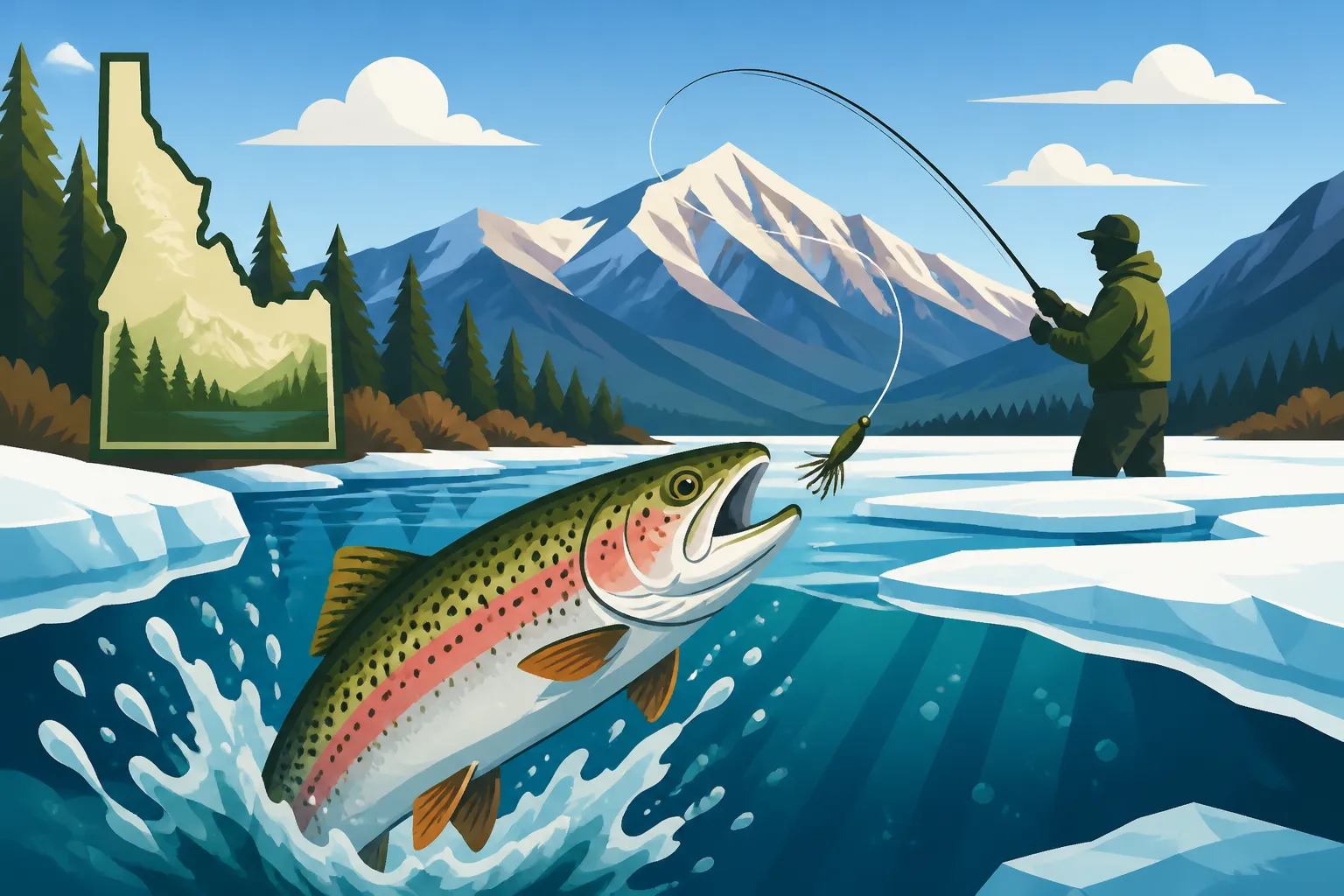
That long, drawn-out Idaho winter, with its frosty mornings and ice-covered waters, can feel like an eternity when all you want to do is cast a line. The anticipation builds, and then, slowly but surely, the ice starts to recede, revealing those tantalizing patches of open water. But as exciting as "ice-out" is, it also presents a unique set of challenges and opportunities for anglers who are eager to be the first back on the water. This guide is all about helping you understand and master the art of fishing Idaho right after the ice retreats, so you can make the most of those chilly, early season bites.
Understanding Idaho's Ice-Out Phenomenon
The moment the ice finally gives way after a long winter isn't just a visual change; it's a profound transformation in the underwater world. Understanding what's happening beneath the surface is key to finding and catching fish during this unique transition period.
What "Ice-Out" Really Means for Anglers
For us anglers, "ice-out" is that magical time when the thick, frozen blanket covering our favorite lakes and reservoirs finally breaks up and disappears, making way for open water fishing again. It’s not an instant flip of a switch, though. It’s a gradual process, often starting with shorelines melting, followed by open channels, and eventually, the entire body of water becoming ice-free. This period is a game-changer because it means fish that have been confined under ice, often in deeper, stable water, suddenly have access to new areas and a fresh food supply. However, it also means the water is still incredibly cold, and fish behavior is much different than in the warmer months. You can’t just go out and fish like it’s mid-summer; patience and specific tactics are paramount.
The Science Behind Lake Turnover and Fish Behavior
During ice-out, a fascinating natural event called "spring turnover" often occurs. As the surface ice melts, the very top layer of water begins to warm and reach its densest point at about 39°F (4°C). This warmer, denser water then sinks, pushing the colder, less dense water from the bottom upwards. This process mixes the entire water column, distributing oxygen and nutrients that might have been depleted during the winter stagnation. For fish, this turnover can be a bit disorienting. They might be scattered throughout the water column as the mixing happens, searching for comfortable temperatures and newly available food sources. They’re often sluggish from the cold water, so their metabolism is slow, and they won't chase a bait aggressively. This means you need to present your offerings right in front of them, slowly and enticingly. Understanding the physics of this moment is crucial for knowing where to cast.
Regional Variations in Idaho's Ice-Out Schedule
Idaho is a big state with diverse elevations and climates, which means "ice-out" isn't a statewide event happening on a single day. Lower elevation lakes and reservoirs in Southern Idaho, such as C.J. Strike Reservoir or Lake Lowell near Nampa, will typically shed their ice much earlier, sometimes even in late February or early March during mild winters. As you move north and to higher elevations, like the Sawtooths or Priest Lake in the Panhandle, ice-out can be weeks, if not months, later, often not occurring until April or even May. This staggered schedule is a blessing for dedicated anglers because it means you can often chase the ice-out phenomenon across the state, extending your early season opportunities. Always check local conditions and prognoses from the Idaho Fish and Game for specific bodies of water, as yearly snowfall and spring temperatures can greatly influence the exact timing. You’ll want to consult resources like the official Idaho Fishing Season Calendar to get a general idea, but for real-time updates, local reports are invaluable.
Essential Gear and Tackle for Ice-Out Success
Fishing right after ice-out isn't just about technique; it's also about having the right tools for the job. The cold water dictates specific gear choices, not only for your comfort but for maximizing your chances of a bite.
Cold Weather Apparel and Safety Gear
Let's be real, those early spring days, even after the ice is gone, can be downright frigid. The air might feel warm in the sun, but the water temperature is still hovering just above freezing. Dressing in layers is absolutely non-negotiable. Think thermal base layers, a fleece mid-layer, and a waterproof, windproof outer shell. A good pair of insulated, waterproof boots and warm gloves are also crucial to keep you comfortable for hours. And please, don't forget safety. Even if the main body of water is open, shorelines can be slushy, and sudden cold plunges are dangerous. Always wear a PFD (Personal Flotation Device), especially if you're in a boat or near treacherous banks. A change of clothes in a dry bag and a thermos of hot coffee or tea can make all the difference in staying warm and alert. You can find excellent options for durable, cold-weather fishing apparel and reliable PFDs on platforms like Amazon, making it easy to stock up before your first outing.
Rods, Reels, and Lines for Frigid Waters
When it comes to your fishing setup, delicacy and sensitivity are key. Fish are often lethargic in cold water, so you're going to need to feel those subtle "taps" rather than aggressive strikes. A medium-light to medium action spinning rod, around 6 to 7 feet in length, paired with a smooth spinning reel, is often ideal. The lighter action will help with casting smaller baits and detecting those light bites. For line, many anglers opt for a good quality monofilament or fluorocarbon. Monofilament has some stretch, which can be forgiving on light bites, while fluorocarbon is nearly invisible underwater and sinks, which can be an advantage when you want your bait to get down quickly without extra weight. Braided line can be too stiff and prone to freezing on guides in colder temperatures, so it's generally avoided unless specifically targeting larger, more aggressive species with heavier gear. A general rule of thumb for trout fishing post-ice-out is 4-6 lb test line; for larger species like lake trout, you might bump it up to 8-10 lb.
Best Baits and Lures to Trigger Cold-Water Bites
This is where the real fun begins, experimenting with what will tempt those sluggish, cold-water fish. Unlike summer, when fish might chase a fast-moving lure, ice-out demands a slower, more subtle presentation.
- Jigs: Small jigs, tipped with a piece of worm, power bait, or even a small plastic grub, are absolute killers. Think 1/32 to 1/8 ounce sizes. The slow, vertical presentation mimics an easy meal that doesn’t require much energy to catch.
- Small Spoons: Classic Kastmasters or Acme Little Cleos in silver, gold, or brass can be deadly, especially when jigged slowly or retrieved with a stop-and-go motion. The flash can attract attention, and the slow fall is irresistible.
- Live Bait: There's no denying the power of live bait in cold water. Worms, minnows (where legal), or even mealworms are often the top producers. The natural scent and movement are hard for a lethargic fish to resist.
- PowerBait and Dough Baits: For stocked trout, these are still go-to options. Floating baits that keep your hook off the bottom, presented on a light leader, can be very effective, especially near stocking points or inlets.
- Soft Plastics: Small grubs, tubes, or creature baits on a jig head can imitate small minnows or aquatic insects. Again, slow retrieves are critical.
When it comes to finding the perfect selection of these, places like Amazon have a vast array of options, from tried-and-true brands like Berkley PowerBait to specialized jigs and spoons perfect for those icy waters. Knowing the Best Bait and Lures for Idaho Fishing can give you an edge, but during ice-out, think small, slow, and natural.
Top Techniques for Post-Ice-Out Fishing
The transition from ice to open water changes where fish hold and how they feed. Adapting your techniques is paramount to getting consistent bites during this often-challenging, but highly rewarding, period.
Slow Trolling and Vertical Jigging Strategies
Fish in cold, post-ice-out water are often not willing to chase baits far. Their metabolism is slow, and they're conserving energy. This means your presentation needs to be right in their face, moving slowly enough for them to commit.
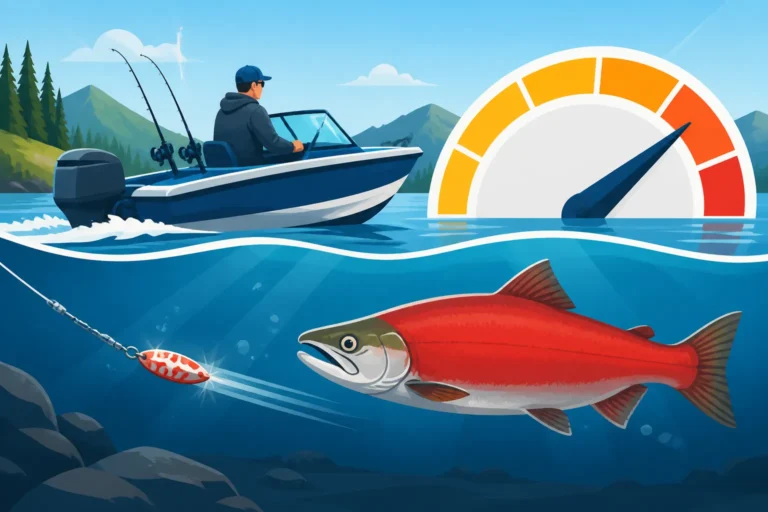
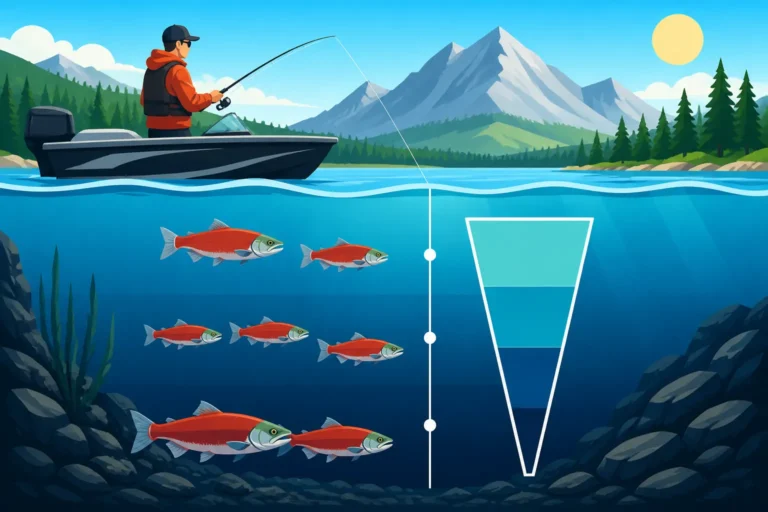
- Slow Trolling: If you're in a boat, slow trolling is a fantastic way to cover water and find scattered fish. Use very slow speeds, barely enough to give your lure action. Small crankbaits, spoons, or even wedding ring spinners tipped with a worm can be incredibly effective. Consider using a small electric trolling motor to maintain precise, minimal speed. The goal isn't to draw aggressive strikes, but to entice a curious or opportunistic bite. Sometimes, the slowest retrieve possible is the ticket, allowing your offering to wobble enticingly as you ease along. This method is particularly effective for species like Kokanee salmon or trout that might be cruising deeper areas, and understanding Idaho Trolling Techniques Guide can help fine-tune your approach for specific species.
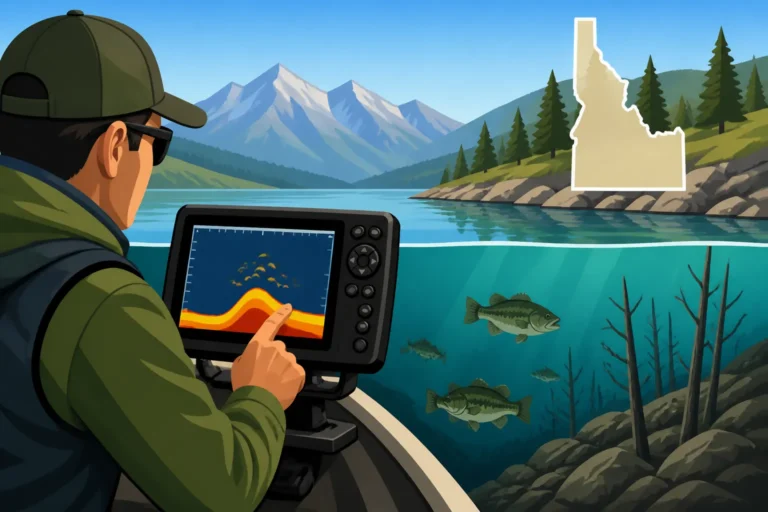
- Vertical Jigging: This technique is often borrowed from ice fishing and translates perfectly to open water post-ice-out. Whether from a boat or a dock, drop a small jig or spoon straight down to the desired depth. Use your fish finder to locate schools of fish or structure. Then, simply lift and drop your rod tip, creating a subtle jigging motion. The key is to impart just enough action to attract attention without making the bait seem too difficult to catch. Pause frequently, sometimes for 5-10 seconds, allowing the lure to hang enticingly. Many cold-water bites happen on the fall or during these pauses.
Shoreline and Shallow Water Tactics
As the sun begins to warm the water, even slightly, the shallow areas and shorelines become critical hotspots. These areas often warm up first and can attract baitfish and insects, which in turn draw in predatory fish.
- Sun-Drenched Bays and Inlets: Look for northern shorelines or shallow bays that receive direct sunlight for a good portion of the day. These areas will be the first to warm, even by a degree or two, and that small temperature bump can make a big difference to cold-blooded fish. Fish often cruise these warmer flats, looking for newly active insects or small fish that have moved in. Casting small spinners, tiny crankbaits, or bait under a bobber can be very productive here.
- Structure Near Shore: Submerged logs, rock piles, weed beds (if they've started growing), or docks can all hold fish. These structures provide cover and ambush points. Cast your lures or baits close to these features and work them slowly. For trout, focus on areas where small streams or run-off enter the lake, as these can bring in food and slightly warmer, oxygenated water. Bank anglers often have a distinct advantage in targeting these newly accessible and warmer shallow zones. Getting an early start means you might have these prime spots all to yourself before the summer crowds arrive, a true perk of early season fishing.
Understanding Fish Location in Newly Thawed Waters
Unlike summer, where fish might be spread out, post-ice-out fish tend to congregate in specific areas. Understanding these preferred locations is half the battle.
- Thermal Layering (or lack thereof): Right after ice-out and during turnover, the water column is often isothermal, meaning the temperature is relatively uniform from top to bottom. This means fish aren't necessarily confined to a specific depth due to temperature, but they're still seeking comfort. As the sun warms the surface, a slight warmer layer might form in the very top few feet, drawing some fish up.
- Concentration Points: Look for points, humps, sharp drop-offs, and transition zones where shallow water meets deeper water. These areas offer fish quick access to both shallow feeding grounds and deeper, more stable retreats. Inlet and outlet areas of rivers and streams are also huge magnets, as they often bring in fresh water, nutrients, and can be slightly warmer or cooler depending on the source.
- Baitfish Presence: Ultimately, fish will go where the food is. If you can locate schools of baitfish, whether through visual cues or your fish finder, you’re likely to find the predators right nearby. Pay attention to any signs of activity – subtle rises, nervous baitfish, or even birds diving.
- Fish Stocking: In many Idaho waters, fish stocking begins shortly after ice-out. If you know where Idaho Fish and Game has recently stocked trout, those areas will be prime targets for easy limits. You can check the Idaho Fish Stocking Reports Explained to stay informed on when and where fish are being released.
Targeting Key Species During Ice-Out
Idaho is blessed with a variety of fish species, and ice-out offers unique opportunities to target several of them. Knowing which species are active and where to find them is crucial.
Trout Tactics for Hungry Rainbows and Cutthroats
Trout are often the first species on many anglers' minds when the ice breaks. Rainbows, cutthroats, and even brown trout can be quite active and hungry after a winter of slower feeding.
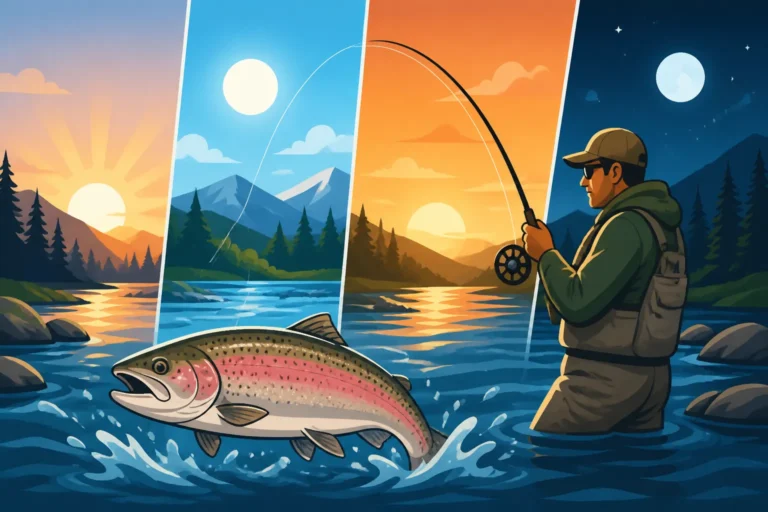
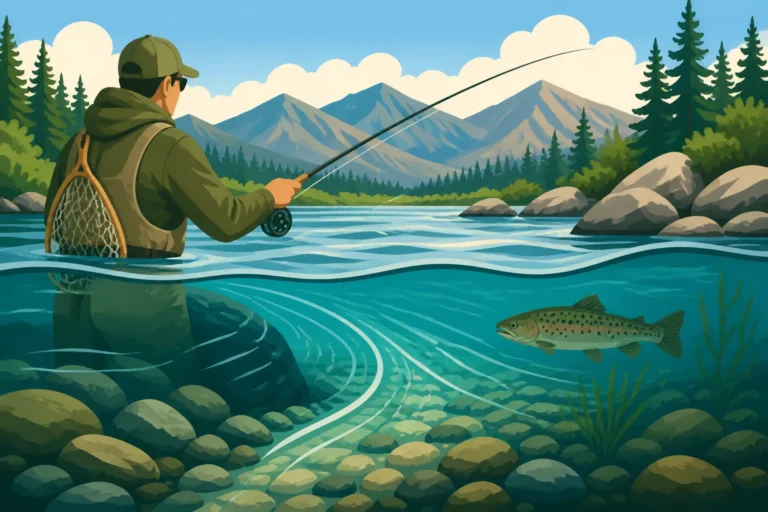
- Shoreline Cruisers: As mentioned, early season trout will often cruise the newly accessible shallow shorelines, especially in sun-warmed bays and along rocky points. They’re looking for newly emerged insects, small minnows, or even crustaceans stirred up from the bottom. Cast small inline spinners (like Panther Martins or Mepps), tiny spoons, or a classic worm under a bobber. For fly anglers, slow-stripped leech patterns, small nymphs, or even tiny streamers can be effective, especially in moving water or near inlets. Remember, a slow retrieve is usually best; a fast-moving lure will often be ignored.
- PowerBait and Marshmallows: For heavily stocked lakes and ponds, PowerBait in bright colors (chartreuse, rainbow, orange) fished off the bottom with a sliding sinker rig remains a classic. Adding a small marshmallow can help float the bait and attract attention. These hungry, recently stocked fish are often less wary and more willing to hit these artificial offerings. When the water is chilly, these buoyant baits are excellent for keeping your offering in the strike zone, especially if the fish are holding just above the lakebed.
- Targeting Deep Edges: While many trout will be shallow, some of the larger, more cautious fish might still be holding along the first deep drop-offs near the newly thawed areas. Vertical jigging small spoons or soft plastics in these transition zones can entice a reluctant bite from a trophy Idaho Rainbow Trout Fishing Guide.
Chasing Perch and Crappie in the Warming Shallows
Panfish like yellow perch and crappie become excellent targets right after ice-out, especially as the shallow waters begin to warm up. These species are often abundant and provide fast action, which is perfect for shaking off the winter rust.
- Perch Prowlers: Yellow perch are schooling fish, and they love structure. Look for them in shallow bays with submerged timber, weed beds, or rock piles as soon as the ice clears. Small jigs (1/32 to 1/16 oz) tipped with a piece of worm, a minnow, or a tiny plastic grub are deadly. You can also try small spoons or blade baits. Once you catch one perch, chances are there are many more in the vicinity, so keep working that area. They’re often quite aggressive once you find the school, and are great for family outings. If you’re looking for great places to target these, checking out a guide on Idaho Yellow Perch Fishing, will point you in the right direction.
- Crappie on the Move: Crappie also move into warmer, shallow areas after ice-out, especially around brush piles, docks, and standing timber. They’ll often hold tighter to cover than perch. Tiny jigs (1/64 to 1/32 oz) in white, black, or chartreuse are highly effective. A slow retrieve or simply suspending a jig or a live minnow under a bobber near structure can yield excellent results. They have delicate mouths, so use a light rod and set the hook gently. As water temps slowly rise, their activity will increase, so pay attention to sunny afternoons when the bite might really turn on.
Early Season Kokanee and Lake Trout Opportunities
For those looking for bigger game or a more specialized experience, ice-out also signals the start of the season for Kokanee salmon and lake trout.
- Kokanee Awakens: Kokanee salmon, often found in popular lakes like Lake Coeur d'Alene or Dworshak Reservoir, can be targeted right after ice-out. They'll typically be deeper, often suspended, but will respond to slow-trolled wedding ring spinners, small spoons, or kokanee jigs. The key is to find their depth. They might be in the upper 20-40 feet of the water column, but a good fish finder is invaluable. Use downriggers or lead core line to get your offerings to the precise depth. Tipping your lure with corn or a maggot often boosts success. You can find more specialized advice on this in an Idaho Kokanee Fishing Guide.
- Lake Trout Lurkers: Lake trout (Mackinaw) are deep-water dwellers, and while they can be caught year-round, post-ice-out can be a fantastic time for them. They'll often move shallower than they do in mid-summer, sometimes in the 40-80 foot range, especially in the mornings or evenings. Large jigs, tube baits, or spoons vertically jigged over structure like humps and underwater points can be effective. Large trolling spoons or diving crankbaits can also work for those cruising the edges of deep water. The larger specimens can put up an incredible fight, and they are a real test of patience and skill in the cold waters. Just be prepared for a long day out on the water, as targeting these giants requires dedication.
| Fish Species | Typical Ice-Out Location | Preferred Depth (approx.) | Recommended Baits/Lures | General Activity Level |
|---|---|---|---|---|
| Rainbow/Cutthroat | Shorelines, inlets, sun-warmed bays, drop-offs | 5-20 feet | Small spinners, spoons, worms, PowerBait, nymphs | Moderate to High |
| Yellow Perch | Shallow bays, structure (timber, rocks), flats | 5-15 feet | Small jigs (tipped), tiny spoons, live minnows | Moderate to High |
| Crappie | Brush piles, docks, standing timber, shallow bays | 5-20 feet | Tiny jigs (tipped), live minnows under bobber | Moderate |
| Kokanee Salmon | Open water, suspended over deep basins | 20-50 feet | Small spoons, wedding rings (tipped with corn), kokanee jigs | Moderate |
| Lake Trout | Deep edges, humps, points, shallower than summer | 40-80 feet | Large jigs, tube baits, trolling spoons, diving crankbaits | Low to Moderate |
Navigating Challenges and Staying Safe
While fishing after ice-out is incredibly rewarding, it comes with its own set of challenges, particularly regarding safety and resource management. Being prepared for these elements ensures a successful and responsible outing.
Unpredictable Weather and Water Conditions
Idaho's spring weather is notoriously fickle. One day it might be sunny and pleasant, the next, a snow squall could roll in with biting winds. Always check the forecast before heading out, but be prepared for sudden changes. This means bringing extra layers, rain gear, and being ready to cut your trip short if conditions deteriorate. The water temperature is the biggest silent threat; a fall into frigid water can lead to hypothermia rapidly. Even if the air feels warm, the water itself might still be in the low 40s or high 30s. Hypothermia is no joke, and it can set in quicker than you think. Always ensure your boat is equipped with all necessary safety gear, including a fully functional engine and backup paddle, as well as a VHF radio or satellite messenger if you’re heading to remote areas.
Access Issues and Precautions for Soft Ice Edges
Just because the main body of water is open doesn't mean access is easy or entirely safe. Boat ramps can still be partially frozen, or the surrounding ground might be muddy and soft from snowmelt. Be extra cautious when launching boats, and always scope out the ramp before attempting to back down. For shore anglers, be wary of ice remnants along the banks. These can be deceptively unstable, creating a thin, weak layer that looks solid but can give way instantly. Avoid walking on any lingering ice, no matter how sturdy it appears, as the sun and warming water can quickly degrade its integrity from below. Stick to solid ground or established piers. Remember, early season access can also mean fewer people around, so letting someone know your plans and expected return time is a smart practice.
Respecting the Resource: Catch and Release Considerations
Cold water fishing presents unique challenges for fish, too. Their metabolism is slow, and they fight harder to recover. This makes responsible catch and release practices even more critical.
- Minimize Fight Time: Use appropriate tackle for the size of fish you're targeting to bring them in as quickly as possible, reducing their stress and exhaustion.
- Handle With Care: Keep fish in the water as much as possible, especially if you're planning to release them. Wet your hands before handling to protect their slime coat, which is vital for disease prevention. Avoid squeezing them tightly, especially around their internal organs.
- Barbless Hooks: Consider using barbless hooks. They make release much quicker and cause less damage to the fish's mouth. In some Idaho waters, like for Sturgeon fishing or some Steelhead areas, barbless hooks are actually required by regulation, so always check the Idaho Fishing Regulations Explained for your specific location and target species.
- Revive Gently: If a fish seems sluggish after the fight, hold it upright in the water, facing into any current, until it regains its strength and can swim away under its own power. Don't simply toss it back; ensure it's ready to survive. This is especially important for species like Steelhead, where wild fish must be released, making knowing How to Tell a Hatchery Steelhead from a Wild One in Idaho absolutely vital. The goal is to ensure a healthy fishery for years to come.
Where to Find Early Ice-Out Action in Idaho
Knowing where to focus your efforts can drastically improve your ice-out fishing success. Not all waters thaw at the same time, and some offer better early-season opportunities than others.
Lower Elevation Lakes and Reservoirs Leading the Thaw
When winter's grip first begins to loosen, your best bet for open water fishing will almost always be the lower elevation lakes and reservoirs. These bodies of water are typically in valleys or flatter terrain, where temperatures rise faster and stay warmer for longer periods.
- Southwest Idaho: Lakes like Lake Lowell, C.J. Strike Reservoir, and Lucky Peak Reservoir near Boise are often among the first to see significant ice-out. C.J. Strike, in particular, is known for its strong smallmouth bass and crappie fisheries, which can become active quickly in the warming shallow coves. Lucky Peak, being so close to Boise, is a popular spot for trout and kokanee right after the thaw. These spots are usually more accessible, making them ideal for those itching to get on the water without a long trek into the mountains.
- Southeast Idaho: Reservoirs like American Falls Reservoir and Blackfoot Reservoir often open up earlier than their high-mountain counterparts. They can provide good early-season action for perch, trout, and even some warm-water species depending on the year. Always check current conditions, but these lower elevation areas are a reliable starting point for your post-ice-out adventures.
Notable Waters for Post-Ice-Out Success
Beyond just the lowest elevation, certain bodies of water consistently deliver great ice-out fishing.
- Cascade Reservoir: Located north of Boise, Cascade Reservoir is a fantastic early-season destination, particularly for perch. As the ice pulls back, often starting in late March or early April, the perch fishing can be phenomenal, especially in the shallower bays and around the river inlets. Tiger muskies are also present and can be targeted, though they're a bit more elusive. If you’re considering fishing here, make sure to read up on Fishing Cascade Reservoir for Tiger Muskie and Perch, it’s a great resource.
- Lake Coeur d'Alene: Up in North Idaho, Lake Coeur d'Alene is a massive body of water, and while its full ice-out can take time, specific areas often open up earlier. The southern end, particularly around the Spokane River arm, tends to shed its ice first. This can offer early opportunities for jumbo Yellowstone cutthroat trout, rainbow trout, and even some early Kokanee and Chinook salmon if you know where to look. While the main lake might still have ice, the currents and shallower sections near river mouths will typically be clear. For those targeting Chinook and Kokanee, understanding the intricacies of Fishing Lake Coeur d'Alene for Kokanee and Chinook, especially after the ice-out, will set you up for success.
- Henry's Fork of the Snake River: While rivers don't "ice-out" in the same way lakes do, sections of the Henry's Fork, especially below Harriman State Park or near Ashton, can become fishable much earlier than its upstream stretches. As winter flows moderate and bank ice recedes, early spring fly fishing for rainbow and brown trout can be exceptional, though challenging. Always be aware of wading safety in cold, swift water.
Monitoring Conditions and Local Reports
The absolute best advice for successful ice-out fishing is to stay informed. Relying on general seasonal expectations isn't enough; conditions can change by the day, sometimes by the hour.
- Idaho Fish and Game Reports: The Idaho Fish and Game website is your first stop. They often provide general conditions reports, stocking schedules, and sometimes even specific ice-out updates for major bodies of water. These reports are invaluable for planning your trip.
- Local Bait Shops and Marinas: These are your boots-on-the-ground intelligence network. Call ahead, chat with the folks working there. They deal with anglers daily and know exactly which ramps are open, which areas are clear of ice, and what the fish are biting on. They'll often have the most up-to-date and hyper-local information.
- Online Forums and Social Media: Angling communities on platforms like Facebook or dedicated fishing forums can offer real-time updates from other anglers. Just remember to take everything with a grain of salt and always verify critical information yourself.
- Visual Reconnaissance: Sometimes, the best way to know is to go see for yourself (safely, of course). Drive by your preferred access points if they're close enough. This way, you can personally assess the conditions of ramps, shorelines, and ice coverage.
By combining all these information sources, you'll be well-prepared to hit the water precisely when those early ice-out bites are happening, ensuring a productive and enjoyable start to your Idaho fishing season. Remember, the Best Time of Year to Fish in Idaho is often debated, but for many, the thrill of that first open-water cast after winter's chill is hard to beat.
Disclaimer
The information provided in this guide is for general informational purposes only and does not constitute professional advice. Fishing conditions in Idaho can change rapidly due to weather, water levels, and regulatory updates. Always consult the latest official Idaho Fish and Game regulations and local conditions before planning any fishing trip. Safety should always be your top priority.