Best Time of Day to Fish for Steelhead in Idaho
Many anglers hit the water before dawn, full of hope, only to find the steelhead bite surprisingly slow, or perhaps they head out mid-day and wonder if they've already missed their window. It's a common frustration: knowing when to fish for Idaho steelhead isn't always as simple as "early morning or late evening." This guide will cut through the guesswork, diving deep into the daily habits of these incredible anadromous trout and uncovering the various factors that influence their activity, helping you pinpoint the best times to cast your line for a truly memorable experience.
Understanding Steelhead Behavior and Daily Rhythms
Steelhead are fascinating creatures, making incredible journeys from the ocean back to Idaho's rivers to spawn. Their daily behavior in the rivers isn't always predictable, but there are some fundamental patterns and biological drives that influence when they're most likely to be active and therefore, most likely to bite. Understanding these underlying principles is key to becoming a more successful angler.
Why Low Light Often Triggers Activity
One of the most consistent pieces of advice you'll hear about steelhead fishing is to target low-light conditions. This isn't just an old wives' tale; it's rooted in their biology as predators. Steelhead, like many trout species, often feel more secure and less exposed under the cover of dawn, dusk, or overcast skies. In these conditions, their keen eyesight still allows them to spot prey or your offering, while making them less visible to aerial predators like eagles and ospreys, or even human disturbance.
Think about it: a bright, sunny day with crystal clear water might make for beautiful scenery, but it also makes fish wary. They'll often tuck into deeper, darker pools or under cover, conserving energy and feeling safe. When the light dims, whether naturally with the rising or setting sun, or due to heavy cloud cover, they tend to move into shallower feeding lanes or cruise through riffles with more confidence. This shift in comfort level often translates directly into a willingness to chase down a swung fly or a drifted bait. It's a subtle but significant psychological shift for the fish that knowledgeable anglers keenly observe.
The Impact of Water Temperature on Steelhead Metabolism
Water temperature is arguably one of the most critical, yet often overlooked, factors influencing when steelhead feed and move. Steelhead are cold-blooded, meaning their metabolism is directly tied to the temperature of their environment. There's a "sweet spot" temperature range where they are most comfortable and active, typically between 40-55°F (4-13°C). Outside of this range, their activity levels can drop significantly.
When the water is too cold (below 38-40°F), steelhead become sluggish. Their metabolism slows down, and they might not expend energy to chase food, instead holding in deeper, slower water. Conversely, when the water gets too warm (above 60°F), they become stressed, seeking cooler, oxygen-rich pockets and also reducing their activity.
This means that the best time of day can literally shift with the thermometer. In the dead of winter, when river temperatures might hover in the low 30s, the warmest part of the day – usually mid-afternoon – might be the only time the water warms enough to spur any fish activity. In the spring, with rising water temperatures from snowmelt, fish might be more active earlier or later in the day to avoid the warmest peak, or they might prefer the consistent warmth of a cloudy day. Always carry a reliable water thermometer, as this simple tool can provide invaluable insights into when to expect a bite.
Key Environmental Factors Influencing Daily Bite Times
Beyond the inherent biological rhythms of steelhead, the dynamic environment of Idaho's rivers plays a massive role in dictating daily feeding windows. From the amount of sunlight penetrating the water to the very flow and clarity of the river itself, these external factors are constantly influencing where steelhead hold, how they move, and ultimately, when they decide to strike.
Light Conditions and Their Role in Steelhead Movement
We touched on low light triggering activity, but let's dive a bit deeper. The intensity and angle of sunlight dramatically affect visibility both for the fish and the angler, and it influences how secure a steelhead feels. On a brilliantly sunny day, especially in clear water, steelhead can become incredibly spooky. They’ll often hunker down in deeper slots, behind large boulders, or under cutbanks, trying to stay out of the direct glare and away from potential threats.
During these bright periods, your presentation might need to be more subtle, smaller, or fished deeper to entice a strike. If you're swinging a fly, a brighter fly might be more effective in low light, while a more muted or natural pattern could work better on a sunny day. A good strategy is to focus your efforts around dawn and dusk, when the sun is low on the horizon, or during periods of heavy cloud cover, which acts like a giant diffuser, softening the light and making steelhead feel more comfortable moving and feeding. This is when you'll often find them more willing to venture into riffles or shallower runs. Consider having a good headlamp, easily found on Amazon, for those early morning or late evening trips. For a deeper dive, check out our guide on Idaho Steelhead Fishing Guide.
River Conditions: Clarity, Flow, and Depth Changes
The river itself is a living, breathing entity, constantly changing, and steelhead adapt their daily patterns accordingly.
- Water Clarity: This is huge. If the river is running like chocolate milk from runoff or heavy rains, fishing can be tough all day long. Steelhead rely on their eyesight to some extent, and extremely murky water makes it hard for them to find your presentation. In these conditions, focus on "seams" or areas where slightly clearer water might be entering, or areas closer to the bank where current might be slower and visibility slightly better. Conversely, gin-clear water, especially on bright days, can make fish exceptionally spooky. In such cases, longer leaders, lighter tippets, and stealthier approaches are paramount.
- Water Flow: High flows can spread fish out and make them harder to locate, often pushing them to the edges of the main current or into slower side channels. Low flows, common in late summer and early fall, can concentrate fish in deeper pools, but also make them more vulnerable to predators and more wary of anglers. Rapid changes in flow, either rising or falling, can throw fish off their game for a day or two. A stable or slowly dropping flow after a bump in water levels is often a prime time for steelhead to become active as they adjust and begin to move.
- Depth Changes: Steelhead are constantly seeking comfortable holding water. This might be a deep pool where they can rest, a current seam where food is delivered, or a shallower riffle where they might actively feed. The best time of day to fish a particular spot might depend on how these depth zones are utilized. For example, during colder parts of the day, fish might be in deeper, slower water, while during warmer, lower light periods, they might move into shallower feeding lanes.
Understanding how these conditions change daily, sometimes hourly, and how they force steelhead to reposition, is critical. Keep an eye on local stream gauges and weather forecasts before you head out.
Weather Patterns and Barometric Pressure Swings
While many anglers might focus on immediate weather like rain or sun, the less visible shifts in barometric pressure can have a profound effect on fish behavior, including steelhead.
- Stable Weather: Generally, stable weather patterns with consistent barometric pressure often lead to consistent fishing. Fish are more likely to stick to their routines and be found in predictable places.
- Approaching Fronts: Before a storm front moves in and the barometric pressure drops, fish often become more active, feeding aggressively. This can sometimes create a fantastic fishing window for a few hours. Steelhead seem to sense the change and might feed heavily in anticipation of adverse conditions.
- Post-Front/Post-Storm: After a cold front passes and high pressure settles in, fishing can often become tougher. Fish might be less active, sluggish, and reluctant to bite for a day or two as they adjust to the new conditions. Water temperatures might also drop with a cold front, further slowing their metabolism.
- Precipitation: Light rain or snow can be fantastic for steelhead fishing. It often lowers light levels, softens angler shadows, and can even wash insects or other food into the river, making fish feel more comfortable and active. Heavy, prolonged rain, however, can lead to blown-out rivers and tough fishing.
Paying attention to a comprehensive weather forecast, not just the temperature, can give you a significant edge in planning your fishing day. Many dedicated anglers use apps that track barometric pressure specifically to help time their outings.
Seasonal Variations in Prime Fishing Times
Idaho's steelhead seasons span multiple months, and what works in the fall on the Clearwater River might be completely different from what works in the heart of winter on the Salmon River. Each season presents unique challenges and opportunities, and understanding these shifts is paramount to determining the best daily fishing window.
Fall and Early Winter: Morning and Afternoon Peaks
The fall steelhead run, typically from September through November, is often characterized by dropping water temperatures and relatively stable conditions before the deep cold sets in. During this period, steelhead are generally quite active and aggressive as they migrate upstream.
- Early Fall (September-October): In the crisp mornings of early fall, as the air cools but the water retains some residual warmth from summer, steelhead can be very active right at dawn. The low light and cooling water combine to create ideal conditions. This activity might continue for a few hours into the morning. As the sun climbs higher, they might become a bit more subdued, but often perk up again in the late afternoon as light fades and temperatures begin to drop. On overcast days, the bite can be consistent throughout the day. This is a prime time for swinging flies or drifting bait. Check out some specific tactics in Fall Steelhead Fishing Techniques on the Clearwater and Salmon Rivers.
- Late Fall/Early Winter (November-December): As temperatures continue to fall and winter approaches, the warmest part of the day becomes increasingly important. While dawn and dusk still offer low-light advantages, the absolute coldest water of the morning might make fish lethargic. You might find a better bite from mid-morning through late afternoon, as the water warms ever so slightly. Focus on deeper, slower runs and pools where fish can conserve energy. On particularly cold days, a bright, sunny afternoon might actually be your best bet, as the sun's warmth can slightly elevate water temperatures and trigger a bite.
Mid-Winter Chill: The Warmest Part of the Day
When Idaho's rivers are truly in the grip of winter, say from late December through February, fishing for steelhead becomes a game of patience and precision, often centered around the warmest part of the day. The water temperatures are at their lowest, often hovering just above freezing.
- Mid-day Window: Forget early mornings unless you're specifically targeting fish on the move during a rare warm spell. In the bitter cold of January and February, the best fishing window is almost invariably from late morning (10 AM or 11 AM) to mid-afternoon (3 PM or 4 PM). This is when the air temperature, and consequently the water temperature, reaches its daily peak, however slight. Even a fractional increase in water temperature can make a significant difference to a steelhead's metabolism, prompting them to move short distances or take an offering.
- Slow and Deep: During this time, steelhead are often holding in deep, slow pools, expending minimal energy. Your presentations need to be slow, deliberate, and presented right in their strike zone. Think bottom-bouncing roe, slow jigs, or deep-sunk flies. This isn't a time for aggressive chases; it's about putting the food right in front of a reluctant fish. Anglers often brave the cold, knowing this short window is their best chance. For more on navigating these frigid conditions, read When Idaho's Steelhead Season Runs Through the Winter.
Spring Runs: Adapting to Melting Snow and Runoff
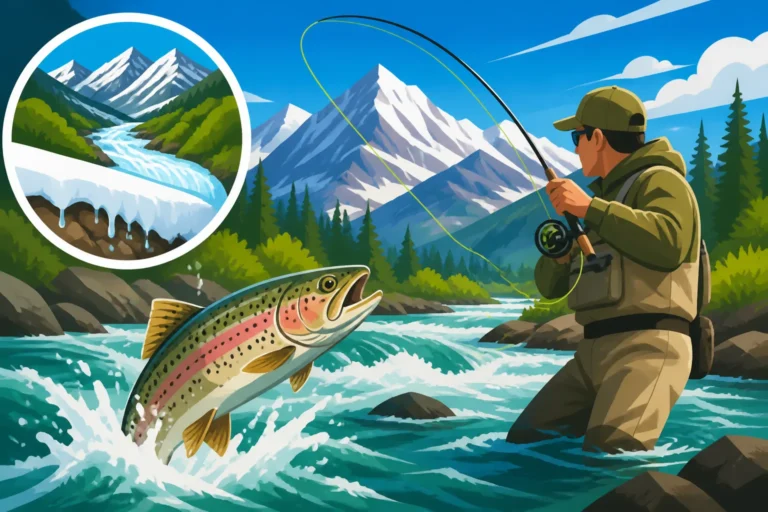
Spring steelhead fishing in Idaho, typically from March through April, can be a mixed bag due to highly variable conditions, particularly snowmelt and runoff. The "best time of day" becomes even more fluid.
- Early Spring (March): Similar to late winter, the mid-day sun can be a blessing, warming up the water and making fish more active. However, as the days lengthen, you might start to see more consistent activity spreading into the late afternoon, especially on milder days with less direct sunlight.
- Late Spring (April) and Runoff: This is where it gets tricky. If heavy snowmelt is causing the rivers to blow out, high, cold, and off-color water can make fishing tough at any time of day. Your best bet might be finding smaller tributaries that clear faster, or fishing the edges of the main river where current is slower. If runoff hasn't fully taken hold, or if you catch a window between surges, you might find active fish throughout the day, particularly if it's overcast. However, if the water is rising and getting cold from snowmelt, fish will often hold tight to the bottom and won't be keen on moving. The best time might then revert to the warmest part of the day, hoping for a slight temperature bump. Patience and adaptability are your best friends in spring.
Practical Strategies for Maximizing Your Daily Steelhead Success
Understanding the theory is one thing, but putting it into practice on the river is another. Steelhead fishing demands a keen eye, constant adjustment, and a healthy dose of persistence. Here are some actionable strategies to help you identify and capitalize on the daily prime windows.
Observing the Water and Adjusting Your Approach
Being observant is perhaps the most underrated skill in steelhead fishing. Don't just cast blindly; watch the river.
- Look for Movement: Are there any signs of fish activity? A subtle roll, a splash, or even fish jumping can indicate where steelhead are holding or moving. If you see activity, note the time of day and the prevailing conditions.
- Monitor Conditions Continuously: Remember those factors we discussed? Keep an eye on the clock, the sky, the air temperature, and especially the water temperature. If the water starts to warm up, adjust your expectation of where fish might be or how active they'll be. If clouds roll in, switch to a more aggressive presentation if your earlier, more subtle approach wasn't working. The river is constantly changing, and your tactics need to change with it.
- Talk to Other Anglers: While specific "secret spots" are rare, talking to a few courteous anglers on the river can give you a pulse on what's been working (or not working) that day. They might confirm a general trend in activity or conditions.
- Don't Be Afraid to Change Locations: If a particular run isn't producing after a thorough working, don't waste precious time. Move to a different type of water – shallower, deeper, faster, slower – until you find fish willing to cooperate. Sometimes, a subtle change in current or depth can be the key.
Gear Considerations for Different Times of Day
Your gear choices can also be subtly adjusted to match the time of day and conditions, enhancing your chances.
- Low Light/Early Morning/Late Evening: For these times, having good visibility for yourself is key. A bright headlamp is essential for setting up or navigating in the dark. For your presentation, consider flies or lures with some glow or UV properties that stand out better in dim light. This is also when you might use slightly heavier lines or leaders if you're fishing aggressive takes in faster water.
- Bright Mid-day Sun: When the sun is high and conditions are clear, subtlety becomes more important. Consider switching to lighter leader material or longer leaders to reduce spooking fish. Smaller, more natural-colored flies or lures can also be more effective. Good polarized sunglasses are crucial for spotting fish or reading subtle current breaks under glare.
- Cold Water/Winter: In extremely cold conditions, slower presentations are key. This means heavier sink tips for fly anglers, or heavier lead for gear anglers to get your offering down to lethargic fish holding deep. Durable, layered clothing, warm gloves, and proper wading boots are non-negotiable for comfort and safety during these often lengthy "mid-day window" waits. You can find excellent selections of durable fishing gear and layering options on Amazon.
- Warmer Water/Fall/Spring: As water temps rise, you might be able to fish lighter gear and make more aggressive presentations, as fish are more likely to chase. Brighter, more active lures or flies can often provoke a reaction strike.
Patience, Persistence, and Journaling Your Trips
Steelhead fishing, unlike some other forms of angling, demands an almost meditative level of patience and persistence. There are days when the "best time" never seems to arrive, or it lasts for only a fleeting moment.
- Patience: You might fish for hours without a single pull. This is normal. Trust your instincts, trust your presentation, and know that eventually, if you're in the right water, a fish will move. Don't let long lulls deter you.
- Persistence: Work each run thoroughly. Make repeated casts, try slightly different angles, and vary your retrieve or drift speed. Sometimes, it takes multiple passes to annoy a steelhead into striking. If a spot feels right, give it the time it deserves, especially during what you've identified as the prime window for that day's conditions.
- Journaling: This is a habit that will pay dividends over time. Keep a small notebook or a digital log. Record the date, time of day, river section, water temperature, air temperature, weather conditions (sunny, overcast, rain), barometric pressure trends, water clarity, flow, and most importantly, when and where you hooked (or even just saw) fish. Also note what fly or lure you were using. Over several seasons, these notes will reveal patterns unique to your fishing style and your local waters, helping you more accurately predict the best time of day for future trips. It's a personalized "best time of day" guide you build yourself!
| Season | Best Daily Window (General) | Key Factors to Watch For | Typical Water Temp Range (°F) |
|---|---|---|---|
| Fall | Dawn, Dusk, Overcast Days | Stable flows, cooling water, low light | 45-55 |
| Early Winter | Mid-morning to Late Afternoon | Dropping temperatures, brief mid-day warmth | 38-45 |
| Mid-Winter | Mid-day (10 AM – 4 PM) | Coldest water, seeking slight temperature bumps, low activity | 33-40 |
| Spring | Variable (Often Mid-day, or Overcast) | Snowmelt, rising/falling flows, water clarity, sun intensity | 38-50 |
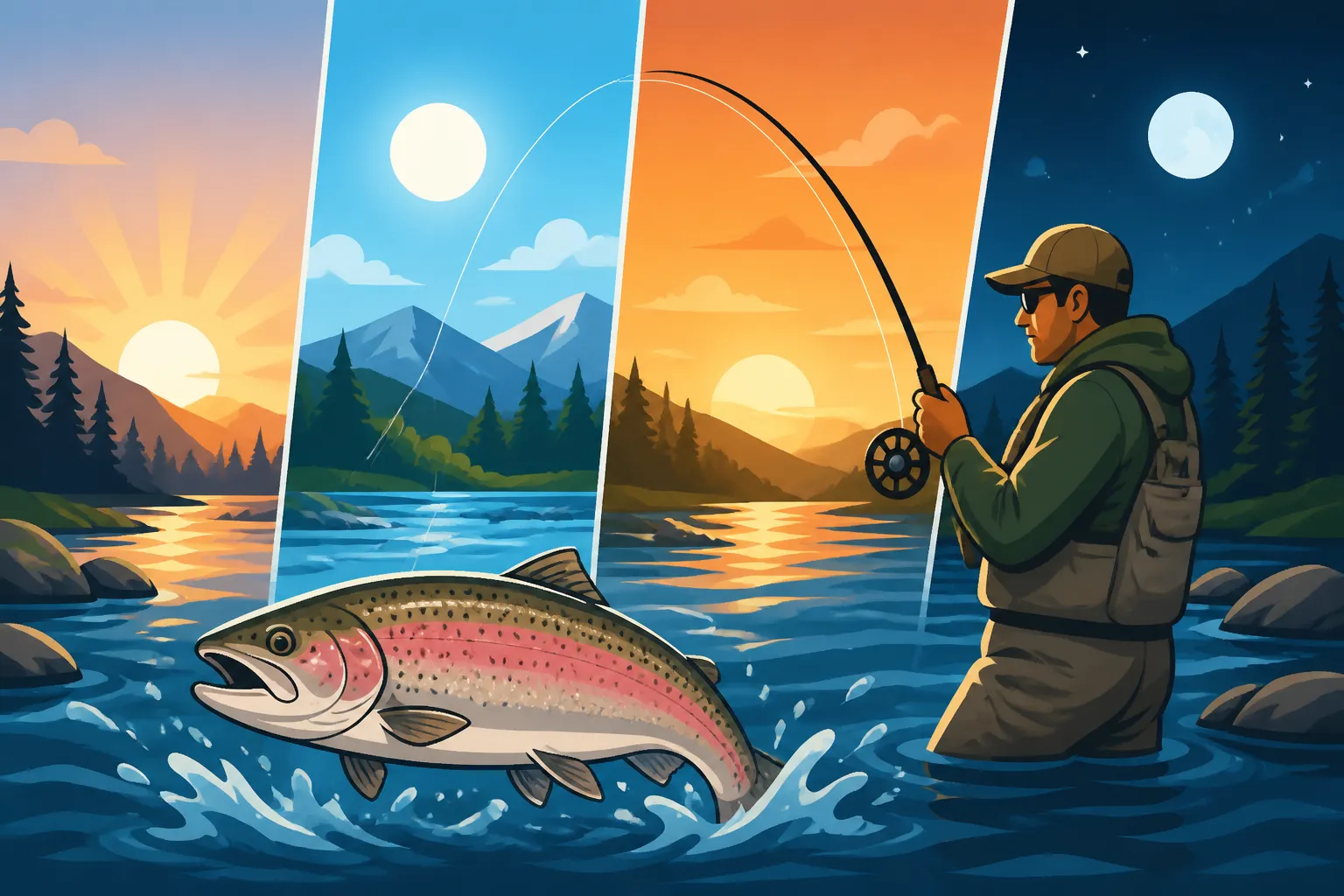
Remember, the "best time of day" for steelhead isn't a fixed clock time. It's a dynamic window influenced by a complex interplay of environmental factors and fish biology. By understanding these nuances and adapting your approach, you'll greatly increase your chances of finding success on Idaho's incredible steelhead rivers. Good luck out there, and tight lines!
Disclaimer
The information provided in this guide is for general informational and educational purposes only. Fishing regulations and conditions in Idaho can change frequently. Always consult the latest Idaho Fish and Game regulations and local advisories before heading out to fish. Responsible angling practices, including adherence to catch limits and seasons, are essential for the conservation of Idaho's fisheries.