Which Idaho Fish Have Eating Advisories
It can be incredibly disheartening to catch a beautiful fish in Idaho's pristine waters, only to wonder if it's truly safe to eat. Many anglers feel a pang of uncertainty about fish consumption, especially with news about environmental factors. This guide will walk you through understanding Idaho's fish eating advisories, helping you make informed decisions about enjoying your catch safely and confidently.
Understanding Fish Consumption Advisories in Idaho
There's nothing quite like the satisfaction of reeling in a feisty trout or a hard-fighting bass, knowing it could be destined for your dinner plate. But then that little voice in your head pipes up, asking, "Is this fish safe to eat?" It's a valid concern, and one that many anglers share. The truth is, while Idaho boasts some of the cleanest waters and healthiest fisheries around, certain bodies of water, and specific types of fish within them, can accumulate contaminants that make them less ideal for frequent consumption. This isn't unique to Idaho; it's a reality in waters across the globe, and it's why consumption advisories exist.
These advisories aren't meant to scare you away from fishing or eating your catch. Instead, they're critical tools, put in place by public health and environmental agencies to protect you and your family. They offer guidelines, not outright bans, usually suggesting limits on how much of certain fish species from particular locations you should consume. Think of them as a helpful heads-up, guiding you to enjoy the bounties of Idaho's waters responsibly. Ignoring these advisories might mean unknowingly consuming higher levels of contaminants over time, which could potentially impact your health, especially for more vulnerable populations.
Who Issues These Advisories and Why
In Idaho, the primary responsibility for monitoring fish tissue and issuing consumption advisories often falls to agencies like the Idaho Department of Environmental Quality (IDEQ) and the Idaho Department of Health and Welfare (IDHW). These aren't arbitrary decisions; they come from rigorous scientific sampling and analysis. Scientists collect fish from various lakes, rivers, and reservoirs across the state, then test their tissues for common contaminants. It’s a lot of painstaking work behind the scenes to ensure public safety.
The "why" behind these advisories is multifaceted. Sometimes, contaminants like mercury are naturally occurring in the environment, released through geological processes, and then enter the aquatic food chain. Other times, legacy pollution from historical industrial activities, agricultural runoff, or even atmospheric deposition can lead to the presence of substances like PCBs or certain pesticides. These substances don't just disappear; they can settle in sediment, get ingested by aquatic insects, which are then eaten by small fish, and so on, up the food chain. This process, called bioaccumulation, means that larger, older, predatory fish tend to have higher concentrations of these contaminants than smaller, younger, or non-predatory species. It's a complex ecological dance, and these state agencies are working to keep tabs on it all for us.
Key Contaminants Monitored in Idaho Fish
When state agencies analyze fish, they're primarily looking for a handful of contaminants that are known to pose health risks. The most common culprit you'll hear about is mercury, specifically methylmercury. This organic form of mercury is particularly concerning because it readily accumulates in living organisms and can impact neurological development, especially in children and fetuses. You might be surprised to learn that much of the mercury in Idaho waters isn't from direct pollution but from natural geological sources and global atmospheric deposition.
Beyond mercury, other substances sometimes found in fish tissue that prompt advisories include Polychlorinated Biphenyls (PCBs), Dichlorodiphenyltrichloroethane (DDT), and other persistent organic pollutants. PCBs are industrial chemicals that were banned decades ago but persist in the environment, often lingering in sediments. DDT is another legacy pesticide that, despite being banned, can still be detected. These chemicals are fat-soluble, meaning they tend to accumulate in the fatty tissues of fish. Understanding what these contaminants are and how they build up helps us grasp the importance of following consumption guidelines. When you're trying to figure out What Fish Is Idaho's State Fish or simply planning to fish for Idaho Rainbow Trout Fishing Guide, being aware of these potential issues is a smart move.
Idaho Waters with Advisories and the Reasons Why
It’s important to understand that not every water body in Idaho has an advisory, and even in those that do, not all species or sizes of fish are affected equally. The types of water bodies that commonly see advisories are often larger reservoirs or lakes, and sometimes longer stretches of certain rivers. This is because these larger systems can act as collection points for contaminants, and the aquatic life within them has more time and opportunity to accumulate substances through their diet. You might encounter advisories related to Fishing Lake Coeur d'Alene for Kokanee and Chinook or Fishing the Snake River for Smallmouth Bass and Sturgeon, for example, but the specifics always vary.
The reasons for these advisories are as varied as the landscapes themselves. Sometimes, it’s about the underlying geology, like in areas with naturally occurring mercury. Other times, it’s historical land use, perhaps from old mining operations or agricultural practices, that left behind persistent chemicals. The good news is that Idaho's environmental agencies are actively monitoring these situations, and they don't hide the information. They want you to have the facts so you can enjoy Idaho's fantastic fishing opportunities without unnecessary worry.
Common Water Body Characteristics Leading to Advisories
When you look at the landscape of Idaho's advisories, you'll often notice a pattern. Reservoirs, for instance, are frequently mentioned. These impoundments can trap sediments over time, which might contain historical pollutants. Fish in these systems can also have longer lifespans, allowing more time for contaminants to build up. Larger, slower-moving rivers, especially those downstream from historical industrial sites or mining districts, might also be featured on advisory lists. The current of a river can carry pollutants, and these can then settle into areas where fish feed and live.
Conversely, many of Idaho's pristine, high-mountain lakes and fast-flowing, remote rivers are far less likely to have advisories. Their cleaner watersheds, often protected by wilderness areas or national forests, mean less human impact and less opportunity for contaminants to enter the system. This is where knowing your Best High Mountain Lakes in Idaho for Fishing can really pay off, offering a higher chance of a worry-free meal.
Fish Species Often Subject to Advisories
It’s not just where you fish, but what you fish for that matters. Certain species of fish are more prone to accumulating contaminants than others. Generally speaking, the larger, older, and more predatory a fish is, the higher its potential to carry contaminants like mercury or PCBs. This is a classic case of "you are what you eat, and you eat what they eat." As larger fish consume many smaller fish throughout their lives, any contaminants in those smaller fish get concentrated in the predator.
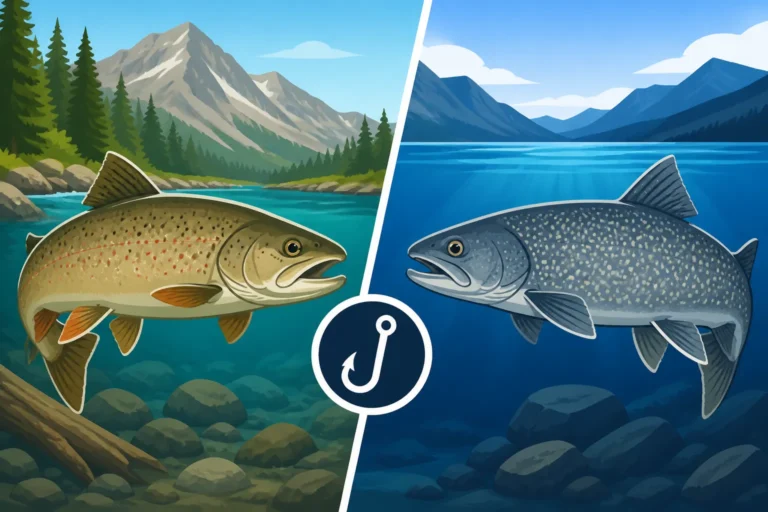
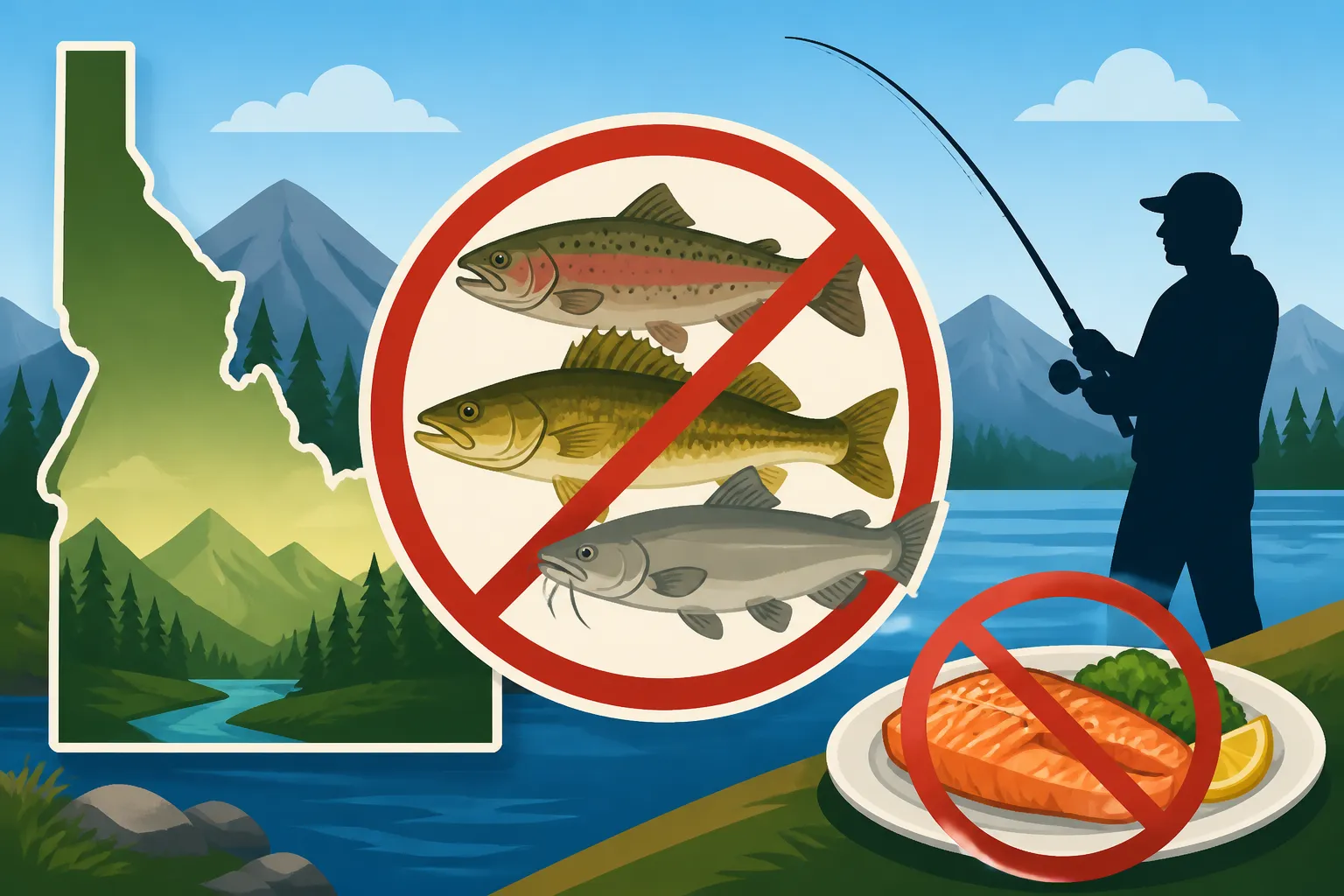
For example, species like large walleye, pike, lake trout (often called Mackinaw), and larger bass (both smallmouth and largemouth) are frequently mentioned in advisories because of their position high on the food chain and their potential for long lifespans. Idaho Lake Trout Fishing Guide and Idaho Bass Fishing Guide are popular articles for a reason, but it's important to remember that these larger predators might warrant a closer look at local advisories. Bottom feeders, like certain catfish species, can also sometimes accumulate contaminants, particularly in waters where pollutants have settled into the sediment. Meanwhile, species like kokanee salmon, rainbow trout, and panfish (like perch or crappie) are often considered safer choices for more frequent consumption, as they tend to be smaller, have shorter lifespans, and are lower on the food chain, depending on the specific water body. When planning your trip, consider checking out Idaho Fish Species Guide to learn more about what you might encounter.
Navigating the Advisories: What They Mean for You
When you find an advisory, it can sometimes feel a bit like trying to read legal jargon. But once you understand the basic structure, it becomes much clearer. Advisories are rarely a blanket "don't eat any fish from here." Instead, they are nuanced recommendations, designed to allow you to continue enjoying fishing while minimizing risk. They usually provide specific guidance based on fish species, size, and your personal health profile. For example, a single advisory might recommend that the general adult population limit consumption of a certain fish to one meal per week, while advising pregnant women or young children to avoid that fish entirely, or limit it to one meal per month.
This tailored approach is crucial because certain groups are more vulnerable to the effects of contaminants. Pregnant women, women who might become pregnant, nursing mothers, and young children are often advised to be more cautious due to the potential developmental impacts of substances like mercury. For everyone else, it’s typically about moderation. So, a general advisory for a particular fish might suggest something like "one meal per week" for adults. This doesn't mean the fish is toxic; it just means regular, high-frequency consumption could lead to contaminant levels that are best avoided.
Deciphering Meal Limits and Specific Recommendations
Let's talk about those meal limits. When an advisory says "one meal per month," what does that actually look like? Generally, a "meal" is considered to be about 6-8 ounces of fish for an adult, which is roughly the size of a deck of cards or the palm of your hand. For children, a meal portion is smaller, typically 2-4 ounces. These limits are set after careful calculations of potential contaminant intake versus the benefits of eating fish (which, let's remember, are often very healthy!).
For example, an advisory might state: "For Lake X, consume no more than one 6-ounce meal per month of large Northern Pike (over 24 inches) due to mercury levels. Children under 6 and pregnant women should avoid Northern Pike entirely from Lake X." This level of specificity is super helpful. It tells you exactly which fish, how much, and who needs to be most careful. You might find a comprehensive guide to these regulations, perhaps even a brochure available for download on an official site, which you could then store on an Amazon Kindle for easy reference out on the water. It’s important to respect these guidelines, just as you would Idaho Catch Limits and Bag Limits Explained to ensure sustainable fishing practices.
Practical Tips for Reducing Risk
Even when you're fishing in waters without a specific advisory, or if you plan to enjoy a fish that has a recommended limit, there are simple steps you can take to further reduce your exposure to contaminants. Many persistent organic pollutants, like PCBs and DDT, tend to accumulate in the fatty tissues of fish. So, giving your catch a good, thorough cleaning can make a difference.
When you're preparing your fish, trim away the fat. This means removing the skin, belly fat, and the dark meat along the lateral line. These are the areas where fat-soluble contaminants are most likely to concentrate. Cooking methods also play a role. Baking, broiling, grilling, or poaching fish on a rack that allows fats to drain away are generally better choices than frying, where the fish cooks in its own fatty juices, potentially reabsorbing those contaminants. Keeping a sharp filleting knife, perhaps one you ordered from Amazon, is crucial for efficient and clean preparation. Remember, the goal is to enjoy the healthy benefits of fish while minimizing any potential risks.
Best Practices for Safe Fish Consumption and Finding Current Information
Being a responsible angler goes beyond knowing Idaho Fishing License Guide or the specific regulations for Idaho Salmon and Steelhead Permit. It also means being informed about the health aspects of your catch. When you're out on the water, the last thing you want to do is constantly second-guess your decisions. By adopting a few best practices, you can enjoy your fishing trips and the delicious rewards they bring with greater peace of mind.
One of the most powerful tools at your disposal is simply staying informed. Fish consumption advisories are not static; they can change as new data becomes available, as water quality improves, or as fish populations shift. Regularly checking the official sources is crucial. These agencies work hard to gather this data, and it's readily available to the public, often at no cost.
General Guidelines for Choosing and Preparing Fish
When you're considering what fish to keep and eat, a few general guidelines can help you make smart choices even before you consult an advisory. Smaller, younger fish often have lower contaminant levels than older, larger fish of the same species. Fish that are lower on the food chain, such as many trout species, panfish, and kokanee, generally accumulate fewer contaminants than apex predators like large pike or mature lake trout. Variety in your diet also helps; if you eat fish frequently, try to vary the species and the waters you fish from to diversify your intake.
When it comes to preparing your catch, remember that contaminants like mercury are distributed throughout the fish's muscle tissue and aren't easily removed by trimming or cooking. However, for fat-soluble contaminants like PCBs and DDT, trimming away fatty areas and choosing cooking methods that allow fat to drain can significantly reduce your exposure. Always make sure your fish is cooked to the proper internal temperature to ensure food safety, regardless of contaminant concerns. You might even find some excellent fish cleaning and cooking guides, complete with the right tools, for sale on Amazon.
Where to Find Idaho's Current Fish Consumption Advisories
The best and most up-to-date source for Idaho's fish consumption advisories is always the official state agencies. Both the Idaho Department of Environmental Quality (IDEQ) and the Idaho Department of Health and Welfare (IDHW) maintain comprehensive websites where you can find detailed information. Look for sections on "Fish Consumption Advisories," "Water Quality," or "Public Health." They often provide maps, lists of specific water bodies, affected species, and the current recommendations for consumption.
You might also find abbreviated information in the annual Idaho Fishing Regulation Brochure and Proclamation that you can pick up where you get your fishing license or download as a PDF. While the brochure is fantastic for quick reference on rules like Idaho Statewide General Fishing Rules or Idaho Barbless Hook Requirements, it's always a good idea to cross-reference with the dedicated advisory pages online for the most complete details. bookmarking these pages on your phone or even downloading the PDFs to a tablet from Amazon before you head out can be a real game-changer for staying informed while you're enjoying Idaho's incredible fishing.
Disclaimer
This article is for general informational purposes only and does not constitute professional advice. Laws, prices and regulations vary by location and change over time. Consult a qualified professional for guidance on your specific situation.