What Fish Is Idaho’s State Fish?
It's easy to get confused when you start thinking about Idaho's natural treasures, especially when it comes to our fish. With so many incredible species swimming in our crystal-clear rivers and deep, expansive lakes, many anglers wonder which one holds the special title of Idaho's state fish. This guide is here to cut through the speculation and dive deep into the identity and significance of the Gem State's official aquatic emblem, explaining why this particular fish truly captures the spirit of Idaho's wild waters.
The Unofficial Kings and Queens of Idaho Waters
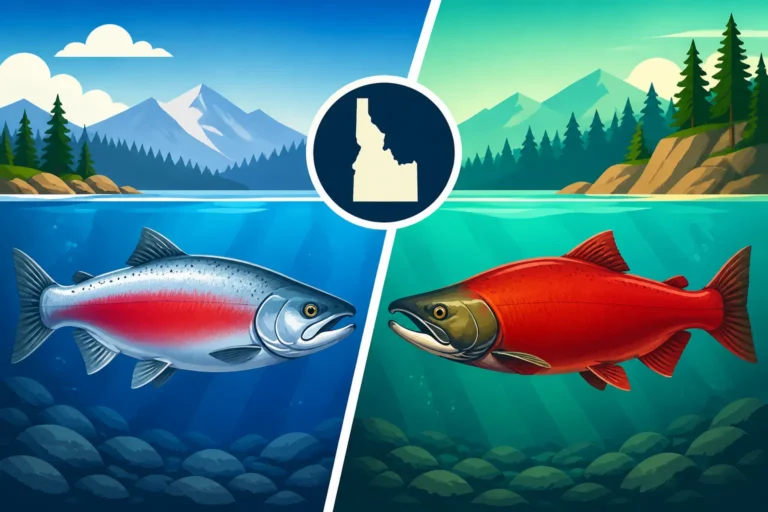
Before we reveal the official state fish, let's talk about some of the amazing contenders that often come to mind for many Idaho anglers. You might be thinking of the magnificent Steelhead, those ocean-going rainbow trout that make incredible journeys up rivers like the Clearwater and Salmon. Or perhaps the gargantuan White Sturgeon, ancient beasts that lurk in the depths of the Snake River, offering a truly epic catch-and-release experience. Then there are the abundant Rainbow Trout, found in almost every water body, from high mountain lakes to urban ponds, providing endless fun for families and seasoned pros alike.
Each of these species holds a special place in the hearts of Idahoans. The Steelhead represents resilience and the wild spirit of our free-flowing rivers, demanding skill and patience from those who pursue them. Catching one often feels like a rite of passage, a testament to enduring the cold and the challenge. The Sturgeon, on the other hand, embodies the ancient history of our waterways, a living fossil that reminds us of Idaho's pristine, untamed past. Many outfitters specialize in guided Sturgeon Fishing Guides on the Snake River trips just to experience the thrill of battling these giants. And the Rainbow Trout? They're the everyman's fish, dependable and beautiful, making fishing accessible and enjoyable for everyone from kids with worms and bobbers to dedicated fly anglers. We have many diverse Idaho Fish Species Guide available across the state, and it’s no wonder people get confused.
It's natural to assume that one of these more "glamorous" or widely known species would be chosen, given their popularity and impact on our fishing culture. However, the state fish status usually goes beyond just popularity or size. It often reflects deeper ties to the state's heritage, native populations, and ecological significance.
Revealing Idaho's True State Fish: The Cutthroat Trout
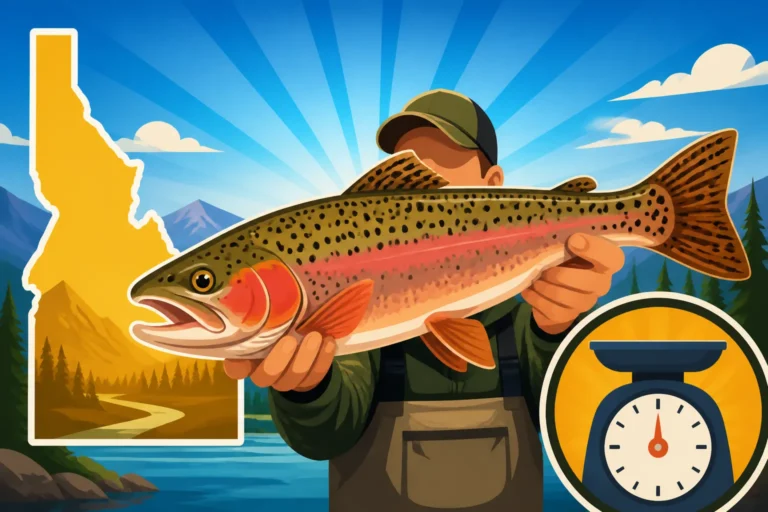
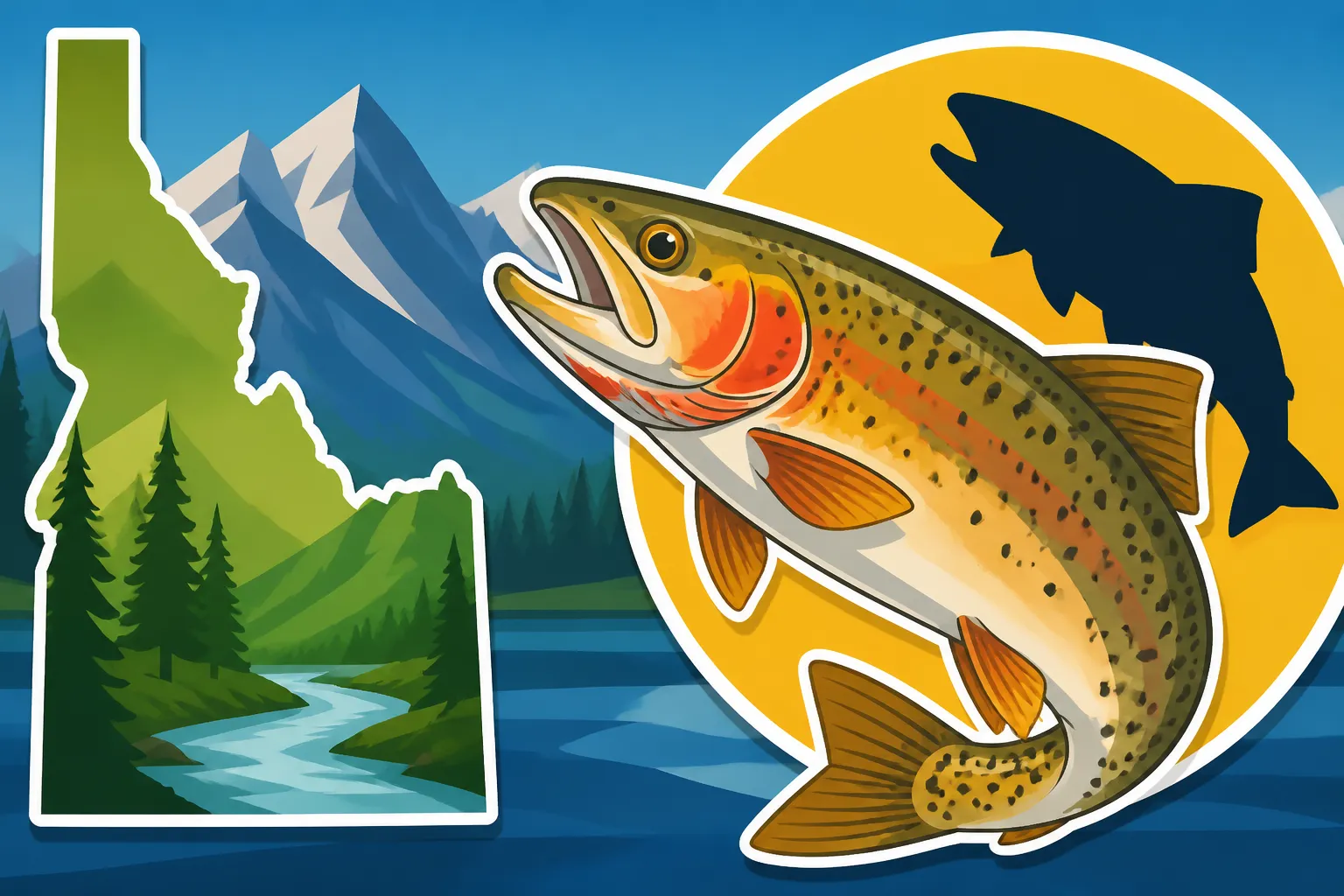
Alright, let's get to it! While Steelhead, Chinook Salmon, and big Rainbow Trout might grab all the headlines and fill up countless fishing stories, the actual official state fish of Idaho is the Cutthroat Trout. Surprised? Many people are! This incredible native species, with its distinctive red or orange slash marks under its jaw, truly embodies the wild beauty and ecological heart of Idaho.
The Cutthroat Trout was officially designated as Idaho's state fish back in 1990. This wasn't a decision made lightly or just because someone liked their pretty colors. It was a recognition of its deep historical roots in Idaho, its prevalence in our pristine mountain streams and lakes, and its importance to the ecosystem. Unlike some introduced species, the Cutthroat Trout has been a part of Idaho's waters for millennia, adapting and thriving long before modern anglers ever cast a line.
This fish isn't always the biggest, nor does it typically make the most dramatic, acrobatic leaps you might see from a Steelhead. But what it lacks in sheer size or flash, it more than makes up for in its stunning appearance, its tenacity, and its status as a true indicator of healthy, cold, clean water. When you find a thriving population of Cutthroat, you know you're in a truly special, unpolluted place. It’s a fish that speaks to the very soul of Idaho's wilderness.
| Feature | Cutthroat Trout | Rainbow Trout | Steelhead (Anadromous Rainbow) | White Sturgeon |
|---|---|---|---|---|
| Official Status | Idaho State Fish (since 1990) | Widespread, popular game fish | Widespread, popular game fish | Protected, catch-and-release game fish |
| Native to Idaho | Yes (Westslope, Yellowstone subspecies) | Partially (native in some areas) | Yes (native, anadromous form of rainbow) | Yes, ancient native |
| Distinguishing Mark | Red/orange slash under lower jaw | Typically a pink/red lateral stripe | Often silvery, less distinct stripe | Long, cylindrical body; barbels, bony plates |
| Typical Habitat | Cold mountain streams, high-elevation lakes | Rivers, lakes, reservoirs (highly adaptable) | Rivers, migrating from ocean to spawn | Deep, cold rivers (e.g., Snake River) |
| Average Size | 10-20 inches | 12-24 inches | 20-35 inches | 5-10 feet (can exceed 10 ft) |
| Conservation Status | Varies by subspecies; some concerns | Generally stable | Requires careful management | Protected, vulnerable |
Why the Cutthroat Trout Reigns Supreme
The selection of the Cutthroat Trout as Idaho's state fish wasn't just a political decision; it was a deeply symbolic one that highlights several key aspects of Idaho's natural heritage and conservation efforts.
A True Native of the Gem State
One of the most compelling reasons for the Cutthroat Trout's distinction is its native status. Unlike many other popular game fish that were introduced to Idaho waters over time, different subspecies of Cutthroat Trout have called these waters home for thousands of years. We have two main subspecies native to Idaho: the Westslope Cutthroat Trout and the Yellowstone Cutthroat Trout. The Westslope Cutthroat, found primarily in northern and central Idaho, is known for its delicate spots and preference for pristine mountain streams. The Yellowstone Cutthroat, on the other hand, is prevalent in the eastern part of the state, particularly in the Yellowstone River drainage, and is generally larger with more pronounced spotting. Learning the Difference Between Westslope and Yellowstone Cutthroat Trout is a fascinating dive into Idaho's aquatic diversity.
This native lineage means they are perfectly adapted to Idaho's diverse aquatic environments, from the high alpine lakes of the Sawtooths to the clear, cold tributaries of the Snake River. They are a testament to the wildness that Idaho still largely preserves, a living connection to an era before human intervention significantly altered river systems. Protecting these native populations is crucial for maintaining the ecological balance and genetic diversity of Idaho’s fisheries.
Indicator of Pristine Waters
Cutthroat Trout are often considered an "indicator species." What does that mean? Well, they're quite sensitive to changes in water quality, temperature, and habitat. If you find a healthy, reproducing population of Cutthroat Trout, it’s a pretty strong sign that the water is clean, cold, and free of significant pollution. They thrive in oxygen-rich, undisturbed environments. This makes them a natural symbol for conservation and the ongoing efforts to protect Idaho's precious water resources.
Anglers who pursue Cutthroat often find themselves in some of Idaho’s most stunning, remote, and wild landscapes, reinforcing the idea that this fish represents the untouched beauty of the state. It's not just about the catch; it's about the entire experience of being in an environment where such a sensitive and beautiful creature can flourish. This connection to clean water is something every Idahoan values, whether they fish or not.
A Fly Angler's Dream and Accessible Fun
While many species are targeted by various methods, the Cutthroat Trout holds a special place in the hearts of fly anglers. Their willingness to rise to a dry fly, especially in clear, meandering streams, provides some of the most classic and rewarding fly-fishing experiences you can have. They aren't always easy, sometimes requiring delicate presentations and careful stalking, which adds to the allure. The challenge and reward of fooling a wild Cutthroat on a perfectly presented fly are unforgettable. You can find some fantastic resources on Amazon for fly-tying materials or guidebooks on catching these elusive fish.
But don't let their fly-fishing appeal intimidate you! Cutthroat Trout are also accessible to anglers using traditional spinning gear with small spinners, spoons, or even bait in certain areas. This makes them a great target for beginners and families looking to enjoy a day on the water. Many smaller streams and ponds throughout Idaho are home to Cutthroat, offering opportunities for everyone to connect with the state fish. Whether you're a seasoned pro or just starting, there are always opportunities to learn How to Fish for Cutthroat Trout in Mountain Streams.
Caring for Idaho's State Fish: Regulations and Responsible Angling
Because of their native status and environmental sensitivity, Cutthroat Trout populations are carefully managed throughout Idaho. It's incredibly important for every angler to understand and adhere to the regulations to help ensure these beautiful fish continue to thrive for generations to come.
Understanding Catch Limits and Regulations
Idaho Fish and Game takes Cutthroat Trout conservation seriously. Idaho Catch Limits and Bag Limits Explained will detail everything you need to know, but generally, rules vary significantly depending on the specific body of water you're fishing. Some areas might be entirely catch-and-release for Cutthroat, especially in sensitive native strongholds. Other areas may have reduced bag limits or specific size restrictions. This granular approach helps protect vulnerable populations while allowing harvest where it's sustainable.
For example, in many headwater streams where Westslope Cutthroat Trout populations are recovering, you might find regulations that require barbless hooks and immediate release. This ensures minimal harm to the fish. Conversely, some larger lakes might allow a limited harvest of Yellowstone Cutthroat. The key is to always check the most current Idaho Fishing Regulation Brochure and Proclamation before you head out. These brochures, often available online or at sporting goods stores, are your bible for understanding what's allowed. For detailed information, you can always refer to the full Idaho Fishing Regulations Explained guide.
Best Practices for Catch-and-Release
Even if you're in an area where harvest is permitted, practicing responsible catch-and-release, especially for larger, older Cutthroat, is a fantastic way to contribute to the health of the fishery. Here are a few tips:
- Handle with Care: Wet your hands before touching the fish. Dry hands can remove their protective slime layer, making them susceptible to disease.
- Minimize Air Time: Keep the fish in the water as much as possible. If you need a photo, do it quickly and with the fish partially submerged.
- Remove Hooks Gently: Use needle-nose pliers or a hemostat to quickly and carefully remove the hook. If the hook is deeply swallowed, it’s often better to cut the line as close to the hook as possible than to try and dig it out.
- Revive Thoughtfully: Hold the fish gently in the water, facing upstream, allowing water to flow over its gills until it regains strength and can swim away on its own. Don't just toss it back; make sure it's ready.
Investing in quality gear that aids in safe release, like a soft, rubberized net (which is gentler on fins and slime than knotted nylon), is always a good idea. You can find excellent options for nets and release tools on Amazon, which makes the process much smoother for both you and the fish.
Habitat Protection and Angler Ethics
Beyond individual actions, supporting habitat protection efforts is vital for the Cutthroat Trout. This means being mindful of your impact when you're fishing:
- Stay on Trails: Avoid trampling riparian vegetation, which protects stream banks from erosion and provides critical cover for fish.
- Pack It In, Pack It Out: Leave no trace. Everything you bring with you should leave with you.
- Report Violations: If you see poaching, pollution, or other activities that could harm fish or habitat, report it to Idaho Fish and Game.
The health of our state fish is directly tied to the health of its habitat. By being responsible stewards of Idaho's waters and lands, we ensure that the Cutthroat Trout, our official state fish, continues to thrive in its native domain for future generations of anglers to cherish. It is a fundamental aspect of Idaho Fishing Regulations Explained.
How You Can Experience Idaho's State Fish
Ready to go find some Cutthroat Trout? You're in luck, because Idaho offers an abundance of opportunities. The best places often involve a bit of a hike or a journey into more remote areas, which is part of the charm.
Where to Find Them
As mentioned, Idaho is home to two primary native subspecies:
- Westslope Cutthroat Trout: These are often found in the clear, cold streams and high mountain lakes of the Panhandle and central Idaho, including the Clearwater and Salmon River drainages. Think places in the Sawtooth National Recreation Area or the wilderness areas of North Idaho.
- Yellowstone Cutthroat Trout: You'll find these primarily in eastern Idaho, in waters that eventually flow into the Yellowstone River system. Popular spots include the South Fork of the Snake River, the Henry's Fork, and various streams in the Caribou-Targhee National Forest.
Many of Idaho's most beautiful and remote fishing experiences revolve around seeking out these native trout. Imagine a peaceful day on a high mountain lake in the Sawtooths, casting dry flies to rising Cutthroat—it’s an iconic Idaho experience. For more specific locations, guides on Best High Mountain Lakes in Idaho for Fishing or Fishing the South Fork of the Snake River can provide excellent starting points.
Essential Gear for Cutthroat Fishing
While specialized gear isn't always necessary, having the right tools can certainly enhance your experience.
- Fly Rod Setup: A 3-weight or 4-weight fly rod, 7.5 to 9 feet long, is ideal for most Cutthroat streams. Pair it with a matching reel and a floating line. You'll want a tapered leader (7.5 to 9 feet, 4x-6x tippet) for delicate presentations.
- Spinning Rod Setup: A light to ultralight spinning rod (5-6 feet) with a small spinning reel spooled with 4-6 pound test monofilament or fluorocarbon line is perfect.
- Lures/Flies: For flies, think traditional dries like Parachute Adams, Elk Hair Caddis, or hoppers in late summer. Nymphs like Prince Nymphs or Pheasant Tails work subsurface. For spin fishing, small inline spinners (like Panther Martin or Mepps) and tiny spoons are very effective. Don't forget a small box of assorted flies or lures you can pick up on Amazon before your trip.
- Waders and Boots: Depending on the water, a good pair of waders and wading boots will keep you dry and comfortable, especially when traversing rocky stream beds.
- Essentials: Always carry a fishing license, polarized sunglasses (crucial for spotting fish and protecting your eyes), a hat, sunscreen, water, and snacks. A small backpack for your gear and a net for safe release are also highly recommended. The Idaho Fishing License Guide is your first stop before any trip.
Remember, the essence of fishing for Idaho's state fish is often about the journey as much as the destination. It's about connecting with the wild, understanding the delicate balance of nature, and appreciating the incredible beauty that Idaho offers. So next time you're out on the water, and you spot that distinctive red slash, you'll know you're looking at a true symbol of the Gem State, a testament to its pristine waters and enduring wild spirit.
Disclaimer
This article is for general informational purposes only and does not constitute professional advice. Laws, prices and regulations vary by location and change over time. Consult a qualified professional for guidance on your specific situation.