Best Fish to Eat from Idaho Waters
One of the most satisfying parts of a successful fishing trip in Idaho isn't just the thrill of the catch, but the anticipation of a delicious meal shared with family and friends. However, for many anglers, especially those new to Idaho's diverse waters, the question often arises: which fish are truly the best to eat, and how can you ensure a safe and tasty experience? This guide will dive deep into Idaho's aquatic bounty, helping you identify the most palatable species and understand the crucial factors that make them a culinary delight.
Understanding Idaho's Edible Fish Landscape
Idaho offers an incredible array of fish, from the cold, clear mountain streams to the expansive reservoirs and mighty rivers. Each body of water and fish species brings a unique flavor profile to the table, influenced by diet, habitat, and water quality. Knowing these nuances can elevate your fishing adventure from a simple outing to a gourmet experience.
The Appeal of Wild-Caught Fish in Idaho
There’s something undeniably special about eating a fish you’ve caught yourself from Idaho’s wild waters. Unlike store-bought fish, which can sometimes lack a certain freshness, a fish from an Idaho lake or river often boasts a cleaner, more vibrant flavor. Our state's pristine environments, fed by snowmelt and healthy ecosystems, contribute significantly to the quality of the fish. Think about a trout pulled from a high-mountain lake – its firm, pink flesh is a testament to the cold, oxygen-rich water it called home and the insects it feasted on. Similarly, a kokanee salmon from Lake Coeur d'Alene, known for its delicate texture, reflects the clear depths it inhabits. This connection to the source, the knowledge of where your food came from, adds immeasurable value to the meal. It's not just food; it's a story, an experience, and a reward for your angling efforts.
Factors Influencing Taste and Safety
While most fish from Idaho's waters are generally safe and delicious, several factors can influence their taste and any potential consumption advisories. The age of the fish, its diet, the specific body of water it comes from, and even the time of year can all play a role. For instance, fish caught in colder, clearer waters often have a firmer texture and milder flavor compared to those from warmer, murkier environments. A fish's diet also dictates its flavor; a trout feeding primarily on aquatic insects will taste different from one that preys on smaller fish. It's also vital to be aware of any local consumption advisories issued by the Idaho Department of Fish and Game or the Department of Health and Welfare. These advisories are usually specific to certain bodies of water and species, often due to natural accumulation of certain elements over time, and they are designed to help you make informed decisions about how much fish you can safely eat. Always check the current regulations and advisories before planning your meal. You can learn more about specific advisories by reading Which Idaho Fish Have Eating Advisories.
Top Idaho Fish Species for the Dinner Plate
When it comes to putting fish on the table, Idaho offers a fantastic variety. Let's explore some of the most popular and highly regarded species for eating.
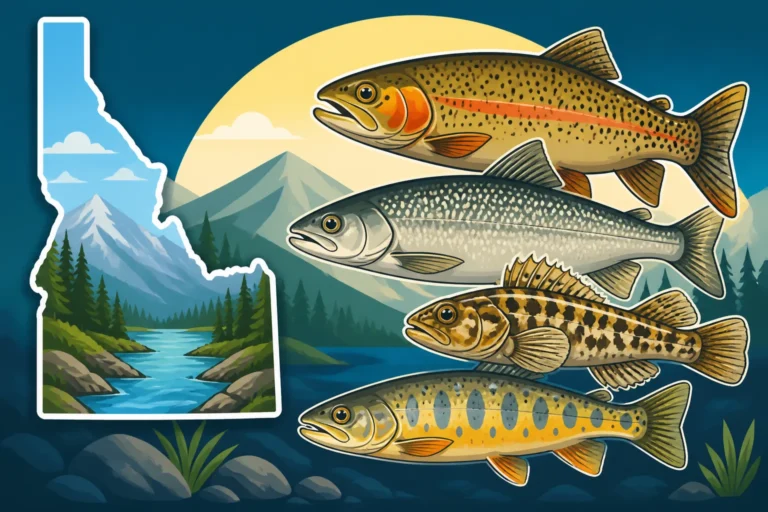
Trout Varieties: Rainbow, Cutthroat, Brook, Brown
Idaho is a trout angler's paradise, and happily, most trout species are excellent table fare.
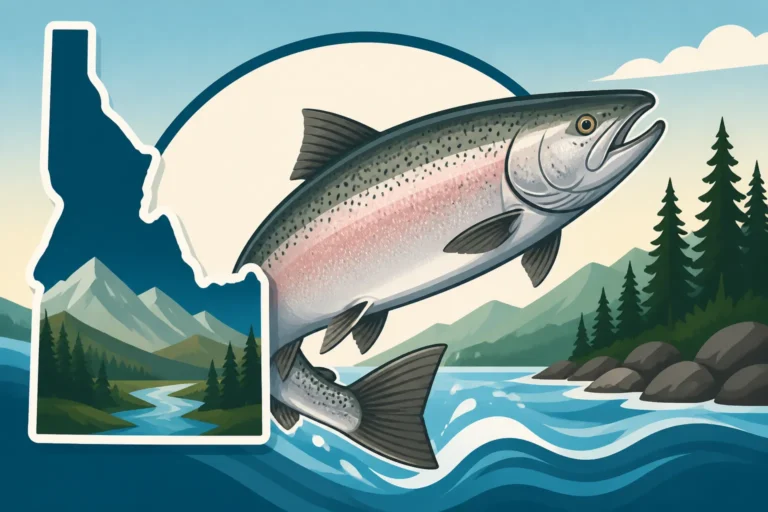
- Rainbow Trout: This is perhaps the most widely recognized and consumed trout. Rainbows, especially those from cold, clean rivers or high-mountain lakes, have a delicate, flaky texture and a mild, slightly nutty flavor. They are incredibly versatile in the kitchen, tasting fantastic baked, grilled, pan-fried, or smoked. Many anglers consider a freshly caught rainbow trout a cornerstone of an Idaho camping trip meal. Idaho Rainbow Trout Fishing Guide can help you find these delicious fish.
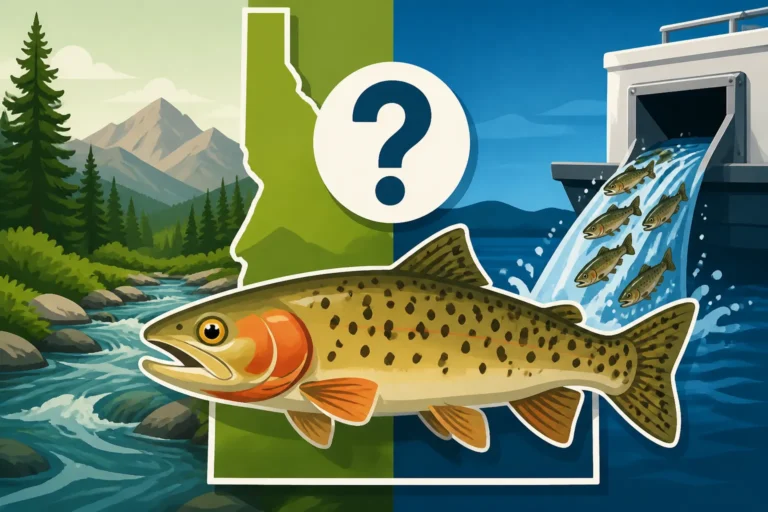
- Cutthroat Trout: As Idaho's state fish, the cutthroat is a prized catch both for its beauty and its taste. Whether you're targeting a Westslope Cutthroat Trout in Idaho or a Yellowstone Cutthroat Trout in Idaho, you'll find their flesh to be firm and flavorful, often described as slightly richer than a rainbow but still very mild. They are excellent pan-fried with a simple seasoning to let their natural flavor shine.
- Brook Trout: These smaller, colorful trout are often found in high-elevation streams and lakes. They have sweet, tender meat and are perfect for a whole-fish preparation, often pan-fried with the skin on for a crispy treat. Their smaller size makes them ideal for individual servings.
- Brown Trout: Browns are known for their strong fighting spirit, and while some say their flavor can be a bit more "fishy" than rainbows, many anglers absolutely adore them. Their meat is firm and somewhat richer, standing up well to bolder seasonings or smoking. If you're a fan of a heartier fish, a brown trout can be a real delight.
Kokanee Salmon: A Delicate Delicacy
Kokanee salmon, the landlocked sockeye, are truly a gem in Idaho's waters, particularly from places like Lake Coeur d'Alene. Their flesh is vibrant orange-red, incredibly tender, and boasts a distinct, delicate flavor that is less oily than ocean-dwelling salmon. Many consider them best smoked, as their richness concentrates beautifully, creating a flaky, melt-in-your-mouth experience. They are also excellent baked or gently grilled. If you're looking to catch these tasty fish, our Idaho Kokanee Fishing Guide is a great resource.
Panfish Perfection: Perch, Crappie, Bluegill
Don't underestimate the humble panfish! These smaller species are often overlooked for their culinary potential but offer some of the best eating in Idaho, especially for family meals.
- Yellow Perch: Known for their sweet, flaky white meat, perch are a perennial favorite. They are abundant in many Idaho reservoirs, like American Falls Reservoir and Cascade Reservoir, and are fantastic pan-fried. A plate of crispy fried perch fillets is a quintessential Idaho comfort food. Learn more about Idaho Yellow Perch Fishing in our detailed guide.
- Crappie: Both black and white crappie offer delicate, white, flaky meat with a mild flavor. They are a joy to catch and even more delightful to eat, often prepared similarly to perch—pan-fried until golden brown. They can be found in many of the same waters as perch. Check out Idaho Crappie Fishing for tips on targeting them.
- Bluegill: While smaller, bluegill provide a surprising amount of sweet, firm flesh. They are incredibly popular with kids due to their aggressive bite and are fantastic for introducing youngsters to the joys of catching and eating their own fish. Often pan-fried whole after cleaning, they are a simple, delicious treat.
Bass and Catfish: Heartier Options
For those who prefer a fish with a firmer texture and a more robust flavor, Idaho's bass and catfish populations won't disappoint.
- Smallmouth Bass: Found in many Idaho rivers, including the Snake and Salmon, smallmouth bass offer firm, white, flaky meat with a mild, non-fishy taste. They hold up well to grilling, baking, or pan-frying. They're a fantastic choice for those who enjoy a solid, meaty fillet.
- Largemouth Bass: While perhaps not as universally praised as smallmouth for eating, largemouth bass can be very good, especially smaller ones from clean waters. Their meat is white and can be a bit softer, but with proper cleaning and cooking, they make a fine meal. They're popular in many of Idaho's ponds and warmer reservoirs.
- Channel Catfish: These bottom-dwellers from warmer rivers and reservoirs, like parts of the Snake River, offer firm, white, somewhat fatty meat with a distinct flavor. They are excellent deep-fried, grilled, or even baked. Many people consider catfish a true delicacy when prepared correctly. If you're interested in pursuing these whiskered warriors, our Idaho Channel Catfish Fishing guide has all the details.
Here’s a quick overview of some of Idaho's best eating fish:
| Fish Species | Flavor Profile | Texture | Common Cooking Methods | Notes |
|---|---|---|---|---|
| Rainbow Trout | Mild, nutty, delicate | Flaky, tender | Pan-fry, grill, bake, smoke | Very versatile, a classic choice. |
| Cutthroat Trout | Mild, slightly richer than rainbow | Firm, flaky | Pan-fry, bake | Idaho's state fish, excellent eating. |
| Brook Trout | Sweet, mild | Tender, flaky | Pan-fry (often whole) | Great for smaller, individual servings. |
| Brown Trout | Richer, robust, can be slightly stronger | Firm | Pan-fry, grill, smoke | Stands up to bolder flavors. |
| Kokanee Salmon | Delicate, sweet, distinct salmon-like | Tender, flaky | Smoke, bake, gentle grill | Famous for its orange-red flesh, popular for smoking. |
| Yellow Perch | Sweet, very mild | White, flaky | Pan-fry, deep-fry | Excellent white meat, a family favorite. |
| Crappie | Mild, sweet | White, flaky | Pan-fry, deep-fry | Similar to perch, very tender. |
| Bluegill | Sweet, mild | Firm | Pan-fry (often whole) | Smaller, but great for kids and simple meals. |
| Smallmouth Bass | Mild, clean | Firm, white | Grill, bake, pan-fry | Meaty fillets, good for those who prefer less "fishy" taste. |
| Channel Catfish | Distinct, earthy, rich | Firm, meaty | Deep-fry, grill, bake | Popular in southern states, great when seasoned well. |
| Mountain Whitefish | Mild, delicate, very white | Flaky | Pan-fry, smoke, steam | Underrated, excellent eating. Read What Mountain Whitefish Taste Like for more. |
Important Considerations for Eating Idaho Fish
Enjoying your Idaho catch goes beyond just knowing which fish taste good. It involves respecting regulations, understanding health advisories, and practicing good food preparation.
Catch and Release vs. Keep
Idaho's fishing regulations are designed to manage fish populations sustainably, ensuring there are plenty of fish for everyone for years to come. Many species, especially certain wild trout or endangered species like Bull Trout, have strict catch-and-release rules or slot limits that prevent anglers from keeping fish within a certain size range. For instance, Why Wild Steelhead Must Be Released in Idaho is a critical regulation every angler should know. Always consult the latest Idaho Fishing Regulations booklet before you head out. These rules aren't just suggestions; they're legally binding and crucial for conservation. When a fish is legal to keep, consider how many you truly need for a meal to avoid waste, and remember that Idaho Daily Bag Limit for Trout on Most Waters and other species exist for a reason. Taking only what you'll use is a cornerstone of responsible angling.
Local Advisories and Safe Consumption
While Idaho boasts generally clean waters, certain areas or species may have specific consumption advisories due to naturally occurring elements like mercury or PCBs. These advisories are not meant to deter you from fishing but rather to inform you about safe consumption levels, particularly for vulnerable populations like pregnant women, nursing mothers, and young children. The Idaho Department of Health and Welfare, in conjunction with Idaho Fish and Game, publishes these guidelines, often in the annual fishing regulation brochure and on their websites. It’s absolutely essential to check these resources for the specific waters you plan to fish. For example, if you're asking Is It Safe to Eat Fish from Idaho Reservoirs?, checking the official advisories is your first step. These advisories can change, so always look for the most current information. They'll tell you which species from which waters might have limits on how much you should eat, and how often.
Best Practices for Preparing Your Catch
Once you've decided to keep a legal fish, proper handling is key to ensuring it tastes its best.
- Bleed Immediately: If possible, bleed the fish immediately after catching by cutting a gill arch. This removes blood, which can impart an off-flavor, and results in cleaner, better-tasting meat.
- Keep Cold: Get the fish on ice as quickly as possible. A cooler full of ice is your best friend. The colder you keep the fish, the slower bacterial growth will occur, preserving the quality of the meat. Don't let your fish sit in warm water or sun.
- Clean Promptly: Field dress the fish soon after catching, removing guts and gills. This prevents enzymes from breaking down the meat and keeps odors at bay. Rinse the cavity with cold, clean water.
- Transport Safely: Store cleaned fish on ice in a separate bag or container to prevent cross-contamination with meltwater.
- Cook Fresh or Freeze: Fresh fish is always best, so try to cook your catch within a day or two. If you plan to store it longer, freeze it properly. Wrap fillets tightly in plastic wrap, then freezer paper or a vacuum seal bag, to prevent freezer burn.
Gear, Resources, and Responsible Angling
Having the right tools and knowing where to look for information can make all the difference in your fishing and eating experience.
Essential Gear for a Successful Harvest
Beyond your rod and reel, a few key pieces of gear are crucial for processing your catch for the dinner table.
- Cooler and Ice: This is non-negotiable. A good quality cooler packed with plenty of ice will keep your fish fresh from the moment it leaves the water until it's ready for cleaning.
- Fillet Knife: A sharp, flexible fillet knife is essential for cleanly processing your catch. Different sizes are available for different fish, so consider one that feels comfortable and effective for the species you typically target. You can find a wide range of reliable fillet knives on platforms like
Amazon. - Cutting Board: A dedicated cutting board for fish makes the cleaning process easier and more hygienic.
- Plastic Bags: Heavy-duty freezer bags are great for storing fillets on ice or for freezing.
- Stringer or Livewell: If you're keeping fish alive for a short period before cleaning, a stringer or a well-aerated livewell is vital to keep them healthy and fresh. Just be mindful of local regulations regarding keeping fish alive.
Consulting the Experts
The Idaho Department of Fish and Game (IDFG) is your ultimate resource for all things related to fishing in Idaho. Their website and annual fishing regulation brochure are packed with invaluable information, including:
- Specific Fishing Rules: Details on bag limits, length limits, open seasons, and method of take for every water body and species. This is where you'll find out if Does a 13-Year-Old Need a Fishing License in Idaho? or Do Seniors Need a Fishing License in Idaho?.
- Fish Stocking Reports: Want to know which lakes are regularly stocked with trout? These reports will tell you How Often Idaho Lakes Get Restocked with Trout and where.
- Consumption Advisories: Direct links to the latest health advisories.
- Where to Fish: Information on local fishing spots and what species you can expect to find.
Always have the current regulations handy, whether a physical copy or easily accessible on your phone, to ensure you're fishing legally and sustainably. Responsible angling means not only enjoying the bounty but also doing your part to preserve it for future generations. Knowing Idaho Catch Limits and Bag Limits Explained is just as important as knowing how to cast a line.
This article is for general informational purposes only and does not constitute professional advice. Laws, prices and regulations vary by location and change over time. Consult a qualified professional for guidance on your specific situation.