Where to Find Brown Trout in Idaho
It’s a common frustration for anglers in Idaho: while rainbow trout seem to be everywhere, those elusive brown trout can feel like ghosts. You hear whispers of their massive size and cunning nature, but actually finding them seems like a puzzle, especially if you're used to more predictable fishing. This guide aims to pull back the curtain on where to find these magnificent fish across the Gem State, giving you the knowledge and confidence to seek them out in their preferred hideouts.
Understanding Brown Trout Preferences and Behavior in Idaho
Before we dive into specific locations, it’s crucial to understand what makes a brown trout tick. They aren't just a different color; they have entirely different preferences and behaviors than many of Idaho's other trout species. If you know what they like, you'll have a much better chance of finding them.
Why Brown Trout Are Different
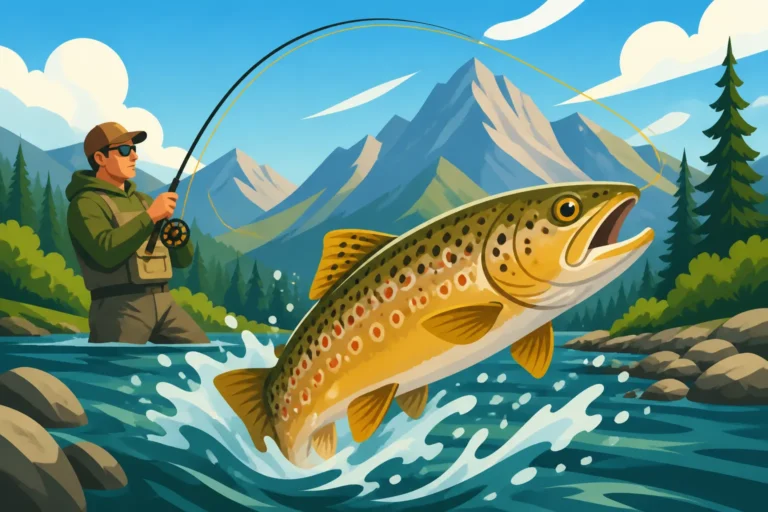
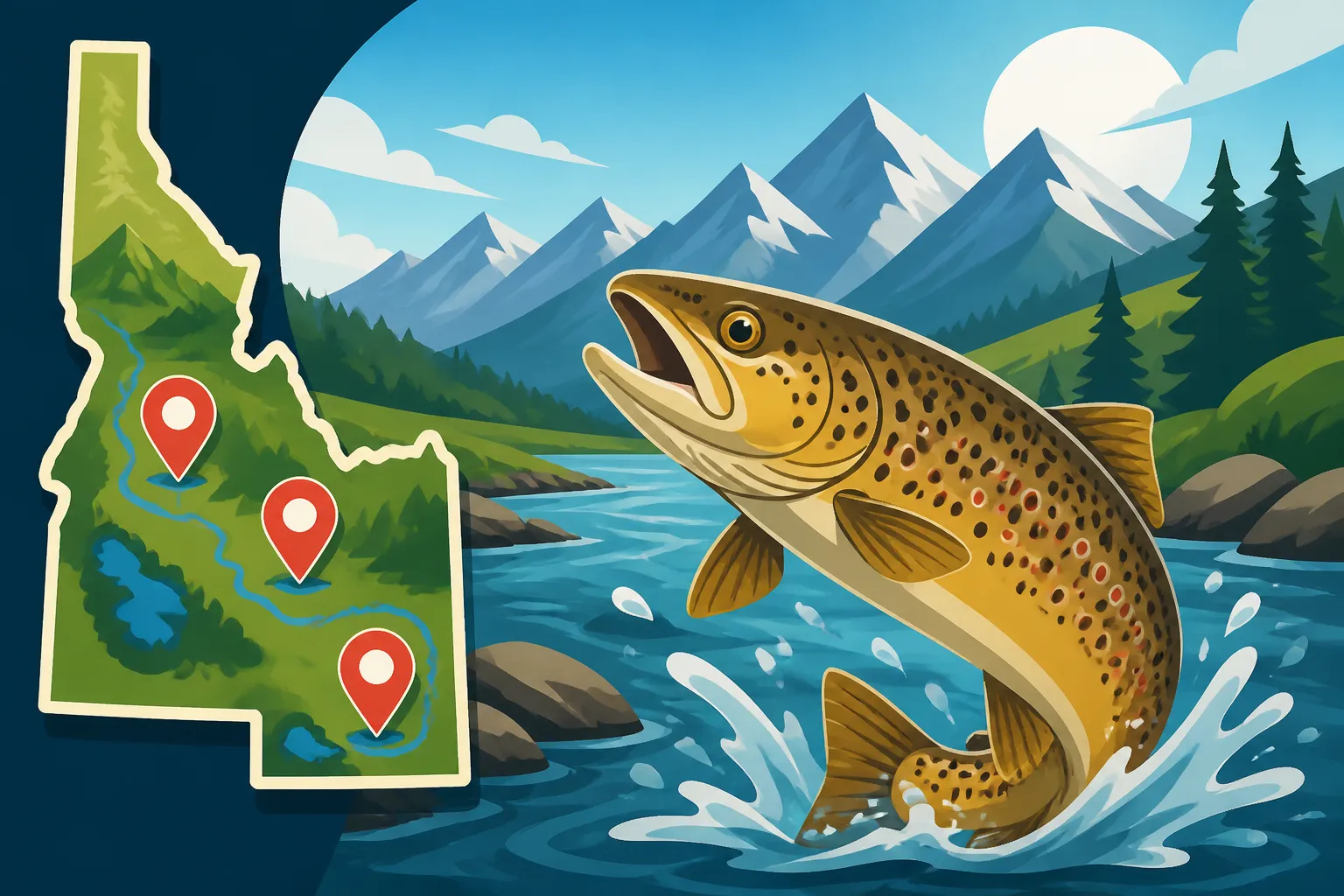
Brown trout, often called "German browns" because of their origins, are known for their wariness, their preference for larger meals, and their incredible ability to survive and thrive in waters that might be too warm or too slow for other trout. They're often found in lower densities than rainbows, but the ones you do find are frequently bigger and more challenging to catch. Unlike many native Idaho trout, browns are not indigenous to our waters but have been introduced and established wild, reproducing populations in various places. They're masters of camouflage and ambush, making them a true prize for any angler. Understanding their resilience and predatory nature is key to locating them. You’ll want to review the Idaho Fishing Regulations Explained to ensure you understand any specific rules that might apply to brown trout in certain waters.
Ideal Brown Trout Habitats: What to Look For
So, what exactly does a brown trout call home? They gravitate towards slower, deeper pools, undercut banks, submerged logs, and significant rock structures that offer both cover and prime ambush points. While rainbow trout might hold happily in faster riffles, browns prefer to conserve energy and dart out from cover for their meals. They love structure – anything that breaks the current and offers a hiding spot from predators and a place to wait for unsuspecting prey. Think about sections of rivers with overhanging willows, deep eddy lines, or old snags. These aren't just random spots; they're strategic hunting grounds for a brown.
Seasonal Movements and Feeding Patterns
Brown trout's behavior can shift dramatically with the seasons. In the spring, after ice-out, they might be found more actively feeding as waters warm, often moving into shallower areas to chase baitfish or nymphs. As summer heat sets in, they'll retreat to deeper, cooler waters, often becoming more nocturnal in their feeding habits. This is when fishing during dawn, dusk, or even after dark can be incredibly effective. Fall, however, is prime time for many brown trout anglers, as these fish become incredibly aggressive leading up to their spawn. They'll chase larger streamers and lures, packing on weight, and can be found in shallower runs and riffles near spawning gravel. During this time, they are especially protective and territorial. Keep an eye on Idaho Fishing Season Dates and Limits for specific timing information.
Prime River and Stream Locations for Brown Trout in Idaho
Idaho is blessed with incredible waterways, but only certain ones truly shine when it comes to healthy brown trout populations. You might not find them in every river, but in the right ones, they can be plentiful and impressive.
The Big Lost River and its Tributaries
When serious brown trout anglers in Idaho talk about their favorite spots, the Big Lost River in east-central Idaho almost always comes up. This river, flowing through the Lost River Range, is renowned for its wild brown trout fishery. It's often a tale of feast or famine here, challenging but rewarding. The browns in the Big Lost are wild, wary, and grow to impressive sizes, particularly in the lower, slower sections before it sinks underground. Tributaries feeding into the Big Lost, especially those with good cover and consistent cool flows, can also hold smaller but equally beautiful browns. Access can sometimes be tricky due to private land, but public sections are well-known and worth exploring. For those who enjoy fly fishing, targeting the deeper pools with streamers or large nymphs can be very effective, especially during late summer and fall.
Sections of the South Fork of the Snake River
The South Fork of the Snake River, particularly its upper and middle sections, is primarily famous for its abundance of native Yellowstone cutthroat trout. However, keen anglers know that impressive brown trout also reside here, often sharing water with their cutthroat cousins, particularly in the deeper, more structured sections. While not as numerous as the cutthroats, the browns in the South Fork can be absolute giants, growing to over 20 inches. They tend to hold tight to bank-side cover, logjams, and deep drop-offs. If you’re floating the South Fork, pay close attention to the slower eddy lines and the water around large boulders. Casting streamers towards these structures, especially during overcast days or in the low light of morning and evening, can entice a take from a truly magnificent brown. It’s a vast river, so knowing how to Reading Water on Idaho's Rivers is essential.
Smaller, Less-Known Creeks and Tributaries
Sometimes, the best brown trout fishing isn't in the big, famous rivers, but in the tucked-away, smaller creeks and tributaries. These often-overlooked waters, especially those with good public access within national forests or BLM lands, can harbor healthy populations of wild brown trout. These streams might not produce record-breaking fish, but they offer consistent action for respectable 10-16 inch browns. Look for streams with a good mix of riffles, runs, and deeper pools, especially those with plenty of instream cover like fallen trees or dense riparian vegetation. These smaller waters are perfect for a stealthy approach with light tackle, offering a more intimate fishing experience. You'll want to explore a good map, looking for feeder creeks that connect to larger river systems that are known for brown trout. Always check for Idaho Fishing Permits and Stamps Explained before heading out into these remote areas.
Lakes and Reservoirs Where Brown Trout Lurk
While rivers are often the first thought for brown trout, Idaho also has a handful of lakes and reservoirs where these cunning fish have established themselves. These fisheries can offer a different kind of challenge and often produce some of the largest browns in the state.
High Mountain Lakes in Central Idaho
Many of Idaho's high mountain lakes, particularly those found in the Sawtooth, White Cloud, or Frank Church wilderness areas, are stocked with or have established populations of various trout species, including brown trout. These fish thrive in the cold, clear waters and often grow quite large due to limited fishing pressure and abundant insect life. Access to these lakes often requires a strenuous hike, but the reward can be an unforgettable experience in a pristine wilderness setting, with the chance to hook a beautiful, wild brown. Anglers typically find success using small spinners, spoons, or dry flies and nymphs, depending on the time of year and insect activity. If you're planning a trip to these remote spots, make sure you have the right gear, and you can often find good quality lightweight backpacking rods and reels on Amazon to minimize your pack weight.
Reservoirs with Cold-Water Inflows
Several larger reservoirs across Idaho, particularly those with significant cold-water inflows from rivers or streams known to hold brown trout, can also be excellent brown trout fisheries. Examples might include sections of the Snake River reservoirs or others fed by mountain rivers. In these environments, brown trout often migrate from the river systems into the deeper, cooler parts of the reservoir, especially during warmer months. They'll frequent areas near dam structures, deep points, or submerged creek channels. Trolling with large plugs or spoons, or still-fishing with bait in deeper areas, can be productive. The key is to target areas where cold, oxygenated water provides a comfortable sanctuary for these temperature-sensitive predators.
The Unique Case of Lake Pend Oreille's Tributaries
While Lake Pend Oreille is famous for its massive Kamloops rainbow trout, the tributary streams flowing into it, particularly those with good cover and gravel beds, can hold brown trout. These are often smaller, stream-resident browns, but they contribute to the overall diversity of the fishery. These browns will be more prevalent in the lower sections of these tributaries, especially where they enter the lake or where there’s a noticeable shift in water temperature. Targeting these fish requires a more subtle approach, often with small spinners, worms, or fly patterns mimicking local insects. It's a different game than chasing the giants in the main lake, offering a pleasant change of pace. If you're specifically interested in the region, looking into Fishing Lake Pend Oreille for Rainbow Trout might give you some context on the main lake's characteristics.
Strategies for Successfully Catching Idaho Brown Trout
Finding where brown trout live is only half the battle; actually getting them to bite is the other. Brown trout are notoriously finicky and clever, demanding a thoughtful approach.
Selecting the Right Gear and Presentation
For river and stream browns, medium-light to medium action spinning rods (6-7 feet) paired with reels spooled with 4-8 lb monofilament or fluorocarbon are excellent. If you’re a fly angler, a 4-6 weight rod is versatile for most brown trout streams.
Lures: Brown trout are aggressive predators. They respond well to artificial lures that mimic baitfish or larger insects.
- Spinners: Gold or silver blades, often with a small dressed treble hook, in sizes #1 to #3. Brands like Mepps or Panther Martin are popular.
- Spoons: Small, wobbling spoons in natural colors or reflective finishes.
- Jerkbaits/Stickbaits: Imitate injured baitfish. Work them with a twitch-pause retrieve. Consider a few different sizes and colors, which you can easily browse and order from Amazon for your next trip.
- Streamers (Fly Fishing): Patterns like Woolly Buggers, Sculpzillas, or articulated streamers in olive, black, or brown can be incredibly effective, especially in the fall.
Bait: If bait fishing is allowed in your chosen water (always check regulations!), worms, minnows, or even salmon eggs can be very effective, especially drifted naturally through deeper pools.
- Live Bait: Where permitted, a live minnow or a juicy nightcrawler can be irresistible to a hungry brown. Present it naturally, letting the current do the work, often under a bobber or lightly weighted.
Presentation is Everything: With brown trout, it's less about the specific lure and more about how you present it. Make sure your cast is accurate, landing your offering upstream of suspected holding lies. Minimize splash, and try to make your lure or bait appear as natural and unthreatening as possible. A slow, methodical retrieve is often more effective than a fast, erratic one. You can find many of these popular Best Bait and Lures for Idaho Fishing online.
Reading the Water and Locating Fish
As mentioned earlier, browns love structure and cover. Learn to "read the water" and identify these prime spots.
- Undercut Banks: These are classic brown trout hideouts. The current carves out a pocket under the bank, offering shelter and a place for browns to ambush prey. Cast parallel to the bank and let your lure or fly drift under the overhang.
- Logjams and Root Wads: Submerged wood provides excellent cover. Approach these spots cautiously and make precise casts to the edges or into the slack water pockets. Be prepared for snags, but also for big fish.
- Deep Pools and Eddies: While browns might feed in shallower water during low light, they spend much of their time in the safety of deep pools or the calmer water of an eddy, especially those with current breaks.
- Riparian Vegetation: Overhanging trees and bushes provide shade, cover, and a source of terrestrial insects falling into the water. Fish close to these features.
Remember, brown trout are often solitary and territorial. If you catch one from a prime lie, move on to the next. For more detailed insights into various fishing scenarios, consult the Idaho Fishing Techniques Guide.
Best Times and Conditions for Brown Trout
Timing can make a huge difference in brown trout fishing.
- Low Light Conditions: Dawn and dusk are prime brown trout feeding times, especially during warmer months. They'll often move into shallower water to hunt during these periods.
- Overcast Days: Overcast or drizzly days often make brown trout less wary and more active throughout the day, as the reduced light penetration offers them more comfort.
- Fall: Without a doubt, autumn is often the most productive time for large brown trout. As water temperatures cool and they prepare for spawning, browns become more aggressive and less cautious, chasing larger meals. This is when streamers and large plugs really shine.
- Water Temperature: Brown trout prefer cooler water, generally between 50-65°F (10-18°C). In summer, this means they'll be in deeper, cooler sections or become more nocturnal.
- After a Rain: A moderate rain can stir up insects and wash food into the river, often triggering a feeding frenzy. However, heavy rains leading to muddy, high water can shut down fishing.
By understanding their preferences, knowing where to look, and employing smart techniques, you significantly increase your chances of finding and landing one of Idaho's magnificent brown trout. Don't forget that children also love the thrill of catching trout, and you can learn about Idaho Fishing Rules for Kids and Families if you plan to bring along younger anglers. Before heading out, make sure to get your Idaho Fishing License Guide sorted out!
Disclaimer
This article is for general informational purposes only and does not constitute professional advice. Laws, prices and regulations vary by location and change over time. Consult a qualified professional for guidance on your specific situation.