Are Idaho’s Cutthroat Trout Native or Stocked?
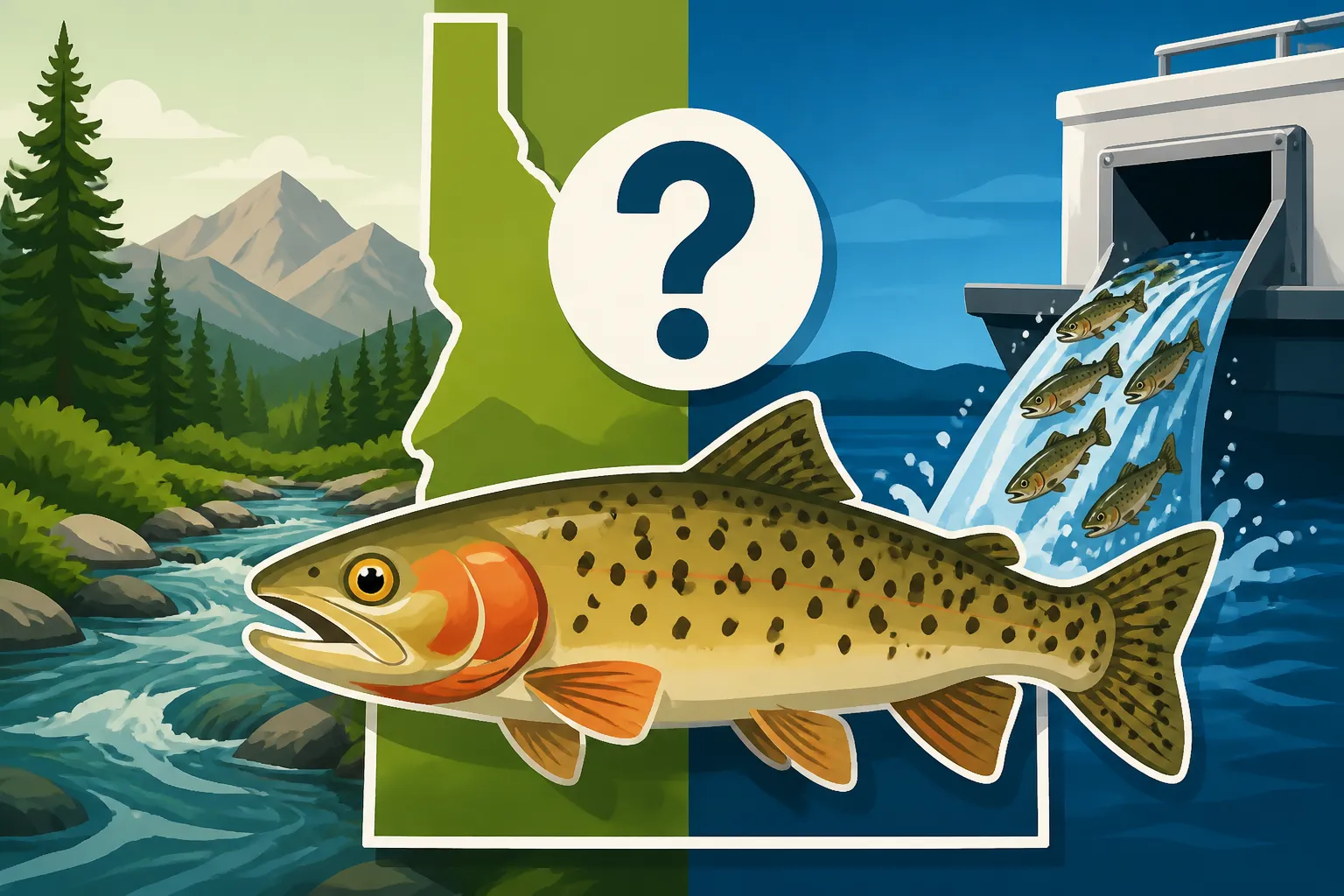
It's a common question, and one that gets to the heart of what makes Idaho fishing so special: are our beloved Cutthroat Trout truly native, or are they just another species the state stocks for angler enjoyment? The answer, like many things in the world of wild fish, is a bit nuanced, but the short of it is, yes, Idaho is home to magnificent, truly native populations of Cutthroat Trout, though stocking practices also play a role in certain fisheries. This guide will unravel the story of Idaho's Cutthroat, helping you understand their origins, how to identify them, and what makes them such a cherished part of our state's aquatic heritage.
Understanding Idaho's Cutthroat Trout: A Native Legacy
When we talk about Cutthroat Trout in Idaho, we're really delving into a rich history that pre-dates any human intervention. These fish are deeply ingrained in the natural ecosystems of our mountains and rivers, having adapted over millennia to Idaho's unique high-elevation lakes and flowing waters. They are not just fish; they are living symbols of Idaho's wild heritage, thriving in pristine environments that many other species simply can't handle.
The True Natives: Westslope and Yellowstone Cutthroat
Idaho is privileged to host two distinct subspecies of native Cutthroat Trout: the Westslope Cutthroat Trout and the Yellowstone Cutthroat Trout. These aren't just generic cutthroat; they are specific, genetically pure strains that evolved right here in the Intermountain West.
The Westslope Cutthroat Trout are the most widespread native trout in Idaho. You'll find them primarily in the northern and central parts of the state, gracing rivers like the St. Joe, the Clearwater's headwaters, and countless high mountain lakes within the Frank Church Wilderness and Selway-Bitterroot Wilderness. These fish are renowned for their vibrant colors, often sporting olive-green backs, golden-brown sides, and distinct red or orange slashes under their lower jaw – the "cutthroat" that gives them their name. They are incredibly resilient, able to survive in cold, clear, high-gradient streams where many other fish struggle. Their presence is often an indicator of excellent water quality and healthy riparian habitats. Anglers seek them out not just for their beauty but for the challenge of finding them in their often-remote, breathtaking surroundings. When you hook into a true Westslope, you're connecting with Idaho's wild past.
Then there's the Yellowstone Cutthroat Trout, which, as their name suggests, are found predominantly in the eastern drainages of Idaho, particularly within the Snake River Plain and its tributaries that eventually flow into the Yellowstone River system. This includes waters like the South Fork of the Snake River and its feeder streams. These fish tend to have more pronounced spots, often concentrated towards the tail, and their cutthroat marks can be a deeper red. They are also highly adapted to their specific environments, including large, slow-moving rivers and high-desert streams. For anglers in eastern Idaho, catching a Yellowstone Cutthroat is a true local experience, representing the unique biodiversity of that region. Both of these native subspecies are crucial components of their respective ecosystems, serving as prey for larger predators and indicators of overall environmental health. Protecting these native populations is paramount to preserving Idaho's natural legacy.
Why the Confusion? Stocking and Other Trout Species
It's completely understandable why anglers might be confused about whether Idaho's Cutthroat Trout are native or stocked. After all, the Idaho Department of Fish and Game (IDFG) does an incredible job of stocking millions of fish each year to support recreational fishing. However, the vast majority of that stocking effort focuses on Rainbow Trout, particularly sterile or catchable-sized rainbows, which are robust and provide immediate angling opportunities.
The confusion arises because:
- General Stocking Programs: When people hear "fish stocking," they often lump all trout into one category. Since so many other trout (like Rainbows and even some non-native strains of Brook Trout) are stocked heavily, it’s easy to assume Cutthroat Trout are too.
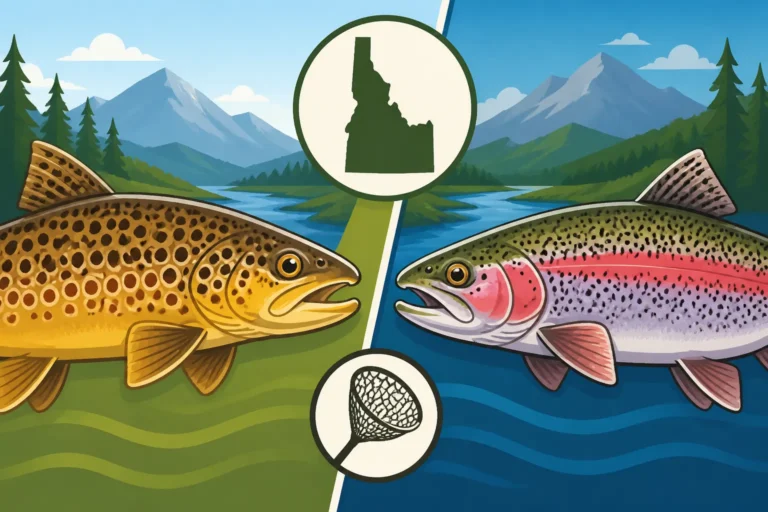
- Hybridization: A significant factor, especially in historical contexts, is the interbreeding between native Cutthroat Trout and introduced Rainbow Trout. This hybridization can alter the appearance of pure native cutthroat, making them look less "classic" and sometimes leading people to believe they aren't truly native. Over generations, this can dilute the genetic purity of native strains, which is a major concern for conservationists.
- Specific Stocking of Cutthroat Strains: While most native cutthroat populations are self-sustaining, there are instances where specific, non-native strains of cutthroat, or even hatchery-reared native strains, might be stocked in certain waters. This is usually done to establish a fishery where native fish can no longer thrive naturally, or to enhance an existing fishery that has a reduced capacity for natural reproduction. These instances are generally carefully managed and distinct from stocking programs for rainbow trout.
It's important to remember that for the most part, the pure Westslope and Yellowstone Cutthroat Trout that thrive in Idaho's remote and pristine waters are indeed native and wild, reproducing naturally without human intervention. The existence of extensive stocking programs for other species, or even limited stocking for some cutthroat strains, doesn't negate the strong native presence of these iconic fish.
The Role of Stocking in Idaho's Fisheries
Stocking fish is a long-standing management tool in Idaho, used to balance conservation goals with recreational demands. It ensures that anglers have plenty of opportunities to catch fish, especially in waters that can't support robust natural populations due to factors like heavy fishing pressure, habitat changes, or competition from invasive species. However, the approach to stocking, particularly concerning Cutthroat Trout, is very strategic and thoughtful.
Where Stocking Comes Into Play for Cutthroat
While the focus is always on preserving and enhancing native, wild populations of Westslope and Yellowstone Cutthroat, there are specific situations where the Idaho Department of Fish and Game might stock certain strains of Cutthroat Trout. These instances are generally quite targeted and distinct from the widespread stocking of Rainbow Trout.
One primary reason for stocking cutthroat is to establish or supplement fisheries in waters where native populations are absent or have been severely depleted, and natural recovery isn't feasible. For example, a high mountain lake that historically had cutthroat but lost its population due to a natural disaster or past overfishing might be restocked with a genetically appropriate strain to kickstart a new fishery. Sometimes, these stocked fish are hybrid cutthroat-rainbows, or even non-native cutthroat strains, carefully chosen to thrive in specific conditions and provide angling opportunity without impacting pure native populations in other areas. The goal is often to provide a unique fishing experience in a specific location, perhaps a smaller pond near a town, or a lake where the primary objective is pure recreational "put-and-take" fishing. These stocked cutthroat provide excellent angling and can grow to respectable sizes, offering a different kind of challenge than their wild counterparts. You can often check Idaho Fish Stocking Reports Explained to see which waters are receiving stocked fish and what species.
It's crucial to understand that these stocking efforts for specific cutthroat strains are generally not aimed at bolstering the truly native, wild populations of Westslope or Yellowstone Cutthroat in their core native habitats. Those populations are managed primarily through habitat protection, restrictive fishing regulations, and genetic preservation programs. Stocking is a tool used when natural reproduction alone isn't sufficient for the desired angling experience or when re-establishing a lost fishery in a contained environment.
How to Distinguish Native vs. Stocked Fish
For the keen angler, being able to tell the difference between a truly wild, native Cutthroat Trout and a stocked fish can add a whole new layer of appreciation to your catch. It’s not always easy, but there are some tell-tale signs to look for.
First, consider the physical appearance and condition. Wild, native Cutthroat Trout tend to have pristine fins, particularly their dorsal and caudal (tail) fins. These fins will be perfectly formed, sharp, and often deeply colored, reflecting their natural, active lives. Stocked fish, on the other hand, especially those raised in crowded hatchery conditions, often show signs of wear and tear on their fins. You might see rounded, frayed, or even partially missing fins, a result of rubbing against tank walls or other fish. Their colors might also appear a bit duller or less vibrant compared to the rich hues of a wild trout that has spent its life forging its own path in crystal-clear mountain streams.
Secondly, look at the overall body shape and condition. Wild cutthroat are typically lean, athletic, and perfectly streamlined for life in moving water. They often have a more pointed snout and a powerful tail. Stocked fish, while healthy, can sometimes appear a bit heavier-bodied or "smoother" due to a consistent diet in a controlled environment. They might lack the same muscle definition.
Finally, consider the location and context. If you're fishing in a remote, high mountain lake that requires a long hike, or a pristine, untouched stretch of river far from roads, the fish you catch are almost certainly wild and native. If you're at a popular, easily accessible pond near a town that receives regular stocking, there's a higher likelihood that the fish (even if they are a cutthroat strain) were put there by human hands. Always check the local regulations; waters managed for native populations often have very specific rules, like Idaho Catch-and-Release-Only Waters List or special gear restrictions.
Here's a quick comparison to help you distinguish:
| Feature | Wild/Native Cutthroat Trout | Stocked Cutthroat/Rainbow Trout |
|---|---|---|
| Fins | Pristine, well-formed, sharp, often colorful | Rounded, worn, frayed, sometimes damaged or partially missing |
| Body Shape | Lean, streamlined, muscular, athletic, pointed snout | Can be heavier-bodied, sometimes a bit "plump" or less defined |
| Coloration | Vivid, rich, natural hues reflecting environment | Can be duller, sometimes a more uniform or faded appearance |
| Cutthroat Mark | Distinct, often deep red/orange slashes beneath jaw | Present on cutthroat, but can vary; absent on pure rainbows |
| Spotting | Varies by subspecies; Westslope: fine spots; Yellowstone: heavier, especially on tail | Varies; often less distinct or more random on stocked rainbows |
| Behavior | Wary, strong fighters, adapted to natural food sources | Can be less cautious, sometimes less vigorous fighters immediately after stocking |
| Habitat | Remote, pristine rivers, high mountain lakes, clear, cold water | Accessible ponds, urban lakes, easily fished rivers; often near roads |
Knowing these differences isn't just a fun fact; it helps you appreciate the fish and act as a responsible steward. If you suspect you've caught a wild, native cutthroat, treating it with the utmost care, especially if it's in a catch-and-release area, is paramount. Having a quality pair of forceps for quick hook removal, which you can easily find on Amazon, can make a huge difference in the fish's survival.
Conservation Efforts for Idaho's Native Cutthroat
The health of Idaho's native Cutthroat Trout populations is a top priority for wildlife managers and passionate anglers alike. These fish are not just beautiful, they are vital components of Idaho's coldwater ecosystems, and their continued existence is a testament to the ongoing dedication to conservation.
Protecting the Pure Strains
Conservation efforts for Westslope and Yellowstone Cutthroat Trout focus heavily on maintaining the genetic purity and robust health of wild populations. The primary threats these native fish face are habitat degradation, fragmentation, and perhaps most critically, hybridization with non-native Rainbow Trout. When rainbow trout are introduced into native cutthroat waters, they can interbreed, leading to hybrid offspring. These hybrids often have reduced fitness and can ultimately dilute or even replace the pure native strains over generations. This is a huge concern because once lost, genetic purity is almost impossible to restore.
To combat these threats, several strategies are employed:
- Habitat Restoration and Protection: This includes efforts to improve water quality, restore riparian vegetation (the plants along stream banks), remove barriers to fish migration, and manage land use to prevent erosion and pollution. Healthy habitats are the foundation for strong fish populations.
- Fish Barriers: In some critical native cutthroat strongholds, natural or artificial barriers are used to prevent non-native trout from migrating upstream and mixing with pure cutthroat populations. This acts as a genetic "firewall" to protect the pristine strains.
- Careful Management of Stocking Programs: IDFG carefully plans stocking efforts to ensure that introduced fish (especially rainbow trout) do not compromise native cutthroat populations. This often means stocking sterile fish or avoiding stocking in key native cutthroat waters.
- Strict Regulations: Many native cutthroat waters have special regulations, such as Idaho Catch Limits and Bag Limits Explained specifically tailored to protect these fish. These might include catch-and-release only rules, limitations on gear types (e.g., fly-fishing only, single barbless hooks), or specific size restrictions. These rules are designed to reduce mortality and allow native fish to thrive and reproduce.
- Genetic Monitoring: Scientists regularly monitor the genetic makeup of cutthroat populations to track purity levels and identify areas where hybridization might be occurring. This information helps guide targeted conservation actions.
The goal is to ensure that future generations of anglers can experience the thrill of catching a truly wild and native Idaho Cutthroat Trout in its natural habitat, just as we can today.
The Angler's Role in Conservation
As anglers, we have a significant role to play in the conservation of Idaho's native Cutthroat Trout. Our actions on the water can directly impact the health and future of these precious fish. It’s not just about adhering to the rules; it’s about embracing a conservation mindset.
First and foremost, know your regulations. Before heading out, always check the current Idaho Fishing Regulation Brochure and Proclamation for the specific waters you plan to fish. Regulations for native cutthroat streams can be highly specific and vary by river section. Ignorance is no excuse, and violating these rules can have serious consequences for both you and the fish populations. For instance, some sections of the Snake River, particularly where Idaho Sturgeon Fishing Rules are in effect, require barbless hooks, which is also a wise practice when targeting fragile trout.
Secondly, practice proper catch-and-release techniques when fishing in areas designated for native cutthroat. This means minimizing the time the fish is out of the water, handling it gently with wet hands, and using tools like a rubberized net and forceps to quickly and safely remove hooks. Avoid dragging fish onto dry banks or squeezing them tightly. Many anglers find a quality pair of hemostats or forceps, available readily on Amazon, to be an indispensable tool for safe hook removal, especially with small flies or lures. A wide selection of suitable nets for catch-and-release can also be found there.
Thirdly, learn to identify the fish you catch. As discussed earlier, distinguishing between native cutthroat and other trout species is important. If you're unsure, treat every fish as if it's a valuable native species, especially in sensitive waters. When in doubt, let it go unharmed.
Finally, support conservation efforts. This can be through purchasing your Idaho Fishing License Guide (which helps fund fish and wildlife programs), joining conservation groups, or simply advocating for responsible land and water management in Idaho. Our collective actions, both big and small, are what will secure the future of these magnificent fish.
Fishing for Idaho's Cutthroat Trout
Chasing Idaho's native Cutthroat Trout is more than just fishing; it's an immersive experience in some of the most stunning landscapes the state has to offer. These fish often inhabit pristine, remote environments, making the journey as rewarding as the catch.
Best Places and Seasons to Find Native Cutthroat
If you're looking to target truly native Westslope or Yellowstone Cutthroat, you'll want to focus your efforts on the untouched, high-country waters and specific river systems that are their traditional strongholds.
For Westslope Cutthroat, the northern and central Idaho wilderness areas are your best bet. Think about the headwaters of the Clearwater River, particularly its forks, and the incredibly scenic St. Joe River. These rivers offer incredible fly fishing opportunities in a rugged, beautiful setting. High mountain lakes in the Sawtooth, White Cloud, and Selkirk mountains are also prime targets. Many of these lakes require a hike, but the reward of a wild, vividly colored cutthroat rising to your dry fly against a backdrop of granite peaks is truly unforgettable. The seasons here are dictated by snowmelt; typically, late spring through early fall are prime, with August and September often offering phenomenal dry fly fishing as hatches are consistent and water levels stabilize. Consider exploring the St. Joe River Cutthroat Trout Water for a classic Westslope experience.
For Yellowstone Cutthroat, your compass should point eastward. The South Fork of the Snake River is legendary for its large, strong Yellowstone Cutthroat, offering both float and wade fishing opportunities. Tributaries feeding into the South Fork and other waters within the greater Yellowstone ecosystem also hold these fish. The fishing season on the South Fork usually runs from spring through fall, with consistent action throughout the summer. Later in the fall, as temperatures drop, the fish often become more concentrated as they prepare for winter. When planning your trip, consider checking Fishing the South Fork of the Snake River for detailed information.
Generally, the best time to pursue native cutthroat in high-country lakes and smaller streams is summer and early fall, once the spring runoff has subsided, water levels are stable, and insect hatches are in full swing. For larger rivers like the South Fork, consistent fishing can be found from late spring through early fall. Always remember that water conditions (temperature, clarity, flow) can change rapidly, so checking current conditions before you go is always a smart move.
Recommended Gear and Techniques
Fishing for native Cutthroat Trout, particularly in their wild habitats, often calls for a more refined and respectful approach. While spin fishing can certainly be effective, fly fishing is arguably the most popular and often most rewarding method for these wary fish.
For fly fishing, a light to medium-light outfit is typically ideal. A 3- to 5-weight rod, 7.5 to 9 feet long, paired with a matching reel and floating line, offers the perfect balance of finesse and fighting power for most cutthroat. When it comes to flies, Cutthroat Trout are often opportunistic feeders. They love dry flies, especially during hatches, so having a good selection of common patterns like Parachute Adams, Elk Hair Caddis, Royal Wulff, and various terrestrial patterns (hoppers, ants, beetles) is key. Nymphs (e.g., Prince Nymph, Pheasant Tail, Hare's Ear) and small streamers can also be highly effective, especially in deeper pools or during non-hatch periods. A good quality leader and tippet are also crucial for a natural presentation; you can find excellent options on Amazon.
If spin fishing, light tackle is still the way to go. A light-action rod with a sensitive tip, paired with a small spinning reel spooled with 4-6 pound test line, will provide the feel and fun you need. Small spinners (like Panther Martins, Mepps, or Rooster Tails in sizes 0-2), small spoons, or even tiny jigs tipped with a piece of worm or scented bait can entice a strike. Live bait, where permitted, can also be highly effective. Remember to always check local regulations for bait restrictions, especially in native cutthroat waters which often have "artificial lures and flies only" rules. Using barbless hooks, or pinching down barbs on your lures, is also a great practice for easier, safer release and improved fish survival. You can learn more about techniques in our How to Fly Fish in Idaho guide.
Regardless of your chosen method, stealth and presentation are critical when targeting native cutthroat. These fish are often found in clear water and can be easily spooked. Approach fishing spots cautiously, make accurate casts, and pay attention to how your lure or fly is drifting. Observing the water for rising fish or insect activity will give you valuable clues. Remember, a successful day fishing for native cutthroat isn't always measured by the number of fish caught, but by the quality of the experience and the beauty of the wild places you explore.
Disclaimer
This article is for general informational purposes only and does not constitute professional advice. Laws, prices and regulations vary by location and change over time. Consult a qualified professional for guidance on your specific situation.