Why Snake River Sturgeon Fishing Is Catch and Release Only
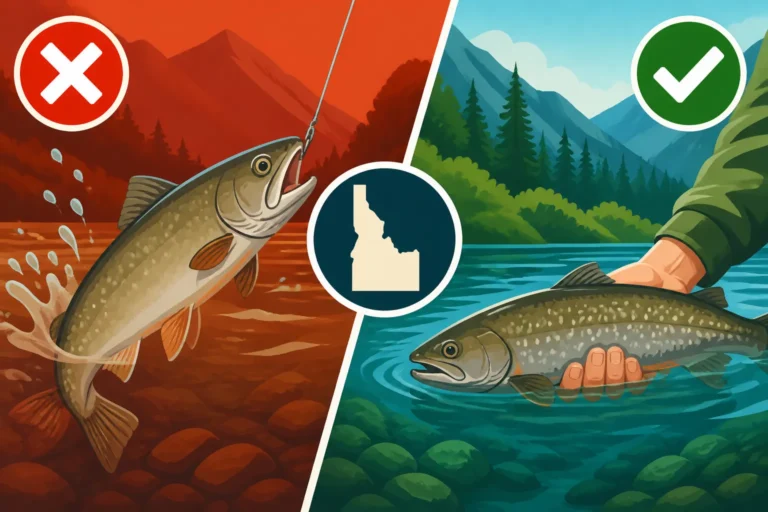
It’s a common question, and one I’ve heard countless times on the banks of the Snake River: "Why can't I keep this magnificent fish?" Many anglers, especially those new to fishing Idaho's legendary waters, are surprised to learn that every single white sturgeon caught in the Snake River must be released. This isn't just a suggestion; it's a critical regulation designed to protect one of North America's most ancient and awe-inspiring freshwater species. This guide will dive deep into the crucial reasons behind Idaho's strict catch-and-release mandate for Snake River sturgeon, helping you understand the history, biology, and conservation efforts that make this rule so vital.
The Legacy of Idaho's White Sturgeon: A Species at Risk
Imagine a fish that can live for over 100 years, grow longer than a small car, and has been swimming in these waters since the dinosaurs roamed. That's the white sturgeon of the Snake River. These incredible creatures are living fossils, but their long history also tells a story of significant challenges and a hard-fought battle for survival. Their sheer size and impressive longevity make them a bucket-list catch for many, but also underscore their vulnerability.
Historical Decline and Conservation Efforts
For generations, the Snake River's white sturgeon population thrived, a cornerstone of the river ecosystem and a vital resource for early inhabitants. However, the 19th and 20th centuries brought significant changes that severely impacted these ancient fish. Overharvesting for their meat and eggs (caviar) took a heavy toll, as did the construction of numerous dams along the Snake River. These dams fragmented their habitat, blocked migration routes essential for spawning, and altered water flows and temperatures. The result was a drastic decline in sturgeon numbers, pushing them to the brink.
It wasn't a slow, gentle fade either; it was a precipitous drop. There was a time when catching a sturgeon for the dinner table was common, but as their numbers plummeted, it became glaringly obvious that without drastic intervention, these giants would disappear entirely from Idaho's rivers. This realization spurred dedicated conservation efforts. State and federal agencies, along with local conservation groups, recognized the urgent need to protect what remained of this unique population. These efforts included extensive research into sturgeon biology, habitat restoration projects, and, most critically, stringent fishing regulations. Early measures aimed at reducing harvest, but as the severity of the decline became clear, the move towards mandatory catch and release was deemed essential. The goal was simple: give these fish every possible chance to reproduce and rebuild their numbers, reversing decades of damage. Learning about the Idaho Fishing Regulations Explained can shed more light on how such rules evolve.
The Importance of a Native Species
The white sturgeon isn't just any fish in the Snake River; it's a native species, meaning it has evolved alongside this ecosystem for millennia. Its presence is integral to the health and balance of the river. As apex predators, sturgeon play a crucial role in the food web, helping to maintain balance among other fish populations. They are also scavengers, cleaning up the river bottom and contributing to nutrient cycling. Without them, the entire river system would be diminished, and other species could suffer unforeseen consequences.
Beyond their ecological importance, white sturgeon hold immense cultural and historical value. They represent a tangible link to Idaho's wild past, a living symbol of the untamed spirit of its rivers. For many, the opportunity to encounter such a majestic, ancient creature is a profound experience, connecting them to the natural world in a deeply meaningful way. Allowing their population to recover ensures that future generations can also witness these giants, fostering a continued appreciation for conservation and the unique natural heritage of Idaho. This is why strict adherence to Idaho Sturgeon Fishing Rules is so important.
The Science Behind Catch and Release Mandates
So, why is catch and release so crucial for these particular fish, even more so than for other species? It boils down to their unique biological characteristics, which make them particularly vulnerable and slow to recover from population shocks. We're not just talking about releasing a trout; we're talking about handling an animal that could be older than your grandparents and weigh hundreds of pounds.
Fragile Physiology and Longevity
White sturgeon are incredibly long-lived, which is amazing, but it also means they mature very slowly. A female sturgeon might not be ready to spawn until she's 15 or 20 years old, sometimes even older, and then she only spawns every few years. This slow reproductive rate means that if even a small number of breeding adults are removed from the population, it takes a very long time for those losses to be replaced. Compare that to a trout that might spawn annually after just a couple of years, and you start to see the difference. Each adult sturgeon is a precious, irreplaceable part of the breeding stock.
Their physiology also makes them surprisingly delicate, despite their tough, armored appearance. They lack scales, instead having bony plates called scutes. Their internal organs can be susceptible to damage if they are mishandled, especially if they are dragged onto rough surfaces or kept out of the water for too long. Excessive stress during a long fight can also be detrimental, potentially leading to post-release mortality. This is why proper handling, as detailed in Idaho Rule Against Removing Sturgeon from the Water and Idaho Catch-and-Release Sturgeon Rules, is so emphasized. Anglers are often surprised to learn how many subtle factors can affect a sturgeon's survival after release.
Ensuring Future Generations
The core purpose of mandatory catch and release for Snake River sturgeon is to ensure the long-term viability and genetic health of the population. By releasing every fish, especially the large, mature breeders, we maximize the number of individuals available to reproduce. This isn't just about raw numbers; it's about maintaining genetic diversity. A diverse gene pool makes the population more resilient to environmental changes, diseases, and other threats.
Think of it as an investment in the future. Every sturgeon released is a potential parent for countless more fish. Without catch and release, the temptation to keep these impressive fish for trophies or food would quickly decimate the recovering population, undoing decades of hard work and significant investment in conservation. The future of these magnificent creatures literally rests in the hands of every angler who targets them. This ensures that the efforts to protect Idaho White Sturgeon Facts truly pay off.
What Catch and Release Means for Anglers
Understanding why we practice catch and release is one thing, but knowing how to do it properly is another. For sturgeon, it's not just about letting the fish go; it's about doing it in a way that gives them the best possible chance of survival and minimizes stress. This often means specific gear choices and very careful handling techniques.
Responsible Fishing Practices
When you're targeting sturgeon, responsible angling means being prepared for a powerful fight and prioritizing the fish's well-being above all else. This starts with using appropriate heavy-duty tackle that allows you to land the fish relatively quickly, reducing the duration of the fight and thus, the stress on the fish. A long, drawn-out battle can exhaust a sturgeon, making it harder for it to recover after release. Quality rods, reels, and strong line are your friends here, and you can find a lot of reliable options on platforms like Amazon.
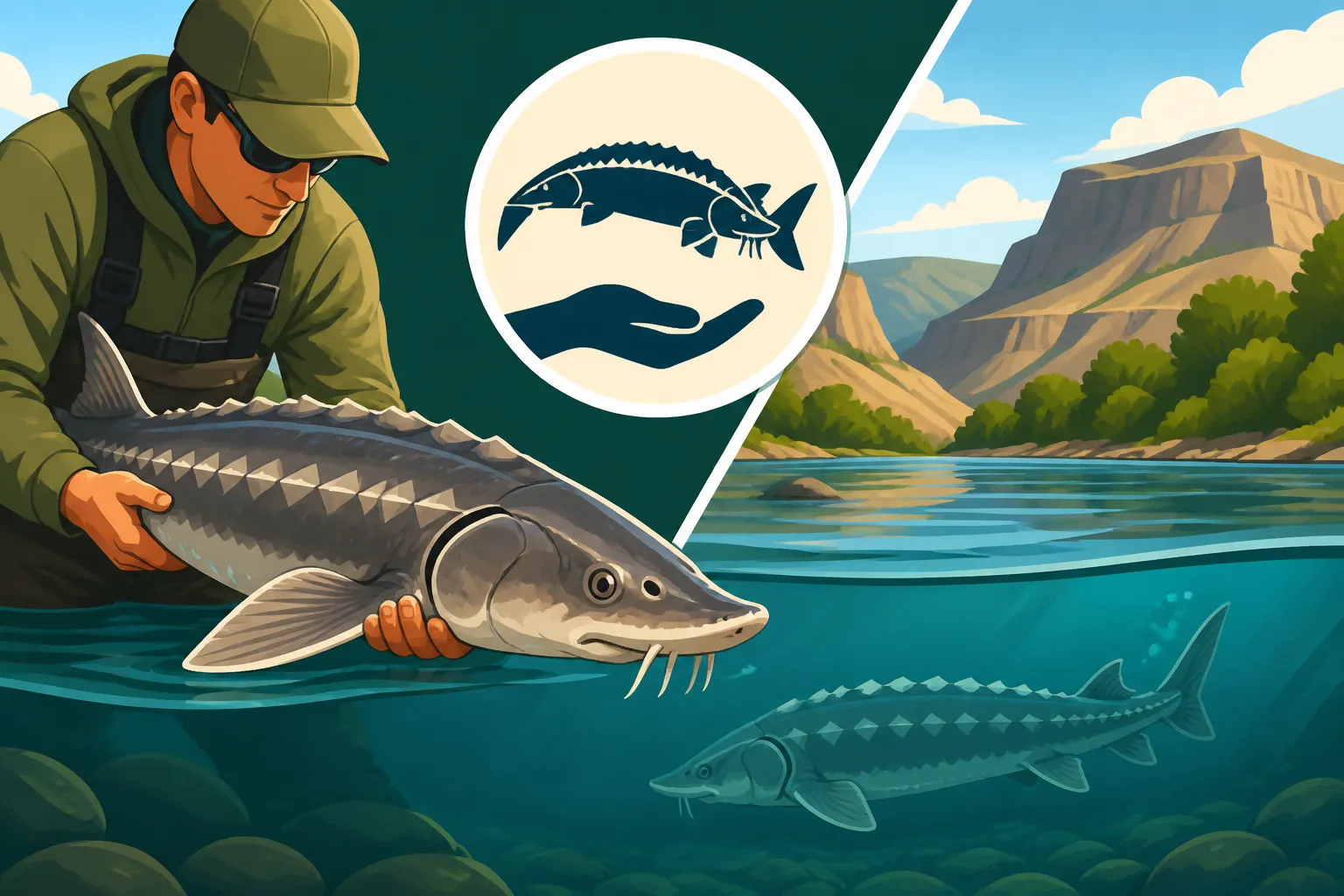
Once hooked, the focus shifts to careful handling. If you're fishing from shore, try to keep the fish in the water as much as possible. If you need to bring it closer to shore for a quick photo, slide it gently onto a soft, wet surface like a mat or simply keep it partially submerged in shallow water. Avoid dragging it over rocks or sand, which can strip its protective slime coat and damage its sensitive underside. Always support the fish's body, especially when lifting, rather than just grabbing it by the tail, which can cause internal injuries. The goal is minimal time out of water and minimal physical contact. Knowing How to Release a Sturgeon Safely in Idaho is absolutely paramount.
Gear Requirements and Regulations
Idaho has specific regulations designed to protect sturgeon, and these often dictate the type of gear you can use. The most prominent rule is the mandatory use of barbless hooks. A barbless hook minimizes tissue damage and makes it much easier to remove the hook quickly and cleanly, reducing the stress and injury to the fish. Trying to extract a barbed hook from the thick, cartilaginous mouth of a sturgeon can be difficult and harmful. Why Barbless Hooks Are Required for Idaho Sturgeon really comes down to this core principle of fish welfare.
Here's a quick overview of some general gear considerations for sturgeon fishing:
| Gear Type | Recommendation | Reason for C&R |
|---|---|---|
| Rod | Heavy action, 7-10 feet, powerful backbone | Quick fight reduces fish stress and exhaustion |
| Reel | Large capacity baitcasting reel, smooth drag | Holds ample heavy line, handles long runs during fight |
| Line | 80-120 lb braided main line, heavy leader | Prevents break-offs, ensures landing large fish efficiently |
| Hooks | Large, strong circle or J-hooks, always barbless | Barbless for easy, minimal-injury removal; circle hooks often lip-hook fish |
| Weight | Heavy pyramid or flat sinkers (4-12 oz, depending on current) | Keeps bait stationary on the bottom, where sturgeon feed |
| Gloves | Durable fishing gloves (optional, but recommended for handling line/fish) | Protects angler, provides better grip on fish without excessive squeezing |
| Tools | Long-nose pliers or hook remover | Essential for quick and safe hook removal |
| Measurement | Tape measure or marking on boat/oar for length (often required for reporting sizes) | For accurate size estimation without undue stress or handling |
Beyond barbless hooks, anglers are generally required to use a single-point hook. Regulations also often specify that you can only use one rod. The bait itself also has rules – typically, natural baits like worms, cut bait, or fish parts are used. It's crucial to check the current Idaho Fishing Regulations Explained brochure every year, as rules can occasionally change to adapt to new conservation data or pressures. Using the right gear and knowing How to Rig a Line for Snake River Sturgeon are foundational for a successful, ethical trip.
Experiencing Snake River Sturgeon Fishing
So, if you can't keep them, what's the point? The point, my friends, is the incredible experience itself. There's a reason so many anglers return to the Snake River year after year, dedicating themselves to chasing these prehistoric giants. It's not about the cooler full of fish; it's about the connection, the challenge, and the sheer awe of it all.
The Thrill of the Catch (and Release)
There's an undeniable adrenaline rush that comes with hooking a massive Snake River sturgeon. Imagine your rod bending almost double, the drag screaming as hundreds of pounds of fish strip line off your reel, and the possibility of a sturgeon leaping completely out of the water – a sight that will take your breath away. These fish fight with immense power and stubborn determination. Landing one, especially a truly gargantuan one that might be How Big Do White Sturgeon Get in the Snake River, is a battle of wills that can last for a long time and leave your arms aching, but your spirit soaring.
Many anglers describe the moment of releasing a sturgeon as even more profound than the catch itself. Watching such a magnificent creature slowly swim away, knowing you've played a part in its survival and contributed to the health of the river, is incredibly rewarding. It fosters a deeper appreciation for conservation and the fragile balance of nature. For more on these amazing creatures, check out Idaho White Sturgeon Facts. It’s an experience that transcends the typical fishing trip, becoming a true encounter with a wild, ancient wonder.
Where to Find Them and Seasonality
White sturgeon can be found throughout many stretches of the Snake River in Idaho, often congregating in deeper holes, eddies, and below rapids or dam structures where they can find food and refuge from strong currents. Some of the most popular and productive areas include sections of the Snake River near Hells Canyon and other areas downstream of major reservoirs. The Best Section of the Snake River for Big Sturgeon can vary depending on conditions and time of year, but guides are often an invaluable resource for locating these elusive fish.
While sturgeon can be caught year-round in some parts of the Snake, fishing conditions and success rates can vary with the seasons. Spring and fall often offer excellent opportunities as water temperatures are moderate and fish are actively feeding. During the heat of summer, sturgeon may move to deeper, cooler waters, and winter fishing requires battling colder temperatures and sometimes slower fish activity. However, even in the colder months, dedicated anglers can find success. Remember that these are very long-lived fish, some even reaching How Old Is a Snake River White Sturgeon, so their movements and feeding patterns can be quite consistent once you learn them. Regardless of when or where you go, always consult the current regulations to ensure you're fishing legally and responsibly.
Disclaimer
This article is for general informational purposes only and does not constitute professional advice. Laws, prices and regulations vary by location and change over time. Consult a qualified professional for guidance on your specific situation.