How Big Do Tiger Muskie Get at Cascade Reservoir
There's nothing quite like the thrill of the chase when it comes to a truly formidable fish, and in Idaho, few species captivate the imagination quite like the Tiger Muskie, especially in a place as iconic as Cascade Reservoir. Many anglers come here with dreams of tangling with one of these toothy predators, but often wonder just how big they can really get. This guide will dive deep into the world of Cascade Reservoir's Tiger Muskie, covering their typical sizes, what influences their growth, and what you can realistically expect when you head out on the water in pursuit of these impressive fish.
Understanding the Tiger Muskie in Idaho's Waters
Before we talk about their size, it's helpful to understand a little about what a Tiger Muskie actually is and why you'll find them thriving in places like Cascade Reservoir. They're not a native species, but a fascinating hybrid that brings a unique challenge to our fishing scene.
What Makes a Tiger Muskie Special?
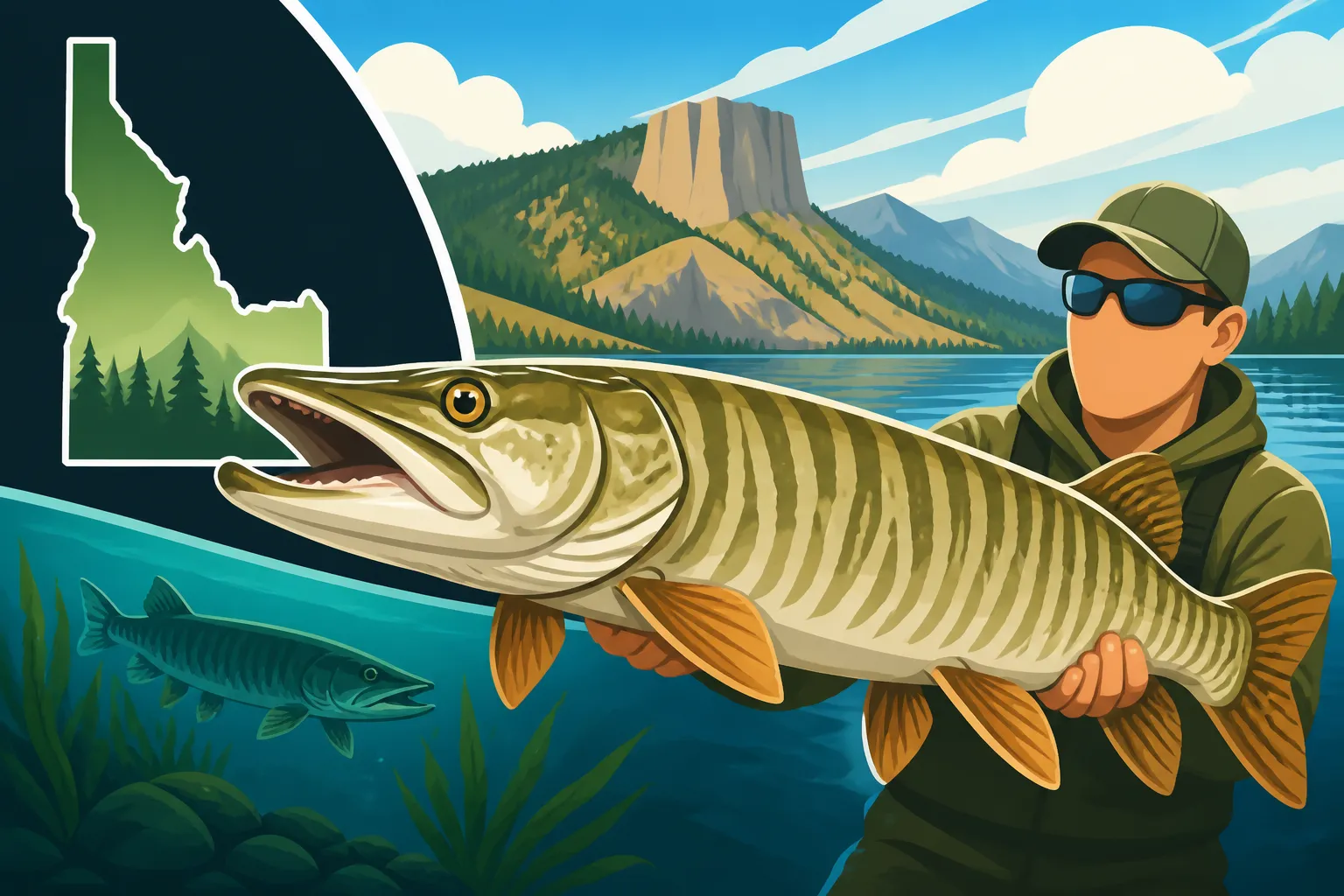
A Tiger Muskie isn't a naturally occurring species; it's a sterile hybrid, meaning it can't reproduce on its own. They're born from a cross between a muskellunge and a northern pike, two powerful predatory fish. This genetic cocktail gives them some truly remarkable traits. They often grow faster than either parent species alone, exhibiting what's known as hybrid vigor. Their distinctive markings—vertical, broken bars resembling tiger stripes—make them easily identifiable and incredibly striking. They're lean, muscular, and built for explosive strikes, making them an incredible sport fish. They bring a unique blend of the muskie's elusive nature and the pike's aggressive feeding habits, which means they can be challenging but incredibly rewarding to target.
Why Cascade Reservoir Became a Muskie Stronghold
The decision to introduce Tiger Muskie into specific waters like Cascade Reservoir was a strategic one, aimed at balancing the ecosystem. For years, fisheries managers looked for a way to control abundant populations of undesirable rough fish, like various suckers or large pikeminnows, which can compete with or prey on native or more desired game fish species. Since Tiger Muskie are voracious predators, they were seen as an excellent biological control. They grow large quickly and have a massive appetite, making them highly effective at culling overcrowded baitfish populations. Plus, because they are sterile, there's no risk of them overpopulating or becoming an invasive species themselves. Cascade Reservoir, with its vast stretches of water and plentiful forage, provided the perfect environment for these fish to establish a healthy, self-sustaining (through stocking) fishery that quickly became a draw for anglers seeking a unique challenge. You can learn more about how Cascade Reservoir developed this fishery in our guide on How Cascade Reservoir Got Its Tiger Muskie Fishery.
Typical Size Range of Tiger Muskie at Cascade Reservoir
When you're dreaming of landing a Tiger Muskie at Cascade, the first question on everyone's mind is, "How big do they really get?" The answer is, pretty darn big! But it's also important to have realistic expectations for what you might encounter on an average day.
What Anglers Can Generally Expect
Most anglers hitting Cascade Reservoir for Tiger Muskie will encounter fish in the 30 to 40-inch range. These are robust, powerful fish that put up a fantastic fight. A muskie in this size class is already an impressive catch, showcasing their strength and aggressive nature. They'll test your gear and your angling skills, often making multiple powerful runs and head shakes right at the boat. Landing one of these "mid-sized" tigers is a significant accomplishment and often requires a proper net and careful handling to ensure a healthy release. They're typically quite thick for their length, indicating a healthy and well-fed population in the reservoir.
The True Trophy Potential of Cascade Muskie
While 30-40 inches is common, Cascade Reservoir is renowned for its potential to produce true trophy-class Tiger Muskie. Fish exceeding 45 inches are regularly reported, and muskie pushing—or even breaking—the 50-inch mark are not unheard of. These are absolute giants, massive predatory fish that stand as a testament to the rich forage base and excellent growing conditions in Cascade. Landing a muskie over 50 inches is often considered a once-in-a-lifetime achievement for many anglers, requiring dedication, patience, and often a bit of luck. These fish have immense girth and power, and they demand respect, both in the fight and during the crucial release process. They truly are the apex predators of the reservoir, and catching one is an experience you won't soon forget. If you're wondering how they compare to other species, check out our Idaho Fish Species Guide.
Factors Influencing Tiger Muskie Growth
A fish doesn't just grow big out of thin air. Several key environmental and biological factors play a significant role in how large a Tiger Muskie can get in Cascade Reservoir. Understanding these can give you a better appreciation for the fishery and maybe even inform your fishing strategy.
Abundant Food Sources
One of the primary reasons Tiger Muskie thrive and grow to such impressive sizes in Cascade Reservoir is the sheer abundance of available food. Cascade is a fertile reservoir, home to vast populations of forage fish like yellow perch, various minnows, and smaller trout. These smaller fish provide a constant, high-protein diet that allows the muskie to pack on pounds and length rapidly. Think of it like a kid in a candy store, but the candy is live, swimming protein. A muskie's diet is almost exclusively other fish, and the more easily accessible and plentiful that food source is, the faster and larger they will grow. This rich food web is the backbone of Cascade's robust muskie fishery.
Water Temperature and Growing Seasons
Like all cold-blooded creatures, a Tiger Muskie's metabolism is heavily influenced by water temperature. In Idaho's climate, Cascade Reservoir experiences distinct seasons, with warm summers and cold winters. The longer the period of optimal water temperatures (typically late spring through early fall), the longer the "growing season" for these fish. During these warmer months, muskie are more active, feed more frequently, and expend more energy, which in turn leads to more growth if food is abundant. Conversely, during the colder winter months, their metabolism slows down, and while they still feed, their growth rate decreases significantly. The balance of a long, productive summer growing season combined with ample forage is crucial for reaching those impressive lengths.
Age and Genetics
While Tiger Muskie are known for their hybrid vigor, their ultimate size still comes down to a combination of their age and the genetic lottery. Older fish, naturally, have had more time to grow, assuming they've had consistent access to food and survived predation (though they're pretty much at the top of the food chain as adults). A fish that is, say, 7-10 years old will almost certainly be larger than a 3-year-old muskie, given similar conditions. Beyond age, the specific genetic makeup of the individual fish can play a role. While all Tiger Muskie are a cross of northern pike and muskellunge, there can be slight variations in growth potential between individuals. Some fish are simply "built" to grow larger and faster than others, much like in any other animal population. This combination of reaching a ripe old age and having good genetics is what ultimately produces those truly monster muskie.
How to Fish for Cascade Reservoir Tiger Muskie
Chasing these formidable predators requires a specific approach and the right gear. It's not your everyday trout fishing, and coming prepared can make all the difference between a frustrating day and an unforgettable experience.
Essential Gear for Monster Muskie
When targeting Tiger Muskie, you'll want to beef up your tackle considerably. Forget your ultralight trout rods; we're talking heavy-duty here. A good muskie setup typically includes a stout, fast-action casting rod, usually 7 to 9 feet long, capable of handling large lures and powerful fish. Pair this with a robust baitcasting reel spooled with at least 80-100 pound braided line. The heavy braid is essential for casting massive baits and providing the backbone needed to turn a big fish. Don't forget strong, wire or heavy fluorocarbon leaders (at least 80-100 lb test) to prevent their razor-sharp teeth from cutting your main line. A large, rubberized net designed for muskie is also critical for landing these fish safely and minimizing harm. Many anglers find reliable, specialized gear like this on online retailers such as Amazon, which offers a wide selection of muskie-specific rods, reels, and lures.
Popular Techniques and Lures
Tiger Muskie respond well to a variety of large, flashy, and noisy presentations designed to trigger their predatory instincts. Trolling is a very effective method in Cascade, covering large areas with big crankbaits, swimbaits, or even oversized spoons. Look for submerged structures, weed lines, and transition areas where baitfish might congregate. Casting large bucktails, oversized spinnerbaits, or glide baits near these structures can also be highly productive. These lures create a lot of vibration and flash, mimicking fleeing prey. The key is often persistence and varying your retrieve to find what triggers a strike on a given day. Sometimes, a slow, methodical retrieve is best, while other times a fast, erratic burn will get their attention. Understanding the nuances of How to Catch Tiger Muskie at Cascade Reservoir can really boost your success.
Safe Handling and Release Practices
Because Tiger Muskie are a put-and-take fishery (meaning they rely on stocking, not natural reproduction) and often targeted for their trophy size, safe handling and immediate release are paramount to ensuring the health and future of the fishery. These fish are incredibly powerful and have mouths full of sharp teeth, so extreme caution is necessary.
Always use a large, knotless, rubberized landing net to bring the fish aboard, keeping it in the water as much as possible. Use long-nosed pliers or a jaw spreader to remove hooks. Never use your bare hands to reach into a muskie's mouth. If possible, keep the fish in the water for photos, or lift it horizontally with both hands—one supporting the head and the other supporting the tail—for a quick shot before releasing it gently. Avoid dragging the fish over boat gunwales or dry surfaces, as this can remove their protective slime coat. The quicker and gentler the release, the better the chances of survival for these magnificent fish.
Trophy Potential and Expectations
So, with all this talk about big fish, what's a realistic expectation for a "trophy" Tiger Muskie from Cascade, and what does it take to get one?
Defining a "Trophy" Tiger Muskie
While any muskie caught is a triumph, in the world of Cascade Reservoir Tiger Muskie, a "trophy" typically starts around 45 inches. A fish of this length is truly substantial, demanding significant effort and skill to land. Anything over 48 inches is considered exceptional, and a muskie hitting or exceeding 50 inches is often a fish that will be etched into an angler's memory for a lifetime. These are not just long fish; they are typically very girthy, powerful specimens that represent years of growth in a rich environment. The Idaho Fish and Game often recognizes fish over certain lengths as master angler awards, further solidifying what constitutes a significant catch.
Records and Realistic Achievements
Idaho maintains state records for various fish species, and while chasing a state record is certainly a possibility for dedicated anglers, it's an incredibly rare achievement. The current state record Tiger Muskie from Idaho waters is a truly monumental fish, often close to or exceeding the 40-pound mark. While Cascade Reservoir certainly has the capacity to grow fish of that caliber, catching one requires an extreme combination of skill, time on the water, and sheer luck.
| Size Category | Length Range (Approx.) | Weight Range (Approx.) | Angler Experience |
|---|---|---|---|
| Average | 30-40 inches | 8-15 pounds | Common, great fight |
| Large | 40-45 inches | 15-25 pounds | Solid achievement |
| Trophy | 45-49 inches | 25-35 pounds | Significant catch |
| Giant | 50+ inches | 35+ pounds | Lifetime fish |
For most anglers, the realistic achievement is to consistently catch fish in the 30-45 inch range and maybe, just maybe, connect with one of those truly massive 50-inch plus specimens that Cascade is famous for. The key is to enjoy the process, learn the water, and appreciate every fish, regardless of its size. After all, it's the hunt, the challenge, and the explosive strike that makes muskie fishing so addictive, and Cascade Reservoir offers one of the best opportunities in Idaho to experience it. If you're planning a trip, be sure to check Idaho Fishing Season Dates and Limits to make sure you're compliant with all regulations.
Disclaimer
This article is for general informational purposes only and does not constitute professional advice. Laws, prices and regulations vary by location and change over time. Consult a qualified professional for guidance on your specific situation.