Which Idaho Species Are Self-Sustaining Without Stocking
It’s easy to look at the sheer volume of fish stocked across Idaho and think that every great fishing experience here relies on hatchery trucks. And while stocking certainly plays a huge role in providing abundant opportunities, especially for popular species like rainbow trout, many of Idaho’s most cherished and ecologically significant fish populations thrive entirely on their own, sustained by the wild rivers and pristine lakes they call home. This guide will dive deep into these resilient species, helping you appreciate the true wild heart of Idaho's fisheries and understand which ones flourish without any human intervention.
The Heart of Idaho: Understanding Self-Sustaining Fish Populations
When we talk about "self-sustaining" fish populations, we're not just talking about fish that manage to survive. We're talking about populations that successfully reproduce, grow, and maintain healthy numbers over generations without the need for supplemental stocking from hatcheries. These are the fish that are truly at home in their environment, perfectly adapted to Idaho's diverse waters, from the raging Snake River to the quiet, high-alpine lakes. For many anglers, catching a wild, self-sustaining fish feels like a deeper connection to nature, a testament to the health and resilience of Idaho's ecosystems.
What "Self-Sustaining" Truly Means
A self-sustaining fish population implies a complete lifecycle within its natural habitat. This means adult fish spawn successfully, eggs hatch, fry survive, and juvenile fish grow to maturity, eventually reproducing themselves. It's a natural cycle, driven by instinct and environment, completely independent of human stocking efforts.
For example, think about the native cutthroat trout in many of our mountain streams. They've been there for thousands of years, navigating the same currents, eating the same insects, and spawning in the same gravel beds, year after year. They don't need a hatchery truck to drop them off; they are the river, in a very real sense. This natural process is often far more complex and robust than hatchery-reared fish can replicate, leading to genetically stronger and more adaptable populations. These fish are often more challenging to catch too, which is part of their allure.
The Ecological Importance of Wild Populations
These wild populations are the bedrock of Idaho's aquatic ecosystems. They are indicator species, meaning their health can tell us a lot about the overall health of a river or lake. A thriving population of native fish signals good water quality, intact habitat, and a balanced food web. Conversely, declines in these populations can be an early warning sign of environmental problems like pollution, habitat destruction, or climate change impacts.
Protecting and understanding these self-sustaining fish isn't just about fishing; it's about preserving the entire natural heritage of Idaho. It means maintaining cold, clean water, protecting spawning grounds, and ensuring river flows that mimic natural patterns. When you catch a wild fish, you're not just catching a meal or a trophy; you're holding a piece of Idaho's natural history in your hands, a testament to what nature can achieve when given the space to flourish. It underscores the importance of adhering to regulations like those detailed in Idaho Fishing Regulations Explained and understanding Idaho Catch Limits and Bag Limits Explained.
Idaho's Wild Gems: Species That Thrive Without Hatchery Help
Idaho is blessed with incredible natural beauty, and much of that beauty is reflected in its diverse aquatic life. While some species benefit greatly from stocking programs, many of our most iconic fish truly embody the wild spirit of the Gem State, maintaining their populations without any assistance from hatcheries. These are the species that inspire awe and fuel countless adventures for anglers seeking a genuine connection to Idaho's untamed landscapes.
Native Cutthroat Trout: The Icon of Idaho's High Country
Idaho is home to two distinct native subspecies of cutthroat trout: the Westslope Cutthroat and the Yellowstone Cutthroat. These beautiful, vibrant fish are the official state fish of Idaho, and for good reason. They are the quintessential self-sustaining species, perfectly adapted to the cold, clear waters of our mountain streams and high-alpine lakes. You won't find a hatchery stocking a remote Sawtooth Mountains lake with Westslope Cutthroat; they've been there for centuries, living and breeding entirely on their own.
- Westslope Cutthroat Trout: Found primarily in the northern and central drainages, including the Salmon, Clearwater, and St. Joe rivers, these trout prefer pristine, cold-water streams. They are opportunistic feeders, thriving on insects, small fish, and crustaceans. Their natural spawning migrations in spring ensure the continuation of their populations. Anglers often pursue them with dry flies, and the thrill comes from finding a truly wild, native fish in its untouched habitat. For more on these incredible fish, check out our Idaho Cutthroat Trout Fishing Guide.
- Yellowstone Cutthroat Trout: Prevalent in the eastern drainages, particularly the Snake River plain and tributaries flowing into Yellowstone National Park, these cutthroat are known for their resilience. They can tolerate a wider range of habitats, from small streams to larger rivers and even some lakes. Like their Westslope cousins, they reproduce naturally, with strong spawning runs ensuring healthy numbers. Their distinctive crimson "cut" mark below the jaw makes them unmistakable.
Both subspecies are critical components of their ecosystems, and their continued self-sufficiency is a testament to the health of Idaho's wilderness areas. Catching one is a privilege, often requiring a hike into the backcountry, and always a reminder of the importance of catch-and-release practices in sensitive areas.
White Sturgeon: Ancient Giants of the Snake River
Perhaps one of Idaho's most awe-inspiring self-sustaining species is the White Sturgeon. These prehistoric giants, the largest freshwater fish in North America, have plied the depths of the Snake River for millions of years. Their sheer size and longevity—some can live over 100 years—make them a truly remarkable fish, and one that is entirely wild in Idaho. You won't find sturgeon hatcheries here; every sturgeon you encounter in the Snake River is a product of natural reproduction.
The Snake River system provides the ideal habitat for sturgeon, with deep pools, abundant forage, and suitable spawning gravel. However, their populations have faced challenges, leading to strict conservation measures. Today, sturgeon fishing in Idaho is exclusively catch-and-release, often requiring specialized heavy tackle and barbless hooks to ensure their survival. This species is a living relic, and their ability to sustain themselves underscores the vital importance of protecting the Snake River's ecosystem. Learning about Why Snake River Sturgeon Fishing Is Catch and Release Only and Idaho Rule Against Removing Sturgeon from the Water is crucial for any angler.
Mountain Whitefish: The Unsung Heroes of Coldwater Rivers
Often overlooked by anglers targeting trout and steelhead, the Mountain Whitefish is a truly native and self-sustaining species found throughout Idaho's coldwater rivers and streams. These fish are incredibly numerous in systems like the Salmon, Clearwater, and Snake rivers, and they play a vital role in the food chain. They feed on insects and small invertebrates, often schooling in deeper runs and riffles.
While not typically sought after for their fighting prowess, whitefish offer consistent action, especially during colder months when trout can be less active. They reproduce naturally in these river systems, maintaining robust populations year after year. They are a sign of a healthy, functioning river environment, preferring clear, well-oxygenated water. Many anglers enjoy catching them for their mild, flaky white meat, making them a delicious and accessible wild fish. They're often caught on small nymphs or worms.
Smallmouth Bass: Introduced but Now Wildly Successful
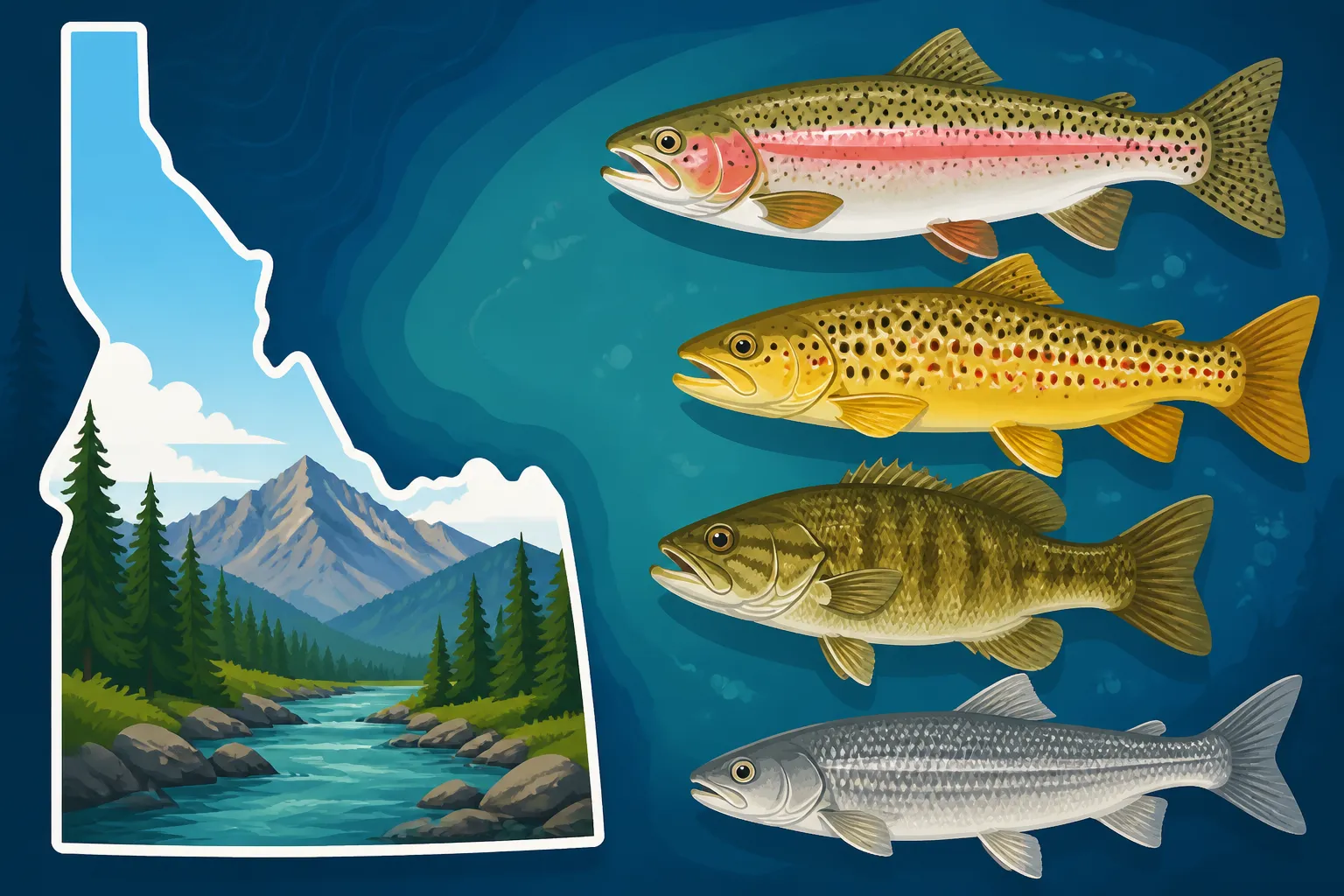
While not native to Idaho, Smallmouth Bass have established incredibly strong, self-sustaining populations in many of the state's rivers and reservoirs, particularly in the Snake and Clearwater river systems. These feisty fighters were introduced decades ago and have since thrived, adapting remarkably well to Idaho's warmer water environments and rocky river sections.
Smallmouth bass are prolific spawners, creating nests in rocky areas and guarding their eggs and fry. This natural reproductive cycle means that the fantastic bass fishing you experience in places like the Snake River Canyon is entirely self-sufficient. They don't need stocking; they're busy making more bass on their own! Their aggressive strikes and powerful fights make them a favorite among many anglers, providing consistent action throughout the warmer months. A good selection of lures like crankbaits, jigs, and soft plastics can be found on Amazon, and are highly effective for these wild, hard-fighting fish.
Here’s a quick overview of some of Idaho’s prominent self-sustaining fish species:
| Species | Native Status | Primary Habitat | Key Characteristics | Angling Focus |
|---|---|---|---|---|
| Westslope Cutthroat Trout | Native | Cold, clear mountain streams | Red slash under jaw, small spots, vibrant colors | Fly fishing (dry flies, nymphs), light spin gear |
| Yellowstone Cutthroat Trout | Native | Eastern Idaho rivers/lakes | Red slash, larger spots, resilient | Fly fishing, spin fishing |
| White Sturgeon | Native | Deep pools of Snake River | Ancient, enormous, bony plates, long lifespan | Heavy tackle, catch-and-release, specific bait |
| Mountain Whitefish | Native | Coldwater rivers/streams | Small mouth, silvery, prominent scales | Nymphs, worms, small jigs |
| Smallmouth Bass | Introduced | Rocky rivers, warm reservoirs | Bronze body, dark vertical bars, strong fighter | Lures (crankbaits, jigs), live bait, fly fishing |
| Bull Trout | Native | Very cold, pristine mountain lakes/rivers | Char, pale spots, protected, requires specific care | Highly regulated, catch-and-release only, often restricted |
Note: While Steelhead are migratory rainbow trout and their wild populations are self-sustaining in their native spawning grounds, many Idaho steelhead fisheries rely on hatchery supplementation for harvest opportunities. Wild steelhead are heavily protected and must be released. See How to Tell a Hatchery Steelhead from a Wild One in Idaho for identification details.
Bull Trout: A Protected Native Success Story
Idaho's native Bull Trout are truly special. These beautiful char require extremely cold, clean, and complex habitats, making them excellent indicators of wilderness health. While once threatened, focused conservation efforts and strict regulations have allowed their wild populations to rebound in many areas. Bull Trout are entirely self-sustaining in Idaho; they are never stocked.
Angling for bull trout is often highly regulated and typically catch-and-release only, with specific gear restrictions (like single, barbless hooks). They are apex predators in their ecosystems, preying on other fish. Catching a bull trout is a rare and rewarding experience, highlighting the success of conservation efforts and the importance of adhering to rules designed to protect them. Understanding What Idaho's Bull Trout Protections Mean for Anglers is vital before targeting this incredible species.
Factors That Allow Fish to Thrive Without Stocking
So, what makes certain Idaho fish populations so robust and resilient that they don't need hatchery intervention? It's not magic; it's a delicate balance of environmental factors, natural processes, and, increasingly, thoughtful human management and conservation efforts. Understanding these elements helps us appreciate why some waters are teeming with wild fish, while others might rely on stocking to maintain recreational opportunities.
Pristine Habitat and Water Quality
This is arguably the most crucial factor. Self-sustaining fish populations need healthy homes. For Idaho, that means:
- Clean, Cold Water: Species like cutthroat trout and bull trout absolutely depend on cold, unpolluted water to survive and reproduce. Sediment from erosion, chemical runoff, or increased water temperatures from climate change can devastate these sensitive ecosystems. The wild fish thrive where the water runs pure, coming straight off the mountains.
- Intact Spawning Grounds: Fish need specific types of substrate—often gravel beds—and adequate water flow for successful spawning. Dams, culverts that block fish passage, or development along riverbanks can destroy these critical areas, breaking the natural reproductive cycle. When fish can access and utilize natural spawning habitat freely, they can maintain their own numbers.
- Complex River and Lake Structures: This includes a mix of deep pools for refuge, riffles for feeding, undercut banks for cover, and woody debris for habitat complexity. A diverse habitat provides everything a fish needs throughout its life cycle, from tiny fry to large adults. Rivers like the St. Joe River for Cutthroat Trout are prime examples of this ecological richness. Without these diverse features, even the hardiest fish would struggle to find food, shelter, and safety from predators.
Balanced Ecosystems and Food Webs
A healthy, self-sustaining fishery isn't just about the fish; it's about the entire ecosystem supporting them.
- Abundant Forage: Wild fish need a consistent and varied food supply. This could be aquatic insects, terrestrial insects falling into the water, smaller baitfish, or even crayfish. When the lower levels of the food web are healthy, the fish at the top thrive. For instance, the sheer number of insects available in a healthy mountain stream directly correlates to the health and size of its trout population.
- Natural Predator-Prey Dynamics: In a balanced ecosystem, natural predators (like ospreys, otters, or larger fish) help keep fish populations healthy by culling weaker individuals. This natural selection ensures that the strongest and most adaptable fish survive to reproduce, strengthening the gene pool over time. This cycle, though sometimes harsh, is essential for long-term population health.
Effective Conservation and Management
While self-sustaining populations don't need stocking, they absolutely benefit from and often require human stewardship.
- Protective Regulations: Laws that dictate catch limits, season dates, gear restrictions (like mandating barbless hooks for certain species), and catch-and-release requirements are vital. These regulations prevent overfishing and protect critical spawning periods, allowing wild populations to maintain their numbers. The rules for Idaho Sturgeon Fishing Rules are a perfect example of strict regulations designed to protect a vulnerable, self-sustaining species.
- Habitat Restoration Efforts: Even in relatively pristine areas, human activities can impact habitat. Efforts to restore riparian zones, remove outdated dams, improve fish passage, and manage water resources sustainably directly benefit wild fish. These actions help to repair damage and ensure that natural processes can continue unimpeded.
- Public Awareness and Angler Ethics: Educating anglers about the importance of wild fish, proper handling techniques for catch-and-release, and ethical fishing practices is key. Every angler who practices responsible fishing contributes to the health of these self-sustaining populations. Choosing to support conservation efforts, even through something as simple as purchasing a quality fishing net that minimizes harm to fish from a retailer like Amazon, can make a difference.
By understanding and respecting these factors, we can all play a role in ensuring that Idaho's incredible self-sustaining fish populations continue to thrive for generations to come. This means recognizing the value of Idaho Fishing Rules for the Salmon River Explained and other localized regulations that protect these unique species.
Respecting and Engaging with Idaho's Wild Fisheries
Fishing for wild, self-sustaining fish in Idaho offers a profound and deeply rewarding experience. It's a chance to connect with nature on a fundamental level, to test your skills against fish that have never seen a hatchery, and to witness the raw beauty of Idaho's untamed landscapes. But with this privilege comes a responsibility: to respect these wild populations and ensure their health for future generations.
Ethical Angling Practices for Wild Fish
When you're targeting fish that are entirely self-sustaining, especially native species, ethical angling takes on an even greater importance. These fish are not easily replaced, and every effort must be made to minimize stress and mortality, particularly if you intend to release them.
- Catch and Release Best Practices: For many wild fish, especially protected species like Bull Trout or Sturgeon, catch-and-release is not just encouraged, it's often legally mandated. Use barbless hooks, land fish quickly to minimize exhaustion, keep them in the water as much as possible, and handle them gently with wet hands. Avoid squeezing them or touching their gills. If you must take a photo, do it swiftly and with the fish partly submerged. Understanding How to Release a Sturgeon Safely in Idaho is a prime example of species-specific best practices.
- Appropriate Gear: Using gear that is properly matched to the size of the fish you expect to catch helps to land them quickly and reduces stress. Overly light tackle can prolong the fight, exhausting the fish and reducing its chances of survival post-release. Conversely, using gear that’s too heavy can make the experience less sporting. For delicate fly-fishing for wild trout, ensure your leader and tippet are strong enough to manage the fight without causing unnecessary damage. You can find a wide array of appropriate fly-fishing equipment on Amazon.
- Respecting Spawning Seasons: While regulations often account for spawning closures, it's always good practice to be mindful of fish behavior. If you notice fish actively spawning in shallow areas, it's best to avoid disturbing them, even if the season is technically open. Let nature take its course without interference.
Exploring Idaho's Wild Fishing Opportunities
Idaho offers a seemingly endless array of opportunities to pursue self-sustaining fish. From backpacking into remote wilderness areas to find pristine cutthroat streams to floating vast river systems in search of smallmouth bass or sturgeon, there's an adventure for every type of angler.
- High Mountain Lakes and Streams: These are the strongholds of native cutthroat trout. Think of places deep within the [Sawtooths] or the Frank Church Wilderness. Access often requires a hike, sometimes multi-day trips, but the reward of catching a wild, vividly colored trout in an untouched alpine setting is unparalleled. Pack light, be prepared for changing weather, and carry a good map.
- Major River Systems: The Snake, Salmon, and Clearwater rivers are fantastic places to encounter wild populations. The Snake River, for example, is famous for its self-sustaining populations of Smallmouth Bass and its legendary White Sturgeon. Drifting these rivers in a boat or even fishing from shore in accessible areas can provide incredible action. Understanding specific river rules like Idaho Fishing Rules for the Snake River Explained is key to a successful trip.
- Lesser-Known Tributaries: Don't overlook the smaller creeks and tributaries that feed into larger rivers. These can often hold surprisingly robust populations of wild trout, especially Westslope Cutthroat, and offer a more intimate fishing experience away from the crowds. Researching local maps and current conditions can reveal hidden gems.
Remember, the goal when fishing for self-sustaining species isn't just to catch a fish, but to be a part of something bigger – to connect with Idaho's wild heritage and to contribute to its preservation. Every mindful cast and every careful release helps ensure these incredible populations continue to thrive for generations to come. If you're planning a trip to one of Idaho's truly wild fishing spots, consider consulting Idaho Fishing Guides and Charters Directory to find an experienced professional who can help you navigate these unique waters responsibly.
Disclaimer
This article is for general informational purposes only and does not constitute professional advice. Laws, prices and regulations vary by location and change over time. Consult a qualified professional for guidance on your specific situation.