How Smallmouth Bass Got into Idaho Rivers
It can be incredibly frustrating to head out to your favorite Idaho river, expecting to find the native trout or whitefish you've always chased, only to discover a completely different fish dominating the waters. Many anglers wonder how certain non-native species, like the feisty smallmouth bass, became so prevalent in Idaho's diverse river systems. This guide will dive deep into the history of smallmouth bass introductions, explaining how they arrived, why they've thrived, and the ongoing impacts on Idaho's aquatic ecosystems.
The Intentional Introduction of Smallmouth Bass to Idaho
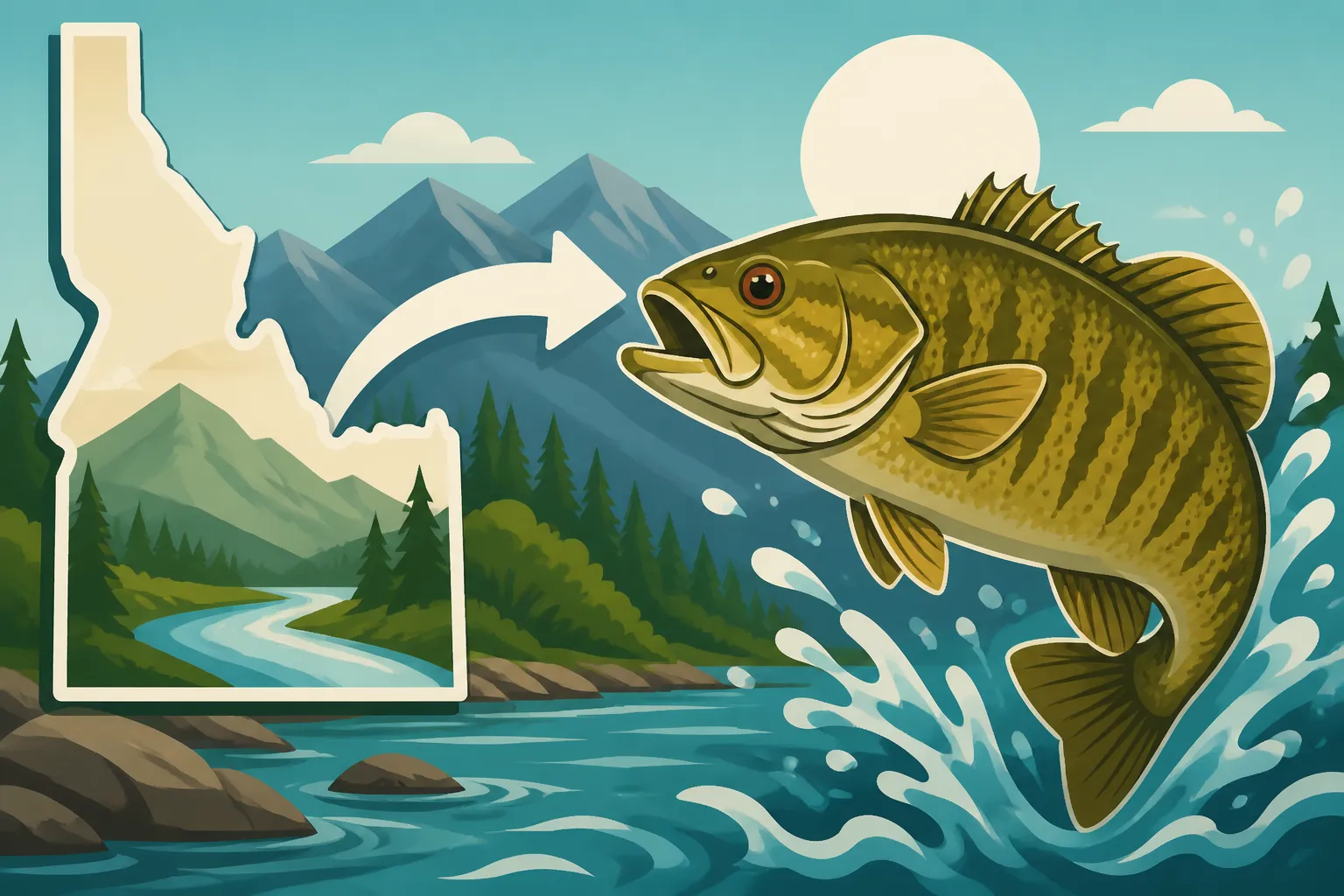
The presence of smallmouth bass in Idaho's rivers isn't some accident of nature or a random migration from afar. Their journey into the Gem State's waters was largely orchestrated by human hands, driven by a desire to diversify fishing opportunities and provide a popular game fish for anglers. This wasn't unique to Idaho; many states across the U.S. actively introduced various species throughout the late 19th and 20th centuries.
Early Stocking Programs and Intent
Back in the late 1800s and early 1900s, there was a widespread belief among fisheries managers and angling enthusiasts that introducing new, desirable game fish could only enhance recreational opportunities. The idea was simple: if a fish was popular elsewhere and could survive in Idaho's climate and waters, why not bring it in? Smallmouth bass, known for their aggressive strikes and hard-fighting nature, were a prime candidate. They were already a beloved sport fish in their native East Coast and Midwest ranges, and it was thought they would provide excellent angling in waters that might not sustain trout as well or to simply offer variety.
These early stocking efforts were often done with good intentions, aiming to fill perceived "empty niches" or to create fisheries in areas that lacked popular game species at the time. Sometimes, it was federal hatcheries involved, and other times it was state agencies, or even private citizens and angling clubs. They'd transport smallmouth in tanks, often by train, and release them into promising rivers and lakes, hoping they would establish self-sustaining populations. The goals were clear: boost tourism, increase recreational fishing, and cater to a growing population of anglers eager for new challenges.
Spreading Beyond Initial Stocking Sites
Once introduced, smallmouth bass proved remarkably adaptable. Idaho's rivers, with their diverse habitats ranging from rocky riffles to deep pools and moderate water temperatures, provided ideal conditions for them to thrive. Unlike some species that require very specific environments, smallmouth are pretty resilient. They reproduce readily, grow quickly, and are efficient predators. This natural hardiness meant that even if initial stocking efforts were localized, the fish themselves had a knack for spreading.
Floods, interconnected waterways, and even angler bucket biology (the illegal transfer of fish by individuals from one water body to another) contributed to their expansion. A handful of bass released in one section of the Snake River, for example, could slowly but surely populate miles of river, moving downstream, finding new spawning grounds, and establishing new colonies. Over decades, this natural dispersion, aided by continued (and sometimes unauthorized) human introductions, allowed smallmouth to colonize vast stretches of Idaho's major river systems like the Snake, Clearwater, and Salmon. You might even find them in surprising numbers in reservoirs fed by these rivers, expanding their territory even further. This is how a species that wasn't native came to be so widespread in so many of our beloved fishing spots.
Smallmouth Bass Establish a Foothold
Once introduced, smallmouth bass didn't just survive; they thrived. Their adaptability, aggressive feeding habits, and prolific reproduction rates allowed them to rapidly establish strong populations throughout many of Idaho's river systems, carving out a significant niche for themselves and creating a whole new type of fishing experience for anglers across the state.
The Angler's Perspective: A New Game Fish Emerges
For many anglers, the arrival of smallmouth bass was a welcome development. Known for their sheer fighting power, especially on lighter tackle, smallmouth quickly gained a reputation as an exciting and accessible game fish. Imagine a hot summer day on the Snake River. The trout might be hunkered down in deeper, cooler water, but the smallmouth are often active, smashing topwater lures or aggressively hitting soft plastics. They offer a different kind of challenge compared to the delicate presentations often required for trout. This created a new demographic of anglers, and even seasoned trout fishers started carrying a second rod rigged for bass.
The appeal of smallmouth is undeniable: they are generally abundant, can be caught using a variety of techniques, and are incredibly fun to reel in. Their presence opened up new possibilities for fishing trips, especially in warmer waters where trout might struggle. This led to a surge in interest in Idaho Bass Fishing Guide resources and even specific guides for Idaho Smallmouth Bass Fishing. You can easily find an array of tackle and gear specifically for smallmouth fishing, often available on platforms like Amazon, from specialized bass rods to a dizzying selection of lures designed to mimic their preferred prey.
Adapting Techniques for the New Fighters
The introduction of smallmouth also spurred anglers to adapt their techniques. Trout fishing often involves delicate flies, small spinners, or drift fishing with bait. Smallmouth, while sometimes caught on flies, are often targeted with different methods. Soft plastic baits, crankbaits, spinnerbaits, and topwater lures became staples in many Idaho anglers' tackle boxes. Learning to "read" the river for bass structure – rocky points, current breaks, submerged logs – became as important as understanding trout lies.
Anglers learned that smallmouth are structure-oriented, preferring rocky habitats and current breaks where they can ambush prey. This meant focusing on different areas of the river than one might for trout, often targeting ledges, boulders, and confluence areas. Fishing for them required a more aggressive approach, often with heavier gear than typical trout setups. This adaptation of techniques enriched the overall fishing culture in Idaho, adding a vibrant, active dimension to what was already a diverse angling landscape. Many anglers now consider the Snake River for Smallmouth Bass and Sturgeon to be a prime location for these spirited fish.
Ecological Considerations and Management Challenges
While smallmouth bass brought new recreational opportunities, their introduction wasn't without ecological consequences. Anytime a non-native species is introduced into an ecosystem, there's a ripple effect, and smallmouth were no exception. Understanding these impacts is crucial for responsible fisheries management.
Impact on Native Fish Populations
One of the primary concerns with smallmouth bass is their predatory nature and competition with native species. Smallmouth are opportunistic feeders, and their diet can include insects, crayfish, and, critically, smaller fish. In rivers where native trout, sculpin, or juvenile salmon and steelhead populations exist, smallmouth can become a significant predator. They might consume young fish, outcompete native species for food resources, or even disrupt spawning behaviors of other fish.
For instance, in some river systems, biologists have observed smallmouth bass preying on juvenile salmonids, particularly in warmer sections where their habitats overlap. This can add another layer of pressure to already struggling native populations like certain runs of Idaho Steelhead Fishing Guide or cutthroat trout. While smallmouth are great sport, their presence can sometimes complicate conservation efforts for Idaho's treasured native fish.
Management Efforts and Ongoing Debates
Fisheries managers in Idaho now face the complex task of balancing recreational demand for smallmouth bass with the protection of native species. It's a tricky tightrope walk. You have a popular game fish that many people love to catch, but its presence can be detrimental to others. Management strategies often involve monitoring smallmouth populations, sometimes even encouraging harvest in certain areas where they pose a threat to sensitive native species.
However, actively removing or suppressing established smallmouth populations in large river systems is a monumental and often impractical task. Instead, efforts might focus on protecting critical spawning and rearing habitats for native species, or on educating anglers about the impacts of non-native fish. There are ongoing scientific studies examining the precise interactions between smallmouth and native fish, especially in critical habitats like the Clearwater River for Steelhead or sections of the Salmon River, to inform future management decisions.
Ultimately, the smallmouth bass is here to stay in many Idaho rivers. The debate continues among anglers and biologists about how best to manage these dynamic fisheries. Some view them as a valuable asset, while others see them as an ecological burden. Regardless of perspective, it's clear that their introduction has permanently altered the aquatic landscape of Idaho, offering both new joys and new challenges for those who care about the state's incredible fish and waters.
Where Smallmouth Bass Thrive in Idaho Rivers
Idaho's diverse river systems offer a variety of habitats, and smallmouth bass have successfully colonized many of them. While you might stumble upon a smallmouth in unexpected places, certain rivers and stretches are particularly well-known for their thriving populations of these bronze-backed fighters. Knowing these hotspots can help you plan your next angling adventure, or at least know what to expect when you're targeting other species.
Prime Smallmouth River Systems
When we talk about smallmouth bass in Idaho, the Snake River immediately comes to mind. This mighty river, especially in its lower reaches and sections with rocky bottom structure, is practically synonymous with smallmouth bass fishing. From the areas near Hells Canyon all the way down through the southwestern part of the state, the Snake offers miles of prime habitat. The river's varied flow, abundant insect and crayfish populations, and numerous rock formations provide everything a smallmouth needs to flourish. Anglers consistently report fantastic action for smallmouth on the Snake, often catching large numbers of fish in a single outing. It's truly a bass angler's paradise in many stretches.
Beyond the Snake, other significant river systems also boast healthy smallmouth populations. The Clearwater River, particularly its lower sections, has a strong smallmouth presence, especially during the warmer months. While often celebrated for its incredible steelhead and salmon runs, the bass offer a fantastic alternative or a fun diversion when targeting anadromous species. The Salmon River, especially in its lower, warmer sections before it flows into the Snake, also holds good numbers of smallmouth. These rivers often provide excellent access, allowing anglers to explore numerous stretches by boat or from the bank. If you're looking for Where to Fish for Smallmouth Bass on the Snake River, you'll find plenty of information and local knowledge available.
Identifying Ideal Smallmouth Habitats
Smallmouth bass are not fans of slow, muddy waters or extremely cold, fast-flowing mountain streams that are ideal for trout. Instead, they prefer clear to moderately turbid water with a good current, and critically, plenty of rocky structure. Think about areas with boulders, gravel bars, ledges, and riprap (rocks placed along the bank to prevent erosion). These features provide ambush points for hunting prey, protection from strong currents, and perfect spots for spawning. They also like current breaks, where the water slows down just enough to rest and wait for food to drift by.
When you're out on the water, pay attention to these key features:
- Rocky shorelines and points: Where the current deflects around rock formations.
- Submerged timber or brush: Though not as dominant a preference as rocks, wood can also hold bass.
- Eddies and current seams: Areas where fast water meets slower water.
- Riffles leading into deeper pools: Bass will often sit at the tailout of a riffle, picking off stunned prey drifting into the pool.
You'll notice a pattern: smallmouth bass are often found in environments that would be tough for many other fish to navigate, which gives them a bit of an edge. Knowing these habitat preferences can significantly improve your chances of locating and catching them. Whether you're casting from shore or drifting in a boat, keep an eye out for these tell-tale signs of prime smallmouth territory. You can even find specific maps and guides on Amazon that detail river contours and potential fish-holding structures for many of Idaho's major waterways.
Frequently Asked Questions About Idaho Smallmouth Bass
Anglers often have a lot of questions about smallmouth bass in Idaho, from their origins to how they impact native fisheries. It's a topic that sparks a lot of conversation, and for good reason! Here are some common queries that pop up.
Are Smallmouth Bass Considered an Invasive Species in Idaho?
This is a nuanced question, and the answer depends on how you define "invasive." Smallmouth bass are definitely non-native to Idaho's rivers. They were introduced, rather than being naturally occurring. However, the term "invasive" often implies a species that causes significant harm to the ecosystem it enters, often outcompeting native species to the point of extinction or drastically altering habitats. While smallmouth bass do compete with and prey on native fish, and can certainly impact local populations, especially sensitive ones like juvenile salmonids or native trout, they are generally not classified with the same level of alarm as something like zebra mussels or certain aquatic weeds.
Many fisheries managers view them as an established, popular game fish that needs to be managed within the context of the entire ecosystem. There are certainly areas where their presence is more problematic for native species than others, and management actions are often localized. The general consensus is that while they are not native, they are a permanent fixture in many Idaho rivers, and their role in the ecosystem is continually evaluated to ensure a balance with conservation goals.
Can You Eat Smallmouth Bass Caught in Idaho Rivers?
Absolutely! Smallmouth bass are generally considered excellent table fare. Their flesh is typically firm, white, and flaky, with a mild flavor that isn't overly "fishy." Many anglers prefer them pan-fried, grilled, or baked. Like any fish, the taste can vary slightly depending on the water quality and diet of the fish, but across Idaho's clean river systems, smallmouth are a delicious catch.
It's always a good idea to check current fishing regulations for any specific consumption advisories for the particular water body you're fishing, just as you would with any other species. However, generally speaking, smallmouth bass from Idaho's rivers are a perfectly safe and tasty option for your dinner plate. They offer not just a thrilling fight but a rewarding meal, too.
How Do Smallmouth Bass Affect the Native Yellowstone Cutthroat Trout in Idaho?
The interaction between smallmouth bass and native Yellowstone Cutthroat Trout can be a point of concern, especially in river systems where their habitats overlap. Yellowstone Cutthroat Trout are a native species to certain parts of Idaho, particularly in the eastern drainages. These trout evolved in ecosystems without the presence of highly aggressive, warm-water predators like smallmouth bass.
Smallmouth can negatively affect cutthroat populations in several ways:
- Predation: Smallmouth will readily prey on juvenile cutthroat trout and their fry.
- Competition for Food: They compete for common food sources like aquatic insects and crayfish.
- Habitat Displacement: While cutthroat prefer cooler water, in transitional zones, smallmouth can dominate the more desirable holding lies, forcing cutthroat into less optimal habitat.
Fisheries managers are particularly vigilant in watersheds that are strongholds for native cutthroat, trying to prevent smallmouth expansion into those areas. If you're fishing in a river known for Yellowstone Cutthroat Trout in Idaho, you might find regulations or recommendations aimed at protecting these sensitive native populations, sometimes even encouraging the harvest of smallmouth. The goal is to minimize any negative impacts and maintain the delicate balance of these unique ecosystems.
| Aspect | Smallmouth Bass (Non-Native) | Native Trout (e.g., Cutthroat) |
|---|---|---|
| Origin in Idaho | Introduced (late 19th/early 20th century) | Native, evolved in Idaho's ecosystems |
| Preferred Habitat | Warmer rivers, rocky structure, current breaks | Colder, clearer streams/rivers, often higher elevation |
| Diet | Insects, crayfish, small fish, amphibians | Insects, small fish, plankton |
| Reproduction Rate | Prolific, often aggressive spawners | Varies by species, often sensitive to habitat changes |
| Fight on Line | Aggressive, hard-fighting, acrobatic | Typically strong runs, can be delicate feeders |
| Ecological Impact | Predator of native fish, competition for food | Integral part of the native food web |
The Future of Smallmouth Bass in Idaho's Rivers
It’s clear that smallmouth bass have become an undeniable part of Idaho's river ecosystems, a legacy of past stocking practices and their incredible adaptability. As we look ahead, the presence of these feisty fish continues to shape both angling opportunities and conservation challenges across the state. Understanding this dynamic is key for any responsible angler or enthusiast of Idaho's outdoors.
Balancing Recreation and Conservation
The biggest challenge facing fisheries managers and conservationists regarding smallmouth bass is finding that sweet spot between providing fantastic recreational fishing opportunities and protecting Idaho's treasured native fish. There’s no easy answer, and solutions often need to be tailored to specific rivers or even sections of rivers. In some areas, like large stretches of the lower Snake River, smallmouth are firmly established, and managing them as a valuable game fish makes sense. They provide a different kind of angling experience that draws many people to the water, offering a strong alternative to trout fishing, especially during warmer months.
However, in other, more sensitive watersheds, particularly those that are critical for Idaho Sockeye Salmon and the Redfish Lake Run or native cutthroat populations, the focus shifts to minimizing their impact. This could mean discouraging their spread, monitoring their populations closely, or promoting catch-and-release practices for native species while encouraging harvest of non-native bass. The ongoing conversation about Native vs Introduced Fish Species in Idaho really comes into play here, emphasizing the need for data-driven decisions and careful planning to preserve the unique biodiversity of Idaho's waters.
What Anglers Can Do
As anglers, we have a vital role to play in this balancing act. First and foremost, always know the regulations for the specific waters you're fishing. Rules on bag limits, size restrictions, and even bait use can vary dramatically from one river to the next, especially in areas with sensitive native fish. You can find comprehensive details in the Idaho Fishing Regulations Explained guide or the annual proclamation. Educating yourself about how to identify different species, particularly distinguishing smallmouth from other bass or even some trout species, is also incredibly important. You can find excellent field guides, often available on Amazon, to aid in identification.
Secondly, practicing responsible angling is paramount. Avoid transferring fish between water bodies, even if you think you're "helping." This practice, often called bucket biology, is one of the primary ways non-native species spread and can cause irreversible damage to ecosystems. If you're targeting smallmouth, enjoy the fight and the table fare! If you're in an area where native species are a concern, consider voluntarily releasing bass or following any specific guidance from Idaho Fish and Game. By being informed and responsible, we can all contribute to healthy fisheries for generations to come, ensuring that Idaho remains a prime destination for all kinds of angling, from chasing tenacious smallmouth to pursuing elusive native trout.
Disclaimer
This article is for general informational purposes only and does not constitute professional advice. Laws, prices and regulations vary by location and change over time. Consult a qualified professional for guidance on your specific situation.