Idaho Rule Against Removing Sturgeon from the Water
It’s a moment every angler dreams of: the heavy thud on the end of your line, the scream of the drag, and then the incredible sight of a massive white sturgeon breaking the surface. These ancient fish, true giants of Idaho’s waters, are an unparalleled catch. But in the excitement, it’s all too easy to forget one crucial rule that Idaho Fish and Game takes incredibly seriously: you cannot remove a sturgeon from the water. This isn't just a suggestion; it’s a strict regulation designed to protect these vulnerable creatures. This guide will dive deep into why this rule exists, what it truly means for you on the water, and how to ensure a responsible, legal, and unforgettable sturgeon fishing experience in Idaho.
The Absolute "Hands-Off" Rule for Idaho Sturgeon
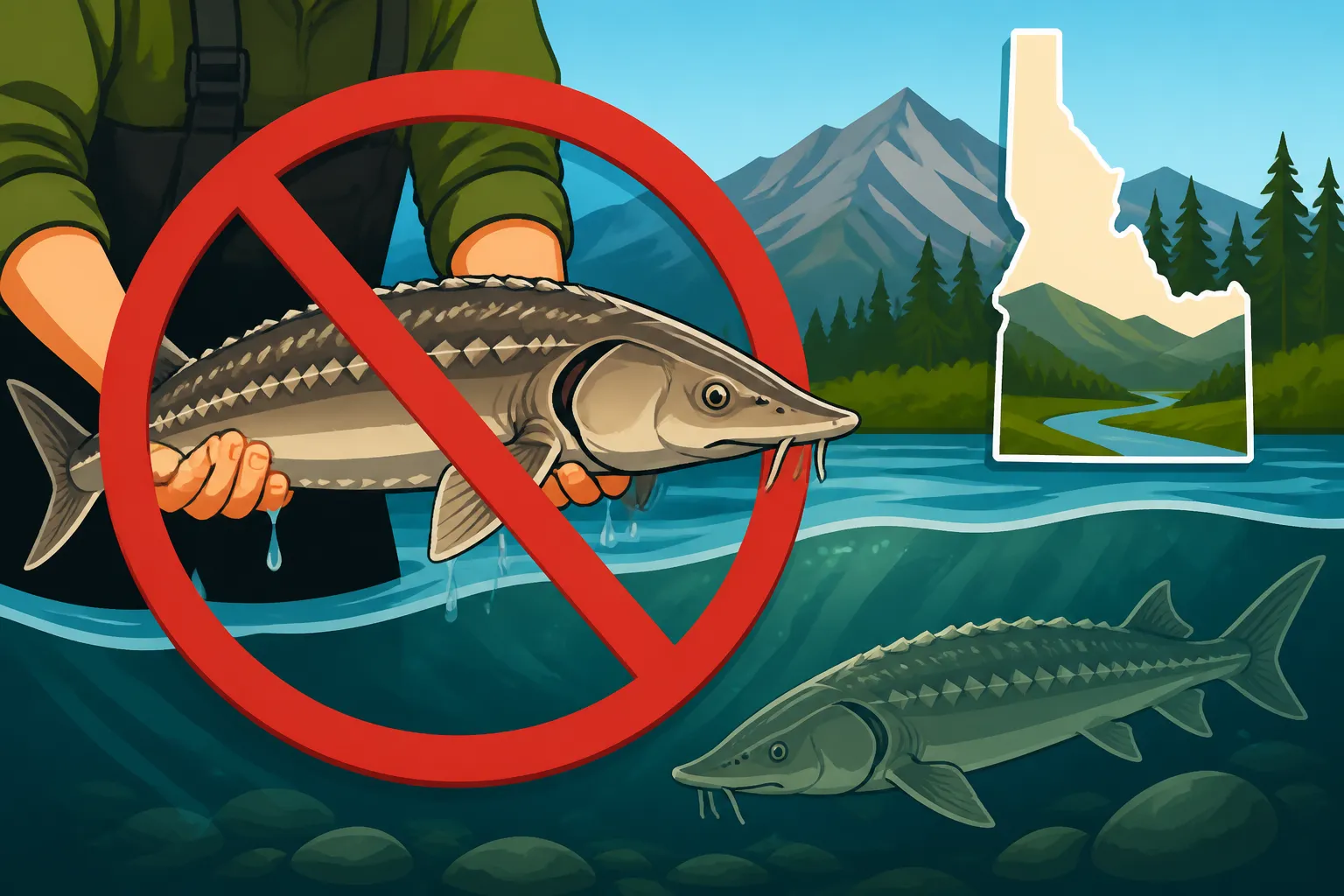
Let’s be honest, seeing one of these magnificent fish up close, especially a true monster that can stretch over ten feet long, makes you want to get a picture, maybe even hold it up proudly. But that instinct, that desire for the classic "grip-and-grin" photo, needs to be overridden entirely when it comes to Idaho sturgeon. The rule is absolute: a sturgeon’s body, from head to tail, must remain submerged in the water at all times.
Why the Rule Exists: Sturgeon Conservation
The reason behind this stringent regulation boils down to pure conservation. White sturgeon are not just big fish; they are living fossils, incredibly long-lived, slow to mature, and highly susceptible to stress. Think about it: a sturgeon can live for over 100 years, taking more than a decade just to reach reproductive maturity. Their populations were decimated in the past due to overfishing for their meat and caviar, and it's taken monumental efforts by agencies like Idaho Fish and Game to bring them back.
When a sturgeon is caught, it undergoes significant stress. Even a short fight on the end of a heavy line, while exhilarating for us, is an intense ordeal for the fish. Pulling a large sturgeon completely out of its buoyant watery environment, even for a few seconds, can cause severe internal damage. Their massive bodies are not designed to support their own weight against gravity in the air. This can lead to crushed organs, damage to the spine, and other injuries that might not be immediately apparent but can be fatal later. The sliminess you feel when you briefly touch them? That's their protective mucus layer, and exposing it to air and handling can compromise their natural defenses against bacteria and disease. This is why Idaho, along with other states, enforces the "Why Sturgeon Fishing on the Snake River Is Catch and Release Only" rule so strictly. It's about giving these incredible fish the absolute best chance of survival after release, ensuring they can continue to thrive and reproduce for generations to come.
What "Not Removing from Water" Actually Means
This rule means exactly what it sounds like: no part of the sturgeon, not its nose, its tail, its belly, or any other section, should leave the water. This applies whether you're standing on the bank of the Snake River, sitting in a boat, or wading in a shallow back eddy.
Consider a few scenarios:
- From a boat: If you're fishing from a boat, you might be tempted to lift the fish over the gunwale. Absolutely not. The fish needs to stay in the water alongside the boat. This usually means someone gets in the water with the fish, or you bring the boat into shallower water where the fish can be more easily managed while submerged.
- From the bank: If you hook a sturgeon from shore, you need to guide it to a shallow, calm area where you can safely access it without lifting it. Sometimes this means wading in yourself, which brings its own challenges, especially with a powerful, thrashing fish.
- Shallow water: Even if you've brought the fish into very shallow water, don't let its back or head break the surface entirely. Its gills need constant water flow to function, and the weight distribution issues remain.
It’s about respecting the fish and understanding that its well-being is paramount. The rule is there to prevent unnecessary harm, and it's a testament to the commitment Idaho has to protect its unique sturgeon fishery.
Practical Techniques for Safe Sturgeon Handling
Responsible sturgeon angling isn't just about avoiding penalties; it's about ethical practice and ensuring the longevity of this incredible fishery. It requires preparation and a clear understanding of how to manage a huge fish without taking it out of the water.
Essential Gear for Responsible Sturgeon Angling
Catching a sturgeon is a serious endeavor, and your gear needs to be up to the task – not just for landing the fish, but for handling it safely while adhering to the rules.
- Heavy-Duty Tackle: Forget your trout rods. You need robust gear designed for fighting large, powerful fish. This means a heavy-action rod, typically 7 to 9 feet long, with a strong backbone. Pair it with a high-capacity reel spooled with at least 80-pound test braided line. Some anglers even go up to 100-150 pound test, especially if targeting truly massive fish in strong currents. You can find excellent options on Amazon, like the Ugly Stik Bigwater series rods or Penn Battle III spinning reels, which are built tough for saltwater and heavy freshwater species. Having adequate line strength means you can land the fish quicker, minimizing its stress and exhaustion.
- Barbless Hooks: This isn't optional; it's a strict requirement for sturgeon fishing in Idaho. Barbless hooks make hook removal much easier and quicker, reducing the time the fish is stressed and handled. You can buy hooks that are already barbless, or simply crimp down the barb on a standard hook with a pair of pliers. This plays directly into the "Why Barbless Hooks Are Required for Idaho Sturgeon" directive.
- Long-Nosed Pliers or Hook Removers: These are indispensable for reaching into a sturgeon’s mouth to safely remove a hook while the fish remains in the water. Look for heavy-duty, stainless steel pliers that can withstand the powerful jaws and potential thrashing of a large fish.
- Heavy Gloves: While you're not lifting the fish, you will be touching it to stabilize it, remove the hook, and take measurements. Tough, fish-handling gloves protect your hands from the sturgeon's rough skin (they're covered in bony plates called scutes, not smooth scales) and potential hook points.
- Measuring Tape: Since you can't lift the fish, you'll need a flexible measuring tape that can be laid alongside the fish while it's in the water. A soft, flexible cloth or vinyl tape works best and is easy to carry.
- Camera Gear (Waterproof is a Plus!): If you want those epic photos, consider a waterproof camera or a phone in a waterproof case. Getting in the water with the fish is often the best way to capture its grandeur without violating the rule.
Best Practices for In-Water Release and Photography
Once you’ve hooked into a sturgeon, the real work begins – and it's all about minimizing harm and maximizing its chances of survival.
- Fight the Fish Efficiently: Don’t play with your food! Use your heavy tackle to bring the sturgeon to hand as quickly and efficiently as possible. A prolonged fight can completely exhaust the fish, making it less likely to recover after release. Keep a steady, strong retrieve, and don't let it rest for too long.
- Guide to Shallow, Calm Water: Once the fish is tiring, guide it towards the shallowest, calmest water you can safely access. This allows you to stand or wade beside it, keeping it submerged while you work. If you're in a boat, motor into a protected cove or shallow bank.
- Secure and Stabilize (Submerged!): With the fish in shallow water, you can gently hold its head and tail to stabilize it. Always keep its head pointed upstream, if there's current, to allow water to flow naturally over its gills. One person can often gently cradle the head while another works on the hook.
- Quick Hook Removal: This is where those barbless hooks and long-nosed pliers shine. With the fish stabilized and fully submerged, quickly but carefully remove the hook. If the hook is deeply set and removal would cause excessive damage or delay, it's often better to cut the line as close to the hook as possible. Sticking to "Idaho Sturgeon Catch and Release Rules Explained" is crucial here.
- In-Water Measurement: Lay your flexible measuring tape along the length of the sturgeon while it's still submerged. Get your measurement and note it down if needed for any reporting.
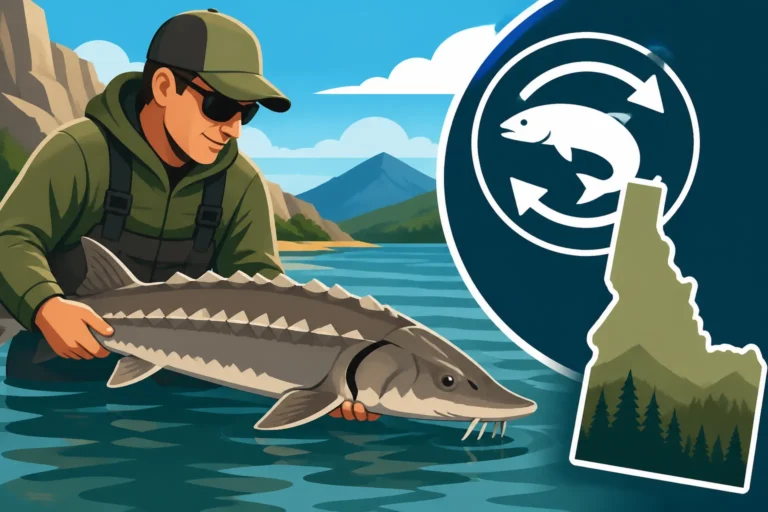
- The In-Water Photo Shoot: This is where you get those brag-worthy pictures! Have your camera person ready. You or a buddy can get into the water with the fish, kneeling beside it, holding it gently below the waterline. You can carefully lift its head just enough for a quick shot, but the rule is clear: the entire fish should not leave the water. The best photos are often taken with the angler kneeling in the water, supporting the fish while its body remains fully submerged. This truly captures the scale of the fish in its natural element.
- Revival and Release: Once the hook is out and photos are done, continue to hold the fish gently in the water, facing upstream into the current if present. Allow fresh water to flow over its gills. You'll feel it regain strength; it might start to kick its tail or try to swim away. Don't force it. Once it's actively trying to leave your grasp, let it go, ensuring it swims away strongly.
Consequences of Violating the Sturgeon Rule
Idaho Fish and Game doesn't mess around when it comes to protecting its sturgeon population. Violating the rule against removing a sturgeon from the water carries serious repercussions, and ignorance of the law is never an excuse.
Penalties and Legal Ramifications
You might think it’s just a slap on the wrist, but trust me, it’s not. Removing a sturgeon from the water is a direct violation of Idaho fishing regulations, and the penalties can be substantial. Idaho Fish and Game conservation officers are highly trained and vigilant, especially in popular sturgeon fishing areas like the Snake River.
Here’s a breakdown of what you could be facing:
- Fines: Expect significant monetary fines, which can easily range into the hundreds or even thousands of dollars depending on the severity of the violation and any associated charges. These aren't like parking tickets; they're serious.
- Equipment Seizure: Your fishing gear – rods, reels, boat, and anything used in the commission of the violation – can be seized by Fish and Game officers. Imagine losing your prized, expensive sturgeon setup, or even your boat.
- Loss of Fishing Privileges: This is a big one. Violators can have their Idaho fishing license revoked for a period of time, or even permanently. If you love fishing, this consequence can be more painful than any fine. Not only that, but violations in Idaho can sometimes lead to reciprocal actions in other states under agreements like the Wildlife Violator Compact, meaning you could lose your fishing privileges across multiple states.
- Criminal Charges: In egregious cases, particularly if the sturgeon is severely harmed or dies due to being removed from the water, you could face misdemeanor or even felony charges. While rare, it's a possibility, especially if officers believe there was intent to harm or illegal retention.
- Restitution: You might also be ordered to pay restitution for the value of the fish itself. A mature white sturgeon, given its long lifespan and reproductive value, can be deemed incredibly valuable, and you could be on the hook for a hefty sum.
It's similar in principle to the strictness around "What Happens If You Exceed Idaho's Bag Limit?" The state has put these rules in place to protect the resource, and they enforce them. Conservation officers patrolling rivers like the Snake are looking for adherence to these rules, not just for licenses.
Ethical Angling and the Future of Sturgeon Fishing
Beyond the legal penalties, there's a broader, more significant impact: the hit to ethical angling and the future of sturgeon fishing opportunities. Every time a sturgeon is improperly handled or dies due to human error, it’s a loss for the entire population and a setback for conservation efforts.
Anglers who disregard these rules not only risk their own fishing future but also jeopardize the opportunity for others. Continued violations could lead to even stricter regulations, reduced seasons, or even closures of sturgeon fisheries in certain areas. This isn't just about one fish; it's about the entire ecosystem and the privilege we have as anglers to interact with these magnificent creatures.
Being an ethical angler means understanding and respecting the rules, even when it means sacrificing that "perfect" photo op. It means taking personal responsibility for the fish's well-being and educating others if you see improper handling. The future of Idaho's white sturgeon fishery relies on every angler being a steward of the resource.
Where to Fish for Sturgeon and Related Regulations
So, you understand the rules and you're committed to responsible angling. Now, where can you actually go to tangle with these river monsters, and what other specific regulations should you be aware of?
Prime Idaho Sturgeon Waters
When it comes to white sturgeon fishing in Idaho, one river stands head and shoulders above the rest: the mighty Snake River. This iconic waterway, forming a significant portion of Idaho's western border, is renowned for its healthy and robust sturgeon population.
- The Middle and Lower Snake River: The stretches of the Snake River, particularly below significant dams like C.J. Strike Dam (near Mountain Home) and downriver through the scenic canyon sections, offer some of the best opportunities. These areas provide the deep pools and rocky bottoms that sturgeon favor. The confluence of the Owyhee River and the Snake River is also a known hotspot.
- Hells Canyon: As the Snake River plunges into Hells Canyon, forming North America's deepest river gorge, the sturgeon population truly thrives. This remote, wild section is a destination for serious sturgeon anglers, often requiring jet boat access or multi-day float trips. However, the fishing here can be truly legendary, with fish reaching immense sizes. For more detail, you might want to check out "Where to Fish for Sturgeon on the Snake River" or even "The Best Stretch of the Snake River for Sturgeon."
- Kootenai River (Panhandle): While the Snake River is the primary focus for recreational sturgeon fishing, it’s worth noting the ongoing efforts to restore the endangered Kootenai River white sturgeon population in the Idaho Panhandle. Fishing for these specific sturgeon is strictly prohibited, as they are a protected species under an active recovery plan. Always consult the current Idaho fishing regulations brochure for specific, up-to-date information on where and when you can fish for sturgeon.
These rivers, especially the Snake, provide the perfect habitat: abundant forage fish, deep pools, and strong currents. You can find essential gear for fishing these powerful waters, like durable rod holders and heavy anchors, on Amazon, to keep your boat stable in the current while you wait for a bite.
Other Key Sturgeon Regulations to Know
While the "no removal from water" rule is paramount, there are other crucial regulations you must follow to ensure a legal and responsible sturgeon fishing trip in Idaho.
- Catch-and-Release Only: As mentioned earlier, all sturgeon fishing in Idaho is strictly catch-and-release. There is no open season for retention. This rule is non-negotiable and applies to all sizes of sturgeon. This is reiterated in articles such as "Why Snake River Sturgeon Fishing Is Catch and Release Only."
- Barbless Hooks are Mandatory: This cannot be stressed enough. You absolutely must use barbless hooks when fishing for sturgeon. This rule exists specifically to facilitate easy and quick hook removal, minimizing injury to the fish. If you're not using commercially available barbless hooks, ensure you crimp down the barb on any standard hook with pliers.
- Single Point Hooks: Typically, only single-point hooks are allowed for sturgeon fishing. Treble hooks are generally prohibited due to the increased damage they can inflict. Always double-check the latest regulations.
- Bait Restrictions: While specific bait regulations can vary, common baits for sturgeon include cut bait (like dead fish or lamprey), worms, and prepared sturgeon baits. Live fish are generally not allowed as bait for sturgeon in Idaho. Again, the most current Idaho Fishing Regulations Explained are your best friend here.
- Season and Hours: Generally, sturgeon fishing on the Snake River is open year-round, but always consult the latest Idaho Fish and Game rules. There might be specific time-of-day restrictions or seasonal closures in certain areas for conservation purposes.
- Licensing: Of course, you need a valid Idaho fishing license. If you're an out-of-state angler, you'll need an Idaho Nonresident Fishing License Guide. For residents, the Idaho Resident Fishing License Guide covers all the details. Ensure you have the appropriate license and any required permits.
Here's a quick comparison of legal vs. illegal sturgeon handling scenarios:
| Scenario | Legal Action | Illegal Action |
|---|---|---|
| Hooked Sturgeon | Fight quickly, guide to shallow water. | Prolonged fight, stressing the fish unnecessarily. |
| At the Boat/Bank | Keep fish fully submerged, get into the water with it if necessary. | Lift fish partly or fully out of the water onto the boat deck or bank. |
| Hook Removal | Use long-nosed pliers to remove barbless hook while fish is submerged. | Forcefully remove hook, causing injury, or attempt to remove hook while fish is airborne. |
| Measurement/Photography | Measure with tape laid alongside submerged fish; take photos from water level or with angler in water holding fish submerged. | Lift fish to hold it horizontally or vertically for photos. |
| Release | Support fish in water until it can swim away strongly on its own. | Toss fish back into water, potentially injured or exhausted. |
Always consult the most current Idaho Fishing Regulation Brochure and Proclamation from Idaho Fish and Game. Rules can and do change, and it's your responsibility as an angler to be informed. Following these guidelines ensures you have a thrilling, legal, and truly memorable encounter with Idaho's incredible white sturgeon.
Remember, every sturgeon you catch and release safely contributes to the legacy of this amazing fishery. Be a responsible angler, and you'll be part of something truly special in Idaho. You might also find other relevant information in guides such as Idaho Catch Limits and Bag Limits Explained for other species or Idaho Catch-and-Release Sturgeon Rules Explained for more specific details. If you're interested in the cost side, explore Idaho Fishing License Cost Guide or even "Cost of an Extra Day Added to an Idaho Fishing License" if you're planning a longer trip. For families, understanding Idaho Fishing Rules for Kids and Families is always a good idea. If you're fishing on Idaho Free Fishing Day, remember the sturgeon rules still apply! Also, for broader understanding, consider reading Idaho Fishing Regulations Explained. To learn about the species, check out Idaho White Sturgeon Facts or even "How Big Do White Sturgeon Get in the Snake River."
Disclaimer
Please remember that fishing regulations, seasons, and rules can change. Always consult the official Idaho Fish and Game website or obtain the most current Idaho Fishing Seasons, Rules and Regulations brochure before heading out on your fishing trip. This guide is for informational purposes only and should not be considered a substitute for official regulations.