How to Avoid Accidentally Catching Bull Trout
It's an angler's dilemma, isn't it? You head out to your favorite Idaho fishing spot, excited to chase after some beautiful trout or bass, and then you hook into something that looks suspiciously like a bull trout. Immediately, your heart rate picks up because you know these incredible fish are protected, and accidentally catching one brings a mix of awe and anxiety. This guide is here to walk you through exactly how to reduce those chances of an accidental bull trout catch, understand their world better, and know what to do if you ever find one on your line.
Understanding Idaho's Bull Trout: Why They're Protected
Before we dive into how to avoid them, it's really important to understand why bull trout are so special and why they need our protection. Bull trout are a native species to Idaho, often found in cold, pristine waters. They're a truly magnificent fish, characterized by their olive-green to brown bodies, scattered with pale yellow or reddish-orange spots, and distinctive white leading edges on their fins. They are a char, not a true trout, and they're recognized as a threatened species under the Endangered Species Act. This designation means their populations have faced significant declines due to habitat loss, degradation, and past overfishing. Protecting them is paramount for the health of Idaho's native fish ecosystems.
The big challenge for many anglers is that bull trout often share habitat with other popular game fish, like rainbow trout or cutthroat trout. They're also predators, meaning they'll readily strike at the same lures and flies that you might use for other species. This overlap is precisely what makes accidental catches a real concern for even the most well-intentioned angler. The Idaho Department of Fish and Game has strict regulations in place for bull trout, generally requiring immediate release without removing them from the water, often with barbless hooks being a mandatory requirement in certain areas to minimize harm. Ignoring these rules can lead to serious consequences, so knowing how to avoid them is truly the best defense. Idaho Catch Limits and Bag Limits Explained and What Idaho's Bull Trout Protections Mean for Anglers are good resources to deepen your understanding of these critical rules.
Identifying Bull Trout: Knowing What to Look For
Okay, so you've got a fish on the line, and you're trying to figure out if it's a bull trout or something else. This can be tricky, especially in the heat of the moment or in low light. But there are key characteristics that, once you learn them, become easier to spot.
First, look at the spots. Bull trout have pale, often yellowish or reddish-orange spots on a darker background (olive, brown, or even purplish). Rainbow trout, on the other hand, typically have black spots on a lighter background, and often a distinctive pink or red stripe along their side. Cutthroat trout will have red or orange slashes under their lower jaw, and their spots are usually darker and more concentrated towards the tail. If you see those pale spots on a dark body, especially if there's no red stripe or jaw slash, it's a huge red flag that you might have a bull trout.
Second, consider their head and mouth. Bull trout have a relatively large, broad, and flattened head with a prominent jaw that extends well past the eye. They're built for predation, and you can often see this in their more aggressive facial structure compared to the typically smaller, more pointed heads of rainbow or cutthroat trout. If the head looks disproportionately large or shovel-like, that's another strong indicator. Finally, their fins often have a white leading edge, which can be quite striking and another key identifier. Knowing these visual cues really helps you make that quick, responsible decision to release the fish if it turns out to be a protected bull trout.
Bull Trout Habitat and Behavior: Where They Live and What They Eat
Understanding where bull trout live and what they prefer to eat is arguably the most effective way to avoid hooking them unintentionally. These fish are true creatures of the cold. They thrive in very cold, clean, and complex stream and river systems, often at higher elevations or in deep, cold lakes. They need pristine conditions with abundant cover, like log jams, undercut banks, and deep pools, and they prefer spawning in very cold groundwater upwellings. This means if you're fishing in warmer, slower-moving water, or highly disturbed areas, your chances of encountering a bull trout are significantly lower.
As for their diet, bull trout are apex predators in their ecosystems. While juvenile bull trout might eat insects, as they grow, their diet shifts dramatically to other fish, including smaller trout, whitefish, and even kokanee salmon. This predatory nature means they're highly attracted to larger, more aggressive lures and flies that mimic baitfish. If you're consistently throwing big streamers, spoons, or plugs designed to imitate other fish, you're inherently increasing your risk of attracting a bull trout. Conversely, if you're focused on smaller dry flies, nymphs, or tiny spinners meant for panfish or small stream trout, you're less likely to pique a bull trout's interest. Focusing your efforts on areas known for trout or bass, and away from their preferred cold-water havens, is a smart strategy. You can find more details on specific habitats in posts like Best Rivers for Fishing in Idaho or Idaho Fishing Regulations for the Middle Fork of the Salmon River.
Fishing Techniques and Gear to Minimize Bull Trout Encounters
Now that we understand the "who" and "where" of bull trout, let's talk about the "how." The goal isn't to not catch fish, but to target other species responsibly while reducing the likelihood of a bull trout taking your offering. It requires a bit of intentionality in your gear and approach.
One of the best strategies is to research your specific fishing spot. Many waters in Idaho are managed for specific species, and some even have explicit warnings or regulations regarding bull trout. Knowing if a particular stream or lake is known for bull trout presence can help you adjust your strategy before you even cast. Always check the current Idaho Fishing Regulation Brochure and Proclamation for the waters you plan to fish. Sometimes, simply choosing a different stretch of river or a different lake can dramatically reduce your chances of an encounter. For example, some areas are managed primarily for stocked rainbow trout, which often thrive in slightly warmer or more accessible waters than bull trout prefer.
Lure and Bait Choices: Targeting Other Species
Your choice of lure or bait is perhaps your most powerful tool in selectively avoiding bull trout. Since bull trout are opportunistic predators that key in on larger meals, avoiding anything that mimics a sizable baitfish is a good starting point.
- Avoid large, flashy spoons, spinners, or plugs: While these can be incredibly effective for big rainbow trout, Chinook salmon, or lake trout, they also scream "easy meal" to a hungry bull trout. If you're targeting other species in waters where bull trout might be present, opt for smaller versions.
- Downsize your flies: For fly anglers, think smaller patterns. Instead of huge streamers or articulated patterns designed for large predatory fish, focus on nymphs, dry flies, or smaller wet flies that imitate insects. Trout, grayling, and whitefish will readily take these, while bull trout are generally less interested unless they're juveniles. If you're fly fishing in bull trout country, this is especially critical.
- Consider bait: Natural baits like worms, corn, or powerbait are generally less appealing to large, predatory bull trout than they are to panfish or stocked rainbow trout. If you're fishing a pond or a section of river known for abundant stocked trout and limited bull trout presence, these baits can be a good choice. However, always verify local bait regulations as some areas prohibit bait use entirely. You can often find a good selection of smaller lures, flies, and appropriate tackle on Amazon if you're looking to refresh your kit.
- Go barbless: In many areas, barbless hooks are required when fishing for species that might incidentally catch bull trout. Even where not required, using barbless hooks for all your fishing is a fantastic conservation practice. It makes releasing any fish, especially protected species like bull trout, much quicker and less harmful. You can buy barbless hooks directly or simply pinch down the barbs on your existing hooks with a pair of pliers. This tiny change makes a monumental difference in fish survival. Idaho Barbless Hook Requirements is a great reference for this.
Location and Depth Strategies: Where to Fish for Your Target
Just like lure choice, where you present your offering and how deep you fish can drastically alter your chances of hooking a bull trout. Remember, bull trout prefer cold, deep, and structured water.
- Focus on warmer, shallower water: If you're after rainbow trout, smallmouth bass, or panfish, these species often frequent shallower riffles, sun-warmed coves, or less extreme depths. Target these areas. Look for broken water, submerged vegetation, or rocky structures in shallower zones where your target species might be feeding on insects or smaller prey.
- Avoid known bull trout haunts: In some rivers, certain deep pools, large log jams, or specific stretches are notoriously good for bull trout. If you know these spots, it's often best to simply avoid them entirely or pass through them quickly while targeting other areas.
- Fish during warmer times of day: While many fish are active early and late, bull trout can be quite active in the coldest parts of the day. Fishing midday during warmer months might slightly reduce your chances of encountering them, as other species become more active and compete for your offerings.
- Research specific water bodies: The Idaho Fish and Game website often provides detailed information about fish species present in various lakes and rivers. For instance, if you're fishing Lake Coeur d'Alene for Kokanee and Chinook, you're likely targeting different depths and using different techniques than someone specifically seeking bull trout in a mountain stream. Knowing the primary target species for a given water body will help you fish more appropriately.
Handling Accidental Catches: Minimizing Harm and Ensuring Survival
Even with the best intentions and strategies, an accidental bull trout catch can still happen. The most important thing is to be prepared to handle it quickly, gently, and responsibly to ensure the fish's survival.
- Be ready for immediate release: As soon as you suspect you've hooked a bull trout, be ready to release it immediately. Do not fight the fish longer than necessary.
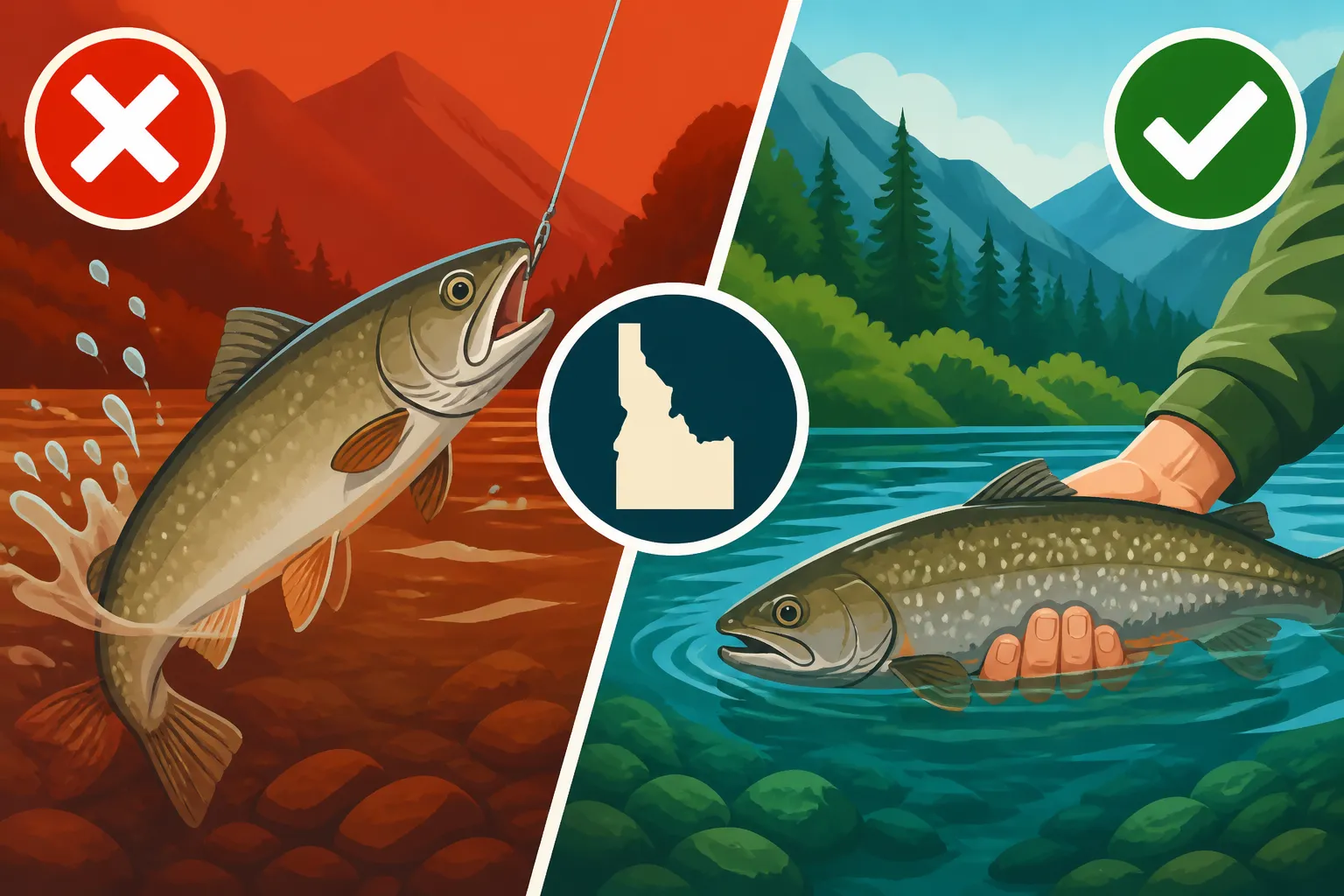
- Keep the fish in the water: This is perhaps the most crucial rule. Bull trout are highly sensitive to air exposure. Never remove a bull trout from the water. If you can, unhook the fish while it's still submerged. Use a pair of long-nosed pliers or a hemostat to carefully remove the hook. This is where barbless hooks are a lifesaver; they often slide right out.
- Avoid excessive handling: If you must briefly touch the fish to steady it for unhooking, do so with wet hands and handle it as little as possible. Avoid squeezing it, especially around its gills or belly.
- Cut the line if necessary: If the hook is deeply embedded and you cannot easily remove it without causing significant trauma, it's better to cut your line as close to the hook as possible. The hook will eventually rust out, and this causes less stress and injury than trying to wrench out a deeply lodged hook.
- Revive the fish: Once unhooked, hold the fish gently in the water, facing upstream, until it can swim away on its own. It might take a moment, especially if it was a long fight. Look for strong tail movements and independent swimming before letting it go.
- Know the law: Always refer to the current Idaho fishing regulations. Generally, if you accidentally catch a bull trout, you must immediately release it unharmed. Keeping a bull trout, even accidentally, can lead to significant fines and penalties. Understanding Idaho Catch-and-Release Sturgeon Rules can also provide insights into careful release techniques for protected species.
Respecting the Rules and Resources for a Sustainable Future
Our ability to enjoy Idaho's incredible fishing opportunities depends on every angler's commitment to respecting the rules and contributing to conservation. It's not just about avoiding legal trouble; it's about being a good steward of a precious natural resource.
Bull trout are an indicator species; their presence often signifies a healthy, cold-water ecosystem. By taking steps to avoid them, and by handling any accidental catches with utmost care, you're directly contributing to their recovery and the overall health of Idaho's waters. It's a testament to our collective responsibility as anglers to protect these majestic creatures for generations to come. This mindfulness makes fishing more than just a hobby; it makes it a contribution.
Knowing Your Waters: Local Regulations Are Key
Idaho is a vast state with incredibly diverse fishing opportunities, and with that diversity comes a patchwork of specific regulations. What's legal or recommended in one river might be strictly prohibited in another, especially concerning protected species like bull trout.
It's absolutely essential to consult the latest Idaho fishing regulations brochure every single season, or even before visiting a new body of water. This document, often available digitally or at license vendors and sporting goods stores like those that might stock items available on Amazon, is your bible. It will detail specific closures, gear restrictions (like single barbless hooks only), catch-and-release requirements, and special rules for certain species or river sections. For example, some stretches of famous rivers might have very different rules than their tributaries. Don't rely on old information or hearsay; things change.
Pay close attention to sections on "Special Regulation Waters" or "Bull Trout Management Areas." These sections will highlight specific rivers or lakes where bull trout are present and where extra caution or particular techniques are mandated. For instance, Idaho Special Regulation Waters will lay out these important distinctions. Understanding these nuances isn't just about avoiding a fine; it's about protecting the specific fish populations in those unique environments.
The Conservation Mindset: Beyond Just Following Rules
Being a responsible angler goes beyond simply adhering to the letter of the law. It's about cultivating a conservation mindset—an understanding that every fish, every habitat, and every clean ripple is part of a delicate balance that we all share. When it comes to bull trout, this mindset means actively choosing to minimize your impact.
It means being mindful of your footprint on the riverbank, packing out all your trash, and being careful not to disturb spawning areas. It means educating fellow anglers, politely sharing information about bull trout identification and handling if you see someone struggling. It's about appreciating the wildness of these fish and their struggle to survive in an ever-changing world. When you buy your fishing supplies, whether it's new waders or a set of fly-tying materials from Amazon or your local shop, remember that you're part of a larger community of outdoor enthusiasts who cherish these experiences.
The joy of fishing in Idaho is often tied to its wild, untamed beauty and the chance to encounter native species. By understanding bull trout, consciously adjusting your fishing methods, and practicing diligent catch-and-release for any accidental encounters, you play a vital role in ensuring that these incredible fish continue to thrive in their native waters for generations of anglers to come. It’s a small effort that yields monumental results in the grand scheme of conservation.
| Characteristic | Bull Trout (Protected) | Rainbow Trout (Common Target) | Cutthroat Trout (Common Target) |
|---|---|---|---|
| Body Color | Olive-green to brown, dark background | Silvery, iridescent, lighter background | Olive-green to yellowish-brown |
| Spotting | Pale (yellow, orange, red) spots | Black spots, often uniform | Black spots, often denser towards tail |
| Jaw Slash | Absent | Absent | Distinct red/orange slash under lower jaw |
| Head Shape | Large, broad, flattened, shovel-like | Smaller, more pointed | Moderate size, slightly conical |
| Fin Edges | Distinct white leading edges on fins | Often clear or slightly darker | Variable, usually blend with fin color |
| Typical Habitat | Very cold, clear, deep, complex waters | Diverse, often shallower, moderate temps | Cold to moderate temps, streams & lakes |
| Primary Diet | Other fish (predatory) | Insects, crustaceans, small fish | Insects, crustaceans |
Disclaimer
This article is for general informational purposes only and does not constitute professional advice. Laws, prices and regulations vary by location and change over time. Consult a qualified professional for guidance on your specific situation.