How Old Is a Snake River White Sturgeon
Have you ever stood on the banks of Idaho’s mighty Snake River, gazing at its powerful currents, and wondered about the ancient creatures living deep within its murky depths? Many anglers, myself included, are fascinated by the sheer longevity and mystery of the White Sturgeon. It's truly incredible to think that some of these fish have been swimming in our rivers for longer than many of our grandparents have been alive. This guide is dedicated to pulling back the curtain on how old these magnificent, prehistoric fish actually get in the Snake River, and what makes their lifespan so truly exceptional.
The Incredible Lifespan of White Sturgeon in Idaho
When you hook into a White Sturgeon on the Snake River, you’re not just battling a fish; you’re engaging with a piece of living history. These remarkable creatures are among the longest-lived freshwater fish in North America, and their presence in Idaho's waters is a testament to their incredible resilience and the health of the ecosystem they inhabit. Understanding their age isn't just a matter of scientific curiosity; it deepens our appreciation for every catch-and-release encounter.
What Makes Sturgeon So Long-Lived?
Sturgeon possess a unique combination of biological traits that contribute to their astounding longevity. Unlike many faster-growing, shorter-lived fish species, sturgeon are built for the long haul.
Firstly, they have a remarkably slow metabolism. Imagine a creature that lives life in slow motion; that's somewhat how a sturgeon operates. This means they grow slowly, mature much later in life, and simply don't "burn out" as quickly as other fish. A sturgeon might not reach sexual maturity until it's 15 or even 20 years old, which is practically ancient for many other freshwater species. This delayed development is a key factor in their extended lifespan. Their cartilaginous skeletons, while robust, also contribute to this slow, steady growth rather than the faster, bone-based development seen in most bony fish. This skeletal structure is a throwback to ancient fish, a living fossil characteristic that has served them well for millions of years.
Secondly, their environment plays a crucial role. The deep, cool, and relatively stable waters of the Snake River, particularly in certain canyon sections, provide an ideal habitat where they face fewer natural predators once they reach a certain size. Their armored bodies, covered in tough scutes (bony plates), also offer significant protection. This combination of intrinsic biological traits and a supportive, protected environment allows them to evade many of the threats that would cut short the lives of other fish. They are survivors, masters of their domain, patiently waiting out the years in the river's depths.
How Scientists Determine Sturgeon Age
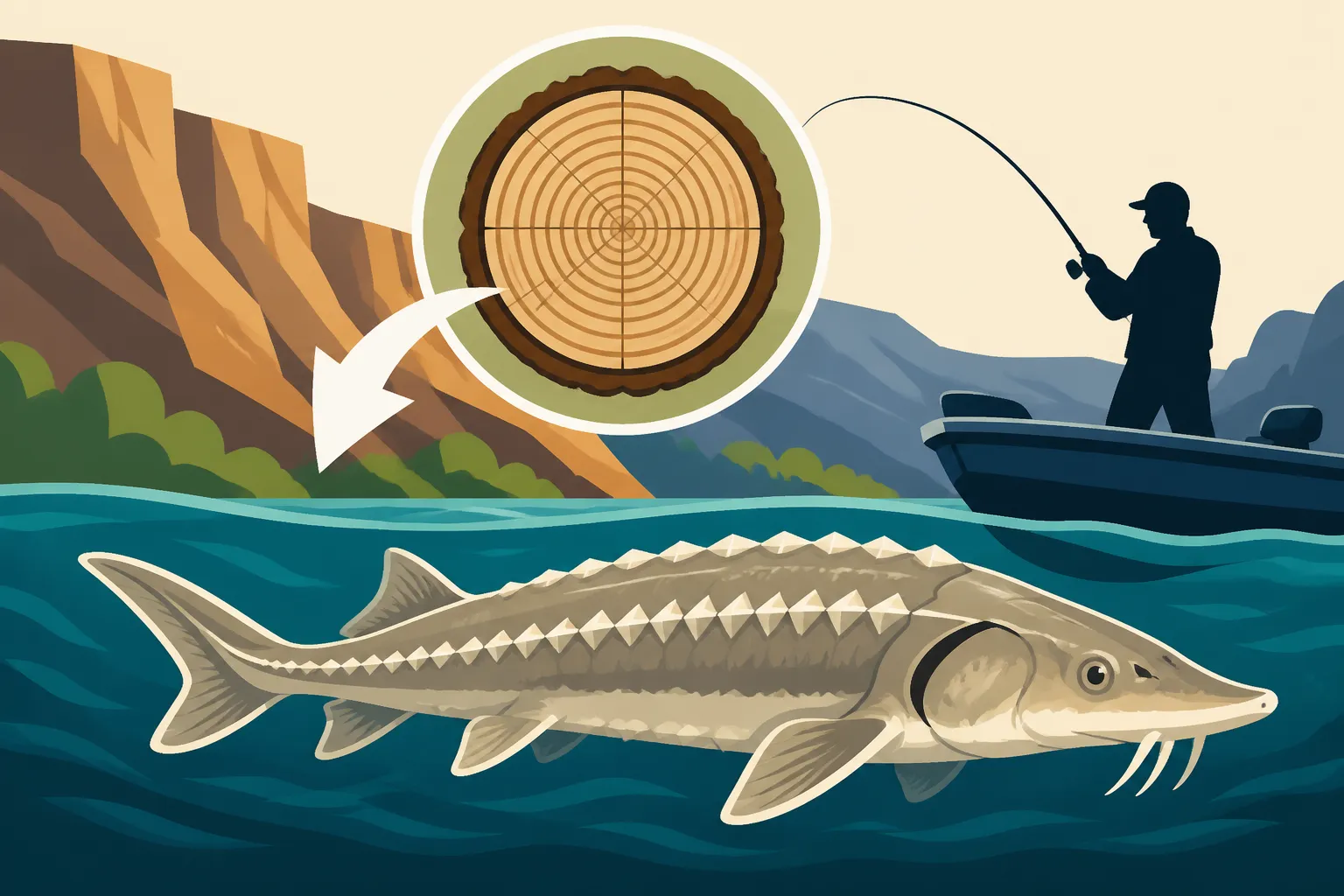
You might be wondering, how on earth do scientists figure out how old a fish is, especially one that could be a century old? It's not as simple as counting rings on a tree, but the principle is similar. For many fish, scientists use otoliths, small ear bones that lay down annual growth rings. However, sturgeon don't have these in a usable form for aging.
Instead, the primary method for aging White Sturgeon involves analyzing cross-sections of their fin rays, particularly the pectoral fin ray. These rays, much like tree trunks, lay down annual growth rings, or "annuli." Scientists carefully remove a small, non-lethal section of the fin ray, prepare it, and then examine it under a microscope to count these rings. Each ring typically represents a year of growth. This method is incredibly precise, allowing researchers to estimate the age of even the oldest sturgeon with a high degree of confidence. It’s a delicate process, requiring skilled hands and specialized equipment, ensuring the fish can be released unharmed.
Beyond fin ray analysis, another vital tool in understanding sturgeon longevity is tagging and recapture programs. Scientists tag individual sturgeon, often with passive integrated transponder (PIT) tags, recording their size and location. If that same fish is caught again years or even decades later, comparing the new data with the old provides invaluable information on growth rates and movement patterns. This long-term monitoring, often spanning multiple generations of researchers, helps paint a more complete picture of a sturgeon’s life story. It's a continuous, patient effort, much like the life of the sturgeon itself.
Age Ranges and Growth Rates on the Snake River
The White Sturgeon of the Snake River are truly ancient marvels. While many species might live a decade or two, these fish redefine longevity in the freshwater world. Their slow and steady growth trajectory means they accrue years at a rate that's hard for us fast-paced humans to grasp.
Typical Lifespans and Maximum Ages Observed
So, how old can a Snake River White Sturgeon really get? Prepare to be amazed. Most adult White Sturgeon encountered in the Snake River are likely to be in the range of 20 to 60 years old. These are robust, mature fish that have seen many seasons come and go. However, it's not uncommon to find specimens pushing 80 to 100 years old. Imagine a fish that was swimming in the Snake River before Idaho was even a state, witnessing generations of human history unfold from beneath the currents!
What about the true giants, the legendary fish? While specific ages for the absolute oldest fish are always estimates, scientific studies and historical records suggest that some White Sturgeon can live for an astonishing 120 to 150 years, and potentially even longer. These are the true patriarchs and matriarchs of the river, wise old creatures that have survived countless floods, droughts, and changes to their environment. Every time you cast a line for one, you have the chance to connect with a genuine centenarian.
Factors Influencing a Sturgeon's Age
While a sturgeon's biology gives it the potential for a long life, actual lifespan is heavily influenced by environmental factors. The Snake River offers a mixed bag of challenges and advantages for these fish.
One primary factor is food availability. Sturgeon are opportunistic bottom-feeders, and a consistent supply of prey is essential for their slow, sustained growth and health. The Snake River, with its diverse ecosystem, typically provides ample forage like various minnows, suckers, sculpins, and even smaller fish species that have died and settled to the bottom. If food resources become scarce, growth can slow even further, and overall health can decline, potentially impacting longevity.
Water quality and habitat integrity are also paramount. Sturgeon need clean, well-oxygenated water and access to deep pools for resting and overwintering, as well as specific gravel beds for spawning. Pollution, significant changes in water temperature, or habitat alteration (like dam construction) can stress fish and reduce their lifespan. Fortunately, ongoing conservation efforts in Idaho aim to protect these vital habitats.
Finally, fishing pressure plays a significant role, though largely mitigated by thoughtful regulations. Historically, overfishing severely impacted sturgeon populations across their range. However, Idaho’s strict Idaho Sturgeon Fishing Rules that mandate catch-and-release have become a cornerstone of their protection, allowing these fish to live out their natural lifespans. This policy is absolutely crucial for safeguarding the elderly giants of the river.
| Age Range (Estimated) | Typical Length (Snake River White Sturgeon) | Common Characteristics |
|---|---|---|
| 0-5 years | 1-3 feet | Juvenile, rapid initial growth |
| 5-20 years | 3-6 feet | Sub-adult, approaching maturity |
| 20-60 years | 6-9 feet | Mature adult, breeding population |
| 60-100+ years | 9-12+ feet | Large, ancient individuals, impressive girth |
Note: These are general estimates. Growth rates can vary based on individual fish, specific river sections, and food availability.
The Importance of Conservation for Ancient Sturgeon
Understanding the incredible longevity of White Sturgeon only amplifies the critical need for robust conservation efforts. These aren't just fish; they are living legacies, and their continued survival depends heavily on responsible stewardship. Idaho has been a leader in this area, recognizing the unique value of these prehistoric giants.
Why Catch-and-Release Is Crucial for Longevity
When you consider that a sturgeon might have been alive for a century or more, the importance of minimizing stress during an angling encounter becomes strikingly clear. Idaho's unwavering commitment to catch-and-release fishing for sturgeon is arguably the single most important factor in allowing these fish to reach their full, incredible lifespans. It's not just a suggestion; it's a fundamental Idaho Catch-and-Release Sturgeon Rules Explained.
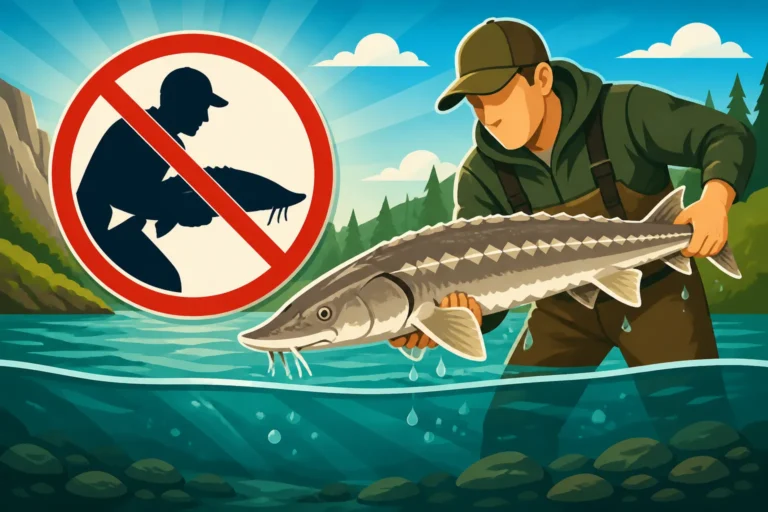
Every interaction with a sturgeon, especially a large, old one, needs to be handled with the utmost care. Extended fights can lead to exhaustion, and improper handling can cause physical injury or even internal damage that might not be immediately apparent but could prove fatal days or weeks later. This is why strict guidelines are in place. For instance, the Idaho Rule Against Removing Sturgeon from the Water is designed to prevent internal organ damage from gravity and minimize air exposure, which can cause severe stress. Imagine trying to lift a 10-foot, 400-pound fish out of the water – it's an impossible and harmful task. Anglers are encouraged to keep the fish submerged, taking photos with the fish still in its element, which is safer for both the fish and the angler.
By adhering to these practices, we ensure that these ancient fish can shake off the encounter quickly and return to their deep-water homes, ready to continue their long lives and contribute to future generations of sturgeon. It’s a privilege to fish for them, and with that privilege comes a significant responsibility.
Protecting Their Habitat for Future Generations
Beyond responsible angling, the overall health of the Snake River ecosystem is paramount for the long-term survival and longevity of White Sturgeon. These fish are indicator species; a healthy sturgeon population often signals a healthy river system.
Conservation efforts span many fronts, from maintaining adequate water flows and temperatures, especially during critical spawning periods, to managing water quality by reducing pollutants and preventing habitat degradation. Dredging, development, and industrial discharge can all impact the sensitive river bottom where sturgeon feed and reproduce. Ongoing research helps monitor water conditions and fish populations, informing policy decisions that protect the sturgeon and their environment.
Anglers and outdoor enthusiasts also play a vital role by supporting conservation organizations, advocating for protective legislation, and practicing Leave No Trace principles when enjoying the river. Every piece of trash removed from the riverbank, every voice raised for clean water, contributes to a healthier future for these magnificent fish. It's a collective effort that ensures the Snake River remains a sanctuary for these ancient giants for generations to come. Your passion for Idaho Fishing Regulations Explained and adherence to them directly supports this.
Encountering Ancient Giants: What to Expect
Fishing for White Sturgeon on the Snake River is an experience unlike any other. It’s a true test of strength, patience, and skill. When you finally connect with one of these incredible fish, especially an older, larger specimen, you're in for a fight you won't soon forget.
The Thrill of Hooking an Older Fish
There's a reason sturgeon fishing is so addictive: the sheer power and raw energy of these fish. When you feel that massive thud on your line, it’s often an older, more substantial sturgeon investigating your bait. The fight can be epic, sometimes lasting an hour or more, particularly with the really big ones. They don't jump like a steelhead or run like a salmon; instead, they dig deep, head-shake violently, and use the river's current to their advantage, making them incredibly difficult to move.
Imagine a tug-of-war with a submerged tractor—that's what it can feel like. The rod bends nearly in half, your arms ache, and your heart pounds. It's an adrenaline rush that few other freshwater fish can provide. Many anglers specifically seek out these larger, older fish for the ultimate challenge, knowing they are tangling with a true river legend. You'll need sturdy gear, good knots, and a strong will. For durable reels and heavy-duty rods capable of handling such powerful fish, many anglers turn to online retailers like Amazon to find equipment that can withstand the incredible force of a century-old sturgeon. Make sure your tackle is up to the task before you head out.
Responsible Angling Practices for All Ages of Sturgeon
Because of their incredible age and the importance of their survival, responsible angling practices are not just good etiquette—they are absolutely essential and often mandated by law. Every angler has a role in protecting these fish, whether you hook a juvenile or a true ancient giant.
First and foremost, use appropriate gear. You need heavy rods, robust reels, and strong lines (often 80-pound test or more for the main line and leaders) to ensure you can land the fish relatively quickly, minimizing stress. Think of it this way: the longer the fight, the more exhausted the fish becomes, making recovery harder. Investing in quality, heavy-duty tackle, easily found on platforms like Amazon, is not just about catching the fish, but about giving it the best chance of survival after release. Knowing What Size Tackle to Use for Idaho Sturgeon is a must.
Secondly, employ barbless hooks. This is often a legal requirement and for very good reason. Barbless hooks make it much easier and quicker to remove the hook from the sturgeon's tough mouth, reducing injury and handling time. The less time a fish is out of the water or being handled, the better its chances of full recovery. This also ties into the Why Barbless Hooks Are Required for Idaho Sturgeon rule.
Finally, practice safe handling and release. As mentioned, keep the fish in the water as much as possible. If you need to bring it partially out for a quick photo, ensure its body is supported, especially around the belly. Always hold it horizontally and never by the gills or vertically by the tail. Remove the hook gently with pliers or a dehooking tool. If the fish seems sluggish, hold it facing upstream in the current until it vigorously swims away on its own. These steps, outlined in guides like How to Release a Sturgeon Safely in Idaho, are vital for ensuring these incredible fish continue to grace the Snake River for another hundred years. Every angler who goes after these magnificent fish should study up on how to safely handle and release them. It’s part of the deal.
Disclaimer
This article is for general informational purposes only and does not constitute professional advice. Laws, prices and regulations vary by location and change over time. Consult a qualified professional for guidance on your specific situation.