How to Fight a Sturgeon on the Snake River
Alright, let's talk about something truly epic: tangling with a monster sturgeon on Idaho's legendary Snake River. If you've ever dreamt of battling a fish that can easily outweigh you, an encounter with a white sturgeon is on another level. But the sheer size and power of these ancient fish can be intimidating, leaving many anglers wondering if they even stand a chance. This guide is going to walk you through exactly how to fight a sturgeon on the Snake River, from preparing your gear to the precise techniques that will turn a daunting challenge into an unforgettable victory, all while keeping these magnificent creatures safe for future generations.
Understanding the Beast: Why Sturgeon Are a Different Ballgame
When you hook into a white sturgeon on the Snake River, you're not just fighting a big fish; you're engaging with a living dinosaur. These aren't your typical trout or bass. Their sheer size, immense power, and unique fighting style demand a completely different approach, both in terms of your mindset and your tackle. It’s easy to feel overwhelmed, but understanding what you're up against is the first step to success.
The Sheer Power and Size of Snake River Sturgeon
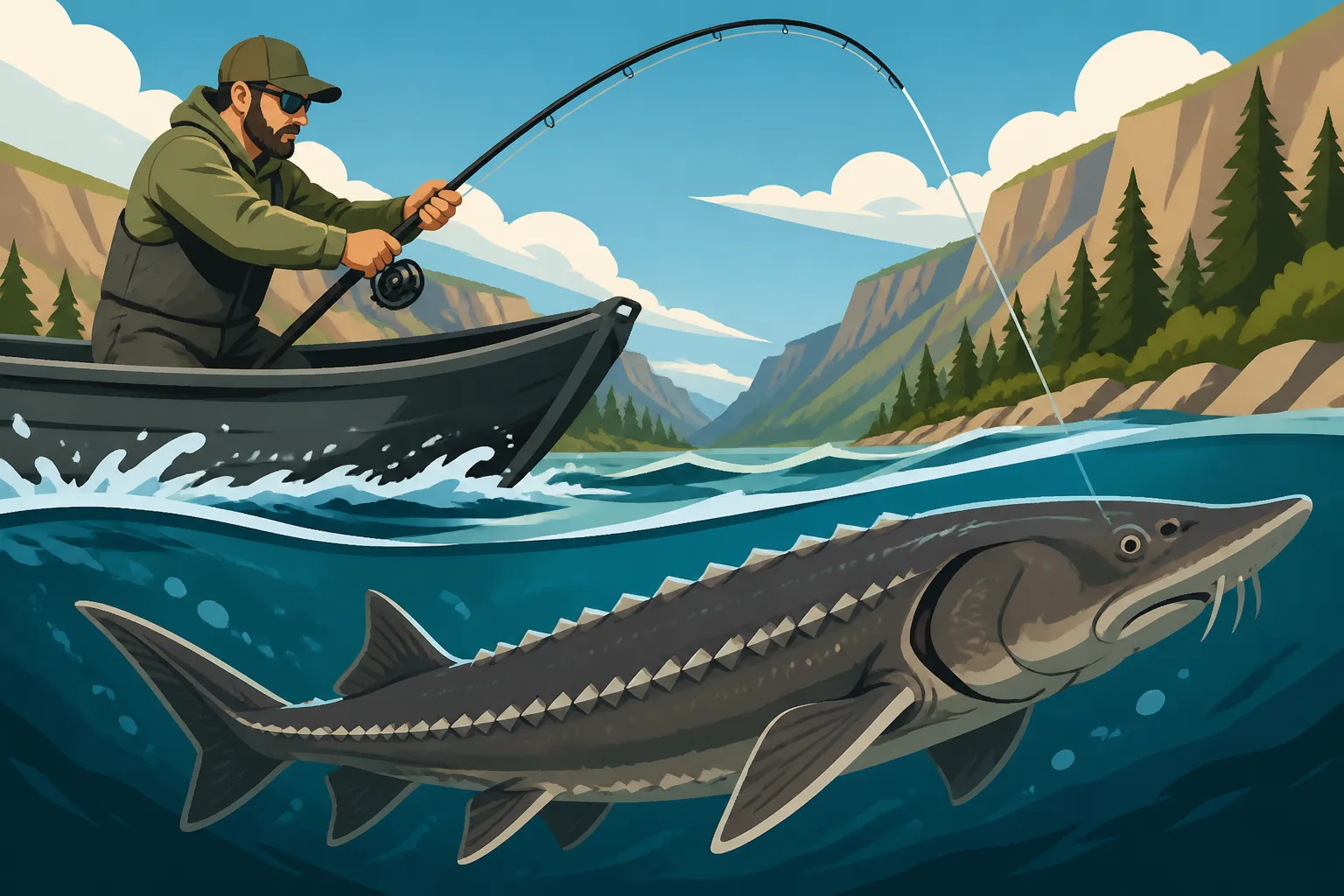
Imagine hooking into something that feels like you've snagged a submerged tree, only this tree decides to suddenly peel 50 yards of line off your reel in a blink. That's a sturgeon for you. White sturgeon in the Snake River can grow to incredible lengths, often exceeding six to ten feet, and can weigh hundreds of pounds. Their bodies are incredibly muscular, covered in bony plates called scutes, and they possess a powerful, broom-like tail that generates incredible propulsion. When a sturgeon decides to run, it harnesses the full force of the river current, making a 50-pound fish feel like 200 pounds, and a 200-pound fish feel like an unstoppable force of nature. This isn't just a strong fish; it's an engineering marvel of aquatic power. Your arms will burn, your back will ache, and you’ll question every life choice that led you to this moment, but when you finally get them to the boat, it’s all worth it. If you're curious to know more about these incredible fish, our Idaho White Sturgeon Facts article dives deep into their biology and history.
Their Fight Style: Head Shakes, Runs, and Rolls
Sturgeon have a few classic moves they like to pull out of their playbook. The initial take might be a gentle tug, then a heavy, deliberate pull, often followed by a blistering run. They don't typically jump like salmon or trout, but they are notorious for powerful head shakes that can easily dislodge a hook if there's any slack in your line. Some larger sturgeon might even roll on their side, trying to use the broad surface of their body against the water resistance to create leverage and break free. It’s not uncommon for them to stay deep, making long, grinding runs up or downriver, testing every inch of your tackle and every ounce of your resolve. You might feel like you're playing tug-of-war with a tractor. Keeping constant, heavy pressure is key, even when your muscles are screaming for a break. These fish are masters of endurance, and you need to be too.
Gearing Up for the Ultimate Tug-of-War
You wouldn't bring a butter knife to a sword fight, and you certainly shouldn't bring light tackle to a sturgeon battle. The gear you choose is paramount, not just for your success but also for the safety of these magnificent creatures. This isn't a place for compromise; you need robust, heavy-duty equipment designed to withstand immense stress and prolonged fights.
Choosing the Right Rod and Reel
For Snake River sturgeon, think heavy-duty saltwater or catfish setups. You need a rod that can handle immense pressure without snapping. Look for a heavy or extra-heavy action rod, typically between 7 to 9 feet in length, with a sturdy backbone and a flexible tip. Fiberglass or composite rods are often preferred for their durability. As for reels, conventional (baitcasting) reels are the undisputed champions for sturgeon. They offer superior drag systems, greater line capacity, and better cranking power than spinning reels. You'll want a reel with a smooth, powerful drag that can be set firmly, but still allows line to be pulled off when a large sturgeon makes a strong run. Brands like Penn, Shimano, or Abu Garcia are popular choices, and you can find a fantastic selection of heavy-duty fishing equipment, often with competitive prices, by browsing fishing gear on Amazon. Investing in quality here pays dividends in durability and performance.
Line Strength and Terminal Tackle Essentials
Your line is the literal lifeline to your fish, and for sturgeon, it needs to be incredibly strong. Braided line is almost universally recommended for its strength-to-diameter ratio and lack of stretch, which provides excellent sensitivity. Most experienced sturgeon anglers use 80 to 120-pound test braided line. While it might seem like overkill, remember the size of these fish and the currents they fight in. You'll then attach a robust leader, usually 150 to 200-pound monofilament or fluorocarbon, about 3-6 feet long, using a strong knot like a triple surgeon's knot or a Bimini twist.
The most critical piece of terminal tackle is the hook. For sturgeon fishing in Idaho, barbless circle hooks are not just recommended, they are legally required. This isn't a suggestion; it's a rule designed to protect the fish. Circle hooks are designed to hook in the corner of the fish's mouth, minimizing gut hooks and making release much easier. Choose a strong, large-gap circle hook, typically sizes 10/0 to 16/0. You'll also need heavy-duty swivels, at least 200-pound test, to prevent line twist, and pyramid or flat sinkers heavy enough to hold bottom in the current, often 8 to 16 ounces or more. If you're wondering Why Barbless Hooks Are Required for Idaho Sturgeon, it's all about conservation and ensuring these fish thrive. You can often find specialized sturgeon tackle components, including the required circle hooks, through online retailers like Amazon.
Anchoring and Boat Positioning
Successfully fighting a sturgeon, especially a big one, often starts long before the hookset – it begins with proper boat positioning and anchoring. In a strong river like the Snake, you need to be securely anchored to withstand the pull of a large fish and the current. A stout anchor, heavy chain, and a strong anchor rope are essential. Many sturgeon anglers use a dual-anchor system for maximum stability, particularly when fishing from a drift boat.
Once you hook a fish, your boat's position becomes a dynamic factor. Sometimes, if a sturgeon makes a strong run downstream, you might need to quickly retrieve your anchor or even cut it (always have a spare!) to pursue the fish. Your guide will often know the best spots, but understanding how to position the boat to keep the fish in the deepest part of the channel, or to keep it from running into snags, is part of the battle. This strategic positioning minimizes the risk of line breakage and maximizes your chances of landing the fish. If you're on a guided trip, your Sturgeon Fishing Guides on the Snake River will be masters at this, but it's good to understand the 'why' behind their maneuvers.
The Dance Begins: Hookset and Initial Fight Tactics
The moment a sturgeon decides to take your bait is both thrilling and nerve-wracking. Unlike many other species, their bite can be subtle despite their size, often feeling more like added weight than a distinct strike. Knowing when and how to set the hook, and then how to manage that initial surge of power, is crucial.
The Distinctive Sturgeon Bite and Patient Waiting
Sturgeon are bottom feeders, and they often "mouth" the bait before fully committing. You might see a gentle tap or a slow, deliberate pull on your rod tip. Because you're using circle hooks, patience is key. Resist the urge to yank the rod back immediately like you would with a bass. Instead, wait for the rod to load up and bend over, indicating the fish has fully taken the bait and is moving off with it. The beauty of a circle hook is that it sets itself as the fish moves away and the line tightens. You'll feel a solid, heavy pull, not a sharp strike. Learning How to Rig a Line for Snake River Sturgeon properly will help ensure your bait is presented effectively for this bite.
Setting the Hook with Authority
Once you feel that unmistakable, heavy pull and your rod is significantly bent, it's time to "set" the hook, but not with a violent swing. With a circle hook, the best technique is to simply reel down steadily until all the slack is gone, and then smoothly and firmly lean into the rod, pulling it back in a sweeping motion. Don't jerk. Let the fish and the tension on the line do the work of seating the hook in the corner of its mouth. This solid, controlled pressure ensures the hook is properly engaged and reduces the chance of it pulling out during the fight. A properly set circle hook is incredibly secure, giving you a huge advantage against a strong fish.
The First Powerful Run and How to Counter It
Once that hook is set, prepare yourself. A sturgeon's first move is often a powerful, unstoppable run. They will typically head downstream with the current, or if they're feeling particularly feisty, upstream against it. Your reel's drag system will be screaming, and line will peel off rapidly. Do not try to stop the run. This is a common mistake that can lead to snapped lines or broken rods. Instead, maintain constant, heavy pressure by keeping the rod tip pointed towards the fish, but let the drag do its job. Allow the fish to take line as needed, but try to control the speed by subtly increasing or decreasing pressure if your drag allows. Your goal is to tire the fish out on its terms, not to win the sprint. During this initial surge, you're just trying to survive and keep the line tight.
Mastering the Fight: Strategic Play and Stamina
Fighting a large sturgeon is a test of endurance, both for you and the fish. It's rarely a quick affair. You'll need to employ strategic techniques, conserve your energy, and work with the fish and the environment, rather than against them, to bring it to the boat.
Pumping and Reeling: The Classic Technique
The most effective way to gain line on a large, stubborn fish like a sturgeon is through the "pump and reel" technique. This involves a rhythmic motion:
- Lift: Raise your rod tip smoothly and firmly, bringing it from about waist level up to shoulder height. This "pumps" the fish, gaining a few feet of line. Use your body weight and legs, not just your arms, to lift.
- Reel Down: As you lower your rod tip back to waist level, quickly reel in the slack line you've just gained.
Repeat this process, slowly but surely gaining line. It's exhausting, especially with a heavy fish constantly pulling back, but it's the most efficient way to bring a sturgeon closer. Expect to do this hundreds of times. The key is to keep constant tension on the line, even during the "reel down" phase. Never give the fish slack, as this is when hooks can fall out or lines can become tangled. This technique will be your best friend, and your worst enemy, during a long fight.
Using the Boat to Your Advantage
When fishing from a boat, you have a huge advantage if you know how to use it. If the sturgeon makes a long run, your guide (or you, if you're the captain) can use the boat to follow the fish, minimizing the amount of line it takes off the reel and keeping it in safer water away from snags. If the fish is stubbornly holding deep or running upstream, sometimes moving the boat directly above or slightly upstream of the fish can help you gain leverage and pull it away from the current. On the other hand, if a fish is dead set on diving into an obstruction, your boat can sometimes be maneuvered to cut it off or pull it away from danger. This coordination between the angler and the boat operator is critical. Many guided trips will showcase this teamwork beautifully, offering insights into effective boat handling, and if you ever decide to try a Idaho Fishing License Guide for a guided trip, your guide will manage the boat strategically.
Conserving Your Energy and Recognizing Sturgeon Fatigue
Fighting a large sturgeon can be incredibly taxing on your body. You'll feel it in your arms, shoulders, back, and even your legs. It's a true full-body workout. It's okay to take short breaks when the fish isn't actively running, leaning back and resting the rod butt against your fighting belt or hip. Hydration is also crucial, so have plenty of water on hand. Don't be afraid to switch anglers if you're fishing with a group and the rules allow it – it's a team effort, especially with a truly giant fish.
Pay attention to the fish's behavior. When a sturgeon starts to tire, its runs will become shorter and less powerful, and you'll find it easier to gain line with each pump. It might start "head shaking" more aggressively as it nears the boat, a last-ditch effort to throw the hook. This is a sign you're winning, but don't get complacent. Maintain steady pressure, and keep working. Some of these battles can last an hour or more, especially for bigger fish, as our article How Long It Takes to Land a Sturgeon in Idaho highlights. To aid in comfort during these extended fights, many anglers invest in fighting harnesses or belts, which you can easily find on Amazon. These accessories distribute the pressure more evenly across your core, saving your back and arms for the next run.
The Final Stages: Landing, Photography, and Responsible Release
Bringing a massive sturgeon alongside the boat is a monumental achievement, but the fight isn't truly over until the fish is safely released. Responsible handling and proper release techniques are paramount, as all sturgeon fishing on the Snake River is strictly catch-and-release.
Bringing the Fish Alongside the Boat
As the sturgeon tires and you've successfully pumped it closer to the boat, it's time for the final approach. Your goal is to guide the fish alongside the boat, keeping its head in the water. Never try to horse a sturgeon to the boat; they'll often make one last powerful surge if they feel threatened. Keep the rod tip high, continuing to pump and reel, reducing the leader length until the fish is within reach. For larger sturgeon, a "sturgeon cradle" or a large landing net (specifically designed for these fish) might be used by a guide, or the fish might simply be guided alongside for handling. Remember, Idaho Rule Against Removing Sturgeon from the Water states that sturgeon should remain in the water as much as possible, especially their gills, to ensure their survival.
Quick Measurements and Photography
Once the sturgeon is alongside, handle it with care and speed. Guides will typically have a measuring tape ready to get the length. If you want a photo, coordinate with your guide or fishing partners beforehand. Have your camera ready to go! When taking photos, support the fish horizontally with both hands, keeping its entire body (especially its head and gills) submerged or only briefly out of the water for a quick shot. Never hold a sturgeon vertically by its head or tail, as their immense weight can cause internal damage. A quick, respectful photo is great, but the fish's well-being always comes first. Many anglers will even use a dedicated action camera, readily available on Amazon, to capture these moments without risking their phone or a larger DSLR near the water.
Ensuring a Successful Release
Releasing a sturgeon correctly is the most important part of the entire experience. After measurements and photos, ensure the fish is ready to swim away strongly. Often, holding the fish gently by the tail and supporting its belly, while facing it into the current, will help water flow over its gills and revive it. You might need to gently move it back and forth a few times, but generally, holding it steady in the current is best. Wait until you feel a strong kick and the fish tries to pull away from your grasp before letting it go. It should swim off under its own power. All sturgeon fishing on the Snake River is strictly catch-and-release, which is why understanding How to Release a Sturgeon Safely in Idaho is critical. This ensures the future of these amazing fish and preserves the incredible fishing opportunities they provide. For a broader understanding of Idaho's conservation efforts and rules, check out our Idaho Sturgeon Fishing Guide.
| Fight Stage | Key Action | Common Challenges | Success Tips |
|---|---|---|---|
| Hookset | Reel down, lean into rod. | Premature hookset (with circle hook) | Patience is key; wait for rod to load. |
| Initial Run | Let drag do the work, maintain pressure. | Snapped line from overtightening drag, losing rod | Let the fish run; don't fight the drag; brace yourself. |
| Mid-Fight (Pumping) | Lift rod, reel down, repeat. | Fatigue, losing rhythm, giving slack | Use legs and core; take short breaks; maintain constant tension. |
| Boat Maneuvering | Follow fish, adjust angle. | Fish running into snags, losing contact | Coordinate with boat operator; be ready to adjust position. |
| Final Approach | Guide fish alongside boat, keep head in water. | Trying to horse fish in, lifting fish out of water too soon | Gentle guidance; maintain rod tip high; keep gills submerged. |
| Release | Revive gently in current, support fish. | Releasing fish before it's ready, improper handling | Support fish horizontally; wait for strong kick; minimal time out of water. |
Fighting a sturgeon on the Snake River is an experience that transcends mere fishing; it's a primal dance with an ancient creature. With the right preparation, the proper techniques, and a deep respect for these incredible fish, you'll be well-equipped to face the challenge and create memories that will last a lifetime.
Disclaimer
This article is for general informational purposes only and does not constitute professional advice. Laws, prices and regulations vary by location and change over time. Consult a qualified professional for guidance on your specific situation.