How to Set the Hook on a Steelhead
There's nothing quite as frustrating as feeling that subtle tug, a tell-tale sign of a powerful Idaho steelhead on the other end, only to swing your rod and connect with absolutely nothing. You reel in, disappointment washing over you, wondering what you did wrong and how that fish managed to escape. This guide is here to walk you through the art and science of setting the hook on a steelhead, giving you the confidence and technique to turn those fleeting bites into landed fish.
Why Steelhead Are So Tricky to Hook
Steelhead fishing, especially here in Idaho on rivers like the Clearwater or the Salmon, is often described as a game of patience and finesse. These aren't your typical aggressive bass strikes; steelhead have a way of testing your resolve, and their "take" can be incredibly subtle. Many anglers, even seasoned ones, find themselves missing more strikes than they'd like, and it's not always because of a lack of skill, but often a misunderstanding of the fish itself and the environment.
The Finicky Bite: More Than Just a Tug
Unlike some species that absolutely hammer a bait or lure, a steelhead's bite can often feel like a gentle tap, a slight hesitation, or even just added weight on your line. Sometimes it feels like you've snagged a piece of moss, or like your bait has just bumped a rock. They don't always inhale the offering aggressively, especially in cold water or when they're not actively feeding. Their mouths can also be surprisingly soft in some areas, making a solid hook set crucial, but also delicate enough not to tear through. This subtle nature is what makes learning how to set the hook on a steelhead such a critical skill. You're not waiting for a rod-bending explosion; you're looking for nuances.
This finicky nature is compounded by the fact that steelhead are often migratory fish, focused more on their journey upstream than on gorging themselves. They might mouth an offering out of curiosity or territoriality rather than pure hunger. It means that the window for a successful hook set can be incredibly narrow, demanding quick reflexes and precise execution. You might feel a series of light taps before the actual commitment, or just one fleeting resistance that you need to capitalize on immediately.
River Dynamics and Line Slack Challenges
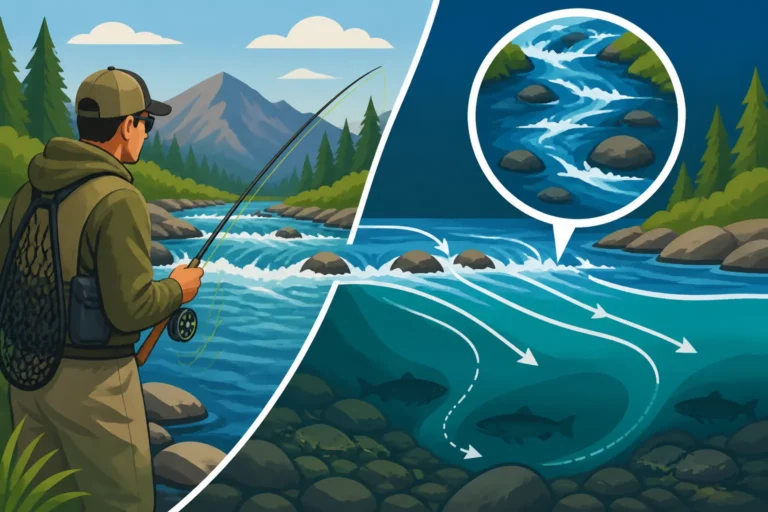
The very environment where steelhead thrive—fast, often turbulent rivers—adds another layer of complexity to hook setting. When you're drifting a bait or swinging a fly through a powerful current, your line is constantly under tension and moving. This makes it incredibly difficult to distinguish between the natural pull of the current, a bump against the riverbed, or an actual fish taking your offering. You're fighting the river as much as you're trying to feel the fish.
Excessive line slack is a common culprit for missed hook sets. If there's too much slack in your line, the signal from the fish has to travel further and absorb more stretch before it reaches your rod tip. By the time you feel it and react, the steelhead might have already spit the hook. This is why maintaining a tight line, or at least minimizing slack, is paramount in steelhead fishing. Learning to mend your line effectively and keep a direct connection to your presentation, whether you're bank fishing or drifting from a boat, is key to giving yourself the best chance. You can find more comprehensive details on optimizing your approach in our guide to Idaho Fishing Techniques Guide.
Reading the Take: Knowing When to Act
One of the biggest hurdles for any angler targeting steelhead is confidently knowing when to set the hook. It's a moment of truth, a split-second decision that separates a story about "the one that got away" from the thrill of a bending rod. Over time, you'll develop an instinct, but until then, there are specific cues you can train yourself to recognize.
Visual Cues and Rod Feel: The Sensory Signals
For some techniques, visual cues are your primary indicator. When using a bobber or float, the moment that float hesitates, dips, or completely disappears beneath the surface, that's your signal. Don't wait for it to be completely gone for seconds; that subtle dip might be all you get. If you're drift fishing without a float, you'll be relying heavily on rod feel. That distinct "tick," "tap," or sudden increase in weight that feels different from a rock or bottom contact is often a fish. It's a feeling you learn through experience, but generally, any unnatural resistance or sudden change in the drift should be treated as a potential bite.
Sometimes, the visual cue isn't just a bobber disappearing; it could be a slight twitch in your line where it enters the water, or even a flash of silver under the surface if the water is clear enough. Being constantly vigilant and having your eyes on your line, not just your rod tip, is critical. For instance, on the Clearwater River, especially when the water is clear, you might spot a steelhead roll or flash near your lure before you even feel the tap, giving you a valuable head start. Understanding How to Fish for Steelhead in the Clearwater River requires mastering these subtle signals.
The Importance of Focus and Anticipation
Steelhead fishing isn't a passive activity. You need to be engaged, focused, and anticipating a strike on every single cast or drift. Your rod should be in a position that allows for an immediate and powerful hook set, and your eyes should be glued to your line or float. Distractions, even minor ones like checking your phone or talking to a buddy, can cost you a fish. Think of it like a coiled spring, ready to release tension at a moment's notice.
This means being prepared for the bite in every piece of likely water. As you drift your bait through a deep run, or swing a fly through a current seam, mentally prepare for the strike. Identify the spots where a steelhead might be holding – behind a boulder, in a current break, or at the tailout of a pool. These are your high-probability zones, and your anticipation should be at its peak when your presentation enters them. Many anglers find that by consciously anticipating the bite, their reaction time naturally improves, allowing them to capitalize on those brief windows of opportunity.
The Art and Science of Setting the Hook
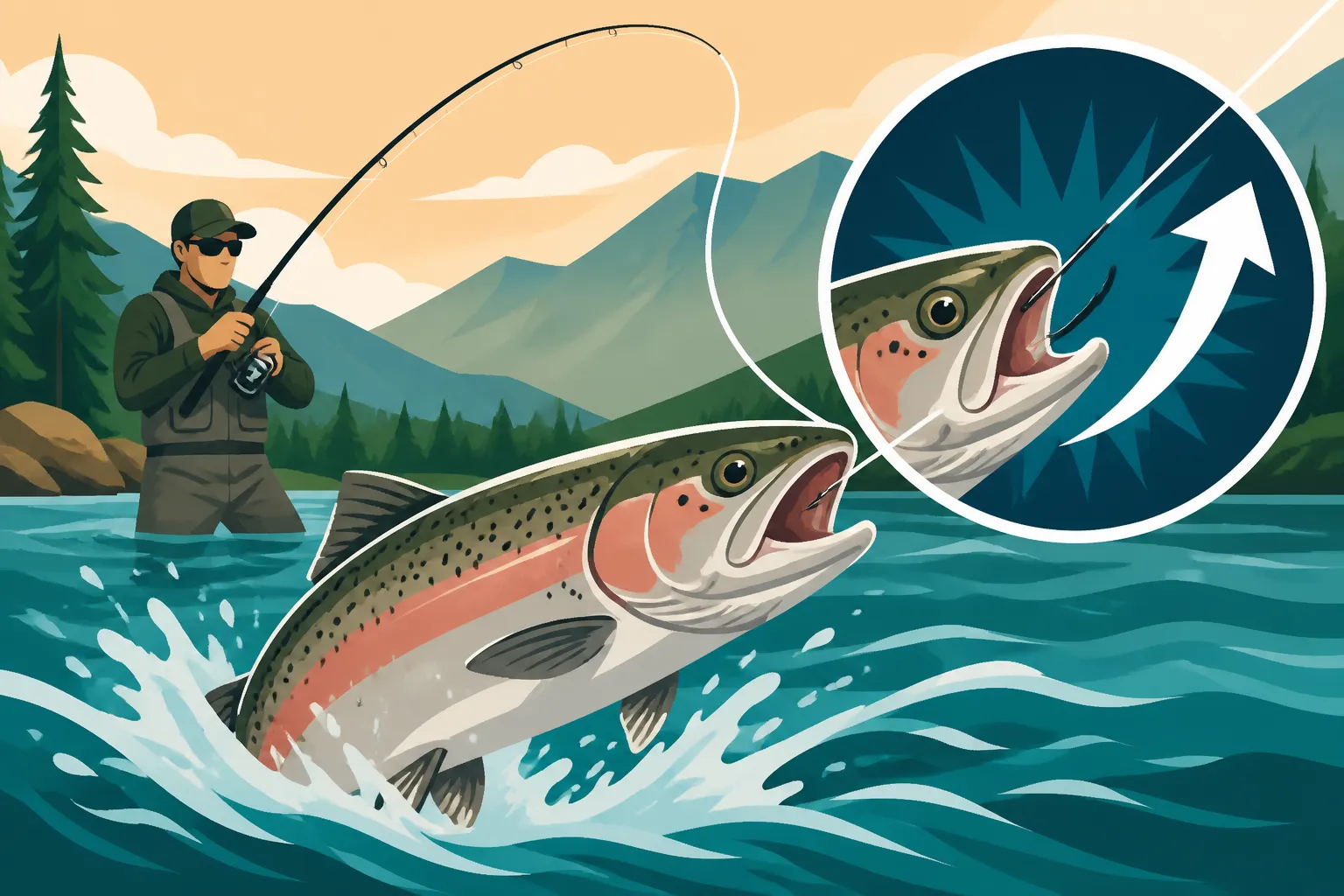
Once you've felt that subtle indication of a take, the next crucial step is the hook set itself. This isn't just a random yank; it's a deliberate, controlled, and powerful movement designed to drive the hook point firmly into the steelhead's mouth. Doing it correctly is the difference between a quick release and a solid connection.
The "Sweep and Drive" Technique: A Step-by-Step Guide
The most effective hook set for steelhead, particularly when drift fishing, is often described as a "sweep and drive." Here's how to execute it:
- Lower Your Rod Tip (Slightly): As you feel the bite, don't immediately jerk. A good starting position is often with your rod tip slightly elevated, but not pointing straight up. This gives you room to move.
- Point Downstream (or in the direction of the drift): Many successful steelhead anglers advocate for setting the hook downstream or in the direction the fish is taking your bait. This helps to eliminate slack and leverage the current in your favor.
- The Sweep: In one fluid motion, sweep your rod tip horizontally, often from a 9 or 10 o'clock position to a 2 or 3 o'clock position, pulling the rod firmly downstream and away from the fish. It's not an upward jerk, but a powerful sideways sweep.
- The Drive: As you sweep, drive the rod with your dominant hand, keeping your arm extended and your body rotating into the motion. This isn't just a wrist flick; it's a full arm and upper body movement that generates maximum power to bury that hook.
- Maintain Pressure: Once the hook is set, immediately maintain constant, steady pressure. Do not let up, or the fish might shake the hook free. Your rod should be bent, absorbing the fish's initial runs.
This method works wonders because it uses the rod's parabolic action to its fullest, drives the hook horizontally into the fish's jaw, and helps manage any immediate runs downstream. Mastering Best Rod Setup for Idaho Steelhead Fishing will also significantly impact your ability to perform this technique effectively.
Different Approaches for Different Tactics
While the sweep and drive is a strong general technique, the specifics can vary depending on your chosen fishing method.
- Drift Fishing (Bobber/Float): When your bobber dips, use the sweep and drive immediately. The key here is not to wait too long. If the bobber goes down, assume it's a fish.
- Bottom Bouncing/Slinky Fishing: With this method, you're constantly feeling the bottom. A bite will often feel like a stick, but then the stick will start moving. When you feel that, lift your rod tip slightly to take up slack, then lean into a firm, horizontal sweep. Don't go straight up, as this can often pull the hook out of the fish's mouth without proper penetration.
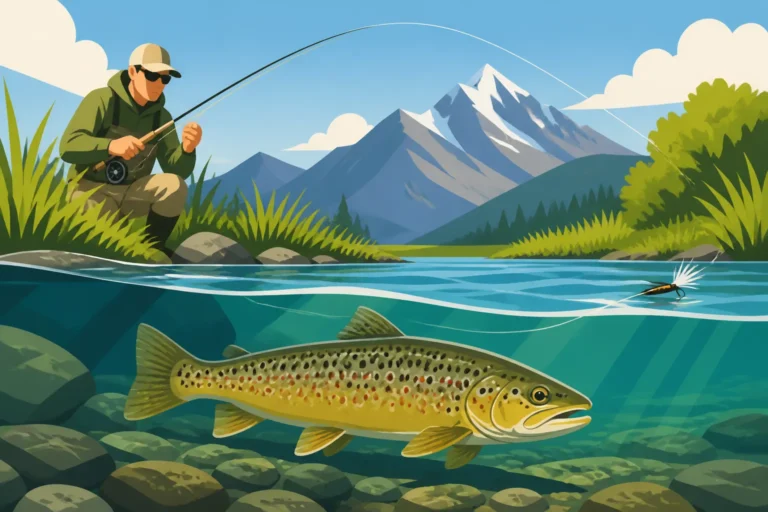
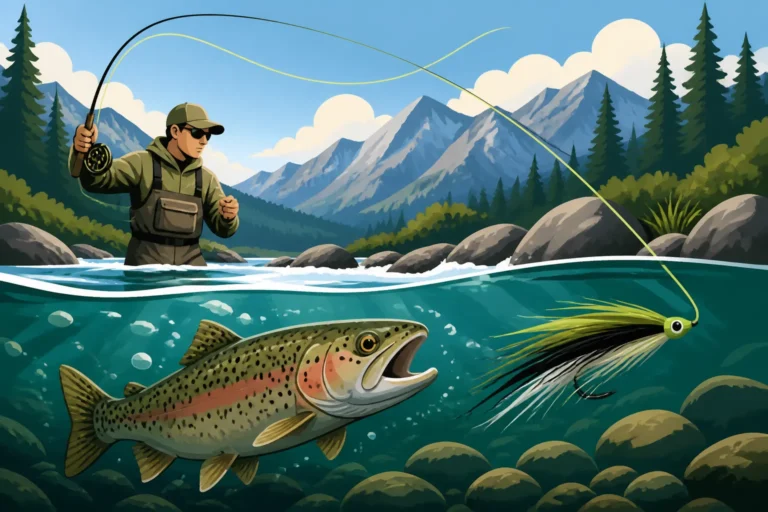
- Swinging Flies (Fly Fishing): This is different. When swinging flies, you rarely "set" the hook in the traditional sense. Often, the fish hooks itself as it turns away from the fly. When you feel the tug, simply lift the rod tip smoothly and apply pressure. Don't strip set like you might for a bass; the rod lift is usually sufficient. For more on this, check out our guide on How to Fly Fish in Idaho.
- Trolling/Back-Trolling: When trolling plugs or diving baits, the rod tip will often load up under the pressure of the fish. Some anglers prefer to let the fish "take" the rod, then simply grab the rod and apply steady pressure. A short, sharp sweep can also be effective to ensure the hook is buried.
It's about adapting the core principle of a firm, continuous sweep to the specific way you're presenting your bait or lure.
Gear Considerations for a Solid Hook Set
Your equipment plays a huge role in your ability to set the hook effectively. You can have the best technique in the world, but if your gear isn't up to snuff, you'll still miss fish.
- Rod Action: A medium-heavy or heavy action rod with a fast or extra-fast tip is ideal for steelhead. The stiff backbone provides the power for a solid hook set, while the sensitive tip allows you to feel those subtle bites. Brands like Lamiglas, G. Loomis, and Fenwick offer excellent steelhead rods designed with this balance in mind.
- Line Type: Monofilament lines have a lot of stretch, which can cushion a hook set. Fluorocarbon has less stretch, offering more direct contact and a firmer set. Braided lines have almost no stretch, providing incredible sensitivity and direct power. Many anglers use a braided mainline with a fluorocarbon leader for a good balance of strength, sensitivity, and invisibility. You can find a wide selection of these lines on Amazon.
- Hook Sharpness: This is perhaps the most overlooked aspect. A dull hook simply won't penetrate cleanly into a steelhead's jaw. Always check your hook points regularly and sharpen them with a hook file or replace them if they're too far gone. A sharp hook means less effort is needed to achieve a solid set. Gamakatsu, Owner, and Mustad all make excellent, sharp hooks suitable for steelhead.
- Drag Setting: Your reel's drag should be set appropriately. Too tight, and you risk breaking your line or ripping the hook out. Too loose, and you won't generate enough pressure to set the hook properly. A good rule of thumb is to set your drag so that line peels off with firm, steady pressure, usually around 20-25% of your line's breaking strength. This also ties into Idaho Fishing Gear Guide by Season as different seasons might require slightly different setups.
Here's a quick comparison of common steelhead fishing methods and their ideal hook set:
| Fishing Method | Primary Indication | Rod Position at Strike | Hook Set Action | Notes |
|---|---|---|---|---|
| Float/Bobber Drift | Bobber Dips/Disappears | Rod tip slightly up (10-11 o'clock) | Swift, horizontal sweep downstream | Immediate reaction is key; don't wait. |
| Bottom Bouncing | Subtle "tick" or added weight | Rod tip low (9 o'clock) | Firm, horizontal sweep or lean into rod, lifting slightly | Distinguish from snags; feel for movement. |
| Swinging Flies | Solid tug or "pull" | Rod tip generally parallel to water | Smooth lift of rod to apply pressure | Fish often hook themselves; avoid a hard jerk. |
| Trolling/Back-Trolling | Rod loads up, strong pull | Rod in holder or held low | Grab rod, apply steady pressure or short sweep | Allow fish to take it; let the rod load naturally. |
Common Mistakes and How to Avoid Them
Even with the right technique and gear, it's easy to fall into common traps that lead to missed fish. Recognizing these pitfalls is the first step toward correcting them and improving your hook-set success rate.
The Premature Jerk: Setting Too Early
This is perhaps the most common mistake, especially for anglers new to steelhead. You feel a bump, get excited, and instinctively jerk the rod straight up and back. The problem? Steelhead often "mouth" the bait or lure first, feeling it out before fully committing. A premature jerk will pull the offering right out of their mouth before they've had a chance to get the hook in. It might also only nick the lip, leading to a quick release during the fight.
Instead of an immediate, aggressive jerk, try to feel for a second or two of sustained pressure or movement. Let the fish fully commit. Think of it as a subtle delay, allowing the fish to truly take the bait before you apply the pressure. If you're using a bobber, wait until it's completely submerged and moving consistently, not just dipping. This slight pause, often just a fraction of a second, can make all the difference in achieving a deep, solid hook set. This patience is especially important when targeting bigger fish, which can be even more cautious.
Too Much Slack and Not Enough Power
We touched on slack line earlier, but it bears repeating: excessive slack is the enemy of a good hook set. If your line forms a bow in the current, or if you're not maintaining a relatively direct connection to your lure, the force of your hook set will be dissipated before it ever reaches the hook point. You'll be "setting" the slack, not the hook. This often results in a weak, superficial hook set or a completely missed fish. This is why techniques like mending your line upstream during a drift are so important, as described in Idaho Fishing Techniques Guide.
On the flip side, some anglers are too timid with their hook set, especially if they're used to smaller fish. Steelhead have tough, cartilaginous mouths, and it takes a significant amount of force to drive that hook home. A weak, half-hearted flick won't do it. You need to put your whole body into that sweep and drive. Don't be afraid to be assertive. The combination of minimal slack and a powerful, sweeping motion is what allows you to overcome the resistance of the water and the fish's tough mouth, ensuring that the hook penetrates deeply and securely. Consider a line like PowerPro braided line, available on Amazon, which offers minimal stretch to help transmit that power directly.
Dull Hooks and Improper Drag: The Overlooked Details
Imagine trying to hammer a nail into a piece of hardwood with a dull chisel – it's not going to work, no matter how hard you hit it. The same goes for fishing hooks. A dull hook requires exponentially more force to penetrate, and often, even a perfect hook set won't be enough if the point isn't needle-sharp. Always, always carry a hook sharpener, or better yet, inspect and replace your hooks frequently. A small, inexpensive hook file, easily found on Amazon, can be a game-changer. This simple detail is often the difference between a successful fight and a heartbreaking loss.
Lastly, an improperly set drag can ruin an otherwise perfect hook set and the subsequent fight. If your drag is too tight, the force of your hook set combined with the initial surge of a powerful steelhead can snap your line immediately. Conversely, if your drag is too loose, your hook set won't have enough power to fully embed the hook, and the fish can peel line off without ever truly being hooked, or simply shake free before you can apply proper pressure. Take a moment before you start fishing to test your drag by pulling line directly from the reel. It should offer resistance without being locked down. A little preventative maintenance and attention to detail go a long way when you're pursuing a prized fish like an Idaho steelhead. Always be mindful of Idaho Catch Limits and Bag Limits Explained for the specific body of water you're fishing, as well as rules regarding catch-and-release, especially for wild steelhead as explained in Idaho Steelhead Identification Guide.
Disclaimer
This article is for general informational purposes only and does not constitute professional advice. Laws, prices and regulations vary by location and change over time. Consult a qualified professional for guidance on your specific situation.