How to Fish for Sturgeon on the Snake River
There's nothing quite like the dream of battling a true river monster, but let's be honest, trying to figure out how to successfully target those massive White Sturgeon on the Snake River can feel overwhelming. The sheer size of these fish, coupled with the specialized gear and strict regulations, often leaves anglers scratching their heads, wondering where to even begin. This guide is designed to cut through the confusion, offering a comprehensive, no-nonsense look at everything you need to know to hook into one of Idaho's most legendary catches.
Understanding Idaho's Ancient Giants: The Snake River Sturgeon
Fishing for White Sturgeon on the Snake River isn't just about catching a fish; it's an encounter with a living dinosaur. These incredible creatures have roamed these waters for millions of years, growing to colossal sizes and holding a special place in Idaho's natural heritage. However, their long life cycle and historical overfishing mean they are highly protected, making responsible angling absolutely paramount.
The Majestic White Sturgeon: A Closer Look
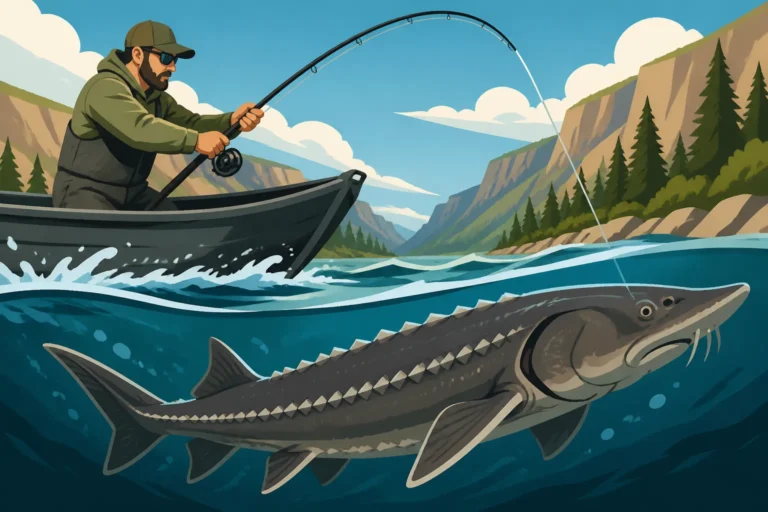
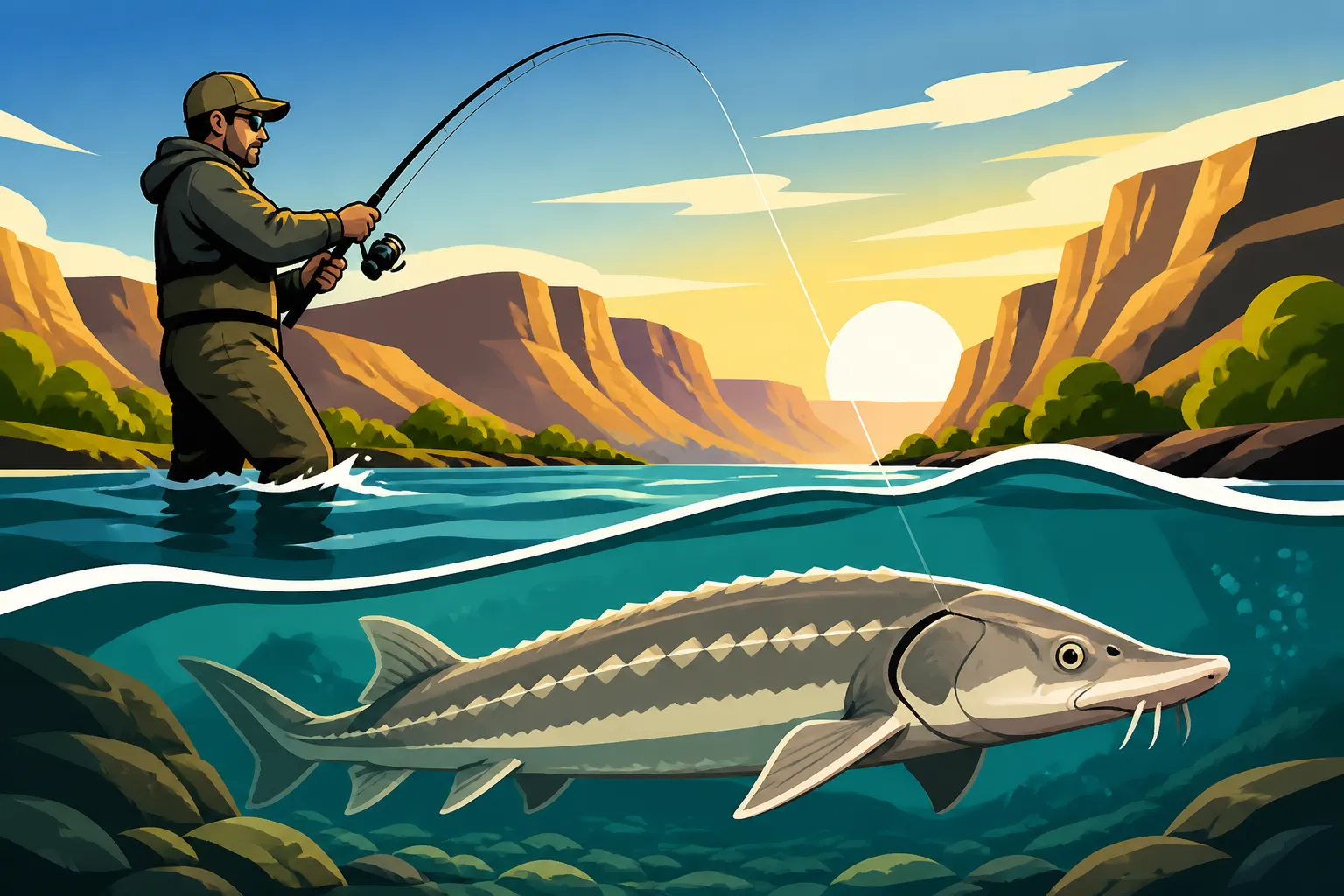
The White Sturgeon (Acipenser transmontanus) is the largest freshwater fish in North America, and Idaho's Snake River is home to a robust population, particularly in stretches like those below the Hells Canyon Dam, in the C.J. Strike Reservoir area, and parts of the lower Snake River. These fish can live for over 100 years and grow to truly astounding lengths, sometimes exceeding 10 feet and weighing hundreds of pounds. Imagine the sheer power of a fish that might outweigh you by several times! What makes them even more fascinating is their diet: they're bottom feeders, using their sensitive barbels (whiskers) to locate food like dead fish, crayfish, and other invertebrates on the riverbed. This bottom-feeding habit dictates many of the fishing techniques we employ.
From their prehistoric appearance with bony plates (scutes) instead of scales to their incredible longevity, White Sturgeon are a testament to the resilience of nature. However, their slow growth and late maturity make them vulnerable, which is why strict conservation efforts are in place. When you hook a sturgeon, you're not just fighting a fish; you're connecting with a piece of living history, and that's an experience unlike any other in Idaho fishing.
The Importance of Conservation and Catch-and-Release
The history of White Sturgeon is a cautionary tale of human impact. Decades ago, these magnificent fish were harvested heavily, pushing some populations to the brink. Today, thanks to dedicated conservation programs by the Idaho Department of Fish and Game (IDFG) and strict regulations, their numbers are recovering. This recovery, however, hinges entirely on anglers practicing responsible catch-and-release. The rule is simple: if you target sturgeon, you must release them unharmed. There are no exceptions, no take limits, because the entire fishery is built around sustaining this ancient species.
This catch-and-release mandate might seem a bit daunting at first, especially if you're used to keeping your catch. But for sturgeon, it's about preserving a species that takes decades to mature and reproduce. Every fish released safely is another chance for that sturgeon to contribute to future generations. Understanding this fundamental principle is key to being a responsible sturgeon angler. It's not just a rule; it's a commitment to the long-term health of one of Idaho's most iconic fish. This commitment extends to understanding the specific regulations around this practice, as detailed in our guide on Why Sturgeon Fishing on the Snake River Is Catch and Release Only.
Navigating Idaho's Sturgeon Fishing Regulations
Before you even think about casting a line, you absolutely must familiarize yourself with the current Idaho fishing regulations, specifically those pertaining to sturgeon. These rules are non-negotiable and are designed to protect the fish. First and foremost, you need a valid Idaho fishing license. Beyond that, a dedicated Sturgeon Permit is often required. These permits sometimes come with a tag or reporting requirement, so make sure you understand how to properly validate and report your catch, even if it’s a release. The IDFG updates its regulations annually, so always check the latest proclamation.
One of the most critical regulations for sturgeon fishing is the mandatory use of barbless hooks. This isn't optional; it's a strict requirement designed to minimize harm to the fish during the fight and release. Barbless hooks make it significantly easier to remove the hook with minimal damage, increasing the sturgeon's chances of survival. Our guide on What Barbless Hooks Do for Sturgeon Survival delves deeper into this crucial topic. Furthermore, it is strictly forbidden to remove a sturgeon from the water. You must keep the fish in the water at all times while handling it for photos or hook removal. This rule, explained further in Idaho Rule Against Removing Sturgeon from the Water, prevents organ damage from their body weight. Failing to follow these regulations can result in hefty fines and even loss of fishing privileges, which is a frustration no angler wants to face. Always check the official Idaho Fishing Regulations Explained for the most up-to-date information.
Assembling Your Heavy-Duty Arsenal: Essential Gear for Sturgeon
When you're trying to land a fish that could potentially be larger than you, standard trout gear just isn't going to cut it. Sturgeon fishing demands robust, heavy-duty equipment capable of withstanding immense pressure and the powerful runs of these massive fish. Investing in the right gear is not just about catching a sturgeon; it's about doing it safely and efficiently for both you and the fish.
Rods, Reels, and Line: Built for Battle
For sturgeon, you need a rod and reel combination that can handle serious abuse. Think heavy-action conventional rods, typically 7 to 9 feet long, with a strong backbone and a sensitive tip. The sensitivity helps you detect the subtle "tap-tap" of a sturgeon mouthing your bait on the bottom, while the heavy action provides the leverage needed to fight a fish that might weigh hundreds of pounds. Many anglers opt for composite rods that offer a good blend of strength and sensitivity. Brands like Ugly Stik or Penn offer solid, affordable options that are readily available on platforms like Amazon.
Pair your heavy-action rod with a stout conventional reel, often referred to as a "level wind" reel, like those made by Shimano or Daiwa. These reels are designed for brute strength, with robust drag systems that can be cranked down to handle blistering runs. Spool your reel with 80 to 150-pound braided line. Braided line offers superior strength-to-diameter ratio, no stretch for better bite detection, and excellent abrasion resistance against the rocky river bottom. While it might seem like overkill, remember you're targeting a fish that could easily spool a lesser setup. If you're wondering about the specifics, our detailed guide on How Big Do White Sturgeon Get in the Snake River will give you a good idea of the scale of the challenge you're preparing for.
Terminal Tackle: Hooks, Weights, and Swivels
The terminal tackle for sturgeon fishing is also specialized. As mentioned, barbless hooks are mandatory. Circle hooks are overwhelmingly preferred, and often required, because they are designed to hook fish in the corner of the mouth, minimizing the chance of deep hooking, which can be fatal for a released fish. Look for heavy-duty, strong wire circle hooks in sizes ranging from 8/0 to 12/0, depending on the size of the bait you're using. These can often be purchased in bulk on Amazon for a better value.
Your weight setup is equally important. To hold your bait on the bottom against the strong Snake River currents, you'll need substantial lead weights. Pyramid sinkers or cannonball sinkers ranging from 6 to 16 ounces, or even more in very heavy current, are common. The key is to use enough weight to keep your bait stationary. Connect your main line to a heavy-duty barrel swivel (at least 200 lb test) and then a leader of 80 to 150-pound monofilament or fluorocarbon, about 18 to 36 inches long, tied directly to your circle hook. This leader provides an extra layer of abrasion resistance and acts as a shock absorber. This specific rigging is essential for success, and you can learn more about it in our article on How to Rig a Line for Snake River Sturgeon.
Safety Gear and Essential Accessories
Beyond your rod and reel, several other items are crucial for a successful and safe sturgeon trip. First, a sturdy boat or a stable, accessible bank fishing spot is necessary. If boating, make sure your anchor system is robust enough to hold against strong currents. A large, strong net (often called a sturgeon net) with a wide opening and heavy-duty mesh is invaluable for bringing the fish alongside the boat safely and keeping it in the water. Never try to lift a large sturgeon out of the water by hand or with a small net.
You’ll also need heavy-duty gloves to protect your hands from the rough scutes of the sturgeon and the sharp edges of hooks. Pliers or a hook remover are essential for safely dislodging the barbless hook, even though they are designed for easy removal. A measuring tape or marked rod helps comply with any length-based reporting requirements, though most Snake River sturgeon fishing is catch-and-release regardless of size. Finally, a good camera is a must-have to capture the memory of these magnificent creatures, but always remember to prioritize the fish's safety and keep it in the water.
Here's a quick checklist of essential gear:
| Item | Specification / Purpose | Notes |
|---|---|---|
| Rod | Heavy-action, 7-9 ft conventional rod | Strong backbone, sensitive tip, composite material often preferred |
| Reel | Conventional (level wind) reel, strong drag system | Shimano, Daiwa, Penn are popular brands |
| Main Line | 80-150 lb braided line | No stretch, high abrasion resistance, superior strength |
| Leader | 80-150 lb monofilament or fluorocarbon (18-36 inches) | Abrasion resistance, shock absorption |
| Hooks | 8/0 – 12/0 barbless circle hooks | MANDATORY for sturgeon, minimizes harm |
| Weights | 6-16 oz (or more) pyramid or cannonball sinkers | Holds bait on bottom against current |
| Swivels | Heavy-duty barrel swivels (200 lb+ test) | Prevents line twist, connects main line to leader |
| Net | Large, sturdy sturgeon net (wide opening, heavy mesh) | Essential for safe handling and keeping fish in water |
| Gloves | Heavy-duty fishing gloves | Protects hands from scutes and hooks |
| Pliers/Hook Rem. | Long-nose pliers or specialized hook remover | For quick and safe hook removal |
| Camera | For capturing memories, but prioritize fish safety | Keep fish in water for photos |
| Anchor System | Robust anchor, sufficient rope for strong currents (if boating) | Securely positions boat over fishing spot |
The Irresistible Offer: Choosing and Presenting Your Sturgeon Bait
Sturgeon are opportunistic bottom feeders, and while they might not be picky, some baits are definitely more effective than others. The key is to use something that appeals to their keen sense of smell and that stays on the hook well against strong currents and inquisitive nibblers.
Top Baits for Snake River Sturgeon
When it comes to bait, fresh is almost always best for sturgeon. Their diet in the Snake River typically consists of dead or dying fish, crayfish, and other bottom-dwelling organisms. Therefore, baits that mimic these natural food sources and emit a strong scent are highly effective. Popular choices include pieces of cut bait from oily fish like shad, mackerel, or herring. Many anglers swear by using local fish species, such as pikeminnow or suckers, cut into chunks. These local species often provide a scent profile that sturgeon are already accustomed to.
Another incredibly effective bait, especially in certain river sections, is a glob of nightcrawlers. Sometimes, a combination of cut bait and nightcrawlers can be particularly potent, creating a "cocktail" that offers both strong scent and visual appeal. While some anglers experiment with commercial stink baits, most experienced sturgeon fishermen on the Snake River stick to natural, fresh cut bait due to its proven effectiveness. For more in-depth information on what works best, check out our guide on Best Bait for Idaho Sturgeon Fishing.
Preparing Your Bait for Maximum Appeal
The way you prepare your bait can make a significant difference. For cut bait, aim for pieces that are roughly 2-4 inches long and 1-2 inches wide. The goal is to have enough surface area to emit a strong scent but not so much that a sturgeon can easily mouth it without getting hooked. Many anglers will "butterfly" their bait, making a few cuts into the flesh to expose more of the scent glands, which increases the bait's aroma in the water. Others might gently smash a piece of fish to release more oils.
Some anglers will cure their bait with salt or commercial scent additives. Curing can toughen the bait, helping it stay on the hook longer, especially in strong currents or when smaller fish are pecking at it. It also enhances the natural odors. While not always necessary, a properly prepared bait can significantly improve your chances, especially on days when the bite is slow. Remember, sturgeon rely heavily on their sense of smell, so making your bait as pungent and appealing as possible is key.
Rigging Your Bait for Success
Once you've got your perfect bait, rigging it properly on that barbless circle hook is paramount. You want the bait to be securely attached but also to allow the hook point to remain exposed so it can do its job effectively. For cut bait, thread the hook through the toughest part of the bait once or twice, ensuring the point and barb (if it were barbed) are completely clear. You're not trying to hide the hook; you're trying to present the bait naturally while leaving the hook ready to engage.
When using nightcrawlers, thread several onto the hook, leaving the ends dangling to create movement and scent. Some anglers use a bait holder, a small spring-like device on the hook shank, to help secure softer baits. The goal is a compact, natural presentation that won't spin in the current or easily fall off. A common mistake is to over-stuff the hook with too much bait, which can hinder the hook's ability to penetrate. Find a balance that offers both robust scent and a clear hook gap.
Finding the Sweet Spot: Locating Sturgeon and Anchoring Strategies
Sturgeon aren't just swimming everywhere; they tend to congregate in specific areas where food is abundant and current provides favorable conditions. Knowing how to read the river and safely position your boat (or yourself from shore) is crucial for success.
Decoding the Snake River: Where Sturgeon Hide
Sturgeon are primarily bottom dwellers, so you'll typically find them in deeper holes, troughs, and current breaks. Look for areas downstream of rapids, sharp bends, or large submerged structures where the current slows, allowing food to settle and offering the sturgeon a place to rest out of the main flow. Tributary mouths can also be hotspots, as they often wash in additional food sources. On the Snake River, specific, well-known sturgeon holes exist, often marked by local knowledge or online fishing forums. Areas like the deep pools below Oxbow Dam or the confluence of major tributaries are prime examples of where to find them.
Utilizing a good fish finder is incredibly helpful for identifying these deep pockets and even marking individual fish or schools of baitfish that sturgeon might be targeting. Look for depressions on the river bottom, sudden drops in depth, or irregular contours. Often, you'll see large "arches" on your sonar that indicate big fish holding near the bottom. Don't be afraid to move around if you're not getting bites; finding the right depth and current can be the difference between a slow day and a banner one. Our guide on Where to Fish for Sturgeon on the Snake River offers more specific locations.
Anchoring for Stability and Safety
If you're fishing from a boat, your anchoring strategy is critical. You need to be able to hold your position firmly, often in substantial current, without drifting into hazards or disrupting other anglers. A good anchor system involves not just a heavy anchor (a mushroom anchor or a river anchor with flukes works well) but also plenty of anchor rope – at least 3-5 times the depth of the water you're in, and often more for strong currents. Consider using two anchors, one off the bow and one off the stern, to truly "lock" your boat in place. This technique prevents your boat from swinging, keeps your baits in a consistent zone, and offers maximum stability if a huge sturgeon decides to pull hard.
Always deploy your anchor slowly and carefully, paying attention to the bottom. Once you're set, ensure your lines are secured, and regularly check your position relative to fixed landmarks to make sure you're not slowly dragging. Safety is paramount: never anchor in a main navigation channel, and always be aware of downstream hazards. A good anchor retrieval system, like a buoy and ring setup, can make pulling up a heavy anchor much easier. Learn more about optimal anchoring in our article on How to Anchor a Boat for Sturgeon Fishing on the Snake River.
Optimal Times and Conditions for Sturgeon
Sturgeon can be caught year-round in many parts of the Snake River, but certain conditions tend to be more productive. Generally, sturgeon fishing is best during periods of stable weather, neither extremely hot nor extremely cold. Water temperature plays a significant role; sturgeon tend to be more active and feed more aggressively when the water is in their preferred temperature range. While they are resilient, extreme temperature fluctuations can slow down their bite.
As bottom feeders, sturgeon often respond well to periods of slightly elevated water clarity after high flows or runoff have subsided. Overcast days or low-light conditions (dawn and dusk) can also be productive, as can fishing after a significant rain event has flushed new food into the river. Many anglers find the bite picks up just before a weather front moves in. Pay attention to river levels and current speed; moderate flows are generally ideal, as excessively fast water can make it difficult for sturgeon to feed and for your bait to stay put.
The Thrill of the Fight: Hookset, Battle, and Landing Techniques
You've done your homework, found your spot, and presented your bait perfectly. Now comes the moment of truth: the bite. This isn't like a trout nibble; it's often a subtle, yet powerful, indication that a leviathan is at the other end of your line.
The Patient Wait and the Perfect Hookset
Sturgeon bites are notoriously subtle, especially when they're merely mouthing the bait. You might see a gentle tap, tap, tap on your rod tip, or the rod might slowly load up as the fish swims off with the bait. This is where the sensitivity of your rod tip and the non-stretch properties of braided line become invaluable. The crucial part here is patience. Don't set the hook at the first sign of a bite. Let the fish take the bait, feel the weight, and begin to move away. With circle hooks, the fish essentially hooks itself as it swims off.
When you feel that steady, sustained pull, simply lean into the rod, keeping tension. Don't make a dramatic, sweeping hookset like you might with a J-hook. Instead, apply steady, firm pressure by lifting the rod smoothly and reeling down simultaneously. The circle hook will rotate and catch in the corner of the sturgeon's mouth. This smooth, deliberate action is vital for a clean hookup and to avoid pulling the bait away from the fish before it's properly taken it. A missed hookset can be frustrating, especially after a long wait, but rushing it will only lead to more misses.
Mastering the Battle: Fighting a Giant
Once hooked, prepare for an epic battle. Sturgeon are incredibly powerful, known for long, surging runs and, occasionally, spectacular aerial leaps. The first priority is to apply steady, strong pressure with your rod. Keep the rod tip up, maintaining a consistent bend in the rod to absorb the shock of the fish's runs and to keep the line tight. Adjust your drag appropriately – tight enough to tire the fish but loose enough to prevent snapped lines during powerful surges. Many anglers prefer to keep their drag fairly tight and use their thumb on the spool to add extra pressure when needed, or release it slightly during a blistering run.
When the sturgeon runs, let it go, but regain line whenever it pauses or changes direction. Pump the rod by lifting it slowly and then reeling down as you lower it, gaining a few feet of line with each pump. This is a marathon, not a sprint. Be prepared for a long fight, often 20-60 minutes or even longer for truly massive fish. Keep the fish out of snags and away from other boats. Communication with your boatmates is key, especially if other lines are in the water. For more advanced techniques on handling these powerful fish, read our guide on How to Fight a Sturgeon on the Snake River.
Bringing the Sturgeon Alongside: Safety and Control
As you tire the sturgeon, guide it towards the boat (or shore if bank fishing). This is where your heavy-duty net comes into play. Have a partner ready with the net, positioned at the side of the boat away from the motor or any obstructions. The goal is to maneuver the fish headfirst into the net, keeping it in the water at all times. This is also where the rule about not removing the sturgeon from the water is critical. For large fish, you might need to bring the net to the fish, rather than trying to lift the fish into the net.
Once the sturgeon is securely in the net, keep its head submerged and its body supported. This helps calm the fish and minimizes stress. It's an incredible feeling to finally have such a massive creature alongside your boat, but remember, the work isn't over. The next steps are all about ensuring its safe release. This entire process requires a calm demeanor and coordinated effort, especially with larger fish that can easily overpower an unprepared angler.
Honoring the Fish: Responsible Handling and Release
The catch-and-release nature of sturgeon fishing means that the moment you bring the fish alongside is not the end of the experience, but a crucial phase that determines the fish's survival. Responsible handling ensures these magnificent creatures can continue to thrive in the Snake River for generations to come.
Keeping the Sturgeon Healthy: Handling Best Practices
The most important rule for sturgeon is that they must remain in the water at all times. This means no lifting them onto the bank or into the boat for photos. Their internal organs are not designed to support their immense weight out of water, and lifting them can cause severe, often fatal, internal damage. When the fish is alongside, ideally still in your large sturgeon net, carefully remove the barbless hook. Since it's a circle hook and barbless, it should be lodged in the corner of the mouth and come out easily with pliers or a hook remover. If it's deeper, take your time and use a tool to gently back it out.
Support the fish's body properly while it's in the net. If you want a quick photo, keep the fish partially submerged. Gently hold its head and tail, making sure to support its entire body if you raise it slightly for a quick shot. Never hold a sturgeon vertically by its tail. Avoid excessive handling, especially around the gills. Minimize the time the fish is out of the water or under stress. These practices are paramount to their survival, reflecting the strict Idaho Catch-and-Release Sturgeon Rules designed to protect them.
Documenting Your Catch Responsibly
It's natural to want a photo with such an incredible catch, but remember, the fish's well-being comes first. Plan your photo op before the fish is even alongside the boat. Have your camera ready, perhaps on a short burst setting. When the sturgeon is alongside and still in the water, a quick, respectful photo is entirely possible.
One popular and effective method is to get into the water with the fish, especially if you have waders. This allows for a great perspective while keeping the sturgeon fully submerged. If you're staying in the boat, have a partner take the photo from a slightly elevated angle. Support the fish horizontally with both hands, keeping its head and gills submerged as much as possible. A quick shot or two, then immediately release the fish. Avoid prolonged photo sessions that can add unnecessary stress to the sturgeon. Remember, the fish is the star, and its healthy return to the river is the ultimate trophy.
The Art of a Successful Release
After unhooking and any brief photo opportunities, the final step is a successful release. Gently guide the sturgeon out of the net, ensuring it's facing into the current. Hold it gently by the tail or by supporting its belly, allowing water to flow over its gills. This helps revive the fish. You'll feel it start to gain strength; it might kick its tail or try to swim away. Once it shows signs of being able to swim off on its own, let it go.
Watch it swim away to ensure it doesn't immediately turn over or struggle. If it seems disoriented, continue to hold and revive it until it swims off strongly. The goal is for the sturgeon to return to its habitat with the best possible chance of survival. A responsible release ensures that this magnificent species continues to thrive in the Snake River for generations to come, providing awe-inspiring experiences for future anglers. The commitment to releasing these fish unharmed is fundamental to the entire sturgeon fishery, and it’s a practice every angler should embrace with pride.
Disclaimer
Fishing conditions and regulations in Idaho can change. Always consult the latest Idaho Department of Fish and Game regulations and local advisories before heading out. Safety should always be your top priority on the water.