How Thick Ice Needs to Be Before You Ice Fish
There’s nothing quite like the crisp air, quiet serenity, and focused challenge of ice fishing, but let’s be honest, the thought of cracking through the ice is enough to send shivers down any angler's spine – and not the good kind! The biggest fear for anyone venturing onto a frozen lake or pond is undoubtedly falling through. This guide is all about giving you the peace of mind and practical knowledge you need to safely enjoy Idaho's incredible winter fishing, focusing squarely on how to determine if the ice is truly safe.
The Core Question: How Thick Is Safe Ice for Fishing in Idaho?
When you’re standing on a frozen lake, looking out at that vast, white expanse, the number one question on your mind is always, "Is this safe?" It’s a valid, life-saving question. The Idaho Department of Fish and Game (IDFG) and general ice safety protocols provide clear guidelines, but it's crucial to understand these aren't just arbitrary numbers; they're based on the structural integrity of new, clear, solid ice.
General Guidelines for Ice Thickness
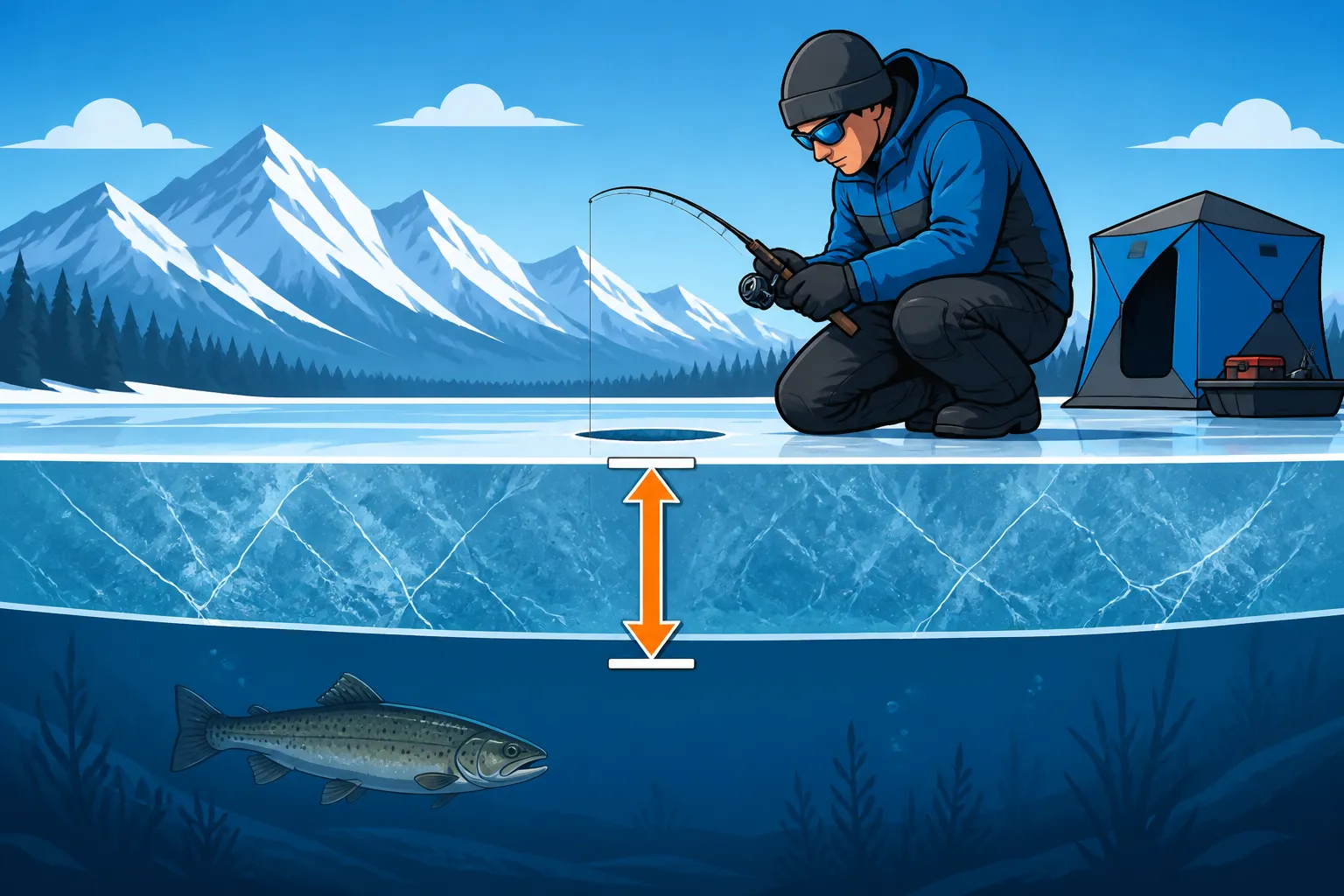
Let's get right to the widely accepted numbers for solid, clear ice. Think of these as your absolute minimums, your non-negotiables:
- 2 inches or less: Absolutely stay off! This ice is treacherously thin and won't support even a person. You might see a thin skim, but it's a death trap.
- 4 inches: This is the bare minimum for a single angler on foot. It might hold you, but you need to be extremely cautious and prepared for a potential break. Never test fate at this thickness without extreme care and proper safety gear.
- 5-7 inches: This is where you start to feel a bit more comfortable for small groups walking or engaging in activities like ice hockey. For ice fishing, this is a much safer bet for a few people spread out.
- 8-12 inches: Now we're talking about supporting snowmobiles or ATVs. If you're planning to bring motorized transport, this is your starting point, but always be mindful of heavier loads and spread out.
- 12-15 inches: For light passenger cars or small trucks, you’ll typically need at least a foot of solid ice. This is rare on most Idaho lakes unless it's been an exceptionally cold and long winter, and often not recommended unless you’re intimately familiar with the specific body of water.
It's absolutely paramount to remember that these are general guidelines. The type of ice, the presence of snow, underlying currents, and recent temperature fluctuations can dramatically alter the actual load-bearing capacity of what looks like solid ice. Always, always err on the side of caution.
Why Ice Thickness Varies So Much in Idaho
Idaho's diverse geography means that "ice conditions" aren't a one-size-fits-all answer. From the high mountain lakes in the Sawtooths to the sprawling reservoirs of Southern Idaho, the way ice forms and holds varies wildly. You might find a foot of ice on a secluded pond, while a large, deep lake nearby could have dangerous open water just a short distance away.
Think about the factors at play:
- Water Currents and Inlets/Outlets: Rivers like the Snake River, and even larger lakes fed by significant rivers, often have strong currents. These currents erode ice from underneath, creating dangerously thin spots that are impossible to see from the surface. Even seemingly still lakes can have hidden springs or inlets that bring in warmer water, creating weak points. This is particularly true on reservoirs where water levels might fluctuate, affecting ice stability.
- Sun Exposure and Aspect: Ice on the north side of a lake, or in shaded coves, will often be thicker and more stable than ice on a south-facing bank that receives more direct sunlight throughout the day. A few days of strong sun can significantly degrade ice, even if air temperatures remain cold overnight.
- Snow Cover: A blanket of snow might look reassuring, but it acts as an insulator. While it can help keep ice from melting from above, it also slows down the formation of new, strong ice. Worse, heavy snow can depress the existing ice, causing water to seep up through cracks and create a slushy layer on top that eventually freezes into "snow ice" or "white ice." This type of ice is far weaker than clear, black ice.
- Spring-Fed Areas: Many of Idaho's lakes and ponds are fed by springs. These springs introduce warmer water into the system, creating soft spots or even open holes that never quite freeze solid, even in the coldest winters. These areas can be incredibly deceptive and dangerous. Always be suspicious of patches that look different or areas where the snow hasn't accumulated as much.
- Fluctuating Temperatures: Idaho's winter weather can be notoriously swingy. A week of bitter cold might be followed by a few days of above-freezing temperatures, then back to cold. These freeze-thaw cycles weaken the crystalline structure of the ice, making it brittle and less reliable. Ice that was safe yesterday might not be today if a warm front moved through.
For instance, a spot like Payette Lake near McCall might have consistent, solid ice in January, but areas of Lake Coeur d'Alene could remain dangerous due to its size and underlying currents. Always check local conditions and talk to local experts. It's not uncommon to find areas of solid ice on a lake, only to walk a short distance and encounter vastly different, dangerously thin ice.
Essential Tools for Measuring Ice Thickness and Ensuring Safety
You can't just guess when it comes to ice safety; you need to measure. Luckily, there are simple, effective tools that every ice angler should carry. These aren't optional extras; they're vital pieces of your safety kit.
Spud Bars and Ice Augers: Your First Line of Defense
Before you take more than a few steps onto any ice, you need to test it, and these tools are how you do it.
- The Spud Bar: This is essentially a heavy, chisel-ended steel bar that you use to strike the ice in front of you as you walk. It’s your best friend for probing the ice. With a spud bar, you can test the ice every few feet. If it takes one or two solid strikes to break through, you're likely on at least 4 inches of clear, strong ice. If it takes three or four strikes, you're probably in the 5-7 inch range. If it goes through with one light tap, or even just sinks in without much effort, that’s your sign to retreat immediately. It provides instant feedback and helps you identify weak spots before you commit your full weight. You can find robust spud bars on platforms like Amazon with various weight options.
- The Ice Auger: Once you've spudded your way out a bit and feel confident in the initial thickness, your ice auger becomes your primary tool for precise measurement. Drill a hole, and then use a tape measure, a ruler, or even a measuring stick built into your spud bar to gauge the exact thickness of the ice. Do this often! Don't just drill one hole near shore and assume the entire lake is the same. As you move to a new fishing spot, drill another test hole. Whether you prefer a manual auger for lighter trips or a powered auger for cutting through thicker ice with ease, drilling regular test holes is non-negotiable for safe ice fishing. Many anglers opt for brands like Eskimo or ION, and you can compare different models and read reviews on Amazon before making a purchase. Remember to also check the "Ice Fishing on Payette Lake" and "Is Ice Fishing Safe on Payette Lake in January?" articles for specific tips on using these tools on popular Idaho lakes.
Safety Gear Beyond Measurement
Even with careful measurement, accidents can happen. Being prepared for the worst can turn a potential tragedy into a manageable scare.
- Ice Picks: These are two sharp, spiked handles connected by a cord, designed to be worn around your neck or in an easily accessible pocket. If you fall through, you can use the picks to gain purchase on the slippery ice and pull yourself out. They’re incredibly simple yet profoundly effective. Make sure you have them and know how to use them.
- Throw Rope/Rescue Bag: If someone else falls through, a throw rope (a bag containing a coil of floating rope) is your safest way to help them without putting yourself in danger. You throw the bag to the person in the water, and they can grab onto the rope while you pull them in. Keep one readily available on your sled or in your pocket.
- Flotation Suit: While an investment, a good quality flotation suit can literally save your life. These suits are designed to provide buoyancy, keeping you afloat if you go through the ice, and offering an extra layer of insulation to delay hypothermia. They are bulky but offer unparalleled peace of mind, especially when you're targeting those deeper, colder spots.
- Communication Device: A fully charged cell phone (in a waterproof bag) is essential. Signal can be spotty in remote Idaho locations, so consider a satellite communication device for true backcountry trips. Always tell someone where you are going and when you expect to return.
Reading the Ice: Beyond Just Inches
Measuring the physical thickness of the ice is critical, but it’s only half the battle. You also need to become an expert at reading the ice. Its appearance, sound, and texture tell a story about its strength and stability.
Understanding Ice Color and Texture
Not all ice is created equal. The color and texture can give you vital clues about its safety:
- Clear or Black Ice: This is the holy grail of ice fishing. "Black ice" isn't actually black; it's so clear that you can see right through it to the dark water below, hence the name. This forms from direct freezing of water and has the strongest crystalline structure. A 4-inch sheet of clear, solid ice is significantly stronger than 4 inches of any other type of ice. It often makes a "booming" or "cracking" sound when you walk on it – don't panic, this is usually a sign of its strength and expansion.
- Cloudy or Milky Ice: This typically indicates the presence of air bubbles within the ice. It's generally less strong than clear ice. While still potentially safe, proceed with caution and verify thickness.
- White Ice (Snow Ice): This is the weaker sibling. White ice forms when a layer of snow freezes, or when slush from water seeping up through cracks refreezes. It's opaque and looks, well, white. Because it contains a lot of trapped air, it's roughly half as strong as clear ice. So, if you're standing on 8 inches of white ice, treat it more like 4 inches of clear ice. It's deceptive and needs careful evaluation.
- Honeycomb Ice: This is the most dangerous type of ice, often found during spring thaws or periods of warmer weather. It's characterized by a vertical, columnar structure that resembles a honeycomb. It might appear thick from above, but its structural integrity is severely compromised. It can collapse without warning, turning solid-looking ice into a slushy mess in an instant. Avoid any ice that looks like this – it’s a strong indicator of unsafe conditions.
Factors That Compromise Ice Strength
Even good ice can be compromised by external factors. Knowing what to look for can save you from a perilous situation.
- Cracks and Pressure Ridges: Ice is constantly moving and expanding, leading to cracks. Small cracks are normal, but large, wide cracks, especially those that run across a wide expanse, indicate significant stress and can be weak points. Pressure ridges, where two sheets of ice have pushed against each other, can be extremely dangerous. The ice is often unstable around these ridges, with potential open water or very thin spots underneath. Always give these areas a wide berth.
- Open Water Areas: This might seem obvious, but patches of open water, even small ones, are a clear sign of danger nearby. The ice surrounding these open patches will invariably be thinner. Rivers and large reservoirs like the Snake River are notorious for areas that just never freeze solid due to strong currents or inflows of warmer water. Even on smaller, seemingly placid lakes, an open patch can signal a spring, aerator, or current.
- Changing Temperatures: A sudden warming trend, even if it doesn't melt the surface, can rapidly degrade the ice from within, especially if it's been through previous freeze-thaw cycles. Similarly, a heavy snowfall followed by a warm spell can create slushy conditions on top of existing ice, which then refreezes into weak white ice. Always consider the weather history of the past few days, not just the current temperature. A sudden shift in temperature, even if it returns to cold, can weaken ice substantially. This is especially important for Winter Fishing in Idaho where conditions can be variable.
Practical Steps for a Safe Idaho Ice Fishing Trip
Safety isn't just about knowing the numbers; it's about a holistic approach to preparation and behavior. From planning your trip to what you do in an emergency, every step matters.
Before You Go: Research and Preparation
A successful and safe ice fishing trip starts long before you even leave your driveway.
- Check Local Reports: The single most important thing you can do is check with local sources. The IDFG often provides ice condition updates for popular waters. Local bait shops, like those around Lake Cascade or Henry's Lake, are goldmines of real-time information. They talk to anglers every day and know which spots are safe and which to avoid. Online forums and local social media groups dedicated to Idaho fishing can also offer valuable insights, but always verify with multiple sources. Don't rely on reports from days ago; ice conditions can change overnight.
- Share Your Plans: Tell someone responsible exactly where you are going, what time you expect to return, and who you are with. If you don't check in by a certain time, they should know to alert authorities. This simple step can be a lifesaver if an unexpected incident occurs.
- Dress Appropriately: Layering is key for How to Stay Warm Ice Fishing in North Idaho. You need warmth without bulk, and waterproof outer layers are a must. Always anticipate falling in, even if you never do. Hypothermia is a major threat in cold water. Pack extra dry clothes in a waterproof bag, just in case.
- Gather Your Gear: Beyond your fishing tackle, ensure all your safety gear is accounted for and in good working order. This includes your spud bar, auger, ice picks, throw rope, and a fully charged phone. For a comprehensive list, consult a guide on Best Ice Fishing Gear for Cold-Weather Lakes.
On the Ice: What to Do and What to Avoid
Once you're on the frozen surface, constant vigilance is your best friend.
- Never Go Alone: Always fish with a buddy. If one person goes through, the other can provide immediate assistance, or go for help. There's safety in numbers, especially on the ice.
- Spread Out Your Weight: If you're with a group, don't all gather in one small area. Spread out, giving the ice a chance to distribute the load. This is especially true if you're using a shelter or bringing heavy gear.
- Avoid Areas of Moving Water: Inlet and outlet points for rivers, culverts, and areas around bridges are almost always dangerous due to currents eroding ice from underneath. Steer clear of these zones, even if the main body of the lake looks solid. The Idaho Fishing Regulation Brochure and Proclamation will often highlight specific waterways known for treacherous conditions.
- Test Frequently: Use your spud bar as you walk, especially when moving to a new spot. Drill test holes regularly. Just because the ice was 6 inches thick 50 yards back doesn't mean it still is.
- Observe Your Surroundings: Look for changes in ice color, cracks, or any signs of open water. Listen for unusual sounds; a soft "thump" or "sloshing" can indicate deteriorating ice.
What to Do in an Emergency
Even with the best precautions, an accident can happen. Knowing what to do in a worst-case scenario is critical.
- Self-Rescue: If you fall through, don't panic. This is easier said than done, but panic wastes energy and makes rational thought difficult.
- Don't try to climb out directly: The ice edge will likely break.
- Turn towards the direction you came from: This ice was solid enough to hold you seconds ago.
- Use your ice picks: Drive them into the ice in front of you. Kick your feet to get horizontal, like you’re swimming.
- Pull yourself forward with your picks: Wiggle or roll onto the ice. Don't stand up immediately; roll or crawl away from the hole to distribute your weight more widely.
- Get to shore: Once you're out, immediately head for shore and change into dry clothes to combat hypothermia.
- Helping Others: If your buddy falls through, remember the mantra: "Reach, Throw, Go."
- Reach: If you can safely reach them with a branch, paddle, or fishing rod without putting yourself in danger, do so while lying flat on the ice to spread your weight.
- Throw: The safest option is to throw your rescue rope or any strong rope you have. Stay flat on your stomach, secure the end of the rope to yourself or something stable, and throw the bag past them so they can grab it.
- Go: If you can't reach or throw, and it's safe to do so, carefully go for help. Call 911 immediately.
- For more specific seasonal advice, consider topics like How to Ice Fish Idaho Lakes which might cover rescue scenarios in more detail.
Minimum Ice Thickness for Various Activities in Idaho
To help you visualize the safety guidelines, here’s a quick reference table. Remember, these apply to new, clear, solid ice only. White ice, honeycombed ice, or ice near currents will require significantly greater thickness or should be avoided entirely.
| Activity | Minimum Safe Ice Thickness (Clear, Solid Ice) | Notes |
|---|---|---|
| Ice Skating / Single Angler (walking) | 4 inches | Absolutely minimum. Proceed with extreme caution. Always carry ice picks. |
| Small Group Activities / Group Fishing | 5-7 inches | Better for small groups of people. Ensure weight is spread out. |
| Snowmobile / ATV | 8-12 inches | For lighter vehicles. Always check with local authorities for specific weight limits and conditions. Avoid riding in groups too close together. |
| Light Passenger Car / Small Truck | 12-15 inches | Generally not recommended on most Idaho lakes unless conditions are exceptionally stable and verified. Extreme caution is advised. |
| Medium Truck / Van | 15-20 inches | Very rare and should only be attempted under expert guidance and with explicit local approvals. |
This table serves as a general guide. Always factor in the actual condition of the ice, local reports, and your comfort level. When in doubt, stay off! No fish is worth risking your life over.
Disclaimer
Fishing conditions and regulations in Idaho are subject to change. Always consult the latest Idaho Department of Fish and Game regulations and local advisories before heading out. Safety on the ice is paramount, and these guidelines are not a substitute for personal judgment and caution.